Top 9 Castles around Corno Giovine
Best castles around Corno Giovine offer a journey through centuries of Lombard history and architectural evolution. The region, situated in the province of Lodi, features a landscape dotted with historical fortresses and residences. These landmarks near Corno Giovine castles provide insight into the area's past, from medieval strongholds to Renaissance palaces. Visitors can explore various architectural styles and historical narratives within a short distance of the town.
Best castles around Corno Giovine
- The most popular castles is Pizzighettone Walls,…
Last updated: August 11, 2026
Borromeo Castle of Camairago
Highlight • Castle
Translated by Google •
Tip by

Palazzo Farnese
Highlight • Historical Site
Translated by Google •
Tip by

Sign up now to discover places like this
Get recommendations on the best single tracks, peaks, & plenty of other exciting outdoor places.
Sign up for free
Torre del Guado
Highlight • Monument
A square tower crowned by battlements, in the spring of 1525, …
Translated by Google •
Tip by

Pizzighettone City Walls and Towers
Highlight • Monument
Translated by Google •
Tip by
Maccastorna and its castle
Highlight • Castle
Translated by Google •
Tip by

Sign up for free to discover even more castles around Corno Giovine.
Sign up for free
Already have an account?
Start today with a free account
Your next adventure awaits.
Login or Signup

Tips from the Community

The walls and towers of Pizzighettone (Cremona) constitute one of the best-preserved and most significant walled circuits in Northern Italy. This imposing military fortress, lapped by the Adda river, rises to a height of about 12 meters and has a thickness that reaches 4 meters in some places. Its uniqueness lies in the presence of "casemates", a continuous series of internal rooms that are entirely covered and communicate with each other.
0
0

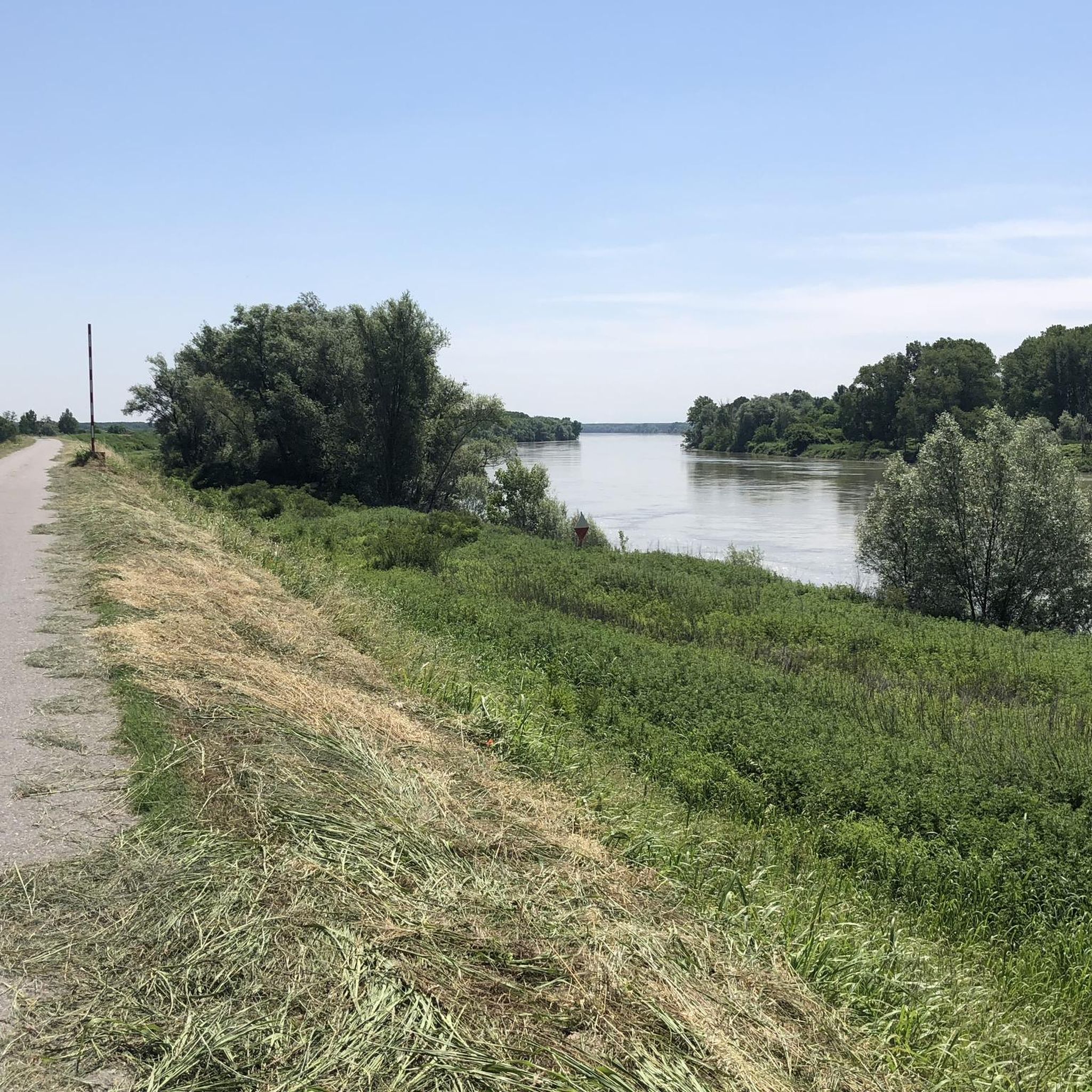
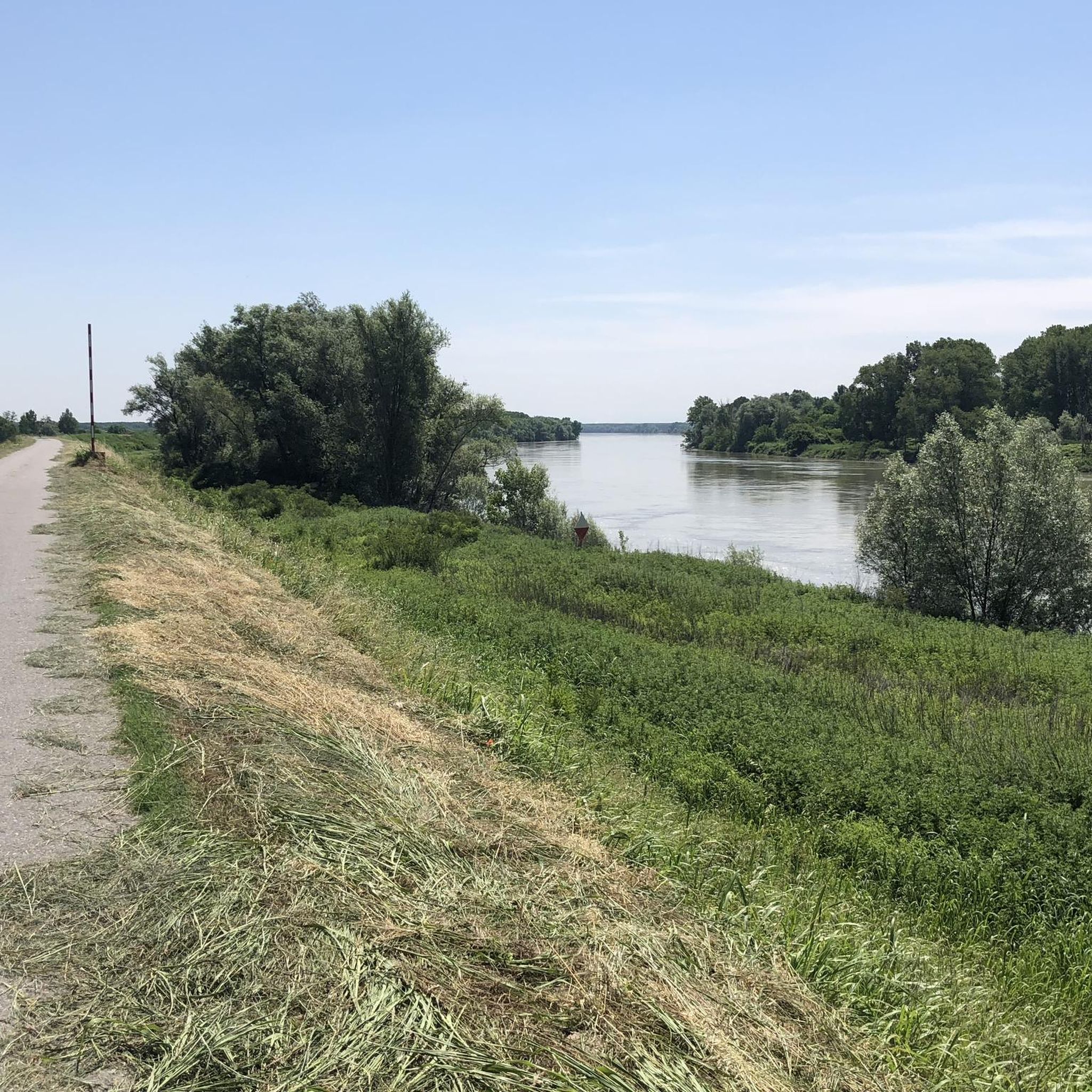
Pizzighettone is an ideal starting point for exploring both the banks of the Adda and for heading to Cremona along the cycle path of the Milan-Cremona canal
0
0

The tower is located near the Trento and Trieste bridge on the Adda river
1
0

Definitely worth it, there is a lot to explore, plan about 2 hours
1
0

Very beautiful and old castle!
3
0
Very beautiful, old castle!
3
0

Place of historical, architectural and cultural interest Viale Castello, 16, 26823 Camairago LO http://www.castellodicamairago.it/ 3338020906
2
0

Palazzo Farnese, built in the second half of the 1500s under the direction of the architect Jacopo Barozzi, known as Vignola. After various events, this imposing building - which hosted many homeless people during the Second World War - is now home to the City's Civic Museums. Inside, the Madonna adoring the Child with the infant Saint John (known as Botticelli's Tondo) in the Pinacoteca stand out; the Sala dei Fasti Farnesiani, the room that more than any other exalts the Farnese family through pictorial representations; the curious Carriage Museum, one of the most prestigious in Italy on the subject; and the Archaeological Museum of the city and the territory which among its collections houses the famous Liver of Piacenza, an Etruscan find linked to the practices of the haruspic priests.
5
0
Frequently Asked Questions
What are some of the most historically significant castles to visit near Corno Giovine?
The area around Corno Giovine is rich in history. You can explore the 15th-century Borromeo Castle of Camairago, known for its battles and military history, or the Pizzighettone Walls, one of Lombardy's best-preserved city walls. Other notable sites include the 15th-century Castello Trecchi in Maleo, still inhabited by descendants of the original family, and the early 14th-century Castello di Fombio, which evolved from a fortress to a palatial residence.
Are there any family-friendly castles or historical sites suitable for children?
Yes, several sites are suitable for families. The Palazzo Farnese in Piacenza, now home to civic museums, offers a lot to explore for about two hours. The Torre del Guado, a historic tower where King Francis I of France was once imprisoned, also offers an engaging historical experience. Additionally, the Castello Cavazzi Somaglia, now a cultural hub, provides teaching classrooms and guided tours to the nearby Monticchie Nature Reserve, combining history with nature education.
What kind of outdoor activities can I do near these castles?
The region offers various outdoor activities. You can find numerous routes for gravel biking, running, and hiking. For instance, there are several hiking trails around Corno Giovine, including moderate loops like the 'Castelgerundo – Winter View Near Maleo loop from Maleo' or the 'Borromeo Castle of Camairago – Cavacurta loop from Codogno'. If you're interested in cycling, explore the gravel biking routes, such as the 'PO RIVER EMBANKMENT – Scenic Countryside Cycle Trail loop from Codogno'.
Which castles offer unique architectural features or historical anecdotes?
Each castle has its own unique charm. Castello Trecchi in Maleo stands out with its distinctive Lombard brick facade, Renaissance atmosphere, and original 16th-century frescoes. The Castello di Fombio showcases a blend of medieval and Baroque styles, with its severe external appearance contrasting with a Baroque internal courtyard. The Castle of Maccastorna, a 13th-century fortress, is known for its rich and dramatic history, including tales of intrigue and even legends of 70 ghosts.
What is the best time of year to visit the castles around Corno Giovine?
The best time to visit the castles in the Lodi province, including those around Corno Giovine, is generally during the spring (April to June) and autumn (September to October). During these seasons, the weather is typically mild and pleasant, ideal for exploring historical sites and enjoying outdoor activities without the intense heat of summer or the chill of winter.
Are there any castles that are still inhabited or privately owned?
Yes, Castello Trecchi in Maleo is unique because it is still inhabited by the descendants of the Trecchi family. This offers visitors a rare glimpse into a lived-in historical experience, complete with meticulously maintained Italian gardens and artistic treasures.
Can I find any natural reserves or parks near the castles?
Absolutely. The Castello Cavazzi Somaglia, for example, is located near the Monticchie Nature Reserve. The castle itself now serves as a cultural hub and offers guided tours to the reserve, providing a unique combination of historical exploration and nature education.
What are some of the community's favorite aspects of the castles in this region?
The komoot community appreciates the diverse historical and architectural appeal of the castles. Visitors particularly enjoy the well-preserved structures like the Pizzighettone Walls, which allow them to imagine military life, and the rich history of sites like the Borromeo Castle of Camairago. The scenic views, such as the panorama of the Adda valley from Borromeo Castle, are also highly valued.
Are there options for parking when visiting these castles?
While specific parking details vary by castle, most historical sites in the region, especially those open to the public or serving as cultural centers, typically offer designated parking areas nearby. It's advisable to check the specific castle's visitor information for the most accurate parking guidance.
Are there any castles with connections to famous historical figures?
Yes, the Torre del Guado holds a notable historical connection. This square tower, part of an ancient castle, served as a prison for King Francis I of France for about fifty days in 1525 after he was captured by the Spanish in the Battle of Pavia. The room where he was held still houses some relics related to his 'forced stay'.
What kind of architectural styles can I expect to see among the castles?
The castles around Corno Giovine showcase a range of architectural styles reflecting centuries of evolution. You'll find medieval fortresses with exposed brickwork and defensive features, Renaissance residences with intricate frescoes and coffered ceilings like Castello Trecchi, and structures that blend medieval origins with later Baroque additions, such as the Castello di Fombio.
Are there any castles that have been repurposed for modern use?
Yes, the Castello Cavazzi Somaglia, originally built in the 14th century, has been donated to the Municipality and now serves as a vibrant cultural hub. It houses the Amphibian Center and offers teaching classrooms, particularly for guided tours to the Monticchie Nature Reserve, blending its historical significance with contemporary educational and environmental purposes.
Most popular routes around Corno Giovine
Most popular attractions around Corno Giovine

Get inspired with the komoot mobile app


Explore more
Looking for the best castles somewhere else? Discover other guides around Corno Giovine:
