Attractions and Places To See around Orio Litta - Top 20
Best attractions and places to see around Orio Litta, a town in the Lombardy region of Italy, offer a blend of historical significance and natural features. Situated near the confluence of the Lambro and Po Rivers, the area is historically important as a stop on the ancient Via Francigena pilgrimage route. Visitors can explore various landmarks and natural landscapes, making it a point of interest for history and nature enthusiasts.
Best attractions and places to see around Orio Litta
- The…
Last updated: September 26, 2026
Villa Litta Carini
Highlight • Historical Site
Translated by Google •
Tip by

Sigeric's Ford on the Via Francigena
Highlight • Historical Site
Translated by Google •
Tip by
Sign up now to discover places like this
Get recommendations on the best single tracks, peaks, & plenty of other exciting outdoor places.
Chignolo Po Castle
Highlight • Castle
Via Stazione, 27013 Chignolo Po PV
castellodichignolopo.it
3201198899
Translated by Google •
Tip by

San Colombano Castle
Highlight • Castle
Translated by Google •
Tip by

Lambro River crossing
Highlight • Bridge
The Lambro is a river in the Italian region of Lombardy. The total length of the river is approximately 130 kilometers.
The source of the Lambro, …
Translated by Google •
Tip by
Sign up for free to discover even more attractions around Orio Litta.
Already have an account?
Start today with a free account
Your next adventure awaits.

Other adventures around Orio Litta

Tips from the Community

The Castello di San Colombano (or Castello Belgioioso) stands in the medieval village famous for its vineyards and for being an exclave in the province of Milan. Dating back to the 6th century and rebuilt by Barbarossa in 1164, it is divided between a private area (the keep) and a communal one (the fortified village).
0
0

The villa was built according to its original design by Count Antonio Cavazzi della Somaglia, VIII Count and Baron of Somaglia, to showcase the power of his family, in an area where he owned several lands and estates. The count entrusted the design to architect Giovanni Ruggeri. Upon his death in 1688, Antonio bequeathed the villa to his great-nephew Antonio Dati, who subsequently assumed the title of Count of Somaglia. Dati oversaw the expansion of the palace, transforming it into a majestic residence intended as a holiday resort and meeting place for great figures of 18th-century Italian literature and culture, but he never lived to see the work completed, which was completed by his son Antonio Giovanni Battista in 1749.
2
0

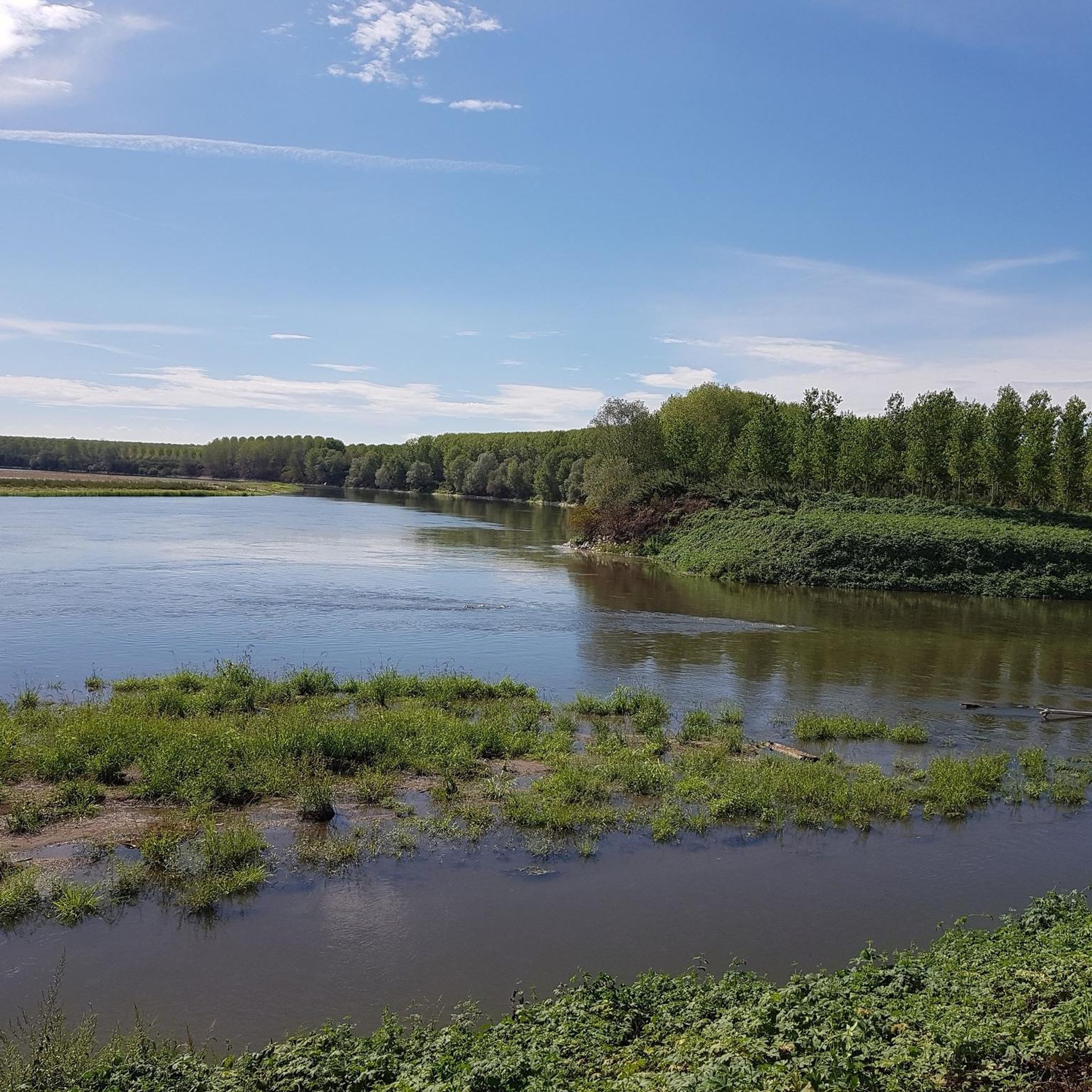
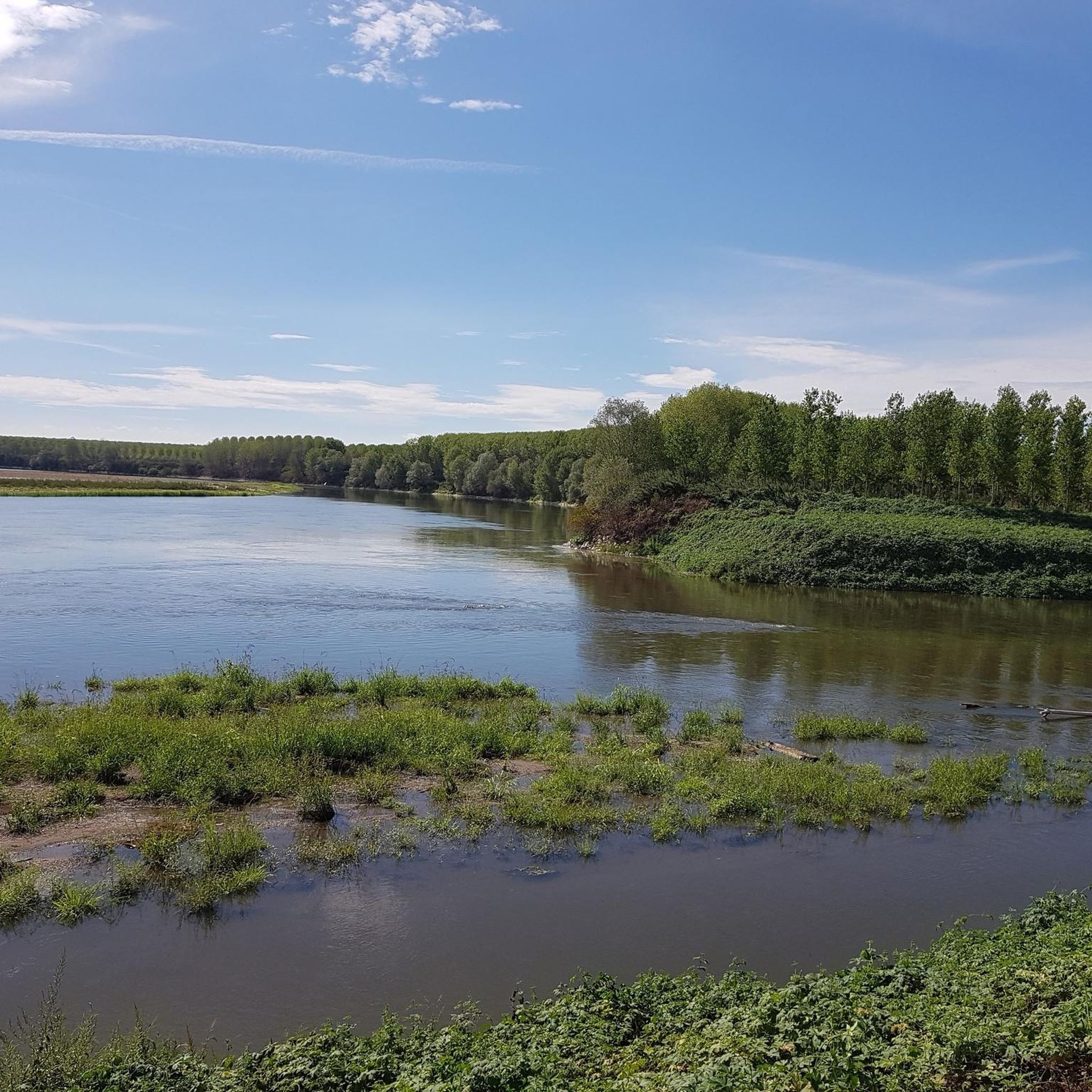
An idyllic spot for a rest and a picnic! We soak up the peace and quiet. From here, it's supposedly possible to take a boat across, just as pilgrims did in the Middle Ages. It's probably busier here in the summer.
1
0
This palace is called the "Versailles" of Lombardy. Everything is locked. According to the sign, it can be visited by appointment. The grounds are vast.
1
0
I don't know when they will be finished but a cycle bridge is being planned downstream from the road bridge and it will avoid the stretch of SS 234, to date (March 2025) the foundations have been laid on both banks then we'll see...
1
0


On gravel we followed dirt roads along waterways and cycle paths as much as possible, but you can get there faster with a road bike.
0
0
We left Gorgonzola in the direction of the Chignolo Po Castle, one of the sumptuous country residences of Lombardy, and after about three hours we arrived at our destination... discovering that the Castle was closed... no big deal we took pictures from the outside. Its oldest part is the tower, built as a garrison on the Po and on the connecting routes between northern Europe and Italy. The Castle, built in the thirteenth century, was transformed into a princely palace in the eighteenth century, through an imaginative stylistic reworking of the building. It appears as a majestic terracotta construction, surmounted by a protruding gallery supported by stone brackets. Each window is framed in white. The most spectacular element is the central tower, square and with battlements, embellished with a small loggia. Inside you can admire the apartments in which Pope Clement XI, Napoleon Bonaparte and Francis I of Austria were hosted, as well as the sumptuous ballroom on whose ceiling the glory of the four seasons is painted. The Castle is also home to the Museum of the History of Lombard Agricultural Civilization, created with the intent of bringing together the many historical realities that have formed the foundation of the agricultural activities of the lower Po Valley and the Lombard Wine Museum. The visit route aims to admire the monumental complex of the Castle of Chignolo Po and to enhance the history of its centuries-old royal fiefdom and its position along the Via Francigena. The visits are only guided as the Castle is a private residence. Nice trip!
0
0
Frequently Asked Questions
What historical landmarks can I explore in Orio Litta?
Orio Litta is rich in history. You can visit the magnificent Villa Litta Carini, a 17th-century site often called the 'little Versailles of the Lodi area.' Another significant site is the Grangia Benedettina, a religious complex predating the year 1000, which now serves as a hostel. Nearby, you'll find the late 16th-century Church of S. Giovanni Battista, known for its depictions of Saint John the Baptist.
Are there any castles to visit near Orio Litta?
Yes, there are notable castles in the vicinity. The Chignolo Po Castle, sometimes referred to as the 'Versailles of Lombardy,' offers two distinct visit routes exploring its ancient history. You can also explore San Colombano Castle, which has origins dating back to the 6th century and features both a shelter and a fortress.
What natural features can I discover around Orio Litta?
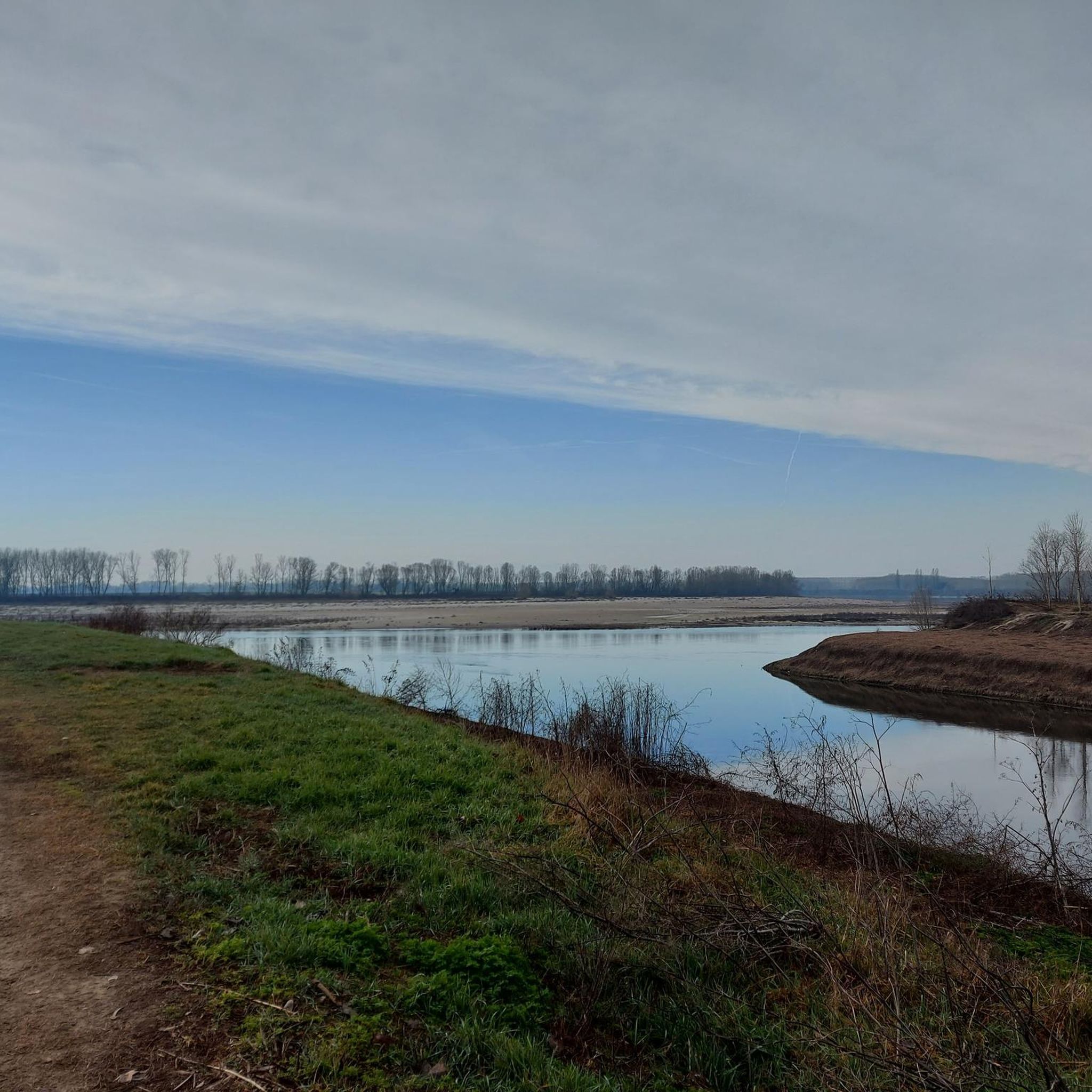
Orio Litta is situated near the confluence of two significant rivers: the Lambro and the Po. The Lambro River, approximately 130 kilometers long, flows through diverse landscapes, including a protected area. The Po River, Italy's longest, offers scenic views and was historically a crucial crossing point on the Via Francigena.
What is the significance of the Via Francigena in Orio Litta?
Orio Litta holds historical importance as a significant stop on the Via Francigena, the ancient pilgrimage route from Canterbury to Rome. Archbishop Sigeric of Canterbury documented his stop here in 990. The historic Sigeric's Ford on the Via Francigena marks the point where pilgrims would cross the Po River on large rafts.
Are there opportunities for cycling around Orio Litta?
Yes, the area around Orio Litta is well-suited for cycling. You can find various routes, particularly those linked to the Via Francigena. For detailed cycling tours, explore the Cycling around Orio Litta guide, which includes routes like the 'Gothic Palace (Piacenza) – Piazza Cavalli loop' and the 'Chapel on the Via Francigena – Centro Nautico Somaglia loop'.
Where can I find hiking trails near Orio Litta?
There are several hiking opportunities around Orio Litta, especially along sections of the Via Francigena. The Hiking around Orio Litta guide features trails such as the 'Via Francigena - San Rocco al Porto Variant' and various loops around San Colombano al Lambro, including the 'Pond of San Colombano Park loop'.
What is the best time of year to visit Orio Litta for outdoor activities?
The region generally offers pleasant conditions for outdoor activities during spring and autumn, when temperatures are milder. Summer can be warm, while winter might be cooler but still suitable for some activities, depending on personal preference.
Are there any museums or cultural sites related to the region's history?
While slightly outside Orio Litta, the Lombard Agricultural Civilization and Wine Museum, located at Chignolo Po Castle, offers insight into the region's agricultural heritage and wine production. It's part of a monumental complex along the Via Francigena.
What do visitors enjoy most about the attractions around Orio Litta?
Visitors appreciate the blend of historical significance and natural beauty. Many enjoy the ancient history of sites like Chignolo Po Castle and the architectural grandeur of Villa Litta Carini. The scenic stretches along the Lambro River, particularly those part of the Via Francigena, are also highly valued for their tranquility and views.
Are there any specific road cycling routes recommended near Orio Litta?
For road cycling enthusiasts, the Road Cycling Routes around Orio Litta guide offers several options. Popular routes include the 'Via Serafina Climb – Basilica of San Bassiano loop' and longer, more challenging rides like the 'Vicobarone – View of the Oltrepò Vineyards loop'.
Is there public transport available to reach attractions in Orio Litta?
Public transport options to Orio Litta and its surrounding attractions may be limited. It is advisable to check local bus schedules and routes in advance, or consider personal transport for greater flexibility in exploring the region's dispersed historical and natural sites. For more information on local transport, you might consult resources like VisitLodi.it.
Most popular routes around Orio Litta
Most popular attractions around Orio Litta

Get inspired with the komoot mobile app


Explore more
Still not found the Highlight you’re looking for? See guides of the top attractions in other regions:
