The best cycling routes around Somaglia
4.3
(602)
5,880
riders
386
rides
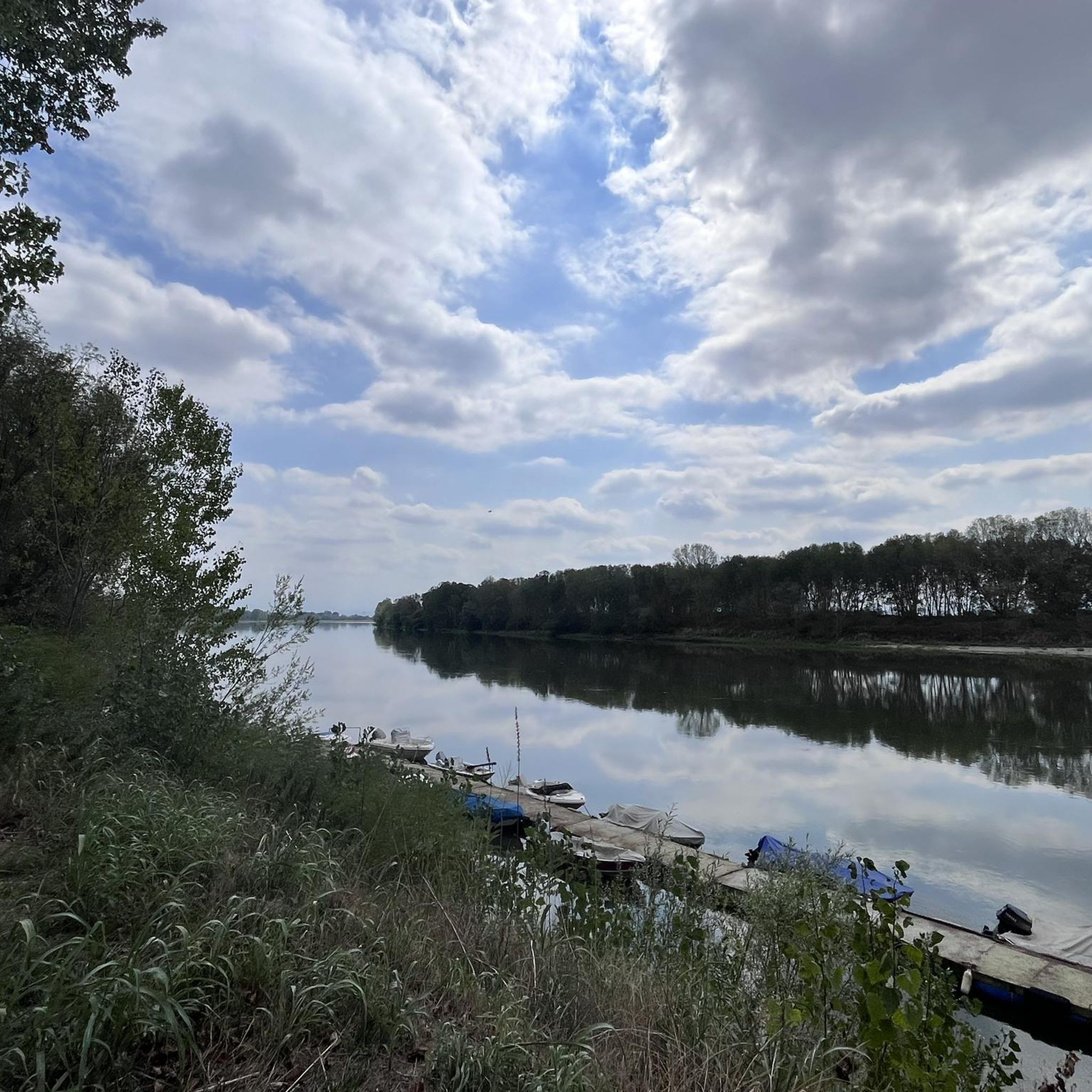
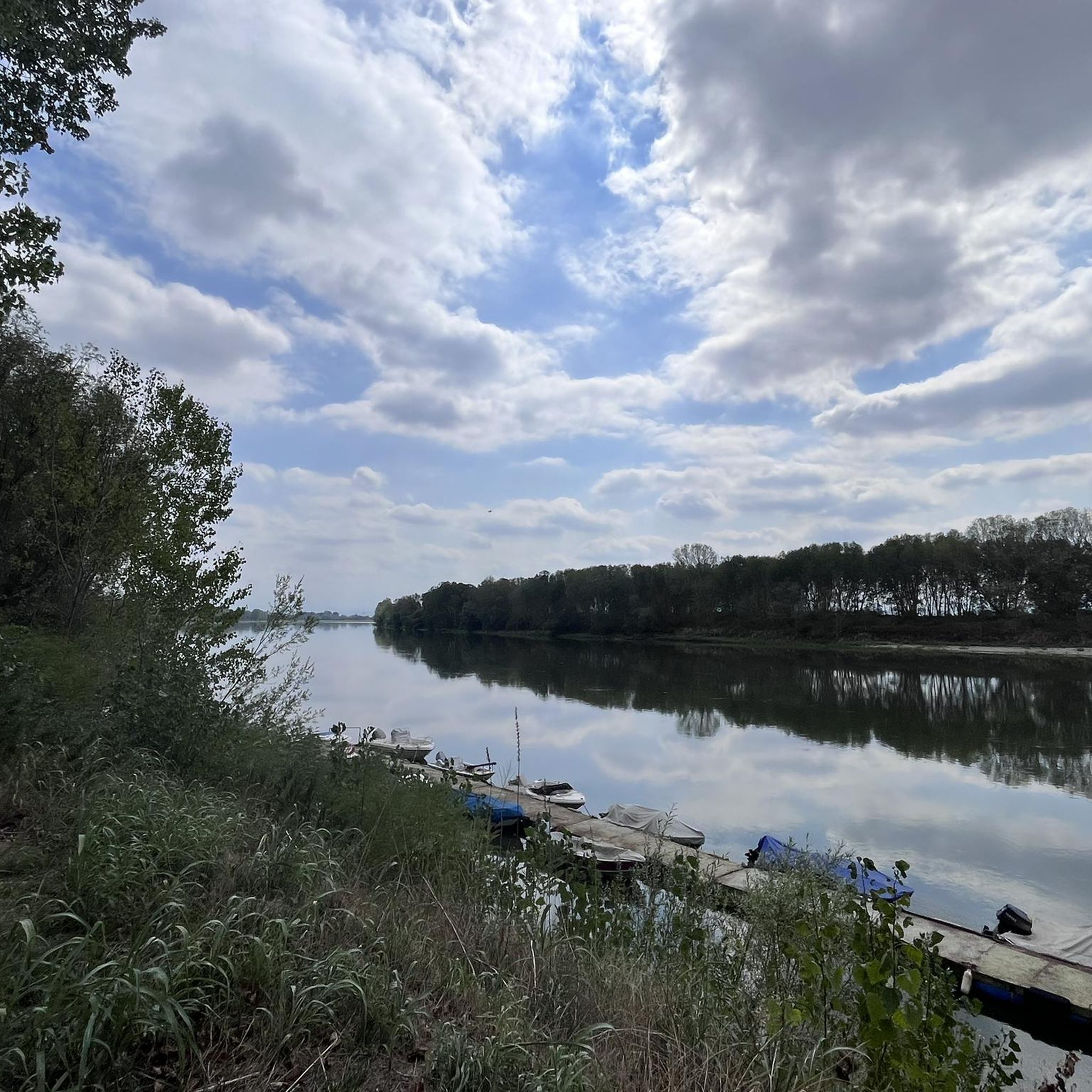
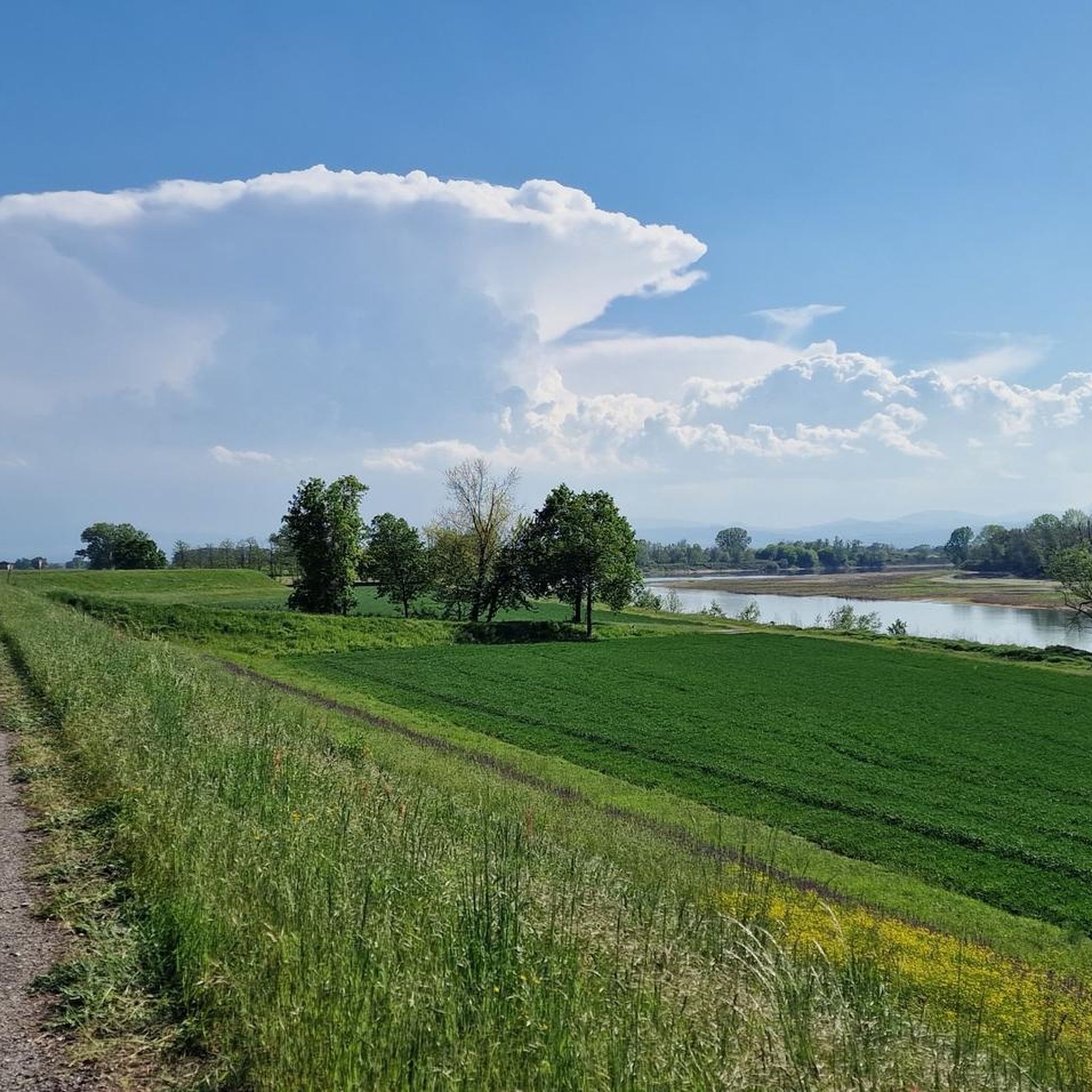
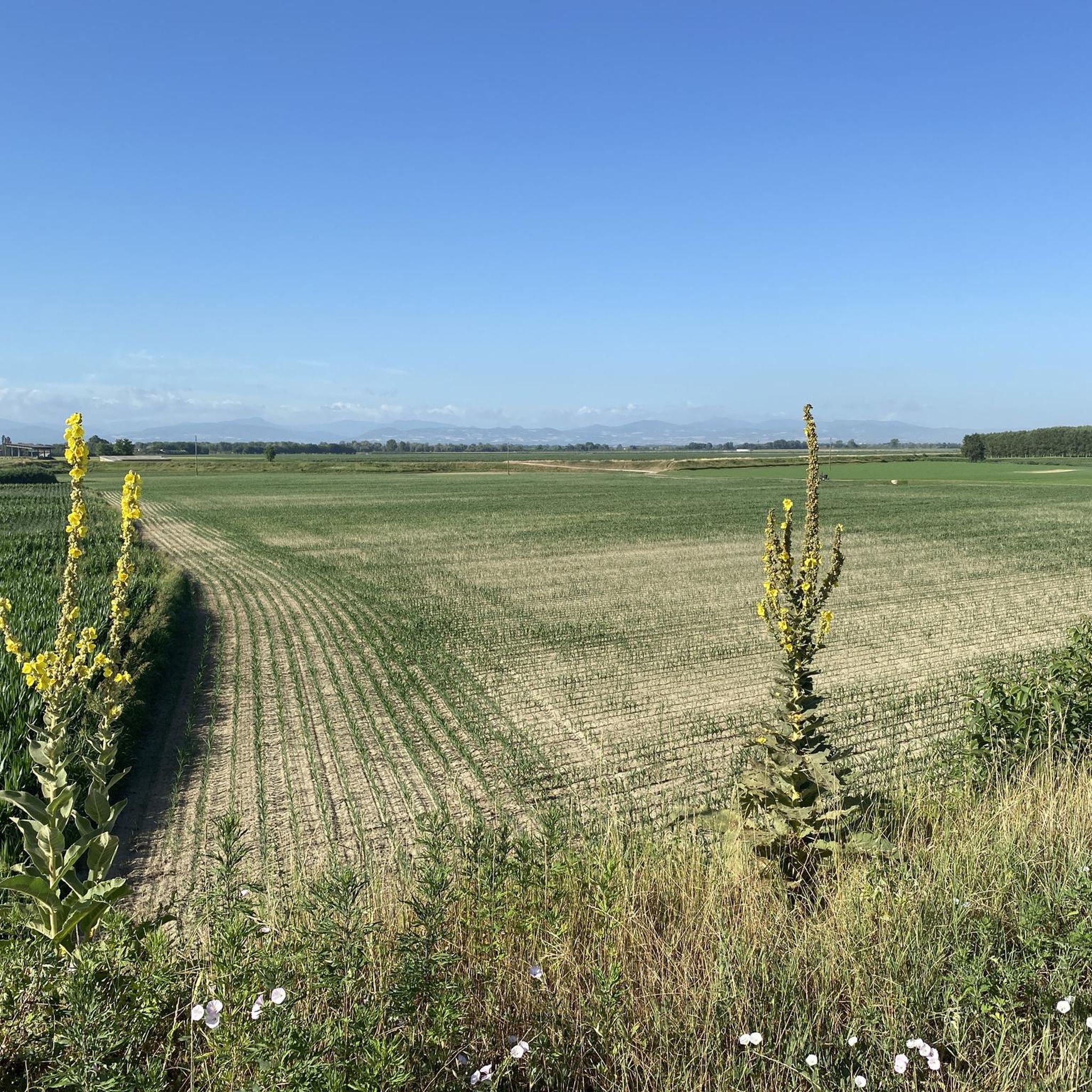
Touring cycling around Somaglia offers routes primarily through the flat plains of the Po Valley, characterized by agricultural landscapes and riverside paths. The region's terrain features minimal elevation changes, making it suitable for various cycling abilities. Routes often follow river embankments, such as those along the Po and Adda rivers, connecting small towns and historical sites. This area provides a network of paths ideal for extended rides through open countryside.
Best touring cycling routes around Somaglia
- The most popular touring…
Last updated: October 9, 2026
4.6
(23)
143
riders
48.1km
02:47
100m
100m
Moderate bike ride. Good fitness required. Mostly paved surfaces. Suitable for all skill levels.
4.3
(7)
90
riders
62.5km
04:32
650m
650m
Hard bike ride. Very good fitness required. You may need to push your bike for some segments of this route.

4.3
(7)
48
riders
Moderate bike ride. Good fitness required. Mostly paved surfaces. Suitable for all skill levels.
4.9
(11)
59
riders
Hard bike ride. Very good fitness required. Mostly paved surfaces. Suitable for all skill levels.
4.8
(5)
33
riders
65.5km
03:46
130m
130m
Moderate bike ride. Good fitness required. Mostly paved surfaces. Suitable for all skill levels.
Get access to more routes and recommendations from other explorers.
Already have an account?
Our route recommendations are based on thousands of hikes, rides, and runs completed by other people on komoot.
Start today with a free account
Your next adventure awaits.

Tips from the Community

Very large for the place
0
0

Piazza Cavalli is the beating heart and undisputed symbol of the historic center of Piacenza. Formerly known as Piazza Grande, it owes its current name to the two famous bronze equestrian monuments positioned on either side of the magnificent Palazzo Gotico.
1
0
The Castello di San Colombano (or Castello Belgioioso) stands in the medieval village famous for its vineyards and for being an exclave in the province of Milan. Dating back to the 6th century and rebuilt by Barbarossa in 1164, it is divided between a private area (the keep) and a communal one (the fortified village).
0
0


Church of San Pietro (Shrine of Our Lady of the Sacred Heart) in the nearby village of Gera, an 18th-century Marian sanctuary entirely covered in marble and mosaics to celebrate the figure of the Virgin, present both inside and outside at the initiative of the priest Pietro Mizzi (parish priest of Pizzighettone until 1999) who dedicated his entire life to its embellishment.
1
0

must see
0
0

The villa was built according to its original design by Count Antonio Cavazzi della Somaglia, VIII Count and Baron of Somaglia, to showcase the power of his family, in an area where he owned several lands and estates. The count entrusted the design to architect Giovanni Ruggeri. Upon his death in 1688, Antonio bequeathed the villa to his great-nephew Antonio Dati, who subsequently assumed the title of Count of Somaglia. Dati oversaw the expansion of the palace, transforming it into a majestic residence intended as a holiday resort and meeting place for great figures of 18th-century Italian literature and culture, but he never lived to see the work completed, which was completed by his son Antonio Giovanni Battista in 1749.
2
0
A small but suggestive regional reserve, there is a pedestrian/horse trail and a short but fun MTB trail
0
0
Frequently Asked Questions
What is the general difficulty level of touring cycling routes around Somaglia?
The touring cycling routes around Somaglia cater to a range of abilities. Out of nearly 400 routes, approximately 152 are classified as easy, 153 as moderate, and 86 as difficult. The region's flat Po Valley terrain means most routes have minimal elevation changes, making many accessible for various skill levels.
What are the typical distances for touring cycling routes in the Somaglia area?
Routes in Somaglia vary in length, with many popular options ranging from 28 to 31 miles (45 to 50 km). For example, the Gothic Palace (Piacenza) – Piazza Cavalli loop from Ospedaletto Lodigiano is 29.5 miles (47.5 km), and the Adda Rapids, Pizzighettone – Pizzighettone Walls loop from Casalpusterlengo covers 31.1 miles (50.1 km).
Are there family-friendly touring cycling routes in Somaglia?
Yes, the flat terrain of the Po Valley makes many routes suitable for families. Look for routes classified as 'easy' in the komoot app. An example of an easy route is the Gothic Palace (Piacenza) – Po Bridge of Piacenza loop from Guardamiglio, which is 19.6 miles (31.6 km) long and features minimal elevation.
What kind of scenery can I expect on touring cycling routes near Somaglia?
You can expect to cycle through agricultural landscapes, along tranquil riverside paths, and across open countryside. Routes often follow river embankments, particularly along the Po and Adda rivers, offering views of the water and surrounding nature.
Are there any circular touring cycling routes available?
Yes, many touring cycling routes in Somaglia are designed as loops, allowing you to start and end at the same point. Examples include the Elevated Cycle Path – Po River Main Embankment loop from Casalpusterlengo and the Adda Riverside Cycle Path – Secondary road loop from Casalpusterlengo.
What are some interesting natural attractions or landmarks to see along the routes?
The region offers several natural and historical points of interest. You might encounter natural monuments like the Stork Visitor Center of the Adda Sud Park or the Monticchie Nature Reserve. Additionally, there are historical sites such as the Chignolo Po Castle or San Colombano Castle nearby.
When is the best time of year to go touring cycling in Somaglia?
The best time for touring cycling in Somaglia is typically during spring (April-May) and autumn (September-October) when temperatures are mild and comfortable. Summer can be hot in the Po Valley, while winter might bring colder temperatures and occasional fog.
What do other touring cyclists say about the routes in Somaglia?
The komoot community highly rates the touring cycling experience in Somaglia, with an average score of 4.3 stars from over 400 reviews. Cyclists often praise the quiet secondary roads, the scenic riverside paths, and the overall accessibility of the flat terrain for extended rides.
Are there any routes that offer views of the Po River?
Yes, several routes utilize the embankments and paths along the Po River. The Elevated Cycle Path – Po River Main Embankment loop from Casalpusterlengo is a prime example, offering continuous views of the river from an elevated perspective.
Can I find routes that connect to historical urban centers?
Absolutely. Some routes are designed to link the rural landscape with nearby historical towns. The Gothic Palace (Piacenza) – Piazza Cavalli loop from Ospedaletto Lodigiano is a popular option that connects to the historical urban centers, allowing you to explore both nature and culture.
Are there options for more challenging touring cycling routes in Somaglia?
While the region is generally flat, some routes are classified as 'difficult' due to their length or potentially more varied surfaces. There are 86 such routes available for experienced cyclists looking for a longer or more demanding ride within the Po Valley's characteristics.
Most popular attractions around Somaglia

Get inspired with the komoot mobile app


Explore more
Browse the best Cycling routes in other regions.
