Attractions and Places To See around San Bassano - Top 20
Attractions and places to see around San Bassano offer a blend of historical sites and natural waterways in the province of Cremona, Italy. This charming town, with roots dating back to the 6th-7th century, provides a tranquil destination away from larger cities. Its landscape is characterized by significant hydraulic junctions and historical structures, reflecting its past as a passage point and agricultural hub. The area features notable landmarks such as a 12th-century castle and a 16th-century parish church.
Best attractions…
Last updated: May 26, 2026
Tombe Morte (and 13 bridges)
Highlight • Structure
Translated by Google •
Tip by

Adda River Bridge and Visconti Tower, Pizzighettone
Highlight • Bridge
Translated by Google •
Tip by

Sign up now to discover places like this
Get recommendations on the best single tracks, peaks, & plenty of other exciting outdoor places.
Sign up for free
Canale Vacchelli Cycle Path
Highlight • Cycleway
Translated by Google •
Tip by

Sanctuary of Santa Maria del Marzale
Highlight • Religious Site
it.wikipedia.org/wiki/Santuario_della_Beata_Vergine_del_Marzale
Translated by Google •
Tip by

Church of San Pietro in Pizzighettone
Highlight • Religious Site
Translated by Google •
Tip by

Sign up for free to discover even more attractions around San Bassano.
Sign up for free
Already have an account?
Start today with a free account
Your next adventure awaits.
Login or Signup

Tips from the Community

Church of San Pietro (Shrine of Our Lady of the Sacred Heart) in the nearby village of Gera, an 18th-century Marian sanctuary entirely covered in marble and mosaics to celebrate the figure of the Virgin, present both inside and outside at the initiative of the priest Pietro Mizzi (parish priest of Pizzighettone until 1999) who dedicated his entire life to its embellishment.
1
0

must see
0
0

On the right bank of the Adda, coming from the level crossing, turn left after the petrol station and follow the circle of walls
0
0

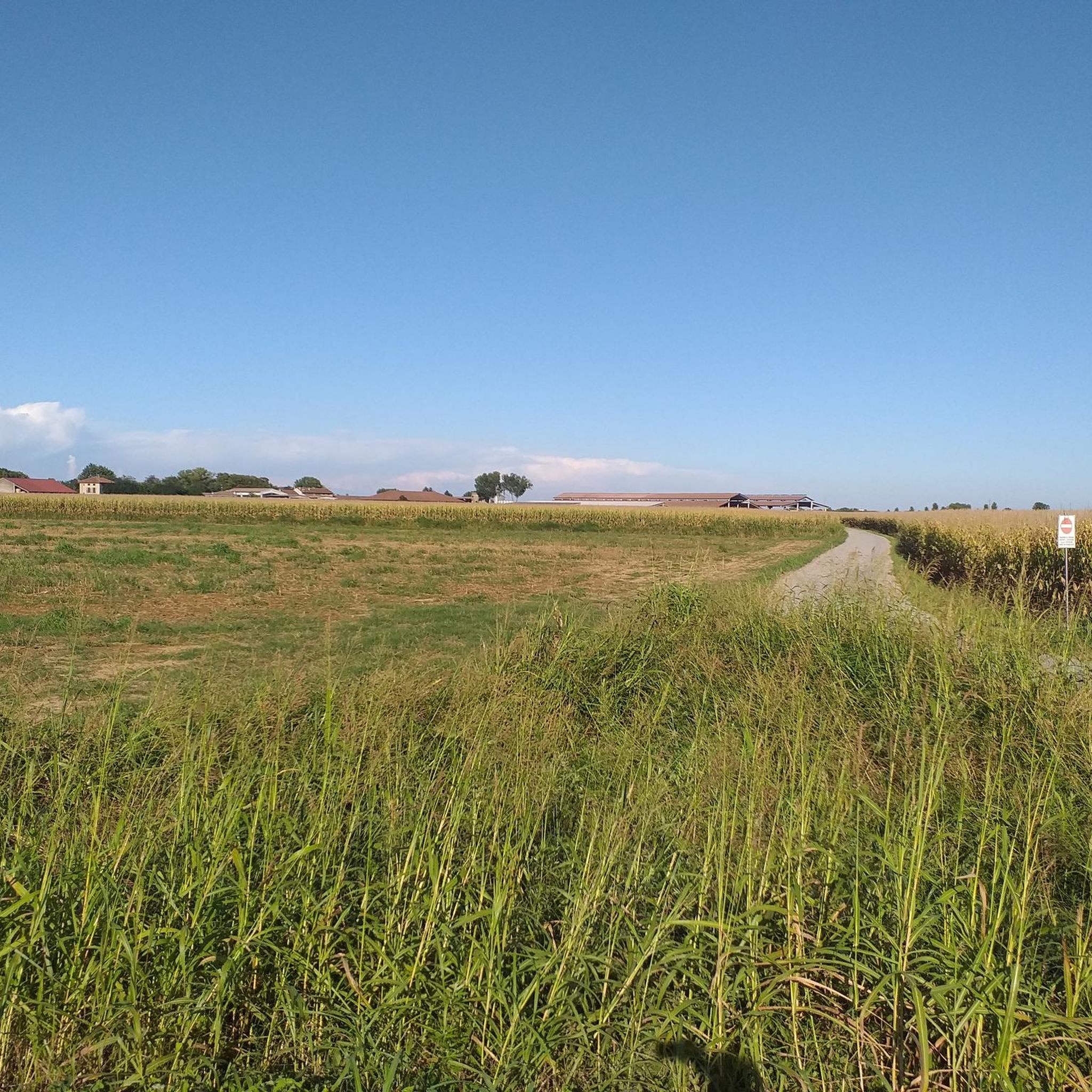
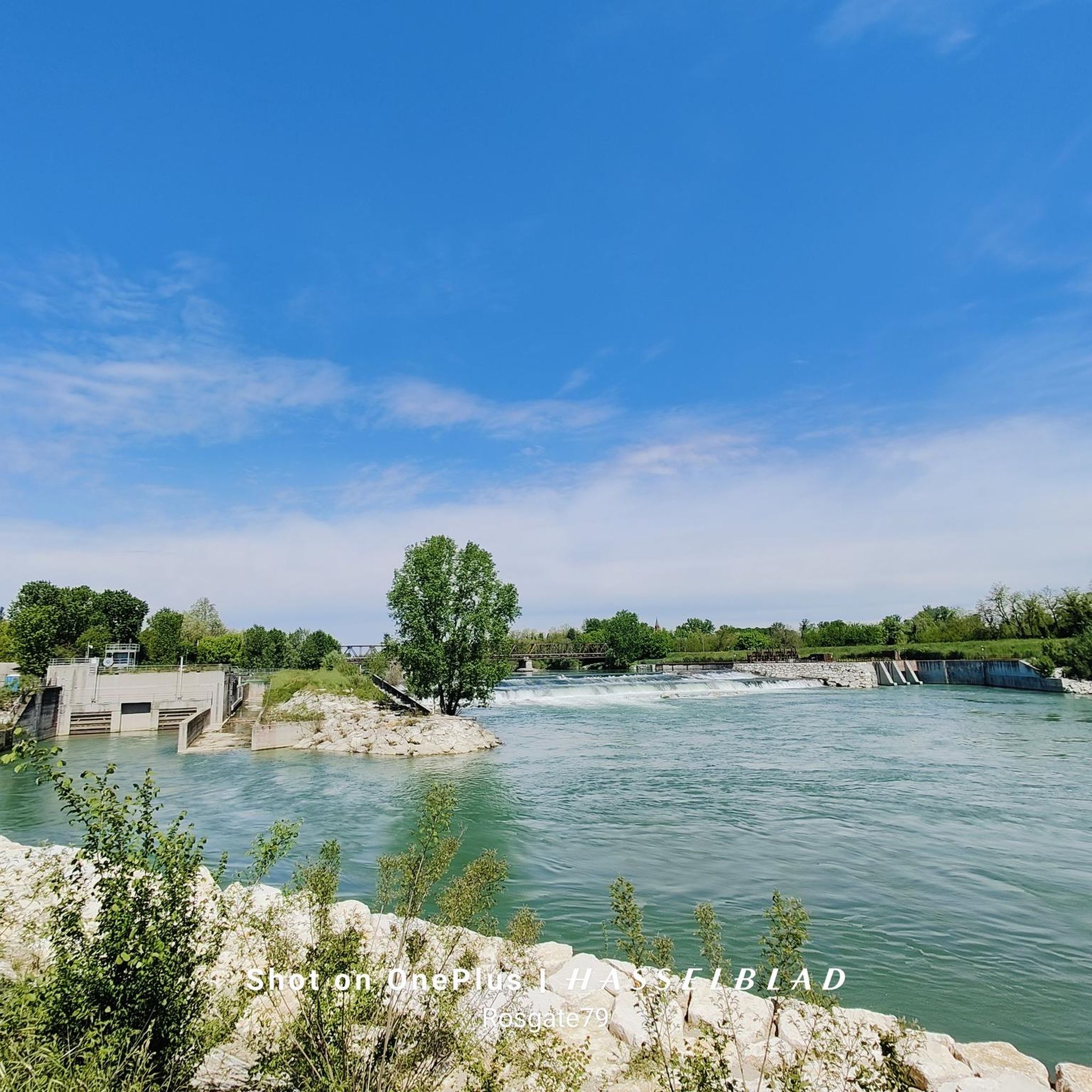
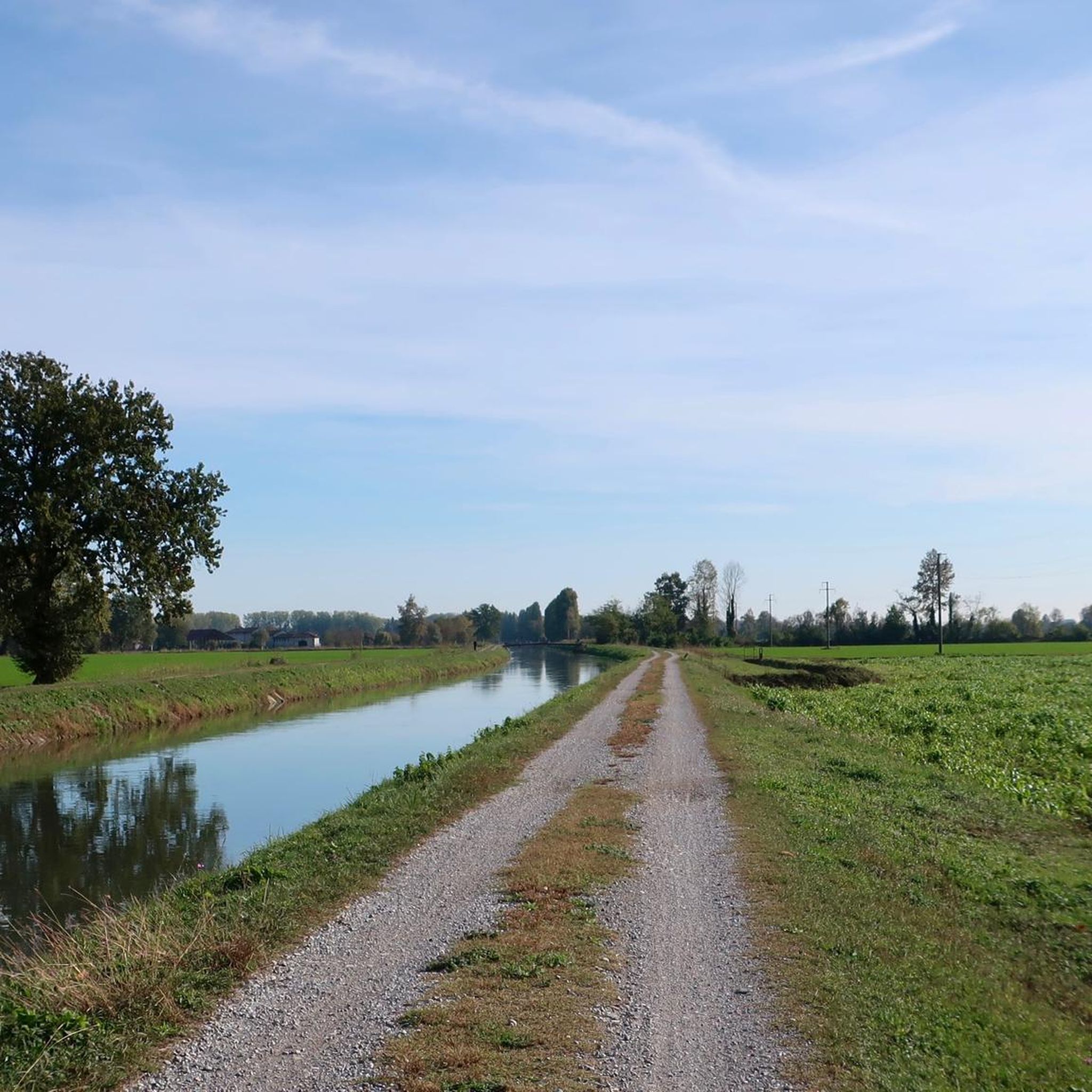
The hydraulic junction of the Tombe Morte-Tredici Ponti constitutes the most important concentration of artificial waterways in the province of Cremona, irrigating approximately 85,000 hectares of countryside. Here the Naviglio Civico di Cremona, the Naviglio Grande Pallavicino and the Canale Vacchelli intersect, the latter pouring almost all of its flow into the Naviglio Pallavicino, the Naviglio Civico and a dozen irrigation ditches through an impressive system of locks. Finally, a spillway, built between 1968 and 1981, detaches from the junction, which discharges any excess flow from the Naviglio Civico, the Naviglio Pallavicino and the Vacchelli into the Oglio river. Two different hypotheses have been made regarding the origin of the name, the first would originate from the term tomba which is synonymous with siphon, a hydraulic element that connects two conduits. Probably some of these artifacts would have fallen into disuse, hence the adjective death. Another hypothesis is linked to the discovery of several dozen burials dating back to the late Roman era.
23
0

The intersection of these channels is very suggestive
5
0

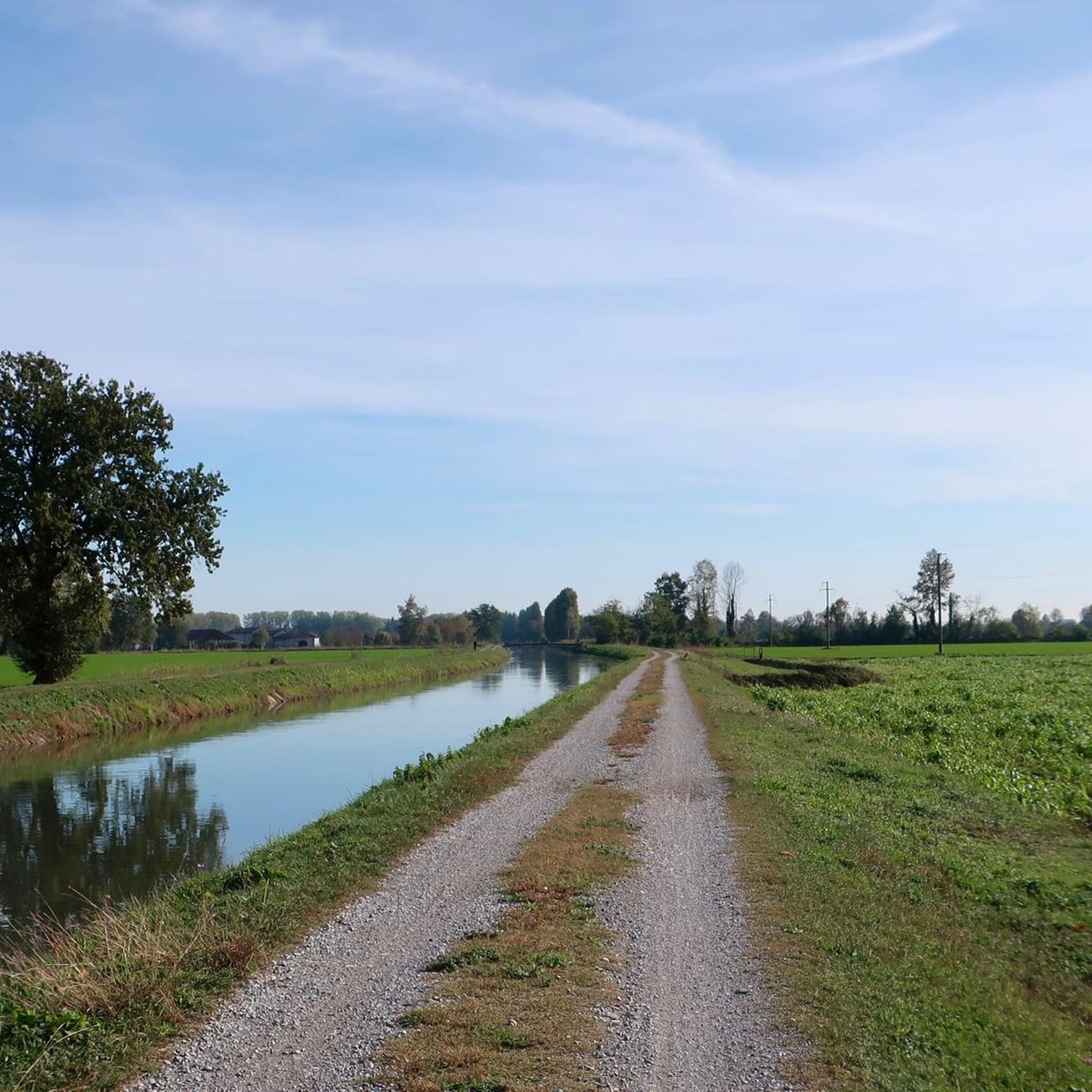
The Pietro Vacchelli canal is an important hydraulic work from the late 1800s built by the Consorzio Irrigazioni Cremonesi to irrigate 80 thousand hectares of the Cremona countryside in the stretch between the Adda River and the Tombe Morte locality in Genivolta.
0
0

Nice tour, nice town discovered with this tour, remarkable the city walls
0
0

nice road great surface
0
0
Frequently Asked Questions
What historical sites can I visit in San Bassano?
San Bassano offers a rich historical tapestry. You can explore the San Bassano Castle, a significant 12th-century structure that has hosted historical figures like Empress Beatrice of Burgundy. The Parish Church of San Bassano, built in the mid-16th century, features a restored facade and a notable Balbiani organ. Other historical points include the Chapel of St. James the Greater and the Ancient Queen's Road. Nearby, you can also visit the Adda River Bridge and Visconti Tower in Pizzighettone, known for its well-preserved walled city and medieval history, or the ancient Sanctuary of Santa Maria del Marzale.
Are there cycling paths around San Bassano?
Yes, the area is excellent for cycling. A prominent route is the Canale Vacchelli Cycle Path, which follows the Pietro Vacchelli canal. This path features a gravel surface and numerous stone bridges, connecting the Adda and Oglio rivers. You can also find many dirt paths around Tombe Morte (and 13 bridges), an important hydraulic junction, perfect for exploring by bike. For more options, check out the Road Cycling Routes around San Bassano or MTB Trails around San Bassano guides.
What outdoor activities can I do near these attractions?
Beyond cycling, you can enjoy hiking and exploring the natural waterways. The area around San Bassano offers various routes, such as the Adda Morta Nature Reserve Loop for hiking. The hydraulic junctions, like Tombe Morte (and 13 bridges), are great starting points for discovering the countryside on foot or by bike. The Canale Vacchelli Cycle Path also provides a scenic route along the canal for leisurely walks or rides.
Are there family-friendly attractions around San Bassano?
Many attractions in the San Bassano area are suitable for families. Historical sites like the San Bassano Castle and the Parish Church offer educational insights. Outdoor areas such as Tombe Morte (and 13 bridges) and the Canale Vacchelli Cycle Path are ideal for family bike rides or walks, providing gentle terrain and interesting sights like stone bridges and hydraulic systems. The Adda River Bridge and Visconti Tower in Pizzighettone is also considered family-friendly, offering a glimpse into medieval history.
What is the best time of year to visit San Bassano for outdoor activities?
While specific data isn't provided, the region's outdoor attractions, particularly cycling and walking paths along canals and historical sites, are generally best enjoyed during the milder seasons. Spring and autumn offer pleasant temperatures for exploring without the intense heat of summer or the chill of winter, making them ideal for outdoor activities.
What kind of landscape can I expect to see around San Bassano?
The landscape around San Bassano is characterized by a blend of historical structures and significant hydraulic waterways. You'll find a flat plain dotted with canals, rivers, and agricultural fields. Key features include the intricate hydraulic junction at Tombe Morte (and 13 bridges), the scenic Canale Vacchelli Cycle Path, and the elevated bend of the Serio river near the Sanctuary of Santa Maria del Marzale. The area reflects its past as a passage point and agricultural hub, offering tranquil views away from larger cities.
Are there any hidden gems or less-known places to explore near San Bassano?
San Bassano itself is considered a hidden gem, offering a tranquil destination. Beyond the main castle and church, the complex hydraulic systems like Tombe Morte (and 13 bridges) are fascinating and less commonly known to casual tourists. The Rezza Hydroelectric Power Plant, an early 20th-century industrial marvel along the Naviglio Civico, also offers a unique historical perspective on the region's development.
What is the significance of the San Bassano Castle?
The San Bassano Castle, built in the 12th century, is a significant historical landmark. It once hosted Empress Beatrice of Burgundy and, despite numerous modifications over the centuries, its basic structure remains visible. The castle is often utilized for cultural and tourist events, serving as a focal point for the town's heritage.
Can I explore the area by public transport?
While the guide focuses on attractions and routes, exploring the immediate vicinity of San Bassano's attractions is often best done by bike or on foot due to the nature of the paths and historical sites. For reaching the town itself, local bus services connect San Bassano to larger towns in the Cremona province, but specific public transport options to individual outdoor activities may be limited.
What do visitors enjoy most about the attractions around San Bassano?
Visitors particularly appreciate the blend of historical sites and natural waterways. The intricate hydraulic junctions and scenic cycle paths, like the Canale Vacchelli Cycle Path, are highly rated for their unique beauty and opportunities for exploration. The historical depth of sites such as the San Bassano Castle and the Sanctuary of Santa Maria del Marzale also captivates those interested in the region's past. The tranquility and escape from larger cities are also frequently mentioned positives.
Are there any religious buildings of note in San Bassano?
Yes, the Parish Church of San Bassano is a prominent religious building, constructed in the mid-16th century and dedicated to the town's patron saint. It features three spacious naves and a historic Balbiani organ. Additionally, the Chapel of St. James the Greater, built on a pre-existing pagan site, adds another layer to the town's spiritual history. Further afield, the ancient Sanctuary of Santa Maria del Marzale is a small countryside sanctuary with a rich past.
Most popular routes around San Bassano
Most popular attractions around San Bassano

Get inspired with the komoot mobile app


Explore more
Still not found the Highlight you’re looking for? See guides of the top attractions in other regions:
