Attractions and Places To See around Seniga - Top 20
Attractions and places to see around Seniga, a small municipality in the province of Brescia, Lombardy, Italy, offer a blend of historical and natural sites. Situated on the Oglio river, the area features a landscape shaped by waterways and agricultural plains. Visitors can explore local cultural landmarks and serene natural environments. The region provides opportunities for outdoor activities such as walking and cycling.
Best attractions and places to see around Seniga
- The most popular attractions is Chiesa di Comella,…
Last updated: August 12, 2026
Church of Saints Joseph and Blaise, Robecco d'Oglio
Highlight • Religious Site
The building, however, was completely renovated and inaugurated in 1895.
Of great impact for its majesty, …
Translated by Google •
Tip by

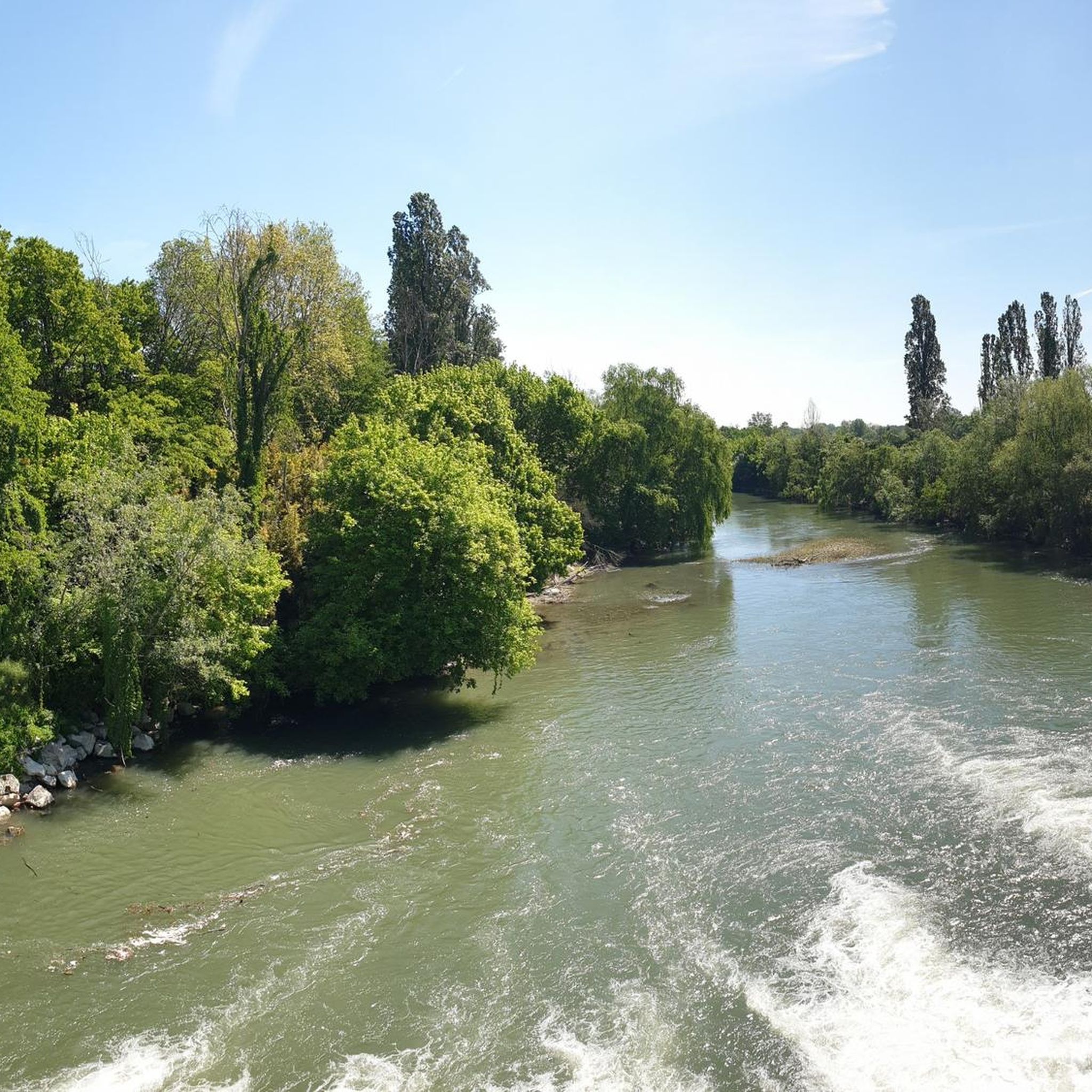
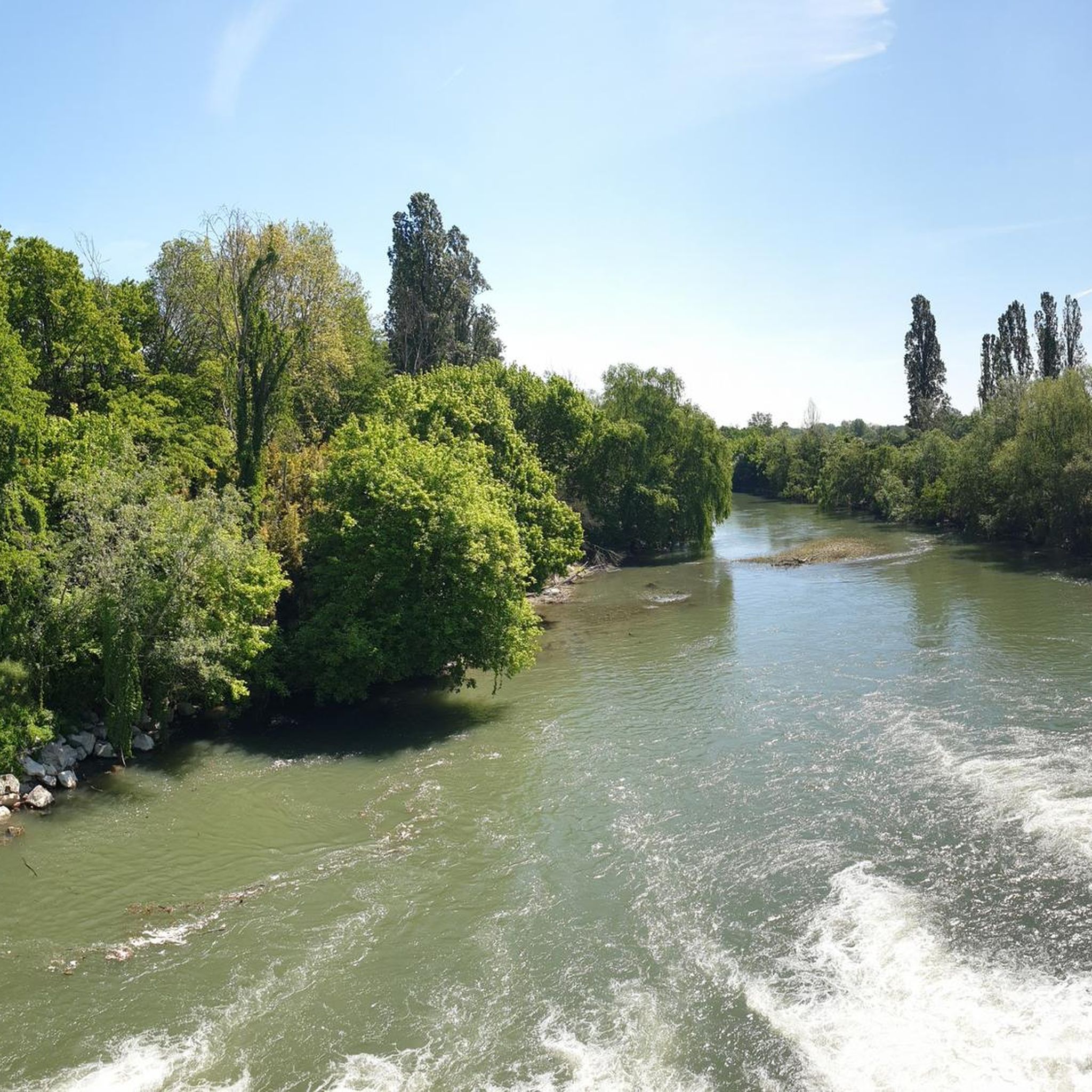
The Oglio River near Pontevico
Highlight • River
Translated by Google •
Tip by

Sign up now to discover places like this
Get recommendations on the best single tracks, peaks, & plenty of other exciting outdoor places.
Sign up for free
Chiesa di Comella
Highlight • Religious Site
Translated by Google •
Tip by

Monticelli d'Oglio Cycle Bridge
Highlight • Bridge
Translated by Google •
Tip by

Piazza Matteotti, Isola Dovarese
Highlight • Historical Site
Translated by Google •
Tip by

Sign up for free to discover even more attractions around Seniga.
Sign up for free
Already have an account?
Start today with a free account
Your next adventure awaits.
Login or Signup

Tips from the Community

Pontevico is an Italian municipality of about 7,150 inhabitants located at the southern end of the province of Brescia, in Lombardy. The village stands in a historically strategic position along the Oglio river, which marks the natural border with the province of Cremona. The name derives from the Latin Pons Vici, which literally means "bridge of the village". The municipal territory is predominantly flat and includes the hamlets of Bettegno, Campazzo, Chiesuola and Toro. Local economy is historically divided between a strong agricultural vocation and an industrial textile development linked to the Bassa Bresciana district. The center is about 32 kilometers from the provincial capital Brescia and is easily reachable by car via the A21 motorway or by the Brescia-Cremona railway line.
0
0

Pure Gravel ride. With mixed stretches on asphalt to relax a bit. Alternating shade and sun, but I think mid-season is preferable. The stretch of Verolavecchia and Verolanuova is beautiful, with its architectural features. There are fun climbs and descents, for which, however, it's better to have good brakes (as always).
0
0

Isola Dovarese is a gem set along the course of the Oglio River, a village that proudly preserves its historical soul. Walking along its streets means immersing yourself in a past made of Renaissance architecture and atmospheres of times gone by, where every stone tells of ancient glories and community life. The beating heart of the village is the splendid Piazza Matteotti, a large quadrangular space surrounded by porticoes, designed by the architects of the Vignola school. Here, every year, the Palio di Isola Dovarese brings the seventeenth century back to life: an event that transforms the village into a large open-air theater, among period costumes, flags in the wind and historical reenactments. But Isola Dovarese is also nature and slowness: the Oglio River embraces the village and invites contemplation, the discovery of paths that wind through woods and countryside. A place where history meets quiet and where every journey becomes an experience. (Anna)
0
0

Beautiful bell tower that stands out with its white twin of Pontevico
0
0

Square where they hold the goose palio
0
0

fine dining at Palazzo Quaranta
0
0

Isola Dovarese, a municipality in the Oglio Sud Regional Park, owes its name to its position. It is, in fact, located on a terrace that was once entirely surrounded by the Oglio river, thus making it a true island. Don't miss the large porticoed square in the center of the town.
2
0

Robecco d'Oglio is located in the Oglio valley, has Roman origins and was an important border junction between Cremona and Brescia. Among its monuments are the tower, the church of Saints Giuseppe and Biagio, the Villa Barni della Scala and the remains of the Monasterolo tower. The train station is very convenient and allows you to reach the numerous cycle routes in the area.
1
0
Frequently Asked Questions
What historical and cultural sites can I visit near Seniga?
Near Seniga, you can explore several historical and cultural sites. The Chiesa di Comella is a 13th-century Romanesque church built entirely of terracotta, featuring a crypt and a 15th-century fresco. Another significant site is the Church of Saints Joseph and Blaise in Robecco d'Oglio, which dates back to 1385 and preserves 16th- to 18th-century paintings. Additionally, Piazza Matteotti in Isola Dovarese offers a notable large porticoed square in a town once surrounded by the Oglio river.
Are there natural areas or parks for relaxation near Seniga?
Yes, the area around Seniga offers peaceful natural settings. The Strone River Park is an oasis of serenity along the 18 km Strone river, perfect for relaxation and sunbathing on its green meadows. You can also visit the Bosco del Lusignolo, a lush plain wood with well-groomed paths, small lakes, and local wildlife, ideal for walks and bike rides.
What outdoor activities are available around Seniga?
The region around Seniga is well-suited for various outdoor activities. You can enjoy cycling and walking through natural areas like the Bosco del Lusignolo, which features a cycle path winding through diverse trees and past small lakes. The Strone River Park also offers paths for walking and cycling. For more structured routes, explore the MTB Trails around Seniga, Hiking around Seniga, or Running Trails around Seniga.
Are there family-friendly attractions or activities near Seniga?
Yes, several attractions near Seniga are suitable for families. Both the Bosco del Lusignolo and the Strone River Park are considered family-friendly, offering pleasant environments for walks, bike rides, and relaxation amidst nature. Piazza Matteotti in Isola Dovarese is also noted as family-friendly, providing an open space to explore.
What kind of hiking trails can I find near Seniga?
Near Seniga, you'll find a variety of hiking trails, many of which follow the natural river landscapes. For example, you can enjoy the 'Walking along the river of Gambara' or explore the 'Way of St. Julia Trail: Pontevico to Verolanuova'. There are also loops like the 'Bosco del Lusignolo loop from San Gervasio Bresciano' and the 'Pieve di Comella loop from Pralboino'. You can find detailed information and more options in the Hiking around Seniga guide.
Is there public transport available to reach attractions around Seniga?
While Seniga is a small municipality, the nearby town of Robecco d'Oglio, home to the Church of Saints Joseph and Blaise, has a convenient train station. This station allows access to numerous cycle routes in the area, which can connect you to other attractions. For specific public transport options to other sites, local bus services might be available, but personal transport is often recommended for flexibility in this rural region.
Are there any wheelchair-accessible attractions near Seniga?
Yes, Piazza Matteotti in Isola Dovarese is noted as being wheelchair accessible. This large, porticoed square offers an open and accessible space to visit and enjoy the local atmosphere.
What is the best time to visit the outdoor attractions around Seniga?
The best time to visit outdoor attractions around Seniga is generally during the spring (April to June) and autumn (September to October) months. During these periods, the weather is typically mild and pleasant, ideal for walking, cycling, and exploring the natural parks and historical sites without the intense heat of summer or the chill of winter. The landscapes are also particularly beautiful with spring blooms or autumn foliage.
Can I find places for cycling near Seniga?
Absolutely. The area around Seniga is excellent for cycling. The Bosco del Lusignolo features a dedicated cycle path winding through woods and past small lakes. The Strone River Park also has paths suitable for cycling. For more extensive routes, you can explore the MTB Trails around Seniga guide, which includes routes like the 'Ciclocross Cigole – Bosco del Lusignolo loop'.
What unique natural features can I expect to see along the Oglio River near Seniga?
The Oglio River forms a significant natural boundary and feature near Seniga. You can expect to see diverse riverine landscapes, including areas where the river once surrounded towns like Isola Dovarese, creating unique geographical formations. The river's presence contributes to the lushness of areas like the Strone River Park and the Bosco del Lusignolo, which are home to local flora and fauna.
Are there any hidden gems or less-known spots worth visiting near Seniga?
While not widely known to mass tourism, the Chiesa di Comella can be considered a hidden gem. Tucked away in the countryside, this 13th-century Romanesque church offers a glimpse into historical architecture and art in a serene setting. Its terracotta construction and 15th-century fresco make it a unique cultural stop.
Most popular attractions around Seniga

Get inspired with the komoot mobile app


Explore more
Still not found the Highlight you’re looking for? See guides of the top attractions in other regions:
