The best cycling routes around Quintano
4.3
(426)
3,237
riders
358
rides
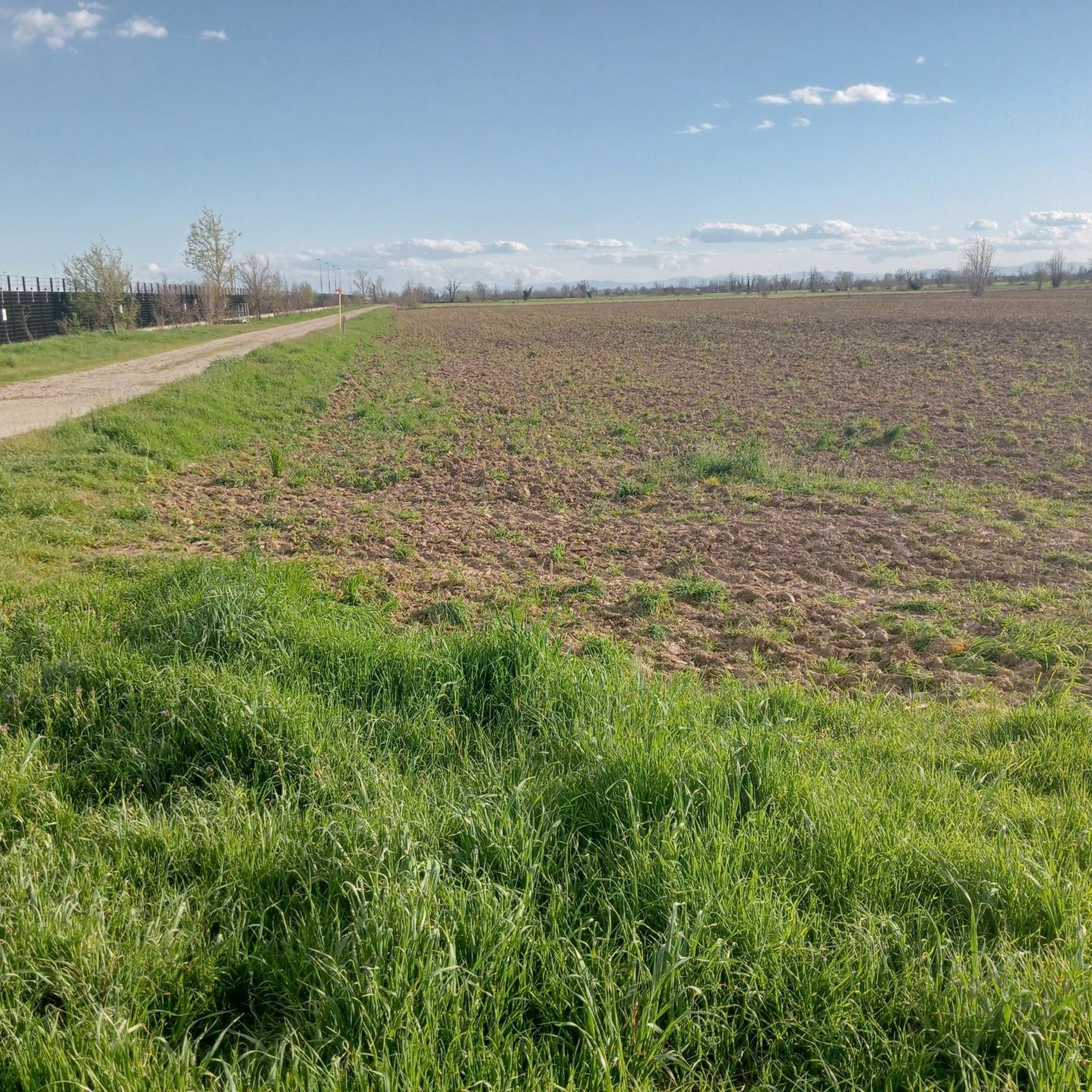
Touring cycling routes around Quintano are primarily characterized by flat to gently rolling terrain, typical of the Lombardy plain in Italy. The region features a network of canals, rivers, and agricultural landscapes, offering accessible cycling paths. Routes often connect small towns and historical sites, with minimal elevation changes. The area provides a mix of paved and unpaved paths suitable for touring bicycles.
Best touring cycling routes around Quintano
- The most popular touring cycling route is Martesana Canal – Martesana Canal…
Last updated: June 28, 2026
4.5
(4)
80
riders
65.5km
04:39
140m
140m
Moderate bike ride. Good fitness required. Mostly paved surfaces. Suitable for all skill levels.
2.7
(3)
16
riders
99.9km
05:51
210m
210m
Hard bike ride. Very good fitness required. Mostly paved surfaces. Suitable for all skill levels.

Sign up for free
5.0
(2)
13
riders
56.4km
03:38
110m
110m
Hard bike ride. Good fitness required. You may need to push your bike for some segments of this route.
4.0
(1)
28
riders
Easy bike ride. Great for any fitness level. Mostly paved surfaces. Suitable for all skill levels.
15
riders
93.1km
05:47
480m
480m
Hard bike ride. Very good fitness required. Mostly paved surfaces. Suitable for all skill levels.
Get access to more routes and recommendations from other explorers.
Sign up for free
Already have an account?
Our route recommendations are based on thousands of hikes, rides, and runs completed by other people on komoot.
Start today with a free account
Your next adventure awaits.
Login or Signup
Tips from the Community

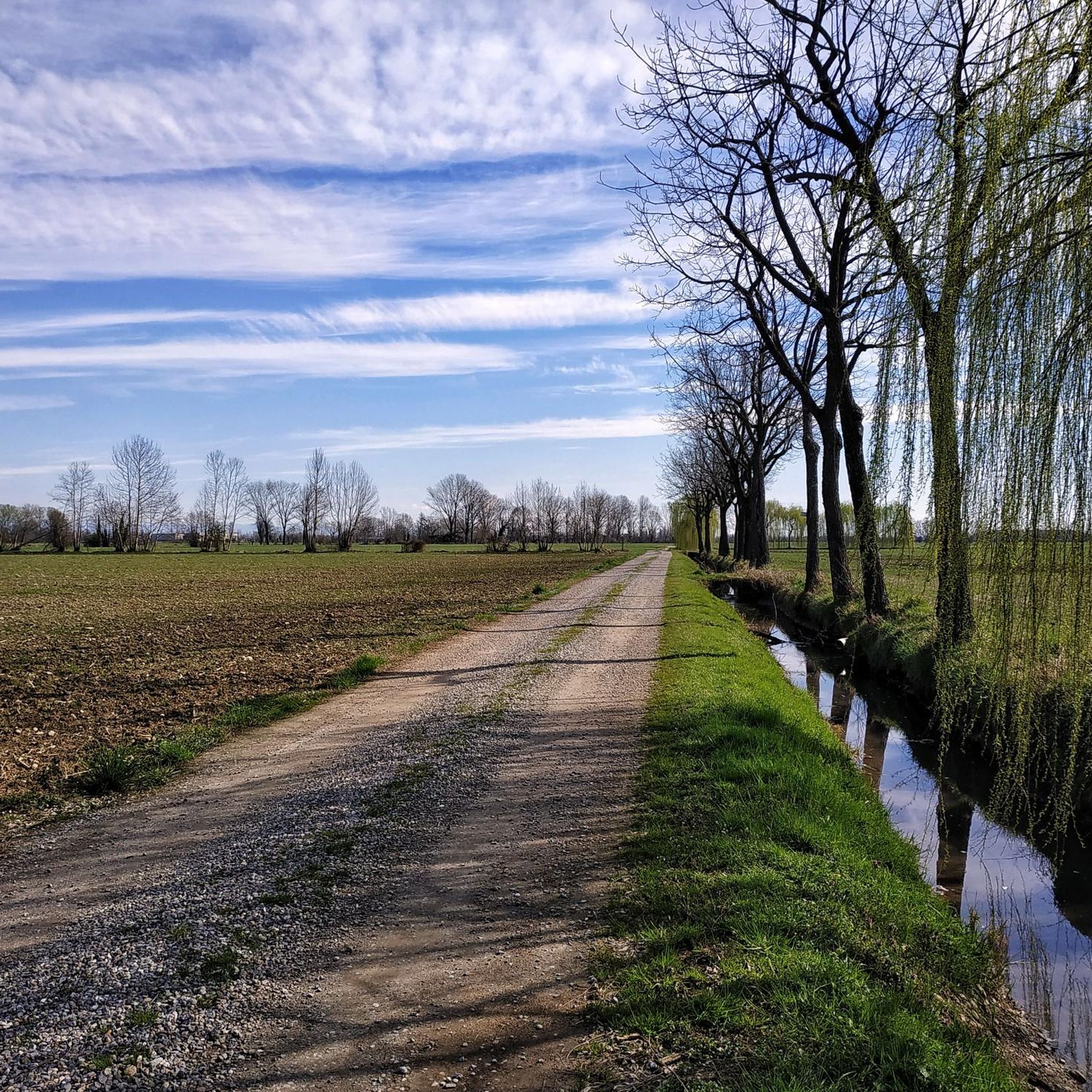
Easy cycle path suitable for everyone!
3
0

The Naviglio della Martesana, definitively completed in 1496 under the leadership of Ludovico il Moro, flows from Trezzo sull’Adda to Milan for a total length of 38 km. The route runs alongside the ancient Roman road (the current SS 11 padana superiore) which crossed the Adda with two branches: at Vaprio and at Cassano. Irrigation of the land located above the spring belt was for a long time the predominant use of the canal, so much so that initially navigation was limited to two days a week; concurrently with the improvement of the agricultural structure thanks to irrigation, a notable flourishing of stately villas occurred in the Baroque era, aimed at enjoying the convenience of water travel and controlling the owned lands.
0
0
The Naviglio della Martesana, definitively completed in 1496 under the leadership of Ludovico il Moro, flows from Trezzo sull’Adda to Milan for a total length of 38 km. The route runs alongside the ancient Roman road (the current SS 11 padana superiore) which crossed the Adda with two branches: at Vaprio and Cassano. The irrigation of the lands located above the spring belt was for a long time the predominant use of the canal, so much so that initially navigation was limited to two days a week; concurrently with the improvement of the agricultural structure thanks to irrigation, a notable flourishing of stately homes occurred in the Baroque era, aimed at enjoying the convenience of travel on water and controlling the owned lands.
0
0
The Naviglio della Martesana, definitively completed in 1496 under the guidance of Ludovico il Moro, flows from Trezzo sull’Adda to Milan for a total length of 38 km. The route runs alongside the ancient Roman road (the current SS 11 padana superiore) which crossed the Adda with two branches: at Vaprio and Cassano. Irrigation of the land located above the spring belt was for a long time the predominant use of the canal, so much so that initially navigation was limited to two days a week; concurrently with the improvement of the agricultural structure thanks to irrigation, a notable flourishing of stately villas occurred in the Baroque era, intended to enjoy the convenience of travel on water and to control owned lands.
1
0
The Naviglio della Martesana, initially known as Naviglio Piccolo, is one of the Milanese canals that connects Milan with the course of the Adda river through the municipalities of Martesana. Commissioned in the 15th century by Francesco Sforza, it was used for irrigating the countryside but also represented the ambitious project of connecting Milan with Lake Como and thus with the Alps and Ticino. The Naviglio della Martesana is a place rich in history and beauty, a heritage for everyone that, however, today is still little known and protected. Along the Naviglio runs a rather busy cycle path, which allows you to admire the landscape and cultural beauties, such as the rich flora, fauna, or the numerous historic villas, including the Renaissance Villa Melzi d’Eril in Vaprio d’Adda.
1
0

The Naviglio Martesana cycle path is a 30-35 km cycle and pedestrian route that connects Milan (Cassina de' Pomm/via Melchiorre Gioia area) to Trezzo sull'Adda, running alongside the homonymous canal. It is a predominantly asphalted, flat, easy route suitable for everyone, passing through parks, rural areas, and historic noble villas from the 17th-18th centuries.
0
0
The Naviglio Martesana cycle path is a cycle-pedestrian route of about 30-35 km that connects Milan (Cassina de' Pomm/via Melchiorre Gioia area) to Trezzo sull'Adda, running alongside the canal of the same name. It is a predominantly asphalted, flat, easy route suitable for everyone, which crosses parks, rural areas, and historic noble villas from the 17th-18th centuries.
2
0

In Groppello d'Adda, along the Martesana Canal, there is a large waterwheel called "el rudun." It is not a mill, but a noria that was used to raise water for irrigation. It was built in 1618 at the behest of Cardinal Federico Borromeo. It was used to irrigate the vegetable gardens and gardens of the Archbishop's Villa. Tradition attributes the design to Leonardo da Vinci. The water also fed kitchens, washhouses, and livestock watering troughs. The original wheel was dismantled in the late 19th century. The current one is a 1989 reconstruction, restored several times. It has a diameter of 11 meters and eight large blades. Today, it is a historical and educational symbol that tells the story of the area's past.
2
0
Frequently Asked Questions
What kind of terrain can I expect on touring cycling routes around Quintano?
Touring cycling routes around Quintano, in the Lombardy plain of Italy, are primarily characterized by flat to gently rolling terrain. You'll find a network of canals, rivers, and agricultural landscapes, offering accessible cycling paths with minimal elevation changes. The area provides a mix of paved and unpaved paths suitable for touring bicycles.
How many touring cycling routes are available in Quintano?
There are over 360 touring cycling routes available around Quintano on komoot, catering to various skill levels and preferences.
Are there any easy touring cycling routes for beginners or families in Quintano?
Yes, Quintano offers a good selection of easy routes, with over 190 classified as easy. A great option for a more relaxed ride is the Tower of the Villa of Azzano – Church of Saint Agatha loop from Trescore Cremasco, which is 25.6 km long and leads through agricultural fields and past historic landmarks.
What are some of the more challenging touring cycling routes in Quintano?
For those seeking a more demanding ride, Quintano has 22 difficult routes. A notable challenging option is the Martesana Canal – Martesana Canal Cycle Path loop from Casaletto Vaprio, a 99.4 km trail featuring gentle hills and following a historic canal.
What do other touring cyclists say about the routes in Quintano?
The touring cycling routes in Quintano are highly rated by the komoot community, with an average score of 4.2 stars from over 400 reviews. More than 3,000 touring cyclists have used komoot to explore the varied terrain, often praising the scenic canal paths and rural roads.
Are there any circular touring cycling routes in Quintano?
Yes, many routes in Quintano are designed as loops, allowing you to start and finish in the same location. For example, the Church of Santa Maria dei Mosi – Pizzighettone Walls loop from Casaletto Vaprio is a moderate 80.5 km circular path offering views of local churches and historical walls.
What kind of historical landmarks or attractions can I see along the cycling routes?
Quintano's routes often connect small towns and historical sites. You can encounter local churches, historic walls, and agricultural landscapes. Specific highlights include the Church of Saint Catherine in Moso and the Vacchelli Canal in the Moso Agricultural Park, which is also a cycle way.
Are there routes that follow canals or rivers?
Yes, the region is characterized by a network of canals and rivers. Routes like the Martesana Canal – Martesana Canal Cycle Path loop from Casaletto Vaprio specifically follow historic canals, offering unique scenic experiences. The Vacchelli Canal Cycle Path is another excellent example.
What is the best time of year to go touring cycling in Quintano?
While specific data isn't provided, Lombardy generally offers pleasant cycling conditions in spring (April-May) and autumn (September-October) when temperatures are mild and the scenery is vibrant. Summer can be warm, but the flat terrain and canal-side routes can still be enjoyable.
Are there any natural reserves or parks accessible by bike?
Yes, you can explore natural areas such as the Palata Menasciutto Reserve, which offers a chance to experience the region's natural beauty. The Vacchelli Canal in the Moso Agricultural Park also provides a scenic route through a protected agricultural landscape.
Can I find routes that are a good balance of distance and moderate difficulty?
Absolutely. Quintano has nearly 150 moderate routes. The Church of Santa Maria dei Mosi – Pizzighettone Walls loop from Casaletto Vaprio is a popular moderate option, covering 80.5 km and offering a good blend of distance and manageable terrain.
Most popular attractions around Quintano

Get inspired with the komoot mobile app


Explore more
Browse the best Cycling routes in other regions.
