The best cycling routes around Tännesberg
4.7
(68)
294
riders
52
rides
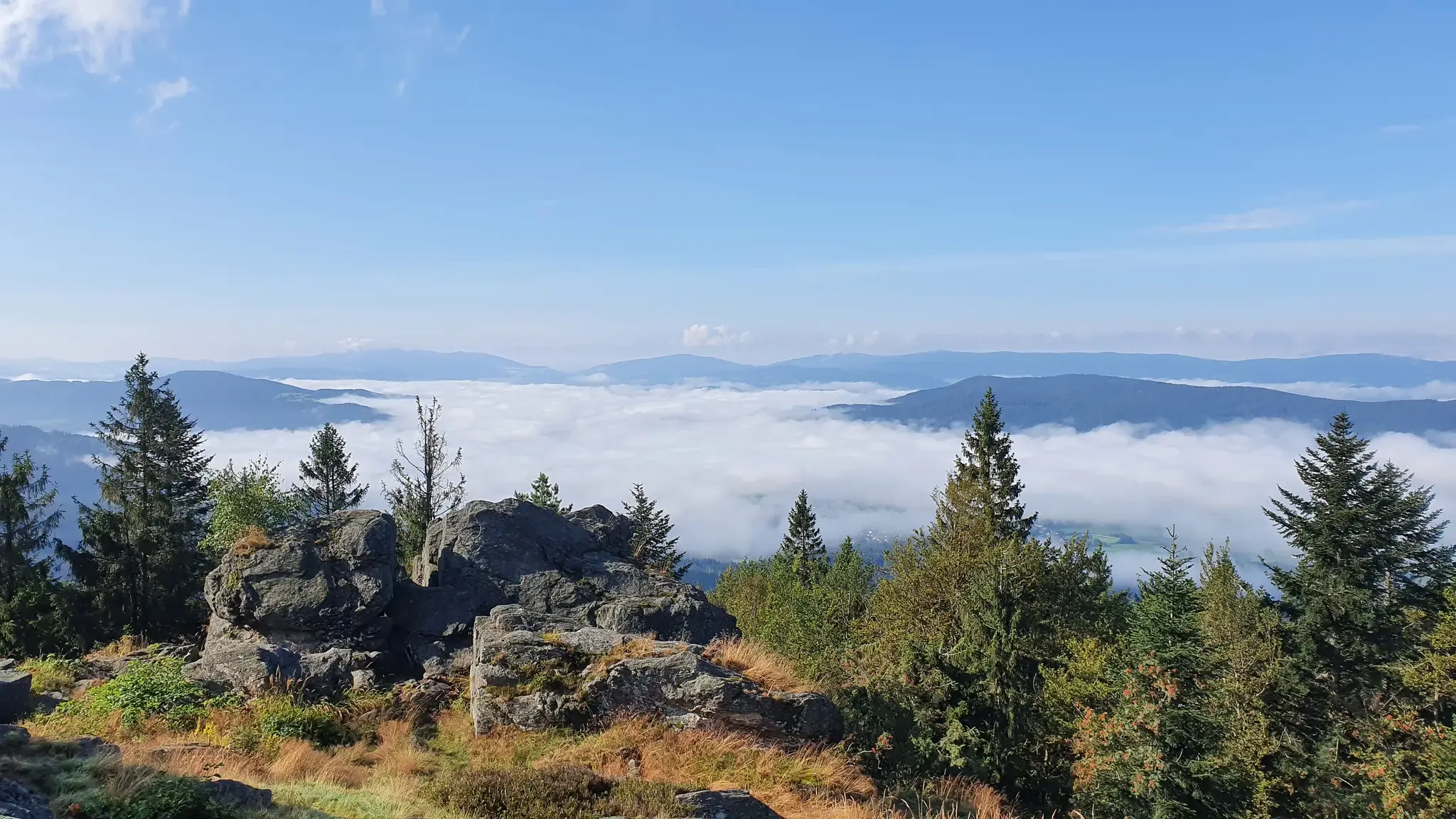
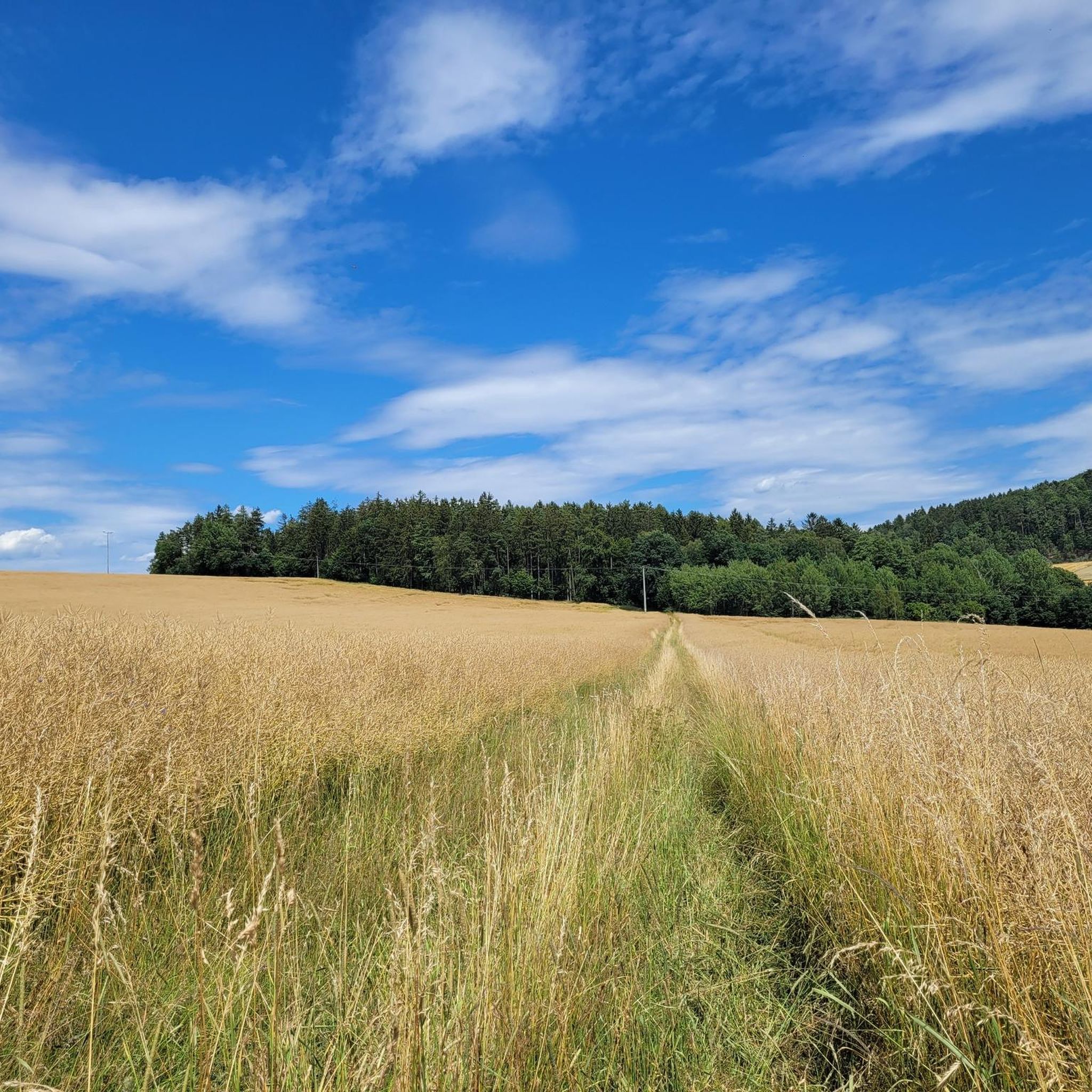
Touring cycling routes around Tännesberg navigate a landscape characterized by dense forests and rolling hills within the Upper Palatinate Forest Nature Park. The region offers varied terrain, ranging from mostly paved surfaces to unpaved segments, providing diverse experiences for cyclists. Routes often feature scenic views of valleys, reservoirs, and historical landmarks. This area presents options for various skill levels, from moderate rides to more challenging routes with significant elevation gains.
Best touring cycling routes around Tännesberg
- The most popular touring…
Last updated: September 30, 2026
4.4
(7)
37
riders
60.5km
04:24
780m
780m
Hard bike ride. Very good fitness required. Mostly paved surfaces. Suitable for all skill levels.
4.9
(10)
21
riders
36.2km
02:40
440m
440m
Moderate bike ride. Good fitness required. Mostly paved surfaces. Suitable for all skill levels.

5.0
(3)
23
riders
22.2km
01:57
270m
270m
Moderate bike ride. Good fitness required. Mostly paved surfaces. Suitable for all skill levels.
5.0
(6)
14
riders
24.7km
01:39
380m
380m
Moderate bike ride. Good fitness required. Mostly paved surfaces. Suitable for all skill levels.
4.6
(5)
30
riders
29.5km
01:55
410m
410m
Moderate bike ride. Good fitness required. Mostly paved surfaces. Suitable for all skill levels.
Get access to more routes and recommendations from other explorers.
Already have an account?
Our route recommendations are based on thousands of hikes, rides, and runs completed by other people on komoot.


Tips from the Community

Trausnitz is always a feast for the eyes. If you are there on the right weekend, then "Zoigl im Stodl" (Hauptstraße).
0
0
Beautiful chapel. Was on my list. Checked off.
0
0
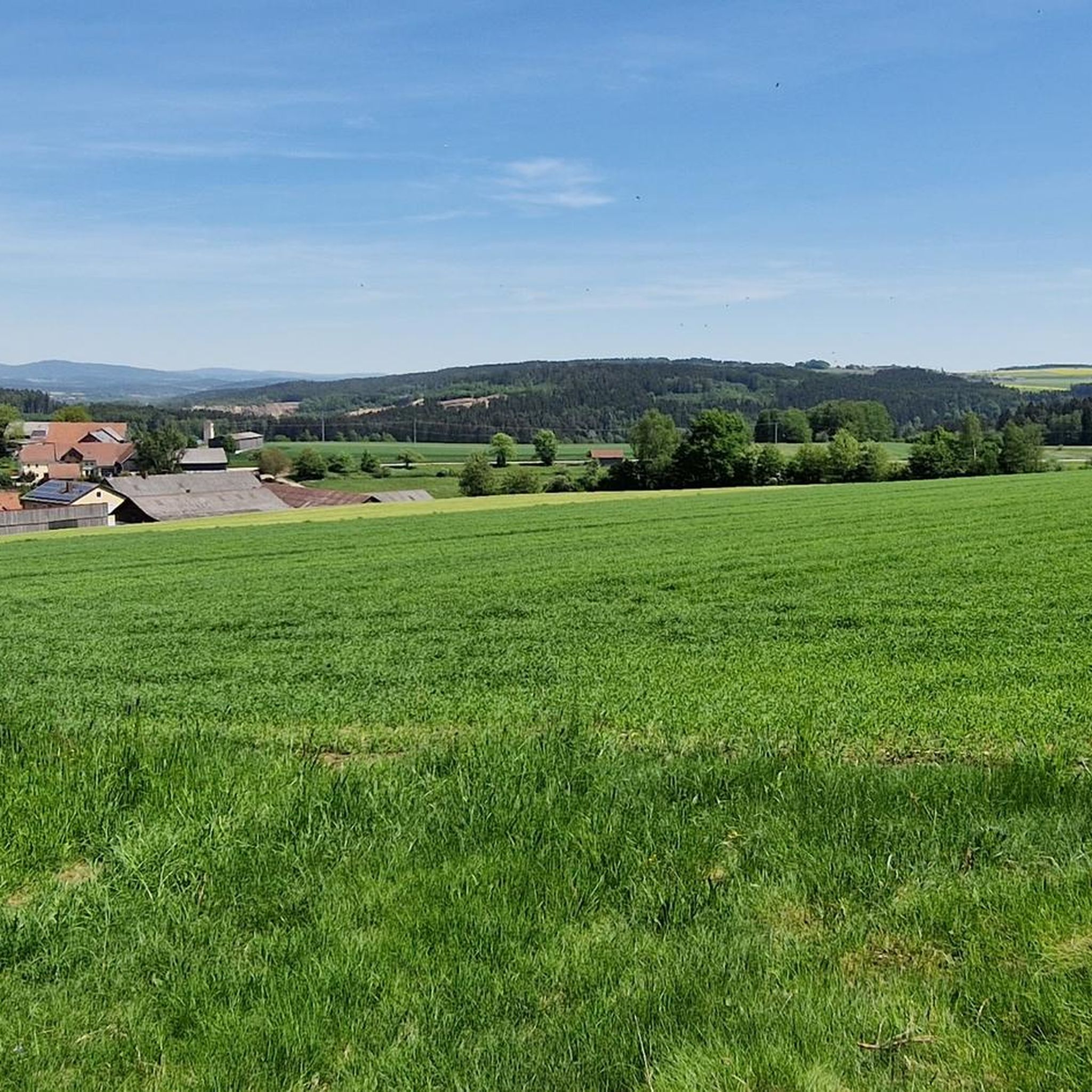
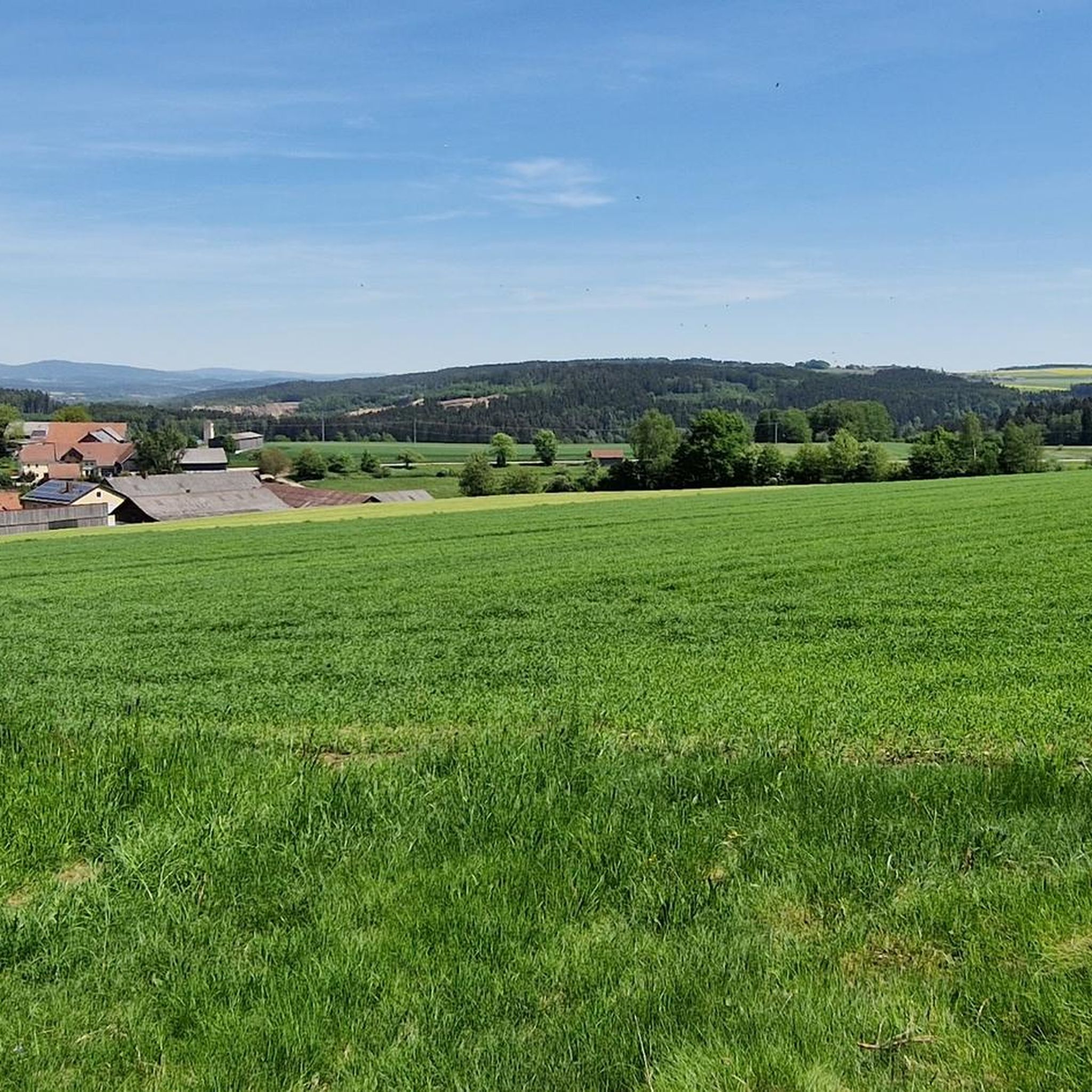
When this view suddenly appears out of the blue, you just have to take a picture. Simply picturesque.
0
0
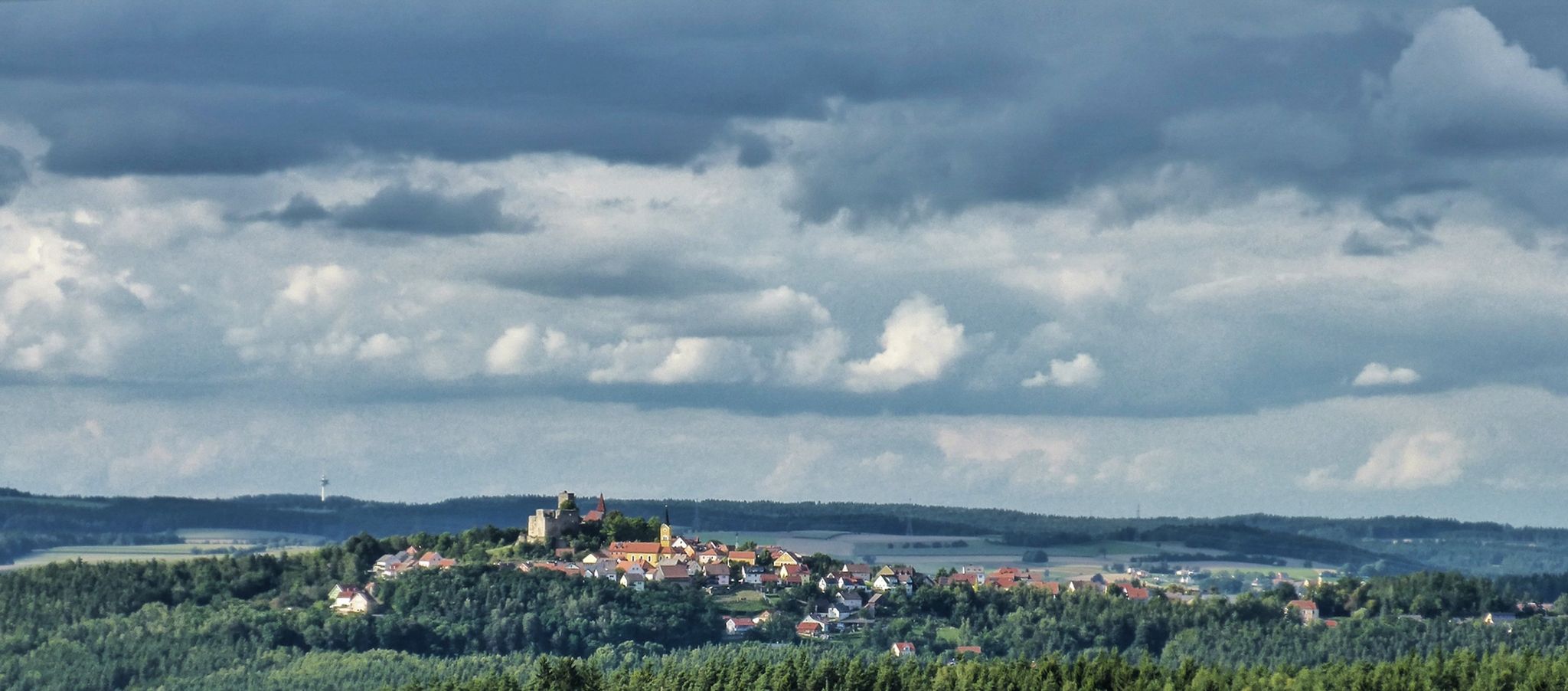
This church is the first thing you see in Tännesberg when coming from Ödmiesbach.
0
0

Impressive landscape, wonderful to be here again
0
0
Impressive landscape, it's always wonderful to be here
0
0
Impressive landscape, it's always wonderful to be here
0
0
The area around Trausnitz and the Pfreimd Valley are brilliant
1
0
Frequently Asked Questions
What kind of terrain can I expect on touring cycling routes around Tännesberg?
The terrain around Tännesberg is characterized by dense forests and rolling hills within the Upper Palatinate Forest Nature Park. You'll find a mix of mostly paved surfaces and some unpaved segments, offering varied experiences. Routes often include scenic views of valleys, reservoirs, and historical landmarks, with some featuring significant elevation gains.
Are there touring cycling routes suitable for different skill levels in Tännesberg?
Yes, Tännesberg offers a diverse range of touring cycling routes for various skill levels. You can find moderate rides requiring good fitness, as well as more challenging routes with significant elevation gains that demand very good fitness. There are also shorter, two-hour rides with minimal elevation, making the area accessible for recreational cyclists.
What are some notable natural features or landmarks I can see while cycling in Tännesberg?
While cycling, you can enjoy views of the picturesque Pfreimdtal valley, the Trausnitz Reservoir, and the historic Schlossberg Tännesberg, which offers panoramic views. Other points of interest include the St. Barbara Pilgrimage Church on Eixlberg and the Stückberg Observation Tower.
Are there any family-friendly touring cycling routes in the Tännesberg area?
Yes, the region offers routes with minimal elevation that are suitable for recreational cyclists and families. While specific family-designated routes aren't listed, the availability of easier, shorter rides means you can find options that are less demanding and enjoyable for all ages.
Can I bring my dog on touring cycling routes in Tännesberg?
Many outdoor areas in the Upper Palatinate Forest Nature Park are dog-friendly, but it's always best to keep your dog on a leash, especially in forested areas or near wildlife. Check local regulations for specific routes or protected areas. Ensure your dog is fit enough for the distance and terrain, and always carry water for them.
What do other touring cyclists say about the routes in Tännesberg?
The touring cycling routes in Tännesberg are highly rated by the komoot community, with an average score of 4.7 stars from over 60 reviews. Cyclists often praise the diverse terrain, the scenic views of valleys and historical landmarks, and the well-maintained paths that navigate through dense forests and rolling hills.
Are there circular touring cycling routes available around Tännesberg?
Yes, many of the touring cycling routes around Tännesberg are designed as loops, allowing you to start and end in the same location. Examples include the difficult View of Pleystein – Kreuzberg Church in Pleystein loop from Tännesberg and the moderate Rabenleite Upper Reservoir – View of Trausnitz Castle loop from Pilchau.
What are some of the longer or more challenging touring cycling routes in Tännesberg?
For a challenging ride, consider the View of Pleystein – Kreuzberg Church in Pleystein loop from Tännesberg, which is 60.5 km long with significant elevation gains. Another difficult option is the Red Cross Chapel – Mühlschleif on the Tröbesbach loop from Tännesberg, covering 35.8 km with varied terrain.
Are there any moderate touring cycling routes that offer scenic views?
Absolutely. The Rabenleite Upper Reservoir – View of Trausnitz Castle loop from Pilchau is a moderate 26.1 km route that takes you through forested areas and provides views of the Trausnitz Reservoir and Castle. Another great option is the Trausnitz Reservoir – Trausnitz Castle loop from Tännesberg, a 29.5 km moderate ride with similar scenic highlights.
How many touring cycling routes are there in Tännesberg?
There are over 50 touring cycling routes available around Tännesberg, offering a wide variety of distances and difficulties to explore the Upper Palatinate Forest Nature Park.
What is the best time of year for touring cycling in Tännesberg?
The Upper Palatinate Forest region is generally pleasant for cycling from spring through autumn. Spring offers blooming landscapes, while autumn provides beautiful foliage. Summer is also great, but be prepared for warmer temperatures. Always check local weather forecasts before heading out.
Are there any historical sites or castles accessible by touring bike near Tännesberg?
Yes, several routes offer views of historical sites. For instance, the Rabenleite Upper Reservoir – View of Trausnitz Castle loop from Pilchau provides views of Trausnitz Castle. The region also features the historic old town of Tännesberg with its baroque parish church of St. Johannes Baptist, and the Schlossberg (Castle Hill), which once housed medieval castles.
Most popular routes around Tännesberg
Most popular attractions around Tännesberg

Get inspired with the komoot mobile app


Explore more
Browse the best Cycling routes in other regions.
