Top 20 Caves around Noto
Caves around Noto offer a subterranean world of geological formations and historical sites. The region features ancient rock dwellings, historical sites, and natural gorges carved into the limestone of the Iblei mountains. These formations blend natural beauty with historical significance, providing diverse exploration opportunities.
Best caves around Noto
- The most popular caves is Anapo Valley, a gorge known for its ancient rock chamber tombs and a former railway line path. Some graves were expanded for use as apartments, and a few caves contain small chapels.
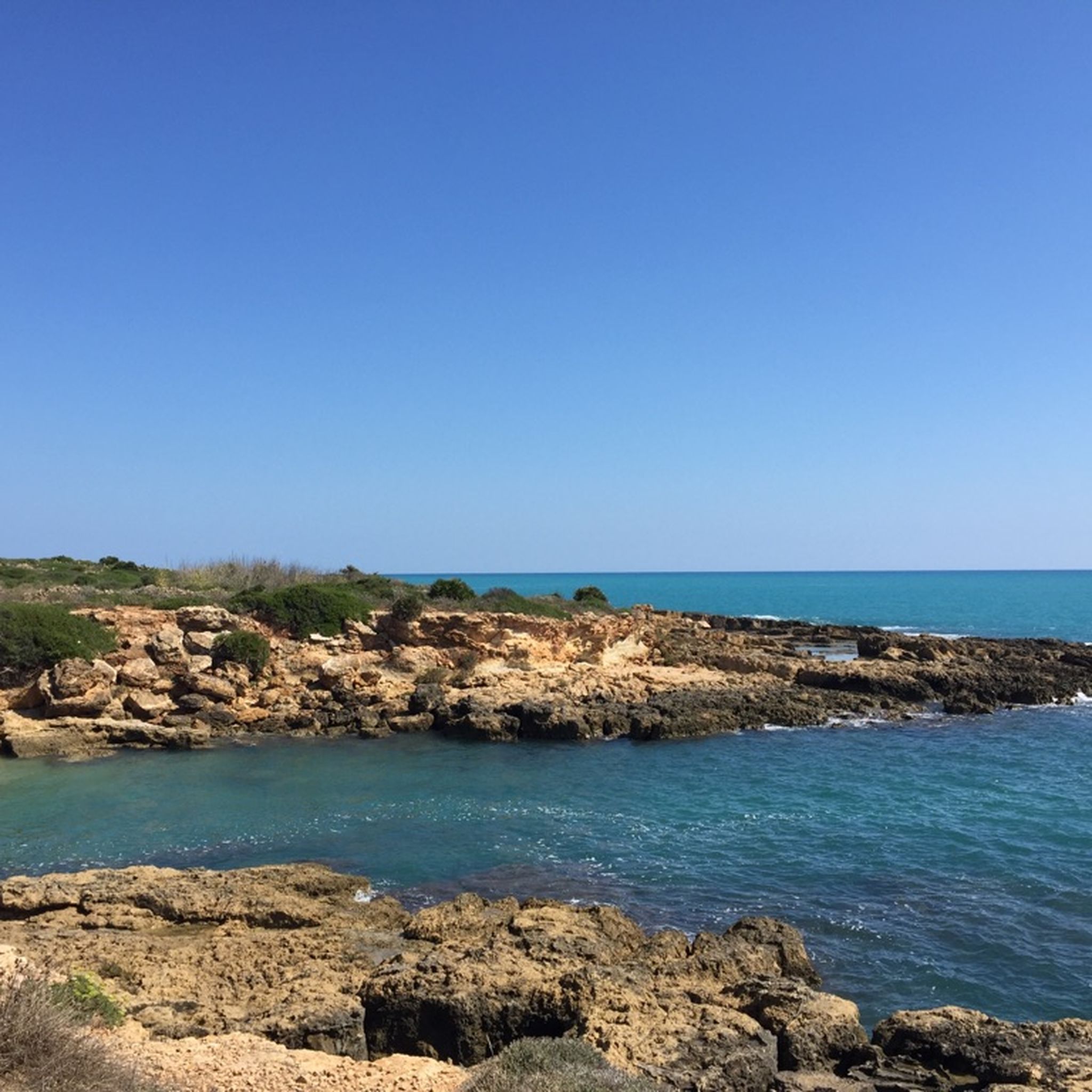
- Another must-see spot is Calamosche Beach, a beach featuring a cave and located within a nature reserve. It is a popular spot for swimming, known for its clear waters and natural setting.
- Visitors also love Cava d'Ispica, a gorge with prehistoric caves used as homes. This site offers easy routes with minimal incline, showcasing historical human interaction with the natural environment.
- Noto is known for its karstic caves, ancient rock dwellings, and gorges with historical significance. Visitors can explore natural formations, archaeological sites, and areas used for ancient industries like tanneries.
- The caves around Noto are appreciated by the komoot community, with more than 160 upvotes and over 150 photos shared.
Last updated: July 1, 2026
Calamosche Beach
Highlight • Beach
Translated by Google •
Tip by

Anapo Valley
Highlight (Segment) • Gorge
Translated by Google •
Tip by

Sign up now to discover places like this
Get recommendations on the best single tracks, peaks, & plenty of other exciting outdoor places.
Sign up for free
Cava d'Ispica
Highlight • Gorge
Translated by Google •
Tip by

Museum in Caves – Water Mill and Cave Museum
Highlight • Historical Site
Translated by Google •
Tip by

Ancient Cave Dwellings and Tanneries of the Cava d'Ispica
Highlight • Cave
Translated by Google •
Tip by
Sign up for free to discover even more caves around Noto.
Sign up for free
Already have an account?
Start today with a free account
Your next adventure awaits.
Login or Signup
Other adventures around Noto

Tips from the Community

The hiking trail runs entirely through a riverbed, making it heavier than normal. The caves are shielded within a tourist attraction and are not accessible. On Tuesdays in late April, it is also not open and few people are seen, so probably still closed in the early season. All in all, not an attractive part to walk either. A little bit for the experience is nice, but then it's quickly over, because you only have to look down where you can place your feet.
0
0

To visit off-season
0
0

Very interesting route due to the presence of these ancient caves used for tanning leather in medieval times
0
0

Harnessing the power of moving water to drive a mill wheel is an ancient invention, documented as early as pre-Christian times. Thanks to such a design, a watercourse – natural or artificial – could easily replace human or animal muscle power, for example, to grind grain into corn. There are essentially two drive variants for watermills: Either the water simply hits the blades of the water wheel from below to set it in motion; or the water is guided above the wheel and falls onto the blades. This design utilizes natural gravity to achieve greater efficiency.
2
0

Calamosche Beach, located near Noto inside the Vendicari Reserve, is a small bay with crystal clear water and sandy seabeds, enclosed between two rocky promontories. Renowned for its wild beauty and calm sea, it can be reached with a short walk on foot.
0
0

Along the river there are many concerie where leather was made.
0
0

Great ancient cave dwellings and tombs
0
0
An entry fee is planned here from summer 2024.
2
0
Frequently Asked Questions
What historical and archaeological sites can I explore within the caves around Noto?
The Noto area is rich in historical cave sites. You can explore Anapo Valley, known for its ancient rock chamber tombs and former railway line path, where some graves were expanded into dwellings or small chapels. Cava d'Ispica features prehistoric caves used as homes until the 1960s, and the Ancient Cave Dwellings and Tanneries of the Cava d'Ispica highlight the region's ancient industries. Noto Antica, the original city destroyed in 1693, also contains numerous cave homes and archaeological caves.
Are there any caves around Noto that offer opportunities for swimming or water activities?
Yes, several cave-like features and gorges offer water activities. Cava Carosello, within Noto Antica, is known for its natural swimming lakes, including a beautiful hanging lake with a waterfall. Cava Tortorone features stunning natural pools like 'Laghetto del Dragone' and 'Laguna Blu,' popular for 'acquatrekking' (water trekking). Additionally, Calamosche Beach, located within a nature reserve, is a popular spot for swimming with clear waters and features a cave.
What is the best time of year to visit the caves and gorges near Noto?
The caves and gorges around Noto are generally enjoyable during spring and autumn when temperatures are milder, making trekking and exploration more comfortable. Summer can be very hot, especially for longer hikes, but it's ideal for swimming in the natural pools and beaches. Winter offers a quieter experience, though some paths might be slippery after rain.
Are there family-friendly options for exploring caves around Noto?
Yes, there are family-friendly options. Cava d'Ispica offers easy routes with minimal incline, making it suitable for families. The natural swimming lakes at Cava Carosello are also a great family activity. When planning, consider the difficulty of the paths; some sections, like parts of Cava Tortorone, might require more experienced trekkers.
What kind of natural formations and geology can I expect to see in the Noto caves?
The Noto region is characterized by karstic caves and gorges carved into the limestone of the Iblei mountains. You'll encounter striking canyons, natural pools with vibrant blue waters, waterfalls, and unique rock formations. Caves like Grotta San Marco feature clear, crystalline underground lakes, while Grotta Burritta is a karstic resurgence cave with a meandering path.
Are there any specific parking or access considerations for popular cave sites like Noto Antica or Cava Carosello?
Access to sites like Noto Antica and Cava Carosello typically involves designated parking areas. It's advisable to check local signage or visitor information upon arrival, as specific parking locations and any potential costs can vary. Public transport options to these more remote natural sites are often limited, making a car the most convenient way to reach them.
What outdoor activities, besides caving, can I do near the Noto caves?
The area around Noto offers a variety of outdoor activities. You can find numerous hiking trails, including those in the Cavagrande del Cassibile Nature Reserve, which is home to Grotta dei Briganti. For cycling enthusiasts, there are many road cycling routes and MTB trails around Noto. Additionally, hiking around Noto offers routes like the Cavagrande del Cassibile ring tour or the route through the Vendicari nature reserve.
Are permits required to visit any of the caves or natural reserves in the Noto area?
While many natural areas and historical sites are freely accessible, some specific reserves or archaeological parks might require an entrance fee or permit, especially for guided tours or to protect sensitive environments. For example, the Cavagrande del Cassibile Nature Reserve, which includes Grotta dei Briganti, may have specific access rules. It's best to check the official websites of individual sites or local tourist information for the most current requirements.
What do visitors enjoy most about exploring the caves and gorges around Noto?
Visitors frequently highlight the unique blend of natural beauty and rich history. They appreciate the opportunity to trek through lush canyons, discover ancient rock dwellings and tombs, and cool off in natural swimming holes. The diverse biodiversity and the sense of stepping back in time while exploring sites like Noto Antica and Cava d'Ispica are also highly valued experiences.
Are there any unique or lesser-known caves worth exploring near Noto?
Beyond the more prominent sites, the Noto region holds several intriguing caves. Grotta di San Giorgio, though in a state of preservation, features an apsidal shape and traces of ancient frescoes, making it historically significant. Grotta San Marco is a karstic cave known for a clear, crystalline lake in its final chamber, accessible after navigating narrow passages. Grotta Burritta, a karstic resurgence cave, offers a predominantly horizontal, meandering path.
Can I find any museums related to the caves or local history in the Noto area?
Yes, you can visit the Museum in Caves – Water Mill and Cave Museum. This site features a watermill with an Arabic mill wheel and a small museum, offering insights into how ancient civilizations harnessed water power and utilized cave structures.
Most popular attractions around Noto

Get inspired with the komoot mobile app


Explore more
Extend your search for the best caves by checking out these guides of the top ones around Noto:
