Attractions and Places To See around Bagheria - Top 20
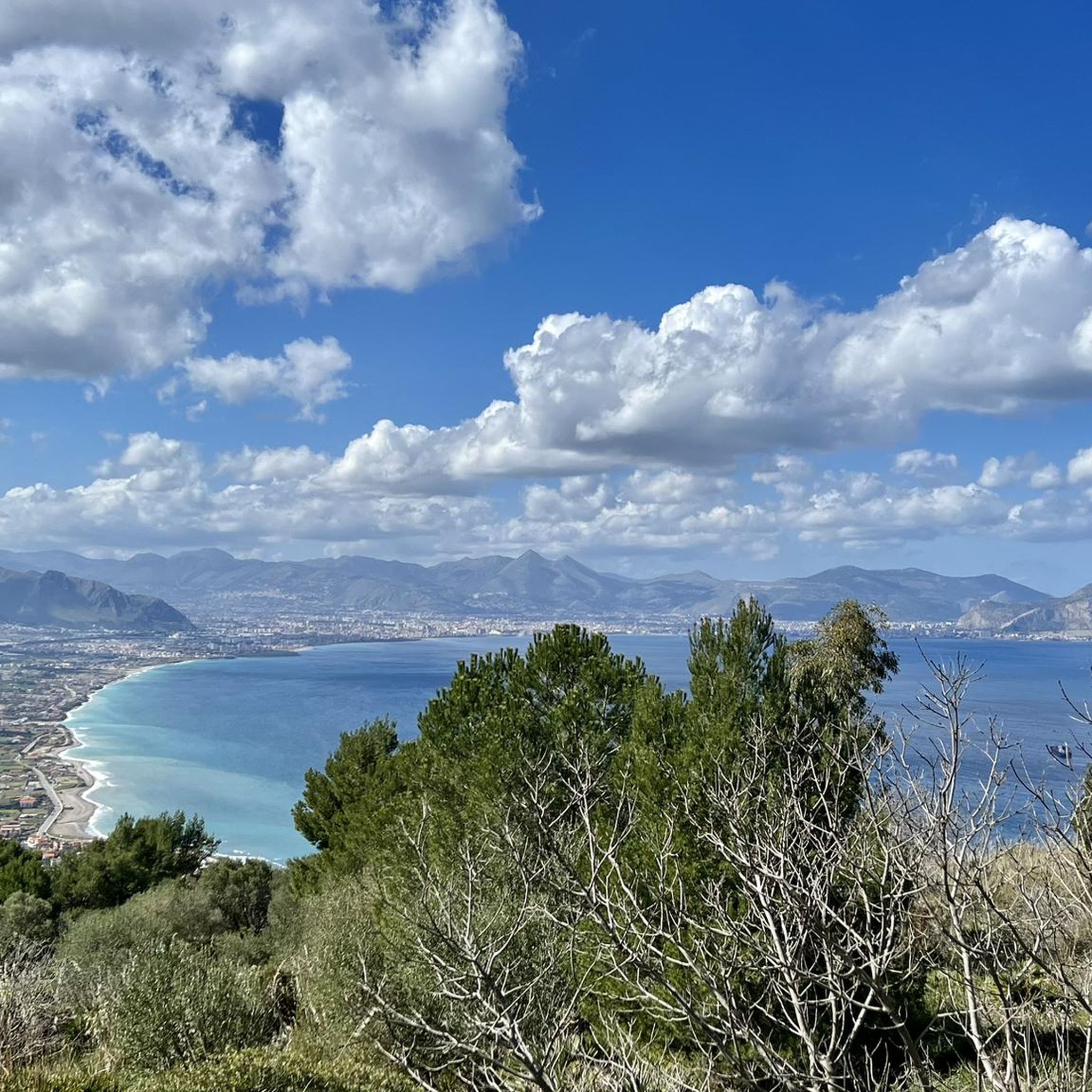
Best attractions and places to see around Bagheria include a blend of historical villas, cultural sites, and natural coastal features. Known as the "City of Villas," Bagheria is celebrated for its Baroque and Neoclassical estates that once served as retreats for Palermo's nobility. The region offers a diverse landscape, from its historic town center to the surrounding countryside and the Mediterranean coast. This combination provides opportunities for exploring architectural heritage and engaging in outdoor activities.
Best attractions and places to see around Bagheria
- The most popular attractions is Fountain of the Sea Horse, a man-made monument located in Piazzetta Santo Spirito. This work of art, created by Ignazio Marabitti, features a white marble horse emerging from rocks, accompanied by two small angels.
- Another must-see spot is Porta Felice, Palermo, a man-made monument and historical site. Its construction began in 1582, featuring a solemn exterior facing the sea with columns, niches, and balustrades.
- Visitors also love Palermo Botanical Garden, an other natural attraction. This garden welcomes many different species of plants, including those housed within greenhouses, offering a cool and beautiful place to visit.
- Bagheria is known for its historic villas, cultural museums, and natural coastal areas. Visitors can explore architectural marvels, artistic collections, and scenic Mediterranean views.
- The attractions around Bagheria are appreciated by the komoot community, with 44 upvotes and 15 photos shared across 6 highlights.
Last updated: August 17, 2026
Fountain of the Sea Horse
Highlight • Monument
Showing Translation
Tip by

Music Pavilion or Concert Temple
Highlight • Monument
Over the years, the area along the Marina promenade was progressively transformed through the construction of imposing buildings, which contributed to defining its character.
The promenade was embellished with decorative and functional elements, such as statues, fountains, and bandstands intended for musical performances, renewed over time according to changing aesthetic tastes. Among these stood out the Teatro Marmoreo, designed in 1681 by Paolo Amato. During the summer season, the Marina came alive thanks to the presence of musicians, funded by both the city's aristocracy and the Senate of Palermo, who entertained the public, making the promenade a lively center of social life.
The original bandstand was demolished in 1827. In its place, in 1846, a new structure was built based on the designs of Domenico Lo Faso Pietrasanta and Carlo Giachery, testifying to the continuity of the recreational and cultural function of this urban space.
Showing Translation
Tip by

Sign up now to discover places like this
Get recommendations on the best single tracks, peaks, & plenty of other exciting outdoor places.
Sign up for free
Sant'Erasmo Marina
Highlight • Structure
It is located in an area whose views were captured by the great landscape painters of Palermo in the 19th century, such as Francesco Lo Jacono and his student Mario Mirabella. Views that can be admired today at the Gallery of Modern Art in Palermo. In this area, inside an old locomotive shed, the Eco Museo del Mare was born, testifying to Palermo's relationship with the sea.
Furthermore, recently restored and converted into a cultural space, is the Stand Florio, the old pigeon shooting tavern in neo-Moorish style, built in 1905 by Ernesto Basile.
Showing Translation
Tip by
Villa Garibaldi – Piazza Marina
Highlight (Segment) • Historical Site
Even afterward, the city remained marked by violence. In the 1970s and 80s, bloody Mafia power struggles shook Palermo; around 1980, a Mafia murder occurred almost every three days. At the same time, resistance against organized crime grew. Prosecutors Giovanni Falcone and Paolo Borsellino became central figures in this struggle and paid for it with their lives in 1992.
This park also commemorates this history. Alongside Giuseppe Garibaldi, the symbol of Italian unity, stand statues dedicated to Falcone and Borsellino. The park is thus not only a green oasis but also a place of remembrance for destruction, resistance, and Palermo's arduous journey back to justice and hope.
Translated by Google •
Tip by

Porta dei Greci
Highlight • Historical Site
The gate was built and then destroyed, to be rebuilt closer to the sea
Translated by Google •
Tip by

Sign up for free to discover even more attractions around Bagheria.
Sign up for free
Already have an account?
Start today with a free account
Your next adventure awaits.
Login or Signup
Tips from the Community

The Seahorse Fountain is a significant monumental work from the 18th century in Palermo, specifically in Piazza Santo Spirito, just a few steps from the monumental Porta Felice and the picturesque promenade of Foro Italico.
7
0

So named because the Kalsa district, in the late Middle Ages, was inhabited by a population of Greek origin. It was built in the 14th century but was subsequently destroyed and rebuilt in 1553. In the 18th century, with the demolition of two bastions, the gate was moved further towards the sea following the new city walls, and the Palazzo Forcella De Seta was built above it around 1840 by architects Nicolò Puglia and Emanuele Palazzotto. Adhering to the stylistic repertoire of Mannerism, the decoration is characterized by the presence of festoons, capitals with mascarons, bizarre bossages, and human figures placed on the architrave.
1
0
The music bandstand, or temple of concerts, is a 19th-century monument in Palermo located at the Foro Italico, in the Kalsa district. It is the oldest of the two eponymous bandstands in the city. Over the years, the area along the Marina promenade was progressively transformed through the construction of imposing buildings, which contributed to defining its character. The promenade was embellished with decorative and functional elements, such as statues, fountains, and bandstands intended for musical performances, renewed over time according to changing aesthetic tastes. Among these stood out the Teatro Marmoreo, designed in 1681 by Paolo Amato. During the summer season, the Marina came alive thanks to the presence of musicians, funded by both the city's aristocracy and the Senate of Palermo, who entertained the public, making the promenade a lively center of social life. The original bandstand was demolished in 1827. In its place, in 1846, a new structure was built based on the designs of Domenico Lo Faso Pietrasanta and Carlo Giachery, testifying to the continuity of the recreational and cultural function of this urban space.
2
0
Historic and picturesque fishing village, located at the southern end of the Foro Italico. The small harbor, recently redeveloped with new paving, is today a charming pedestrian area by the sea that connects the historic center to the coast. It is located in an area whose views were captured by the great landscape painters of Palermo in the 19th century, such as Francesco Lo Jacono and his student Mario Mirabella. Views that can be admired today at the Gallery of Modern Art in Palermo. In this area, inside an old locomotive shed, the Eco Museo del Mare was born, testifying to Palermo's relationship with the sea. Furthermore, recently restored and converted into a cultural space, is the Stand Florio, the old pigeon shooting tavern in neo-Moorish style, built in 1905 by Ernesto Basile.
1
0

World War II devastated Palermo, particularly its historic city center, which was heavily damaged by bombing. Even afterward, the city remained marked by violence. In the 1970s and 80s, bloody Mafia power struggles shook Palermo; around 1980, a Mafia murder occurred almost every three days. At the same time, resistance against organized crime grew. Prosecutors Giovanni Falcone and Paolo Borsellino became central figures in this struggle and paid for it with their lives in 1992. This park also commemorates this history. Alongside Giuseppe Garibaldi, the symbol of Italian unity, stand statues dedicated to Falcone and Borsellino. The park is thus not only a green oasis but also a place of remembrance for destruction, resistance, and Palermo's arduous journey back to justice and hope.
0
0


Small restaurant right by the sea. Good for just a cold drink.
0
0

Sector inhabited by a population of Greek origin, in the late Middle Ages. The gate was built and then destroyed, to be rebuilt closer to the sea
1
0
Frequently Asked Questions
What historical villas can I visit in Bagheria?
Bagheria is renowned for its magnificent villas. You can explore the iconic Villa Palagonia, known as the 'Villa of Monsters,' famous for its grotesque sculptures. Another must-see is Villa Cattolica, which houses the Guttuso Museum, dedicated to the acclaimed Sicilian painter Renato Guttuso. Other notable villas include the sumptuous Villa Valguarnera and the historic Palazzo Butera, the oldest stately residence in Bagheria.
Are there any family-friendly attractions in Bagheria?
Yes, Bagheria offers several family-friendly spots. The Fountain of the Sea Horse is a charming monument that children often enjoy. The Palermo Botanical Garden provides a beautiful and cool environment for all ages to explore diverse plant species. Additionally, the Pietro Piraino's Toy and Wax Museum offers a nostalgic and engaging experience for families.
What natural attractions are there to explore near Bagheria?
For nature lovers, Monte Catalfano Park is Bagheria's 'green lung,' offering numerous paths and trails with stunning views. The coastal area of Capo Zafferano is known for breathtaking views and opportunities for boat tours. You can also visit the picturesque Arco Azzurro, a natural arch, or enjoy the charming seaside village of Aspra with its coastal promenade and the nearby Bay of Francesi.
Where can I experience local culture and art in Bagheria?
Bagheria offers a rich cultural experience. The Guttuso Museum, located within Villa Cattolica, showcases a vast collection of works by Renato Guttuso. You can also visit the Drago Contemporary Art Museum. For a glimpse into local traditions, the Anchovy Museum in Aspra celebrates the area's fishing heritage. Strolling through Bagheria's Old Town allows you to admire well-preserved Baroque buildings and local shops, while churches like Chiesa Madrice and Church of Santa Maria Maddalena offer architectural and religious insights.
What outdoor activities can I do around Bagheria?
The region around Bagheria is ideal for outdoor activities. You can find various cycling routes, including easy and difficult options, such as the 'Aspra Seafront Promenade – Capo Zafferano loop' or longer rides like 'Bagheria – City of Villas loop.' For more details on cycling, check out the Cycling around Bagheria guide. There are also running trails like the 'View of Bagheria – Aspra Seafront Promenade loop' which you can find in the Running Trails around Bagheria guide. Monte Catalfano Park also offers numerous trails for walking and exploration.
Are there any historical sites or monuments to see?
Bagheria and its surroundings are rich in history. Beyond the historic villas, you can visit Porta Felice, Palermo, a significant historical monument with a solemn exterior facing the sea. The Fountain of the Sea Horse also has historical significance, having been moved to its current location in 1864. The Bagheria Old Town itself is a historical site, with well-preserved Baroque buildings and churches dating back centuries.
What is the best time to visit Bagheria?
Bagheria is enjoyable throughout much of the year. Spring (April-May) and early autumn (September-October) offer pleasant temperatures for exploring villas and outdoor activities without the intense summer heat. Summer (June-August) is ideal for enjoying the coastal areas like Aspra and Capo Zafferano, though it can be quite warm.
Can I find wheelchair-accessible attractions in Bagheria?
Yes, some attractions in the area are noted for their accessibility. Porta Felice, Palermo is considered wheelchair accessible. While specific accessibility details for all villas may vary, the general areas around major landmarks often accommodate visitors with mobility needs. It's always recommended to check directly with specific venues for the most up-to-date accessibility information.
What do visitors enjoy most about the attractions in Bagheria?
Visitors particularly appreciate the unique blend of historical grandeur and natural beauty. The eccentric architecture of Villa Palagonia often leaves a lasting impression, while the artistic collections at Villa Cattolica are highly valued. Many also enjoy the tranquility and diverse plant life at the Palermo Botanical Garden, especially on hot days. The scenic coastal views from places like Capo Zafferano and the charm of Aspra are also frequently highlighted.
Are there any unique museums in Bagheria?
Beyond the Guttuso Museum, Bagheria offers a couple of unique museum experiences. The Pietro Piraino's Toy and Wax Museum provides a nostalgic journey with its collection of porcelain dolls, automatons, and old mechanical toys. In the nearby seaside village of Aspra, the Anchovy Museum (Museo dell'Acciuga) offers a fascinating look into the traditional anchovy fishing industry.
Where can I find scenic viewpoints around Bagheria?
For breathtaking vistas, head to Monte Catalfano Park, which offers stunning views of the Gulf of Palermo. The area around Capo Zafferano is also known for its spectacular coastal views. Additionally, the extensive park surrounding Villa Valguarnera provides splendid views of the Gulf.
What is the significance of Bagheria's villas?
Bagheria's villas are historically significant as they were once the summer retreats for Palermo's nobility, built primarily in the Baroque and Neoclassical styles. They represent a unique architectural heritage, showcasing the wealth and artistic tastes of the 18th-century Sicilian aristocracy. These villas, like Villa Palagonia and Villa Valguarnera, are central to Bagheria's identity as the 'City of Villas'.

Get inspired with the komoot mobile app


Explore more
Still not found the Highlight you’re looking for? See guides of the top attractions in other regions:
