Attractions and Places To See around San Valentino Torio - Top 20
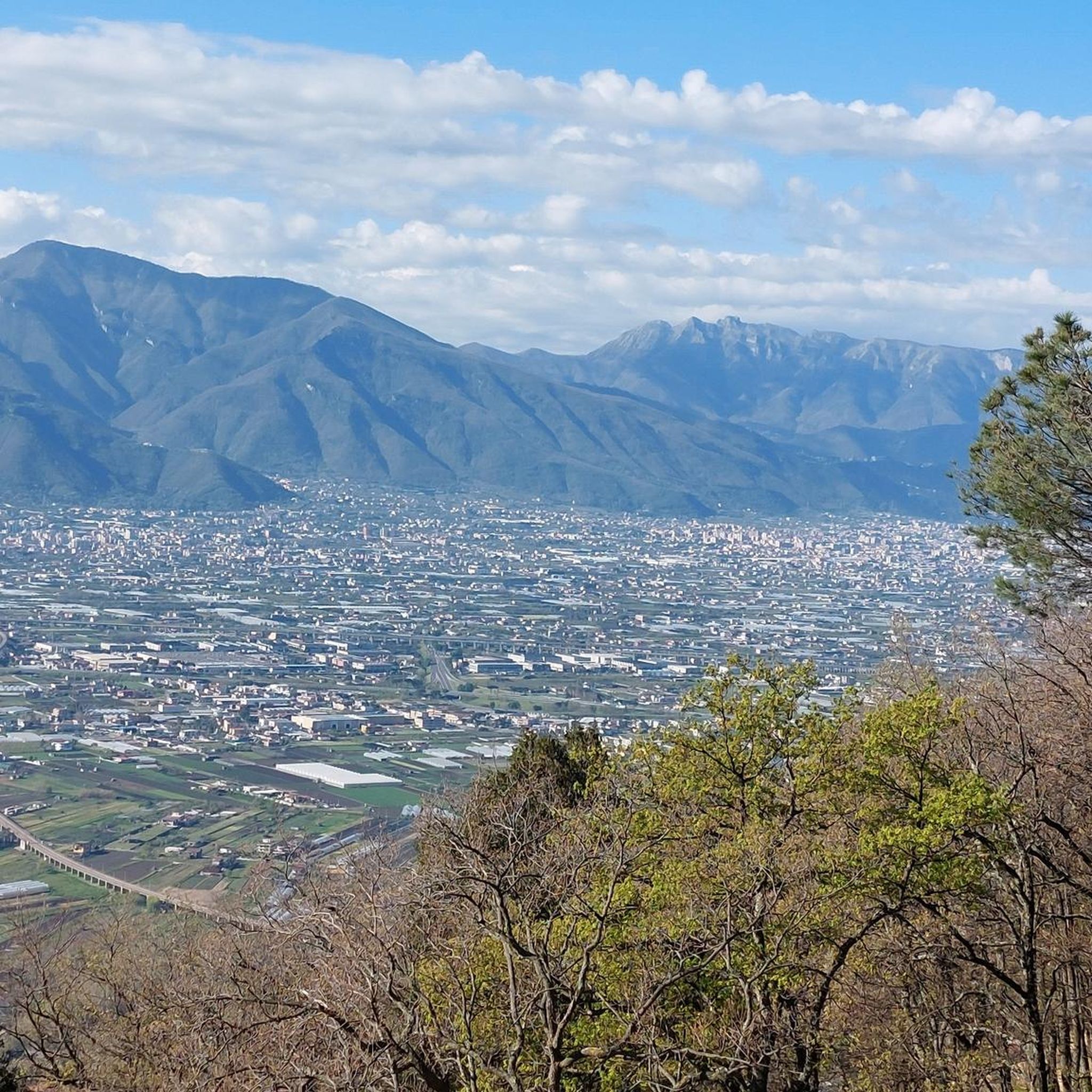
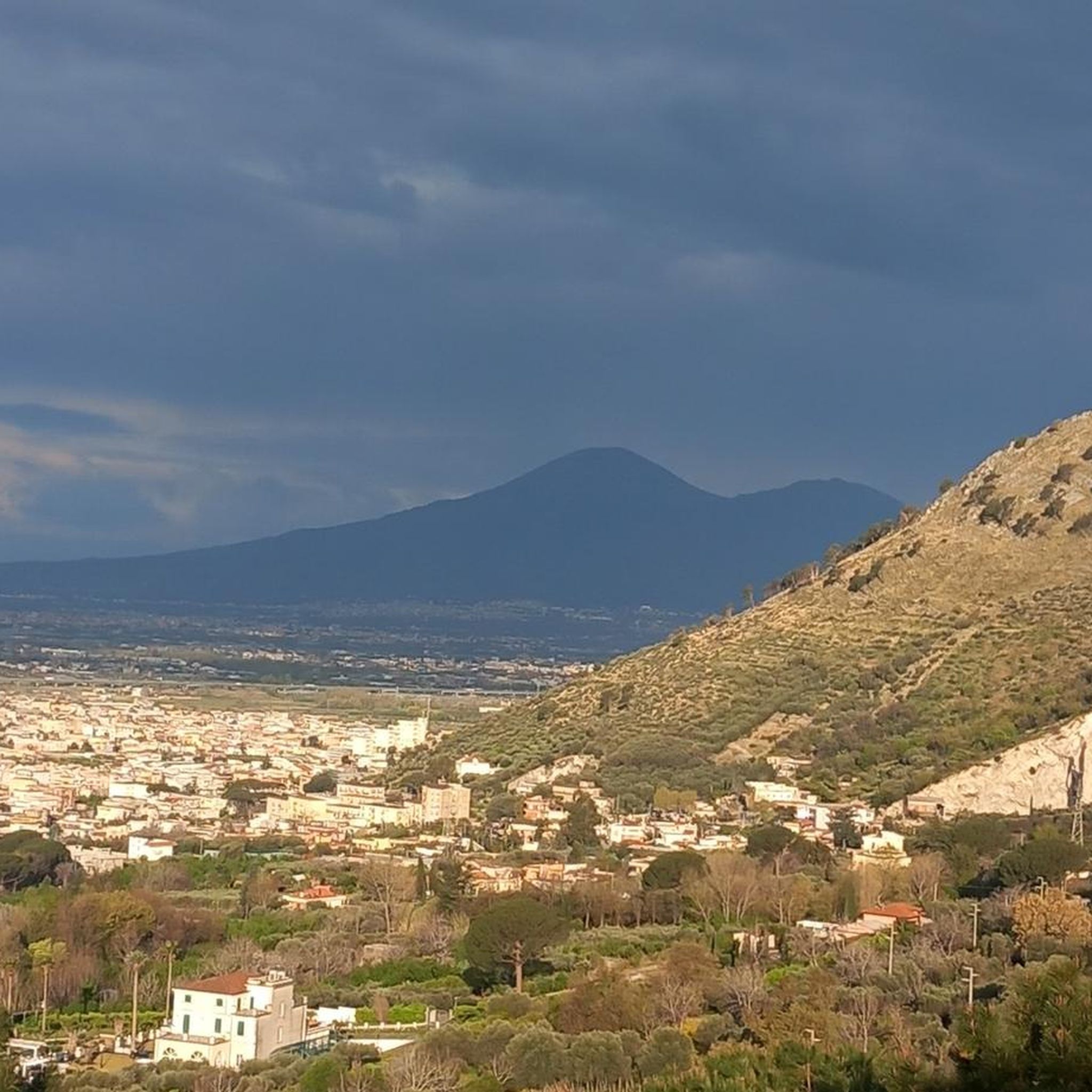
Best attractions and places to see around San Valentino Torio include historical sites and cultural landmarks. Situated in the fertile Sarno River valley, the area is known for its agricultural landscape and views of Mount Vesuvius. The town itself features unique attractions like the Casatori dei Murales, an open-air art gallery, and several historic churches. This region offers a blend of ancient history and local culture for visitors to explore.
Best attractions and places to see around San Valentino Torio
- The most popular attractions is Pompeii Forum, a historical site that served as the most important square in the city. This ancient Roman square was central to public life and administration before being buried in 79 AD.
- Another must-see spot is Villa of the Mysteries, a well-preserved suburban Roman villa. It is renowned for its detailed frescoes depicting a Greco-Roman mystery cult.
- Visitors also love Temple of Jupiter, Pompeii, a religious building dedicated to the Capitoline Triad. This temple stood in the central Forum of Pompeii.
- San Valentino Torio is known for historical sites, ancient Roman ruins, and religious buildings. Visitors can explore ancient civilizations and significant landmarks.
- The attractions around San Valentino Torio are appreciated by the komoot community, with over 330 upvotes and 350 photos shared.
Last updated: May 27, 2026
Pompeii Forum
Highlight • Historical Site
Researchers believe that the town was founded in the seventh or sixth century BC by the Osci or Oscans. It came under the domination of Rome in the 4th century BC, and was conquered and became a Roman colony in 80 BC after it joined an unsuccessful rebellion against the Roman Republic. By the time of its destruction, 160 years later, its population was estimated at 11,000 people, and the city had a complex water system, an amphitheater, gymnasium, and a port.
The eruption destroyed the city, killing its inhabitants and burying it under tons of ash. Evidence for the destruction originally came from a surviving letter by Pliny the Younger, who saw the eruption from a distance and described the death of his uncle Pliny the Elder, an admiral of the Roman fleet, who tried to rescue citizens. The site was lost for about 1,500 years until its initial rediscovery in 1599 and broader rediscovery almost 150 years late. en.wikipedia.org/wiki/Pompeii
Tip by

Temple of Apollo
Highlight • Religious Site
Translated by Google •
Tip by

Sign up now to discover places like this
Get recommendations on the best single tracks, peaks, & plenty of other exciting outdoor places.
Sign up for free
Large Theatre of Pompeii
Highlight • Historical Site
Translated by Google •
Tip by

Villa of the Mysteries
Highlight • Historical Site
Translated by Google •
Tip by

Roman stepping stones at Pompeii
Highlight • Historical Site
Translated by Google •
Tip by
Sign up for free to discover even more attractions around San Valentino Torio.
Sign up for free
Already have an account?
Start today with a free account
Your next adventure awaits.
Login or Signup


Tips from the Community

The purpose here, however, was completely different from modern ones that cross the road. The roads served not only as a means of communication, but also as a system for draining excess water and wastewater. The blocks made it possible to cross the road without stepping into the mud. Furthermore, the interruptions allowed the passage of horse-drawn carts.
2
0
The Teatro Grande was built in the 2nd century BC. To create the horseshoe-shaped tiers (the cavea), the natural cavity of the slope was used. The cavea was divided into 3 zones: closer to the orchestra, four continuous marble-clad steps can be seen, reserved for musicians and the most important figures of the city. Behind them were 20 tiers of stone seats. Unfortunately, only a few fragments remain of these massive structures. One still bears the seat number: each person was therefore allocated only 40 cm. The upper tier, divided into seven sectors and supported by a ring corridor, was added, along with the boxes above the side entrances, during the reign of Emperor Augustus, allowing the theatre to accommodate approximately 5,000 spectators. The entire tier was protected by a wall that supported the velarium, a huge movable awning used to shield the audience from the sun and bad weather. The stage and the scene decorated with marbles and statues date back to the restoration of 62 AD, after the earthquake that had struck Pompeii.
1
0

Sturdy shoes are essential
1
0

Aside from providing convenience for pedestrians to cross the street with dry feet, it was also a simple but effective traffic calming measure. The carts in ancient Pompeii were indeed standardized to fit perfectly through the city. Visitors/traders with different dimensions had to rent and reload a Pompeian cart at the city gates, otherwise they wouldn't be allowed into the city.
1
0

The "big" ticket for Pompeii is worth it! It includes access to two villas that aren't accessible with the express ticket, but are definitely worth it.
0
0

At that time, the “fords” were very helpful for crossing the road with dry feet.
2
0

Still in use today, well preserved and renovated building.
2
0
Could it be that the Roman wagons had a standardized wheel arch and were thus able to pass these barriers? The wheel tracks in the stones of the road would support this.
2
0
Frequently Asked Questions
What historical sites can I explore within San Valentino Torio itself?
Within San Valentino Torio, you can visit the Church of Saint James Apostle 'Maggiore', a significant local landmark dating back to the mid-18th century, and the recently restored Church of Consolazione, which features an ancient Romanesque bell tower. The town's historic center also offers a glimpse into its medieval urban plan.
Are there any ancient archaeological sites directly in or near San Valentino Torio?
Yes, archaeological findings in the area include an Iron Age Necropolis (8th-6th century BCE), which provides insight into the ancient Sarrastri tribe that populated the Sarno Valley. While not always publicly accessible for direct exploration, it signifies the deep historical roots of the region.
What kind of natural landscape surrounds San Valentino Torio?
San Valentino Torio is nestled in a predominantly agricultural area within the fertile Sarno River valley. The region is known for its dense cultivation of local vegetables, including the famous San Marzano tomato, and irrigated orchards. You'll also find dispersed Mediterranean scrub formations that perfume the air.
What outdoor activities can I do near San Valentino Torio?
The area around San Valentino Torio offers various outdoor activities. You can find numerous routes for cycling, hiking, and running. For cycling, consider routes like the 'From Sarno to Bracigliano and Moschiavo – panoramic loop tour'. Hikers might enjoy the 'Church of San Martino (Ruins) – Croce di Sarno loop from Sarno'. Runners have options such as the 'Running loop from San Valentino Torio'. You can find more details on these and other routes in the cycling guide, hiking guide, and running trails guide.
Are there family-friendly attractions around San Valentino Torio?
Many of the historical sites in the broader region are considered family-friendly, offering an educational experience. For instance, the Pompeii Forum and the Basilica of Pompeii are categorized as family-friendly, allowing families to explore ancient Roman history together. The agricultural landscape also provides opportunities for gentle walks and experiencing local life.
What local products is the San Valentino Torio region known for?
The region around San Valentino Torio is famous for its agricultural produce, particularly the renowned San Marzano tomato. The fertile Sarno River valley supports extensive cultivation, and the area has a thriving canning industry based on these local products.
When is the best time to visit San Valentino Torio for outdoor activities?
Given its Mediterranean climate and agricultural setting, spring and autumn are generally ideal for outdoor activities around San Valentino Torio. The weather is milder, making hiking, cycling, and exploring the historical sites more comfortable than during the hot summer months.
What is the historical significance of the Church of Saint James Apostle 'Maggiore' in San Valentino Torio?
The Church of Saint James Apostle 'Maggiore' is a central landmark in San Valentino Torio, with its construction dating back to the mid-18th century. It houses relics of Saint Valentine, the town's patron saint, and is the focal point for annual celebrations around Valentine's Day, drawing visitors for religious, musical, and food and wine events.
What do visitors enjoy most about the attractions near San Valentino Torio?
Visitors frequently appreciate the profound historical immersion offered by sites like the Pompeii Forum and the Villa of the Mysteries. Many describe the experience as stepping into ancient history, with well-preserved ruins providing a deep, lasting memory. The community has shared over 350 photos and given more than 330 upvotes to the attractions in the area, highlighting their appeal.
Can I visit the ancient city of Pompeii from San Valentino Torio?
Yes, San Valentino Torio's proximity to major archaeological sites makes it a convenient base for exploring Pompeii. Key attractions within Pompeii include the Pompeii Forum, the Basilica of Pompeii, the Villa of the Mysteries, and the Large Theatre of Pompeii. These sites offer a profound look into Roman life before the eruption of Mount Vesuvius.
What is the character of San Valentino Torio's historic center?
The historic center of San Valentino Torio is characterized by a medieval, irregular radiocentric urban plan. It features an annular growth of single and multi-family homes, reflecting centuries of development and offering a charming, authentic Italian town experience.
Most popular routes around San Valentino Torio
Most popular attractions around San Valentino Torio

Get inspired with the komoot mobile app


Explore more
Still not found the Highlight you’re looking for? See guides of the top attractions in other regions:
