Attractions and Places To See around Serravalle Pistoiese - Top 20
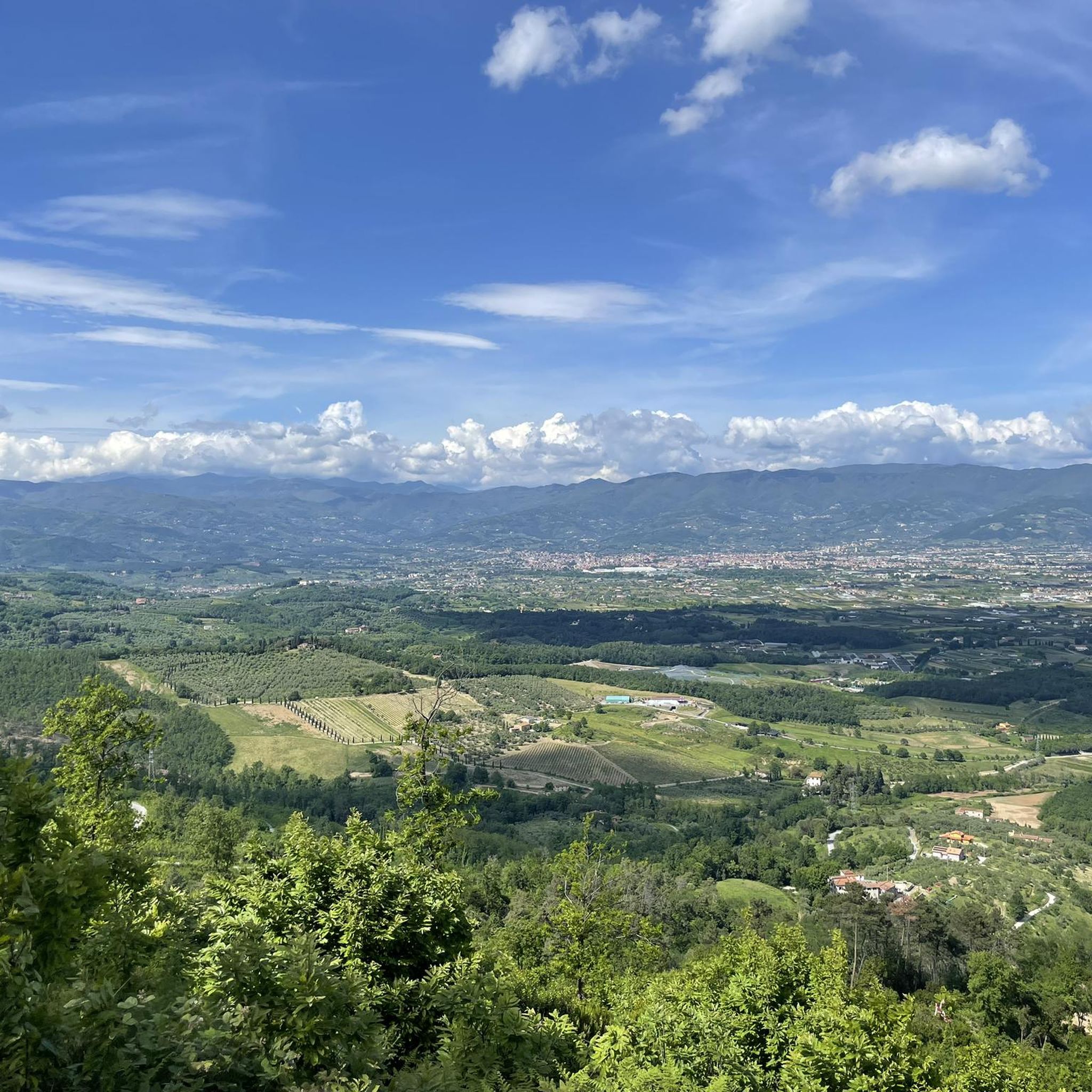
Attractions and places to see around Serravalle Pistoiese include a rich tapestry of medieval charm, historical landmarks, and natural beauty. This historic comune in Tuscany, Italy, is situated at the foot of the Montalbano hills, offering forested landscapes, olive groves, and vineyards. Its strategic location has left it with well-preserved fortifications and a captivating old-world ambiance. The region provides views of the Ombrone and Nievole valleys, alongside numerous cultural sites and panoramic viewpoints.
Best attractions and places to see around Serravalle Pistoiese
- The most popular attractions is Devil’s Rock (Pietramarina), a natural monument that features a large sandstone monolith in a holm oak forest. Steps carved into the stone allow access to the top.
- Another must-see spot is Carmignano Town Center, a settlement from which visitors can enjoy views of the surrounding hills. It is also noted as a point for asphalt training.
- Visitors also love La Fortezza Trail, an MTB park that is almost 1.5 kilometers long on the southern slopes of Monte Pietramarina. It is suitable for mountain bikes and can be tackled primarily downhill.
- Serravalle Pistoiese is known for its historical sites, cultural landmarks, and natural features. The area offers a variety of attractions to see and explore, from ancient towers and fortresses to churches and scenic viewpoints.
- The attractions around Serravalle Pistoiese are appreciated by the komoot community, with more than 140 upvotes and 50 photos shared for the highlights in the area.
Last updated: October 23, 2026
Scenic Road Between Vinci and San Baronto
Highlight (Segment) • Cycleway
Translated by Google •
Tip by

Devil’s Rock (Pietramarina)
Highlight • Natural Monument
There are those who recognize the boulder as an Etruscan altar, but most likely the staircase was dug in the recent past by the inhabitants of Bacchereto with the aim of helping the first tourists to go up and admire the landscape.
There can be no doubt, however, that that wonderfully isolated boulder did not remain indifferent to the Etruscans who inhabited the citadel for six hundred years, whose excavations are visible today just a few meters away.
Indeed, it is probable that the boulder was actually frequented in remote times: on its surface, among the engravings and writings left from the early twentieth century to today, some deeper and more rounded grooves seem to belong to peoples and uses lost in the mists of time.
Translated by Google •
Tip by

Sign up now to discover places like this
Get recommendations on the best single tracks, peaks, & plenty of other exciting outdoor places.
Vitruvian Man Sculpture, Vinci
Highlight • Monument
Translated by Google •
Tip by

Leonardo da Vinci's Birthplace (Casa Natale di Leonardo)
Highlight • Historical Site
Interesting exhibitions, you shouldn't let yourself go.
Translated by Google •
Tip by

Carmignano Town Center
Highlight • Settlement
as driveway ok, from Bacchereto come some ramps and the asphalt is in places a little worse.
Translated by Google •
Tip by

Sign up for free to discover even more attractions around Serravalle Pistoiese.
Already have an account?
Start today with a free account
Your next adventure awaits.

Tips from the Community

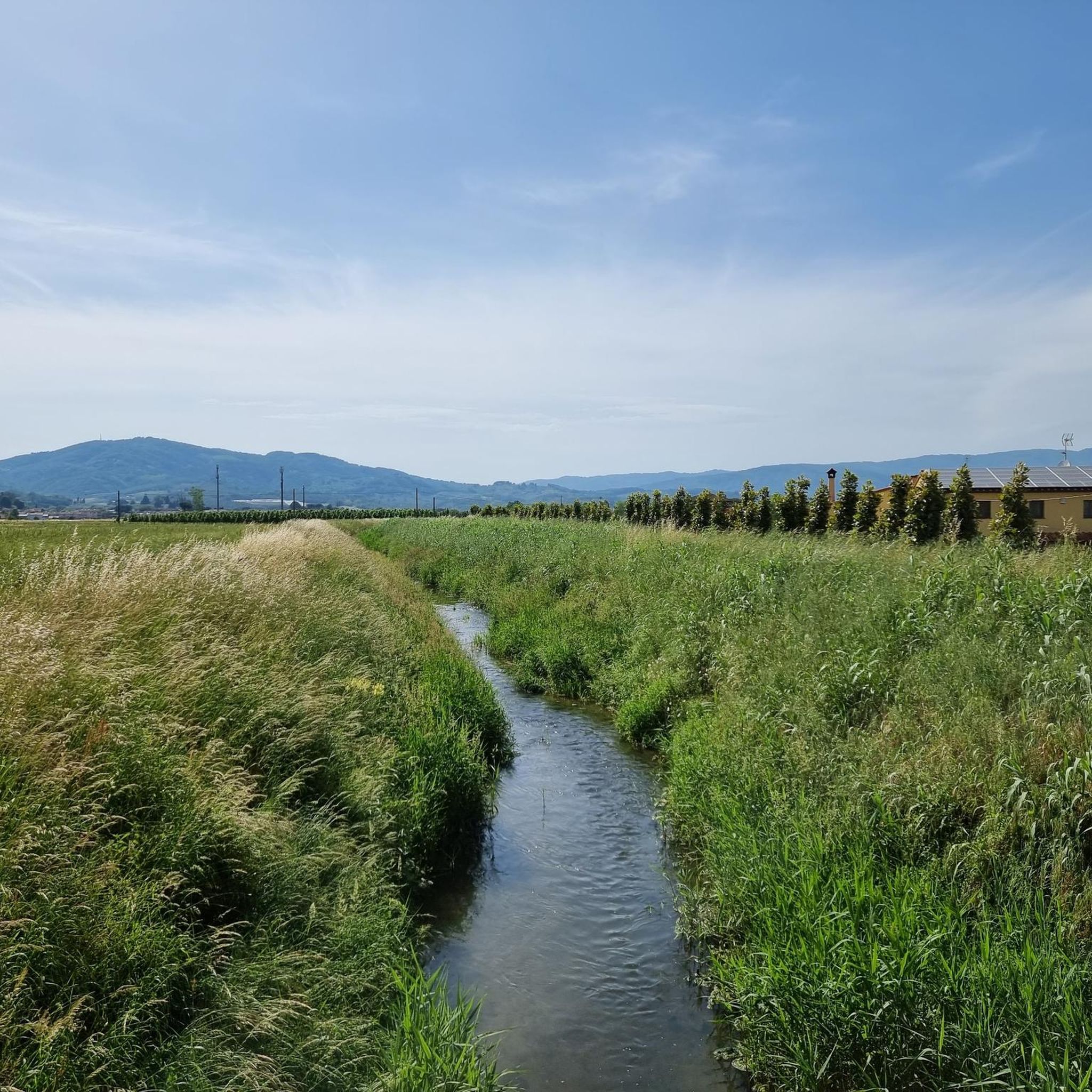
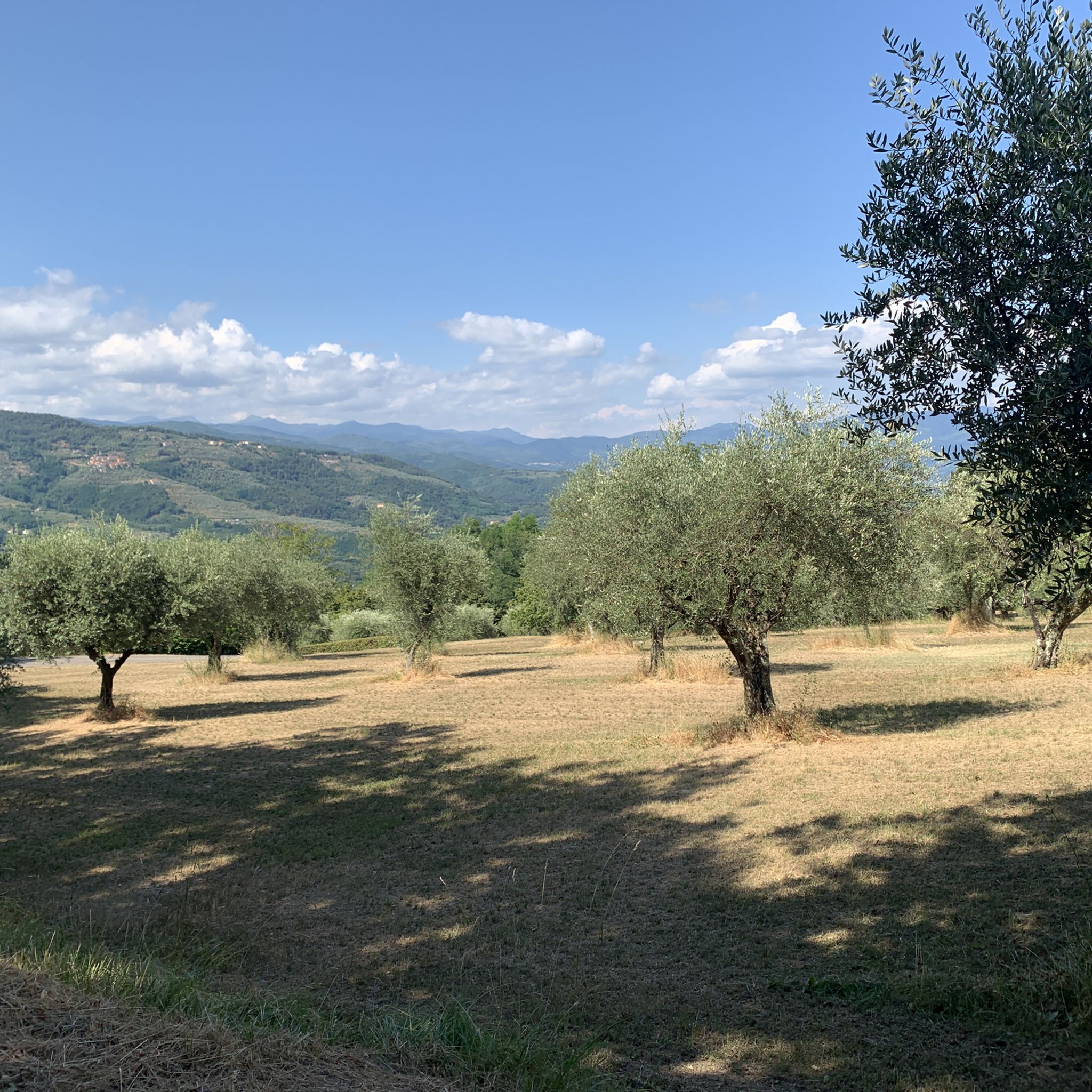
The scenic road connecting Vinci to San Baronto is one of Montalbano's most famous and spectacular routes, much loved by car drivers, motorcyclists, and cyclists for its harmonious curves and breathtaking views of the Tuscan hills. The main route follows the Strada Provinciale 13 (SP13), known in this stretch also as Via di San Donato, which climbs from Vinci, winding its way through centuries-old olive groves and vineyards, before joining the SP9 to reach the pass and the village of San Baronto.
0
0
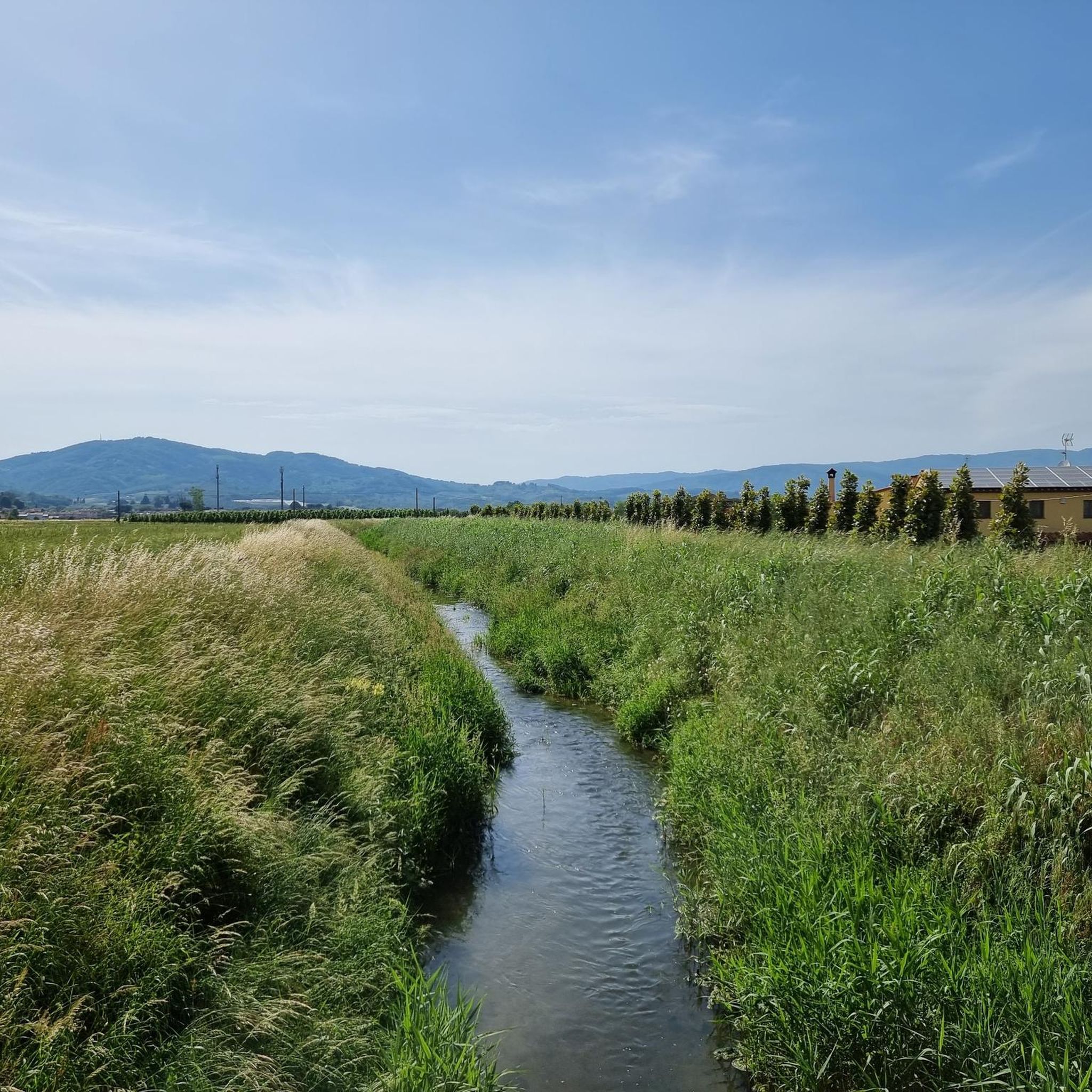
Vinci is an Italian municipality of about 14,500 inhabitants located in the metropolitan city of Florence, in Tuscany. The village is world-famous for being the birthplace of Leonardo da Vinci, the undisputed genius of the Renaissance. The town develops as a true open-air museum dedicated to the scientist and artist, nestled among the hills of Montalbano, amidst centuries-old olive groves and vineyards.
0
0

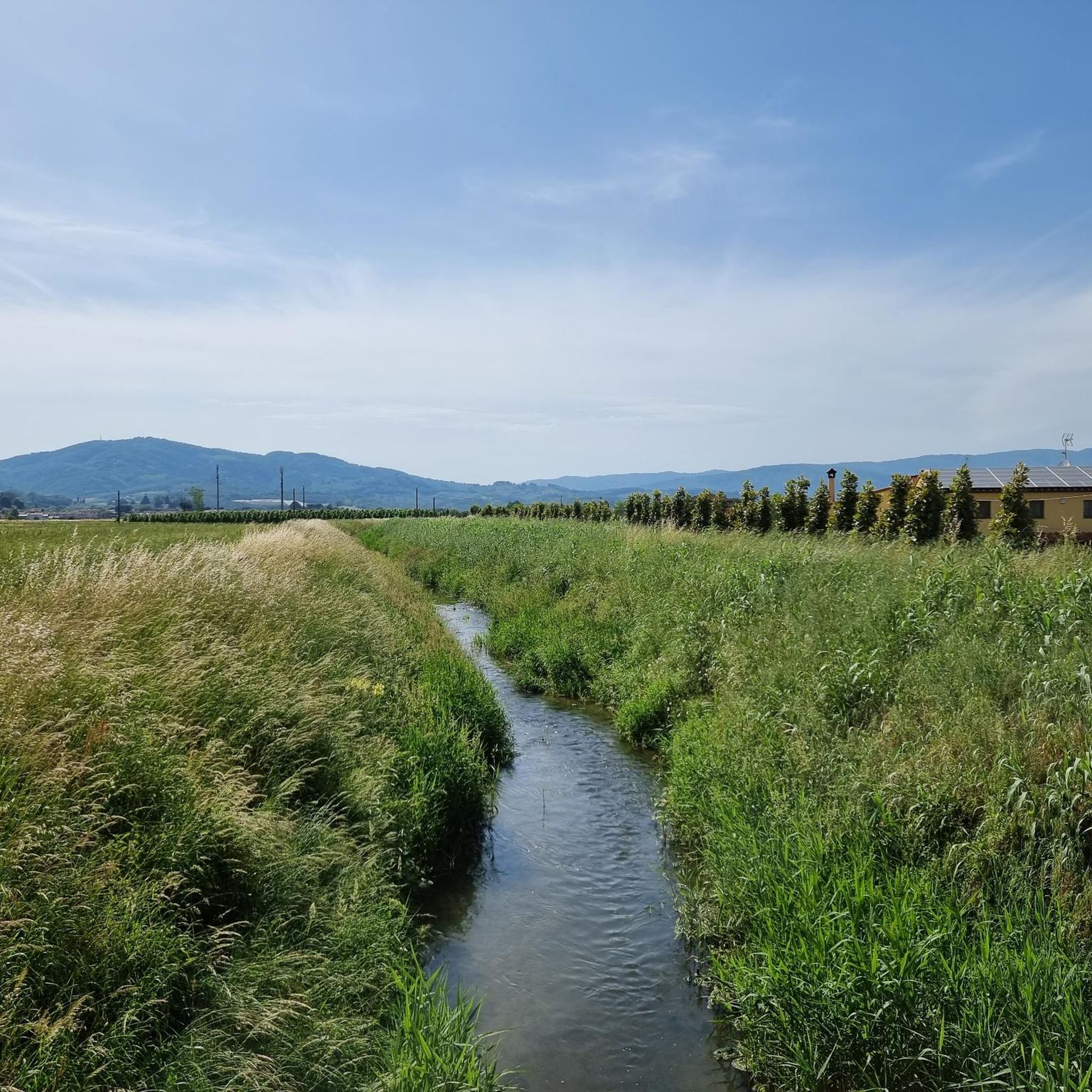
Piazza dei Guidi, designed by Mimmo Paladino in 2006, reorganizes the urban space with stone slabs arranged in a geometric grid. The surfaces are engraved with motifs typical of his artistic universe, recalling symbols and archetypes. The work seeks to create a dialogue between contemporary and traditional, transforming the square into a place of reflection and encounter, where everyday space also becomes an aesthetic experience.
1
0
In Piazza Guido Masi, beneath Vinci Castle, stands a wooden sculpture depicting the Vitruvian Man in three dimensions. It was created by Mario Ceroli in 1967, titled Squilibrio (Imbalance), and donated to the Municipality twenty years later. The work does not faithfully reproduce Leonardo's drawing: the figure is inserted into a cube and a sphere, but the proportions are not perfect. Ceroli thus sought to evoke the gap between the ideal harmony of the Renaissance and the uncertainty of the contemporary world.
1
0

Impressive place and beautiful hike from the city of Vinci along the "Strada Verde" hiking trail.
1
0

You have to have been there at least once.
2
0

Here, visitors can visit the birthplace of the Italian polymath LEONARDO da VINCI (1452 to 1519). Throughout his life, he was involved in various arts (especially painting, sculpture and architecture) as well as in scientific research (e.g. anatomy), and was an inventor and engineer. The place of burial, however, is located in Amboise (Ile-de-France) in France. The assumption that he was buried there in the Hubertus Chapel (if you are interested, see https://www.komoot.com/de-de/highlight/958658 ) is not scientifically proven, but is not implausible either, because da VINCI spent the last years of his life in the neighboring castle Le Clos Lucé, where the French king had invited him, and died there on May 2, 1519.
2
0

Anchiano is the small village that is home to the birthplace of Leonardo da Vinci.
3
0
Frequently Asked Questions
What historical landmarks can I explore in Serravalle Pistoiese?
Serravalle Pistoiese is rich in history, offering several medieval landmarks. You can visit the iconic Torre del Barbarossa, an over 40-meter tall tower built in 1107, or the mighty Rocca Nuova (Castruccio Fortress), commissioned in 1302. Other significant sites include the Old Fortress (Rocca Vecchia) and the Porta della Gabella, one of the few remaining stretches of the old city walls.
Are there any natural features or panoramic viewpoints to enjoy in the area?
Yes, the region offers stunning natural beauty and panoramic views. Serravalle Pistoiese is situated at the foot of the Montalbano hills, providing forested landscapes, olive groves, and vineyards. Don't miss the Devil’s Rock (Pietramarina), a fascinating natural monument with steps carved into the stone for access to the top. You can also find breathtaking views from the Panoramic Bench in Castellina and the Panoramic Piazza in Vinacciano, offering vistas of the Ombrone and Nievole valleys.
What cultural sites and churches are worth visiting in Serravalle Pistoiese?
The area boasts several cultural and religious sites. The Church of San Michele Arcangelo, built in the Romanesque era, features a 14th-century fresco and a triptych by Bartolomeo di Andrea Bocchi. Other notable churches include the Church of Santo Stefano in the historic center and the Church of Saints Filippo and Giacomo in Castellina. For contemporary art, consider visiting Spazio Zero – Contemporary Art.
What outdoor activities are available around Serravalle Pistoiese?
The Montalbano hills provide excellent opportunities for outdoor activities. You can enjoy hiking and cycling on numerous trails. For specific routes, explore options like those found in the Gravel biking around Serravalle Pistoiese guide, the Running Trails around Serravalle Pistoiese guide, or the Cycling around Serravalle Pistoiese guide.
Are there any family-friendly attractions or activities in the vicinity?
While Serravalle Pistoiese itself is rich in historical sites, nearby Vinci offers family-friendly attractions related to Leonardo da Vinci. You can visit the Vitruvian Man Sculpture and the Leonardo da Vinci's Birthplace (Casa Natale di Leonardo), which houses a museum. These sites offer engaging insights into the life of the famous inventor and artist.
What are some unique points of interest or hidden gems in Serravalle Pistoiese?
Beyond the main village, exploring the various hamlets like Cantagrillo, Casalguidi, Castellina, and Vinacciano can reveal interesting buildings and natural immersion. The region is also part of the ancient Romea Strata and the Cammino di San Jacopo pilgrimage routes, offering a unique historical perspective for walkers. The Devil’s Rock (Pietramarina) is also considered a fascinating, somewhat hidden natural monument.
What do visitors enjoy most about the attractions around Serravalle Pistoiese?
Visitors particularly appreciate the historical significance and the stunning natural landscapes. The Devil’s Rock (Pietramarina) is noted for its quiet, suggestive atmosphere and the peace found at its summit. The Carmignano Town Center is loved for its beautiful views of the surrounding hills. The area's trails, like La Fortezza Trail, are popular for their flow and accessibility for various skill levels.
Can I find trails suitable for mountain biking near Serravalle Pistoiese?
Yes, the area is popular for mountain biking. The La Fortezza Trail is a well-known MTB park, almost 1.5 kilometers long on the southern slopes of Monte Pietramarina, suitable primarily for downhill riding. It's often cleared by local trail builders and riders, making it accessible even for beginners in single tracks.
Are there any specific events or festivals held in Serravalle Pistoiese?
Serravalle Pistoiese hosts a traditional Palio event, which features medieval costumes and an archery competition, offering a vibrant cultural experience. For specific dates and details, it's recommended to check local event listings.
What is the best way to experience the Montalbano hills?
The Montalbano hills are best experienced through hiking, cycling, or even by motorbike. The area is crisscrossed by trails, offering numerous hidden gems and opportunities to explore olive groves and vineyards. The panoramic viewpoints mentioned, such as the Panoramic Bench in Castellina, are excellent spots to take in the vast landscape.
Is there a place to see Leonardo da Vinci's heritage near Serravalle Pistoiese?
Absolutely. Just a short distance away in Vinci, you can immerse yourself in the heritage of Leonardo da Vinci. Visit the Leonardo da Vinci's Birthplace (Casa Natale di Leonardo) in Anchiano, which houses a museum, and see the striking Vitruvian Man Sculpture in Vinci's town square.
Are there any ancient pilgrimage routes passing through Serravalle Pistoiese?
Yes, Serravalle Pistoiese is part of two significant ancient pilgrimage routes. It lies on the Romea Strata, a medieval path leading pilgrims to Rome, specifically on the Pistoia-San Baronto stage. It is also part of the Cammino di San Jacopo, an Italian route connecting Pistoia to Santiago de Compostela, with the Barbarossa Tower offering a unique viewpoint of this route.
Most popular routes around Serravalle Pistoiese
Most popular attractions around Serravalle Pistoiese

Get inspired with the komoot mobile app


Explore more
Still not found the Highlight you’re looking for? See guides of the top attractions in other regions:
