Attractions and Places To See around Posthudorra/Porto Torres - Top 20
Best attractions and places to see around Posthudorra/Porto Torres offers a diverse range of historical, natural, and cultural sites. Located in northern Sardinia, the area features ancient Roman ruins, significant religious architecture, and impressive coastal landscapes. Visitors can explore a variety of points of interest, from archaeological parks to national parks and beaches. The region provides opportunities to discover its rich past and natural beauty.
Best attractions and places to see around Posthudorra/Porto Torres
- The most popular attractions is Falcone Tower, a man-made monument that was built in 1577. Its strategic position allowed it to serve as a watchtower and signaling tower, offering views of Asinara and the sea.
- Another must-see spot is Port Tower, a historical site. This octagonal tower, also known as the Aragonese Tower, was built in 1325 and is located in the city's port, serving as a sighting and protection point.
- Visitors also love Torre di Abbacurrente, a man-made monument. This observation and watchtower, built between 1572 and 1577, is situated on a rocky protrusion at the end of Platamona beach, providing visual contact with other coastal towers.
- Posthudorra/Porto Torres is known for its historical sites, natural parks, and coastal features. The area offers a variety of attractions to see and explore, including ancient ruins, beaches, and defensive towers.
- The attractions around Posthudorra/Porto Torres are appreciated by the komoot community, with 29 highlights featuring 110 photos and receiving 145 upvotes.
Last updated: July 6, 2026
Falcone Tower
Highlight • Monument
From up here, you can enjoy an extraordinary view of Asinara and the sea.
Translated by Google •
Tip by

Torre della Pelosa
Highlight • Monument
It can be reached by swimming or boat.
Translated by Google •
Tip by

Sign up now to discover places like this
Get recommendations on the best single tracks, peaks, & plenty of other exciting outdoor places.
Sign up for free
Basilica of San Gavino
Highlight • Religious Site
Translated by Google •
Tip by

Torre di Abbacurrente
Highlight • Monument
Translated by Google •
Tip by
Fornelli Prison
Highlight • Historical Site
Over time it went from an agricultural colony to a maximum security prison in the nefarious 70s and 80s (period in which General Dalla Chiesa indicated it as the institute with the highest security index in Italy). After having therefore been a place of imprisonment for exponents of terrorism, kidnappers of the Sardinian soul, kidnappings and elements of organized crime, the Fornelli prison ceased its function in 1997 and can still be visited today.
Translated by Google •
Tip by
Sign up for free to discover even more attractions around Posthudorra/Porto Torres.
Sign up for free
Already have an account?
Start today with a free account
Your next adventure awaits.
Login or Signup
Popular around Posthudorra/Porto Torres
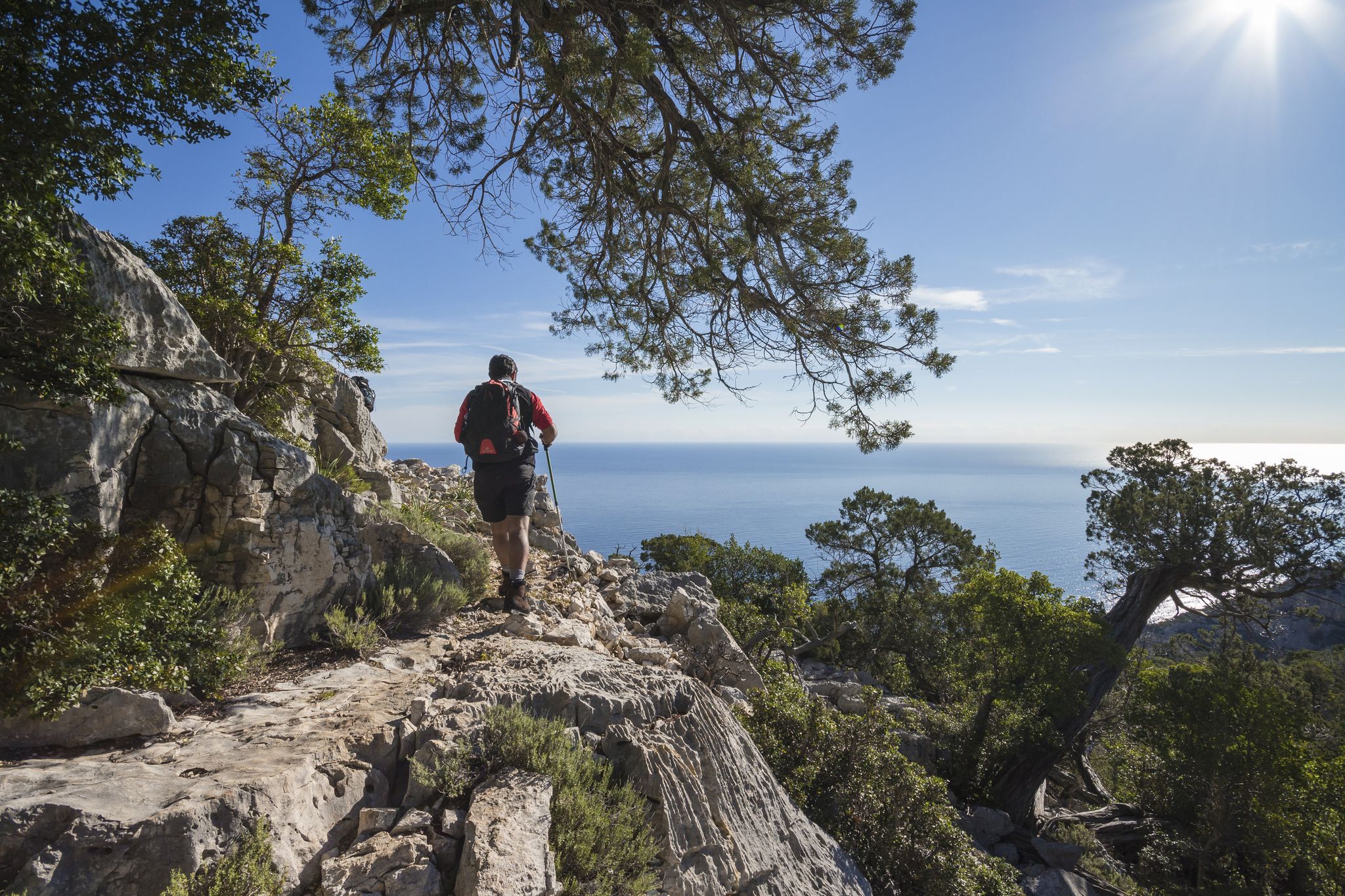
Magnificent Sardinia – day hikes overlooking the sea
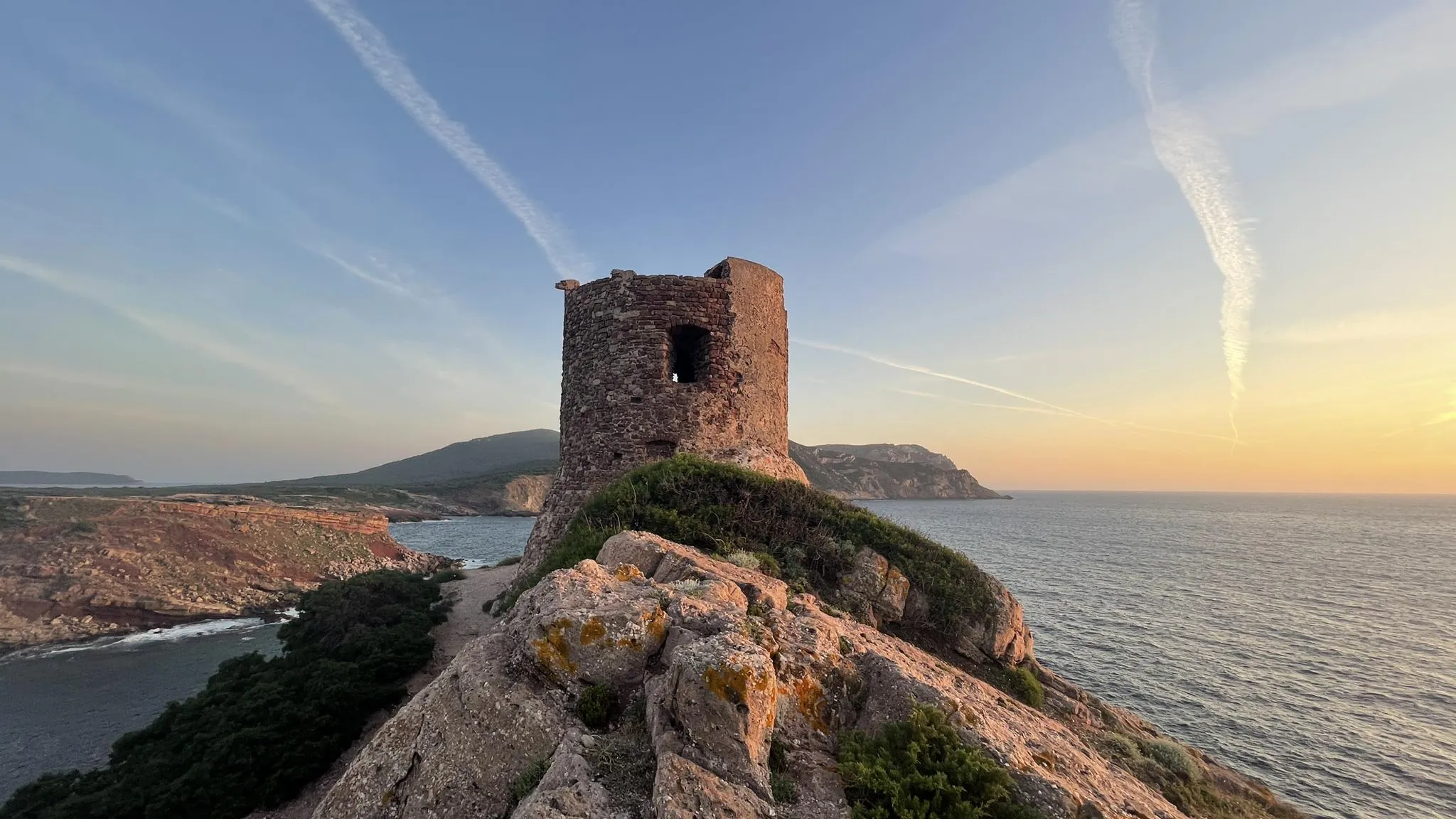
Castelsardo to Bosa Marina on the Via Catalana – Cammino 100 Torri
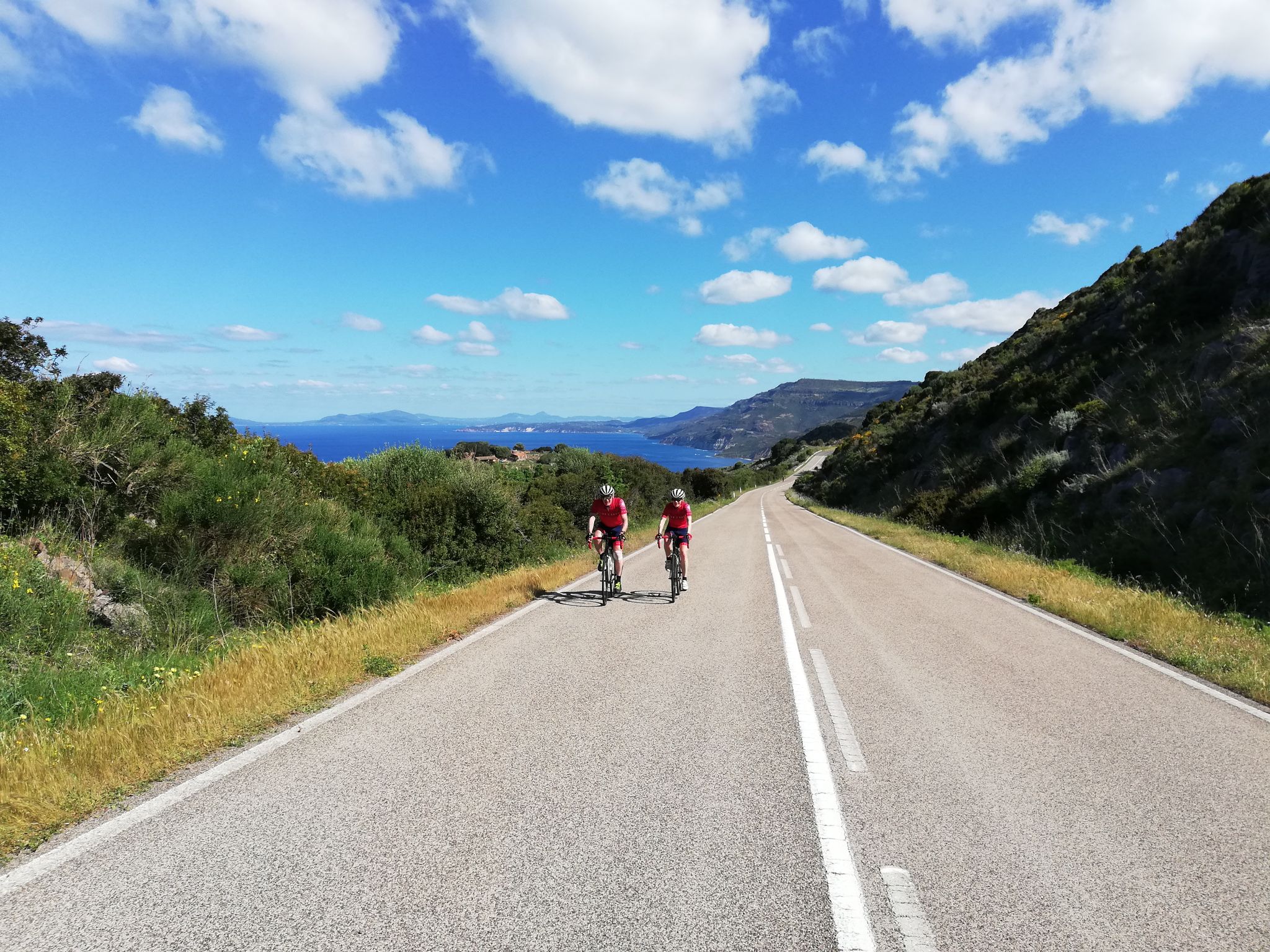
Amazing views on perfectly smooth asphalt - road bike tours in Sardinia
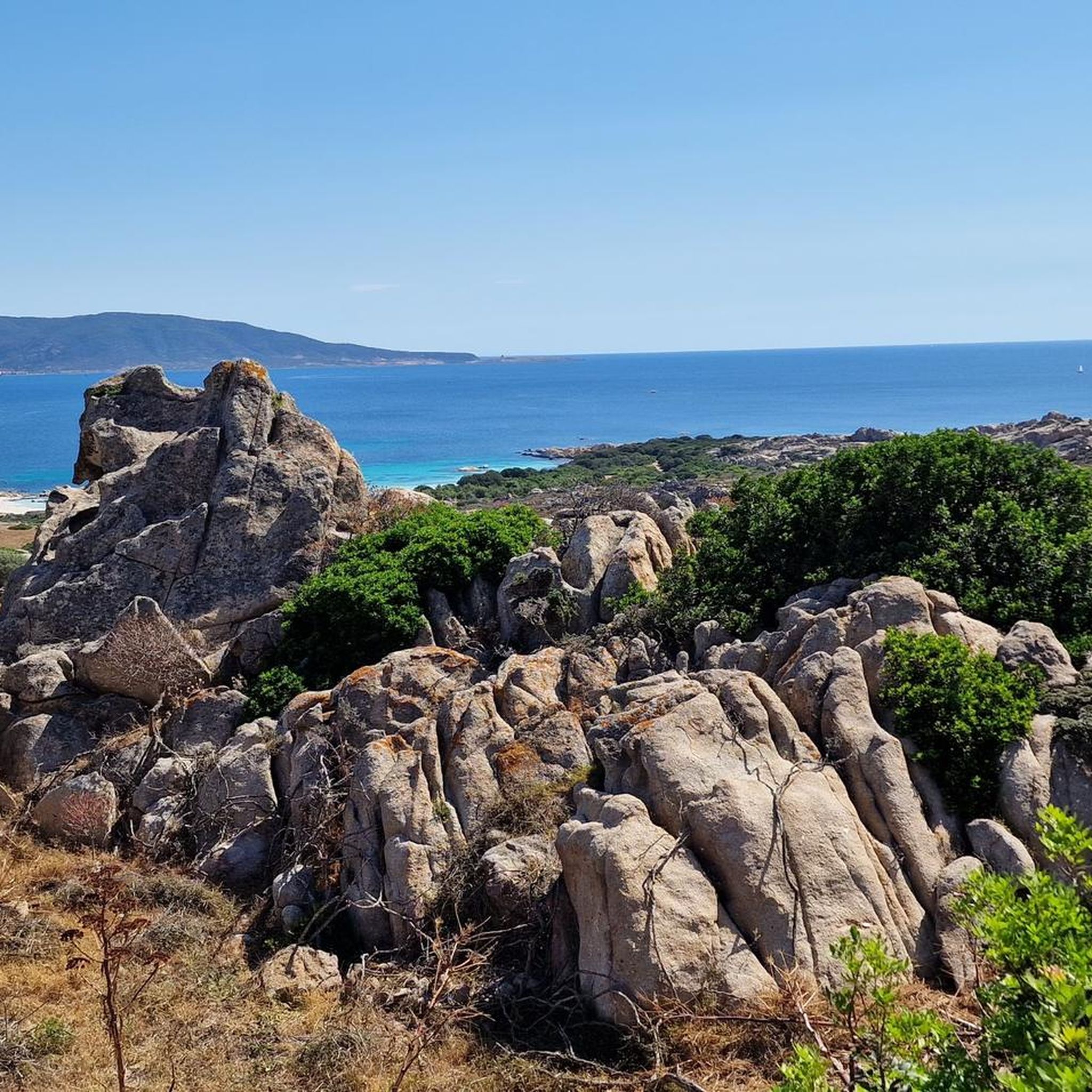
Hiking around Posthudorra/Porto Torres
Cycling around Posthudorra/Porto Torres
MTB Trails around Posthudorra/Porto Torres
Running Trails around Posthudorra/Porto Torres
Road Cycling Routes around Posthudorra/Porto Torres

Gravel biking around Posthudorra/Porto Torres
Other adventures around Posthudorra/Porto Torres


Tips from the Community

Beautiful hike with magnificent viewpoints. The climb is sometimes a little steep with 2 walls in the rocks but it is passable. I recommend starting with the climb to the tower and then making swimming spots on the way back.
1
0

Asinara was once a prison island and served as a prisoner of war camp during World War II. Because the swamps had not yet been drained, many prisoners died of malaria. Convicted members of the mafia were held here until 1997.
0
0

The Falcone tower is mentioned for the first time in the map of the military engineer Rocco Cappellino, sent to Sardinia by Emperor Charles V in 1552; it was probably built in 1577. Considering its strategic position, rather than defining it as a robust or simple tower (as defense towers were called), it could be considered more of a watchtower and signaling tower. The garrison consisted of two soldiers armed with two rifles and two pushguns. From up here, you can enjoy an extraordinary view of Asinara and the sea.
4
1
The Abbacurrente tower represents an element of the complex of fortified structures which, from the early Middle Ages to the mid-19th century, performed the function of defence, sighting and communication along the Sardinian coast. Located on the edge of the sea, on a rocky protrusion at the left end of the long Platamona beach, the tower mainly had a signaling purpose. Due to its small size, it could only accommodate a small garrison. Its strategic location allowed visual contact with the towers of Isola Piana, Trabucado and, on clear days, also with that of Isola Rossa.
2
0

From La Pelosa beach you have a nice view of the tower. It was very windy there today.
2
0

The walk to get there is beautiful and also not very busy with a breathtaking view.
2
0
The ring tour is no longer possible because at a certain point a piece of the route is blocked by vegetation and a pool of water, beyond that it is not possible to continue due to a barbed wire network, so we had to go back to the tower.
2
0

The Torre della Pelosa is located on the small offshore island of Isola della Pelosa. From the beautiful small beach Spiaggia della Pelosetta you can enjoy the view of the tower particularly well. It is best to come early in the morning. Then it's not so crowded here.
0
0
Frequently Asked Questions
What historical sites can I explore in Posthudorra/Porto Torres?
The region is rich in history. You can visit the impressive Port Tower, also known as the Aragonese Tower, which has stood since 1325. Other significant historical sites include the ancient Roman Bridge, the Basilica of San Gavino, and the Archeological National Museum Antiquarium Turritano, which showcases artifacts from the Roman city of Turris Libisonis. Don't miss the Archaeological Park of Turris Lybisonis, featuring ruins like the Domus di Orpheus.
Where can I experience the natural beauty of the Posthudorra/Porto Torres area?
For natural beauty, the main attraction is Asinara National Park, accessible by ferry from Porto Torres, known for its unspoiled flora and fauna. The coastline offers stunning cliffs and coves, such as Balai Beach, which is overlooked by the small white Church of San Gavino a Mare. You can also explore the long stretch of Platamona Beach, backed by a pleasant pine forest.
Are there any family-friendly attractions in Posthudorra/Porto Torres?
Yes, several attractions are suitable for families. The Port Tower is considered family-friendly. Beaches like Balai Beach and Platamona Beach offer space for relaxation and play. Asinara National Park also provides opportunities for families to explore nature and observe wildlife.
What kind of outdoor activities are available near Posthudorra/Porto Torres?
The area offers various outdoor activities. You can find numerous routes for running, cycling, and gravel biking. For example, there are running trails that take you through the city and along the seafront, or even to the Ex Carcere Fornelli on Asinara Island. Cyclists can explore routes like the 'Way of St. James: Porto Torres - Sorso Loop' or the 'Stintino Cycle Path' for cycling and gravel biking.
Can I visit Asinara National Park from Porto Torres?
Yes, Asinara National Park is a major natural attraction and is easily accessible by ferry directly from Porto Torres. The park is renowned for its rich and unspoiled flora and fauna, including the famous white donkeys, and offers a unique opportunity to explore a former maximum-security prison now dedicated to conservation.
What are some notable beaches around Posthudorra/Porto Torres?
Beyond Balai Beach, you can visit Platamona Beach, an 8 km long stretch of coarse sand, pebbles, and shells, backed by a pine forest. A short distance away, near Stintino, lies La Pelosa Beach, often considered one of Sardinia's most beautiful beaches, famous for its fine sand and clear waters.
Are there any ancient Roman ruins to see in the area?
Absolutely. Porto Torres, ancient Turris Libisonis, boasts significant Roman heritage. You can explore the impressive Roman Bridge, built over the Rio Mannu river in the 1st century A.D. The Archaeological Park of Turris Lybisonis features ruins such as the Domus di Orpheus and the Domus Patrizia dei Mosaici, along with ancient hot springs. The Archeological National Museum Antiquarium Turritano also houses many Roman artifacts.
What is the best time of year to visit Posthudorra/Porto Torres for outdoor activities?
The spring and autumn months are generally ideal for outdoor activities in Posthudorra/Porto Torres. The weather is pleasant, making it comfortable for hiking, cycling, and exploring historical sites without the intense heat of summer or the cooler, wetter conditions of winter. Spring, in particular, allows you to enjoy the beaches before they become too crowded.
Where can I find unique cultural insights into the region?
For cultural insights, visit the Ethnographic Museum “Giovanni Pais,” which offers a glimpse into Sardinian traditions. The Basilica of San Gavino, the largest and oldest Romanesque church in Sardinia, provides a deep dive into the region's religious and architectural history, including an archaeological area revealing ancient necropolises.
Are there any interesting towers or viewpoints in the area?
Yes, the coastline is dotted with historic towers offering great views. The Falcone Tower, built in 1577, provides extraordinary views of Asinara and the sea. The Port Tower (Aragonese Tower) is an iconic octagonal structure at the city's port. Further along the coast, the Torre di Abbacurrente, an observation and watchtower from the 16th century, offers views of Platamona beach.
What is the significance of Asinara National Park's past?
Asinara National Park has a unique past as a former maximum-security prison, with structures like the Fornelli Prison. This history has contributed to the preservation of its natural environment, as human impact was limited for many years. Today, it's a protected area celebrated for its biodiversity and a fascinating place to learn about its dual role as a prison island and a natural sanctuary.
Are there any prehistoric sites near Porto Torres?
Yes, the region holds significant prehistoric sites. The Necropolis of Su Crucifissu Mannu, located less than 5 km from the city center, features nearly twenty-two *domus de janas* (chamber tombs) carved into the rock, dating from the Neolithic to the Copper Age. Additionally, Monte d'Accoddi is a unique prehistoric altar considered a high expression of pre-Nuragic civilization in Sardinia.
Most popular routes around Posthudorra/Porto Torres
Most popular attractions around Posthudorra/Porto Torres

Get inspired with the komoot mobile app


Explore more
Still not found the Highlight you’re looking for? See guides of the top attractions in other regions:
