The best walks and hikes around Opera
4.3
(315)
7,543
hikers
405
hikes
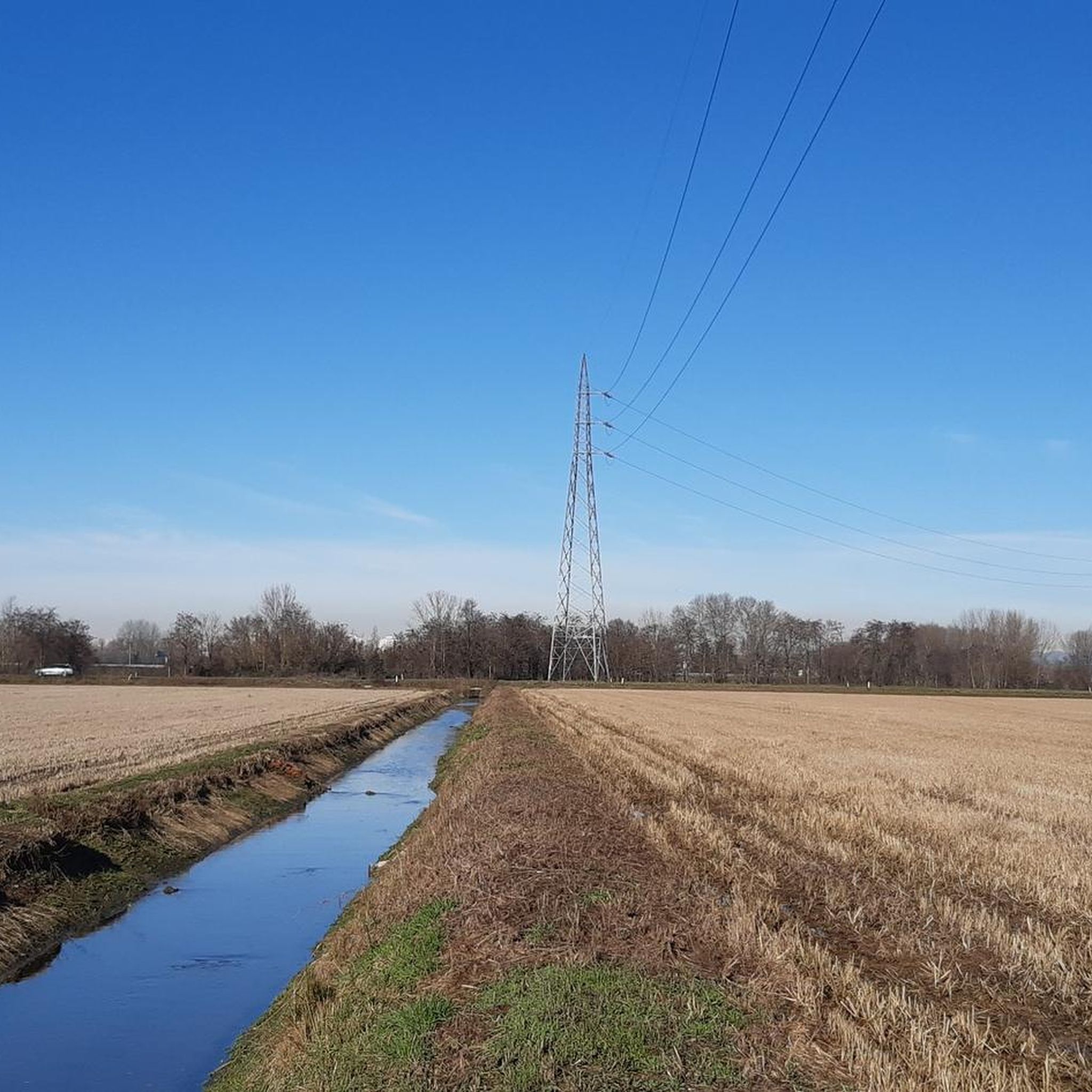
Hiking around Opera, a municipality near Milan, Italy, offers a network of trails primarily characterized by flat terrain and minimal elevation changes. The landscape features suburban paths, green spaces, and routes along local waterways, providing accessible outdoor experiences. This area is well-suited for easy walks and leisurely cycling, with routes often connecting residential areas with natural and semi-natural environments. The low elevation gain across all routes indicates a predominantly level topography.
Best hiking trails around Opera
- The most popular hiking…
Last updated: June 28, 2026
5.0
(1)
27
hikers
6.67km
01:41
10m
10m
Easy hike. Great for any fitness level. Easily-accessible paths. Suitable for all skill levels.
3.5
(2)
16
hikers
13.5km
03:25
20m
20m
Moderate hike. Good fitness required. Easily-accessible paths. Suitable for all skill levels.

Sign up for free
30
hikers
4.79km
01:12
10m
10m
Easy hike. Great for any fitness level. Easily-accessible paths. Suitable for all skill levels.
11
hikers
12.2km
03:04
20m
20m
Moderate hike. Good fitness required. Easily-accessible paths. Suitable for all skill levels.
4.0
(3)
9
hikers
5.27km
01:20
10m
10m
Easy hike. Great for any fitness level. Easily-accessible paths. Suitable for all skill levels.
Get access to more routes and recommendations from other explorers.
Sign up for free
Already have an account?
Our route recommendations are based on thousands of hikes, rides, and runs completed by other people on komoot.
Start today with a free account
Your next adventure awaits.
Login or Signup
Tips from the Community

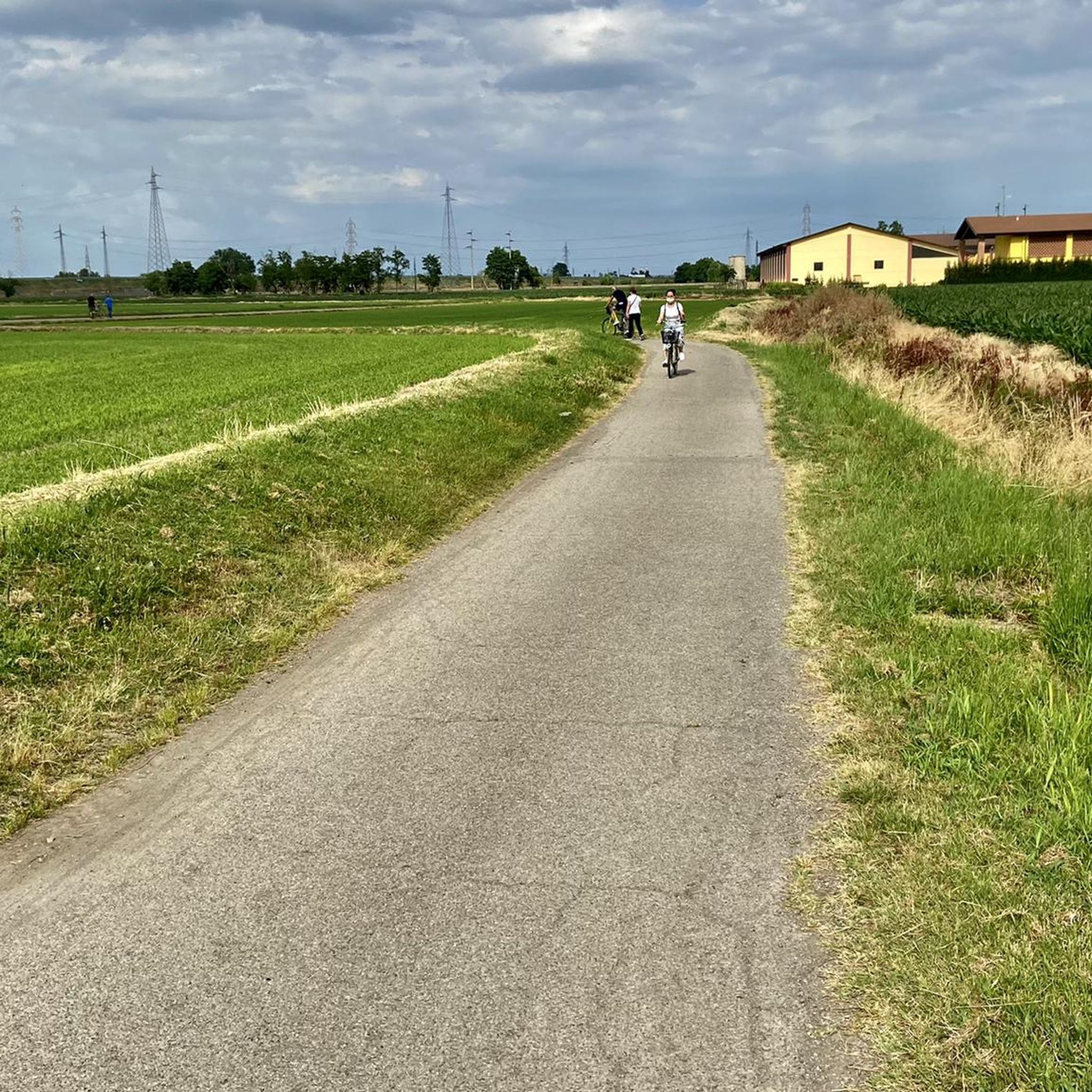
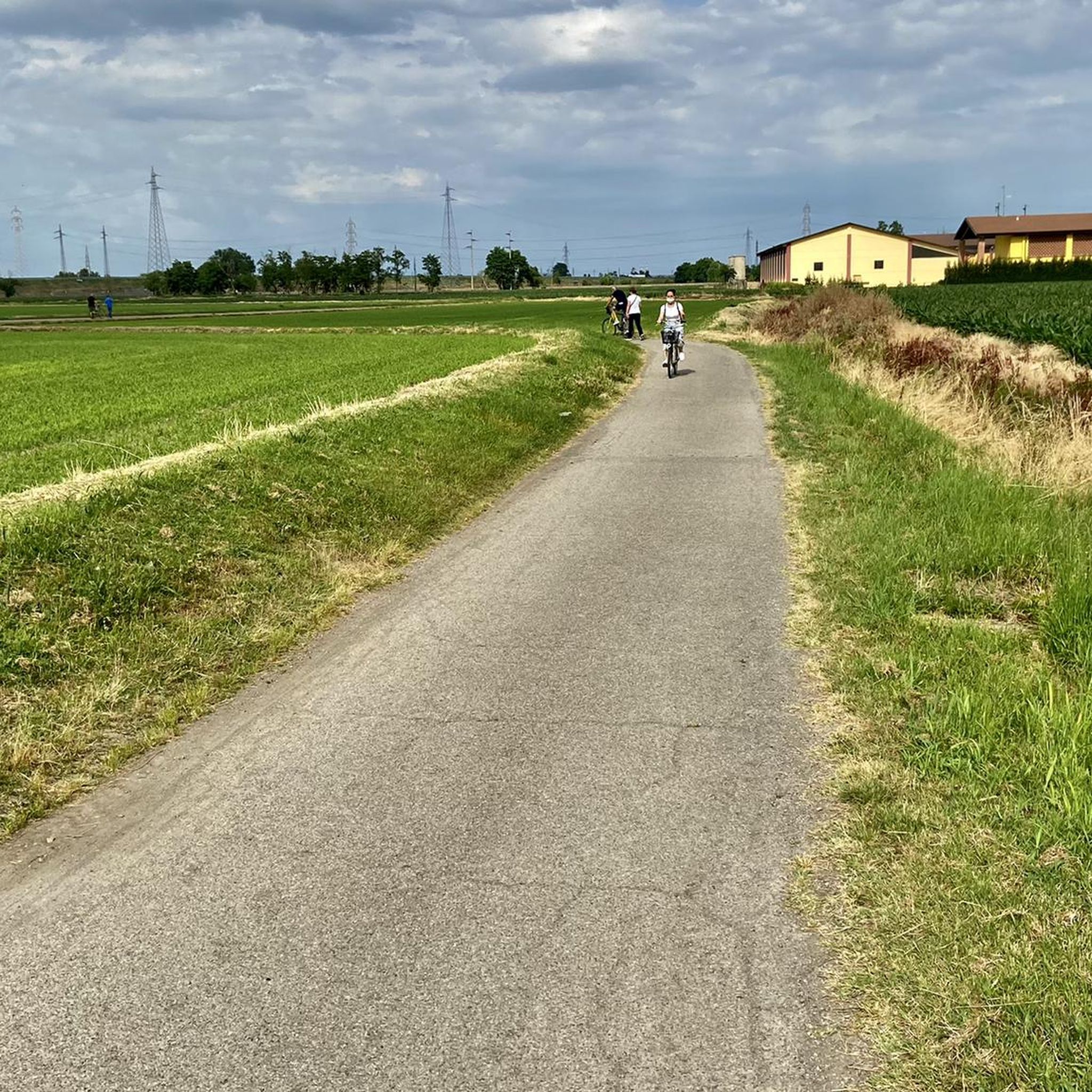
Beautiful in itself but at a certain point Komoot went crazy by suggesting to cross a farmhouse, I found a closed gate, rightly closed with a padlock, with the consequent absurd detour at the edge of a corn field
0
0

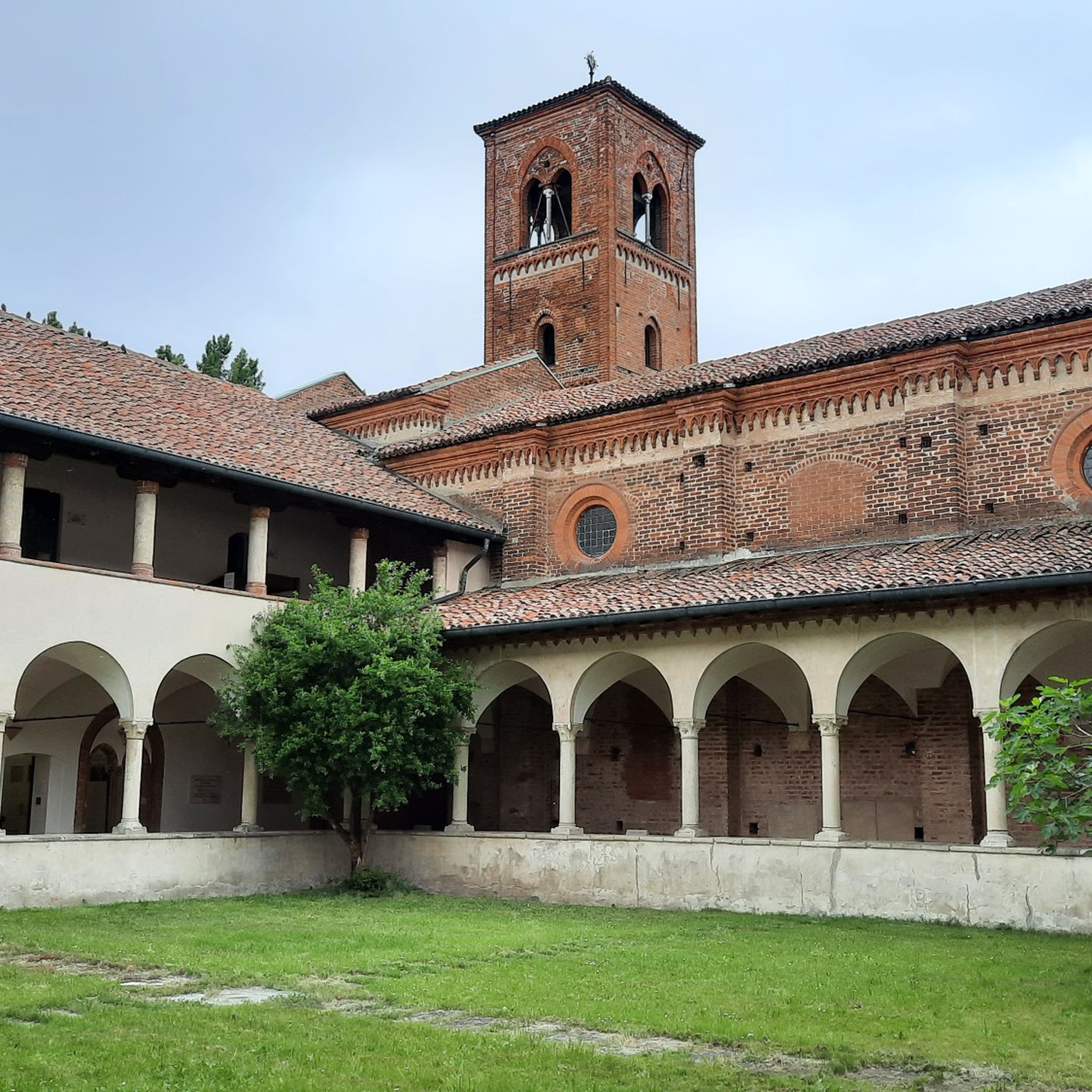
The name of the Abbey derives from the name of the village – vicus – Mirasole, in which it was located. Certainly, due to the presence of a religiously significant place such as an Abbey, the name Mirasole also takes on a different allusion, evoking the tension of the ascetic life to keep one’s gaze fixed on Christ, the sun of life. The grange of Mirasole (the granges were rural units dependent on an Abbey, around which a group of buildings used for agricultural and residential purposes was composed) was born between the 12th century and the early 13th century by the Umiliati brothers, with a community of lay people only. The Umiliati, recognized in 1201 by Pope Innocent III as a true order, spread throughout Lombardy, founding numerous houses – including Mirasole – and becoming part of the agricultural and spiritual reclamation project that led to Milan being surrounded by a crown of Abbeys. The rule of the Umiliati was an absolute novelty, as it adapted the Benedictine and Augustinian precepts to the intense work activity of its members, particularly in the field of wool processing. The Umiliati were the first in the history of the church to have a third order, the so-called tertiaries, that is, lay people recognized as an integral part of the religious order, while living in their own homes. In the 13th and 14th centuries, the Humiliated Abbey of Mirasole was a thriving center of religious life and agricultural activity. Suffice it to say that in 1344 the community was made up of 44 members: 29 friars, 11 nuns and 4 servants; and that the annals of the Fabbrica del Duomo report, between 1387 and 1398, an intense collaboration with Mirasole for the annual supply of fine wood to the Veneranda Fabbrica. Probably for defensive purposes, the entrance tower dates back to the 14th century, which configures the Abbey as a fortified grange with a quadrangular plan, originally surrounded by a defensive moat with two entrances equipped with a drawbridge. Starting from the second half of the 14th century, as a result of the demographic and economic crisis caused by the black plague epidemic, the tertiaries no longer exist and the number of wage earners is insufficient to work. The friars then decide, as was usual for religious orders of the time, to grant exponents of the Milanese bourgeoisie and nobility the lease of increasingly larger lands to recover liquidity. The friars limited themselves to collecting negligible rents and, in addition to this, the tenants benefited from all the productive activities. In 1482 Mirasole was reduced to a commendation, that ecclesiastical provision by which the Pope grants a vacant office, for example that of abbot, to a religious or lay person who enjoys the income of the Abbey without becoming its owner and being able to administer the property through his representative. Following the failed attack on San Carlo Borromeo, by a member of the Humiliati family of the Brera, in 1571 Pope Pius V abolished the order of the Humiliati. In 1582 the ownership of the Abbey of Mirasole passed to the Collegio Elvetico of Milan, established by Pope Gregory XIII for the education of the Swiss clergy. Here, after more than three centuries, the monastic life of Mirasole ended and, except for the church and the cloister, all the Abbey buildings were destined to tenant farmers and wage earners. The subsequent historical and architectural events of Mirasole were influenced by Napoleon. After the Italian campaign, in 1797 Napoleon suppressed the Swiss College and donated the Abbey, complete with funds and farm, to the Ospedale Maggiore in Milan, to reward it for the care provided to his sick and wounded soldiers. In the early 19th century, the tenant farmer occupied the entire manor house, built the neoclassical portico with terrace and even transformed the cloister into the courtyard of his home. In 1876, the Hospital obtained a reduction in Masses from the Archbishop's Curia of Milan, due to the insufficiency of alms; in 1903, the Church was declared closed to religious services and, from this moment, began a long period in which Mirasole was inhabited exclusively by peasant families. The last ones date back to the 1950s. The Hospital promoted a first restoration project in 1930 and, in 1964, another of greater scope. The final works took place in the 1980s, thanks to the work of Franca Chiappa, a benefactor of the Hospital.
1
0

The church inside the abbey complex is beautiful
0
0
Mirasole was one of the farmhouse-abbeys (held by the order of the Humiliated, who dedicated themselves to the cultivation of the fields and the manufacture of woolen cloth with innovative systems for the time: Mirasole possessed the only machines in the surrounding area which made the transformation of the felt wool.
0
0

Stunning fortified abbey with a beautiful cloister that can be visited for free, don't miss it
0
0

Here, already in the 13th century, a tabernacle dedicated to the Virgin Mary stood next to a source that was said to be miraculous. Even if no miracle is known, over time the fame of this place grew so much that it led the Trivulzio family to build a chapel in 1470 and a real sanctuary a hundred years later. During the plague of 1630 many reported having been saved by the miraculous waters which are still collected today in tubs located at the back of the lower church.
3
0
For some years now a place that has been active again, in spirituality and hospitality
0
0

Place of worship and prayer, located inside a large courtyard, in a peaceful and relaxing setting Str. Consortile Mirasole, 7, 20090 Opera MI http://abbaziamirasole.org/ 02576103
1
0
Frequently Asked Questions
What kind of terrain can I expect on hikes around Opera?
Hiking around Opera, a municipality near Milan, Italy, is characterized by predominantly flat terrain with minimal elevation changes. You'll find suburban paths, green spaces, and routes along local waterways, making for accessible outdoor experiences well-suited for easy walks.
Are there many easy hiking options in Opera?
Yes, Opera is ideal for easy walks. Out of over 330 available routes, more than 220 are classified as easy. These trails often feature flat paths through green areas and along canals, perfect for a relaxed outing.
Can I find circular hiking routes in the Opera area?
Absolutely. Many routes around Opera are designed as loops, allowing you to start and end in the same location. For example, the Mirasole Abbey – Mirasole Abbey Tower loop from Noverasco is an easy 4.1-mile circular path that combines cultural interest with natural scenery.
What do other hikers say about the trails in Opera?
The komoot community highly rates the trails in Opera, with an average score of 4.3 stars from over 450 reviews. Hikers often praise the accessibility of the routes, the pleasant green spaces, and the opportunities for leisurely strolls near the city.
Are there any notable landmarks or attractions to see while hiking near Opera?
Yes, several interesting landmarks are accessible from hiking routes. You can explore historical sites like the Moirago Lock and Waterkeeper's House or visit the beautiful Chiaravalle Abbey. Some routes also pass by the Naviglio Grande, offering scenic views along the canal.
Are the hiking trails around Opera suitable for families?
Given the predominantly flat terrain and numerous easy routes, the trails around Opera are very suitable for families. Many paths wind through local parks and green areas, providing safe and enjoyable environments for all ages. The Parcobaleno – Parcobaleno (formerly Park 2) loop from Rozzano is a great option for a longer family outing through local parks.
What is the typical duration of a hike in Opera?
Hikes in Opera vary in length, but many easy routes can be completed within 1 to 2 hours. For example, the Action loop from Opera is an easy 2.7-mile trail that typically takes just over an hour. Longer moderate routes, like the Macconago Canal – Cascina Brandezzata loop from Noverasco, can take around 3.5 hours.
Can I reach hiking trails around Opera using public transport?
Opera is a municipality near Milan, and public transport options are generally available to reach the area. While specific trailheads might require a short walk from a bus or tram stop, the suburban nature of the region means many routes are accessible without a car. It's advisable to check local transport schedules for the most convenient access points.
Are there any hikes that offer views of the city?
Some routes in the area provide glimpses or broader perspectives of the surrounding urban landscape. The View over the City – Action loop from Opera is a moderate 5.1-mile route designed to offer such views while exploring the local environment.
What is the best time of year to go hiking in Opera?
The flat terrain and suburban nature of Opera's trails make them enjoyable for much of the year. Spring and autumn offer pleasant temperatures and colorful scenery, while summer can be good for early morning or late afternoon walks. Even in winter, many paths remain accessible for a refreshing stroll, though conditions may vary.
Are there any castles or historical sites near Opera that I can visit?
Yes, the region around Opera is rich in history. You can find several castles and historical sites nearby, such as the impressive Sforza Castle, the charming Castello di Peschiera Borromeo, or the historic Rocca Brivio. These can be combined with a hike or visited separately.
Most popular attractions around Opera

Get inspired with the komoot mobile app


Explore more
Browse the best Hikes in other regions.
