Attractions and Places To See around Casirate D'Adda - Top 20
Attractions and places to see around Casirate D'Adda offer a blend of historical, cultural, and natural features. Situated on the left bank of the Adda River in the province of Bergamo, this area is characterized by its riverine landscape and historically significant canals. The region features notable landmarks within the town and points of interest related to its industrial and agricultural past.
Best attractions and places to see around Casirate D'Adda
- The most popular attractions is Martesana Canal, a…
Last updated: July 6, 2026
Martesana Canal
Highlight • Cycleway
Translated by Google •
Tip by

Naviglio Martesana Cycle Path Between Bellinzago Lombardo and Inzago
Highlight (Segment) • Cycleway
Translated by Google •
Tip by

Sign up now to discover places like this
Get recommendations on the best single tracks, peaks, & plenty of other exciting outdoor places.
Sign up for free
The Rudun Water Wheel, Groppello d'Adda
Highlight • Monument
Translated by Google •
Tip by

Naviglio Martesana Towpath
Highlight (Segment) • Cycleway
Translated by Google •
Tip by

Riverside Path Along the Muzza
Highlight • Trail
Translated by Google •
Tip by

Sign up for free to discover even more attractions around Casirate D'Adda.
Sign up for free
Already have an account?
Start today with a free account
Your next adventure awaits.
Login or Signup

Tips from the Community

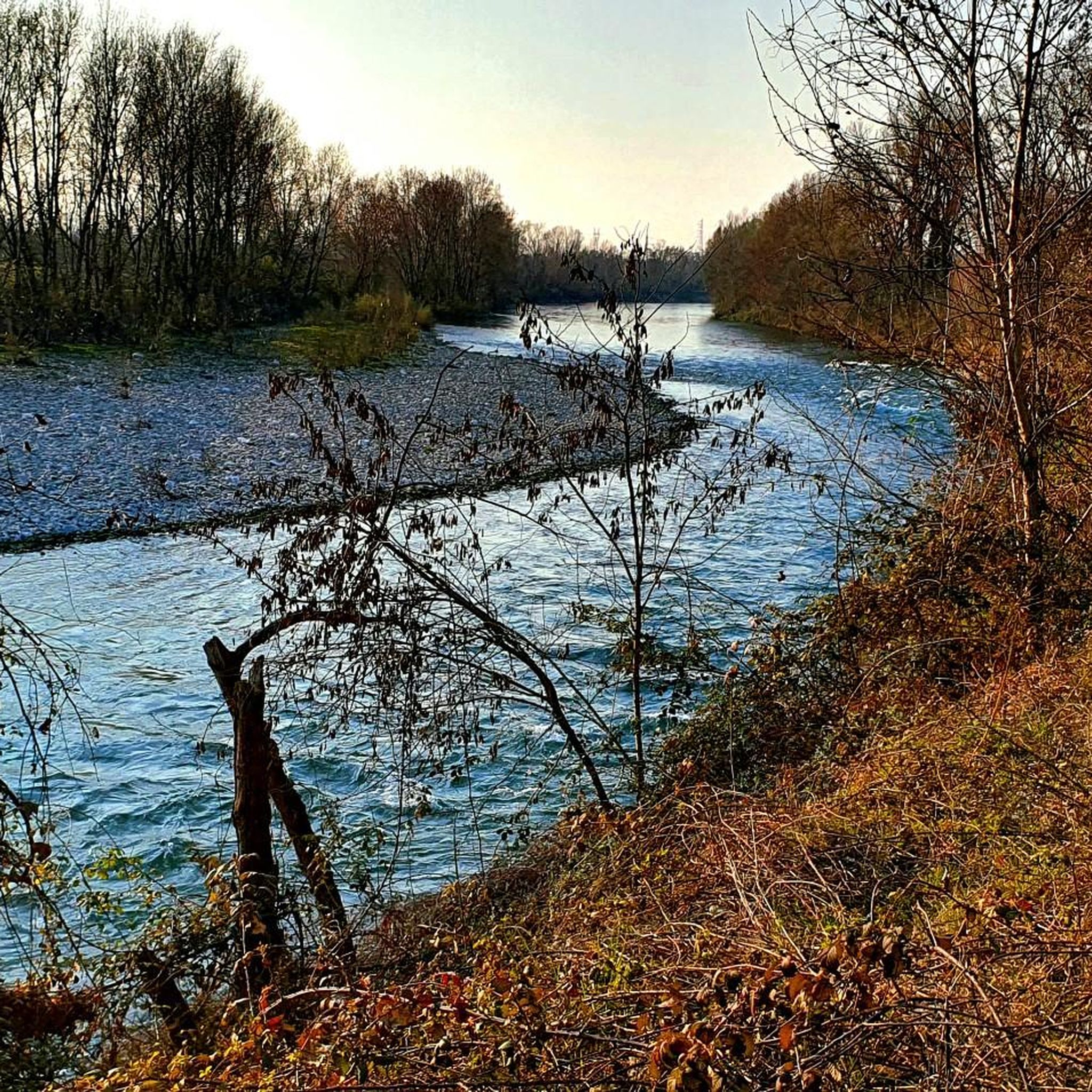
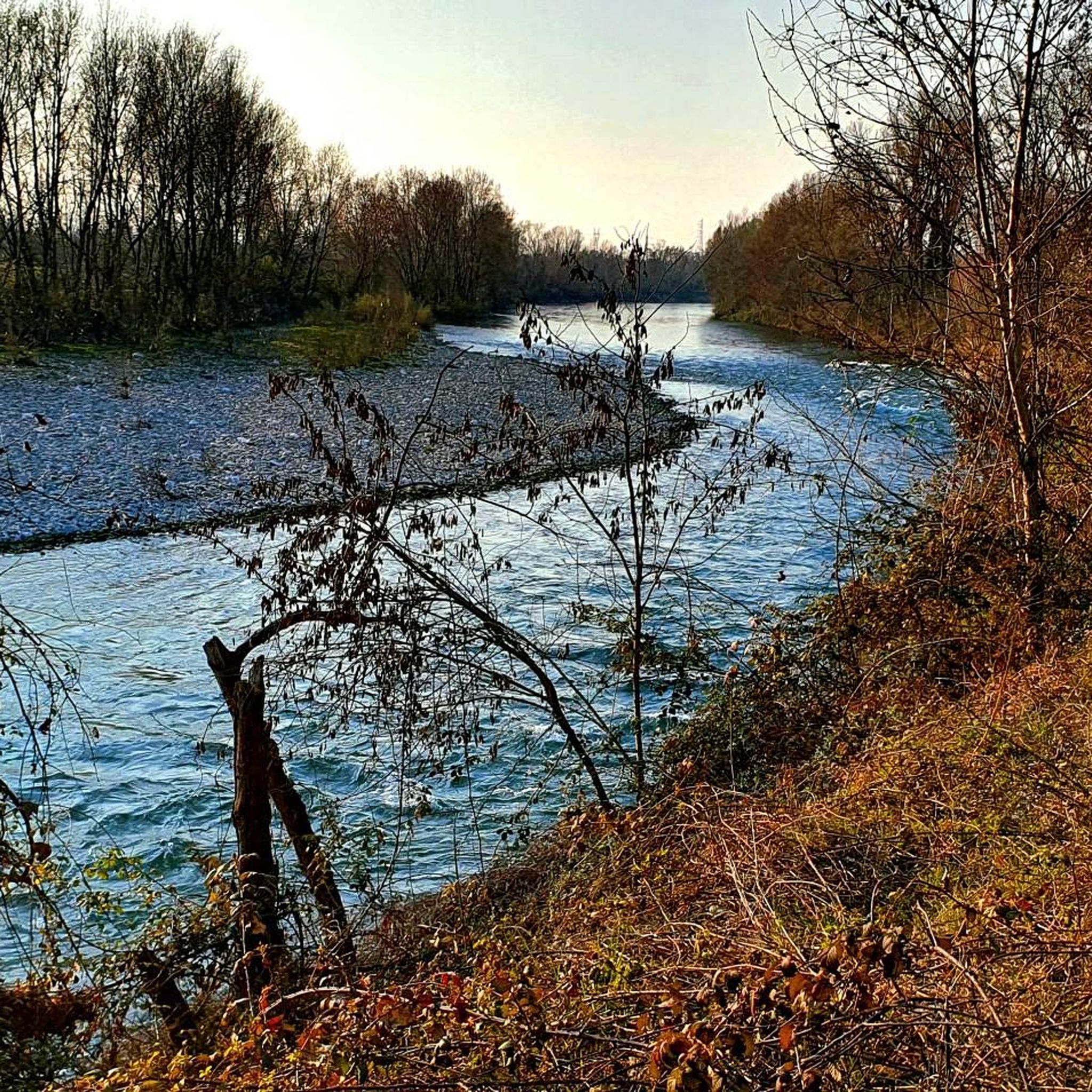
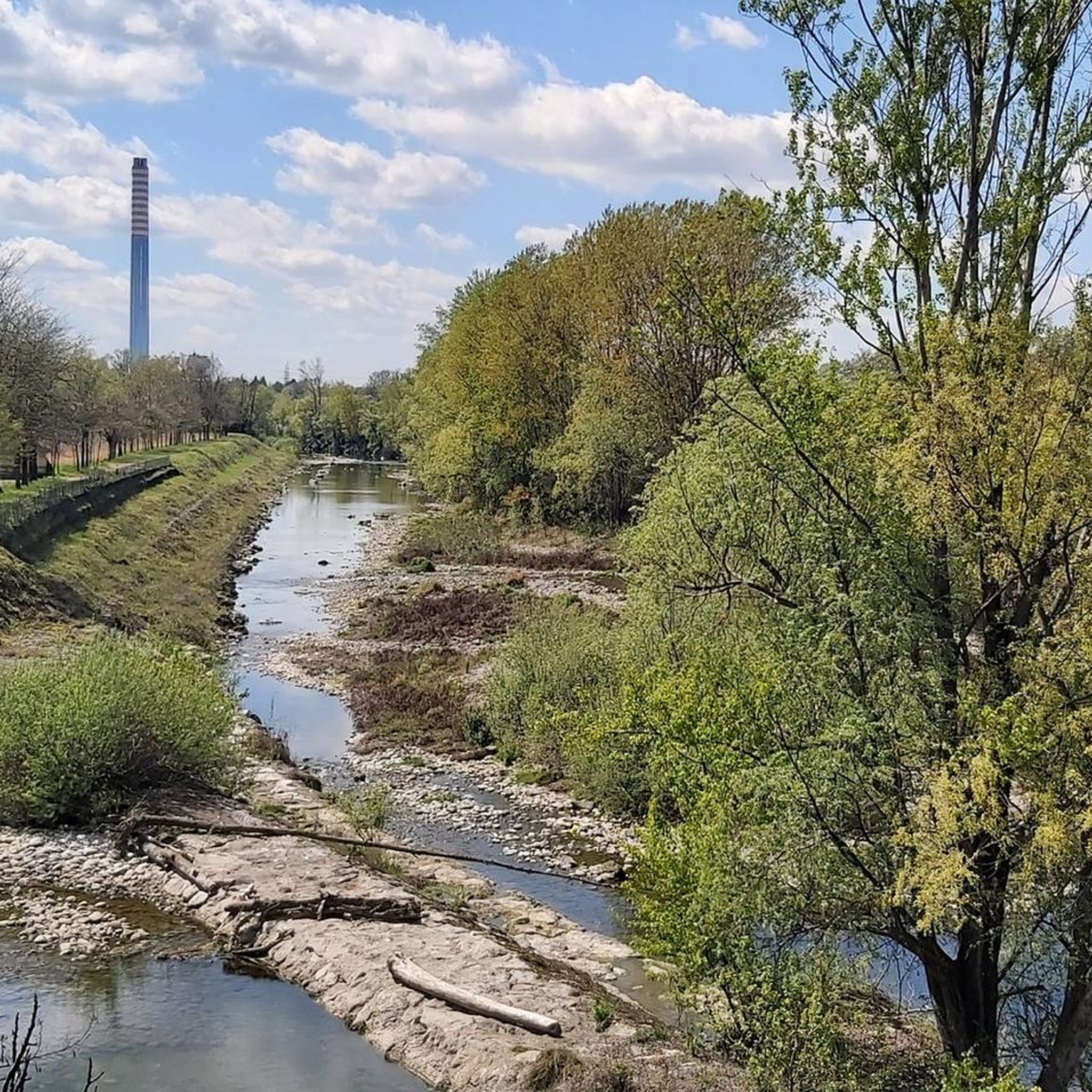
The Muzza Canal is the oldest in Europe and just this year, its 800th anniversary was celebrated by the Municipality of Paullo in collaboration with the Pro Loco and other Municipalities. Its origin dates back to the year 1220, when Frederick II of Swabia, crowned emperor of the Holy Roman Empire, issued an imperial edict that granted the people of Lodi the right to use the waters flowing within their territory. The current route, about 60 km long, receives the waters of the Adda River at Cassano d’Adda, at an altitude of 120 m above sea level, crosses the Lodi territory for about 40 km until near Castiglione d’Adda, at an altitude of 45 m above sea level, and here it releases them back into the Adda River. It has a regulated water regime, with a flow rate, depending on the season, of about 200 thousand liters of water per second; an initial width of 50 meters which reduces to a few meters at the end of its course and an average depth of 2 meters.
0
0
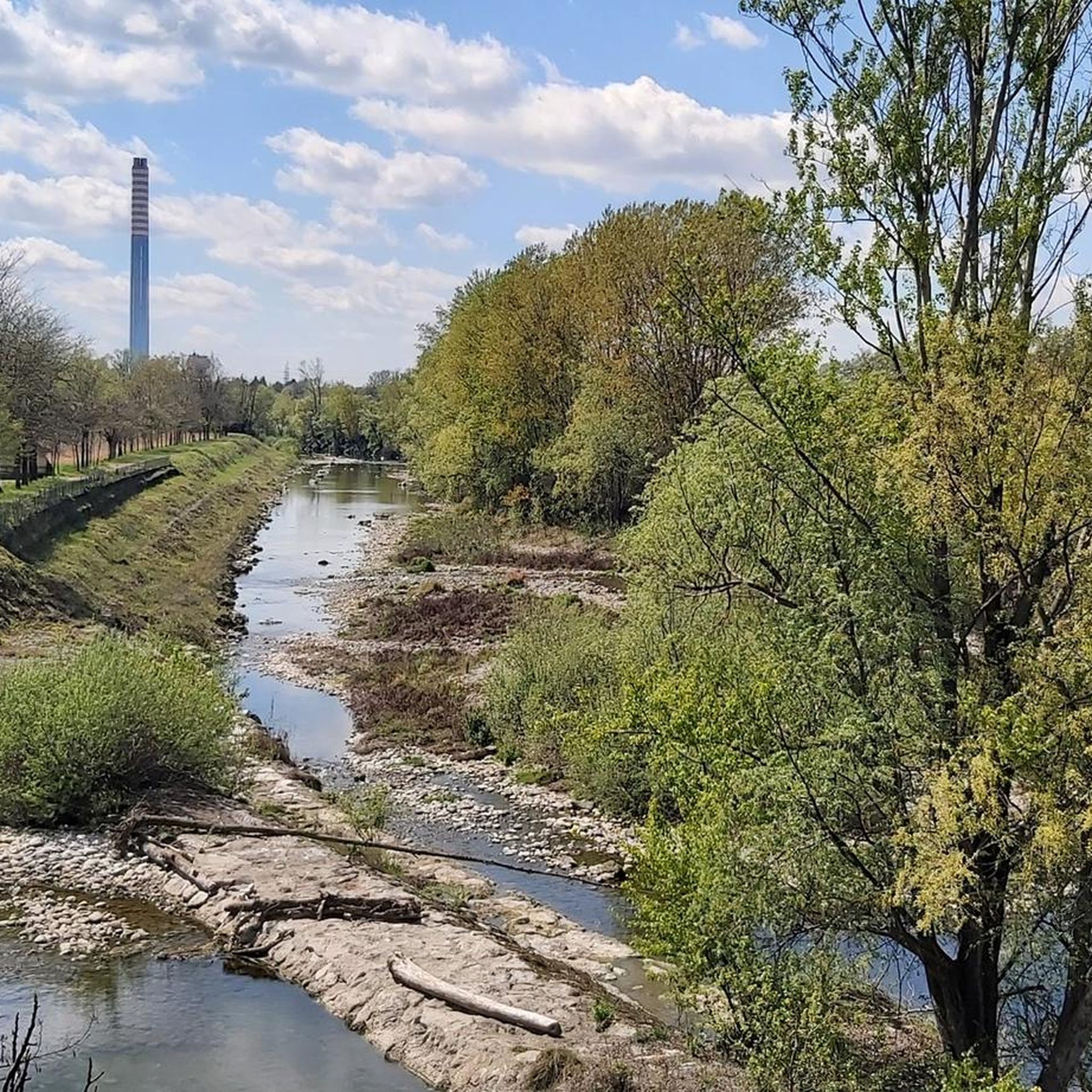
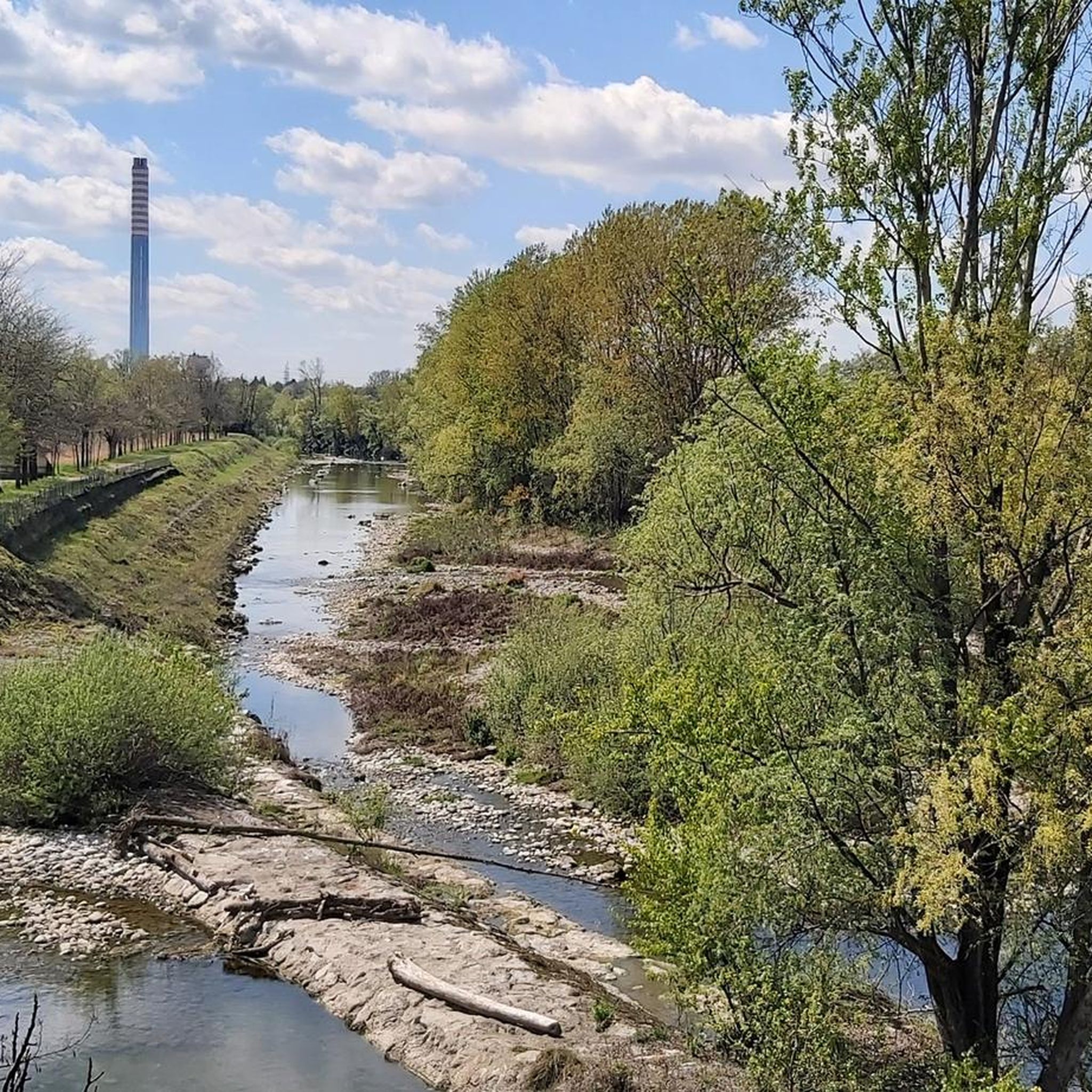
The Naviglio della Martesana, initially known as Naviglio Piccolo, is one of the Milanese canals that connects Milan with the course of the Adda river through the municipalities of Martesana. Commissioned in the 15th century by Francesco Sforza, it was used for irrigating the countryside but also represented the ambitious project of connecting Milan with Lake Como and thus with the Alps and Ticino. The Naviglio della Martesana is a place rich in history and beauty, a heritage for everyone that, however, today is still little known and protected. Along the Naviglio runs a rather busy cycle path, which allows you to admire the landscape and cultural beauties, such as the rich flora, fauna, or the numerous historic villas, including the Renaissance Villa Melzi d’Eril in Vaprio d’Adda.
1
0

It's nice, relaxing to pedal away from traffic for many kilometers. Thanks to whoever created it for all of us,
1
0

Nice gravel ride, from Gessate to Cremona. 95% on paved cycle paths and dirt road in the woods along the Adda. The first stretch from Cassano to Lodi is very nice, all in the woods, several single tracks with tall grass or "cycle path" but with a dirt surface. The river is almost always nearby. From Lodi to Cremona all on paved cycle path, elevated on cultivated fields and more exposed to the wind. Stops in Lodi, Pizzighettone and Cremona for visits. Return by train.
2
0

beautiful tour on the banks of the Adda on the way there and on the banks of the Muzza on the way back, places truly worth visiting
0
0

Always current engineering works
4
0

Large wheel on the bank of the Naviglio Martesana, popularly called "rudun", was built by Cardinal Federico Borromeo in 1618 to raise the water from the canal and bring it to the kitchens of the palace as well as irrigating the vegetable gardens and gardens of the villa.
4
0

beautiful stretch of cycle path along the Martesana
3
0
Frequently Asked Questions
What historical sites can I explore in Casirate d'Adda?
Casirate d'Adda offers several historical landmarks. You can visit the neoclassical Parish Church of Santa Maria Immacolata, the 18th-century Church of San Rocco al Lazzaretto, and the historically significant Palazzo Paladini, birthplace of Enrichetta Blondel. The town also features the Palazzo Ranieri-Paladini and the Palazzo Blondel (now the Town Hall), along with remnants of a medieval castle near the parish church.
Are there any unique natural features to see around Casirate d'Adda?
Yes, a notable natural feature is the majestic Secular Plane Tree, recognized as a natural monument. It stands approximately twenty meters high with a base circumference of 5.68 meters, located near the road leading towards the cemetery.
What outdoor activities can I enjoy along the Adda River and its canals?
The Adda River and its surrounding canals, such as the Martesana Canal and the Vacchelli Canal entrance, offer excellent opportunities for cycling and walking. These canals feature dedicated cycle paths and dirt paths, perfect for exploring the riverine landscape. For specific routes, you can find various options in the Road Cycling Routes around Casirate D'Adda or Running Trails around Casirate D'Adda guides.
Is there a famous water wheel near Casirate d'Adda?
Yes, the famous Rudun Water Wheel in Groppello d'Adda is a must-see. Built around 1600 and believed to have been designed by Leonardo da Vinci, this large water wheel (affectionately called 'el rudun' by locals) was designed to raise water for irrigation from the Martesana Canal, not to grind cereals.
Are there family-friendly attractions or activities in the area?
Many of the canal paths, such as the Martesana Canal and the Vacchelli Canal entrance, are considered family-friendly for walking and cycling. The Rudun Water Wheel is also an interesting historical site that can appeal to families.
What is the best time of year to visit Casirate d'Adda for outdoor activities?
The spring and autumn months generally offer the most pleasant weather for outdoor activities like cycling and walking along the canals. Summers can be quite warm and humid, especially along the water, while winters can be chilly. The komoot community notes that the canal paths can be muggy in extreme summer heat but are cooler than normal streets during the rest of the year.
Can I find long-distance cycling routes starting near Casirate d'Adda?
Absolutely. The area is well-connected for cycling. You can find routes like the 'Martesana Cycle Route' (over 65 km) or 'Cycle to Bergamo from Cassano d'Adda' (over 66 km). For more options, refer to the Road Cycling Routes around Casirate D'Adda guide.
What is Crespi d'Adda and how far is it from Casirate d'Adda?
Crespi d'Adda is a UNESCO World Heritage site located in the nearby municipality of Capriate San Gervasio. It's a remarkably preserved 19th and early 20th-century 'company town,' offering a unique glimpse into industrial archaeology. It's an ideal destination for those interested in history and offers scenic routes for cyclists.
Are there any gravel biking opportunities in the area?
Yes, the region around Casirate d'Adda offers several gravel biking routes. You can explore trails like the 'Adda River – Vacchelli Canal entrance loop from Cassano d’Adda' or the 'Riverside Path Along the Muzza – Martesana Canal loop from Cassano d’Adda'. More details can be found in the Gravel biking around Casirate D'Adda guide.
What do visitors particularly enjoy about the attractions around Casirate d'Adda?
Visitors frequently praise the extensive and well-maintained cycle paths along the canals, such as the Martesana Canal, often calling them some of the most beautiful in Italy. The historical significance of sites like the Rudun Water Wheel and the engineering marvel of the Vacchelli Canal are also highly appreciated for their unique blend of history and natural beauty.
Are there any specific running trails available?
Yes, there are dedicated running trails in the vicinity. For example, you can find the 'Rudunada Trail' or a 'Running loop from Casirate d'Adda'. These trails vary in difficulty and distance. For more options and details, check the Running Trails around Casirate D'Adda guide.
Most popular routes around Casirate D'Adda
Most popular attractions around Casirate D'Adda

Get inspired with the komoot mobile app


Explore more
Still not found the Highlight you’re looking for? See guides of the top attractions in other regions:
