Attractions and Places To See around Roasio - Top 20
Best attractions and places to see around Roasio, a small wine-growing town, are found at the foothills of the pre-Alpine hills in Italy. The area offers a blend of historical landmarks, cultural sites, and natural features across its five hamlets. Visitors can explore remnants of medieval architecture, unique museums, and diverse natural landscapes. Roasio is characterized by its agricultural activity, including orchards and vineyards, and its distinctive terrain.
Best attractions and places to see around Roasio
- The most popular attractions is Sanctuary of the Crucifix of Boca, a religious building that is a place of popular devotion. It is known for its architecture by Alessandro Antonelli and frequent pilgrimages.
- Another must-see spot is Monte Fenera summit and summit cross, a summit at 899 meters. It offers panoramic views of Valsesia and Monte Rosa.
- Visitors also love Castelle Tower, a historical site dating back to the 11th century. It is what remains of a square tower that was part of a medieval fortified system.
- Roasio is known for its historical sites, natural monuments, and religious buildings. The area provides a variety of attractions to see and explore, from ancient towers to scenic summits.
- The attractions around Roasio are appreciated by the komoot community, with 177 upvotes and 55 photos shared by visitors.
Last updated: July 6, 2026
Sanctuary of the Crucifix of Boca
Highlight • Religious Site
Translated by Google •
Tip by

Mount Fenera
Highlight • Summit
Translated by Google •
Tip by

Sign up now to discover places like this
Get recommendations on the best single tracks, peaks, & plenty of other exciting outdoor places.
Sign up for free
Castelle Tower
Highlight • Historical Site
Translated by Google •
Tip by

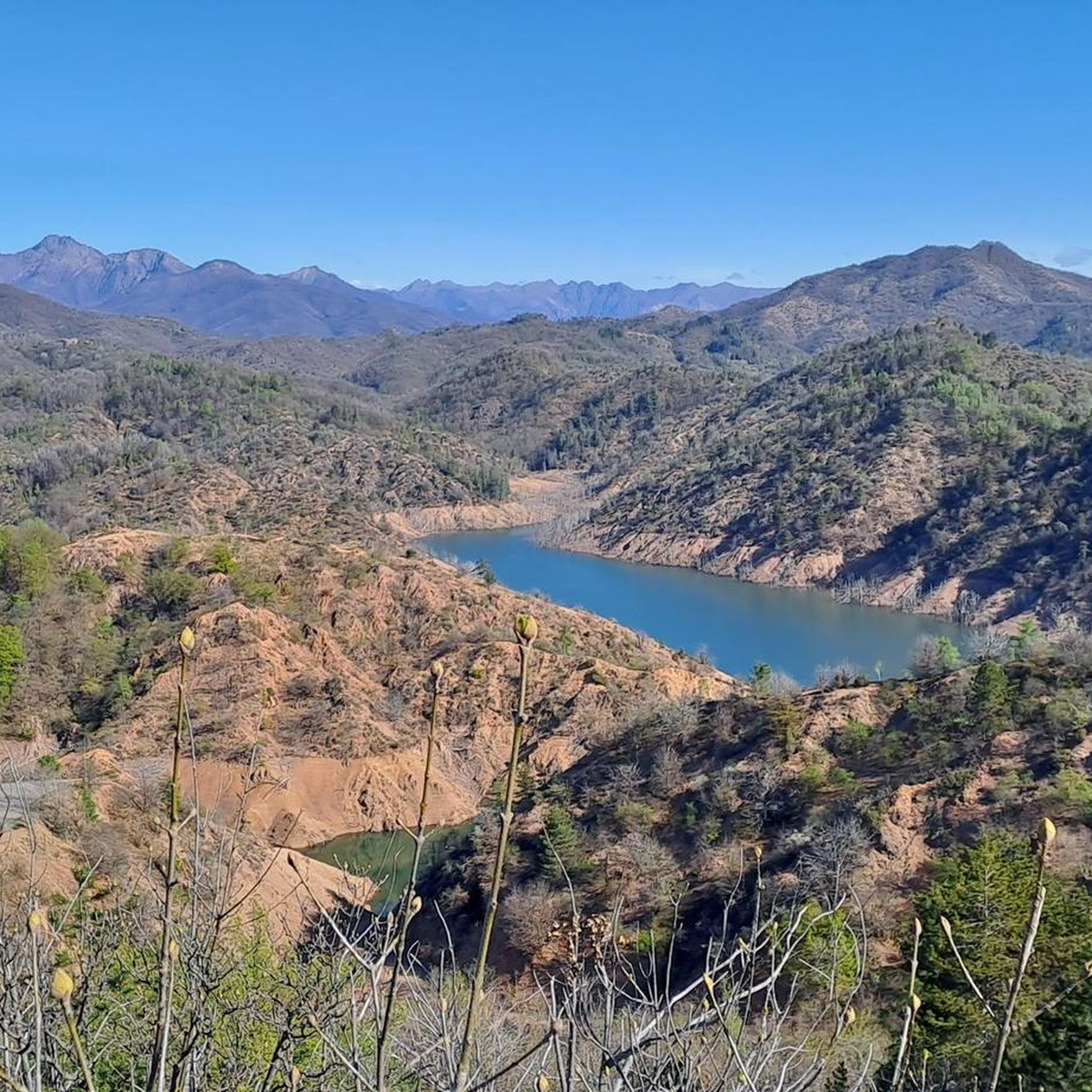
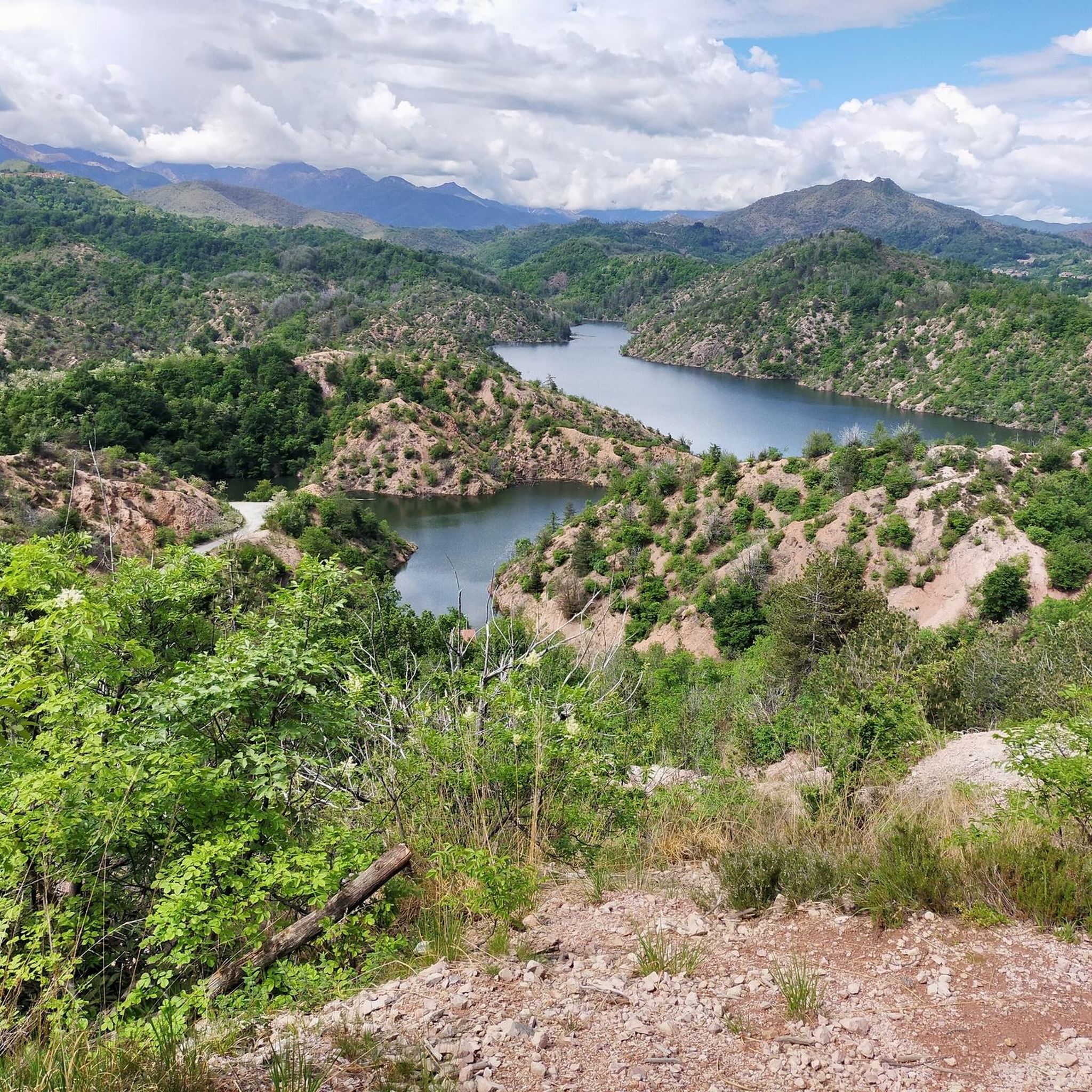
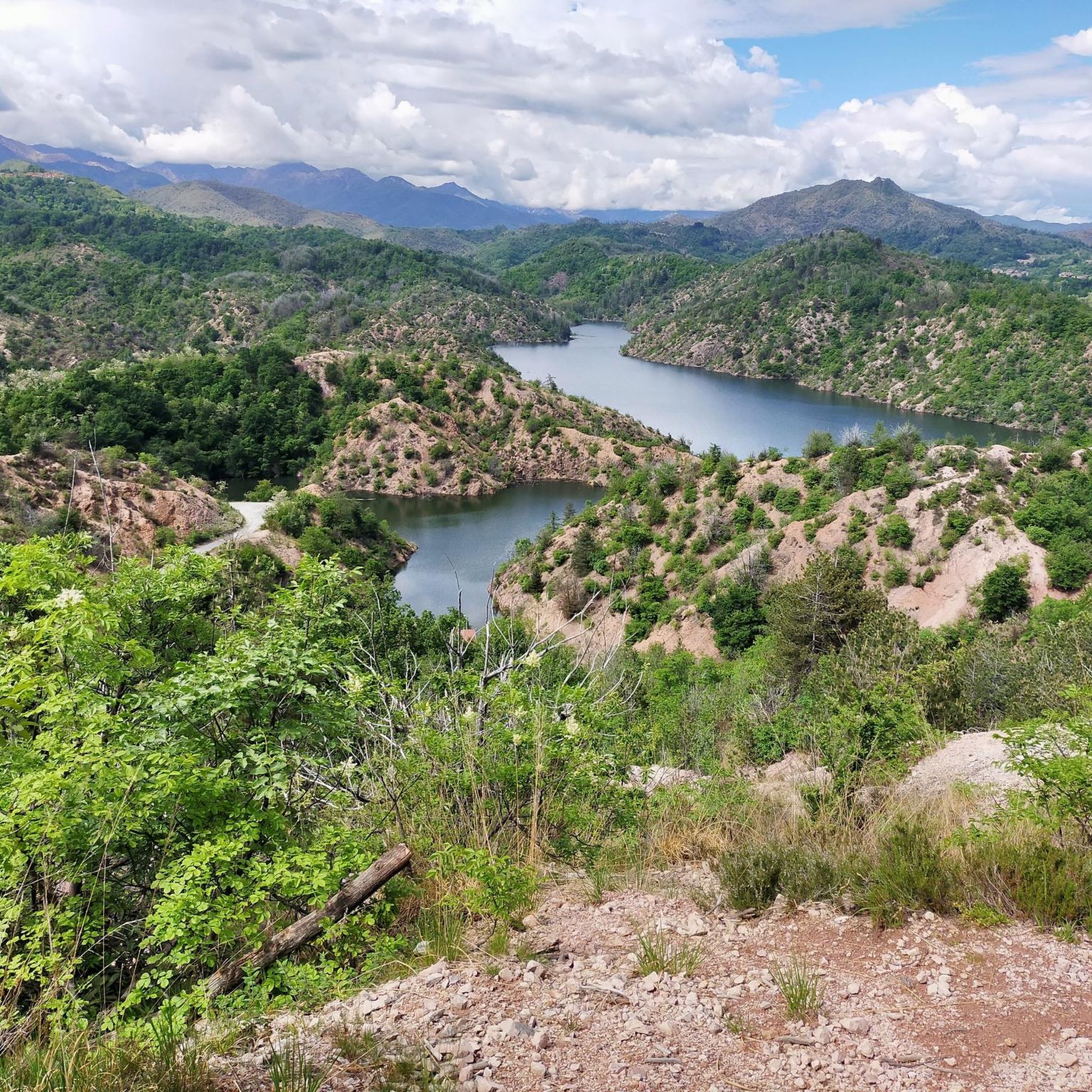
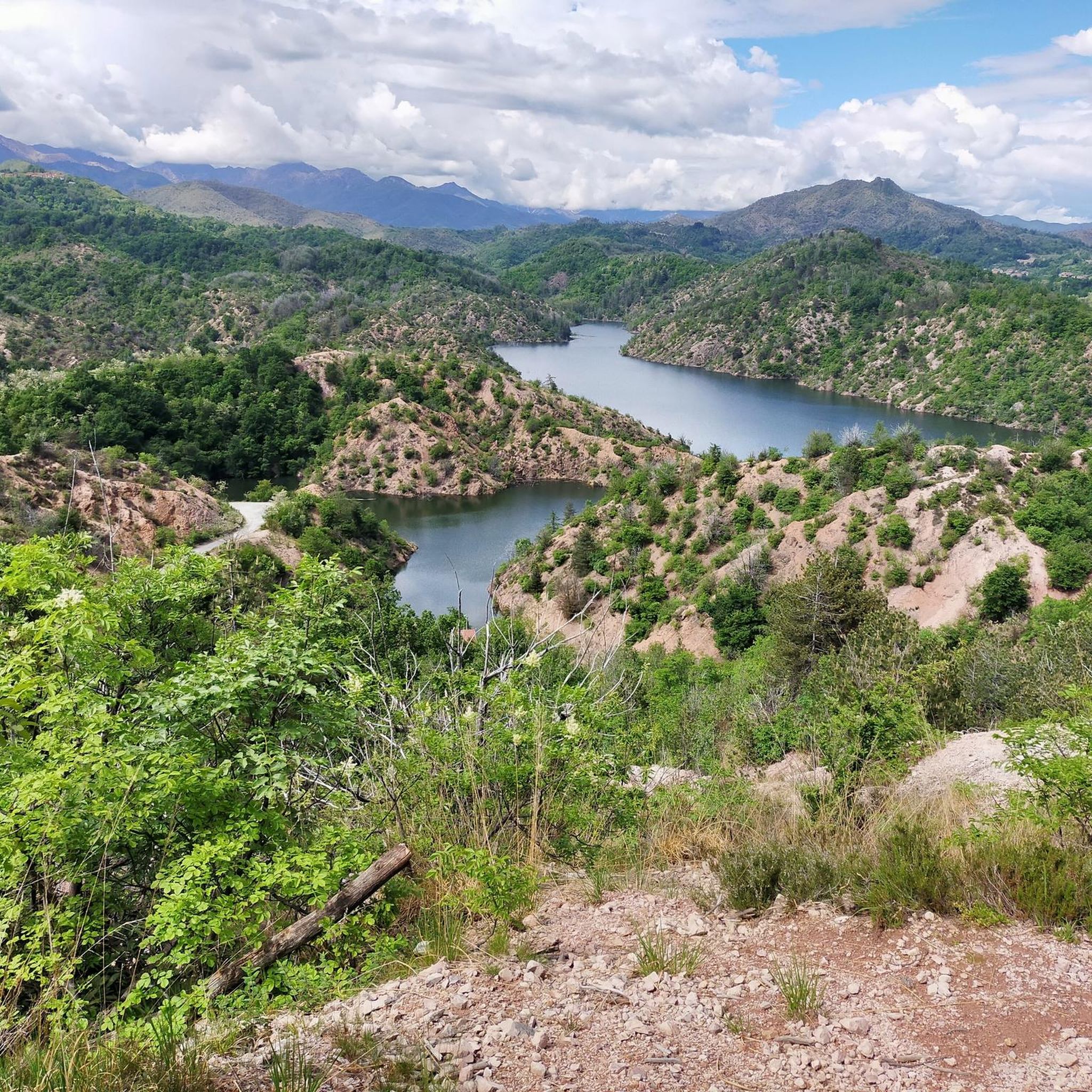
Rive Rosse
Highlight • Natural Monument
The unusual landscape, from the Strona di Vallemosso Valley and through Masserano to Curino, is due to two of its geological peculiarities. Part of it is made up of hundreds of millions of years old granite formed in the subsoil of an old Paleo-African continent that was at the height of the Equator and which was "pushed" towards present-day Europe.
The other part is made up of huge lava flows that have completely covered the territory that would have become a part of eastern Biella after being submerged by primordial oceans and later "exhumed" during the uplift of the Alps about forty million years ago. .
These rocks have an orange-reddish color: and are called "Rive Rosse". If we also add up the strong erosion, which has been going on for several hundreds of thousands of years and which has transformed many slopes into deposits of large quantities of sand (there is even a church dedicated to the Madonna del Sabbione), it is understandable why the landscape takes on different aspects so unreal almost ... Martians!
mtbriverosse.it/joo/le-rive-rosse
Translated by Google •
Tip by

Fabbrica della Ruota
Highlight • Historical Site
In that year, the factory was rented to Anselmo Giletti, who installed a spinning mill there to serve the important Ponzone complex. In 1900, Carlo Zignone died, leaving behind Felicita Tonella as a widow and ten orphaned children. Only in 1912 did the brothers Umberto, Oreste and Rinaldo Zignone regain possession of the factory and form a partnership with the Ferla brothers, owners of the homonymous wool mill in Polto.
After the partnership with the Ferlas ended in 1918, the Zignone brothers independently managed the company under the name "Lanificio Fratelli Zignone fu Carlo".
The flood of 1927 caused serious damage to the factory and in 1931 Umberto Zignone died. Oreste and Rinaldo restarted production in partnership with their collaborators, such as the designer Ugo Rista and the sales representative Armando Garlanda. "Zignone Garlanda & Rista" was dissolved in 1937. In 1949 Garlanda also left the scene and once again the brothers Oreste and Rinaldo, and their nephew Ermanno, son of Umberto, returned to managing on their own with a promising start.
The 1950s, however, were a difficult period and many small companies could not keep up: this also happened to the Zignone brothers' wool mill. In 1966, the entrepreneur Carlo Beretta purchased the Vallefredda buildings without however resuming the activity.
In 1991, Carlo Beretta donated the industrial complex to DocBi-Centro Studi Biellesi after, in 1984, what had by then become the "Fabbrica della ruota" had hosted the exhibition "Industrial Archaeology in Valsessera and Valle Strona", tracing the path of the association and anticipating the new destiny of the former Lanificio Zignone.
Today, the "Fabbrica della ruota", a lively cultural center, is included in the ecomuseum system of the Province of Biella. Source: municipality of Pray
Translated by Google •
Tip by

Sign up for free to discover even more attractions around Roasio.
Sign up for free
Already have an account?
Start today with a free account
Your next adventure awaits.
Login or Signup
Tips from the Community


small chapel with a cross at the top
0
0
The wool mill was built by the Zignone brothers in 1878, in the Vallefredda area, a short distance from the confluence of the Scoldo stream with the Ponzone torrent and near the Biella-Borgosesia provincial road. The business was initially run by Pietro, Giovanni and Carlo. When Pietro died in 1891, only Carlo continued to run the business, but, alone, he was unable to get beyond 1896. In that year, the factory was rented to Anselmo Giletti, who installed a spinning mill there to serve the important Ponzone complex. In 1900, Carlo Zignone died, leaving behind Felicita Tonella as a widow and ten orphaned children. Only in 1912 did the brothers Umberto, Oreste and Rinaldo Zignone regain possession of the factory and form a partnership with the Ferla brothers, owners of the homonymous wool mill in Polto. After the partnership with the Ferlas ended in 1918, the Zignone brothers independently managed the company under the name "Lanificio Fratelli Zignone fu Carlo". The flood of 1927 caused serious damage to the factory and in 1931 Umberto Zignone died. Oreste and Rinaldo restarted production in partnership with their collaborators, such as the designer Ugo Rista and the sales representative Armando Garlanda. "Zignone Garlanda & Rista" was dissolved in 1937. In 1949 Garlanda also left the scene and once again the brothers Oreste and Rinaldo, and their nephew Ermanno, son of Umberto, returned to managing on their own with a promising start. The 1950s, however, were a difficult period and many small companies could not keep up: this also happened to the Zignone brothers' wool mill. In 1966, the entrepreneur Carlo Beretta purchased the Vallefredda buildings without however resuming the activity. In 1991, Carlo Beretta donated the industrial complex to DocBi-Centro Studi Biellesi after, in 1984, what had by then become the "Fabbrica della ruota" had hosted the exhibition "Industrial Archaeology in Valsessera and Valle Strona", tracing the path of the association and anticipating the new destiny of the former Lanificio Zignone. Today, the "Fabbrica della ruota", a lively cultural center, is included in the ecomuseum system of the Province of Biella. Source: municipality of Pray
0
0

Super trail and terrain, drains immediately and grip always at the top!
2
0

Excellent panoramic point and for a stop
1
2

It is a medieval tower that dates back to the 11th century and was part of a fortified system built between the 12th and 13th centuries. The church of S. Giovanni alle Castelle was part of this structure, destroyed in 1950, today replaced by the chapel of the Madonna della Neve, built by the Alpine Section of Gattinara.
12
0
Getting to the Castelle towers is easy but at the same time you have to prepare for a nice climb which is paved so it is also possible to get there with a racing bike, pay attention to the slopes which are in double figures even if interspersed with a few moments of breathing space
1
0
The place called Torre delle Castelle is a promontory that dominates Gattinara and the entire low plain on one side you can enjoy the view of the Sesia valley and on the other Gattinara you can enjoy an exceptional view of the vineyards and in the background the Biella area on clear days both an exceptional view of Monte Rosa
1
2
Frequently Asked Questions
What historical landmarks can I explore in Roasio?
Roasio is rich in history. You can visit the remnants of 12th-century castle walls and a square tower, or explore the Medieval Bell Tower and Church of St. Eusebius of Pecurilio. Don't miss the Castelle Tower, an 11th-century medieval tower that was part of a fortified system. Each of Roasio's five hamlets also features churches with significant historical value, such as the one in Santa Maria dating back to 1054, and the old parish church of San Maurizio from 1200 with its Romanesque bell tower and frescoes.
Are there any unique museums or cultural sites in Roasio?
Yes, in the hamlet of Sant'Eusebio, you'll find the Migrant's Museum. This unique museum preserves objects, photographs, and memories of Roasio's inhabitants who migrated worldwide. Another notable cultural site is the Fabbrica della Ruota, a former wool mill that now serves as a lively cultural center.
What natural attractions are there around Roasio?
Roasio offers several natural highlights. The Monte Fenera summit and summit cross provides panoramic views of Valsesia and Monte Rosa. The area is also known for the Rive Rosse (Red Banks), a hilly area with unusual reddish rocks, which you can experience on trails like the Rive Rosse highlight. You can also visit Lake Ravasanella in Castelletto Villa or explore the Baraggia Nature Reserve, known for its unique 'African Savannah' landscape.
What outdoor activities can I do near Roasio's attractions?
The region around Roasio is excellent for outdoor enthusiasts. You can find numerous routes for cycling, mountain biking, and gravel biking. For example, explore the scenic Gran Fondo del Bramaterra route, popular for mountain biking through wine-producing municipalities. You can find detailed cycling routes in the Cycling around Roasio guide, MTB trails in the MTB Trails around Roasio guide, and gravel biking options in the Gravel biking around Roasio guide.
Are there family-friendly attractions in Roasio?
Yes, several attractions around Roasio are suitable for families. The Sanctuary of the Crucifix of Boca is a spectacular religious building that can be visited with family. The Castelle Tower, a historical site, and the Fabbrica della Ruota, a cultural center, are also considered family-friendly.
What is the Baraggia Nature Reserve like, and what can I do there?
The Baraggia Nature Reserve, located near Roasio, is characterized by compact clay soils, grasslands, and heathlands, giving it a unique appearance often compared to an African Savannah. It's an ideal place for cycling or walking, offering opportunities to observe typical vegetation and white stork nests. The Eusebian Way, a hiking trail, also passes through its natural environments.
What is the best time to visit Roasio for outdoor activities?
Roasio's location at the foothills of the pre-Alpine hills means it experiences distinct seasons. For outdoor activities like cycling, mountain biking, and hiking, spring (April to June) and autumn (September to October) generally offer pleasant temperatures and beautiful scenery. Summer can be warm, while winter might bring colder weather, potentially limiting some outdoor options.
What kind of agricultural products is Roasio known for?
Roasio is recognized for its agricultural activity, particularly its orchards and vineyards. The town is known for producing appreciated products such as DOC wine Bramaterra. In the plain areas, rice cultivation is also significant.
Where can I find information about the history of Roasio's inhabitants?
The Migrant's Museum in the hamlet of Sant'Eusebio is dedicated to the history of Roasio's inhabitants. It provides a poignant look at the lives of those who migrated from the region, showcasing their memories, photographs, and personal objects.
What are the Rive Rosse, and why are they unique?
The Rive Rosse, or Red Banks, are a distinctive hilly area between the provinces of Biella and Vercelli, well-known among mountain biking enthusiasts. Their uniqueness comes from unusual reddish rocks that give the land a striking, almost Martian hue. This landscape is a result of ancient geological formations, including hundreds of millions of years old granite and massive lava flows.
Can I visit religious sites in Roasio?
Yes, Roasio has several significant religious sites. The Sanctuary of the Crucifix of Boca is a prominent religious building known for its architecture and frequent pilgrimages. Additionally, the Parish Church of Sant'Eusebio and various churches in the hamlets, such as the old parish church of San Maurizio, offer historical and spiritual interest.
Most popular attractions around Roasio

Get inspired with the komoot mobile app


Explore more
Still not found the Highlight you’re looking for? See guides of the top attractions in other regions:
