Top 11 Castles around Pescantina
Castles around Pescantina are characterized by ancient courtyards and structures with medieval origins, reflecting the region's rich past in the Province of Verona. Pescantina's historical landscape offers examples of fortified residences and old settlements, providing a glimpse into medieval life and trade along the Adige River. The area's historical buildings and ancient courtyards are notable for their architectural heritage. These sites showcase the evolution of residential architecture with defensive elements.
Best castles around Pescantina
- The most popular castles is Lazise…
Last updated: June 24, 2026
Lazise City Walls
Highlight • Historical Site
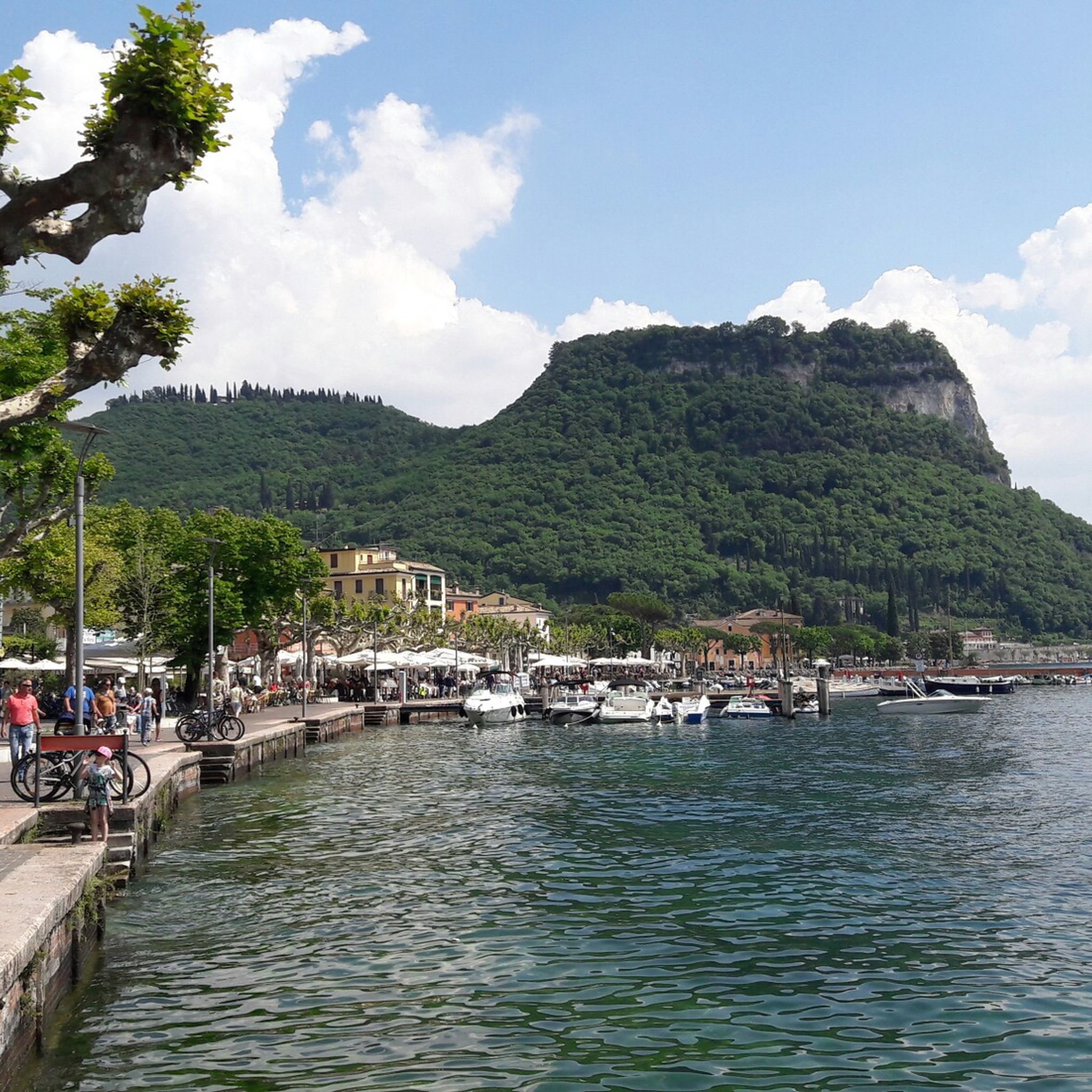
The old town with the castle and the harbor is absolutely worth seeing.
The origins of the Castello Scaligero in Lazise on Lake …
Translated by Google •
Tip by

Castelvecchio Bridge
Highlight • Bridge
Translated by Google •
Tip by

Sign up now to discover places like this
Get recommendations on the best single tracks, peaks, & plenty of other exciting outdoor places.
Sign up for free
Castelvecchio
Highlight • Castle
Translated by Google •
Tip by

Scaliger Castle
Highlight • Castle
Translated by Google •
Tip by

Fort San Marco
Highlight • Historical Site
Translated by Google •
Tip by

Sign up for free to discover even more castles around Pescantina.
Sign up for free
Already have an account?
Start today with a free account
Your next adventure awaits.
Login or Signup
Tips from the Community

Everything is wonderful! The climb to get there is beautiful, the fort is beautiful, and the setting is beautiful. Unfortunately, it's a bit sad to see such a structure in a state of total abandonment. It's worth it, whether by bike or on foot.
0
0


It is the classic fortress: massive walls, small windows, a moat to the north, south and west, a cliff to the east. Externally, it is well-kept; inside, it is unsafe, gloomy, full of passages, stairs, vaults and corridors. Very fascinating.
0
0

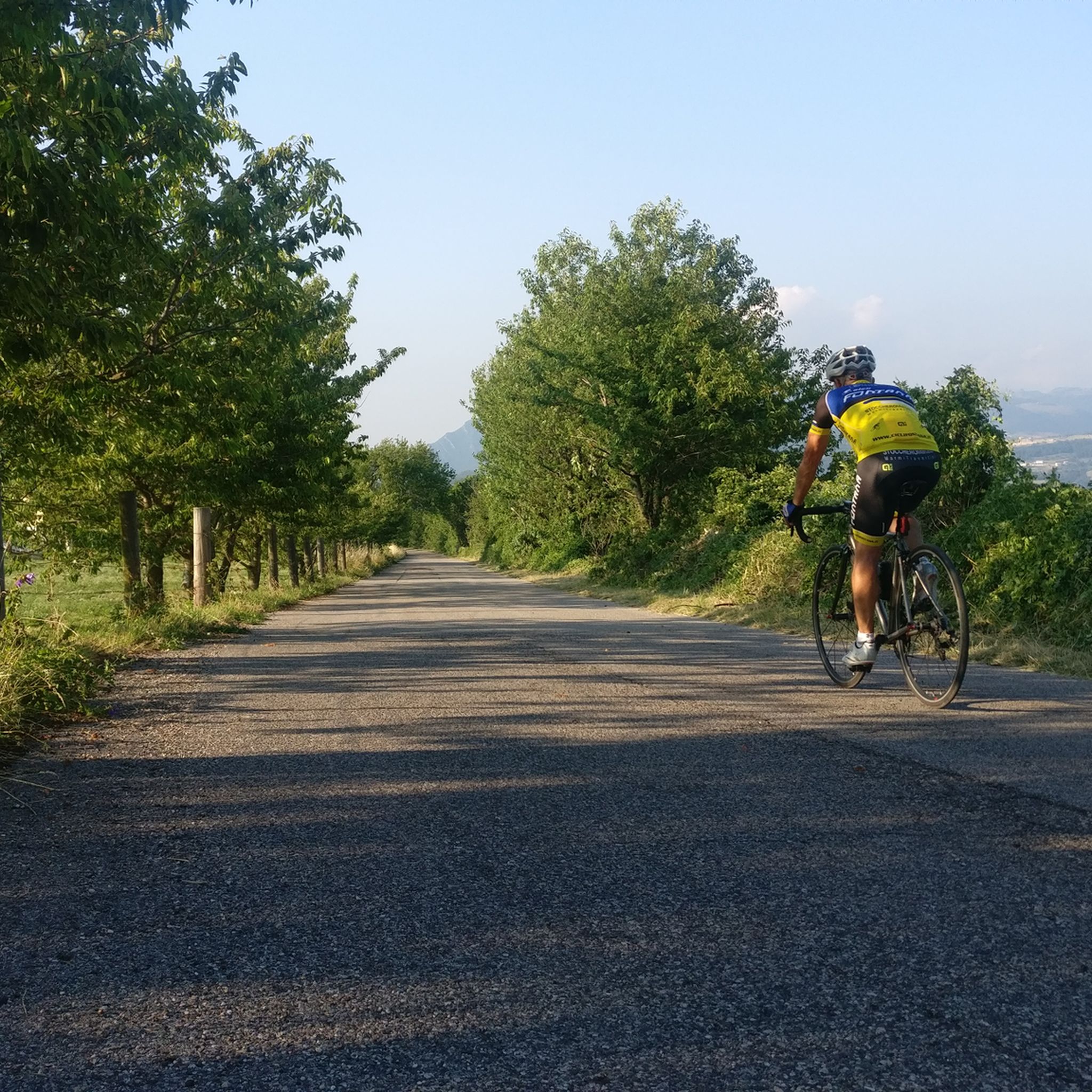
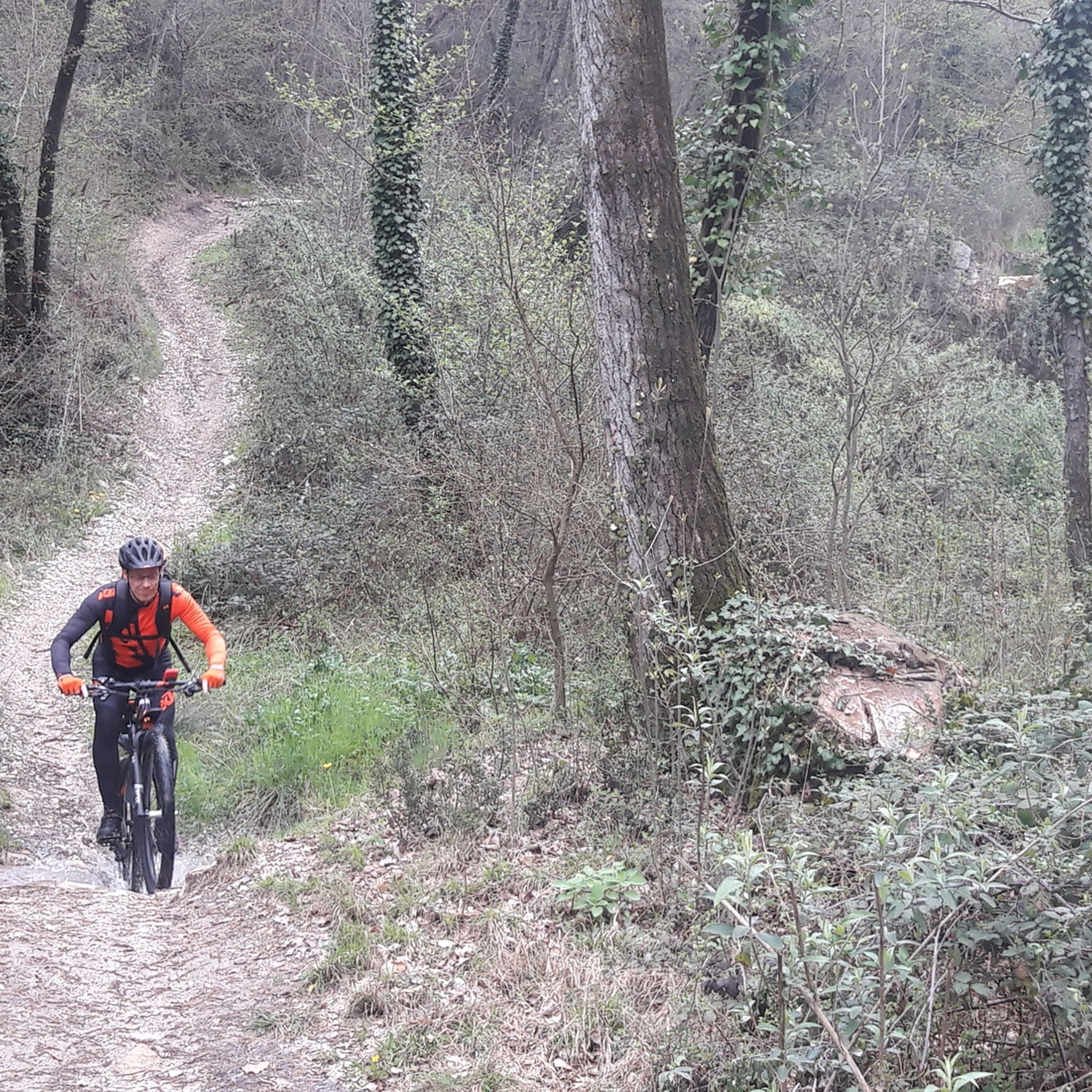
Hairpin climb, uniform gravel surface. Very nice
1
1

Absolutely worth seeing ensemble with bridge and fortifications.
5
0

The impressive complex, castle and bridge served the builders as security from enemies, as an escape route and from their own population.
11
0
It is rare to see a bridge with such high protective walls, but there was a reason for this.
12
2
Frequently Asked Questions
What kind of historical structures can I expect to find in Pescantina itself?
Pescantina is characterized by ancient courtyards and structures with medieval origins, rather than grand, traditional castles. You'll find examples of fortified residences and old settlements, such as a 16th-century courtyard with a tower-like construction that originated from a medieval house-tower, reflecting its defensive history.
Where can I find more traditional castles near Pescantina?
For more traditional and imposing castles, you'll need to venture slightly outside Pescantina. Notable examples include the Lazise City Walls and the nearby Scaliger Castle in Lazise on Lake Garda, or the historical Castelvecchio Bridge in Verona, which is part of a larger castle complex.
Are there family-friendly historical sites near Pescantina?
Yes, several historical sites near Pescantina are considered family-friendly. The Lazise City Walls and the Scaliger Castle in Lazise are popular choices, offering a medieval old town and a beautiful park. The Castelvecchio Bridge in Verona is also a great option for families to explore.
What historical military structures can be visited in the area?
Beyond traditional castles, the region features significant military structures. You can visit Fort San Marco, a defensive war building from the early 1900s offering wonderful views of the Adige valley. Another example is Forte Degenfeld (also known as Forte Piovezzano), built by the Austrian Army between 1859 and 1861, located on a hill south of Piovezzano.
What do visitors enjoy most about the castles and historical sites near Pescantina?
Visitors frequently appreciate the well-preserved medieval architecture, the historical significance of these sites, and the scenic views they offer. For instance, the Lazise City Walls are praised for the charming harbor town and the impressive castle, while Fort San Marco is noted for its demanding climb rewarded with a wonderful view of the Adige valley.
Are there hiking opportunities near these historical sites?
Yes, Pescantina and its surroundings offer various hiking opportunities. You can find routes like the 'Riverside of Pescantina – Adige River at Bussolengo loop' or the 'Arce Tower – Riverside of Pescantina loop'. For more details and route options, explore the Hiking around Pescantina guide.
Can I go cycling near the castles around Pescantina?
Absolutely. The area is well-suited for cycling, with options for both mountain biking and road cycling. You can find routes such as the 'Gran tour della Valpolicella' for MTB or the 'Adige Cycle Path' for road cycling. Check out the MTB Trails around Pescantina guide and the Road Cycling Routes around Pescantina guide for detailed routes.
What is the best time of year to visit the castles and historical sites?
While specific opening hours vary, the region generally enjoys pleasant weather from spring to early autumn (April to October), making these months ideal for exploring. Visiting during these periods allows for comfortable outdoor exploration of the sites and their surroundings.
Are there any hidden gems or less-known historical sites worth visiting?
Beyond the more prominent sites, Pescantina's own historical landscape offers subtle yet compelling ancient structures. The old courtyard with its medieval house-tower origins, overlooking the Adige River, provides a glimpse into the region's past fortifications and residential architecture with defensive elements, offering a more intimate historical experience.
What kind of views can I expect from these historical sites?
Many of the historical sites offer impressive views. From Fort San Marco, you can enjoy a wonderful panorama of the Adige valley. Forte Degenfeld also provides a great view, particularly towards Lake Garda.
Are the historical sites around Pescantina generally accessible?
Accessibility can vary by site. While some areas, like the medieval old town of Lazise, are pedestrian-friendly, others, particularly older fortifications or those on hills like Fort San Marco, may involve strenuous climbs. It's advisable to check specific site details for accessibility information if needed.
Most popular routes around Pescantina
Most popular attractions around Pescantina

Get inspired with the komoot mobile app


Explore more
Looking for the best castles somewhere else? Discover other guides around Pescantina:
