Top 20 Natural Monuments around San Giovanni di Fassa - Sèn Jan
Best natural monuments around San Giovanni di Fassa - Sèn Jan are found within the Dolomites, a UNESCO World Heritage Site. This region is characterized by its dramatic alpine landscapes, including majestic peaks, expansive pastures, and picturesque lakes. San Giovanni di Fassa - Sèn Jan serves as a base for exploring these natural features. The area offers diverse geological formations and high-alpine environments.
Best natural monuments around San Giovanni di Fassa - Sèn Jan
- The most popular natural monuments is…
Last updated: September 29, 2026
Alpe di Siusi / Seiser Alm
Highlight • Natural Monument
Translated by Google •
Tip by

Lake Carezza (Karersee)
Highlight • Lake
Translated by Google •
Tip by

Sign up now to discover places like this
Get recommendations on the best single tracks, peaks, & plenty of other exciting outdoor places.
Christomannos' Eagle Statue
Highlight • Monument
Translated by Google •
Tip by

Viewpoint at Fillner Kreuz
Highlight • Viewpoint
Translated by Google •
Tip by

View of the Sassolungo Group
Highlight • Viewpoint
Translated by Google •
Tip by

Sign up for free to discover even more natural monuments around San Giovanni di Fassa - Sèn Jan.
Already have an account?
Start today with a free account
Your next adventure awaits.
Popular around San Giovanni di Fassa - Sèn Jan
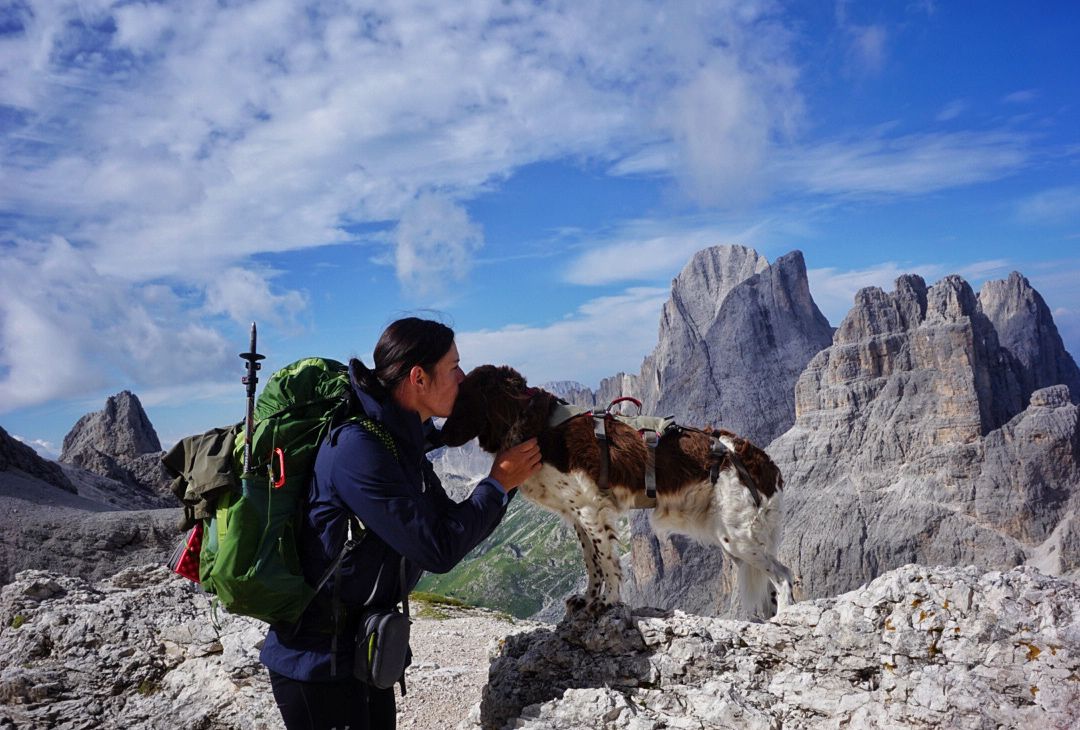
The extra-large Dolomites round – an out-of-this-world hiking adventure
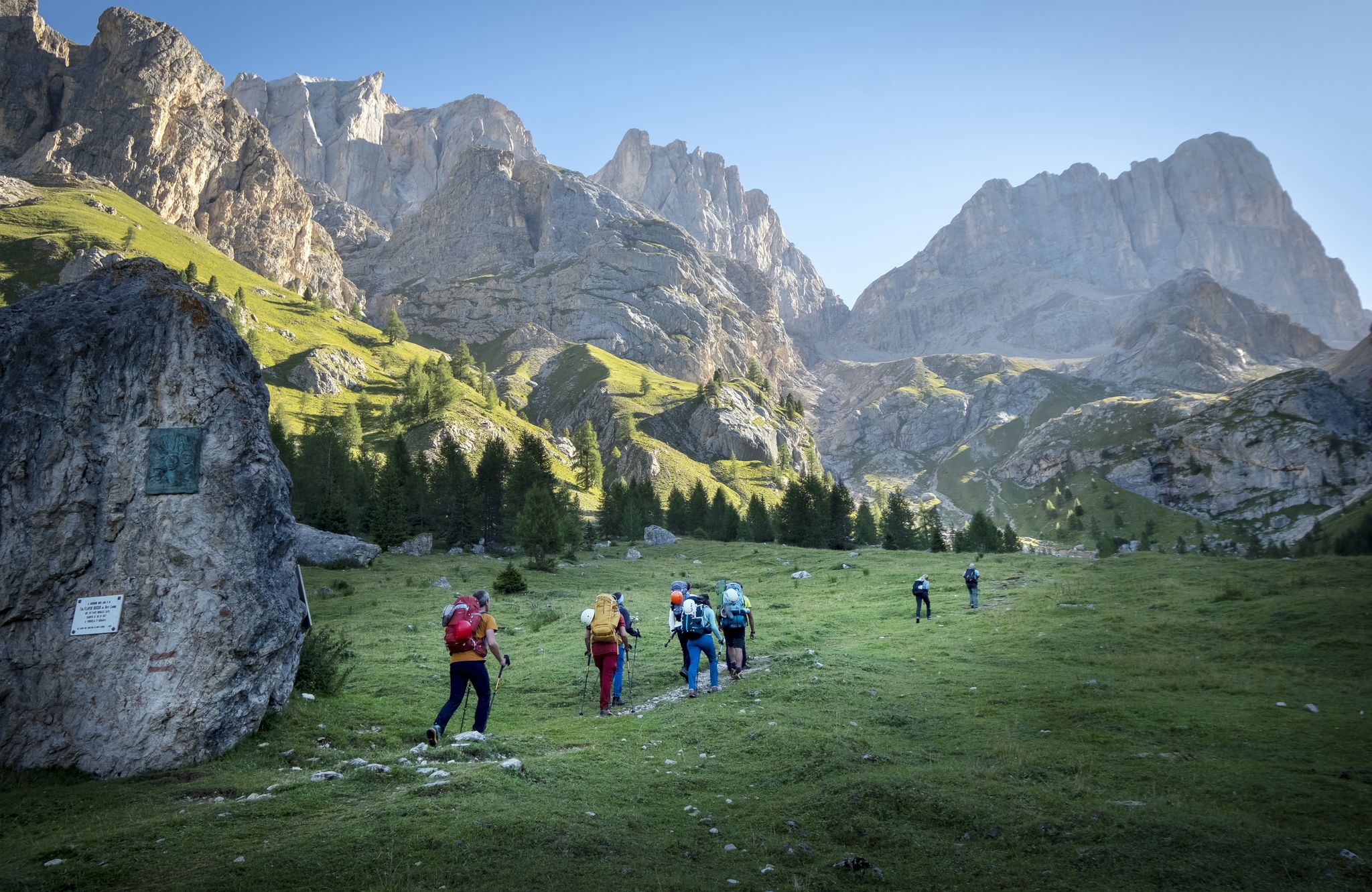
The Path of Peace – journey into Trentino's history
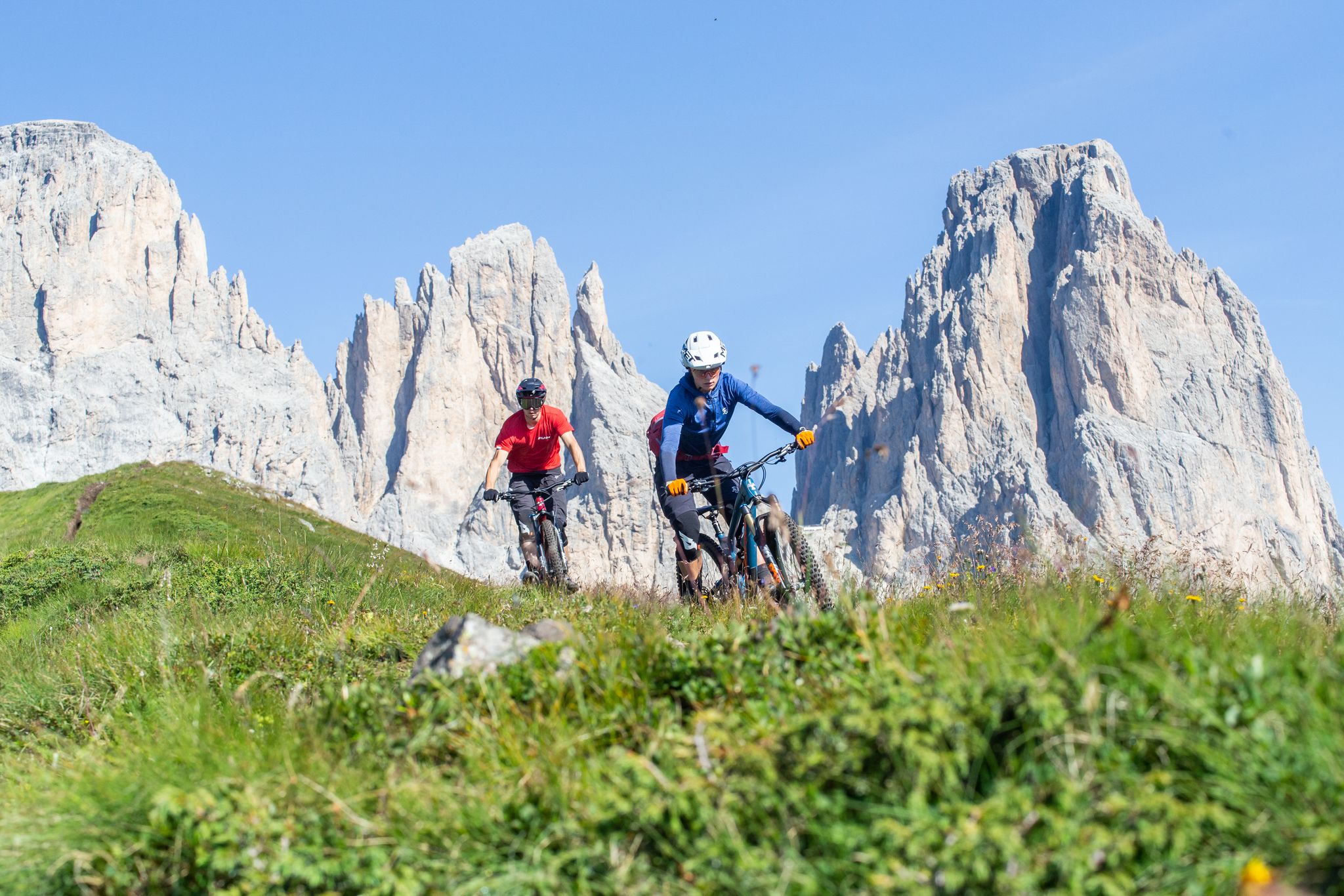
Five MTB Tours in Val di Fassa – cycling in the heart of the Dolomites
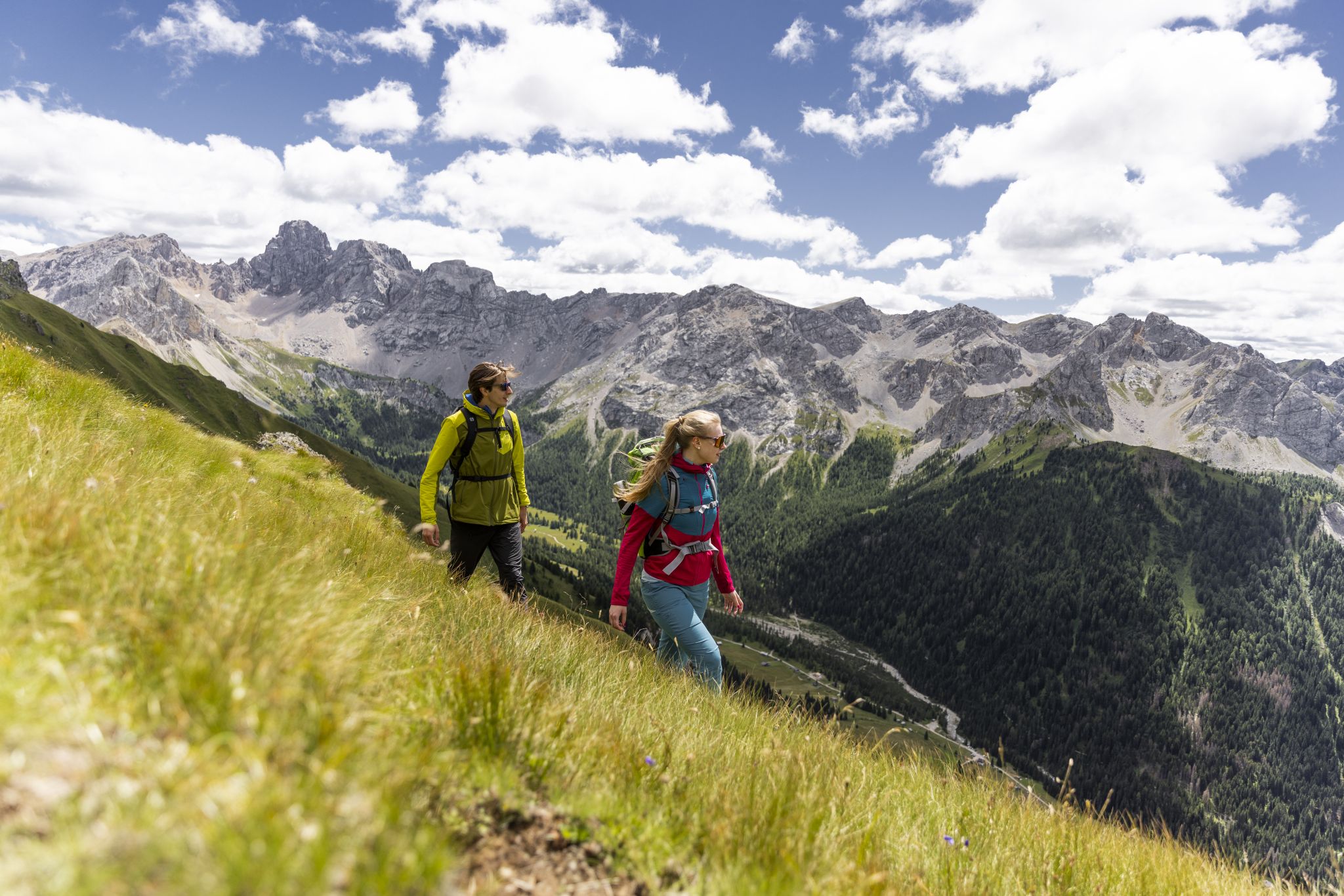
Exploring the heart of the Dolomites – five hikes in Val di Fassa
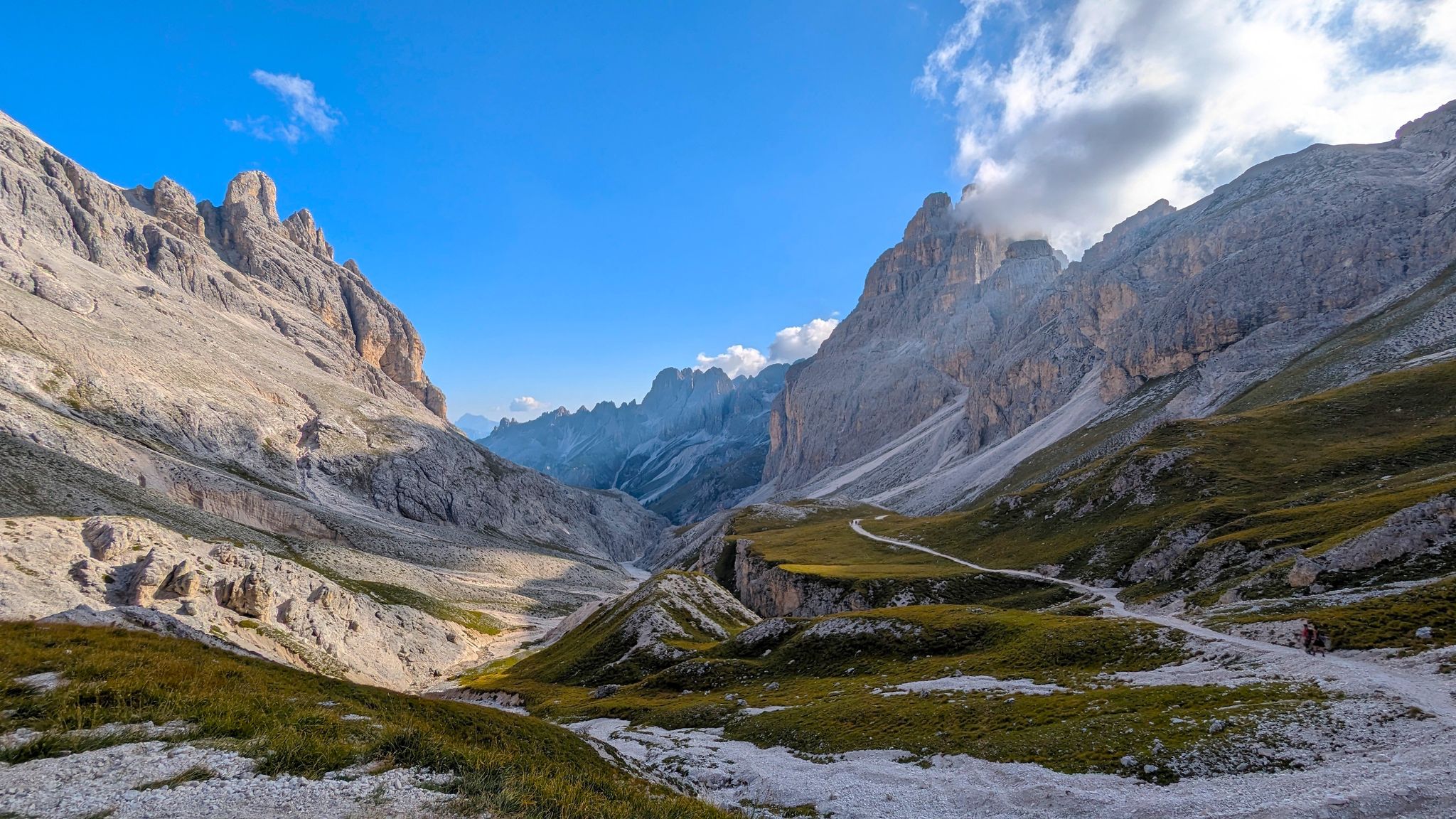
At the foot of the giants – Tour of the Rosengarten group
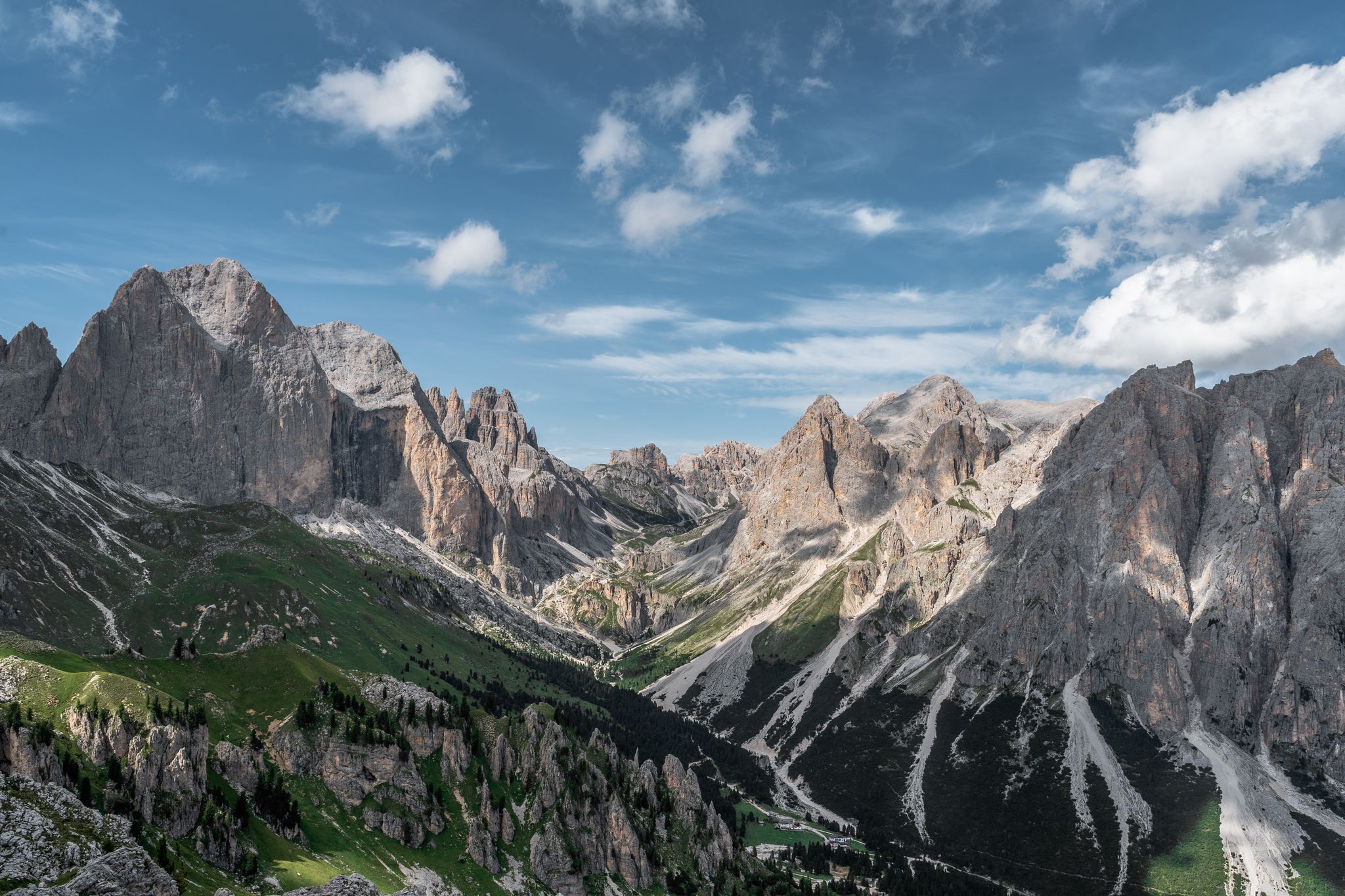
Between lakes, refuges and forests – trekking in the Fassa Valley Dolomites
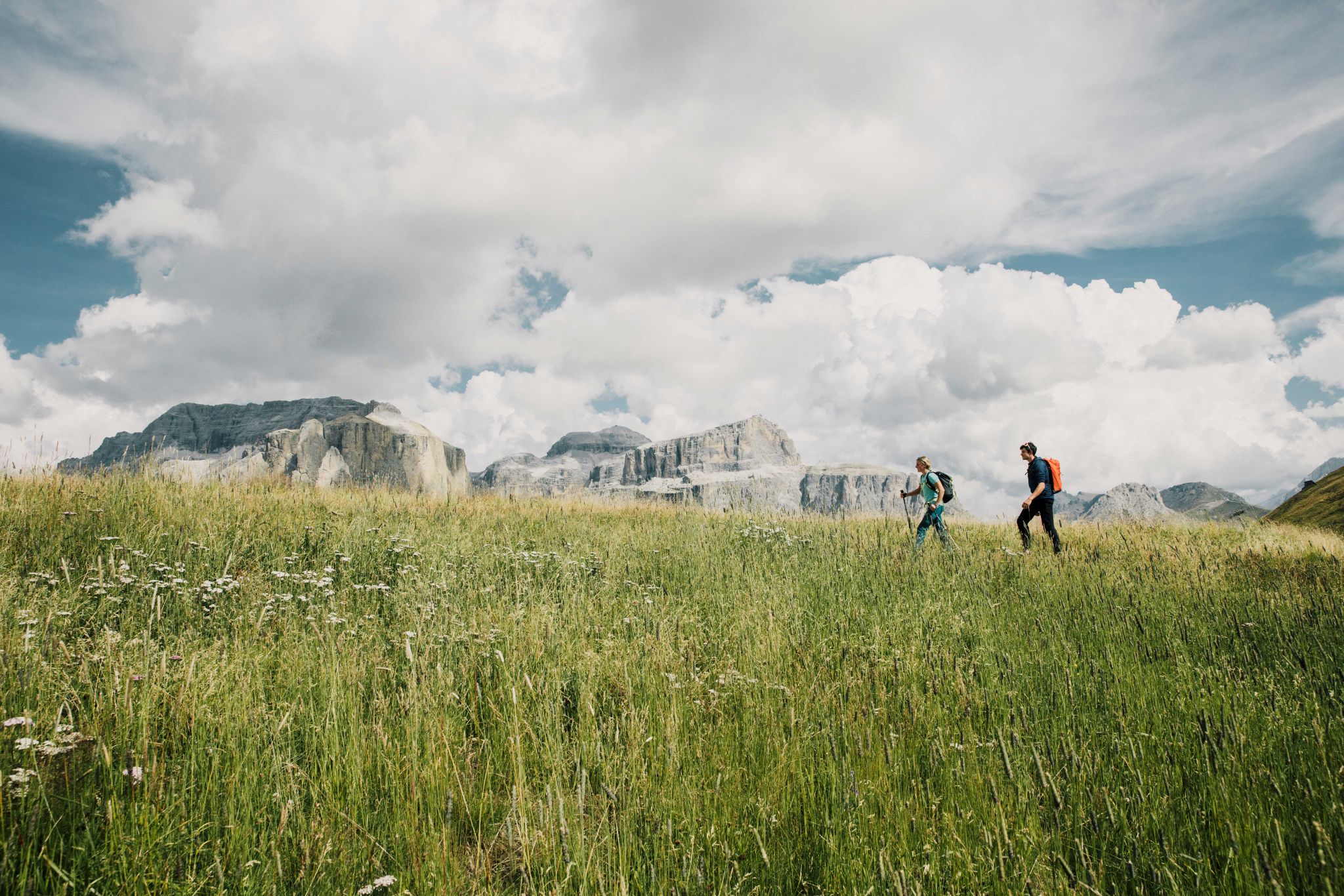
From refuge to refuge in the Fassa Dolomites – Dolomiti Trek-King
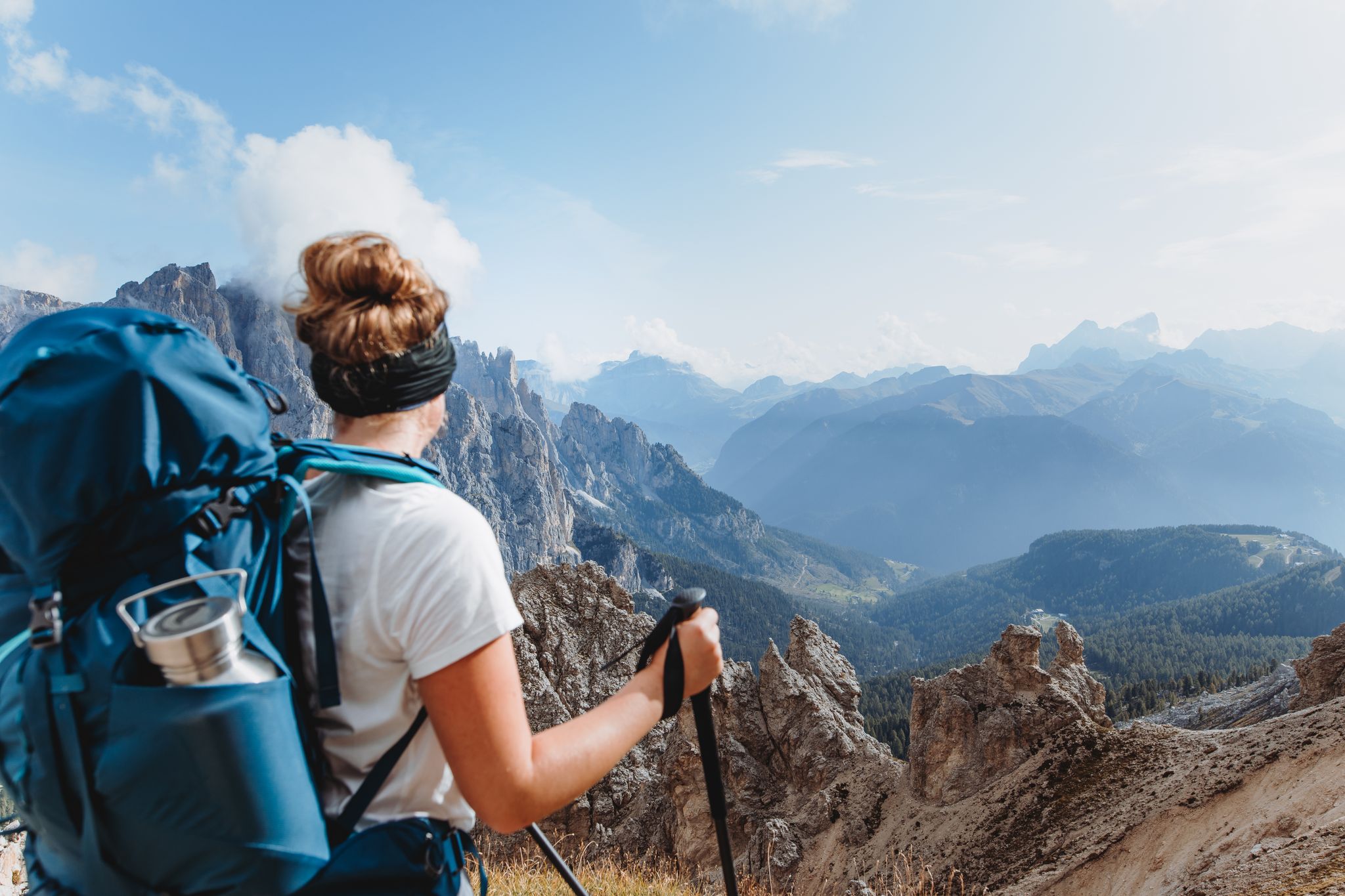
4 days of intense hiking in the Dolomites – Schlern-Rosengarten Nature Park
10 breathtaking hiking trails in Trentino
Das achte Weltwunder – die Dolomiten des Fassatals auf dem MTB
Other adventures around San Giovanni di Fassa - Sèn Jan


Tips from the Community

The Christomannos eagle is a large artistic work in bronze, dedicated to Theodor Christomannos, the Austrian considered one of the pioneers of tourism in the Dolomites. It is a majestic eagle about three meters high positioned in a wonderful panoramic point: from here, in fact, at an altitude of 2,300 metres, you can see a beautiful piece of Val di Fassa and above all the Pale di San Martino and the Marmolada in all their beauty.
1
1

Viewing platform over Lake Carezza directly after access from the car park with information boards
6
0

Crystal-clear mountain lake whose water level drops in the summer months. Particularly recommended in the months after the snow has melted, when the water level is at its highest and the lake is particularly impressive.
6
0

When visiting the stone city, the Sassolungo is always in view
3
0

It is best to be there before 8 a.m. or after 6 p.m., otherwise you have to queue for a photo
7
0

The cable car is an adventure, but those who are here should rather go on one of the many hikes. When the weather is nice and on weekends, parking tends to get tight around midday. The journey by car can also be "exciting" due to the heavy traffic (cars, motorbikes, buses, bikers) on the pass road.
4
0

There is a beautiful panorama to admire: Ortisei, Sasso Lungo and Catinaccio.
3
0

Incredibly beautiful spot for the giant eagle figure. As expected, the place is a crowd puller. It is best to plan a little more time here. A bench invites you to take a break. The rock on the eagle that is enthroned has now been polished completely smooth by the many photo hunters.
6
0
Frequently Asked Questions
What are some of the most popular natural monuments to visit around San Giovanni di Fassa - Sèn Jan?
The region boasts several highly-rated natural monuments. Among the most popular are the Alpe di Siusi Plateau, known for its expansive views and spacious beauty, and Lake Carezza (Karersee), famous for its clear, vibrant green and turquoise waters. Visitors also highly appreciate the View of the Sassolungo Group, offering stunning perspectives of the distinctive Dolomite peaks.
Are there family-friendly natural monuments in the San Giovanni di Fassa - Sèn Jan area?
Yes, several natural monuments are well-suited for families. The Alpe di Siusi / Seiser Alm is a great option, offering vast open spaces for exploration and easy walking paths. Lake Carezza (Karersee) is also family-friendly, with a path around the lake to admire its unique colors. Many viewpoints, such as the Viewpoint at Fillner Kreuz, are accessible and provide beautiful panoramas for all ages.
What kind of geological features can I expect to see in the natural monuments of San Giovanni di Fassa - Sèn Jan?
The natural monuments in this region are primarily characterized by the dramatic geology of the Dolomites, a UNESCO World Heritage Site. You'll encounter majestic peaks with 'vertical walls and sharp peaks,' expansive alpine pastures like the Alpe di Siusi, and unique rock formations such as those found in the Sassolungo and Catinaccio groups. The area also features clear mountain lakes like Lake Carezza, whose colors are influenced by its geological surroundings.
What are the best times of year to visit the natural monuments around San Giovanni di Fassa - Sèn Jan?
The best time to visit largely depends on your preferred activities. Summer (June to September) is ideal for hiking and exploring the high alpine environments, with pleasant temperatures. Autumn (September to October) offers stunning scenery as the larch trees turn yellow, particularly around the Sassolungo group. Winter (December to March) transforms the landscape into a snowy wonderland, suitable for winter sports and enjoying snow-covered views, though some trails may be inaccessible.
Are there opportunities for hiking near these natural monuments?
Absolutely. The region is a hiker's paradise. You can find numerous trails ranging from easy walks on the Alpe di Siusi / Seiser Alm to challenging mountain tours around the Sassolungo and Catinaccio groups. For more detailed hiking routes and options, you can explore the Mountain Hikes around San Giovanni di Fassa - Sèn Jan guide.
Can I bring my dog to the natural monuments and trails in the region?
Many natural areas and trails in the Dolomites are dog-friendly, but it's always best to check specific regulations for each location or protected area. Generally, dogs are welcome on trails if kept on a leash. For example, the Alpe di Siusi / Seiser Alm is a great place for walks with your dog. Always ensure you clean up after your pet to preserve the natural environment.
What are some notable viewpoints to experience the Dolomites around San Giovanni di Fassa - Sèn Jan?
The region offers breathtaking viewpoints. The Alpe di Siusi Plateau provides expansive vistas of the surrounding mountains. The View of the Sassolungo Group offers stunning perspectives of this distinctive massif. Additionally, the Viewpoint at Fillner Kreuz offers a beautiful panorama including Ortisei, Sassolungo, and Catinaccio.
How can I reach the natural monuments using public transport?
Public transport options are available to access many natural monuments. For instance, the area around Alpe di Siusi / Seiser Alm can be reached by gondola from nearby towns, which are often served by buses. Lake Carezza is accessible via the SS 241 state road, with bus services connecting to surrounding villages. It's advisable to check local bus schedules for specific routes and timings to your desired destination.
What other outdoor activities can I do in the San Giovanni di Fassa - Sèn Jan region besides visiting natural monuments?
Beyond exploring natural monuments, the region is excellent for various outdoor activities. You can enjoy extensive cycling tours, with options for both road cycling and mountain biking. For cycling enthusiasts, consult the Cycling around San Giovanni di Fassa - Sèn Jan guide. Mountain biking trails are also abundant; check out the MTB Trails around San Giovanni di Fassa - Sèn Jan guide for routes.
Where can I find refreshments or accommodation near the natural monuments?
The Val di Fassa region, including San Giovanni di Fassa - Sèn Jan, offers numerous options for refreshments and accommodation. Many villages and mountain huts (rifugi) are located near popular natural monuments and trails. For example, around the Alpe di Siusi and Sassolungo areas, you'll find various huts and restaurants. The main towns in Val di Fassa provide a wide range of hotels, guesthouses, and cafes.
What should I wear when hiking to natural monuments in the Dolomites?
When hiking in the Dolomites, it's crucial to dress in layers, as weather conditions can change rapidly. Essential items include sturdy hiking boots with good ankle support, moisture-wicking base layers, a warm mid-layer (fleece or down), and a waterproof and windproof outer shell. Don't forget sun protection (hat, sunglasses, sunscreen) and a backpack with water, snacks, and a first-aid kit.
Are there any natural monuments that are particularly beautiful in winter?
Yes, the Dolomites transform into a stunning winter landscape. While some high-altitude trails may be inaccessible, places like Lake Carezza (Karersee) are mystical when surrounded by snow and ice. The vast expanse of the Alpe di Siusi / Seiser Alm also offers breathtaking snow-covered views and opportunities for winter walks or snowshoeing, with the dramatic peaks as a backdrop.
What makes the Dolomites around San Giovanni di Fassa - Sèn Jan a UNESCO World Heritage Site?
The Dolomites, including the area around San Giovanni di Fassa - Sèn Jan, were designated a UNESCO World Heritage Site due to their exceptional natural beauty and unique geological and geomorphological significance. They are renowned for their dramatic 'vertical walls and sharp peaks,' diverse landscapes ranging from glaciers to alpine meadows, and their importance in understanding Earth's history, particularly the Triassic period.
Most popular routes around San Giovanni di Fassa - Sèn Jan
Most popular attractions around San Giovanni di Fassa - Sèn Jan

Get inspired with the komoot mobile app


Explore more
Extend your search for the best caves by checking out these guides of the top ones around San Giovanni di Fassa - Sèn Jan:
