Top 9 Castles around Campodarsego
Best castles around Campodarsego include a variety of historical buildings, from elegant villas to traditional fortresses. While Campodarsego itself features significant 17th to 20th-century villas, the wider Padova province offers numerous historical castles. These structures showcase the region's rich history, from Roman origins to the "villa civilization" of wealthy families. Visitors can explore a range of architectural styles and historical periods within a short distance.
Best castles around Campodarsego
- The most popular castles is Villa Contarini, a historical site…
Last updated: July 1, 2026
Villa Pisani
Highlight • Castle
Translated by Google •
Tip by

Villa Contarini
Highlight • Historical Site
Translated by Google •
Tip by

Sign up now to discover places like this
Get recommendations on the best single tracks, peaks, & plenty of other exciting outdoor places.
Sign up for free
Stigliano Castle
Highlight • Castle
Over the centuries the complex passed through the hands of various owners. …
Translated by Google •
Tip by

Tempesta Fortress, Noale
Highlight • Castle
Tip by

Ezzelino House
Highlight • Historical Site
The original manufacture appears to date from the 12th century.
Translated by Google •
Tip by

Sign up for free to discover even more castles around Campodarsego.
Sign up for free
Already have an account?
Start today with a free account
Your next adventure awaits.
Login or Signup

Tips from the Community

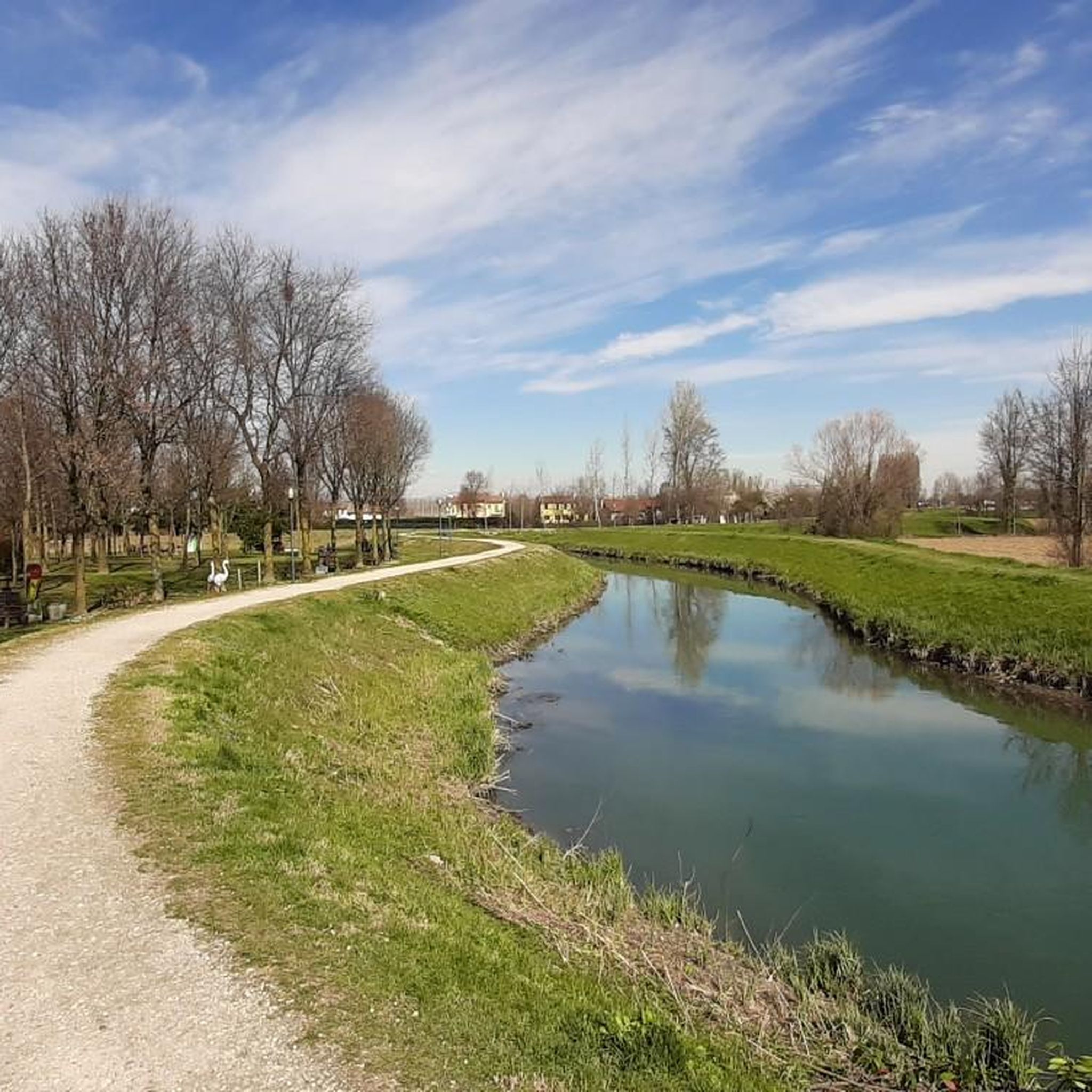
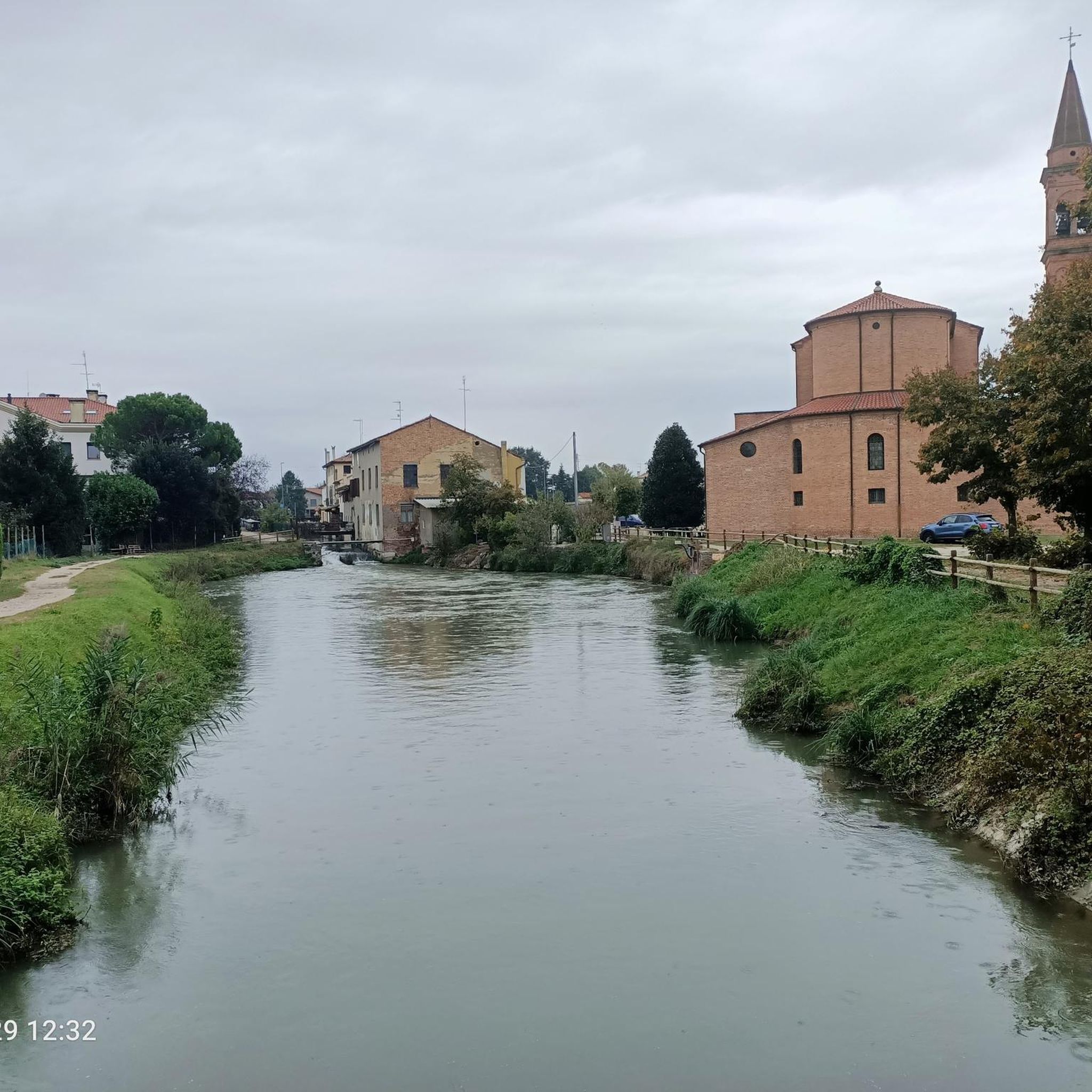
La Rocca dei Tempesta is the monumental heart of Noale and one of the most fascinating medieval defensive structures in the Veneto region. Built in the 12th century at the behest of the Tempesta family, the fortress stood on a strategic area, protected by an ingenious system of moats fed by the waters of the Marzenego river. The imposing brick structure, of which today the majestic perimeter walls and corner towers remain, preserves the intact charm of a lowland castle. Although the interior is now a suggestive green meadow used for historical re-enactments such as the Palio, the remains still allow us to read the original layout of the noble residence. The Rocca represents a symbol of power and resistance, offering a unique setting where nature intertwines harmoniously with ancient medieval vestiges.
0
0

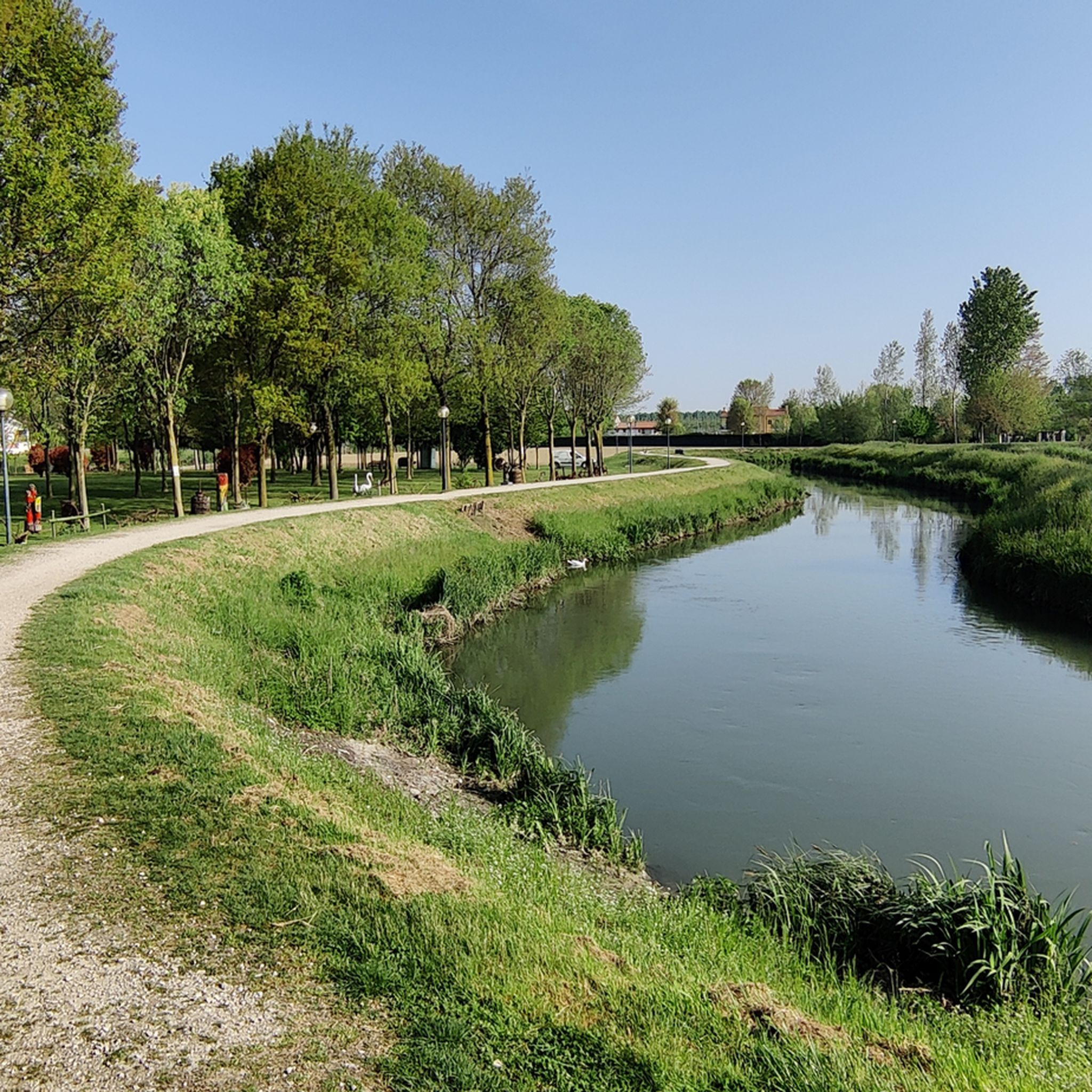
The medieval fortress of Stigliano was first mentioned in 1152 as a feudal property of the Bishop of Treviso. However, its origins may date back to Roman times due to its location in the "graticolato" area. In 1158, it was entrusted to the Tempesta family of Noale and then to the Teutonic Knight Aldobrandino da Superno. Built in a strategic position, alongside the Muson dei Sassi stream, it marked the border between the territories of Padua and Treviso. Therefore, it was the scene of numerous brutal battles until the end of the fourteenth century. It was here, however, that the disputes between the Carraresi and the Serenissima Republic of Venice began. It was the Venetians who finally conquered it in 1520, when it was sold to the Priuli family, who transformed it into a typical Venetian villa of the time. The entire complex then became the property of the Venier family, who further renovated it. Today, only the northeast corner tower remains of the original castle.
1
0

Absolutely majestic! The villa and the gigantic square in front are beautiful!
4
0

One of the palaces built by Ezzelino III, known as the Terrible, witness to medieval Padua. The original manufacture appears to date from the 12th century. Ezzelino Palace The architectural image seems to have been largely configured around the 13th century, due to the similarities with the municipal buildings of the same period, clearly visible for example in the shapes of the stained glass windows on the upper floor. The house, surmounted by an elegant 15th-century Nanto stone coat of arms, was affected by fire in 1760, from 1794 to 1873 the rooms above the vault were reduced to a theater hall. On the facade of the building to the right of the Volto della Malvasia, a plaque with a bronze medallion was barbarically hung here in 1944 in memory of Flavio Busonera, member of the resistance. The palace is currently a private building and cannot be visited internally. Source: https://www.padovanet.it/informazione/palazzo-di-ezzelino
7
0

The origins of the castle date back to Roman times, when the building was used as a fortification. Over the centuries the complex passed through the hands of various owners. In 1152 to the bishop of Treviso, from 1158 the Tempesta family were vassals and in January 1220, Count Guido ceded the rights to Aldevrandino da Superno. Built in a strategic position, on the border between the territories of Treviso and Padua, it was the scene of numerous battles. Conquered definitively by the Venetians in the seventeenth century, the complex passed to the Venier family who carried out renovations. After a long period of abandonment, recently, thanks to the renovation work by Paolo Bertan, the building has undergone further adaptations to be adapted into an accommodation facility https://www.villeveneteforyou.com/castelli/castello-di-stigliano/
2
0

Rocca dei Tempesta in Noale, a formidable presence in the Venetian landscape, whispers tales of medieval grandeur and strategic prowess. Perched proudly in the heart of Noale, this fortress is a living testament to the historical tapestry of the region. Constructed in the 12th century, the Rocca bears witness to the ebb and flow of centuries, embodying the resilience of bygone eras. Its imposing towers and sturdy walls served both as a noble residence and a defensive stronghold, playing a vital role in the intricate dance of power and politics.
2
0
Villa Pisani is a magnificent villa located in the Veneto region, near the town of Stra. This architectural masterpiece is renowned for its grandeur, stunning gardens, and historical significance. Originally built in the 18th century for the powerful Pisani family, the villa has served various purposes over the years. Key features of Villa Pisani include its opulent interiors adorned with frescoes and artworks, expansive parklands featuring intricate mazes and statues, and a captivating view of the Brenta River. The villa has hosted notable figures throughout history, including Napoleon Bonaparte, who held a summit with other European leaders here in 1807. Visitors to Villa Pisani can explore its lavishly decorated rooms, stroll through the meticulously landscaped gardens, and immerse themselves in the rich history that this architectural gem embodies. The villa stands as a testament to the grandeur of Italian art and culture.
3
0

... and all of a sudden this big system is there.' Nice to look at.
5
1
Frequently Asked Questions
What kind of historical buildings can I expect to find around Campodarsego?
While Campodarsego itself is known for its elegant 17th to 20th-century villas like Villa Dalesmanini da Rio and Villa Mattiazzo Gelmi Bano, the wider Padova province offers a rich selection of traditional castles. These include monumental fortresses and medieval walled cities, providing a diverse historical experience.
Which are some of the most notable castles and villas to visit near Campodarsego?
Among the most popular are Villa Contarini, built on the remains of an ancient castle and known for cultural events, and Villa Pisani, Stra, a grand Venetian villa housing a national museum. You can also explore Stigliano Castle, with Roman origins, and the formidable Tempesta Fortress in Noale. Further afield, the monumental Catajo Castle and the historic Monselice Castle are also highly recommended.
Are there family-friendly castles or villas to visit near Campodarsego?
Yes, several historical sites are suitable for families. Villa Pisani, Stra, Villa Contarini, Stigliano Castle, and Tempesta Fortress in Noale are all categorized as family-friendly, often featuring expansive grounds or engaging historical narratives that appeal to all ages.
What is the best time of year to visit the castles and villas in this region?
The spring and autumn months generally offer the most pleasant weather for exploring the castles and their grounds, with mild temperatures and fewer crowds. Summer can be warm, but many villas and castles have shaded areas or indoor exhibits. Winter visits are possible, though some sites might have reduced hours or seasonal closures.
What outdoor activities can I do near these historical sites?
The area around Campodarsego offers various outdoor activities. You can find numerous cycling routes, such as the 'Piazza dei Signori, Padua – Brentella Canal loop' or the 'Villa Contarini – Brenta River Cycle Path loop'. For mountain biking, explore trails like the 'Gate of the Forty Saints – Treviso-Ostiglia Cycle Path loop'. Running enthusiasts can enjoy routes like the 'Chiesetta di Panigale loop'. You can find more details on these activities in the cycling, MTB, and running guides for Campodarsego.
Are there any castles with significant historical frescoes or art collections?
Yes, Villa Pisani, Stra, also known as the Nazionale, is home to a national museum preserving 18th and 19th-century art and furnishings. The Carrarese Castle of Padua, though not a highlight in this guide, is historically noted for its interiors being frescoed by famous artists. Catajo Castle also boasts 350 rooms, with the main floor frescoed by Zelotti, a student of Veronese.
How long should I plan for a visit to a castle or villa?
The duration of a visit can vary. For larger sites like Villa Pisani, Stra, with its extensive gardens and museum, you might want to allocate half a day. Smaller villas or castles like Stigliano Castle might take 1-2 hours to explore. Consider additional time if you plan to enjoy nearby cafes or explore the surrounding towns.
Are there any less crowded or 'hidden gem' castles to discover?
While the main highlights are popular, exploring some of the lesser-known villas directly within Campodarsego, such as Villa Dalesmanini da Rio or Villa Aghito Maschio, can offer a more intimate experience. For traditional castles, San Martino della Vaneza Castle, believed to be depicted in Giorgione's 'Tempesta', offers a picturesque and perhaps less bustling alternative to the larger fortresses.
What are the parking options for visiting these castles and villas?
Most major castles and villas, including Villa Pisani and Villa Contarini, typically have dedicated parking facilities or nearby public parking areas. It's advisable to check the specific venue's website for the most up-to-date information on parking availability and fees before your visit.
Can I reach these historical sites using public transport?
Many of the larger castles and villas, especially those closer to cities like Padua or Venice, are accessible by public transport (buses or regional trains). For example, Villa Pisani, Stra is located on the Brenta Riviera, a well-connected area. However, some of the more rural sites might require a combination of public transport and a short taxi ride or a longer walk. Planning your route in advance using local transport websites is recommended.
Are there cafes or restaurants near the castles and villas?
Yes, many popular historical sites, particularly the larger villas and castles, often have on-site cafes or are located in towns with various dining options. For instance, Stigliano Castle is noted to have a restaurant facility. The towns surrounding sites like Villa Pisani and Villa Contarini also offer a selection of cafes and restaurants.
What is the historical significance of the villas in Campodarsego itself?
The villas in Campodarsego, such as Villa Dalesmanini da Rio and Villa Mattiazzo Gelmi Bano, represent the 'villa civilization' that emerged in the 16th century. These were not fortresses but elegant residences for wealthy families, showcasing architectural beauty and a blend of working-residential functions, reflecting the region's prosperity and rural charm from the 17th to 20th centuries.
Most popular routes around Campodarsego
Most popular attractions around Campodarsego

Get inspired with the komoot mobile app


Explore more
Looking for the best castles somewhere else? Discover other guides around Campodarsego:
