The best walks and hikes around Borgo A Mozzano
4.4
(1724)
7,489
hikers
34
hikes
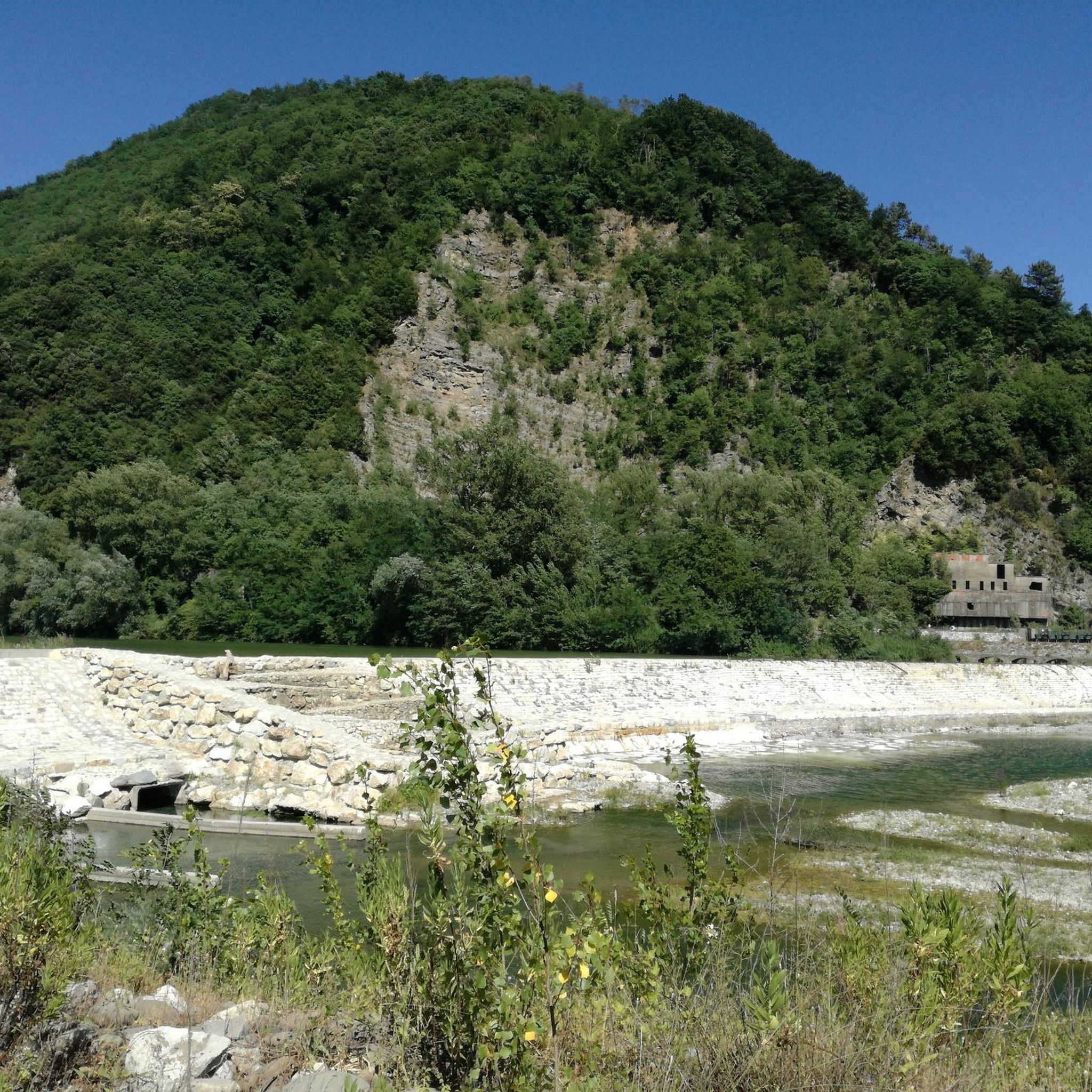
Hiking around Borgo A Mozzano offers diverse landscapes within Tuscany's Serchio Valley, flanked by the Apuan Alps to the west and the Apennines to the east. The region features wooded hills, steep mountain slopes, and the Serchio River, providing varied terrain for exploration. Trails often combine natural beauty with historical sites, including the iconic Ponte della Maddalena. The area serves as a gateway to the Garfagnana region, known for its unspoiled nature.
Best hiking trails around Borgo A Mozzano
- The most popular hiking route is Hermitage of San Bartolomeo – Bargiglio Tower loop from Cune, a 4.1 miles (6.6 km) moderate trail that takes 2 hours 13 minutes to complete. This route offers panoramic views from the Bargiglio Tower.
- Another top favourite among local hikers is Borgo Giusto (Soccolognora) – Borgo Giusto loop from Valdottavo, an easy 3.0 miles (4.8 km) path. This loop provides a gentle walk through the local countryside.
- Local hikers also love the Bargiglio Tower – Hermitage of San Bartolomeo loop from Cune, a 4.7 miles (7.5 km) trail leading through wooded areas and offering views of the Serchio Valley, often completed in about 2 hours 28 minutes.
- Hiking around Borgo A Mozzano is defined by the Serchio Valley, dense forests, and mountain slopes. The network of hiking trails around Borgo A Mozzano offers options for different ability levels, from easy walks to challenging ascents.
- The routes in Borgo A Mozzano are highly rated by the komoot community with an average score of 4.5 stars from more than 1600 reviews. More than 7000 hikers have used komoot to explore Borgo A Mozzano's varied terrain.
Last updated: July 9, 2026
4.2
(18)
53
hikers
6.57km
02:14
310m
310m
Moderate hike. Good fitness required. Mostly accessible paths. Sure-footedness required.
4.5
(6)
37
hikers
4.71km
01:23
140m
130m
Easy hike. Great for any fitness level. Easily-accessible paths. Suitable for all skill levels.

Sign up for free
4.2
(9)
33
hikers
7.55km
02:28
340m
340m
Moderate hike. Good fitness required. Easily-accessible paths. Suitable for all skill levels.
3.4
(8)
24
hikers
3.76km
01:08
120m
120m
Easy hike. Great for any fitness level. Easily-accessible paths. Suitable for all skill levels.
4.0
(6)
15
hikers
6.65km
02:19
340m
340m
Moderate hike. Good fitness required. Easily-accessible paths. Suitable for all skill levels.
Get access to more routes and recommendations from other explorers.
Sign up for free
Already have an account?
Our route recommendations are based on thousands of hikes, rides, and runs completed by other people on komoot.
Start today with a free account
Your next adventure awaits.
Login or Signup
Tips from the Community

A beautiful hike. Some trails are a bit abandoned and lack signage, but following the trail is fine. From the top of the tower, there would be a beautiful view, but we missed it due to fog and a myriad of flying ants.
0
0

Hermitage of San Bartolomeo The church of San Bartolomeo near Cune, also known as the “Hermitory of San Bartolomeo”, is a small church with a single nave and an apse similar to many others that arose in the territory of the diocese of Lucca during the 12th century and particularly similar to that of San Martino in Greppo. The toponym of Cune has been known since the 9th century. The architectural beauty of the small building, compact and of clear proportions, is underlined by the charm of the place where it was built, a centuries-old holm oak forest near the ancient fortress of Bargiglio, demolished in 1373. The original medieval layout had been modified with the addition of a portico, today however eliminated and known only from a drawing made by Giuseppe Matraia for the guide of the city of Lucca and the county that the scholar was preparing towards the middle of the nineteenth century: the manuscript of the Guide and the drawing of San Bartolomeo are preserved in the State Library of Lucca. In front of the facade of the church still stands the massive bell tower, built with a more rustic masonry than the one, with squared ashlars, that characterizes the church. Despite the isolation, the inhabitants of Cune continue to feel a particular bond towards their ancient church, where until a few years ago the Christmas Eve mass continued to be celebrated. In the current parish church there is a wooden statue of Saint Bartholomew from the first half of the fourteenth century, coming from the ancient church dedicated to the saint and worthy of note for the almost perfect conservation of the original polychromy. On the base of the statue there is an inscription, almost illegible, which however tells us the author of the polychromy itself (in medieval and post-medieval wooden sculpture the plastic and pictorial parts were often performed by different artists), a certain “Johannes de Petrascancta”.
0
0
The ruins of the Tower, or Rocca, of Bargiglio stand on the top of the mountain of the same name at 866 meters above sea level at the gates of Garfagnana and the Media Valle del Serchio. Once you arrive at the Tower, it is clear why it has always been called the "Eye of Lucca": the view is panoramic at 360 degrees and offers a perfect view from the peaks of the Apuan Alps, with the Pania di Corfino clearly visible, to the numerous castles and fortresses of Garfagnana, such as the Castiglione Castle and the Mont'Alfonso Fortress. From here you can also dominate the entire Serchio Valley below, from the walls of Barga and Coreglia Antelminelli to Bagni di Lucca, up to the many towns in the Municipality of Pescaglia. And finally, in the distance to the south, the Lucca plain and then the Tyrrhenian coast. The origin of the fortification dates back to an unknown era, probably built by the Suffredinghi, one of the three potentates of Lombard origin who controlled the Serchio Valley who distinguished themselves for their tenacious resistance to the expansionism of the Municipality of Lucca, being bordered by the Este dominions of Garfagnana. It consisted of only one tower, used as an observation and control point of the vast territory, of the road that passed a little further down and of the small community that lived in the farmhouses surrounding the fortification and the ancient Hermitage of S. Bartolomeo.
0
0

A very beautiful bridge over the Lima River in Fornoli. For pedestrians and cyclists only. The best way to cross the river to the quieter side.
0
0

An exciting bridge made of wood and steel with two beautiful portals.
1
0

A bridge for pedestrians and cyclists, of a special kind!👍
1
0

The Fornoli bridge is certainly less famous than the nearby Devil's bridge, but still not to be missed. Built at the behest of Carlo Ludovico di Borbone, the bridge is also called Ponte delle Catene and recalls the famous connection to Brooklyn, in miniature.
5
0

Beautiful views from the most important defence tower of the Lucca Republic
2
1
Frequently Asked Questions
How many hiking trails are available around Borgo a Mozzano?
Borgo a Mozzano offers a wide variety of hiking trails, with nearly 30 routes available for exploration. These range from easy walks suitable for all fitness levels to more challenging ascents.
Are there any easy, family-friendly walks in Borgo a Mozzano?
Yes, Borgo a Mozzano has several easy trails perfect for families. For a gentle walk through the local countryside, consider the Borgo Giusto (Soccolognora) – Borgo Giusto loop from Valdottavo, which is 3.0 miles (4.8 km) long. Another accessible option is the Fornoli Chain Bridge loop from Chifenti, an easy 3.8 miles (6.1 km) route.
What are the best trails for scenic viewpoints in the area?
For breathtaking panoramic views, the Bargiglio Tower is a must-visit. Trails like the Hermitage of San Bartolomeo – Bargiglio Tower loop from Cune offer stunning vistas over the Serchio Valley, extending to the Apuan Alps and the castles of Garfagnana. The Pizzorne Plateau also provides pleasant walks with elevated views.
Are there any circular hiking routes around Borgo a Mozzano?
Many of the trails in Borgo a Mozzano are designed as circular routes, allowing you to start and end in the same location. Examples include the Bargiglio Tower – Hermitage of San Bartolomeo loop from Cune and the Borgo Giusto (Soccolognora) – Borgo Giusto loop from Valdottavo.
What historical landmarks can I explore while hiking?
Borgo a Mozzano is rich in history. The iconic Ponte della Maddalena (Devil's Bridge) is a medieval marvel and often a focal point for local hikes. You can also explore well-preserved sections of the Gothic Line, a German defense line from World War II, complete with bunkers and galleries, through various trails in the chestnut woods.
Are there any waterfalls near the hiking trails?
Yes, the region around Borgo a Mozzano features several beautiful waterfalls. You can discover the Candalla Waterfalls, Serchio Waterfalls, and the Waterfalls of Casoli. Some trails, like the Waterfall and Helleborus Flowers Loop, are specifically designed to showcase these natural features.
What do other hikers say about the trails in Borgo a Mozzano?
The hiking trails in Borgo a Mozzano are highly regarded by the komoot community, with an average rating of 4.5 stars from over 1600 reviews. Hikers frequently praise the diverse landscapes, the combination of natural beauty with historical sites, and the well-maintained paths that cater to various skill levels.
What is the best time of year to go hiking in Borgo a Mozzano?
Borgo a Mozzano offers great hiking opportunities throughout much of the year. Spring and autumn are particularly pleasant, with mild temperatures and vibrant natural colors. Summer can be warm, but higher altitude trails or early morning hikes are still enjoyable. Winter hiking is also possible, especially on lower elevation trails, though some mountain paths may require more preparation.
Are there any challenging hikes for experienced trekkers?
For experienced hikers seeking a challenge, Borgo a Mozzano offers routes with significant elevation gains. The Hermitage of San Bartolomeo – Bargiglio Tower loop from Borgo a Mozzano is a difficult 10.4 miles (16.8 km) trail with over 780 meters of ascent, providing a demanding yet rewarding experience.
Is there public transport access to the trailheads in Borgo a Mozzano?
Borgo a Mozzano is accessible by public transport, particularly by train from Lucca. The town itself serves as a good starting point for many trails. For specific trailheads further afield, local bus services might be available, but it's advisable to check local schedules in advance for the most up-to-date information.
Where can I find parking for hiking trails in Borgo a Mozzano?
Parking is generally available in and around the town of Borgo a Mozzano, especially near popular landmarks like the Ponte della Maddalena. Many trailheads, particularly those starting from villages like Cune or Valdottavo, also have designated parking areas. It's recommended to check specific route details on komoot for parking suggestions at individual starting points.
What kind of natural landscapes will I encounter while hiking here?
Hiking in Borgo a Mozzano will immerse you in diverse Tuscan landscapes. You'll traverse wooded hills, steep mountain slopes, and follow the scenic Serchio River through its valley. The area is characterized by dense forests and serves as a gateway to the unspoiled nature of the Garfagnana region, offering a rich variety of flora and fauna.
Most popular routes around Borgo A Mozzano
Most popular attractions around Borgo A Mozzano

Get inspired with the komoot mobile app


Explore more
Browse the best Hikes in other regions.
