Attractions and Places To See around Cordenons - Top 20
Best attractions and places to see around Cordenons include historical sites, cultural centers, and natural landscapes within the Friuli Venezia Giulia region. Cordenons, with its long history dating back to 897 AD and evidence of Roman presence, serves as a central point for exploring the broader Pordenone province. The area offers a variety of experiences, from ancient ruins to preserved medieval villages and extensive natural parks.
Best attractions and places to see around Cordenons
- The most popular attractions is Parco…
Last updated: September 26, 2026
Valvasone
Highlight • Settlement
Translated by Google •
Tip by

Parco del Seminario
Highlight • Forest
Translated by Google •
Tip by

Sign up now to discover places like this
Get recommendations on the best single tracks, peaks, & plenty of other exciting outdoor places.
Porcia Castle
Highlight • Castle
Built with a …
Translated by Google •
Tip by

Archaeological Area of the Roman Villa of Torre di Pordenone
Highlight • Historical Site
Translated by Google •
Tip by

Lake Burida
Highlight • Lake
Translated by Google •
Tip by
Sign up for free to discover even more attractions around Cordenons.
Already have an account?
Start today with a free account
Your next adventure awaits.
Tips from the Community

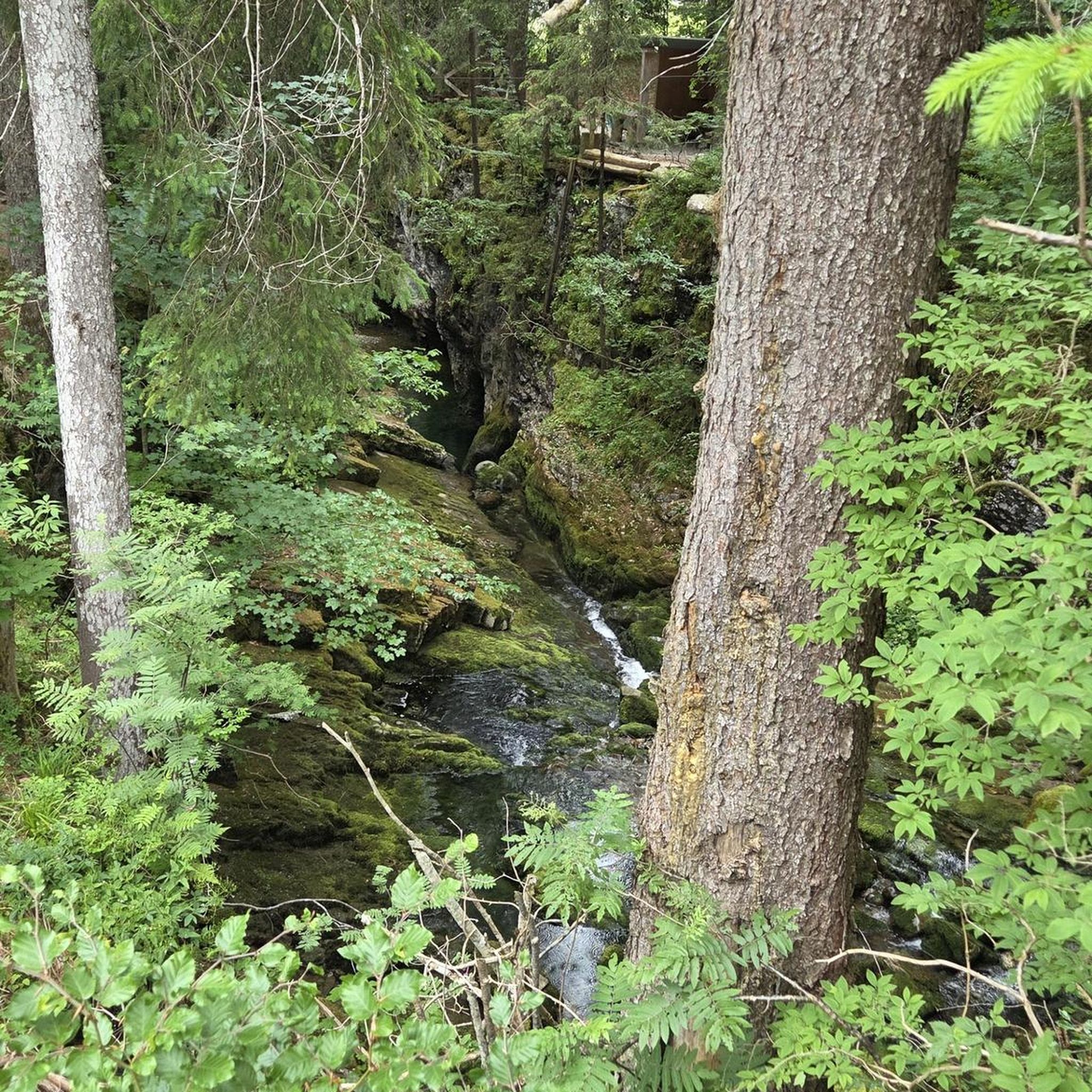
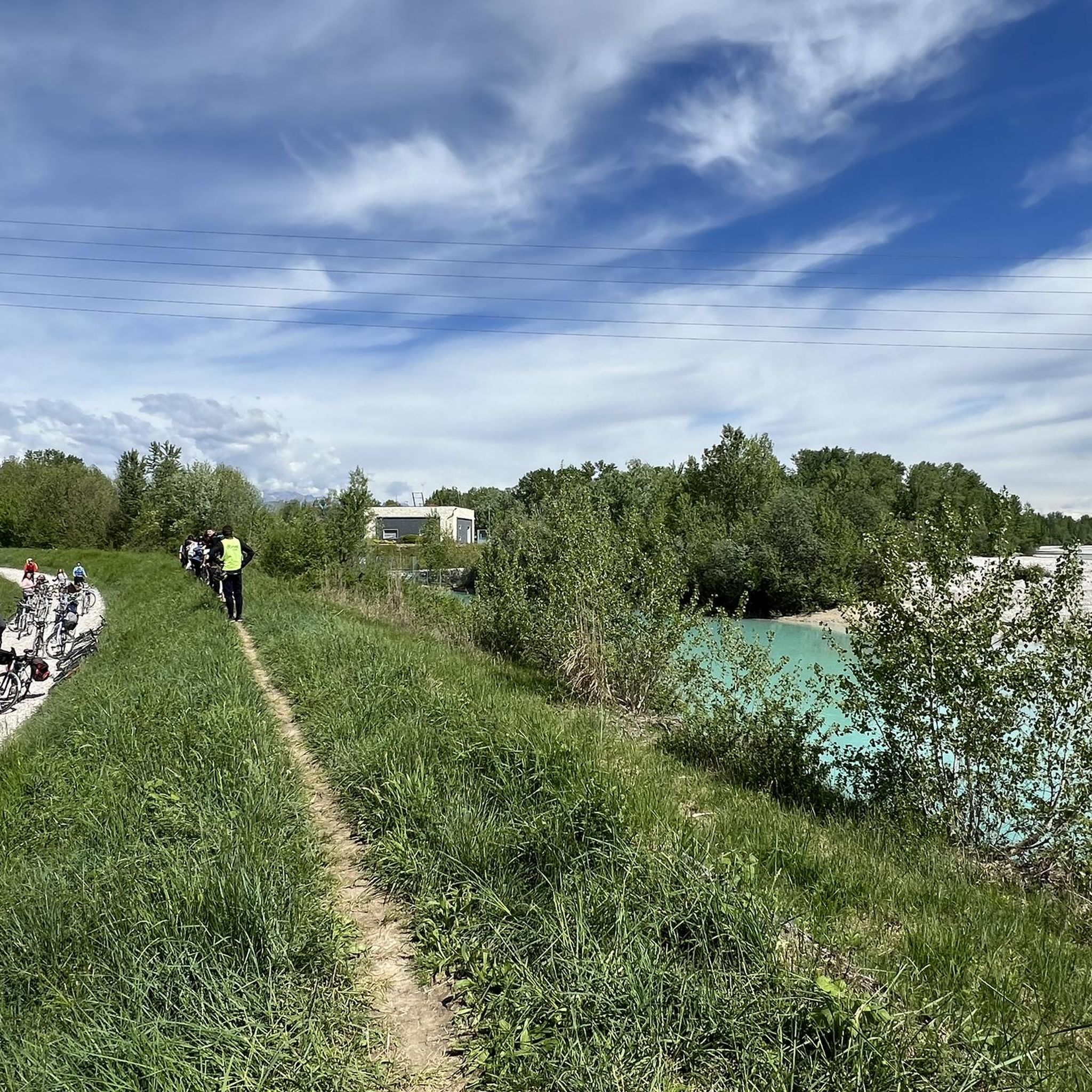
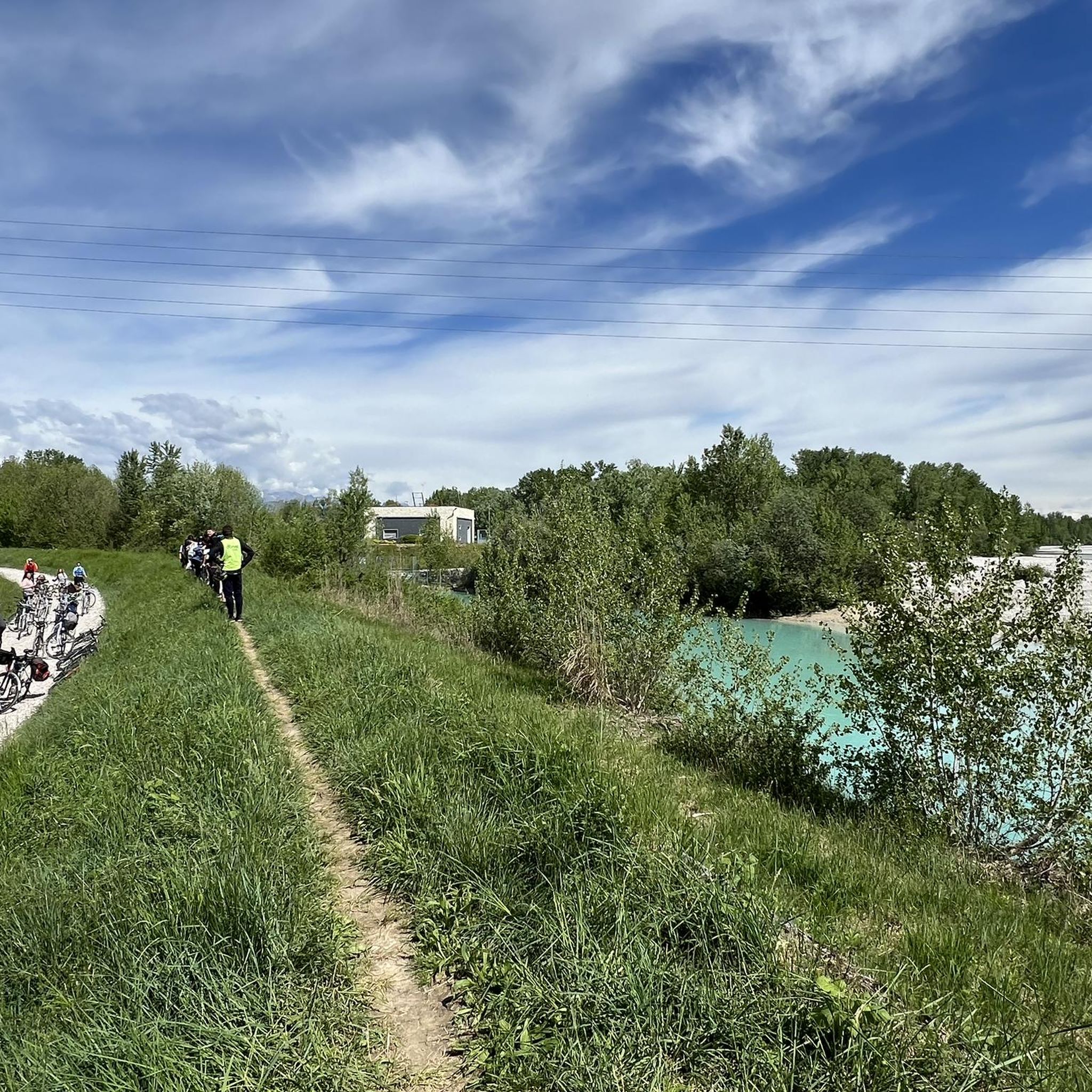
The small Burida lake in Pordenone with its surrounding green area is a place of high environmental value.
0
0

The municipality of Valvasone Arzene is listed among the most beautiful towns in Italy thanks to the excellent state of preservation of its historic center, which boasts several stately homes dating from the 14th to 17th centuries. The most important architectural feature is the castle, surrounded by a moat and the old city walls. Also worth seeing is an old mill, which still retains its 15th-century wheel.
3
0


Porcía Castle is one of the symbolic places in the history of Friuli. The complex consists of a central keep, a Renaissance wing and a Venetian-style building.
2
0
Porcía Castle is one of the symbolic places in the history of Friuli. The complex consists of a central keep, a Renaissance wing and a Venetian-style building. Built with a military function to protect the territory from barbarian invasions, from the 12th century the castle became the permanent residence of the noble family of Porcía and Brugnera, who governed these lands for eight centuries and held important political and military positions under the Serenissima Republic of Venice. The Castle of Porcía, still inhabited by the family, is at the center of an agricultural area of 840 hectares where fine vines and other products are grown with cutting-edge methods.
9
0

The family had their castle of origin in Prata di Pordenone. At the beginning of the 13th century, Gabriel and Frederick, sons of Guecello I de Prata, drew the boundaries of their possessions. The first line descended from Gabriel and over time took possession of the castles of Porcia and Brugnera. The second line descended from Frederick but came into conflict with Venice and eventually died out in the 16th century.
3
0

Frequently Asked Questions
What historical sites can I visit near Cordenons?
The region around Cordenons is rich in history. You can explore the Archaeological Area of the Roman Villa of Torre di Pordenone, which showcases Roman construction from the 1st century BC. Further afield, the town of Sacile, often called the "Garden of the Serenissima," offers many palaces reflecting its Venetian heritage, while Sesto al Reghena is home to a Benedictine Abbey dating back to the 8th century.
Are there any castles to explore in the Cordenons area?
Yes, there are several notable castles. The village of Valvasone features an imposing castle that houses a precious wooden theater. You can also visit Porcia Castle, a symbolic place in Friulian history, which has been the permanent residence of the noble Porcía and Brugnera family for centuries.
What natural attractions are there around Cordenons?
Nature lovers will find plenty to explore. The Parco del Seminario is a green area near the Noncello river, perfect for walks. Further out, the Friulian Dolomites Natural Park, a UNESCO Heritage Site, offers impressive landscapes for hiking and mountaineering. You can also visit Lake Barcis, known for its emerald reflections, or the spectacular Cellina Gorge.
Where can I find family-friendly activities near Cordenons?
Many attractions cater to families. The Parco del Seminario is ideal for leisurely strolls and is dog-friendly. The medieval village of Valvasone, with its castle, offers a charming historical experience for all ages. Additionally, the Museo Civico delle Scienze in Pordenone, housed in Palazzo Amalteo, features engaging prehistoric, zoological, and mineral collections, including a mammoth model.
Are there opportunities for outdoor activities like hiking or cycling?
Absolutely. The area around Cordenons is excellent for outdoor enthusiasts. You can find various running trails, such as the "Terme Romane loop" or the "Lago di San Valentino loop." For cycling, options range from easy routes like the "River Crossing on Gravel Plain" to more challenging ones like the "Cellina Gravel Plains" route. Mountain biking trails are also available, including the "Meduna Riverbank – Meduna Trails loop." You can find more details on these activities in the Running Trails around Cordenons, MTB Trails around Cordenons, and Cycling around Cordenons guides.
What cultural centers are available in Cordenons or nearby?
In Cordenons itself, the "A. Moro" Cultural Centre serves as a central hub for cultural activities, housing the town's library and a multi-purpose auditorium. In nearby Pordenone, the Civic Art Museum, located in Palazzo Ricchieri, showcases works by the painter Pordenone, and the Museo Diocesano contains approximately 700 works of art, including paintings and sculptures.
What is the best time to visit Cordenons and its attractions?
The Friuli Venezia Giulia region generally enjoys pleasant weather from spring to early autumn (April to October), making it ideal for exploring both historical sites and natural parks. September is particularly noted for the medieval evocations in Valvasone. For outdoor activities like hiking and cycling, the milder temperatures of spring and autumn are often preferred.
Are there any unique or 'hidden gems' to discover around Cordenons?
Beyond the well-known spots, consider exploring the Magredi, also known as the Friulian Steppe. This unique ecosystem with stony ground and disappearing rivers offers a lunar-like landscape, perfect for horse riding. Another gem is the Gorgazzo Spring, a blue spring whose depth remains unknown, offering a mysterious natural sight.
Can I find dog-friendly places to visit near Cordenons?
Yes, the Parco del Seminario is explicitly noted as a suitable place to bring dogs, with specially designed areas for them to roam freely. Many natural areas and parks in the wider region are also generally welcoming to dogs, provided they are kept on a leash and owners clean up after them.
What is Pordenone city center like, and what can I see there?
Pordenone city center, just a few kilometers from Cordenons, is a vibrant hub. Its main street, Corso Vittorio Emanuele II, is known for elegant arcades, frescoed palaces, shops, and wine bars. Key attractions include the Duomo Concattedrale di San Marco with its striking bell tower, and the Civic Art Museum in Palazzo Ricchieri. The Archaeological Museum of Western Friuli is also nearby at Castello di Torre.
What are some other interesting towns or villages to visit near Cordenons?
Beyond Pordenone, several charming towns are worth exploring. Spilimbergo is renowned for its prestigious mosaic school and medieval old town. San Vito al Tagliamento boasts rich historical buildings and a unique Venetian-style theater. Maniago is famous for its long tradition of cutlery craftsmanship, with a dedicated museum. And Valvasone, with its preserved medieval appearance, is recognized as one of Italy's most beautiful villages.
Most popular routes around Cordenons
Most popular attractions around Cordenons

Get inspired with the komoot mobile app


Explore more
Still not found the Highlight you’re looking for? See guides of the top attractions in other regions:
