Top 5 Castles around Cortina D'Ampezzo
Best castles around Cortina D'Ampezzo are found amidst the dramatic peaks of the Dolomites, a region known for its strategic historical importance. While not abundant in traditional medieval castles within the town, the surrounding area features significant fortified structures. These sites offer insights into past defensive strategies and provide panoramic views of the valleys. The landscape is characterized by rugged mountains and historical routes, making it a compelling destination for those interested in history and nature.
Best castles around Cortina…
Last updated: August 25, 2026
Lake Dobbiaco
Highlight • Lake
Translated by Google •
Tip by

Castello di Andraz
Highlight • Castle
Translated by Google •
Tip by

Sign up now to discover places like this
Get recommendations on the best single tracks, peaks, & plenty of other exciting outdoor places.
Sign up for free
Forte Tre Sassi
Highlight • Historical Site
Translated by Google •
Tip by
Landro Fortress
Highlight • Historical Site
Translated by Google •
Tip by

World War I ruins in the Parco Naturale Regionale delle Dolomiti d'Ampezzo
Highlight • Historical Site
Translated by Google •
Tip by

Sign up for free to discover even more castles around Cortina D'Ampezzo.
Sign up for free
Already have an account?
Start today with a free account
Your next adventure awaits.
Login or Signup
Popular around Cortina D'Ampezzo
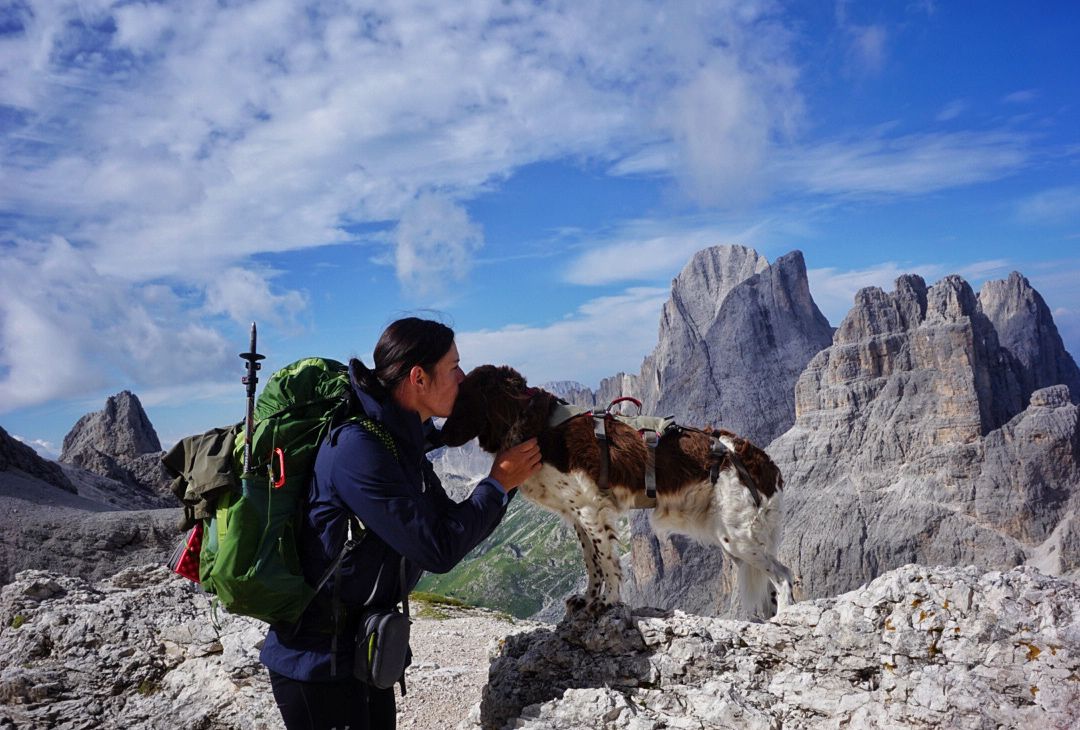
The extra-large Dolomites round – an out-of-this-world hiking adventure
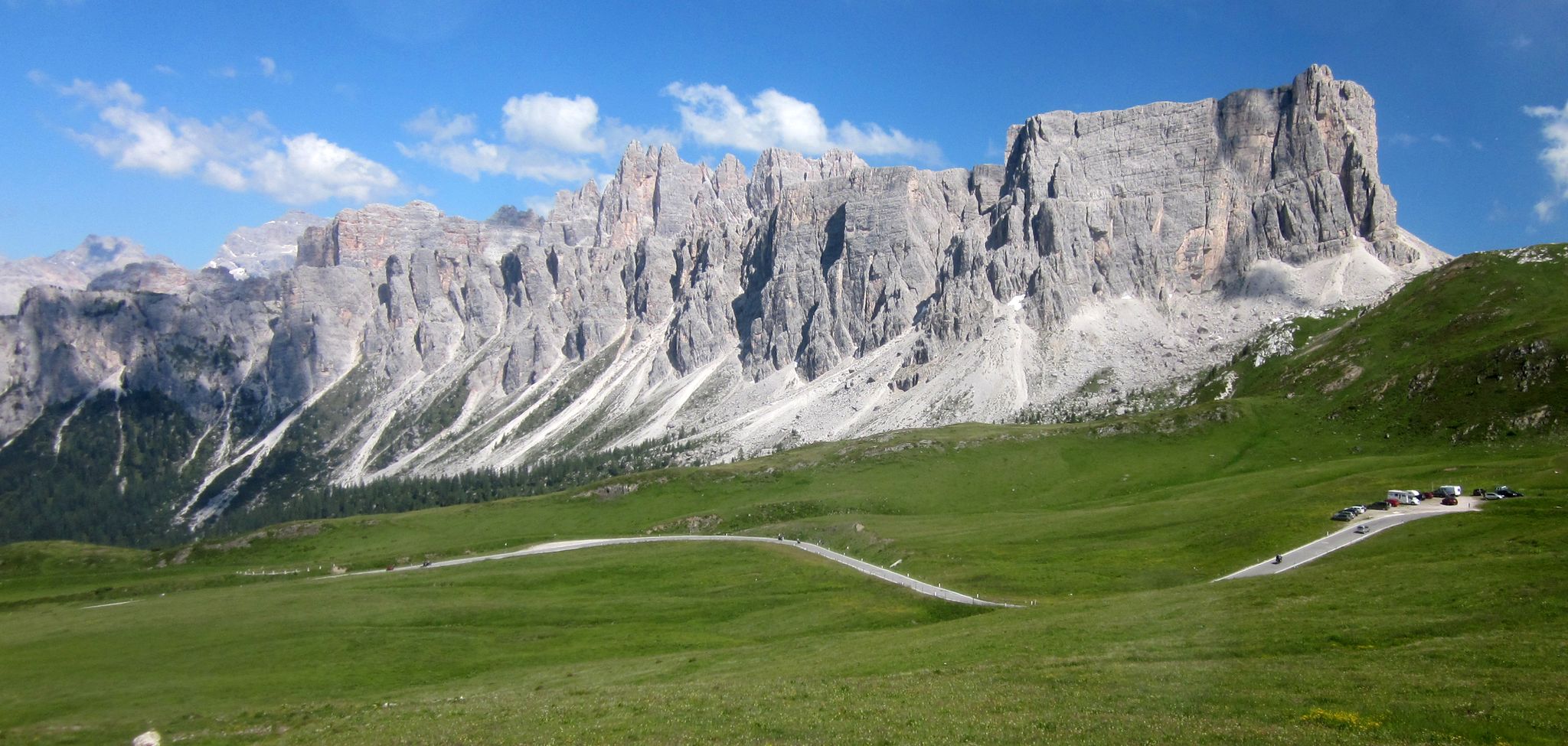
Traversing the Dolomites — the world's most beautiful mountain range
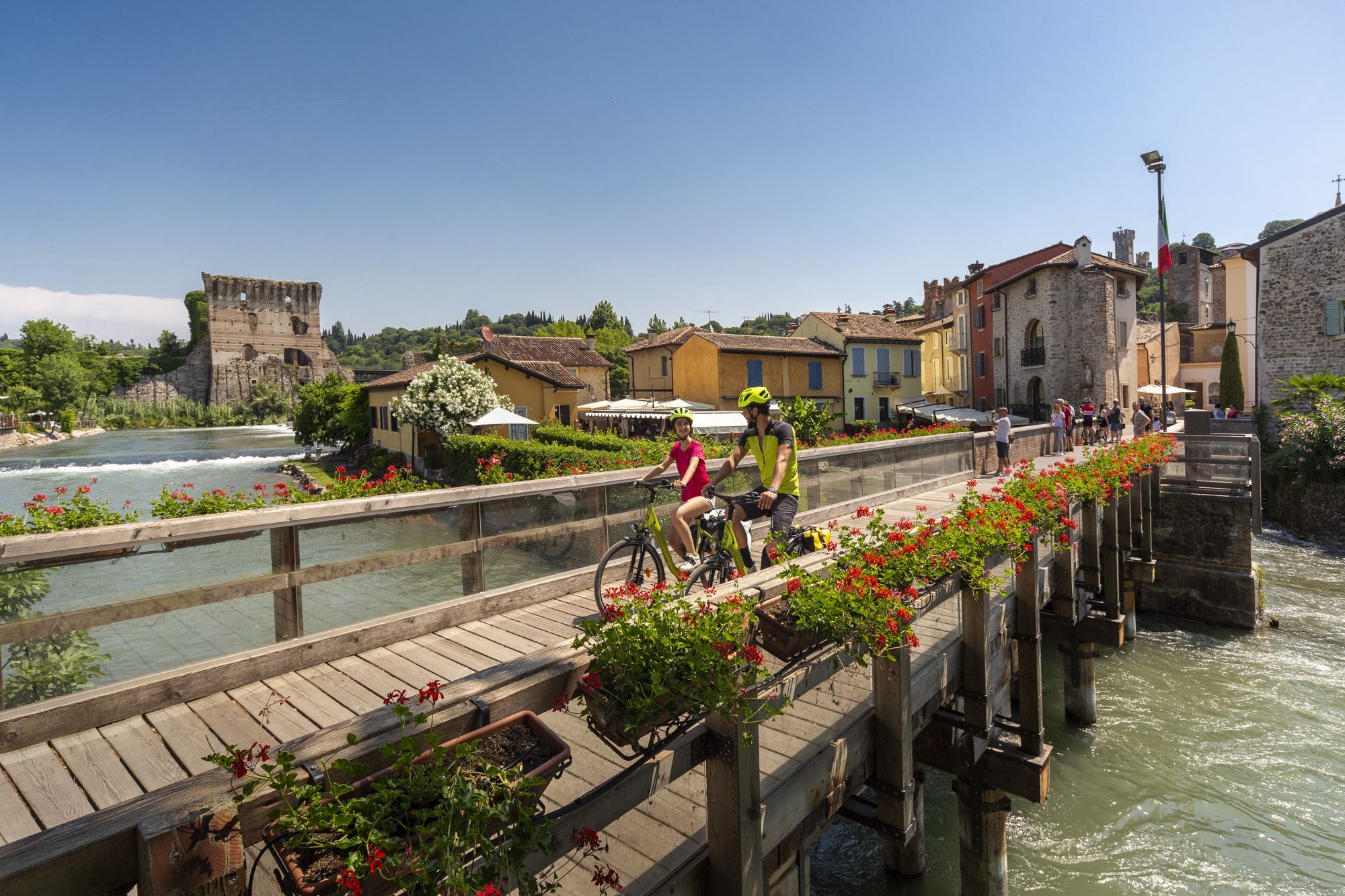
Explore Veneto at a slow pace – day trips by bike
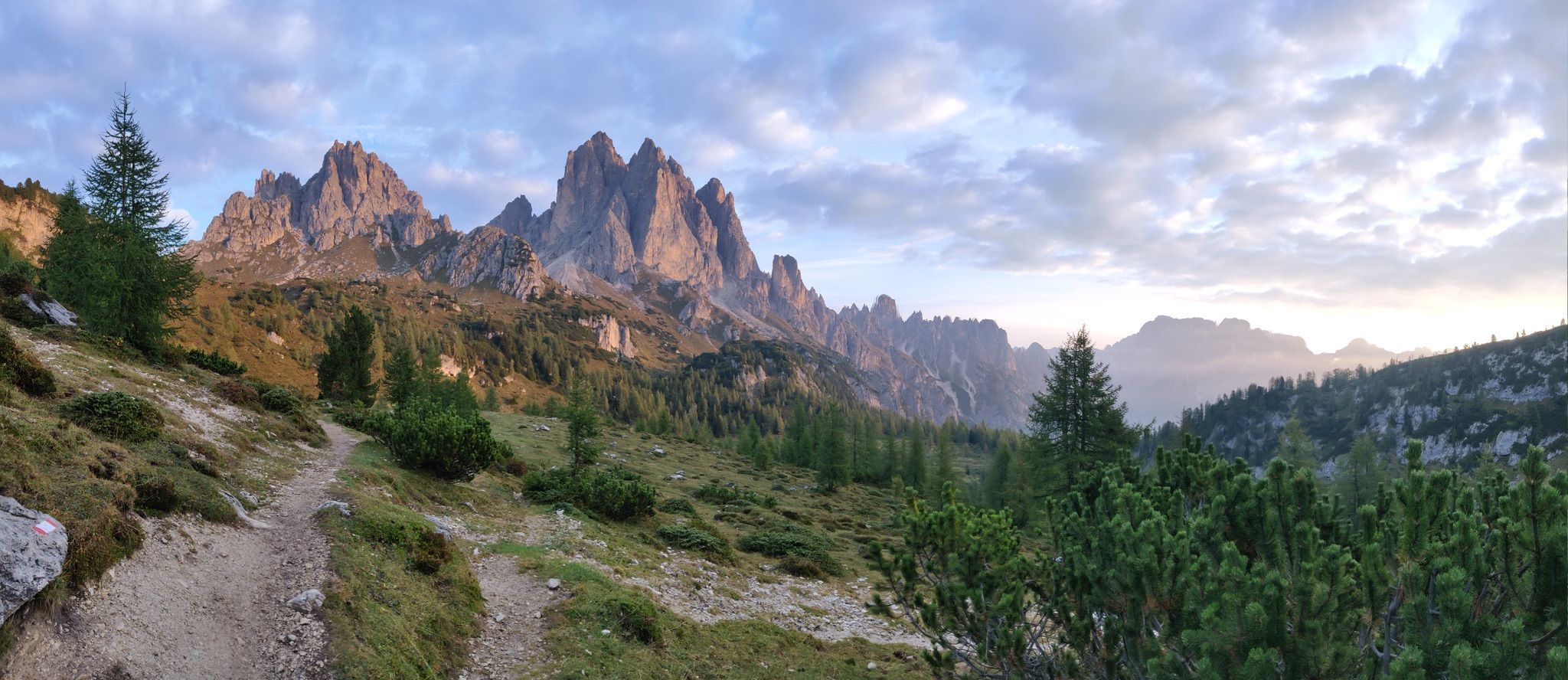
Hike majestic landscapes in the Italian Dolomites – Alta Via 4
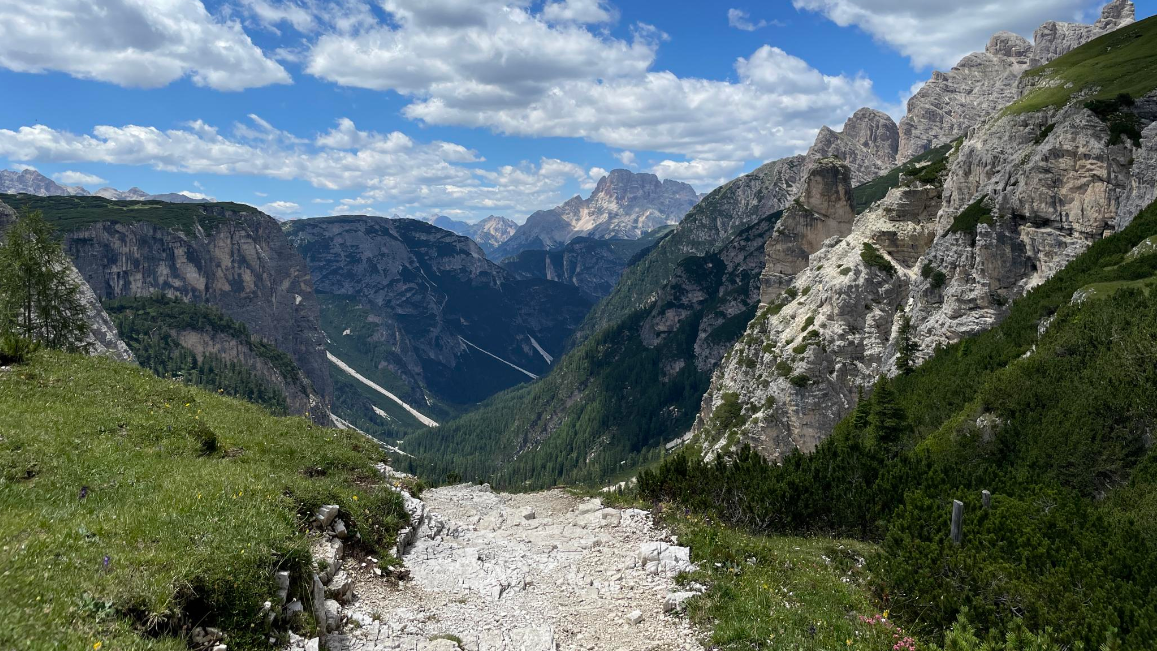
Trail running between the peaks of the Dolomites – Lavaredo Ultra Trail
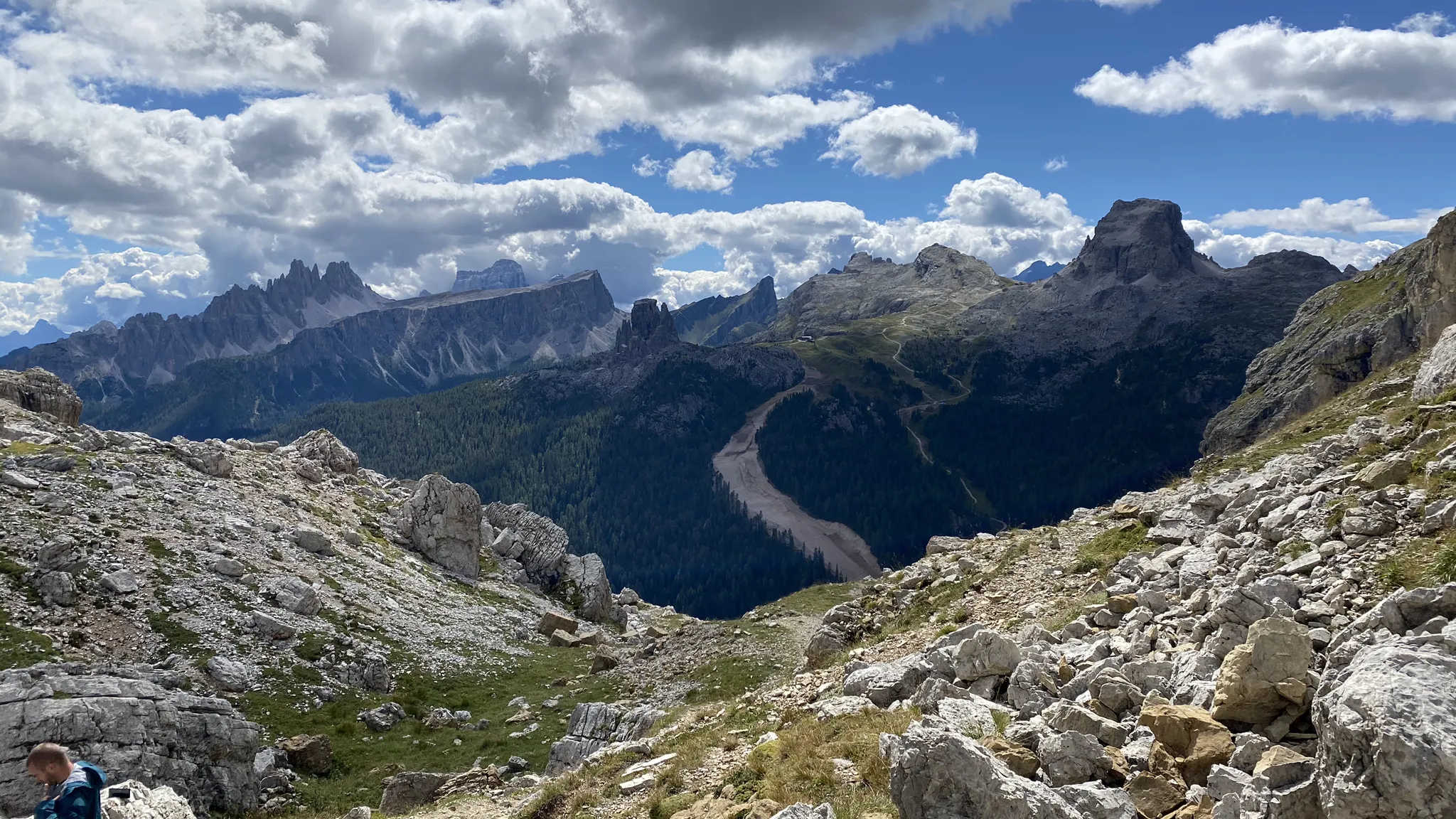
Among the peaks of the Dolomites – trail running from Cortina d'Ampezzo
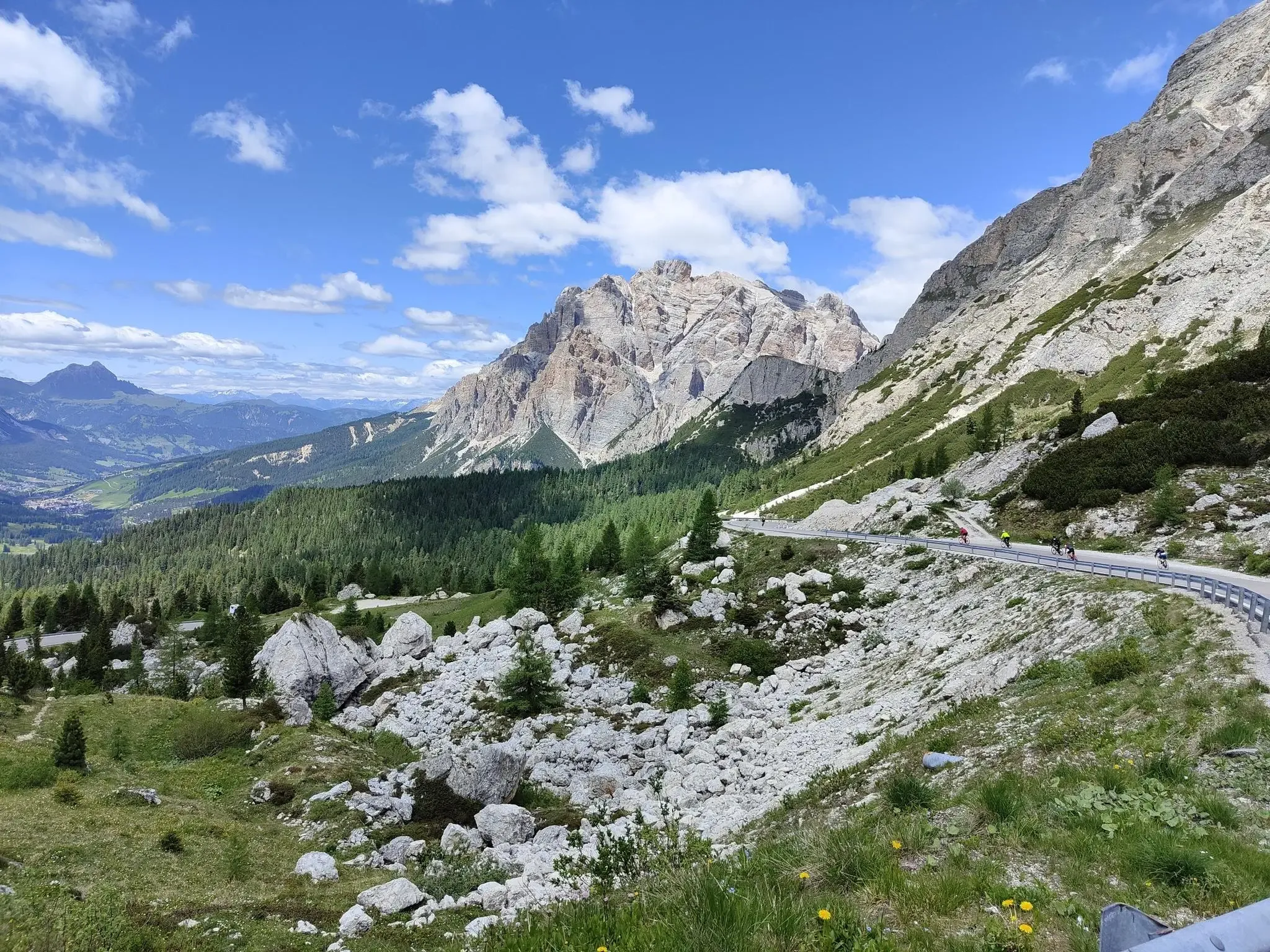
Cycle and climb from the Dolomites to the Balkans
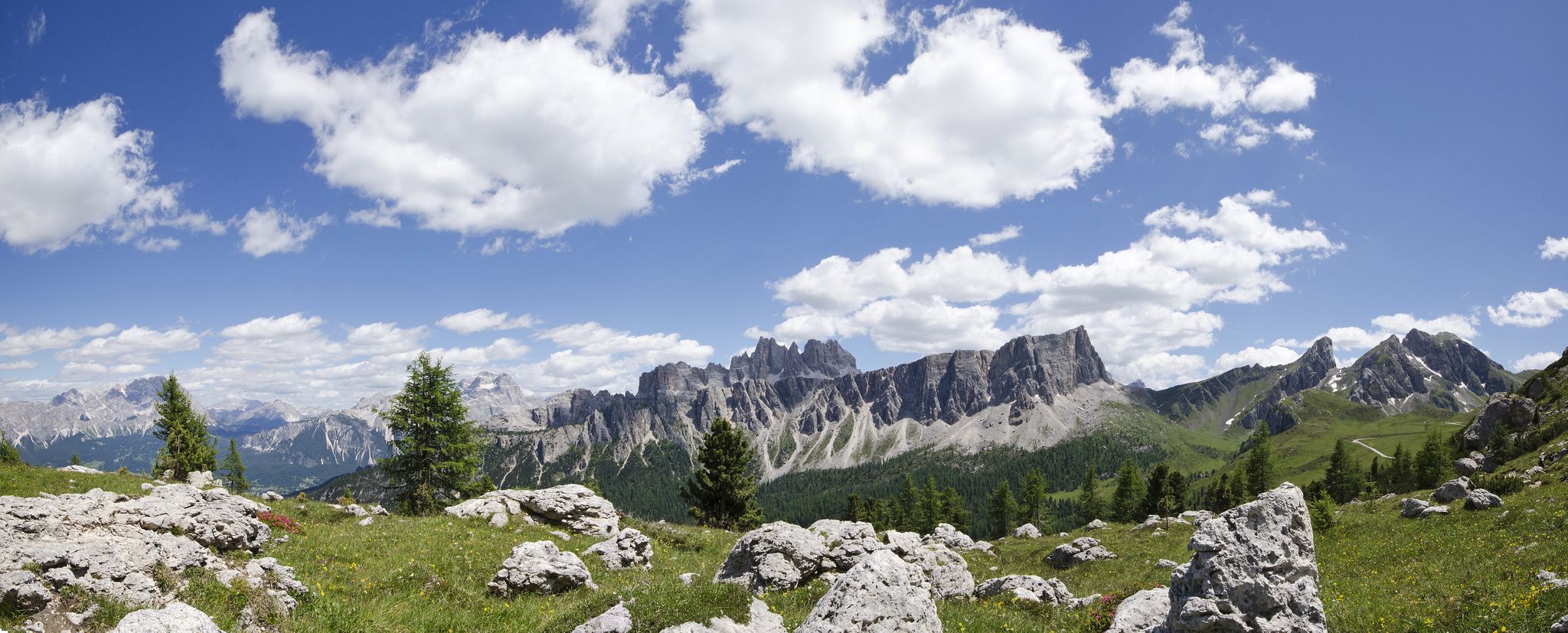
In the heart of the Dolomites – trail running from Cortina d'Ampezzo
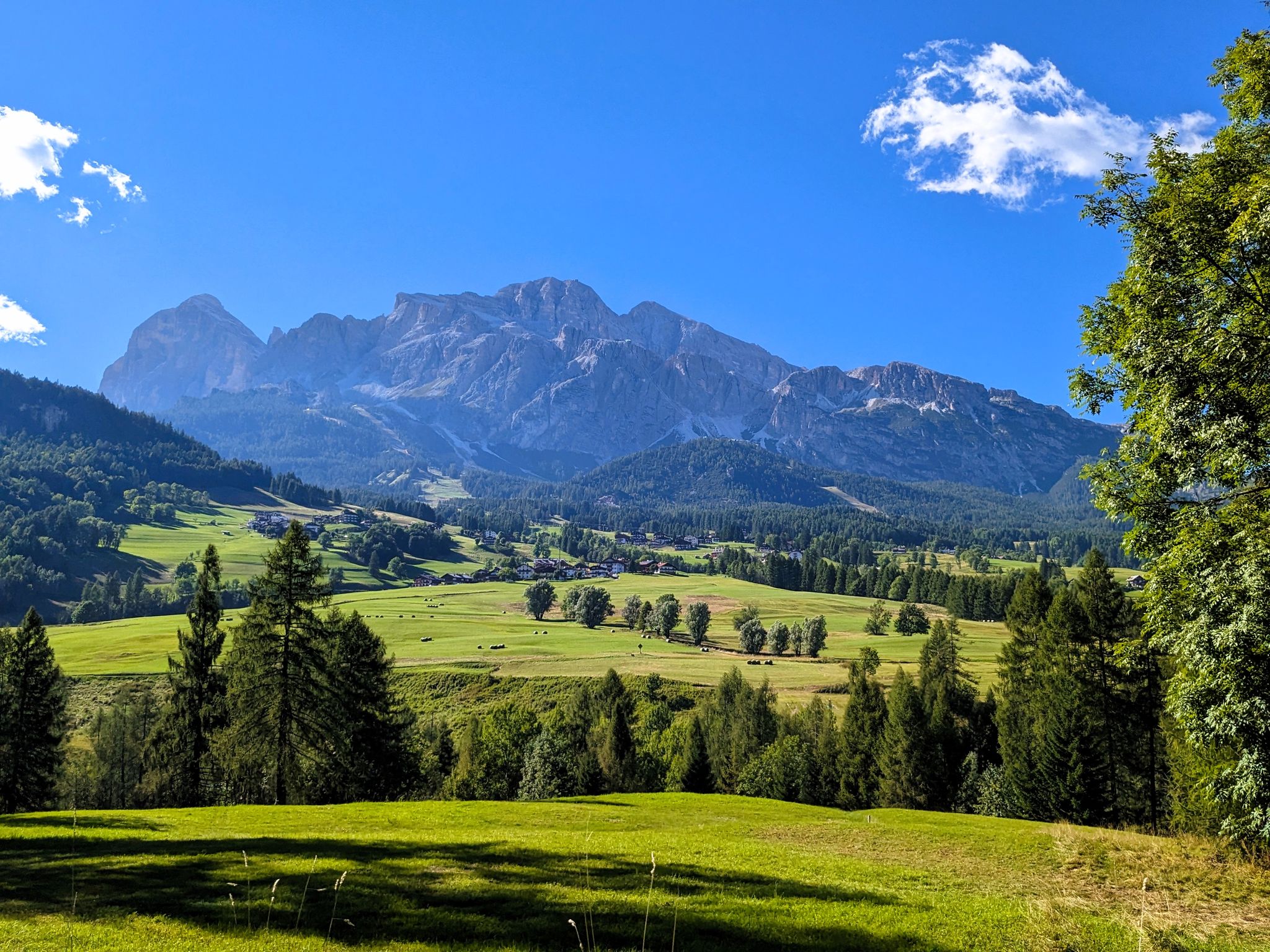
Wild routes – a week in Italy’s Dolomites
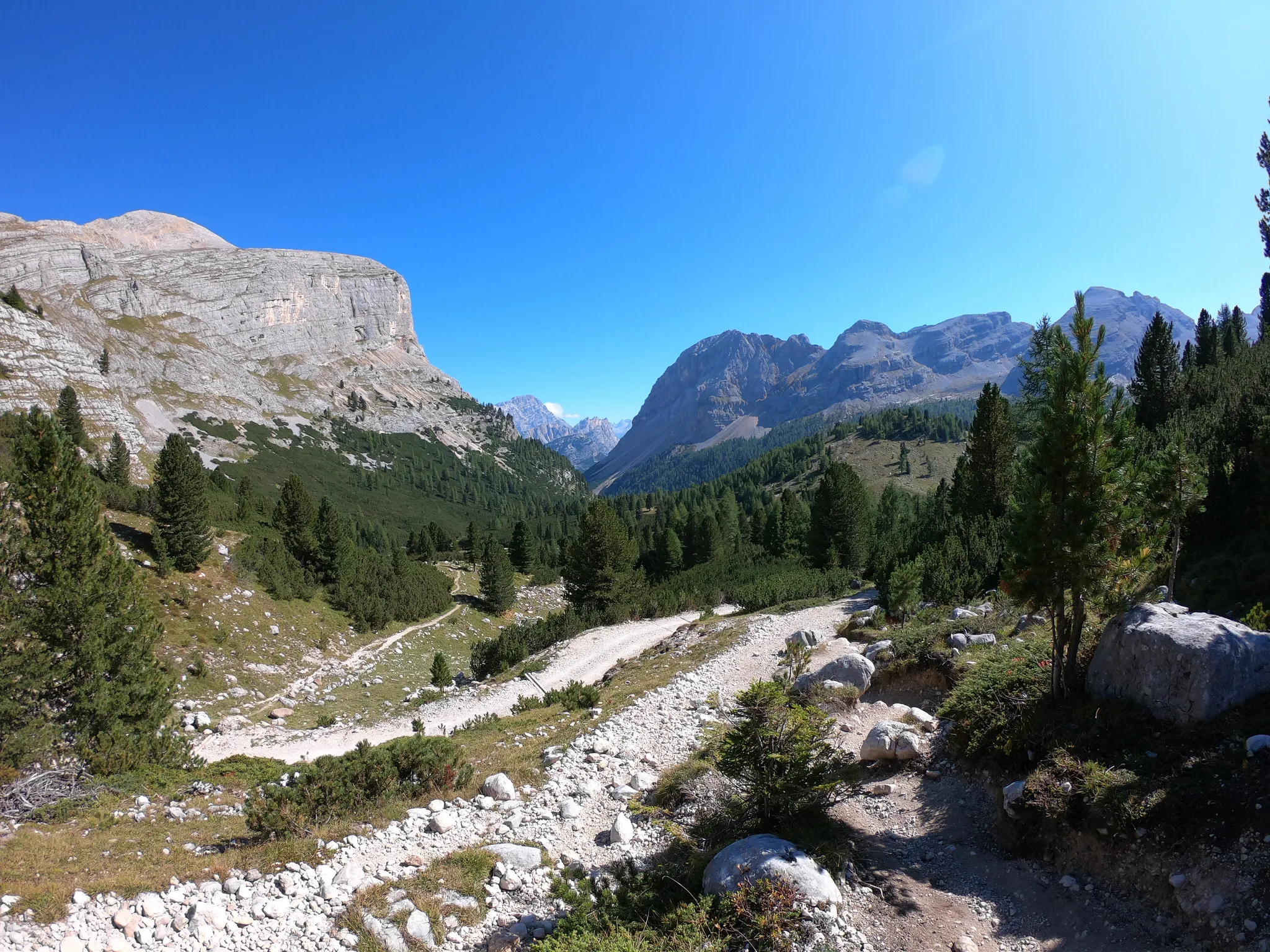
Run through the clouds – Alta Via 1 in the Dolomites
Other adventures around Cortina D'Ampezzo


Tips from the Community

From the outside, Andraz castle is beautiful, even though it is in ruins. It rises directly from the rock and integrates very well with the surrounding landscape, looking like a small Dolomite mountain itself. The entrance fee is 7 euros to walk on iron beams that make no effort to reconstruct the old atmosphere of the castle. A guide is not included. It is not worth investing time and money to climb steel stairs when you can freely walk on the Sentiero del Respiro and see the castle from above with all the surrounding panorama.
0
0

In the Middle Ages, Buchenstein Castle housed an ore smelting furnace behind its walls. It also indirectly protected the nearby Fursil mines near Colle Santa Lucia from Venetian attacks. The profits from Buchenstein were claimed by the Diocese of Brixen—so aggressively, in fact, that the driving bishop, Nicholas of Cusa, had to be removed from office and compensated in Rome. https://t1p.de/hs51z
3
0

Here, someone has spent decades painstakingly collecting artifacts and documenting this man-made madness...and the guys haven't learned anything from it, except how to make a fortune (the Krupp family). $10 admission.
0
0

Andraz Castle, a defensive bastion for controlling the Alpine passes and the populations.
0
0

Even after more than 100 years, remains of the Italian positions from the First World War can still be found here.
2
0


An ancient manor house perched on a rocky spur. Open in summer for visiting.
0
0

Here the madness of the Dolomite War becomes apparent. The fort served, among other things, to secure the road to the Puster Valley
0
0
Frequently Asked Questions
What types of historical fortifications can I find near Cortina D'Ampezzo?
The region around Cortina D'Ampezzo features a variety of historical fortifications, reflecting different periods of military history. You'll find medieval castles like Castello di Andraz, which played a crucial role in controlling Alpine passes, alongside World War I forts such as Forte Tre Sassi and Landro Fortress. There are also significant ruins like Botestagno Castle and Pieve Castle, which highlight the area's strategic importance over centuries.
Which castles near Cortina D'Ampezzo are well-preserved and open to visitors?
While many sites are ruins, Castello di Andraz is a beautifully restored medieval castle open to the public during summer months and select weekends in October. It features modern ramps for exploration and houses an on-site museum. For WWI history, Forte Tre Sassi has also been rehabilitated and houses a museum.
Can I visit the ruins of Botestagno Castle, and what can I expect there?
Yes, you can visit the ruins of Botestagno Castle. Located north of the Ampezzo valley, only remnants of the fort's foundations and what were likely wine cellars remain, largely covered by vegetation. Despite its ruined state, the area has information boards about its history, and wooden railings ensure visitor safety. A short, easy hike leads to the ruins, offering splendid panoramic views of the entire Ampezzo valley. For more details, you can check the Cortina Tourism website.
What is the historical significance of Pieve Castle, even if it's mostly ruins?
Pieve Castle, located near Pieve di Cadore, was the first fortified location in the Cadore region. Strategically positioned at the junction of the Boite and Piave valleys, it served as a crucial control and defensive point where the local population sought refuge, notably during the war against Maximilian in 1511. Although largely in ruins or integrated into later structures today, its historical importance as a strategic stronghold and former center of military power in the Cadore region is significant. You can learn more about its history on the Cortina Tourism website.
Are there any family-friendly historical sites or castles to visit near Cortina D'Ampezzo?
Yes, several historical sites are suitable for families. Castello di Andraz, with its restored structure and museum, offers an engaging experience for all ages. Forte Tre Sassi, a WWI fortress, is also categorized as family-friendly and provides insights into more recent history. The easy hike to the ruins of Botestagno Castle can also be a pleasant family outing.
What are the best times of year to visit the castles and historical sites around Cortina D'Ampezzo?
The summer months are generally ideal for visiting, as Castello di Andraz is open during this period. The weather is also more favorable for exploring outdoor ruins like Botestagno Castle and the various WWI fortifications. While some sites might be accessible in winter, snow and colder conditions can limit access and make some paths challenging.
Are there opportunities for hiking or outdoor activities near these historical sites?
Absolutely! The Dolomites are perfect for outdoor activities. Many historical sites, like Botestagno Castle, are reached via short hikes. You can combine your historical exploration with longer routes. For instance, there are numerous cycling, mountain biking, and mountain hiking routes around Cortina D'Ampezzo. You can find detailed routes in the Cycling around Cortina D'Ampezzo, Mountain Hikes around Cortina D'Ampezzo, and MTB Trails around Cortina D'Ampezzo guides.
Do any of the castles or fortifications offer panoramic views of the Dolomites?
Yes, many of these historical sites were strategically chosen for their commanding positions, offering spectacular panoramic views. The ruins of Botestagno Castle provide splendid views of the entire Ampezzo valley. Castello di Andraz, perched on an inaccessible boulder, also offers impressive vistas of the surrounding Alpine landscape. Similarly, Forte Tre Sassi and Landro Fortress are situated in scenic locations.
Are there any lesser-known historical sites or ruins worth exploring in the area?
Beyond the main castles and forts, the region is dotted with numerous WWI ruins and positions, such as the World War I ruins in the Parco Naturale Regionale delle Dolomiti d'Ampezzo. These offer a glimpse into a more recent, yet equally impactful, military history of the Dolomites and can be found along various hiking trails, providing a unique historical context to your outdoor adventures.
How long should I plan for a visit to Castello di Andraz?
For Castello di Andraz, you should plan at least 1-2 hours to explore its restored four-floor structure, museum, and enjoy the surrounding views. This allows enough time to appreciate its unique architecture and historical significance without feeling rushed.
Are dogs allowed on walks to these historical sites?
While specific rules for each site may vary, generally, dogs are welcome on leashes on outdoor trails leading to ruins like Botestagno Castle. For indoor attractions like Castello di Andraz or Forte Tre Sassi museums, it's best to check their individual policies beforehand.
What do visitors enjoy most about the historical sites around Cortina D'Ampezzo?
Visitors frequently praise the stunning natural beauty that surrounds these historical sites, often combining history with breathtaking Dolomite landscapes. The well-preserved Castello di Andraz is particularly appreciated for its restoration and museum. Many also enjoy the opportunity to explore WWI forts and ruins, finding them to be poignant reminders of the region's past. The blend of history, nature, and the chance for outdoor activities like hiking and cycling is a major draw.
Are there any cafes or restaurants near these castles?
While direct cafes within the castle ruins are rare, some sites like Castello di Andraz are located near mountain passes or villages where you can find dining options. For example, the area around Falzarego Pass, close to Andraz, has rifugios and restaurants. Similarly, the town of Pieve di Cadore is close to the Pieve Castle site. When visiting more remote ruins like Botestagno, it's advisable to bring your own refreshments or plan to eat in Cortina D'Ampezzo itself.
Most popular routes around Cortina D'Ampezzo
Most popular attractions around Cortina D'Ampezzo

Get inspired with the komoot mobile app


Explore more
Looking for the best castles somewhere else? Discover other guides around Cortina D'Ampezzo:
