Top 15 Waterfalls around Toblach - Dobbiaco
Best waterfalls around Toblach - Dobbiaco are found within the stunning Dolomite landscapes, characterized by glacial lakes and mountainous terrain. The region features picturesque waterfalls, often integrated into hiking trails. These natural features contribute to the area's appeal for outdoor activities. The Val di Landro, in particular, offers various natural monuments and viewpoints related to water features.
Best waterfalls around Toblach - Dobbiaco
- The most popular waterfalls is Fanes Waterfalls Via Ferrata, a challenging waterfall and via ferrata. This…
Last updated: August 25, 2026
Viewpoint over the rio and Fanes waterfalls
Highlight • Waterfall
Translated by Google •
Tip by

Fanes Waterfalls Via Ferrata
Highlight • Waterfall
Translated by Google •
Tip by

Sign up now to discover places like this
Get recommendations on the best single tracks, peaks, & plenty of other exciting outdoor places.
Sign up for free
Fanes Waterfalls
Highlight • Waterfall
Translated by Google •
Tip by

Fanes Waterfall Inner Passage
Highlight • Waterfall
Translated by Google •
Tip by

Travenanzes Valley
Highlight (Segment) • Gorge
Translated by Google •
Tip by

Sign up for free to discover even more waterfalls around Toblach - Dobbiaco.
Sign up for free
Already have an account?
Start today with a free account
Your next adventure awaits.
Login or Signup
Popular around Toblach - Dobbiaco
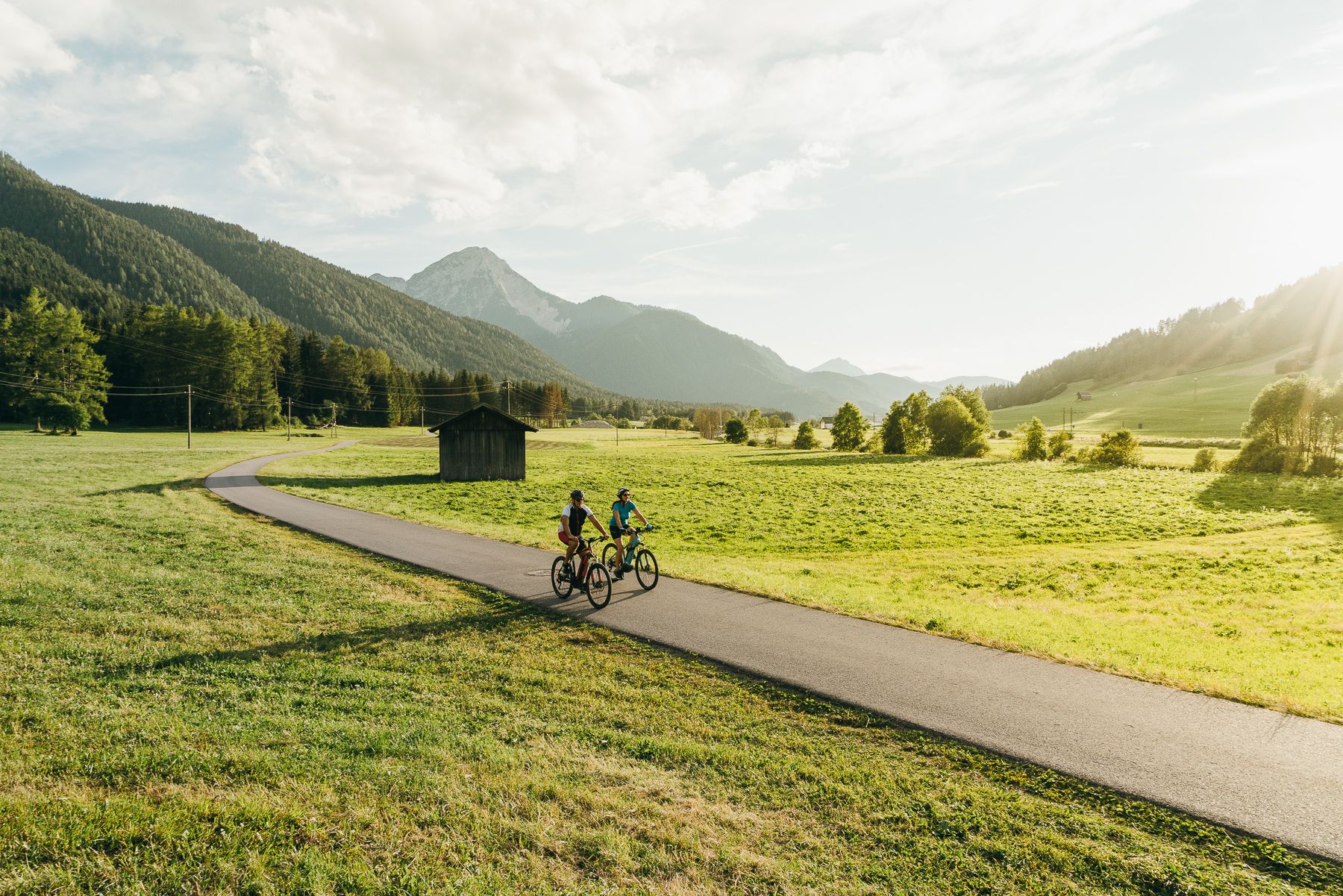
The River Drava Cycle Path – From the Dolomites to the vast landscapes of Pannonia
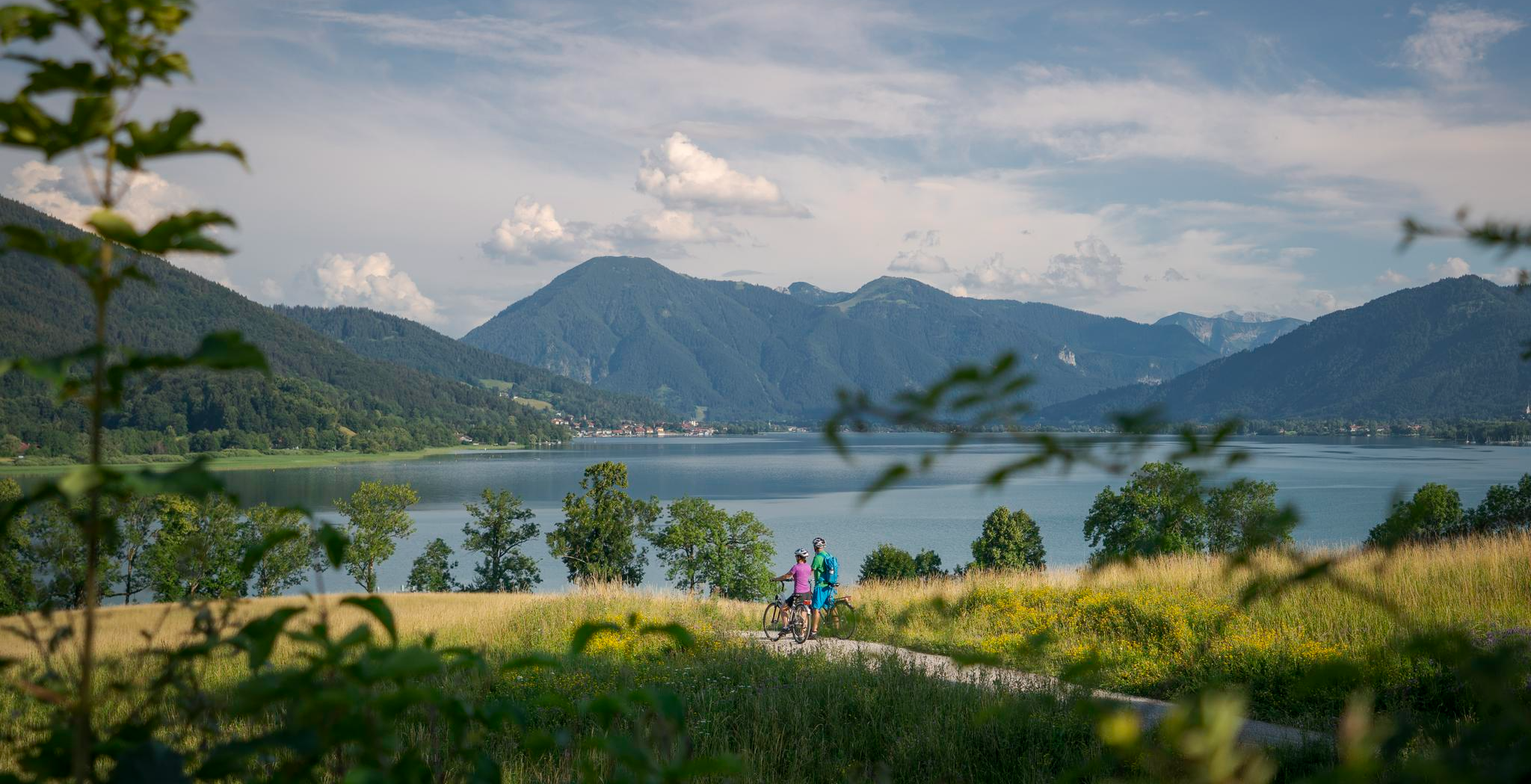
The Munich-Venice Long-Distance Cycle Path – A beautiful Alps crossing
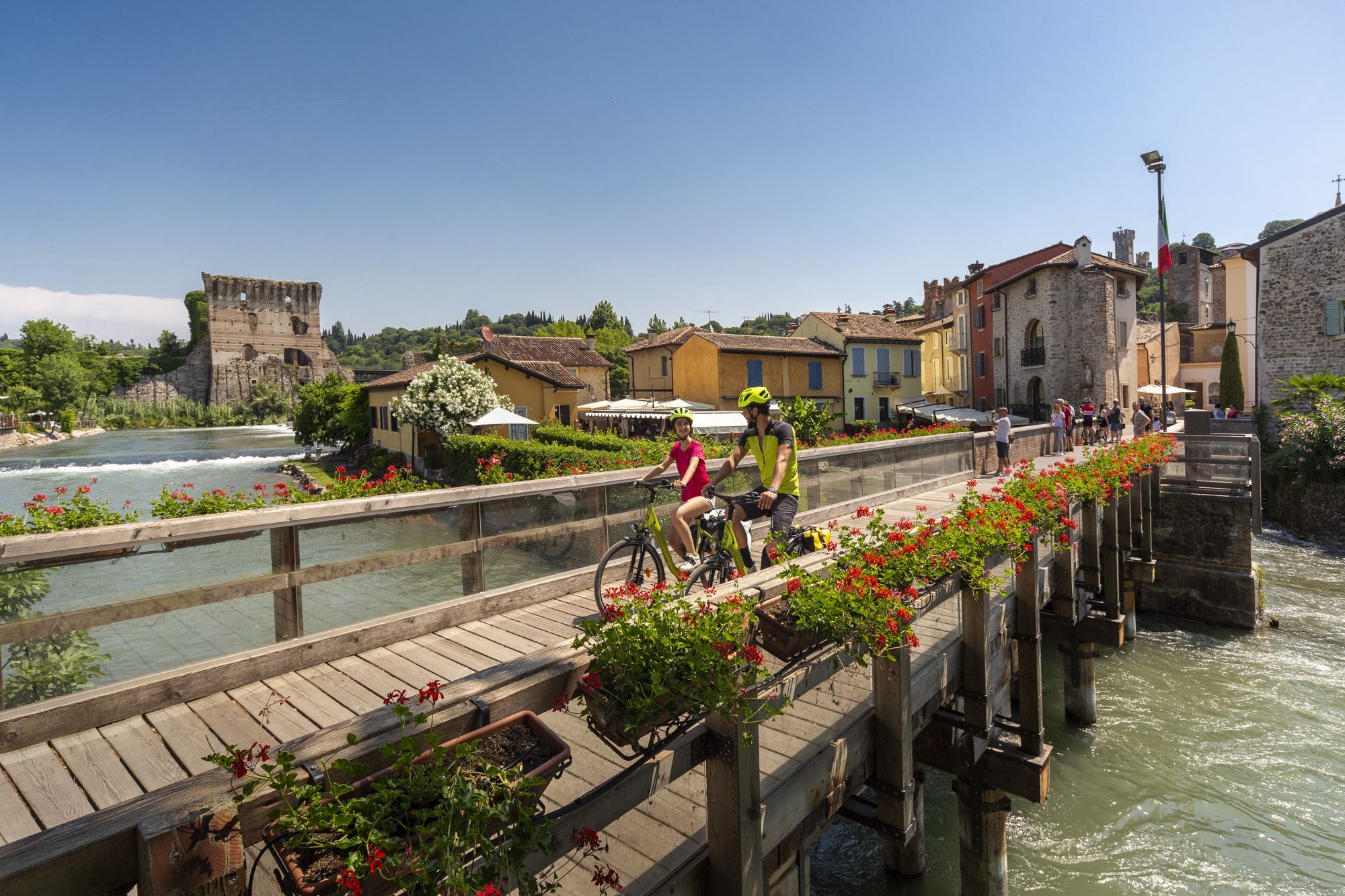
Explore Veneto at a slow pace – day trips by bike
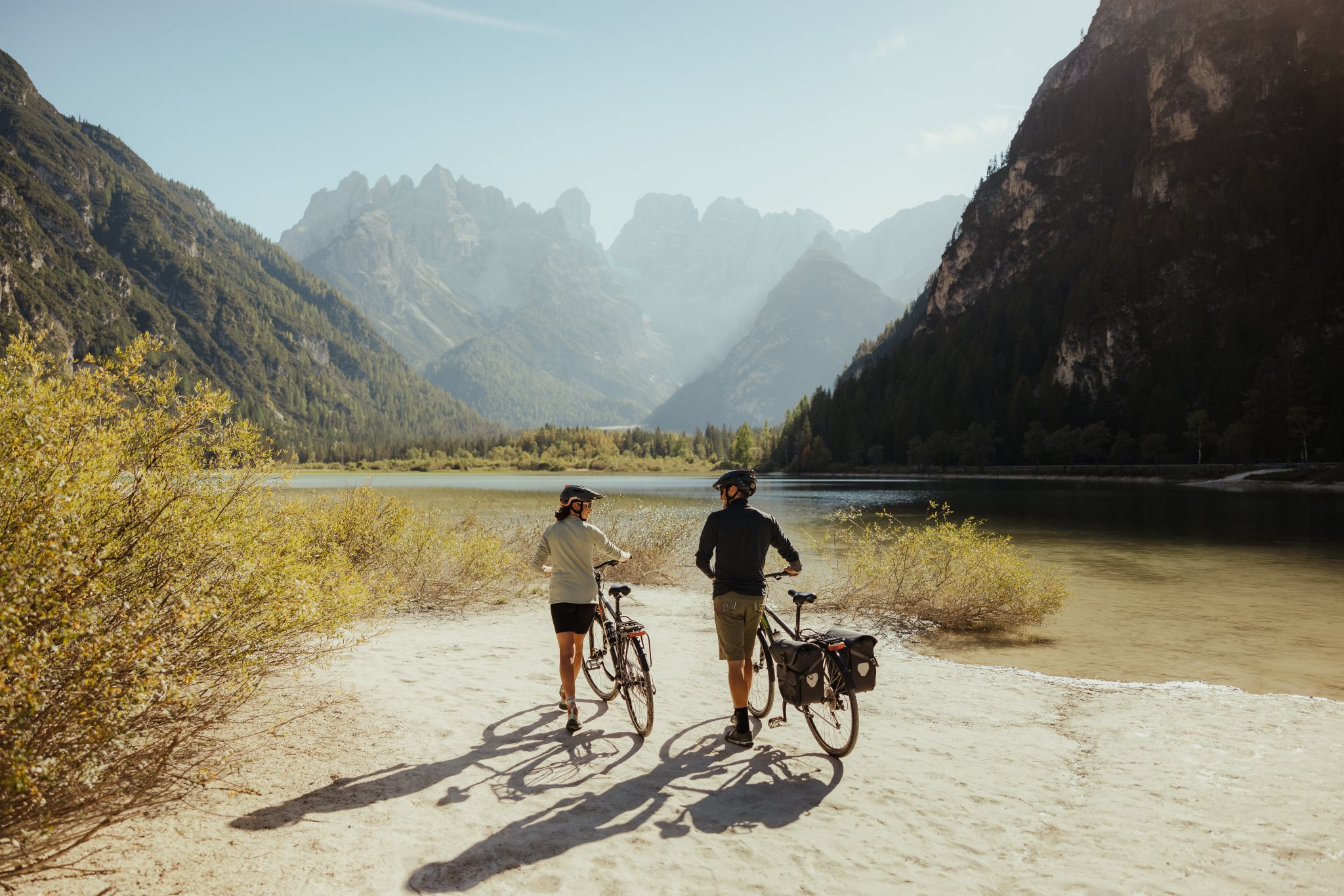
Wonderful bike Tours with views of the South Tyrolean Dolomites
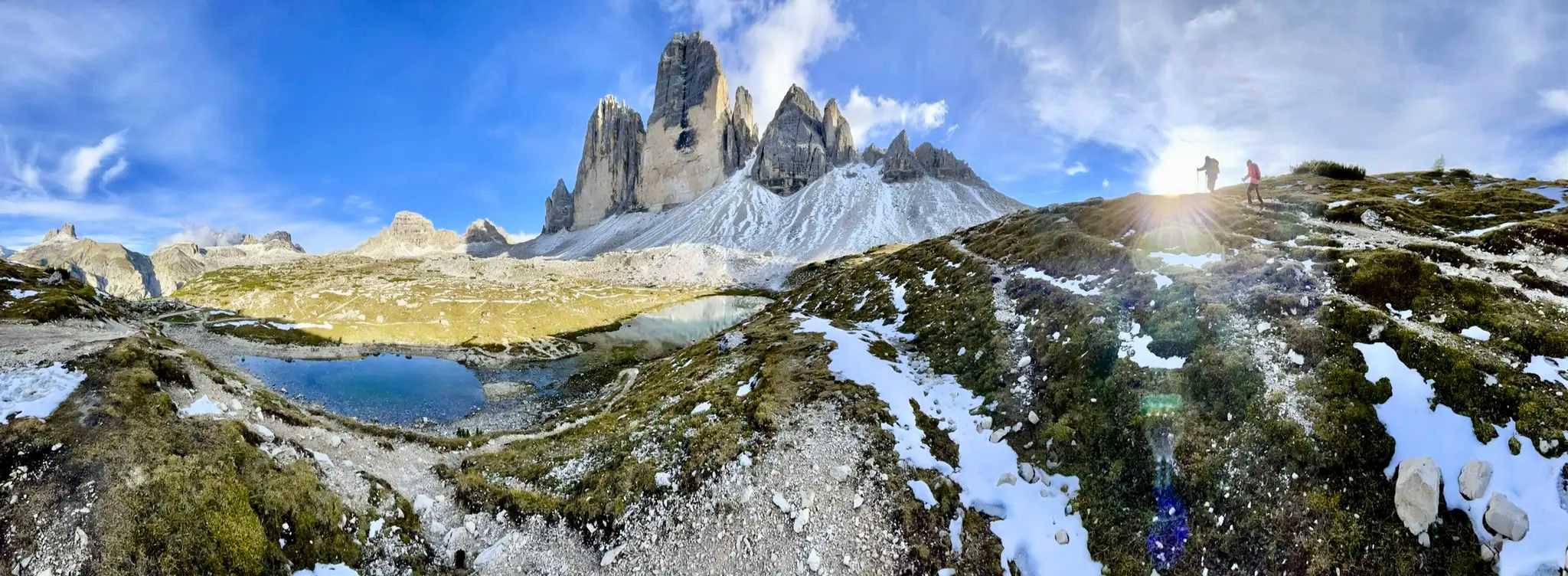
Dolomite trails – Tres Cimas de Lavaredo loop
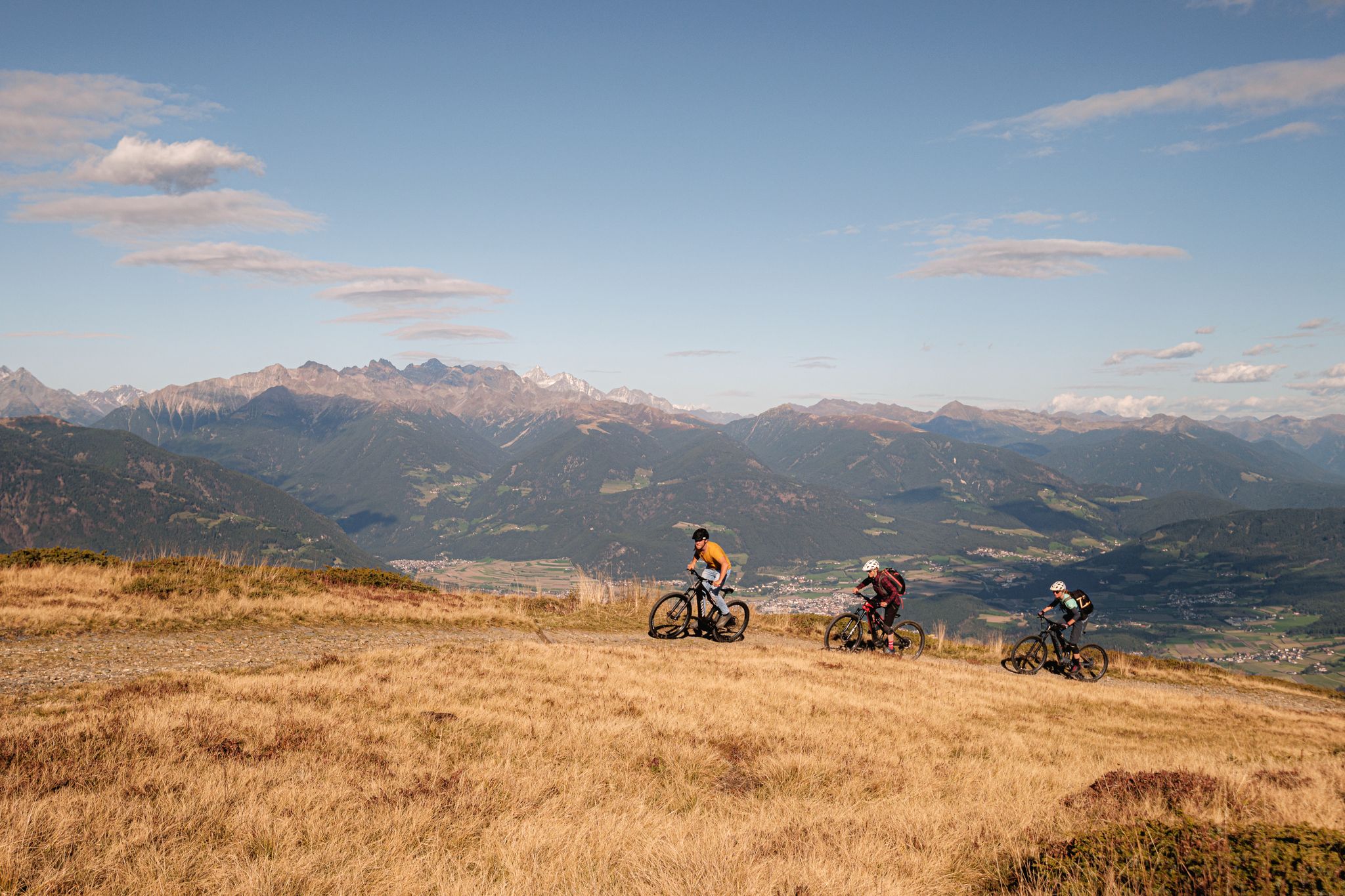
Glorious autumn – the coolest MTB Tours in South Tyrol
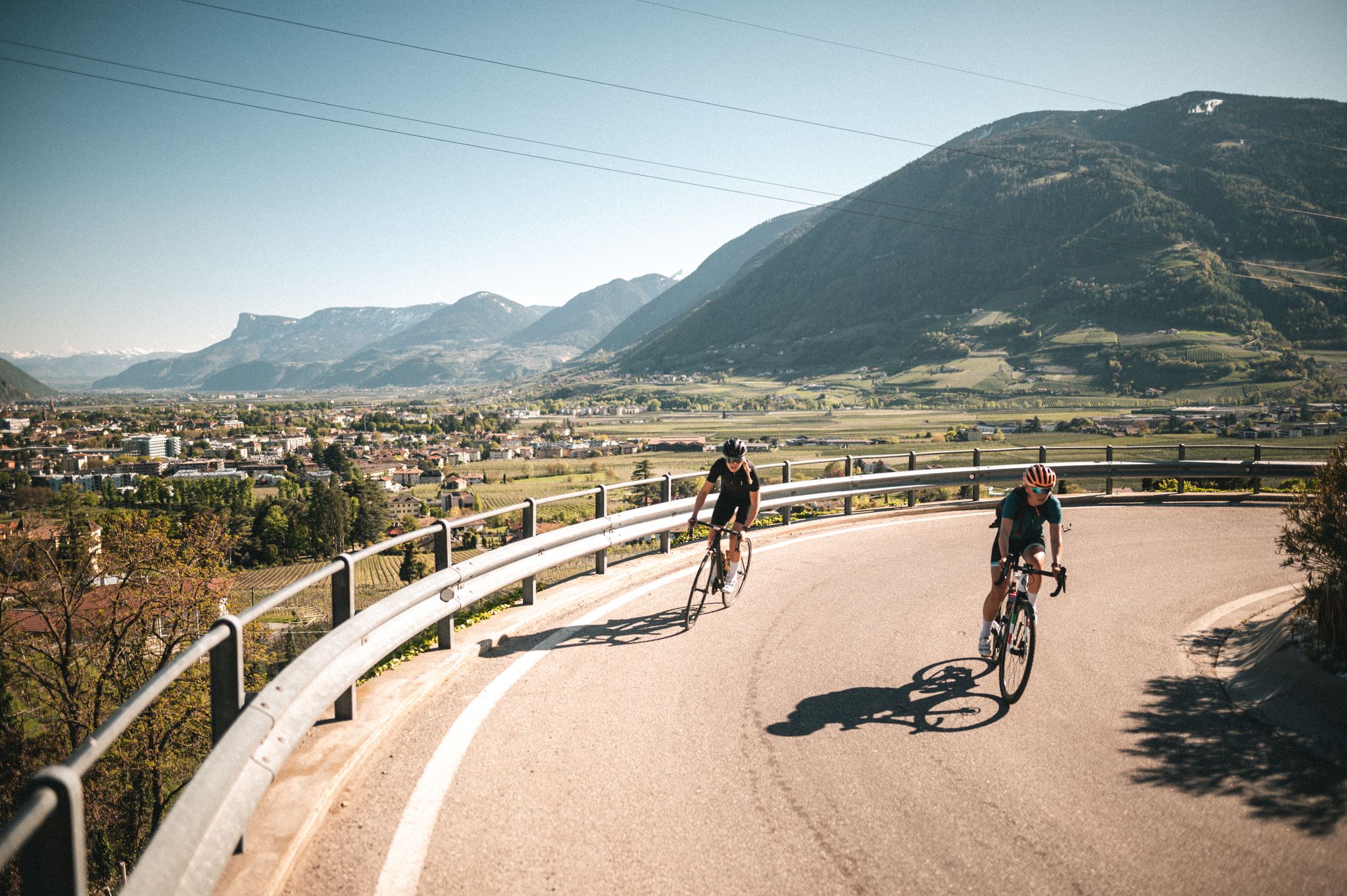
So much variety, so much South Tyrol
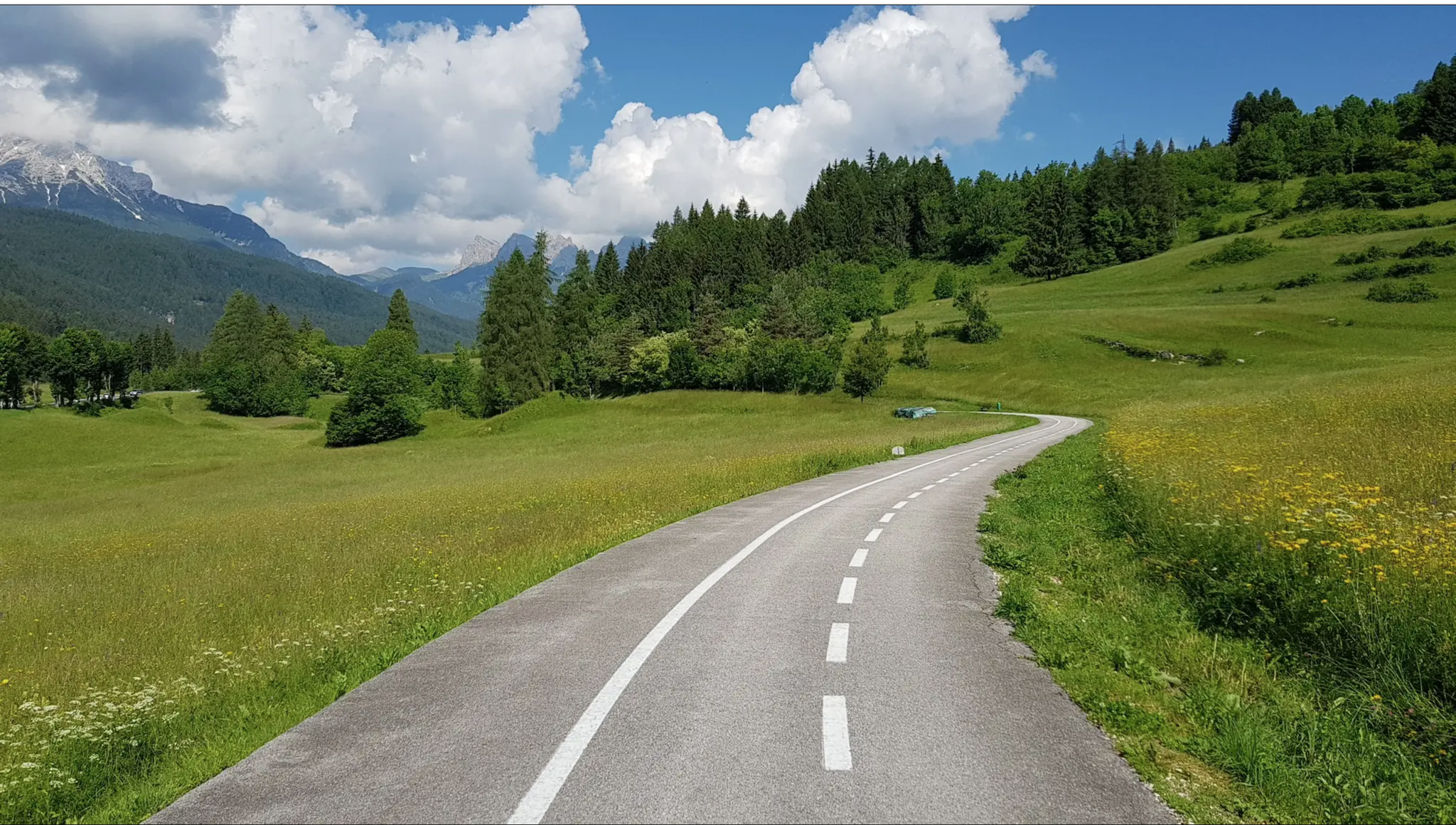
Unmissable Northern Dolomites – Bolzano to Calalzo di Cadore by bike
Between rivers, castles and mountains – Val Pusteria cycle path
Between Lake Garda and the Adriatic Sea – cycle Tours in Italy’s Veneto
Other adventures around Toblach - Dobbiaco


Tips from the Community

Useful equipment for equipped trails, to go up after the upper waterfall (Sbarco di Fanes - Cengia di Mattia)
0
0

Fairly easy via ferratas, but in truly beautiful surroundings. The path behind the waterfall is particularly impressive.
4
0

Beautiful waterfalls; you can take a break at the base to admire the power of the water, or even walk around behind the first (highest) waterfall. For those wishing to try the equipped passage behind the waterfall, be careful: it's slippery! Gloves for grip on the support cable and suitable footwear are essential. To ascend the waterfall on the other side, there's a short via ferrata section; special equipment is required.
0
0

One of my top highlights as a waterfall fan. That's why I've already run this Dolomites circuit three times (2004, 2014 and 2016). A tour and two magnificent waterfalls that you can also go behind 😍 This upper waterfall "Cascate Sbarco de Fanes" is a beauty when you stand at the bottom of the pool and look up. Anyone who already knows this waterfall knows it and can see that you can go behind the waterfall in the upper area. This is actually easily possible for those with a head for heights and the path is also secured with a rope. This is also the start of a short via ferrata Additional tip: If you came via the forest path, you should definitely take the way back along the stream. These two great third-party videos will help you assess the entire tour and whether you should go with/without a via ferrata set (many thanks to the producers for sharing) https://www.youtube.com/watch?v=DlmLRoWeocc https://www.youtube.com/watch?v=yhPayB9d6Uw
3
1

In my opinion, the path to the metal stairs is only for people who are NOT AFRAID OF HEIGHTS.
2
0

Behind us we can glimpse the path that enters the heart of the valley.
0
0
The first part of Val Travenanzes is like a "Lord of the Rings". Wild and majestic nature. Try to find me in the photo..
0
0

Super impressive how deep it goes into the gorge. You have the opportunity to look in both directions.
3
1
Frequently Asked Questions
What are the most notable waterfalls around Toblach - Dobbiaco?
The region features several impressive waterfalls, often integrated into hiking and via ferrata routes. Notable ones include the challenging Fanes Waterfalls Via Ferrata, which allows passage behind two waterfalls, and the Viewpoint over the rio and Fanes waterfalls, offering panoramic views of the Fanes Dolomites and its water features. Another unique experience is the Fanes Waterfall Inner Passage, where you can walk directly behind a waterfall.
Are there hiking trails to waterfalls in the Toblach - Dobbiaco region?
Yes, many waterfalls in the region are accessible via hiking trails. The Fanes Waterfalls Trail is a popular route that closely follows the Rio Fanes, passing through several waterfalls. The Travenanzes Valley also offers a wild and original trail with numerous waterfalls and streams.
What is the difficulty of hiking trails to waterfalls around Toblach - Dobbiaco?
The difficulty varies. Some trails, like the Fanes Waterfalls Via Ferrata, are considered challenging and may require via ferrata equipment. However, there are also easier walks, such as the circular trail around Lago di Dobbiaco, which features a small waterfall and is suitable for all fitness levels.
What natural features can I expect to see near the waterfalls?
Beyond the waterfalls themselves, you'll encounter stunning Dolomite landscapes, deep gorges, and lush forests. The region is characterized by glacial lakes with emerald-blue waters, such as Lago di Dobbiaco, and offers spectacular photographic opportunities amidst the mountainous terrain.
What is the best time of year to visit the waterfalls in Toblach - Dobbiaco?
The best time to visit is typically during the warmer months, from late spring to early autumn (May to October), when the snow has melted, and the water flow is strong. This also ensures trails are clear and accessible. Some waterfalls might be accessible in winter, but conditions can be challenging due to snow and ice.
Are the waterfall trails around Toblach - Dobbiaco suitable for families with children?
While some waterfall routes involve challenging via ferratas, there are family-friendly options. The circular hiking trail around Lago di Dobbiaco is an easy walk, approximately 2.5 to 2.94 kilometers long, and is suitable for families. It includes informative stations about local flora and fauna, making it an engaging experience for children.
Are dogs allowed on waterfall trails in the Toblach - Dobbiaco region?
Generally, dogs are allowed on hiking trails in the South Tyrol region, but it's always advisable to keep them on a leash, especially in nature protection areas or near wildlife. Specific rules might apply to certain protected areas or via ferrata sections, so check local signage.
How can I reach the waterfalls around Toblach - Dobbiaco by public transport or car?
Many areas, like Lago di Dobbiaco, are easily reachable by car and offer parking facilities. Public transport options, such as buses, connect Toblach - Dobbiaco to various trailheads and natural attractions. It's recommended to check local bus schedules for specific routes to your desired waterfall destination.
Are there amenities like cafes or restaurants near the waterfalls?
Yes, especially near popular spots like Lago di Dobbiaco, you can find cafes and restaurants. The town of Toblach - Dobbiaco itself offers a range of accommodation and dining options. For more remote waterfall trails, it's best to carry your own provisions.
What outdoor activities can I do near these waterfalls?
Beyond waterfall viewing and hiking, the region offers a variety of outdoor activities. You can explore hiking trails of varying difficulties, including easy walks like the Boardwalk Around Lake Dobbiaco. For more challenging adventures, there are mountain hikes and road cycling routes throughout the stunning Dolomite landscape.
What should I wear when hiking to waterfalls in Toblach - Dobbiaco?
Given the varied terrain and potential for slippery conditions, especially near waterfalls, sturdy hiking boots with good grip are essential. Layered clothing is recommended to adapt to changing weather, and waterproof outerwear is advisable. For challenging routes like via ferratas, appropriate climbing gear is necessary.
Are there any less-known or hidden waterfalls to explore?
While specific named hidden waterfalls are not widely publicized, the broader Toblach - Dobbiaco region, particularly within the Val di Landro and other valleys, likely contains numerous smaller, unnamed cascades along its extensive network of hiking trails. Exploring less-trafficked paths can often lead to serene discoveries.
Most popular routes around Toblach - Dobbiaco
Most popular attractions around Toblach - Dobbiaco

Get inspired with the komoot mobile app


Explore more
Happy to travel a little further afield? Then browse these guides for the best waterfalls around Toblach - Dobbiaco:
