Top 5 Castles around Auronzo Di Cadore
Best castles around Auronzo Di Cadore are primarily historical fortifications nestled within the Dolomites. This region, known for its strategic past, features sites that offer insights into defensive architecture, particularly from World War I. The area provides impressive views and combines historical exploration with the natural landscape of the Cadore Dolomites. Visitors can explore these sites to understand the region's military history and enjoy the surrounding mountain scenery.
Best castles around Auronzo Di Cadore
- The most popular castles is Forte…
Last updated: May 20, 2026
Lake Dobbiaco
Highlight • Lake
Translated by Google •
Tip by

Mitterberg Fortress
Highlight • Historical Site
Translated by Google •
Tip by

Sign up now to discover places like this
Get recommendations on the best single tracks, peaks, & plenty of other exciting outdoor places.
Sign up for free
Forte Monte Ricco
Highlight • Cave
Showing Translation
Tip by

Landro Fortress
Highlight • Historical Site
Translated by Google •
Tip by

Forte di Vallandro (Austro-Hungarian World War I Fort)
Highlight • Historical Site
Translated by Google •
Tip by

Sign up for free to discover even more castles around Auronzo Di Cadore.
Sign up for free
Already have an account?
Start today with a free account
Your next adventure awaits.
Login or Signup
Popular around Auronzo Di Cadore
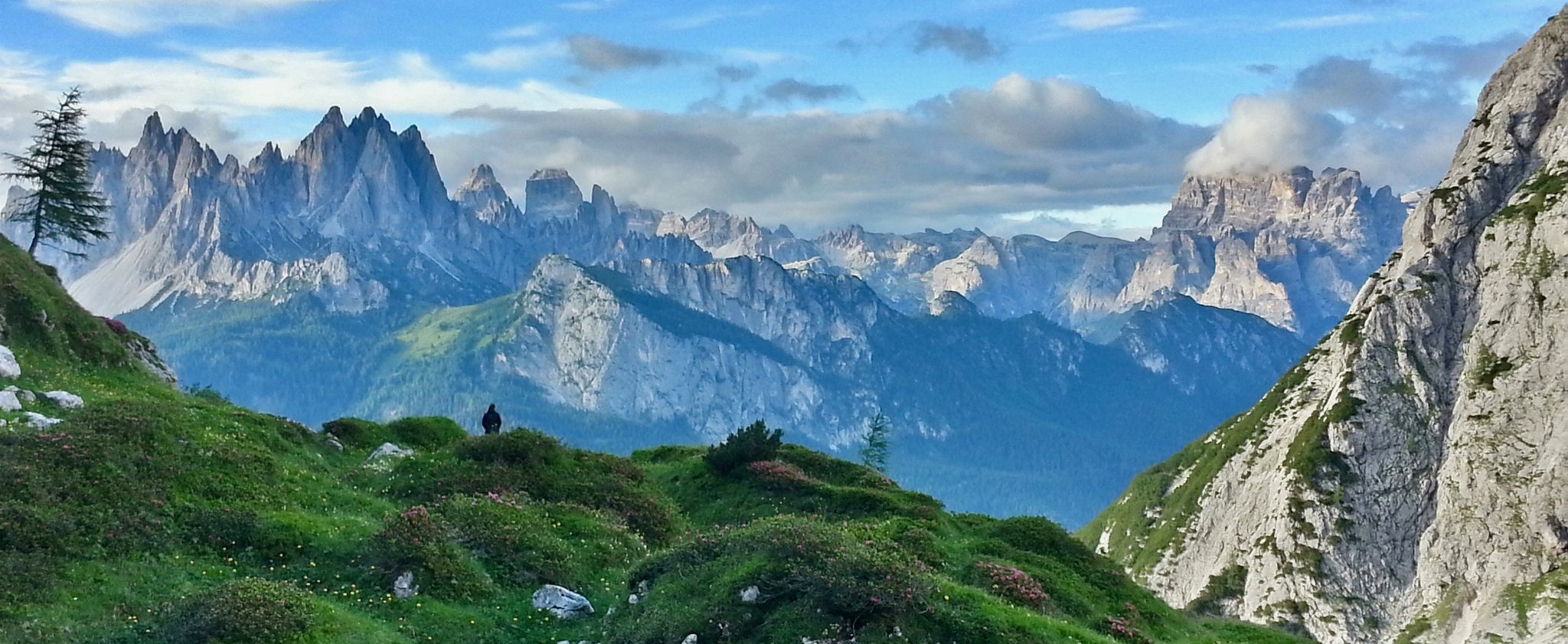
Alta Via No. 5 — Tizians High Route
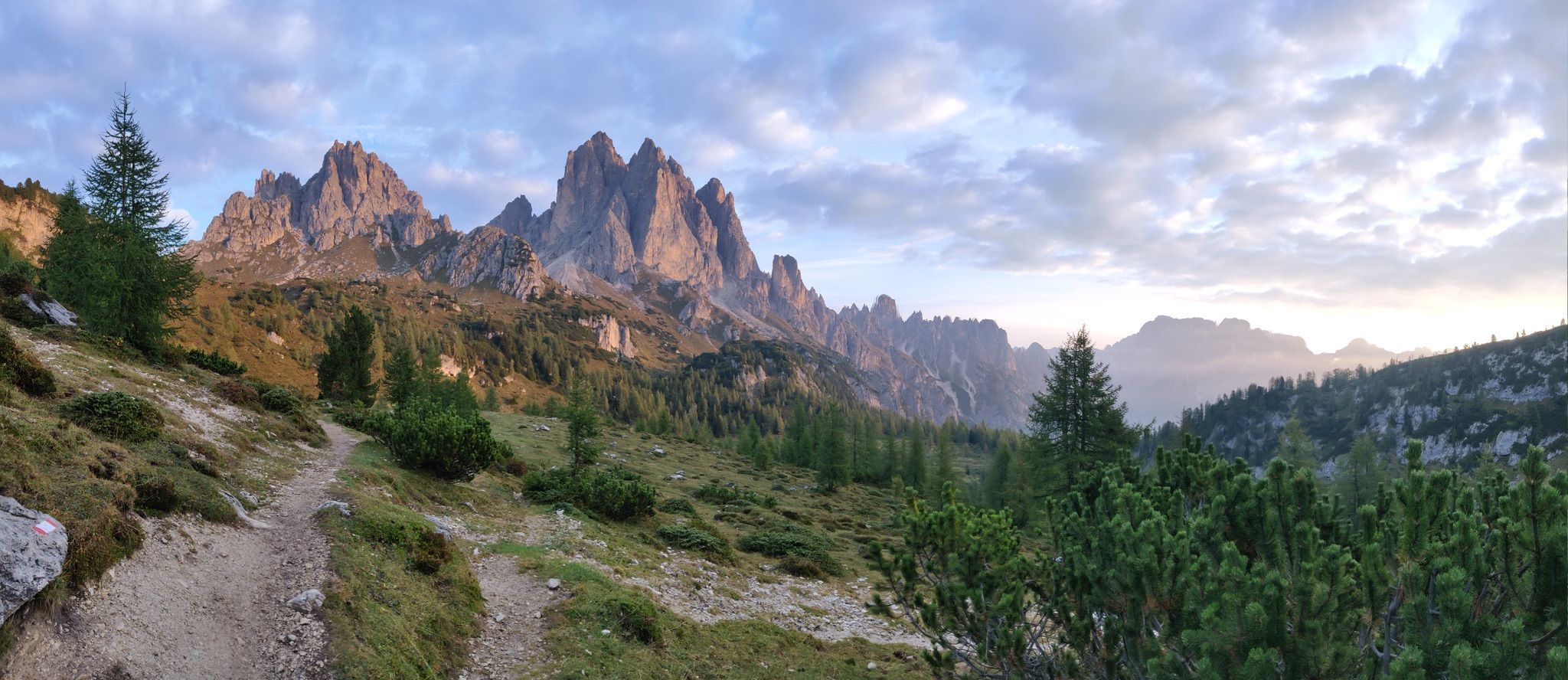
Hike majestic landscapes in the Italian Dolomites – Alta Via 4
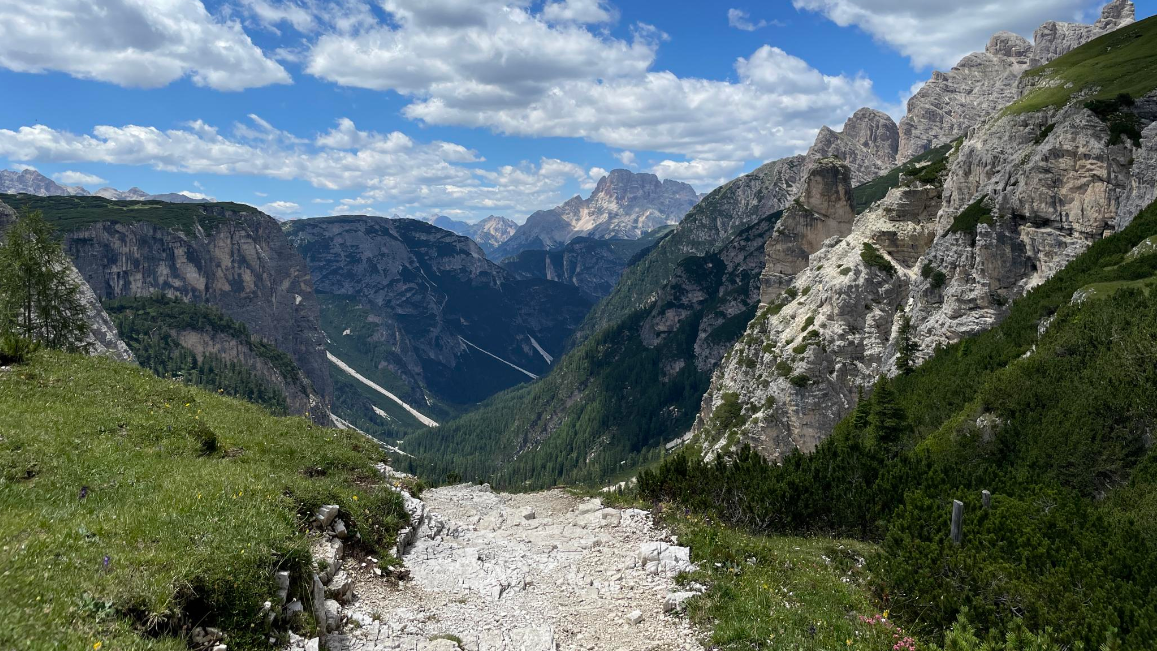
Trail running between the peaks of the Dolomites – Lavaredo Ultra Trail
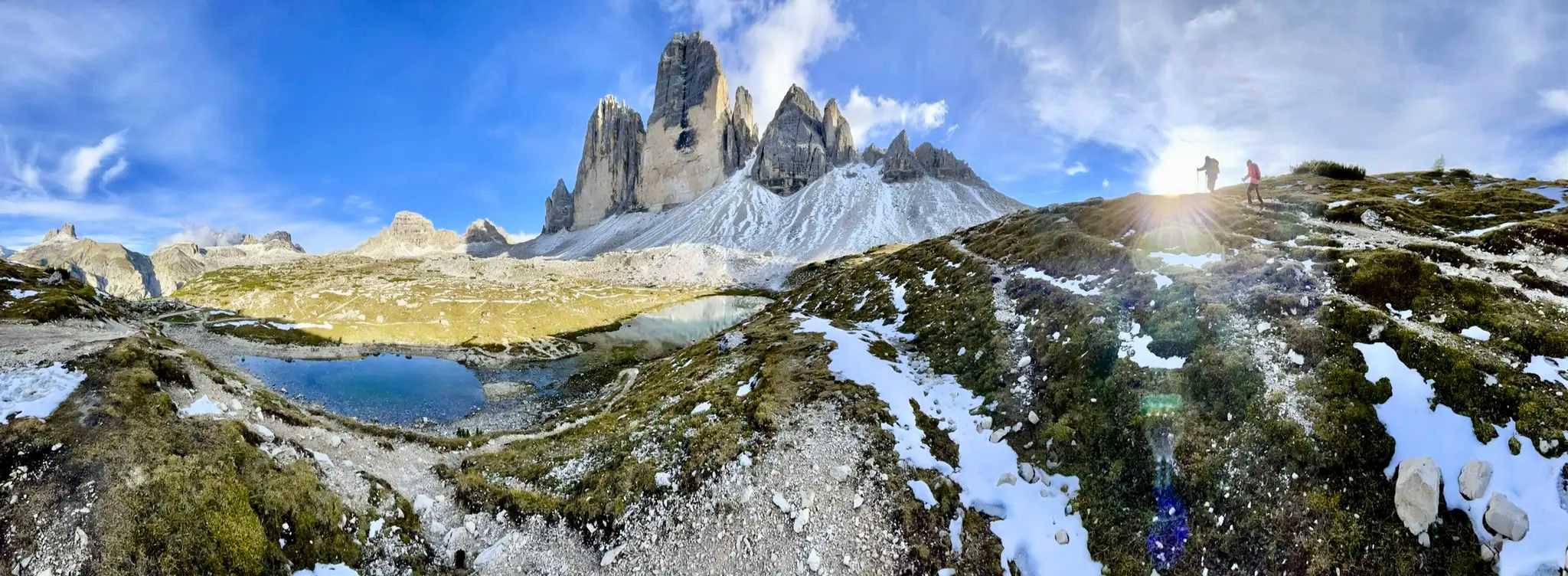
Dolomite trails – Tres Cimas de Lavaredo loop
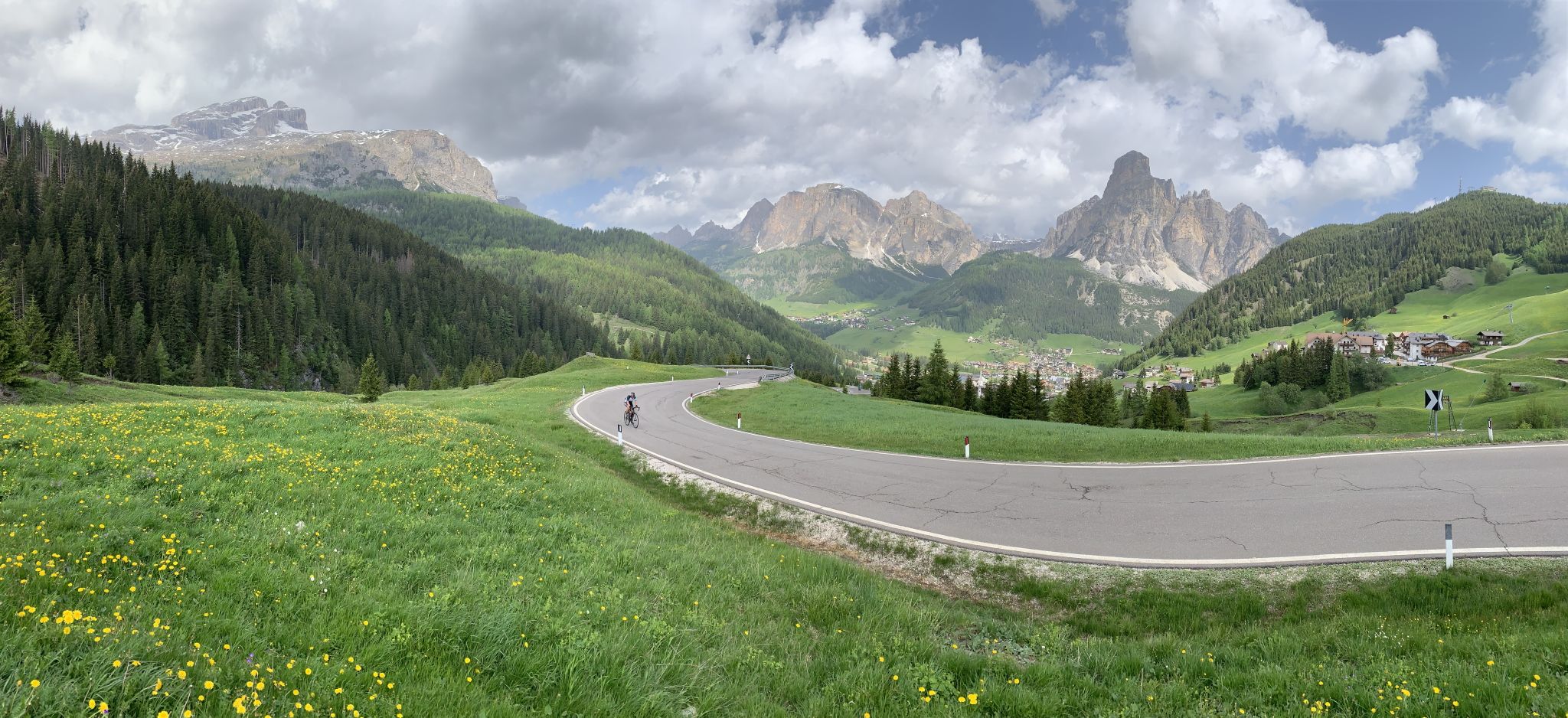
Up and down the Alps – Dolomites by road bike
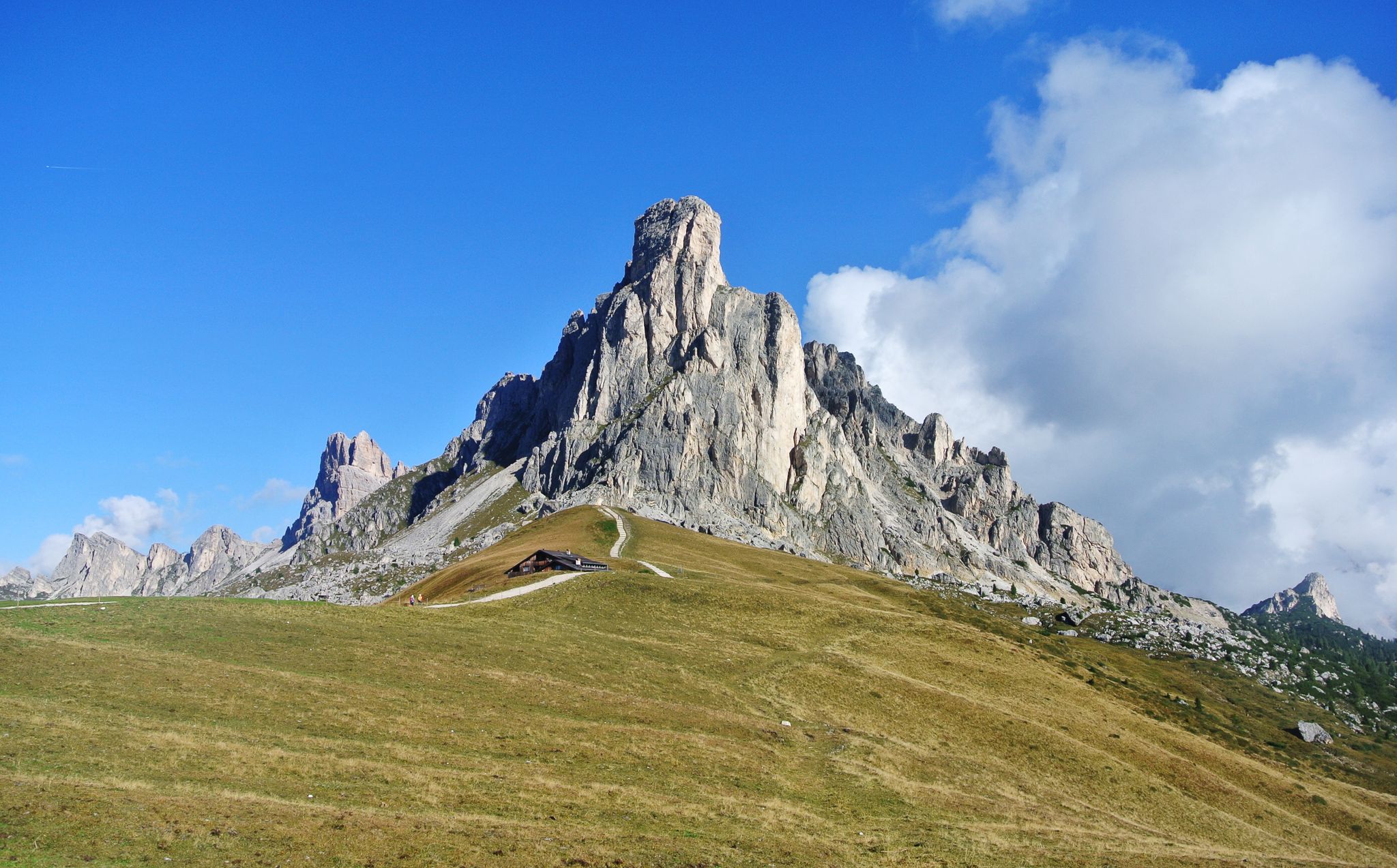
Refuge to refuge in the Dolomites – discovering Lavaredo
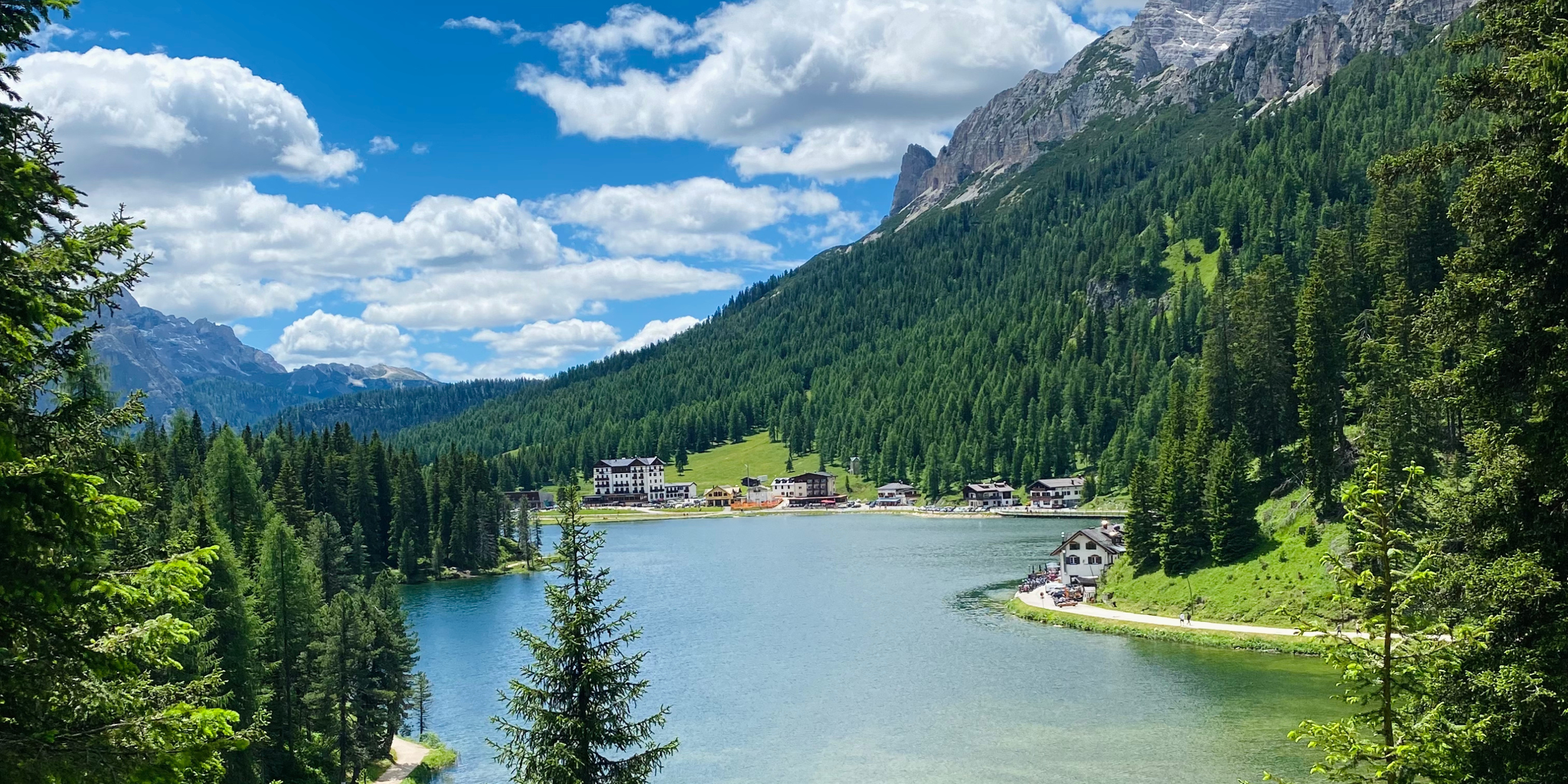
Cycling from sea to mountains – Venice to Cortina d'Ampezzo
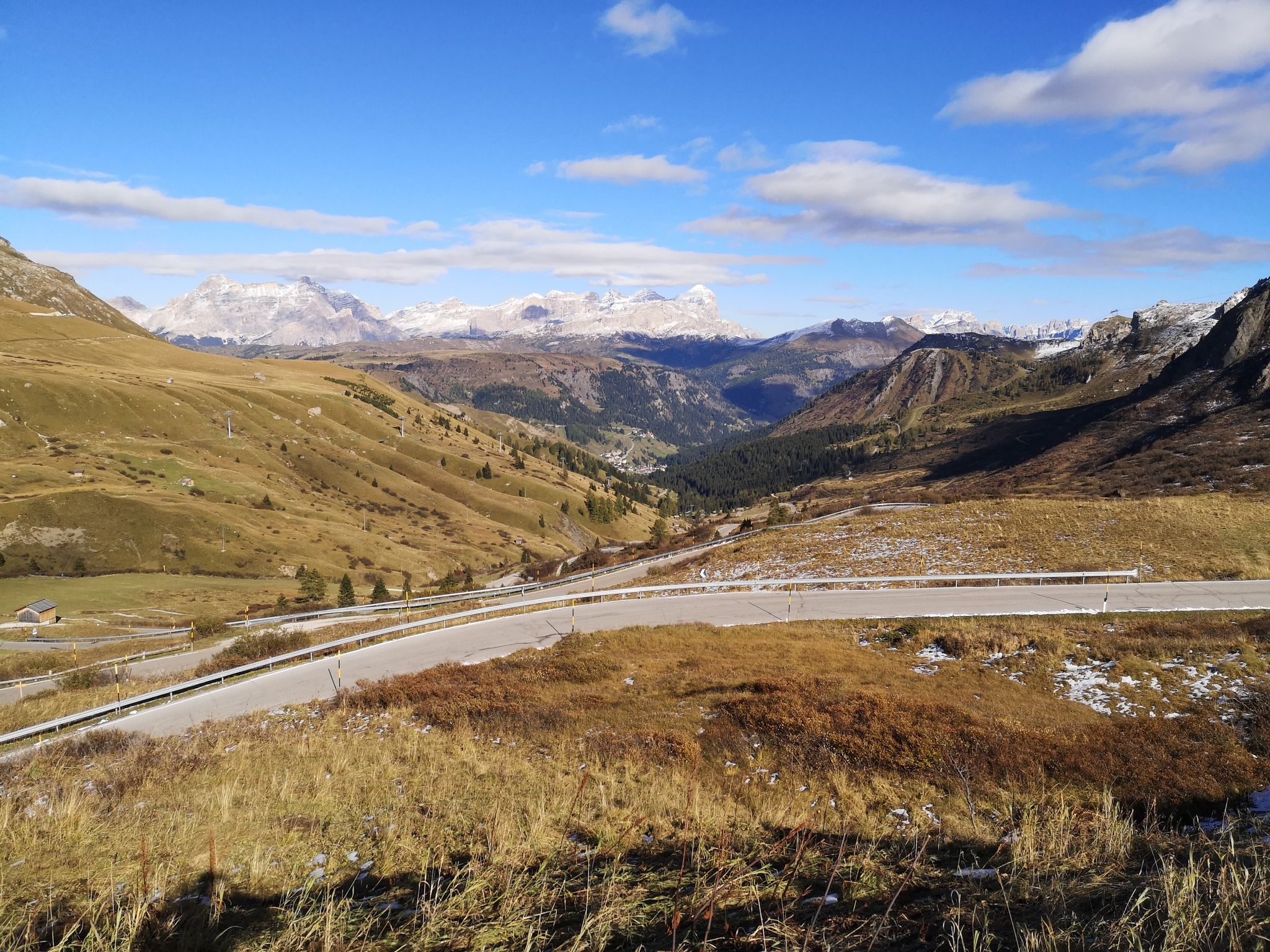
The great passes of the Giro d'Italia – 10 historic climbs
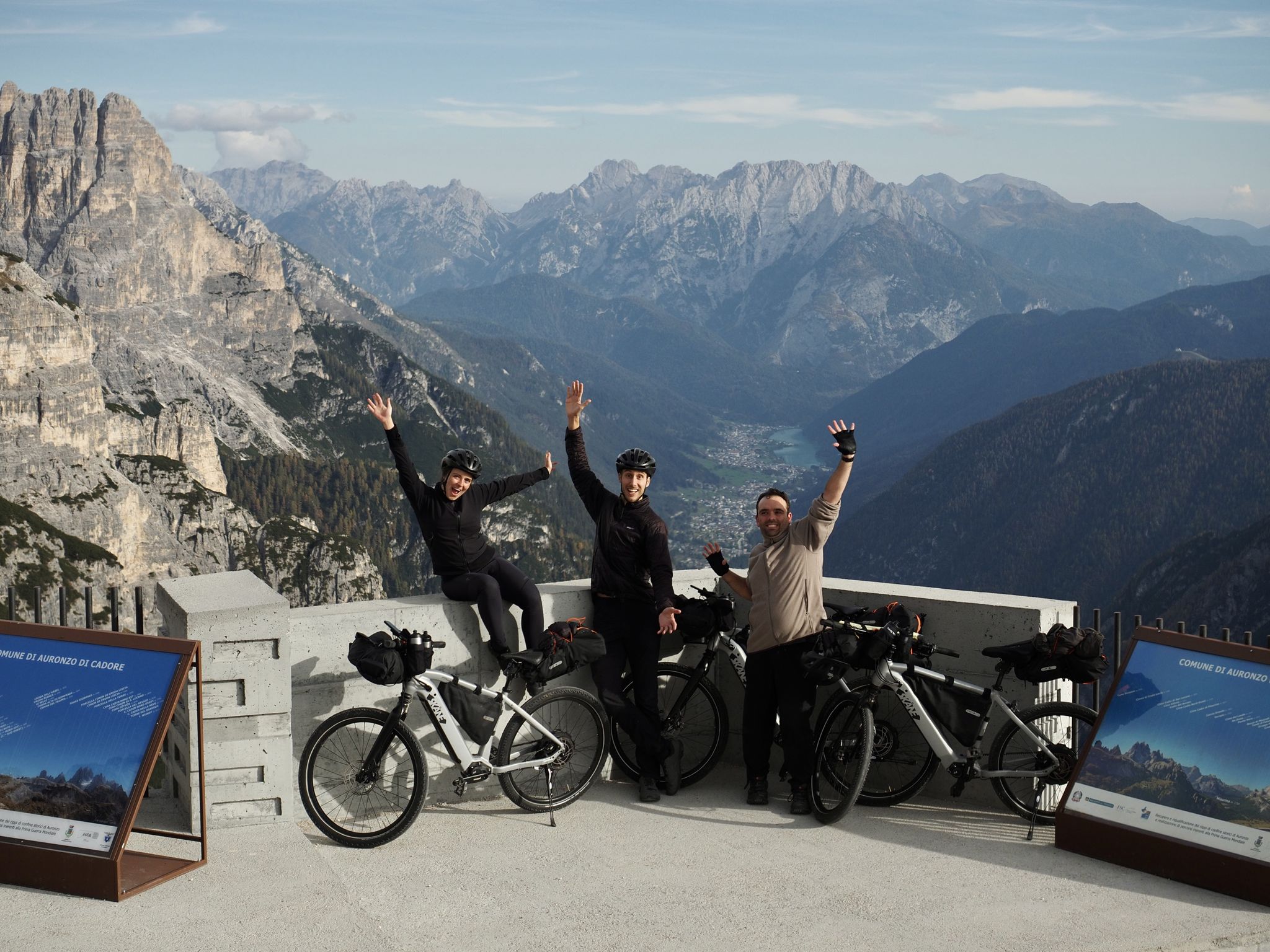
A family adventure – bikepacking through the Dolomites with Belén's brother

Epic trails – making memories in the Dolomites
Other adventures around Auronzo Di Cadore


Tips from the Community

Built in the last two decades of the 19th century, under the Kingdom of Italy, the Forte di Monte Ricco constituted the heart of the entrenched camp of Pieve di Cadore. It was conceived and built to interdict enemy approaches from the Tre Ponti narrows towards Pieve and Tai along the Piave valley and to act in close synergy with the nearby Batteria Castello, about 200 meters away, as well as with the various artillery positions on the overlying heights, on Monte Tranego, Monte Zucco, Col Vidà. Monte Ricco was probably the site of a prehistoric settlement, then of the castle of Cadore. Abandoned until 2007, it has undergone demanding restoration, consolidation, and enhancement works. Reopened to the public in 2017, it hosts exhibitions or classical music concerts. https://www.tizianovecellio.it/luoghi/il-forte-di-monte-ricco/
1
0

Fortifications from the First World War
0
0

It's a very nice place, good for a break
0
0

The Mitterberg Fortress, located on the hill of the same name near Sesto, dates back to 1884-89. Two years before construction began, the Triple Alliance between the Austro-Hungarian Empire and the Kingdom of Italy was signed. To strengthen this defensive alliance, numerous forts were built along the country's borders and passes, including the Mitterberg Fortress on the southern slope and the Haideck Fortress on the northern slope of Sesto. The goal of the 427,000-krona fortification was to seal off the Kreuzberg Saddle and, if necessary, block access to the Puster Valley. The forts were connected by telephone and visual telegraph.
0
0

The Mitterberg Fortress can be seen here.
0
0


We could only see the fortress from the outside. Interesting information about it. 👍
1
0
Here the madness of the Dolomite War becomes apparent. The fort served, among other things, to secure the road to the Puster Valley
0
0
Frequently Asked Questions
What kind of historical sites can I expect to find around Auronzo di Cadore?
The region around Auronzo di Cadore is rich in historical fortifications, primarily dating back to World War I, though some have much older origins. These sites, such as Forte di Vallandro and Monte Ricco Fort, offer insights into the area's strategic past and military architecture, often combined with impressive views of the Dolomites.
Are there any family-friendly historical sites to visit?
Yes, Forte di Vallandro is considered family-friendly. Its location within the Fanes-Senes-Braies Nature Park also makes it suitable for combining a historical visit with a pleasant walk in nature, which can be enjoyable for families.
What is the best way to reach these fortifications?
Many of the fortifications, like Monte Ricco Fort, are accessible via short and easy walks through scenic areas. Others, such as Forte di Vallandro, are popular destinations for hiking and cycling, allowing you to explore the sites within a stunning natural landscape.
Can I explore the interiors of these historical forts?
Access to the interiors can vary. For example, Monte Ricco Fort, after its restoration, frequently hosts exhibitions and concerts, but internal access might be limited or require prior reservation. It's advisable to check their official site or call ahead for current access information.
What kind of views can I expect from these historical sites?
The fortifications are often strategically placed to offer panoramic views. From Monte Ricco Fort, you can enjoy sweeping views of the entire Cadore valley and Monte Cristallo. Forte di Vallandro is situated in the beautiful Fanes-Senes-Braies Nature Park, offering breathtaking natural scenery.
Are there hiking or cycling opportunities near the forts?
Absolutely. Forte di Vallandro is a popular destination for both hiking and cycling. The area around Auronzo di Cadore offers numerous routes. You can find more details on hiking trails in the Hiking around Auronzo Di Cadore guide, or cycling routes in the Cycling around Auronzo Di Cadore guide.
Which fort offers a well-preserved glimpse into its original structure?
Mitterberg Fortress is notable for remaining largely undamaged during World War I, as it was not actively used in battle. This allows visitors a preserved glimpse into its original late 19th-century structure.
What is the historical significance of Landro Fortress?
Landro Fortress functioned as a crucial 'lock fort' during World War I, strategically positioned to secure vital passages. It was part of a new defensive concept characterized by compactness and the early use of armor parts.
What is the best season to visit these historical sites?
The Dolomites offer stunning scenery year-round. However, for comfortable exploration of the outdoor fortresses and surrounding trails, late spring, summer, and early autumn are generally ideal due to milder weather and full accessibility of paths. Winter visits are possible but may require appropriate gear for snow and ice, and some facilities might have reduced hours.
Are there any nearby natural attractions to combine with a fort visit?
Yes, many forts are located within or near beautiful natural settings. Forte di Vallandro is in the Fanes-Senes-Braies Nature Park, and the nearby Picco di Vallandro is a popular alpine hiking destination. Additionally, Lake Dobbiaco is a beautiful natural monument in the area, perfect for a relaxing stop.
What makes Forte di Vallandro unique among the fortifications?
Forte di Vallandro is a robust Austro-Hungarian World War I fort, characterized by its thick coverings (up to 3.80 meters) and three-floor structure. It was equipped with revolving steel domes, cannons, machine guns, cisterns, and dynamos, showcasing advanced military engineering for its time.
How much time should I allocate for visiting one of these forts?
The time needed can vary. For sites like Monte Ricco Fort, a visit might take 1-2 hours, especially if you enjoy the walk through the beech forest and the panoramic views. For Forte di Vallandro, if you combine it with hiking or cycling in the surrounding nature park, you could easily spend half a day or more.
Most popular routes around Auronzo Di Cadore
Most popular attractions around Auronzo Di Cadore

Get inspired with the komoot mobile app


Explore more
Looking for the best castles somewhere else? Discover other guides around Auronzo Di Cadore:
