Top 18 Castles around Natz-Schabs - Naz-Sciaves
Best castles around Natz-Schabs - Naz-Sciaves are situated in a region known for its historical significance and diverse landscapes. This area in South Tyrol serves as a central point for exploring various fortifications and cultural sites. The surrounding valleys and mountains provide a backdrop for these structures, which range from medieval castles to large military fortresses. These sites offer insights into the region's past and architectural heritage.
Best castles around Natz-Schabs - Naz-Sciaves
- The most popular castles is Novacella Abbey…
Last updated: July 7, 2026
Mühlbacher Klause Castle
Highlight • Castle
Translated by Google •
Tip by

Novacella Abbey (Neustift Monastery)
Highlight • Religious Site
Source: de.wikipedia.org/wiki/Kloster_Neustift
Translated by Google •
Tip by

Sign up now to discover places like this
Get recommendations on the best single tracks, peaks, & plenty of other exciting outdoor places.
Sign up for free
Mühlbacher Klause
Highlight • Castle
Translated by Google •
Tip by

Fortezza Fortress (Franzensfeste)
Highlight • Historical Site
Translated by Google •
Tip by

Rodenegg Castle
Highlight • Castle
Translated by Google •
Tip by

Sign up for free to discover even more castles around Natz-Schabs - Naz-Sciaves.
Sign up for free
Already have an account?
Start today with a free account
Your next adventure awaits.
Login or Signup
Popular around Natz-Schabs - Naz-Sciaves
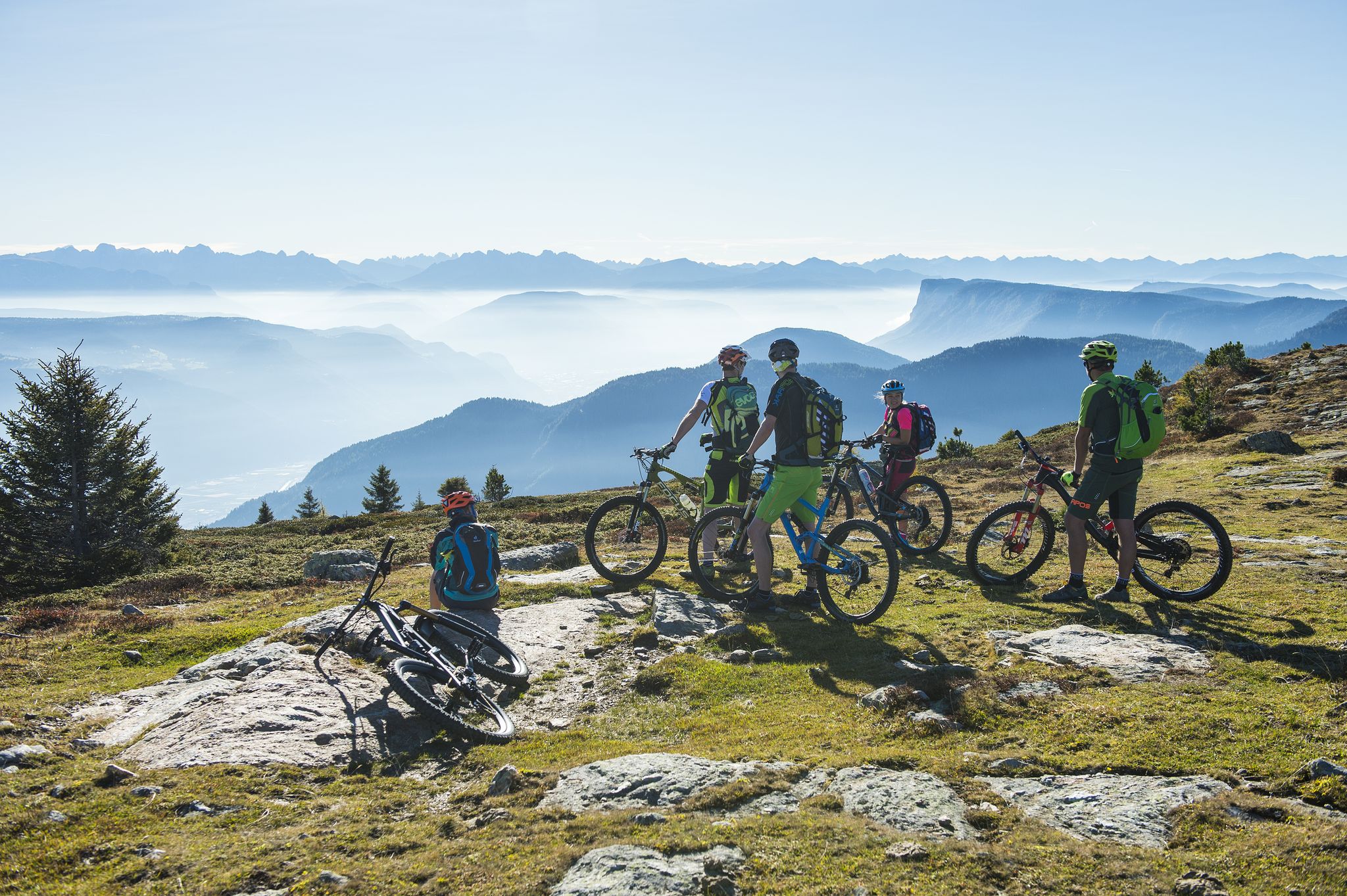
On the trails, get set, go! South Tyrol's BikeHotels are waiting for you
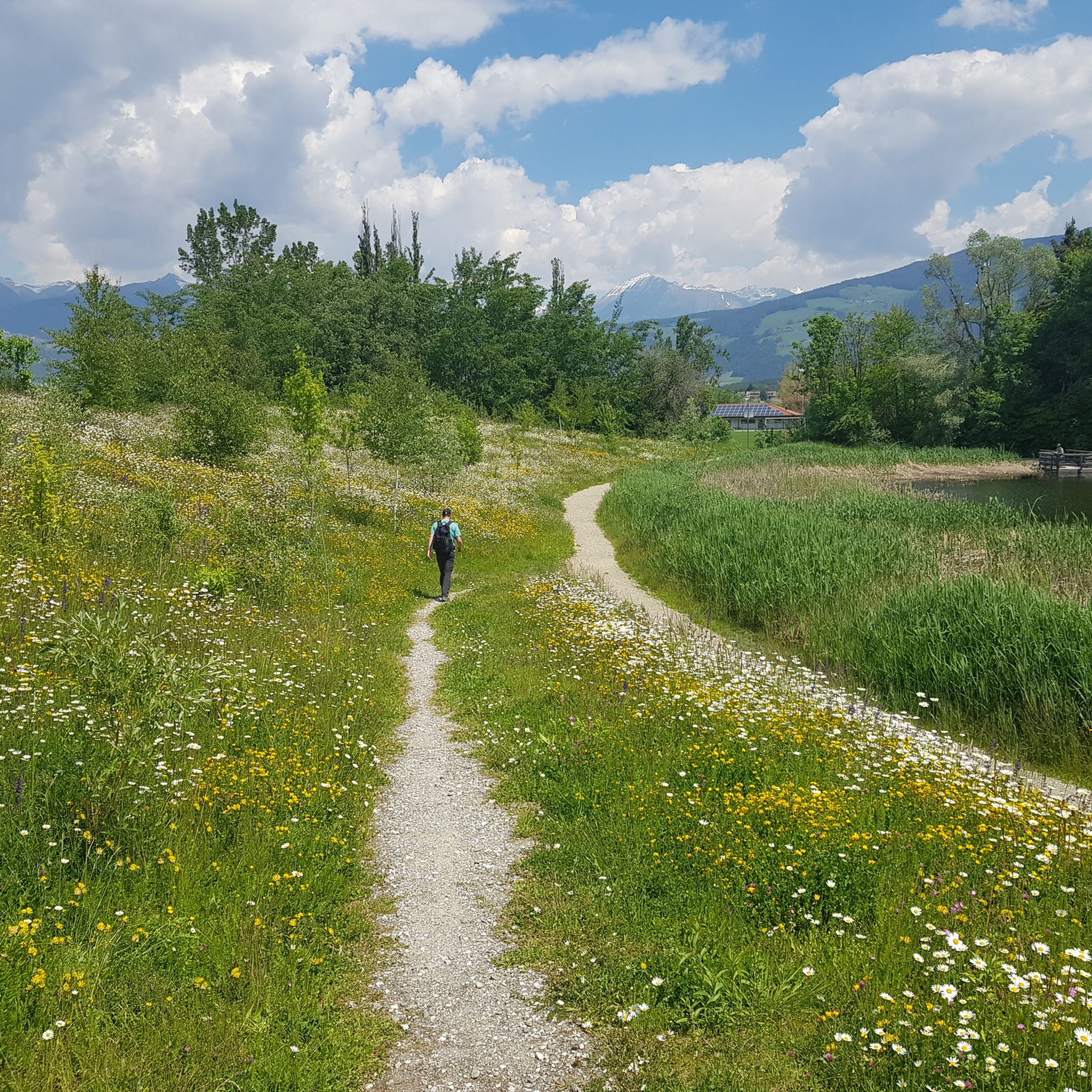
Hiking around Natz-Schabs - Naz-Sciaves
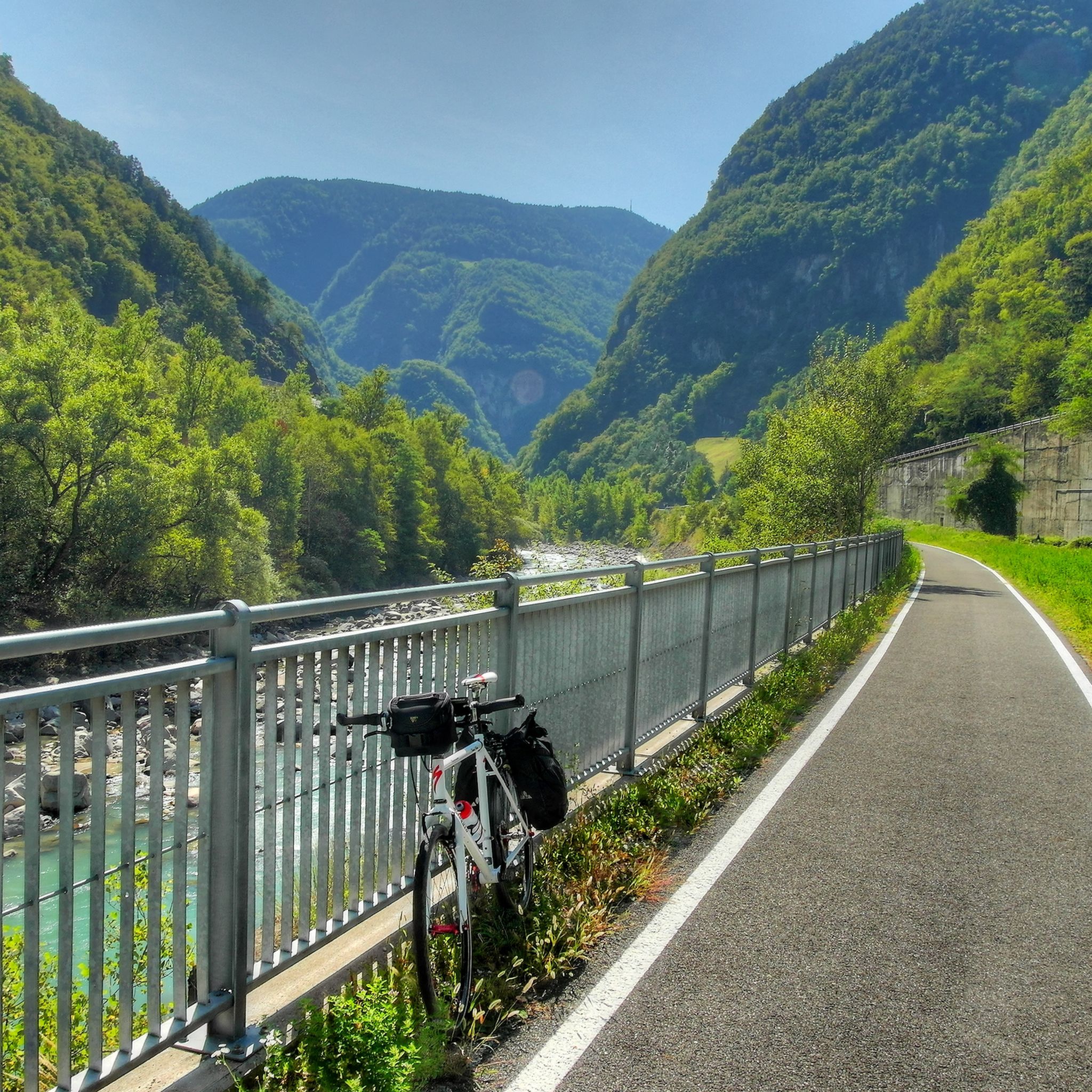
Cycling around Natz-Schabs - Naz-Sciaves
MTB Trails around Natz-Schabs - Naz-Sciaves
Road Cycling Routes around Natz-Schabs - Naz-Sciaves
Running Trails around Natz-Schabs - Naz-Sciaves

Mountain Hikes around Natz-Schabs - Naz-Sciaves
Gravel biking around Natz-Schabs - Naz-Sciaves
Other adventures around Natz-Schabs - Naz-Sciaves

Tips from the Community

Unfortunately closed: no viewing
4
0
Built between 1833 and 1838 under Emperor Franz I of Austria, it was one of the safest fortresses in the Alpine region of its time - built for the purpose of securing the axis between southern Germany and northern Italy in the Habsburg Empire. 65,000 square meters of area make the Franzenfeste the largest historical complex in South Tyrol. In addition to an estimated 20 million bricks and 250,000 cubic meters of granite, many tons of wood, sand and lime were used. The adaptation to the terrain, the fire fronts, bomb-proof gun positions, a labyrinth of tunnels and passageways, speak for the planning masterpiece. The fortress had already lost its strategic importance by the time it was completed. There was never any confrontation with the enemy; now and again companies were quartered there, but they were only waiting for a deployment in the south. Ultimately, the fortress served mainly as a weapons and ammunition depot for the Italian military until 2003.
5
0
Beautiful building at the Neustift Monastery. It is said to be modeled on the Castel Sant'Angelo in Rome. This building is said to have been started in the 13th century.
3
0

Until a few years ago, anyone who wanted to spend a holiday in the Pusteria Valley from Brenner or Salorno was forced to drive through the ruins of the Klusa of Rio Pusteria. Today, traffic no longer flows directly through this fortress.
4
0

The facility fits perfectly into the landscape. The route is very close to optimal. You have to drive it several times to take in all the impressions.
4
0

Magnificently decorated hall that can apparently also be rented. Fantastic view through the windows into the Rienz gorge
0
0
Interesting collection of old weapons and equipment
0
0
Frequently Asked Questions
What types of historical sites can I explore around Natz-Schabs - Naz-Sciaves?
The region offers a diverse range of historical sites, including medieval castles, imposing military fortresses, and significant abbey complexes. You can visit structures like the Rodenegg Castle, the vast Fortezza Fortress (Franzensfeste), and the culturally rich Novacella Abbey (Neustift Monastery).
Are there family-friendly castles or historical sites in the area?
Yes, several sites are suitable for families. Novacella Abbey offers historical gardens and a museum. Rodenegg Castle provides engaging guided tours, including special children's tours. The Fortezza Fortress, with its labyrinthine structure and tunnel museum, can also be an exciting experience for all ages. The Mühlbacher Klause Castle sometimes hosts knight's games for children.
What is unique about Rodenegg Castle?
Rodenegg Castle is renowned for its Iwein frescoes, which date back to the early 13th century and are considered the oldest secular wall paintings in the German-speaking world. These frescoes depict scenes from Hartmann von Aue's Arthurian novel 'Iwein,' offering a unique glimpse into medieval courtly life. The castle also features historic interiors and offers breathtaking views into the Rienz Gorge.
What can I expect to see at Franzensfeste Fortress?
The Fortezza Fortress (Franzensfeste) is an immense 19th-century military fortification. You can explore its 65,000 square meters of building space, including a labyrinth of rooms, corridors, courtyards, and a vast network of tunnels. It features a tunnel museum and hosts various rotating exhibitions, serving as a significant cultural hub today. Don't miss the steep underground staircase with 452 steps connecting its lower and upper parts.
Are there hiking trails near the castles?
Yes, the region offers several hiking opportunities that can include castle views or access. For instance, you can hike the Rienz Gorge Trail from Rodenegg Castle. You can find more details on hiking routes in the area, including the 'Rienzschlucht Gorge Walk to Rodenegg Castle,' on the Hiking around Natz-Schabs - Naz-Sciaves guide.
What is the best time of year to visit the castles around Natz-Schabs - Naz-Sciaves?
Most castles and historical sites, such as Rodenegg Castle and Mühlbacher Klause Castle, offer guided tours and are generally open from May to October. The summer months provide pleasant weather for exploring and often feature additional events. However, the region's beauty can be appreciated in spring with blooming orchards or in autumn with vibrant foliage.
Can I visit Novacella Abbey, and what are its main attractions?
Yes, Novacella Abbey (Neustift Monastery) is one of the largest and most important monastery complexes in the Alps. Its main attractions include a late-Baroque collegiate church, a Gothic cloister with frescoes, and an impressive Baroque library housing around 65,000 books. The abbey also boasts historical gardens and an active winery where you can enjoy vineyard tours and wine tastings.
What is the historical significance of Mühlbacher Klause Castle?
The Mühlbacher Klause Castle, located at the entrance to the Pustertal valley, was originally a crucial toll station and border control point. Its strategic position made it vital for controlling passage and served as a defensive barrier. The well-preserved structure, with its round towers and thick curtain walls, offers insights into its evolution from a medieval toll station to a military stronghold.
Are there cycling routes that pass by or near these historical sites?
Yes, the area around Natz-Schabs - Naz-Sciaves is well-suited for cycling. You can find routes like the 'Eisack River in Brixen (Bressanone) – View of Neustift Abbey loop from Natz-Schabs - Naz-Sciaves' which passes near Novacella Abbey. For more cycling options, refer to the Cycling around Natz-Schabs - Naz-Sciaves guide.
What do visitors enjoy most about the castles and historical sites in this region?
Visitors frequently praise the rich history and stunning architecture of the sites. The engaging guided tours at places like Rodenegg Castle are highly appreciated, especially for how vividly the stories are told. The scenic locations, such as the views from Rodenegg Castle into the Rienz Gorge or the setting of Novacella Abbey amidst vineyards, also receive high acclaim. The sheer scale and unique features of the Fortezza Fortress are also a highlight for many.
Can I find cafes or restaurants near the castles?
While specific cafes directly adjacent to every castle might vary, the region is known for its hospitality. Novacella Abbey, for example, has its own winery where you can taste local products. The towns and villages surrounding the castles, such as Brixen (Bressanone) or Mühlbach (Rio Pusteria), offer various dining options and charming cafes within a short drive.
Most popular routes around Natz-Schabs - Naz-Sciaves
Most popular attractions around Natz-Schabs - Naz-Sciaves

Get inspired with the komoot mobile app


Explore more
Looking for the best castles somewhere else? Discover other guides around Natz-Schabs - Naz-Sciaves:
