The best walks and hikes around Perarolo Di Cadore
4.4
(2578)
16,410
hikers
11
hikes
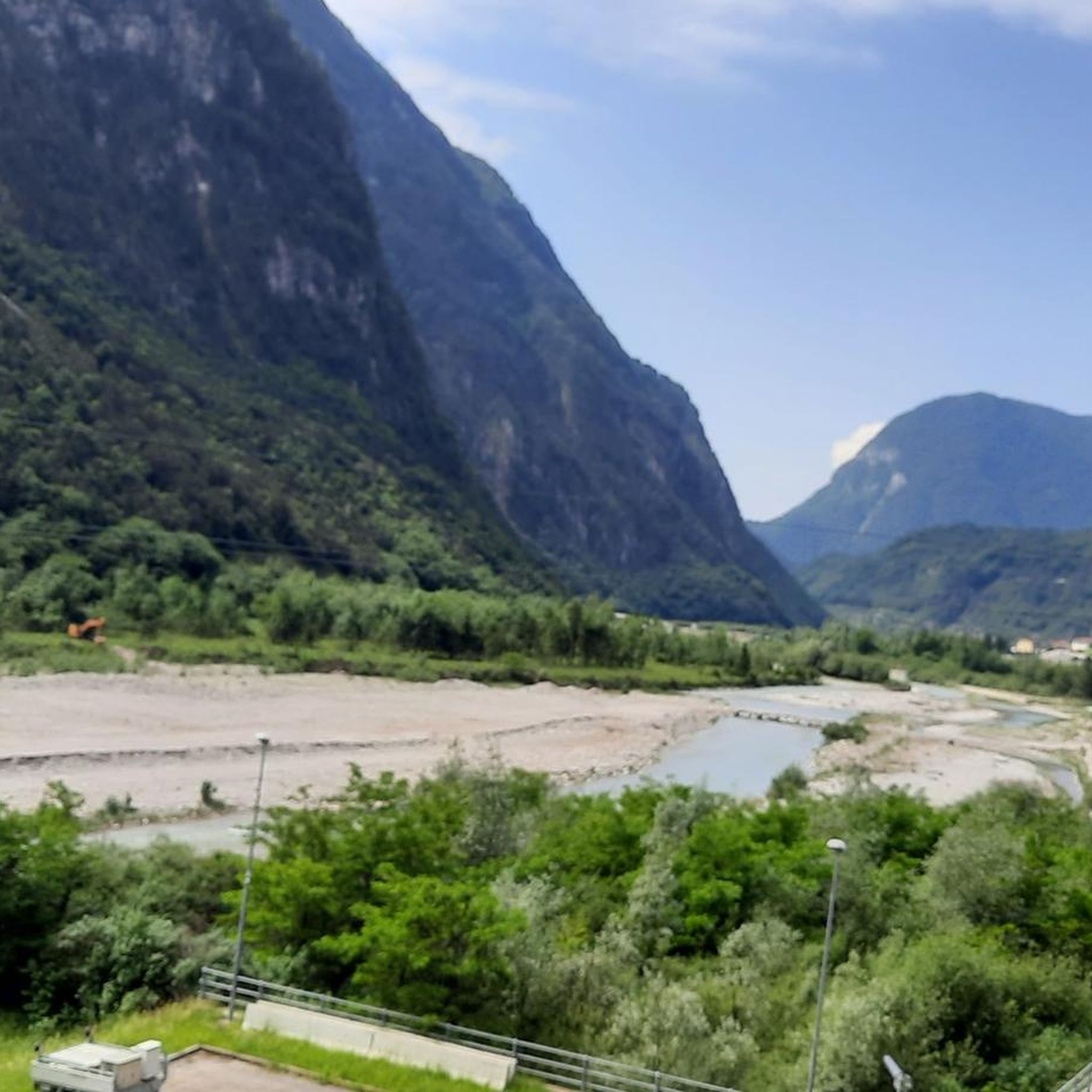
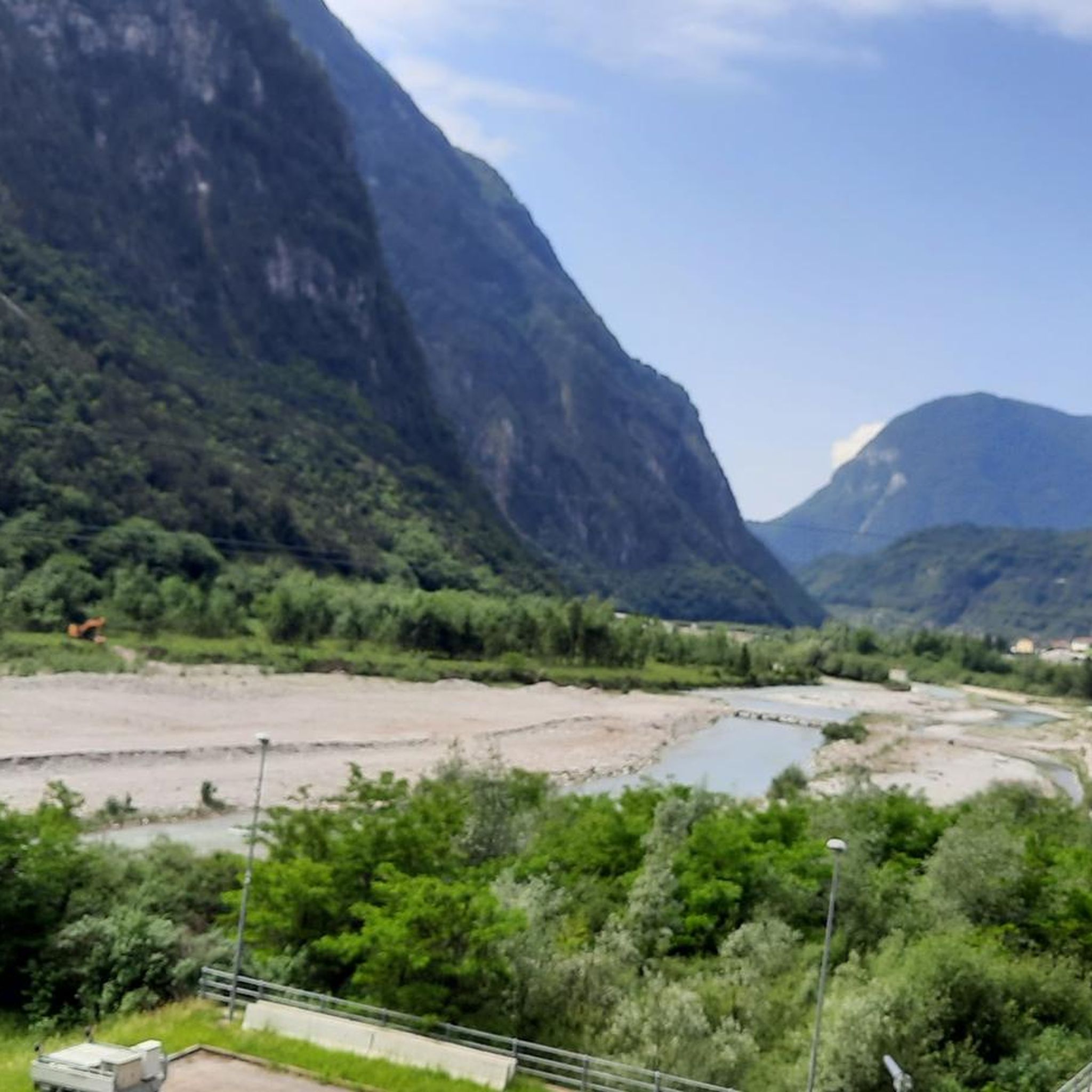
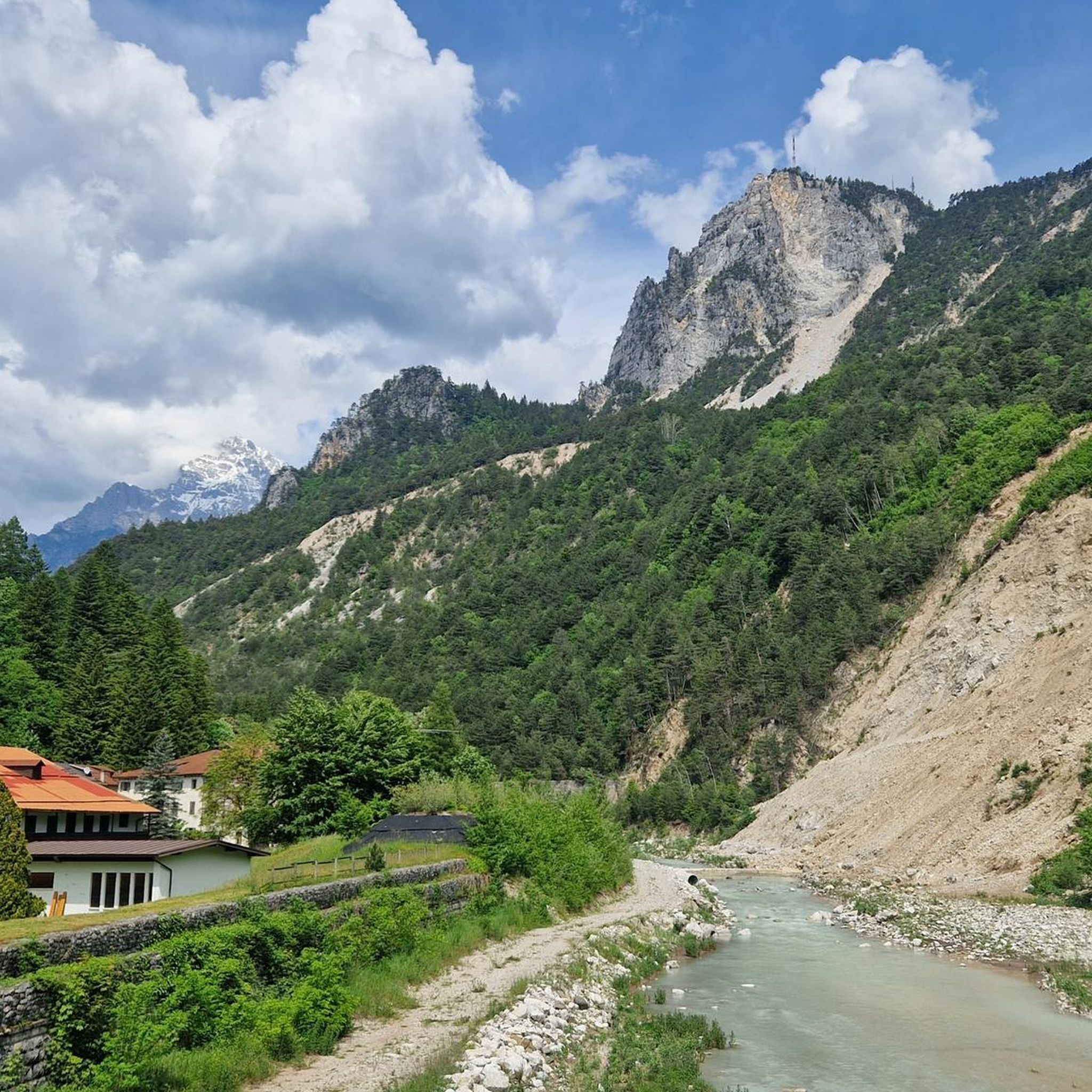
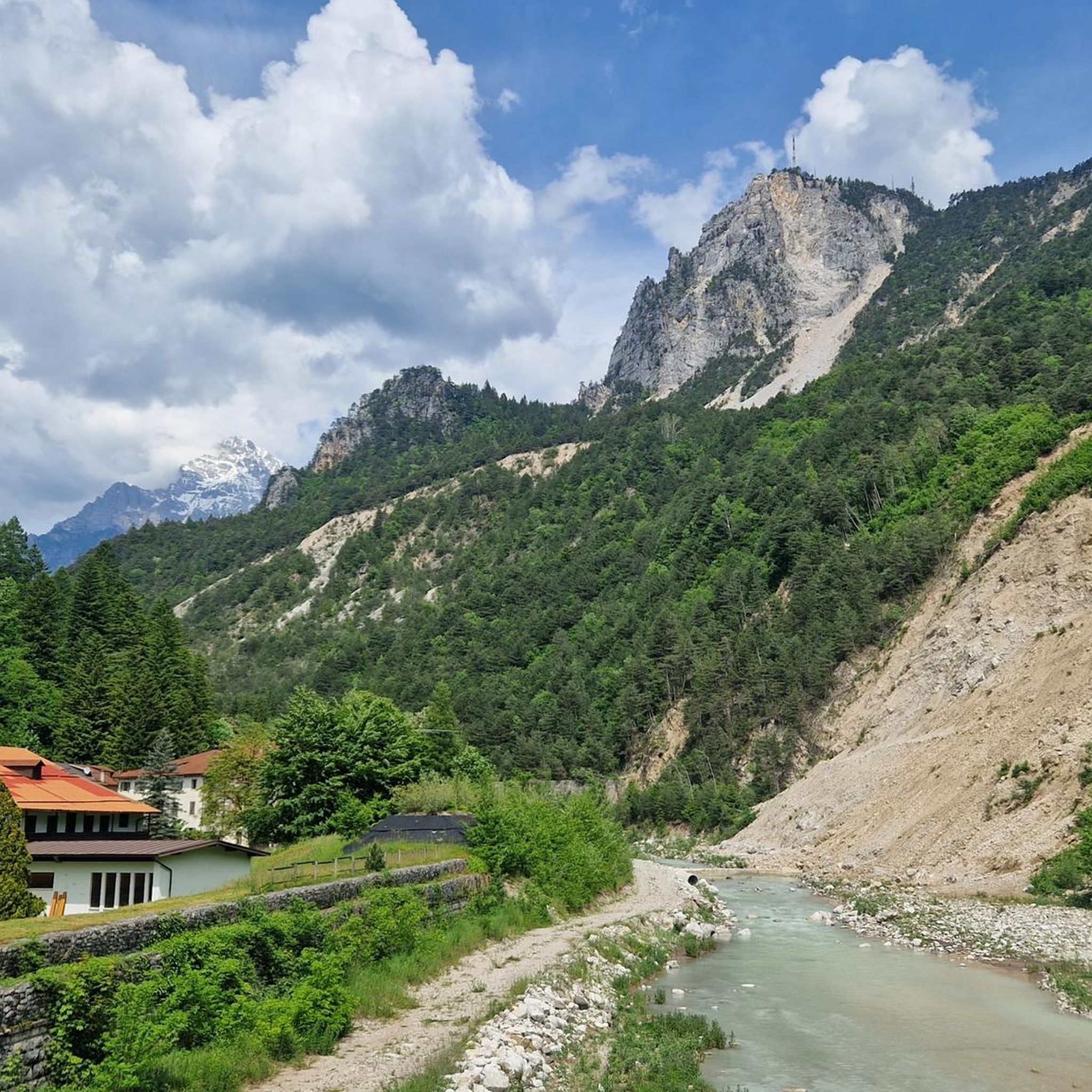
Hiking around Perarolo Di Cadore is characterized by its location at the confluence of the Boite and Piave rivers, set against the backdrop of the Dolomite Mountains. The region features dramatic geological formations, alpine scenery, and extensive spruce forests, particularly within the Val Montina wilderness area. Trails often follow crystal-clear streams and traverse varied terrain, from river valleys to mountain slopes.
Best hiking trails around Perarolo Di Cadore
- The most popular hiking route is Historic walk from Pieve di Cadore to Perarolo via Antica Strada Regia, a 13.0 miles (21.0 km) trail that takes 6 hours 30 minutes to complete, following ancient Roman roads and timber transport routes.
- Another top favourite among local hikers is Dolomites World Heritage Geotrail 30, a difficult 11.5 miles (18.5 km) path. This route highlights the geological features of the Dolomites, offering extensive alpine views.
- Local hikers also love the Osvaldo Zandonella Equipped Trail, a 4.7 miles (7.5 km) trail leading through challenging alpine terrain, often completed in about 4 hours 26 minutes.
- Hiking around Perarolo Di Cadore is defined by Dolomite peaks, river valleys, and dense forests, with options ranging from easy family-friendly strolls to challenging alpine routes. The network offers options for different ability levels.
- The routes in Perarolo Di Cadore are highly rated by the komoot community with an average score of 4.4 stars from over 2,300 reviews. More than 15,000 hikers have used komoot to explore Perarolo Di Cadore's varied terrain.
Last updated: July 9, 2026
3
hikers
21.0km
06:30
540m
540m
Historic walk from Titian's birthplace to Venice's former timber port via Roman roads.
4.4
(16)
56
hikers
4.69km
02:14
360m
360m
Moderate hike. Good fitness required. Mostly accessible paths. Sure-footedness required.

Sign up for free
3.7
(10)
57
hikers
8.20km
02:40
330m
330m
Moderate hike. Good fitness required. Easily-accessible paths. Suitable for all skill levels.
4.5
(4)
10
hikers
4.97km
01:47
230m
230m
Moderate hike. Great for any fitness level. Mostly accessible paths. Sure-footedness required.
3.5
(2)
15
hikers
15.5km
05:16
680m
680m
Hard hike. Very good fitness required. Mostly accessible paths. Sure-footedness required.
Get access to more routes and recommendations from other explorers.
Sign up for free
Already have an account?
Our route recommendations are based on thousands of hikes, rides, and runs completed by other people on komoot.
Start today with a free account
Your next adventure awaits.
Login or Signup


Tips from the Community

Here there are some paintings by Titian's students.
0
0
When we passed by, the statue was covered for restoration.
0
0

beautiful church
0
0

In the small village of Damòs, on the border between the municipalities of Valle and Pieve di Cadore, this little church is dedicated to Saints John the Baptist and Andrew. At an altitude of 750 meters, it stands in a panoramic position on the valley of the Boite torrent.
0
0

Inside the only work by Titian present in the city: THE MADONNA WITH CHILD AND SAINTS TITIAN AND ANDREW
1
0
The great painter was born in Pieve di C at the end of the 15th century; the only work by the artist in the city is preserved in the church of S. MARIA NASCENTE: the MADONNA WITH CHILD AND SAINTS TITIAN AND ANDREW
0
0

The church of Santa Maria Nascente is extremely worth seeing and the entire Piazza Tiziano invites you to linger and marvel
0
0
The Christian community of Pieve was most likely founded in the fourth century by missionaries from Aquileia[2]. The first evidence of an important Gothic church, from which the city takes its name, dates back to the eleventh century[3]; It is the matrix of all the other churches of Cadore, and here many residents, even from distant parts of the upper province of Belluno, often came to attend the most important religious events. The current archdeacon was built between 1761 and 1819 according to a project by the Tolmezzino architect Domenico Schiavi. The facade is more recent and was built between 1875 and 1876.
0
0
Frequently Asked Questions
How many hiking trails are available around Perarolo Di Cadore?
Perarolo Di Cadore offers a wide range of hiking opportunities with over 340 trails. These include 64 easy routes, 161 moderate trails, and 115 difficult paths, catering to various skill levels and preferences.
What kind of terrain can I expect on hikes in Perarolo Di Cadore?
The terrain around Perarolo Di Cadore is diverse, ranging from river valleys along the Boite and Piave rivers to the slopes of the Dolomite Mountains. You'll find trails winding through extensive spruce forests, particularly in the Val Montina wilderness area, and alongside crystal-clear streams. Expect a mix of gentle paths and challenging alpine routes with significant elevation changes.
Are there any family-friendly hiking options in Perarolo Di Cadore?
Yes, Perarolo Di Cadore offers several easy paths suitable for families. While specific family-friendly routes are not detailed here, the region's diverse network includes options with minimal elevation gain, perfect for a leisurely stroll with children. The Val Montina area, with its lush forests and streams, provides a refreshing natural experience for all ages.
Can I hike with my dog in Perarolo Di Cadore?
Generally, dogs are welcome on many hiking trails in the Dolomites region. However, it's always advisable to keep your dog on a leash, especially in protected areas or near livestock, and to check local regulations for specific trails or nature reserves. The varied terrain, from forest paths to riverside walks, offers plenty of options for you and your canine companion.
Are there any circular hiking routes in the area?
Yes, there are circular hiking routes available. For example, the Casera Valbona – Bivacco Campestrin loop from Ospitale di Cadore is a challenging 12.9 km (8.0 miles) loop. Another option is the Hiking loop from Località Produttiva Ansogne, a moderate 4.4 km (2.7 miles) route.
What natural landmarks or attractions can I see while hiking?
The region is rich in natural beauty. You can encounter dramatic geological formations characteristic of the Dolomites. Notable natural attractions nearby include the Vajont Gorge and Waterfall, the serene Tose Lake, and the iconic Campanile of Val Montanaia. The Val Montina itself is recognized as a wilderness area with unspoiled nature.
Are there any historical trails or points of interest?
Yes, Perarolo Di Cadore has a rich history reflected in its trails. You can explore paths like the Historic walk from Pieve di Cadore to Perarolo via Antica Strada Regia, which follows ancient Roman roads and timber transport routes. The broader 'Traversata del Cadore' is another long-distance trail connecting valleys via ancient paths. You might also find remnants of the past, such as an ancient lime kiln or World War I fortifications.
What is the best time of year to go hiking in Perarolo Di Cadore?
The best time for hiking in Perarolo Di Cadore is typically from late spring to early autumn (May to October), when the weather is mild, and trails are generally clear of snow. Summer offers lush greenery and warmer temperatures, while early autumn provides stunning fall foliage. Always check local weather conditions and trail status before heading out, especially for higher-altitude routes.
Are there mountain huts or refuges along the trails?
Yes, the region includes mountain huts (rifugi) that can serve as rest stops or starting points for higher-altitude routes. For instance, Rifugio Antelao, located at 1796 meters, offers breathtaking views and access to trails like the Alte Vie delle Dolomiti n. 4 and 5.
What do other hikers enjoy most about hiking in Perarolo Di Cadore?
The area is highly rated by the komoot community, with an average score of 4.4 stars from over 2,300 reviews. Hikers often praise the dramatic Dolomite scenery, the tranquility of the Val Montina wilderness, and the variety of trails that cater to different fitness levels. The blend of natural beauty with historical intrigue is also a frequently highlighted aspect.
Is public transport available to reach trailheads in Perarolo Di Cadore?
While Perarolo Di Cadore is accessible, public transport options to specific trailheads can be limited, especially for more remote routes. It's advisable to check local bus schedules or consider driving to access a wider range of starting points. For more detailed information on local transport, you might consult regional tourism resources like Visit Cadore Dolomiti.
Are there any challenging alpine routes for experienced hikers?
Absolutely. For experienced hikers seeking a challenge, the Osvaldo Zandonella Equipped Trail is a difficult 7.5 km (4.7 miles) route leading through demanding alpine terrain. The Dolomites World Heritage Geotrail 30 also offers extensive alpine views over its 18.5 km (11.5 miles) length, featuring significant elevation changes.
Most popular routes around Perarolo Di Cadore
Most popular attractions around Perarolo Di Cadore

Get inspired with the komoot mobile app


Explore more
Browse the best Hikes in other regions.
