Top 16 Mountain Passes around Ospitale Di Cadore
Best mountain passes around Ospitale Di Cadore provide access to the Dolomites, connecting various valleys and regions. This area features diverse terrain, from wooded depressions to rocky peaks, offering numerous routes for exploration. The passes serve as gateways to both natural landscapes and historical sites, with elevations ranging from over 1,200 meters to more than 2,000 meters. Ospitale Di Cadore is a central point for discovering these routes.
Best mountain passes around Ospitale Di Cadore
- The most popular mountain passes…
Last updated: May 13, 2026
Cibiana Pass
Highlight • Mountain Pass
Translated by Google •
Tip by

Antracisa Pass
Highlight • Mountain Pass
Translated by Google •
Tip by

Sign up now to discover places like this
Get recommendations on the best single tracks, peaks, & plenty of other exciting outdoor places.
Sign up for free
Forcella del Duranno
Highlight • Mountain Pass
Translated by Google •
Tip by

Deona Pass – Copada Alta
Highlight • Mountain Pass
I will add comments and photos as well.
Translated by Google •
Tip by

Valbona Pass
Highlight • Mountain Pass
Translated by Google •
Tip by
Sign up for free to discover even more mountain passes around Ospitale Di Cadore.
Sign up for free
Already have an account?
Start today with a free account
Your next adventure awaits.
Login or Signup

Tips from the Community


there is a small fountain to the right of the building
1
0

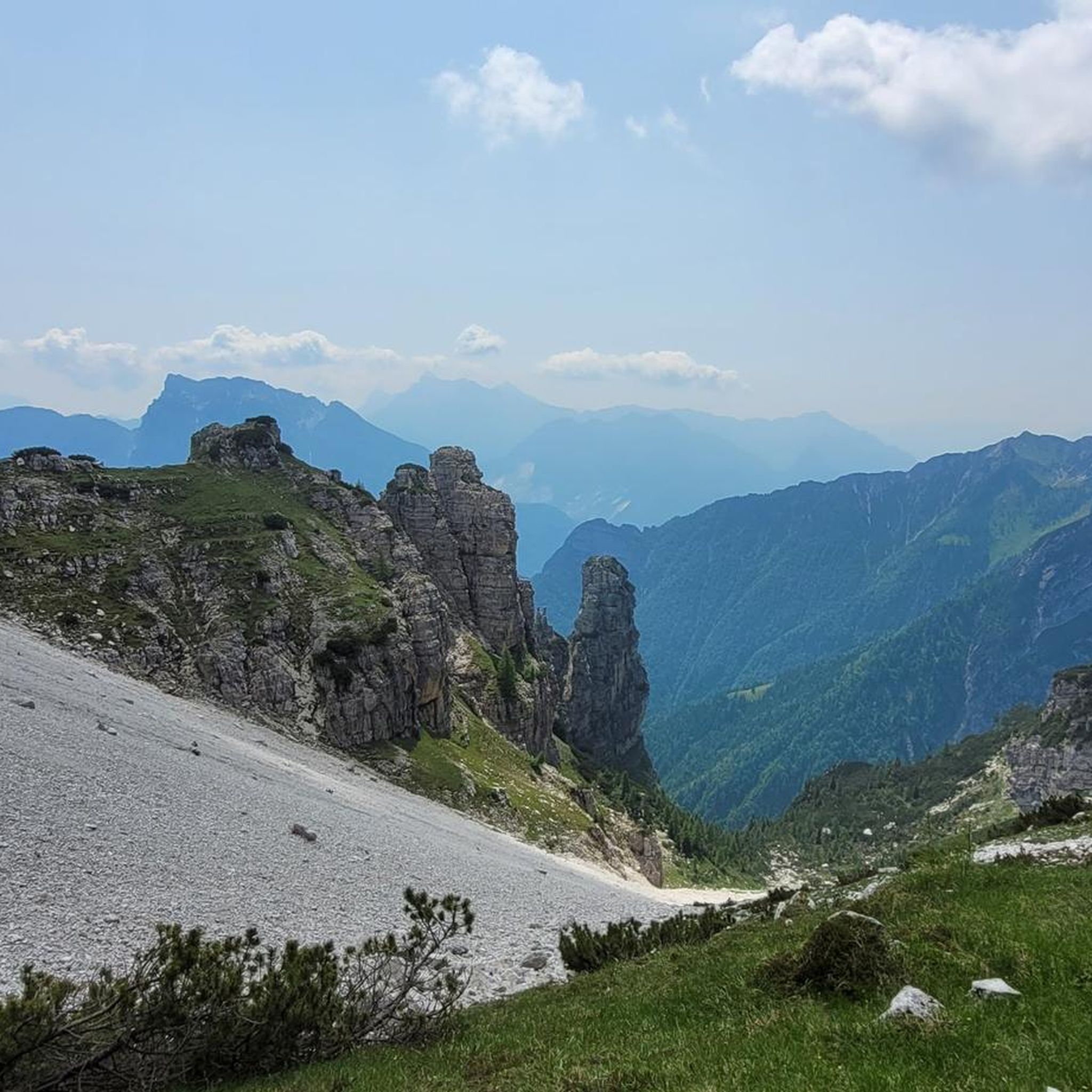
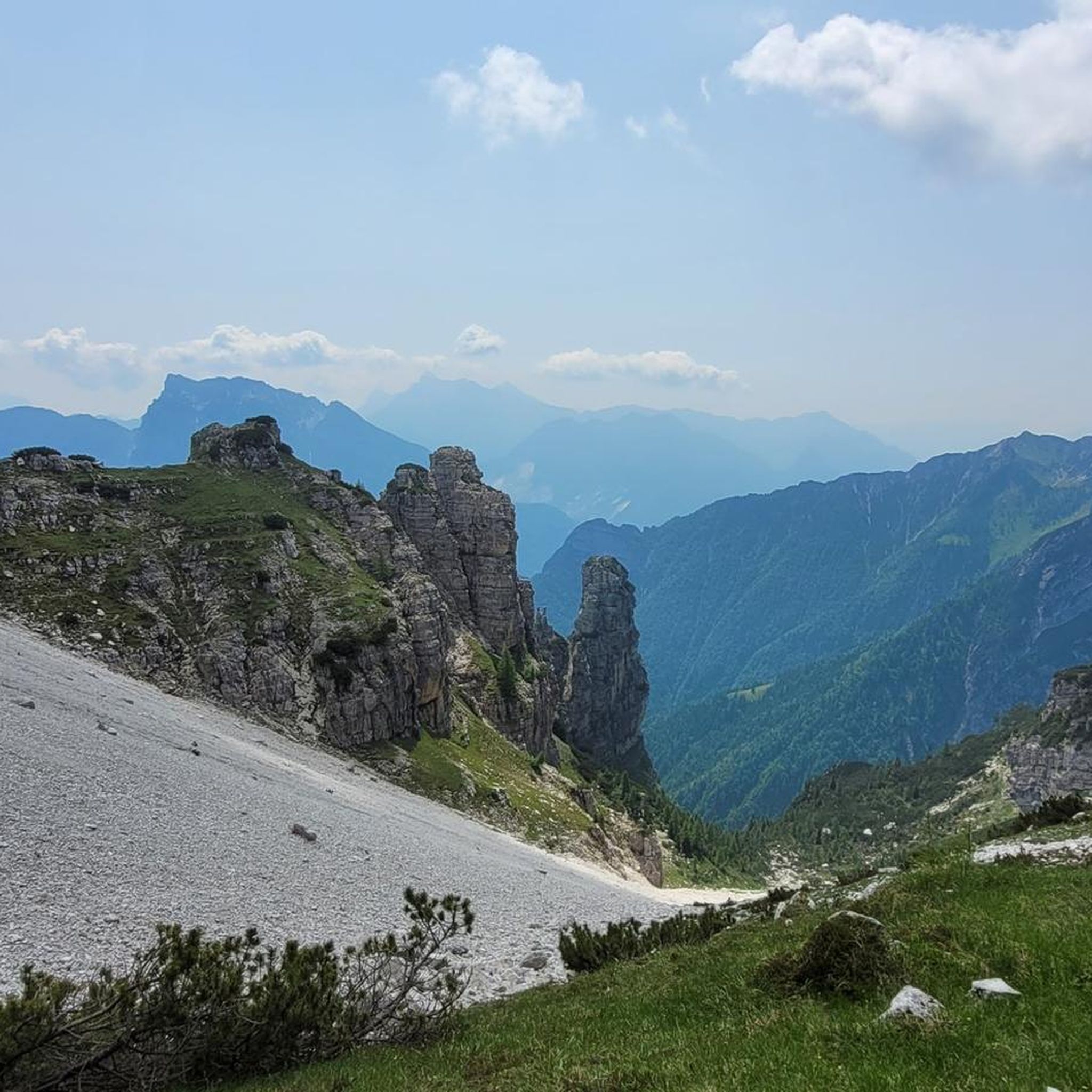
The Valbona pass is a pass located at 2,130 meters above sea level, along the Col Nudo e Cavallo chain, which connects the Chialedina valley, in Friuli-Venezia Giulia, with the Venál di Montanès, in Veneto. From here, it is possible to go up up to the ridge that joins the Lastei peak to Col Nudo, although the ridge itself may present some technical difficulties. Near the pass, the Col Nudo shelter offers a quite welcoming refuge for rest and shelter.
1
0
The Valbona pass is a pass located at 2,130 meters above sea level, along the Col Nudo e Cavallo chain, which connects the Chialedina valley, in Friuli-Venezia Giulia, with the Venál di Montanès, in Veneto. From here, it is possible to climb up to the ridge that joins the Lastei peak to Col Nudo, although the ridge itself may present some technical difficulties. Near the pass, the Col Nudo shelter offers a quite welcoming refuge for rest and shelter.
2
0
The Duranno fork separates the mountain of the same name from the Centenere peaks. The western side is characterized by rocks, while the eastern side is covered with grass. The view on the Preti peak is excellent. There is a natural cave, useful in case of bad weather, although not particularly comfortable, located at the base of the south-east face of Duranno. Ibex can often be spotted on the small plateau in front of the fork.
2
0

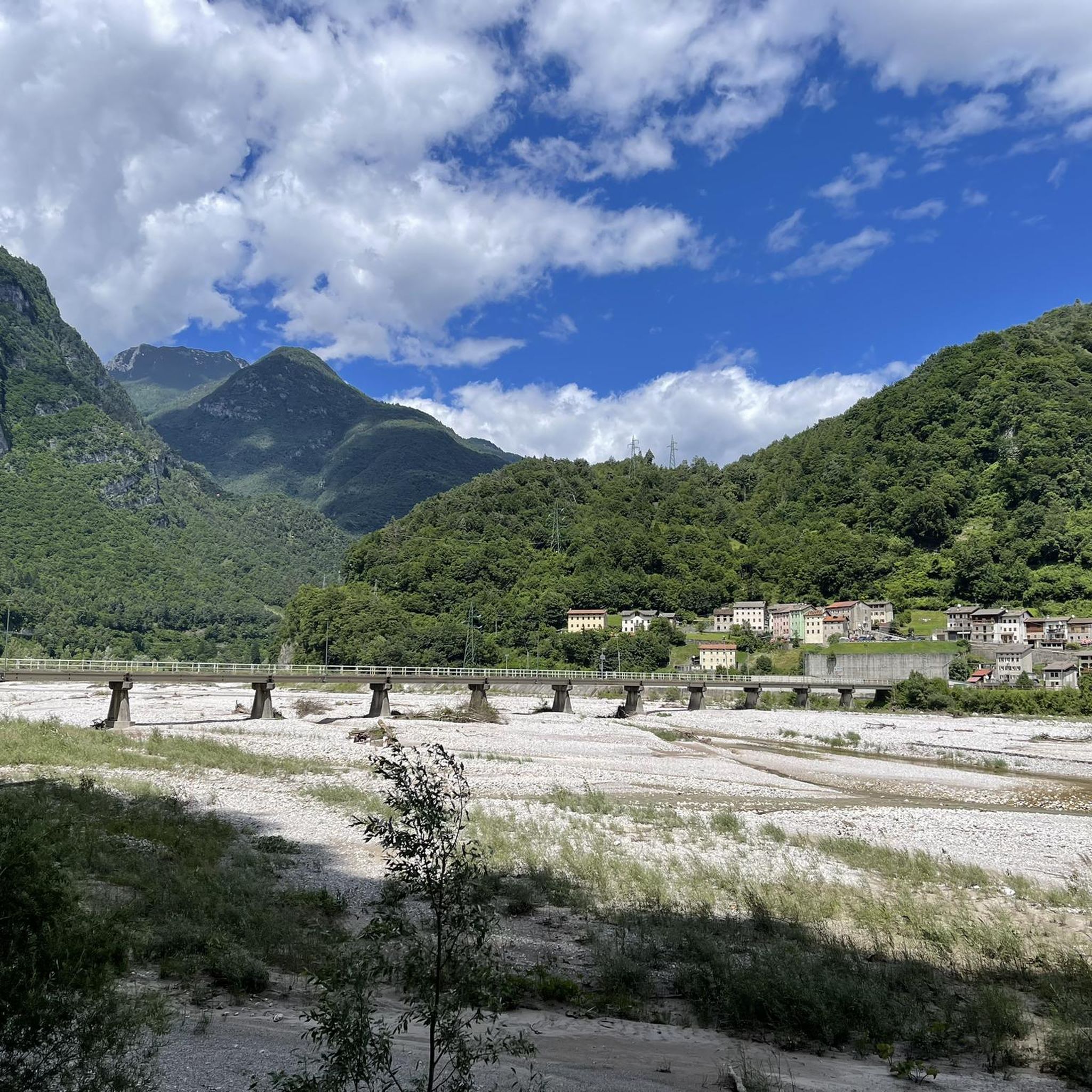
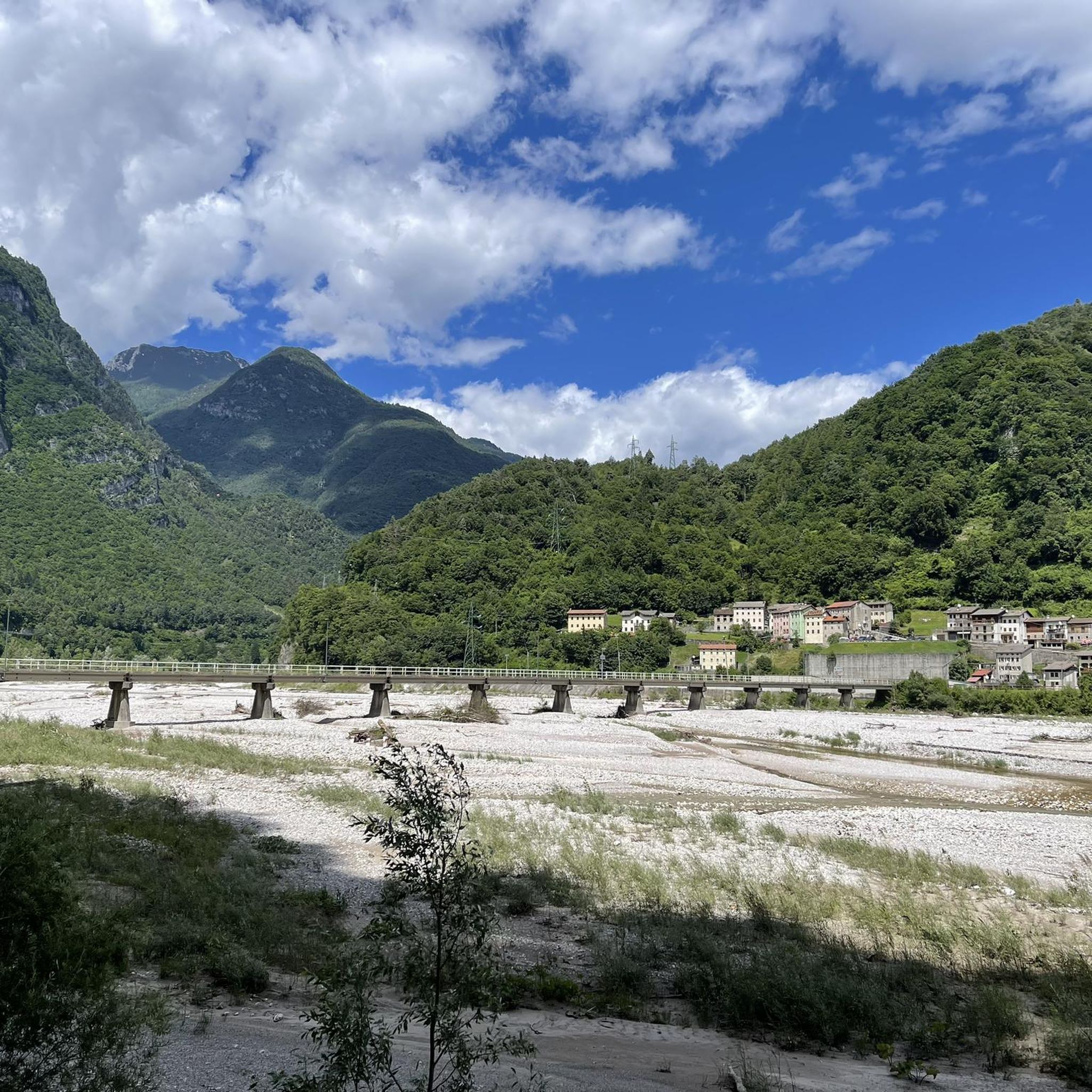
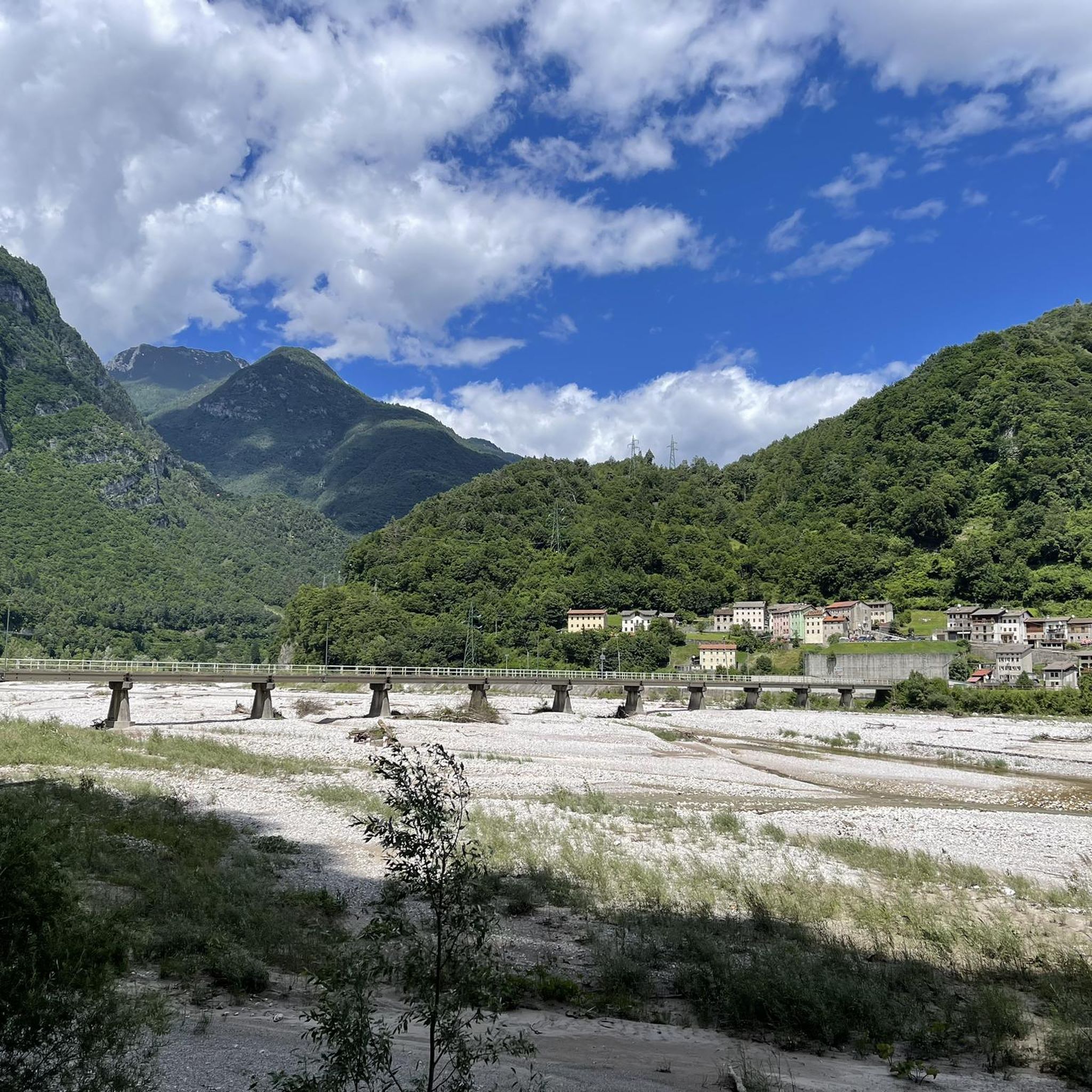
The Atracisa fork consists of a wooded depression that develops north of Mount Taront. You reach the fork by going up the CAI path n.976 from the valley of the Ledron torrent.
2
0

It starts harmlessly and then turns out to be not so harmless
0
0

The Passo (or Forcella) Cibiana is a difficult pass in the Belluno Alps. It measures about ten kilometers and has an average gradient of about 7% on both sides: that of Forno di Zoldo and that of Venas di Cadore.
0
1
Frequently Asked Questions
What are some of the most scenic mountain passes around Ospitale Di Cadore?
For truly impressive views of the surrounding Dolomite peaks, including Nuvolau and dell'Averau, Passo Giau is highly acclaimed. Passo della Mauria offers scenic curves popular with motorcyclists, while Passo Cibiana provides breathtaking 360-degree panoramic views from the Messner Mountain Museum Dolomites at Fort Monte Rite.
Are there challenging mountain passes for experienced hikers or cyclists?
Yes, several passes offer significant challenges. Cibiana Pass is renowned for its challenging cycling routes, having been featured in the Giro d'Italia with sections reaching 13-15% gradients. It's also an ideal starting point for the Alta Via route no. 3 of the Dolomites. Forcella del Duranno is a challenging mountain pass with rocky terrain, and Valbona Pass, at 2,130 meters, can present technical difficulties along its ridge.
What historical or cultural sites can be found near these mountain passes?
Passo della Mauria holds historical significance from the First Italian War of Independence and features a cross commemorating partisans. Near Passo Cibiana, you can visit the Messner Mountain Museum Dolomites (MMM Dolomites) at Fort Monte Rite, dedicated to mountaineering history. The nearby village of Cibiana di Cadore is also famous for its 'Land of Murals,' with over 50 frescoes depicting local history and traditions.
Are there family-friendly mountain passes or activities suitable for children?
While many passes involve challenging terrain, Valbona Pass is categorized as family-friendly. For a cultural experience, the village of Cibiana di Cadore, near Passo Cibiana, with its unique murals, can be an engaging visit for families. Always check specific trail difficulties before heading out with children.
What kind of outdoor activities can I do near the mountain passes around Ospitale Di Cadore?
The region offers a variety of outdoor activities. You can find numerous road cycling routes, including challenging loops like the Falzarego Pass – Passo di Falzarego loop. For general cycling, there are routes like the Vallesina Tunnel loop. Running enthusiasts can explore trails such as the Monte Rite – Forcella Deona loop from Passo Cibiana. For more details on these activities, you can explore the Road Cycling Routes around Ospitale Di Cadore, Cycling around Ospitale Di Cadore, and Running Trails around Ospitale Di Cadore guides.
Are there places to eat or stay overnight near the mountain passes?
Yes, several passes offer amenities. At the summit of Passo della Mauria, there is a restaurant. Near Cibiana Pass, you can find a cozy rest stop with regional food that also offers overnight stays. Passo Giau has mountain huts like Rifugio Fedare directly on the pass for accommodation and dining. Additionally, the Valbona Pass has the Col Nudo shelter nearby for rest and refuge.
What is the best time of year to visit the mountain passes in this region?
The best time largely depends on your desired activities. Many passes are ideal for hiking and cycling during the warmer months, typically from late spring to early autumn. Passo della Mauria is generally open year-round, and both Passo della Mauria and Cibiana Pass offer lit cross-country ski runs and scenic trails for winter sports enthusiasts during the colder months.
Can I bring my dog on the hiking trails around the mountain passes?
Yes, some trails are dog-friendly. For example, Valbona Pass is categorized as dog-friendly. However, it's always recommended to check specific trail regulations and local guidelines regarding dogs, especially in protected areas or near wildlife, to ensure a pleasant and safe experience for everyone.
What natural features can I expect to see at these mountain passes?
The passes offer diverse natural beauty. Near Passo della Mauria, you can find the source of the Tagliamento river. Antracisa Pass is characterized by a wooded depression. Forcella del Duranno features rocky western slopes and grassy eastern slopes, offering views of the Preti peak, and you might even spot ibex on the plateau. Passo Giau is famous for its panoramic views of iconic Dolomite peaks.
What do visitors enjoy most about the mountain passes around Ospitale Di Cadore?
Visitors frequently appreciate the stunning panoramic views, the challenging yet rewarding cycling and hiking opportunities, and the rich historical and cultural significance of the area. The diverse terrain, from wooded depressions to rocky peaks, and the presence of amenities like restaurants and huts, also contribute to a highly positive experience. The komoot community has contributed 13 photos and 26 upvotes, highlighting the area's appeal.
Are there any easy mountain pass routes for beginners or those seeking a less strenuous experience?
While many passes in the Dolomites can be challenging, some offer more accessible sections or starting points for easier exploration. Antracisa Pass, described as a wooded depression, might offer less strenuous paths, especially if accessed via CAI path n.976 from the Ledron torrent valley. It's always advisable to check the specific difficulty ratings and elevation profiles of individual trails before embarking on a hike.
How can I find parking at the trailheads for these mountain passes?
Parking availability varies by pass. For popular passes like Passo Cibiana and Passo Giau, there are typically designated parking areas at or near the summit, especially given their popularity with cyclists and hikers. For less frequented passes or specific trailheads, it's recommended to research local parking options beforehand. Information from local tourist offices or detailed hiking maps can often provide specific parking details.
Most popular routes around Ospitale Di Cadore
Most popular attractions around Ospitale Di Cadore

Get inspired with the komoot mobile app


Explore more
See even more epic mountain passes by checking out these guides around Ospitale Di Cadore:
