Attractions and Places To See around Longarone - Top 20
Best attractions and places to see around Longarone include a blend of historical sites, cultural landmarks, and natural features within the Dolomites, a UNESCO World Heritage site. The town is situated where the Piave river meets the Maè stream, offering access to the Dolomiti Bellunesi National Park. Longarone is also profoundly linked to the 1963 Vajont Dam disaster, with several sites commemorating this event and the town's subsequent reconstruction.
Best attractions and places to see around Longarone
- The most popular…
Last updated: August 29, 2026
Along the Piave on the old state road
Highlight (Segment) • Cycleway
Translated by Google •
Tip by

Via Regia Cycle Path Along the Cellina Canal
Highlight • Cycleway
Translated by Google •
Tip by

Sign up now to discover places like this
Get recommendations on the best single tracks, peaks, & plenty of other exciting outdoor places.
Sign up for free
Bruto Carestiato Hut
Highlight • Mountain Hut
Translated by Google •
Tip by

Casera Bosconero Hut
Highlight • Mountain Hut
Showing Translation
Tip by

Bus del Buson Gorge
Highlight • Gorge
Translated by Google •
Tip by
Sign up for free to discover even more attractions around Longarone.
Sign up for free
Already have an account?
Start today with a free account
Your next adventure awaits.
Login or Signup
Popular around Longarone
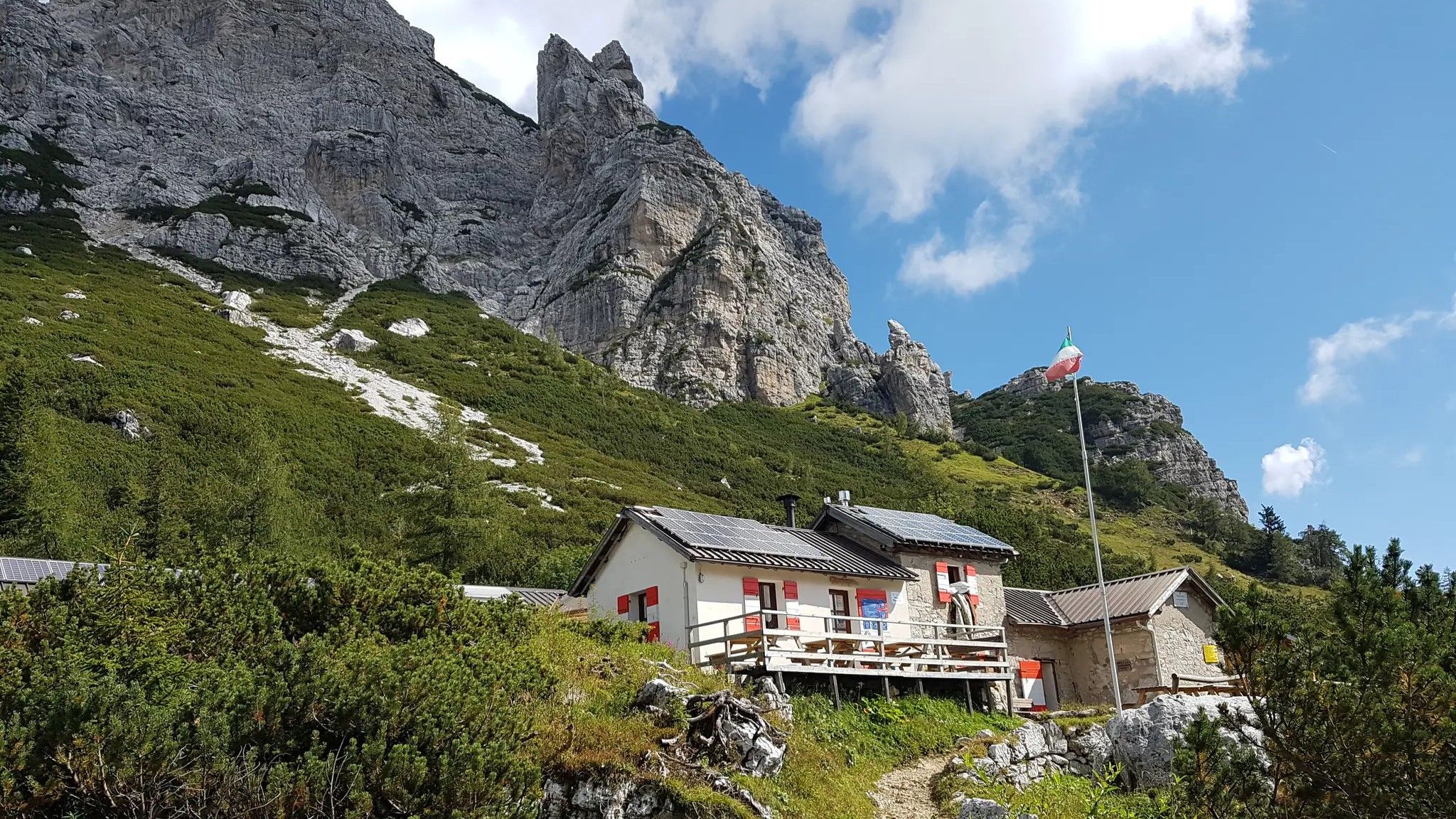
Alta Via Dolomiti Bellunesi – the wild Dolomiti Bellunesi National Park
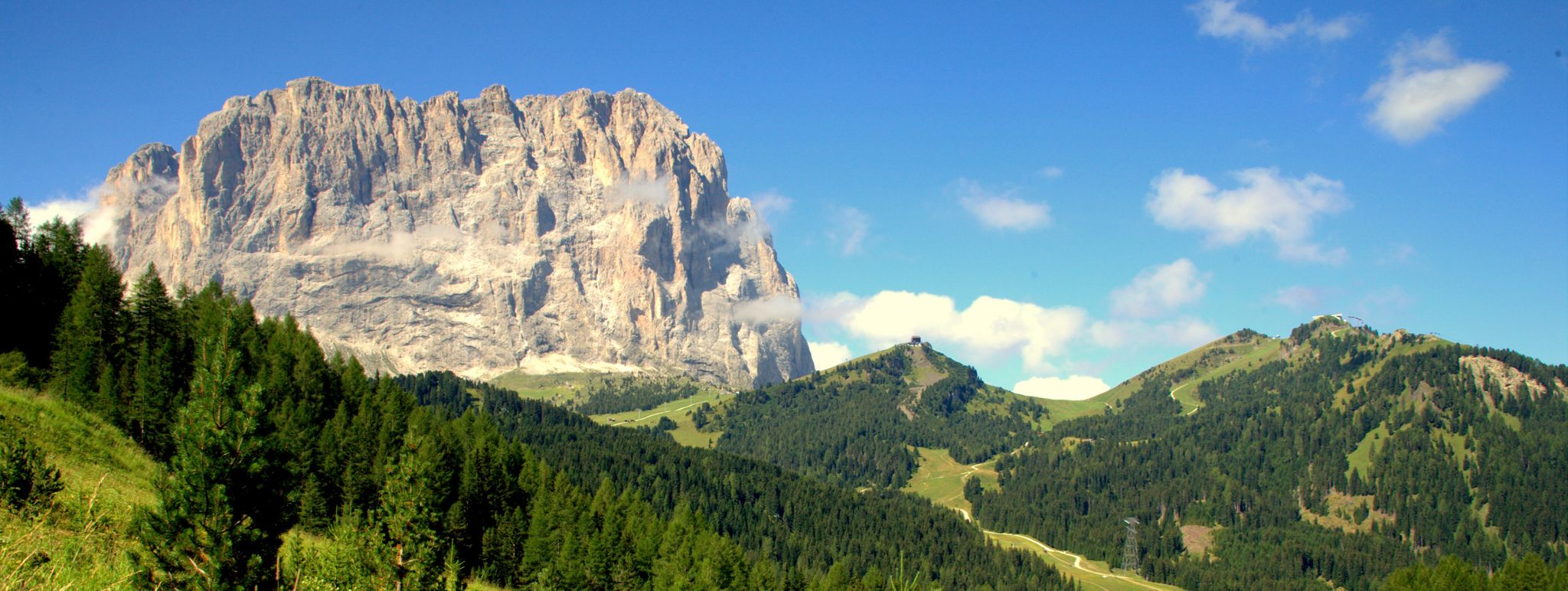
Via Venezia Alpina – hiking across the Alps to the Adriatic Sea
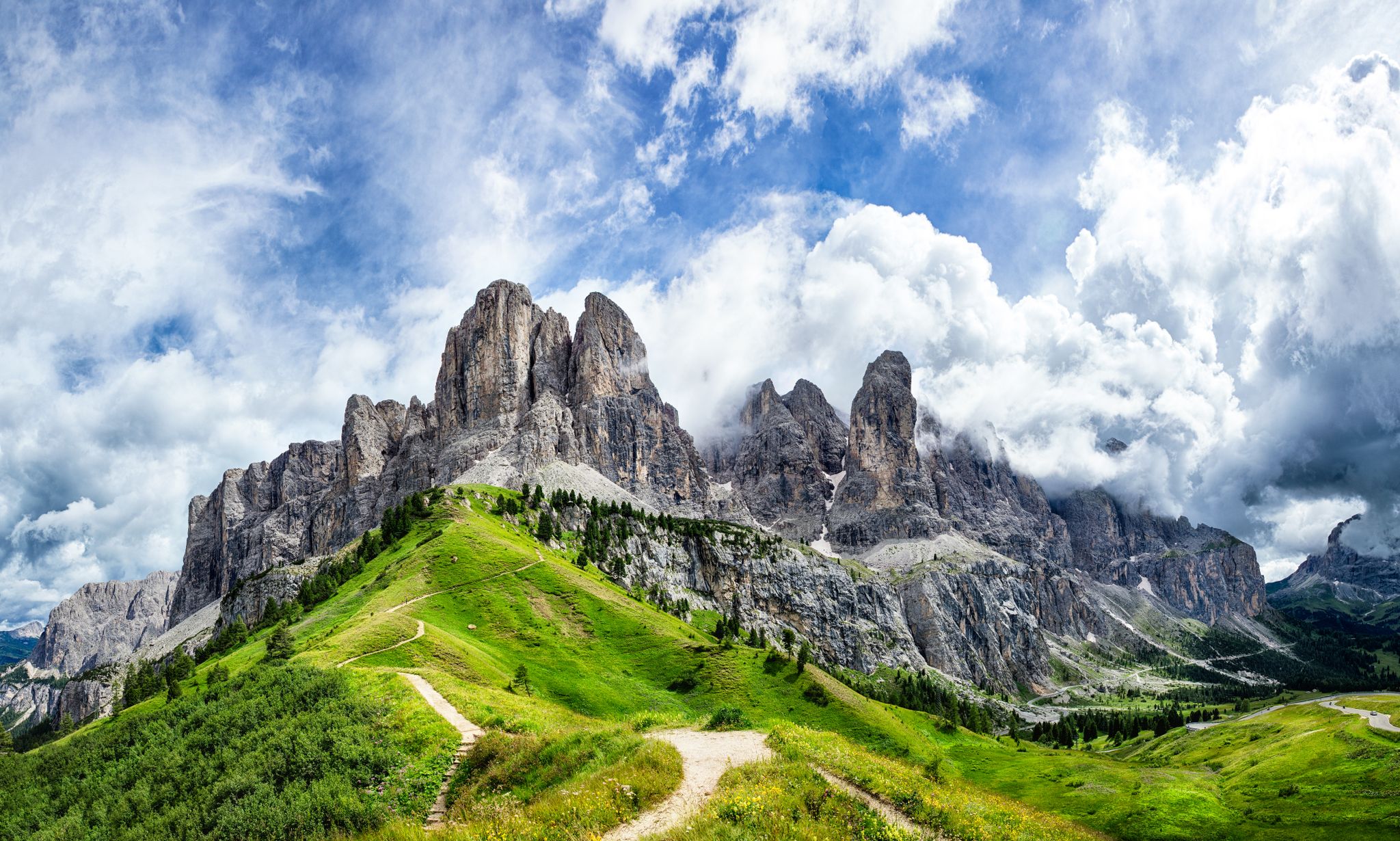
The "Dream Path" hiking trail – From Munich to Venice in 28 stages
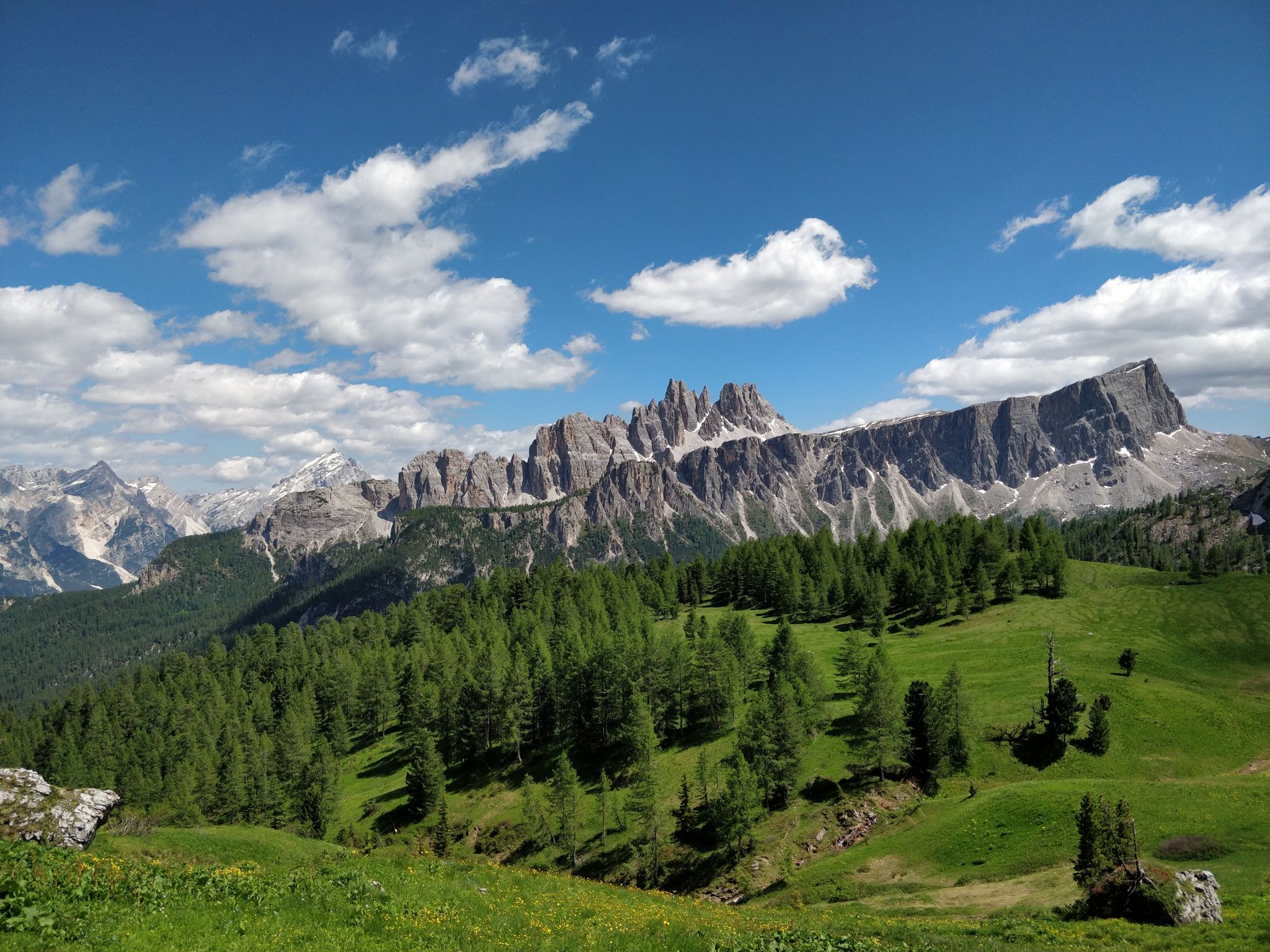
Hiking one step from heaven – Alta Via delle Dolomiti 1
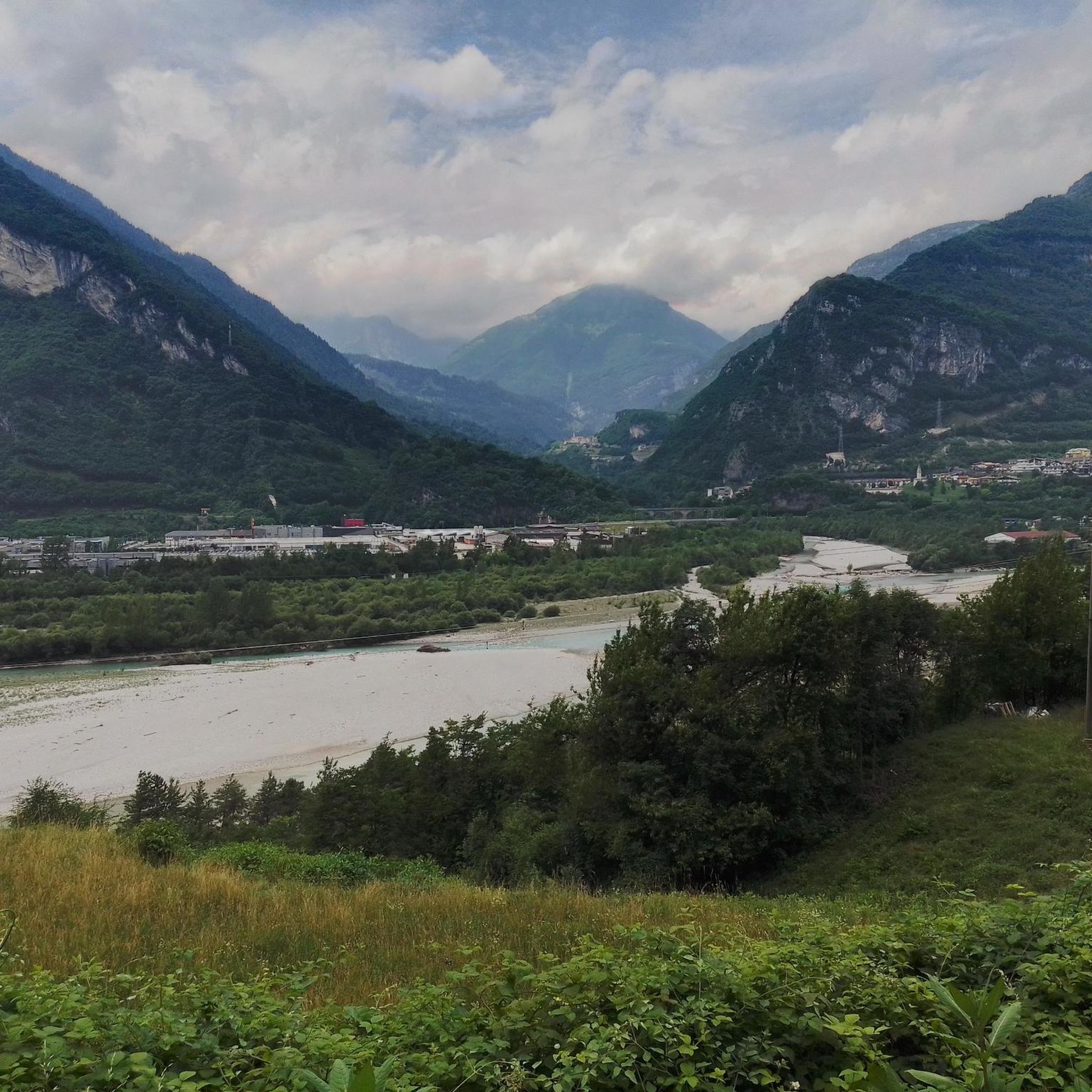
Hiking around Longarone
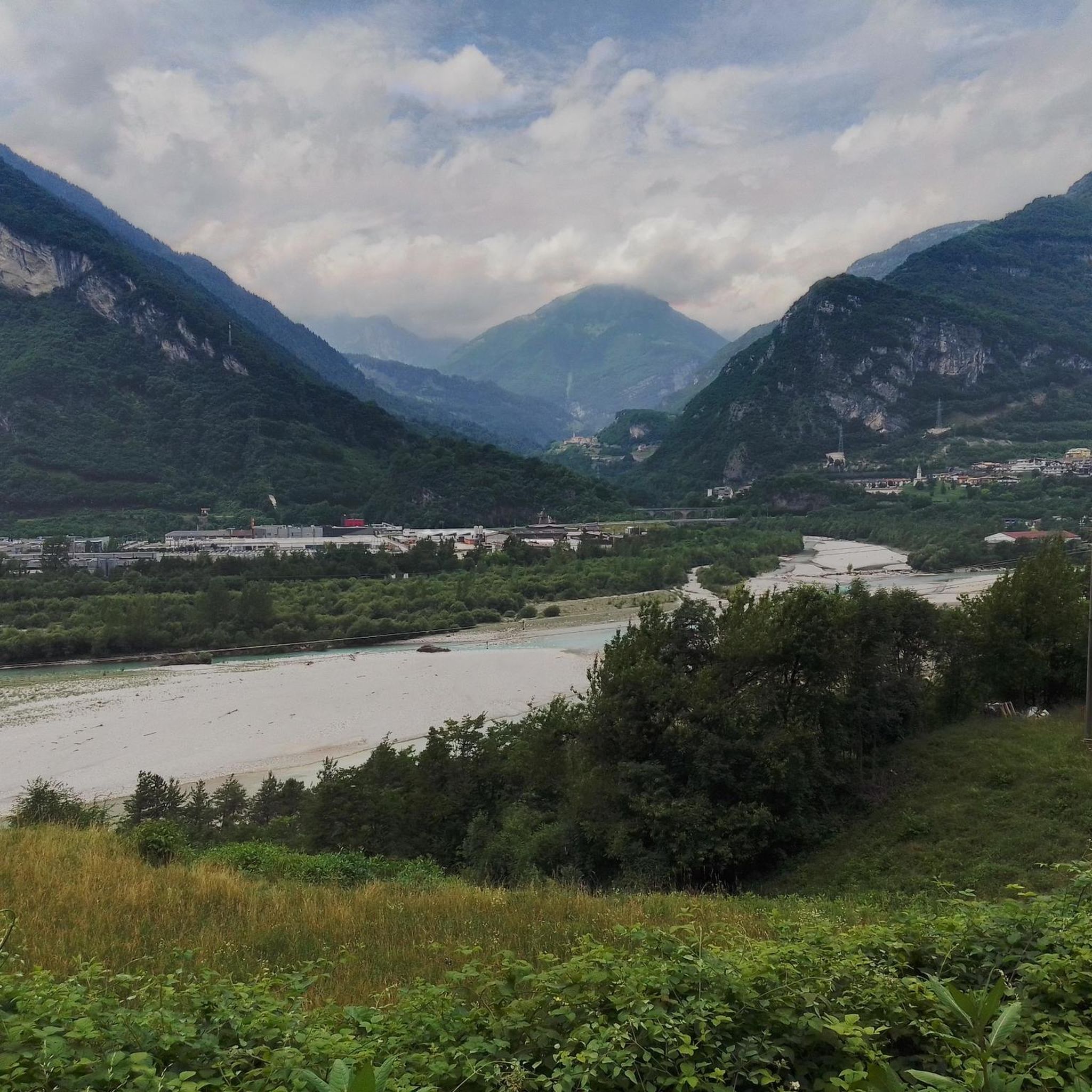
Cycling around Longarone
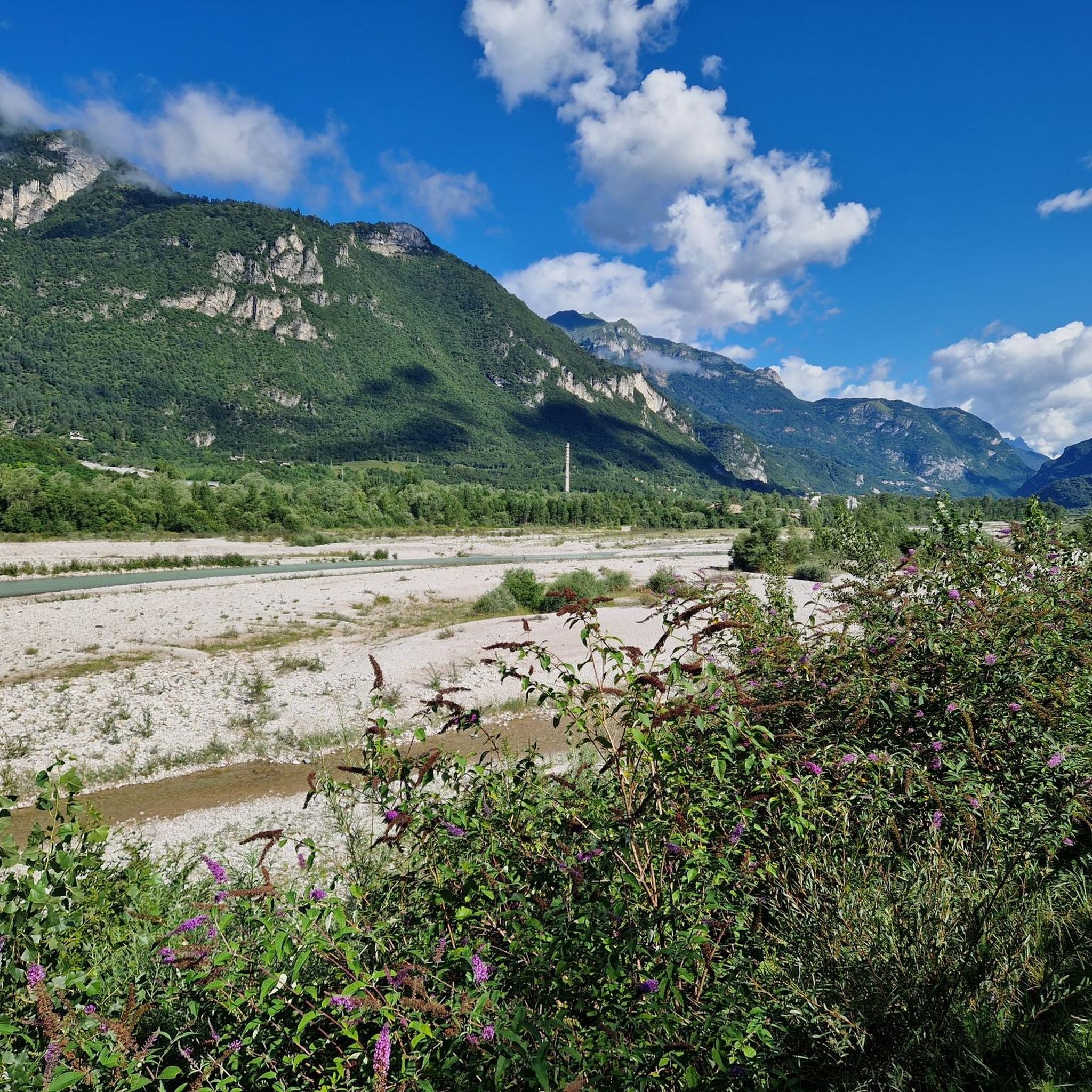
Road Cycling Routes around Longarone
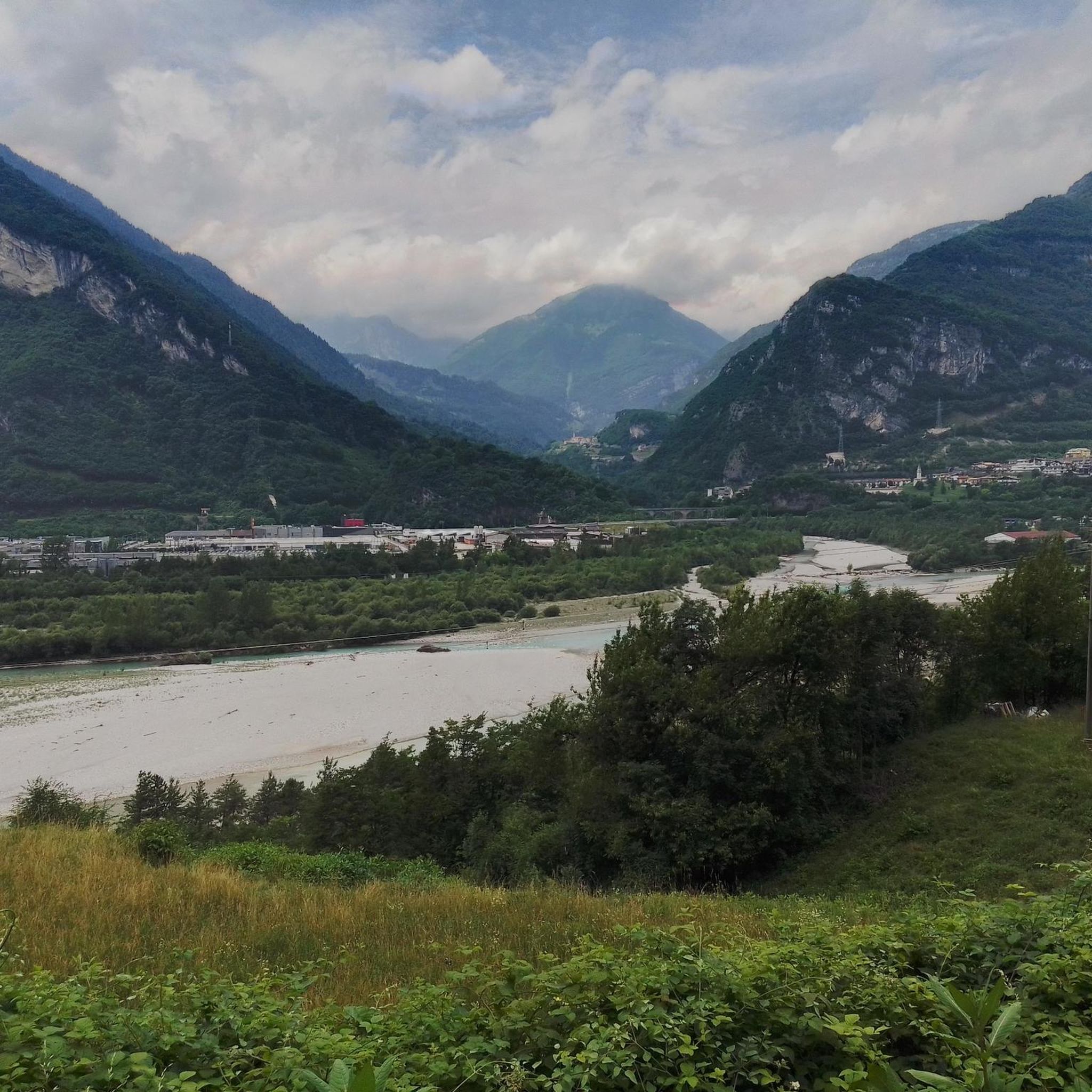
MTB Trails around Longarone
Running Trails around Longarone

Gravel biking around Longarone
Other adventures around Longarone


Tips from the Community

the path entirely within the forest rich in beech and white and red fir trees is very evocative, the panorama that opens up upon arrival at the refuge repays every effort
0
0

One of the most peculiar places you can find in the Belluno Dolomites, and almost nobody knows it. The Bus del Buson is a fossil gorge: very high and smooth rock walls, total silence, no water — the Ardo stream changed its course millennia ago, leaving this canyon suspended in time. Short (approx. 1.5 hours) but challenging loop trail: the descent to the gorge is steep and the ground is slippery even in dry weather. Trekking shoes are essential, poles are recommended. To be avoided in rain or frost.
0
0

Be careful if you have your 4-legged friends with you because the trail is full of ticks that attach easily.. spray repellent products several times along the route. 9/05/2026
0
0

The Via Regia cycle path is a picturesque cycle-pedestrian route that winds north of Lake Santa Croce, connecting the Alpago and the area of Ponte nelle Alpi to Soverzene. The route, mostly flat and suitable for cyclists of all levels, closely follows the path of the impressive hydraulic engineering works that connect the Piave river to the lake basin. Cycling along this route, you will find yourself immersed in a natural setting of great value, characterized by dense riparian forests and wetlands. The route passes through the Sbarai Nature Oasis, offering splendid views of the reed beds and the lake, before heading north between rock faces loved by climbers. It is a fundamental segment for both local tourism and long-distance cycle tourists, forming part of the famous international Munich-Venice route.
1
0

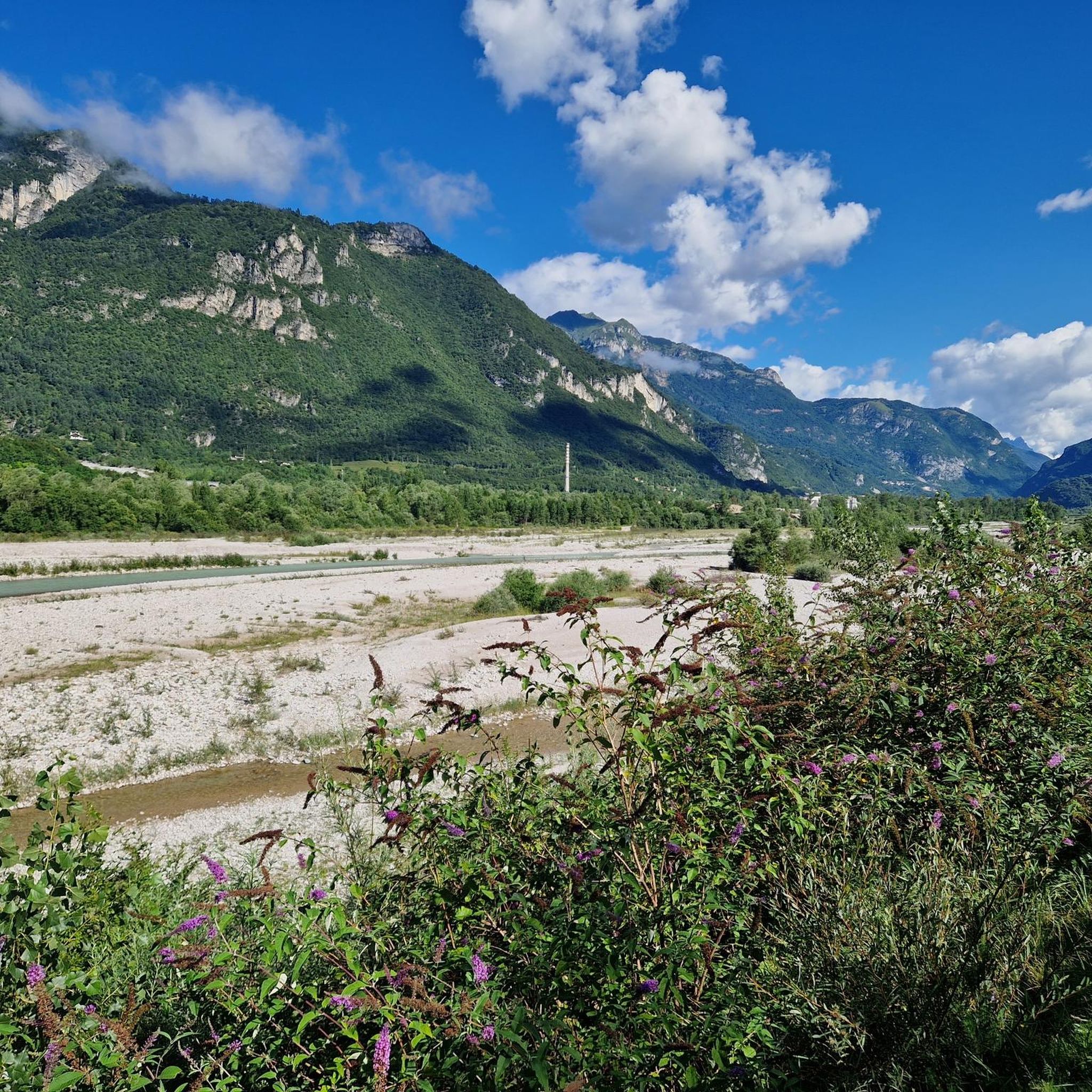
Beautiful cycle path along the Piave river.
8
0
Easy bike path, shaded in the mornings and flat. Possibility of reaching Belluno.
0
0
Beautiful tour with wonderful views and good paths.
0
0

A (partly) relaxing unpaved cycle path that runs alongside the canal.
2
0
Frequently Asked Questions
What historical sites and landmarks can I visit in Longarone?
Longarone is rich in history, particularly related to the 1963 Vajont Dam disaster. You can visit the Vajont Dam itself and the Museo Longarone Vajont - Attimi di storia to understand the tragedy and reconstruction. Other significant landmarks include the New Church dedicated to the Immaculate Virgin, a modern architectural monument, and the ancient Torre della Gardona, a triangular tower overlooking the Piave river. The Palazzo Mazzola, dating back to 1736, also stands as one of the few buildings that survived the disaster.
Where can I experience the natural beauty of the Dolomites near Longarone?
Longarone serves as a gateway to the stunning Dolomites, a UNESCO World Heritage site. You can explore the Dolomiti Bellunesi National Park, which is easily accessible from town. For breathtaking views, consider visiting the Duran Pass, which offers panoramic vistas of the southern Dolomites. The area also features unique natural formations like the Bus del Buson Gorge.
Are there any unique geological features to explore in the Longarone area?
Yes, the Longarone area boasts several fascinating geological features. The Bus del Buson Gorge is a must-see, a walkable fossil gorge with smooth, deeply carved walls formed by ancient waters. It's approximately 250 meters long and even used as an auditorium for events due to its acoustics. Additionally, the Val de Grisol offers pristine nature with captivating corners carved by the Grisol stream, featuring waterfalls and potholes.
What outdoor activities are available around Longarone?
The region around Longarone is ideal for various outdoor activities. You can find numerous routes for gravel biking, running, and mountain biking. For example, there are routes like the 'Vajont Gorge and Waterfall – Soverzene–Soccher Cycle Path loop' for gravel biking, or the 'Vajont Dam loop' for running. For mountain biking, consider the 'Grisol Valley Trail'. You can find more details on these and other routes in the Gravel biking around Longarone, Running Trails around Longarone, and MTB Trails around Longarone guides.
Are there family-friendly attractions in the Longarone area?
While many natural attractions are suitable for families, the town of Belluno, with its Piazza dei Martiri, is noted as a family-friendly settlement. It offers a vibrant city life combined with mountain town charm, perfect for a leisurely stroll and experiencing local culture. The walkable Bus del Buson Gorge can also be an engaging natural exploration for families.
What cultural museums are there in Longarone?
Longarone offers unique cultural insights through its museums. The Museo Longarone Vajont - Attimi di storia provides a comprehensive look at the 1963 disaster. You can also visit the Museum of Stone and Stonemasons, which is dedicated to the ancient trade of quarrymen and stone processing, and the Ethnographic Museum of the Piave River Raftsmen, the only one of its kind in Italy, documenting the historical woodworking process and the lives of raftsmen.
What is the significance of the Vajont Dam in Longarone?
The Vajont Dam holds profound historical significance for Longarone, as it was the site of a catastrophic disaster in 1963. The dam itself stands as a powerful landmark, and the town's reconstruction and resilience are deeply tied to this event. Visiting the dam and the dedicated museum offers a crucial understanding of the region's past and its enduring spirit.
What are some notable viewpoints in the Longarone region?
For impressive views, the Duran Pass at 1,605 meters altitude offers magnificent vistas of the steeply rising walls of the southern Dolomites. Additionally, the Bruto Carestiato Hut, located at 1,834 meters above sea level, provides accommodation and dining in a dramatic mountain setting with stunning backdrops.
What is the best time of year to visit Longarone for outdoor activities?
While specific recommendations for Longarone are not detailed, generally, the Dolomites region is best visited during late spring to early autumn (May to October) for hiking, cycling, and other outdoor pursuits when the weather is milder and trails are clear of snow. Winter offers opportunities for snow sports, but many trails may be inaccessible.
Where can I go for a scenic walk or cycle ride along the river?
You can enjoy a scenic cycle ride Along the Piave on the old state road. This section is part of the Munich - Venice cycle path, offering relaxed cycling along the Piave river with good asphalt and little traffic. It's a beautiful way to experience the river landscape.
Are there places to stay or eat near the attractions in Longarone?
Yes, for those exploring the higher altitudes, the Bruto Carestiato Hut offers friendly, simple accommodation and dining in a dramatic mountain setting. At the Duran Pass, you'll find two well-run mountain huts, Rifugio San Sebastiano and Rifugio Passo Duran, where you can stay overnight and enjoy local cuisine.
What do visitors particularly enjoy about the Longarone area?
Visitors appreciate the blend of historical significance and natural beauty. The resilience of Longarone after the Vajont disaster and its commemoration through sites like the dam and museum are highly valued. The stunning mountain backdrops, particularly from places like the Bruto Carestiato Hut and Duran Pass, are also frequently praised. The unique geological formations like the Bus del Buson Gorge also leave a lasting impression.
Most popular routes around Longarone
Most popular attractions around Longarone

Get inspired with the komoot mobile app


Explore more
Still not found the Highlight you’re looking for? See guides of the top attractions in other regions:
