Top 20 Mountain Passes around Alpago
Best mountain passes around Alpago are found within the Italian Dolomites, a region characterized by its varied terrain and significant natural features. This area provides access to high-altitude landscapes, historical routes, and panoramic viewpoints. The passes connect different valleys and offer insights into the geological and cultural history of the Alpago basin. It is a destination for those seeking diverse outdoor experiences.
Best mountain passes around Alpago
- The most popular mountain pass is Pian delle Femene Saddle, a mountain…
Last updated: September 29, 2026
Pian delle Femene Saddle
Highlight • Mountain Pass
Translated by Google •
Tip by

Mount Pizzoc
Highlight • Summit
Translated by Google •
Tip by

Sign up now to discover places like this
Get recommendations on the best single tracks, peaks, & plenty of other exciting outdoor places.
Osteria La Crosetta
Highlight • Restaurant
Showing Translation
Tip by

Zoppei Pass
Highlight • Mountain Pass
Translated by Google •
Tip by
Revine–Pian de le Femene Climb
Highlight (Segment) • Climb
Translated by Google •
Tip by

Sign up for free to discover even more mountain passes around Alpago.
Already have an account?
Start today with a free account
Your next adventure awaits.
Popular around Alpago
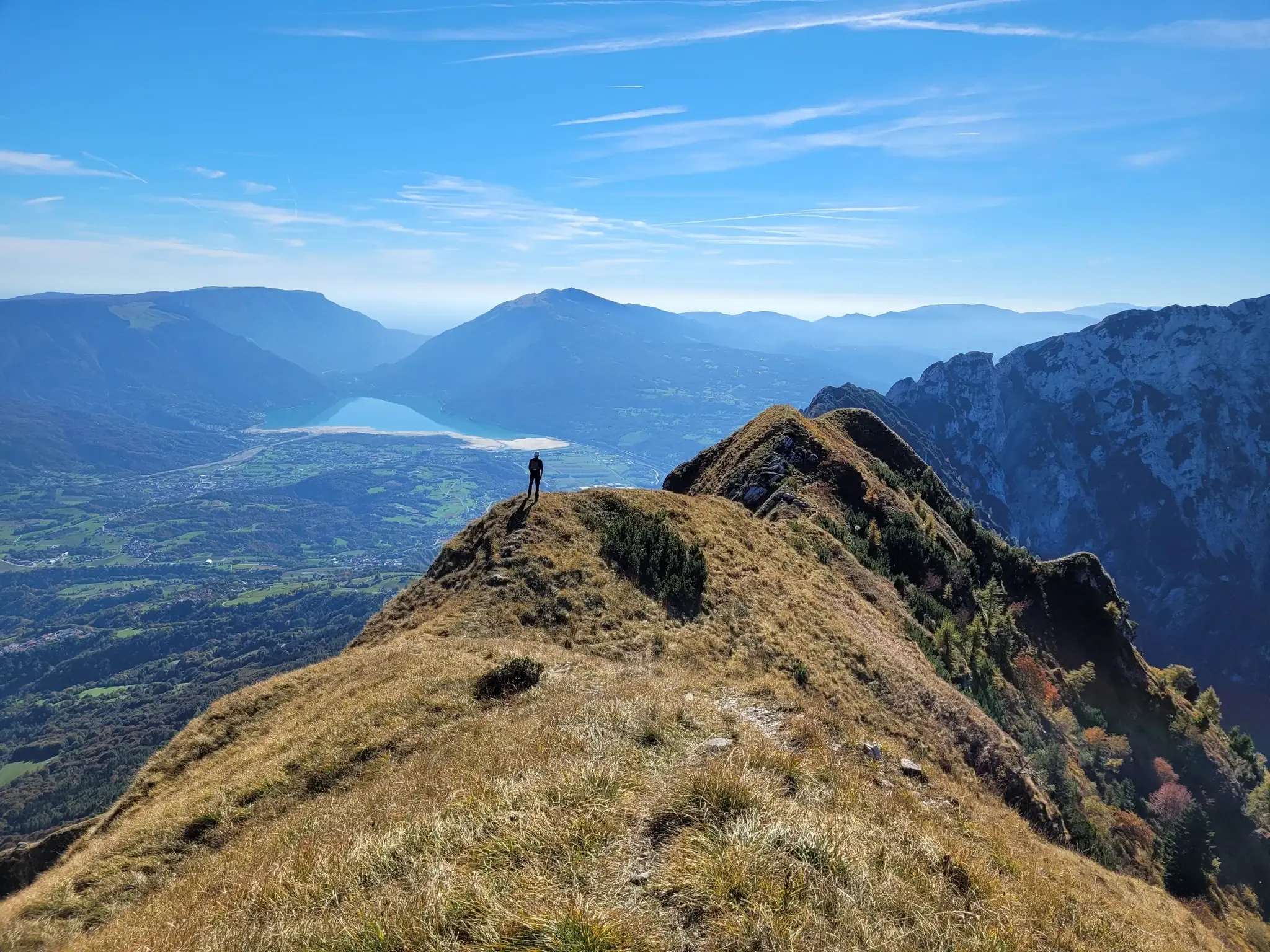
A fairytale hike in Italy’s Pale Mountains – Alta Via delle Dolomiti 7
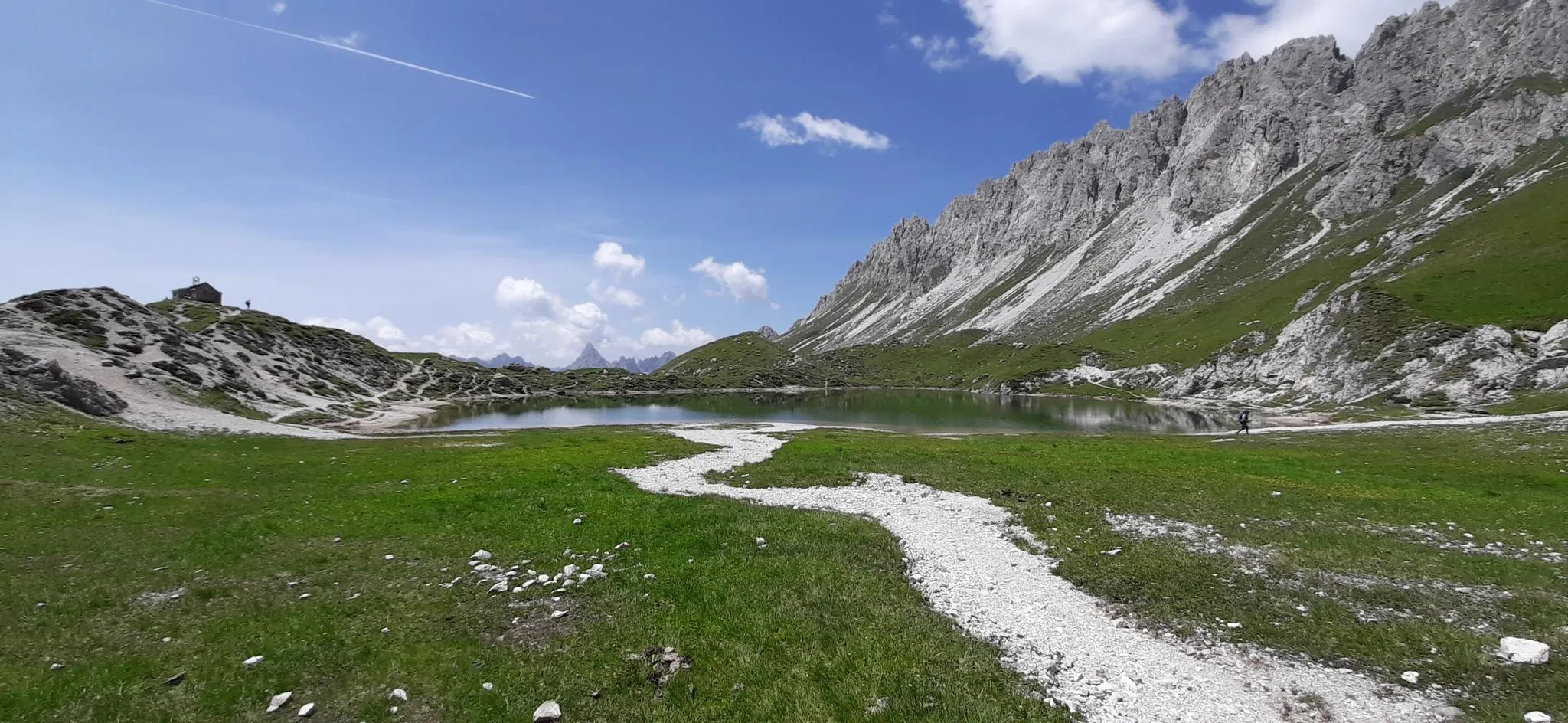
A trail running adventure in the Dolomites – Alta Via 6
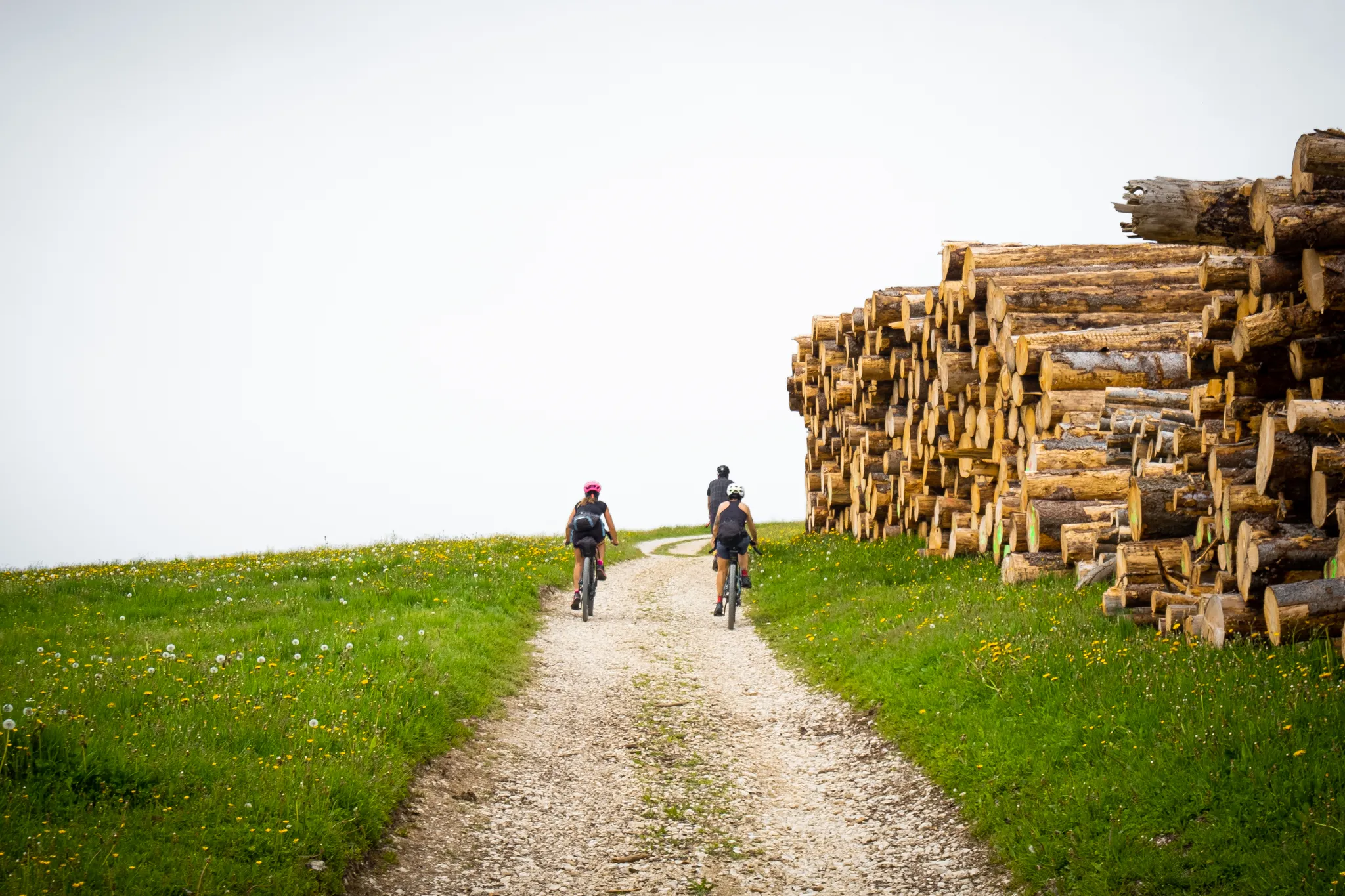
Via delle Prealpi – On the way with the MTB in the Venetian Prealps
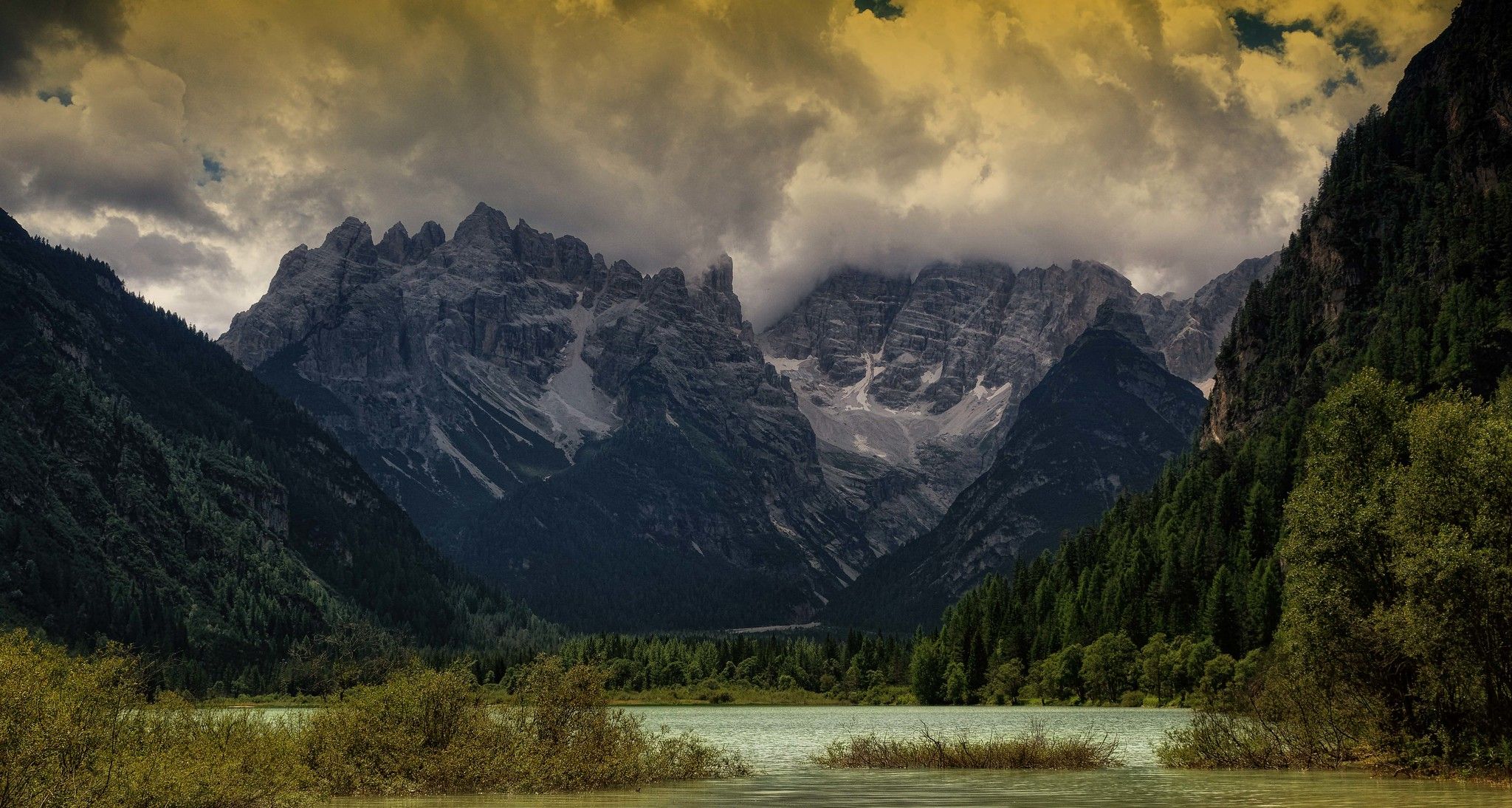
Ride across the Alps – bikepacking between Munich and Venice
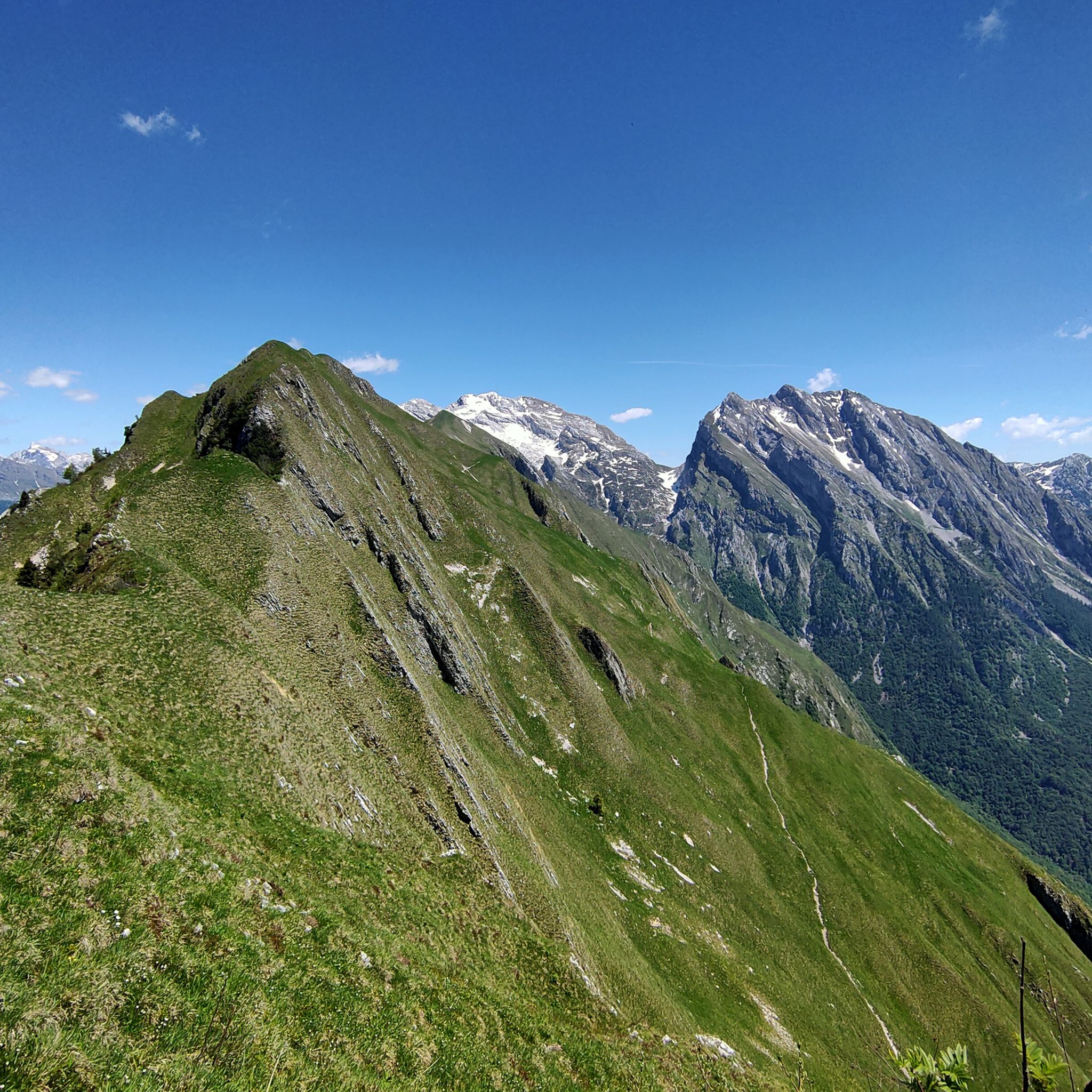
Hiking around Alpago
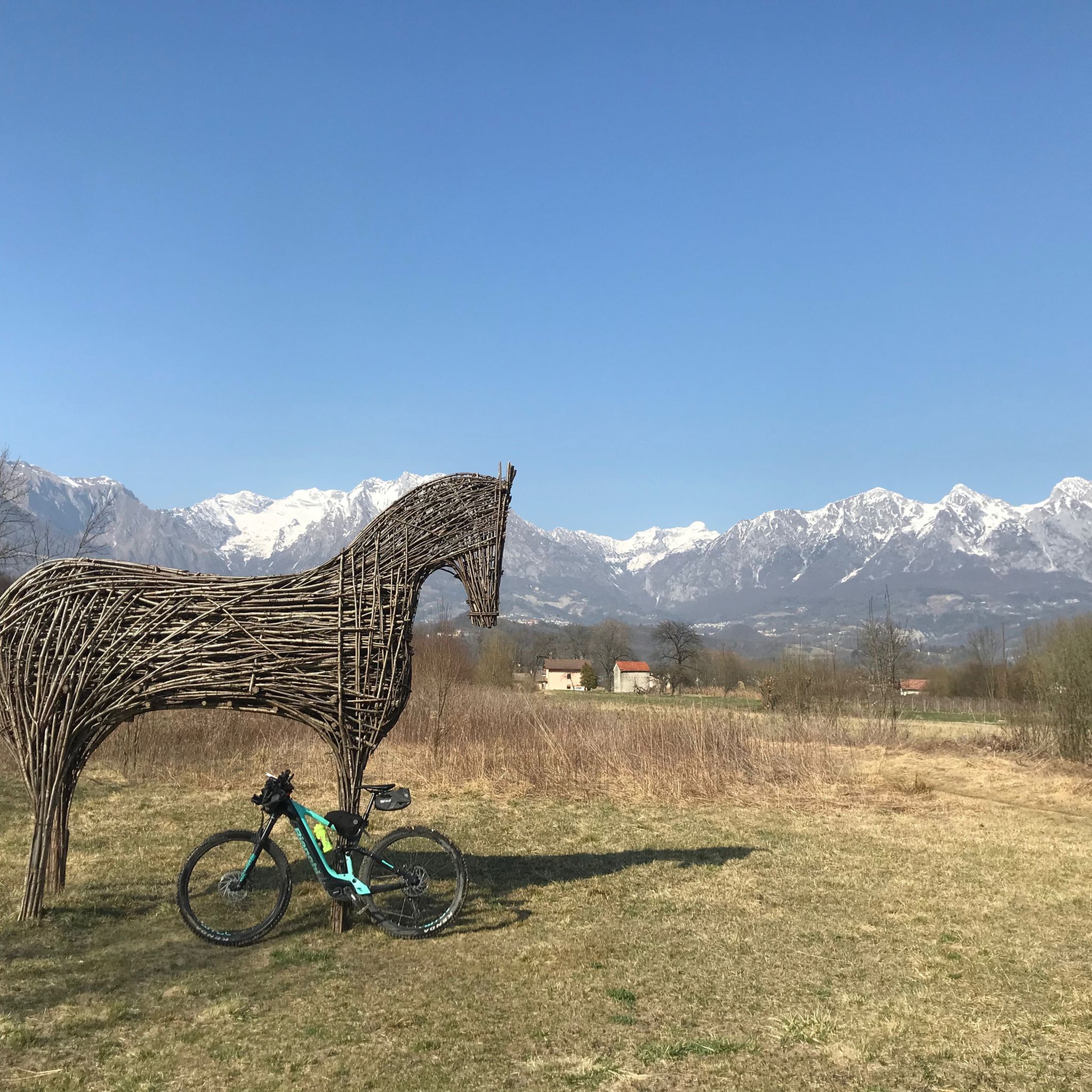
MTB Trails around Alpago
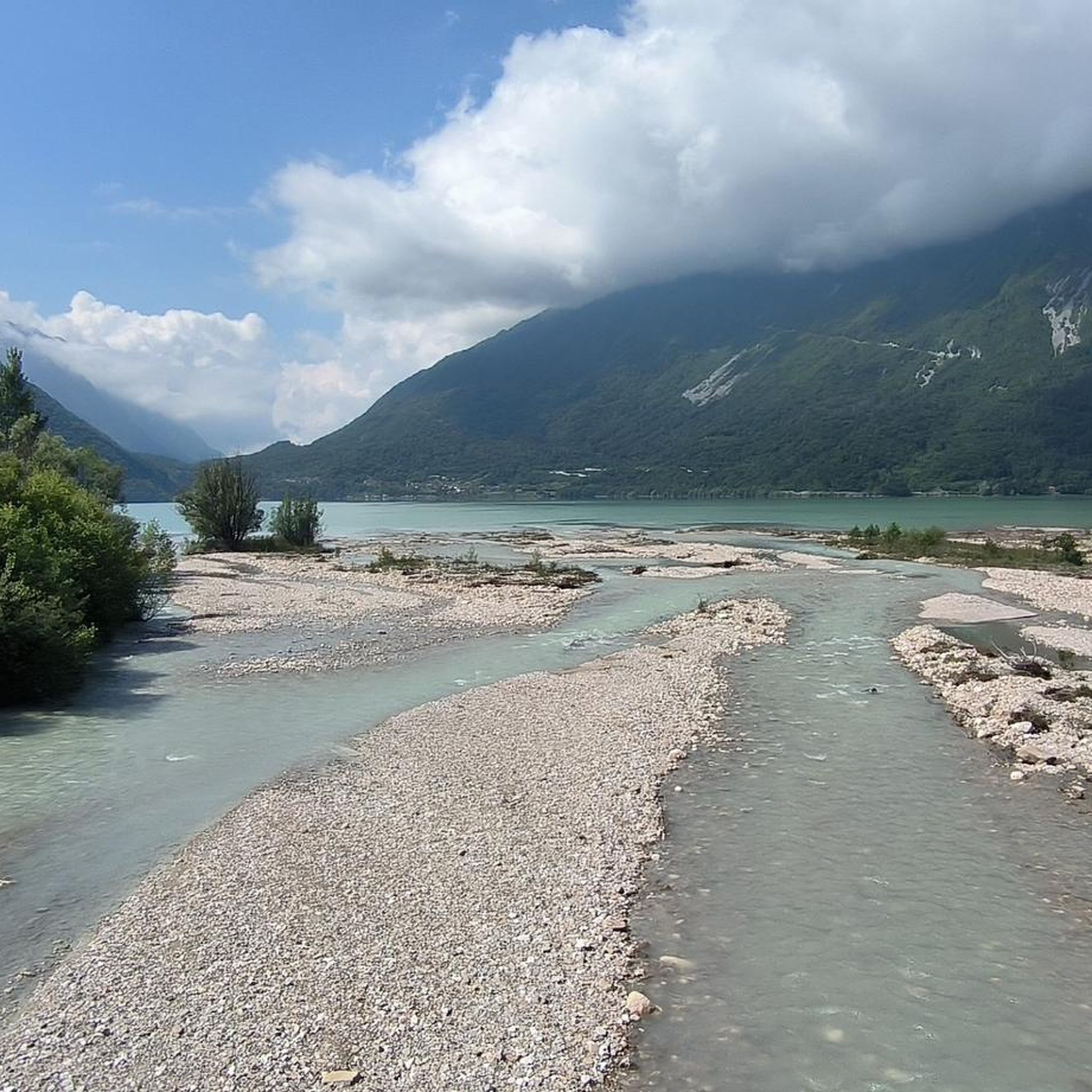
Cycling around Alpago
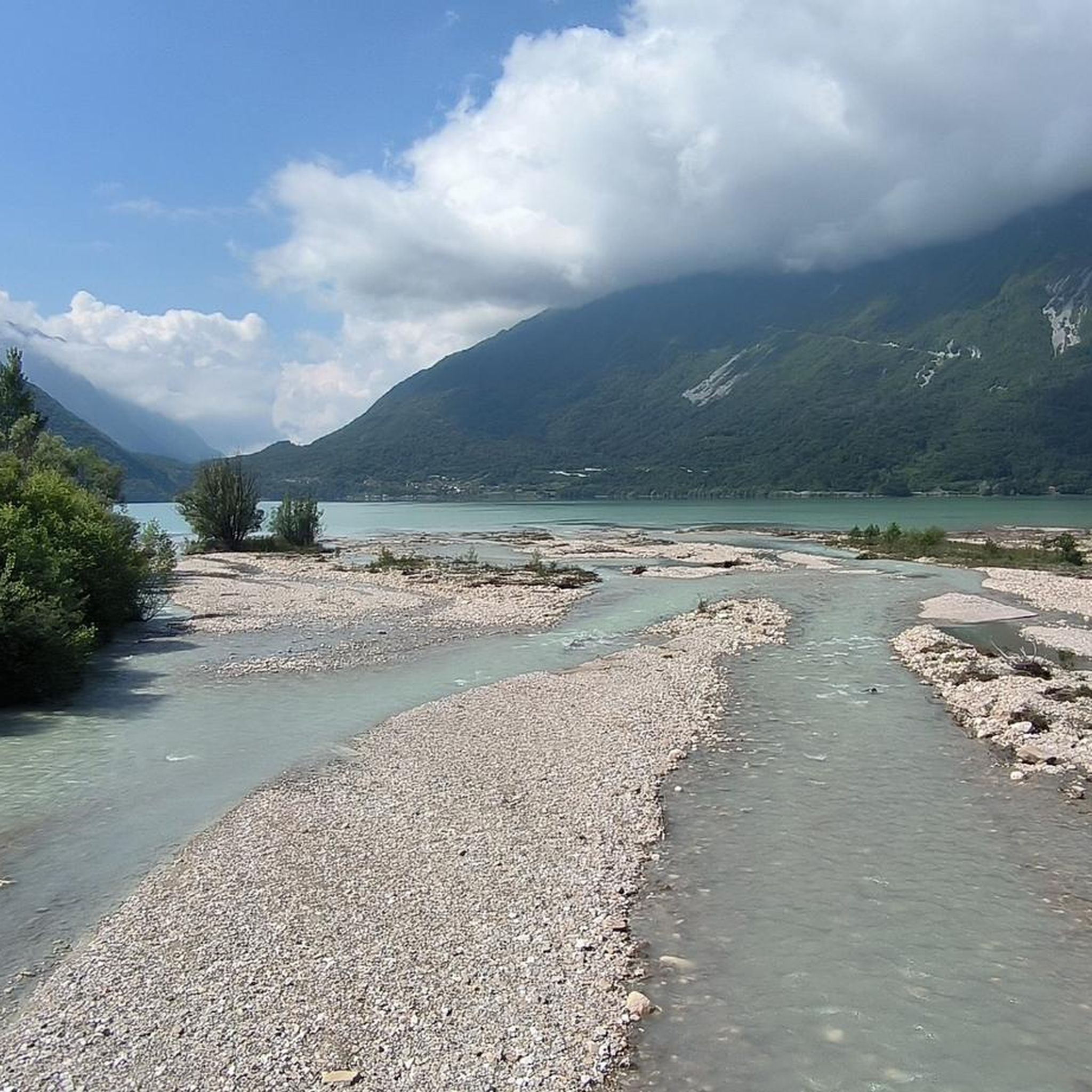
Running Trails around Alpago
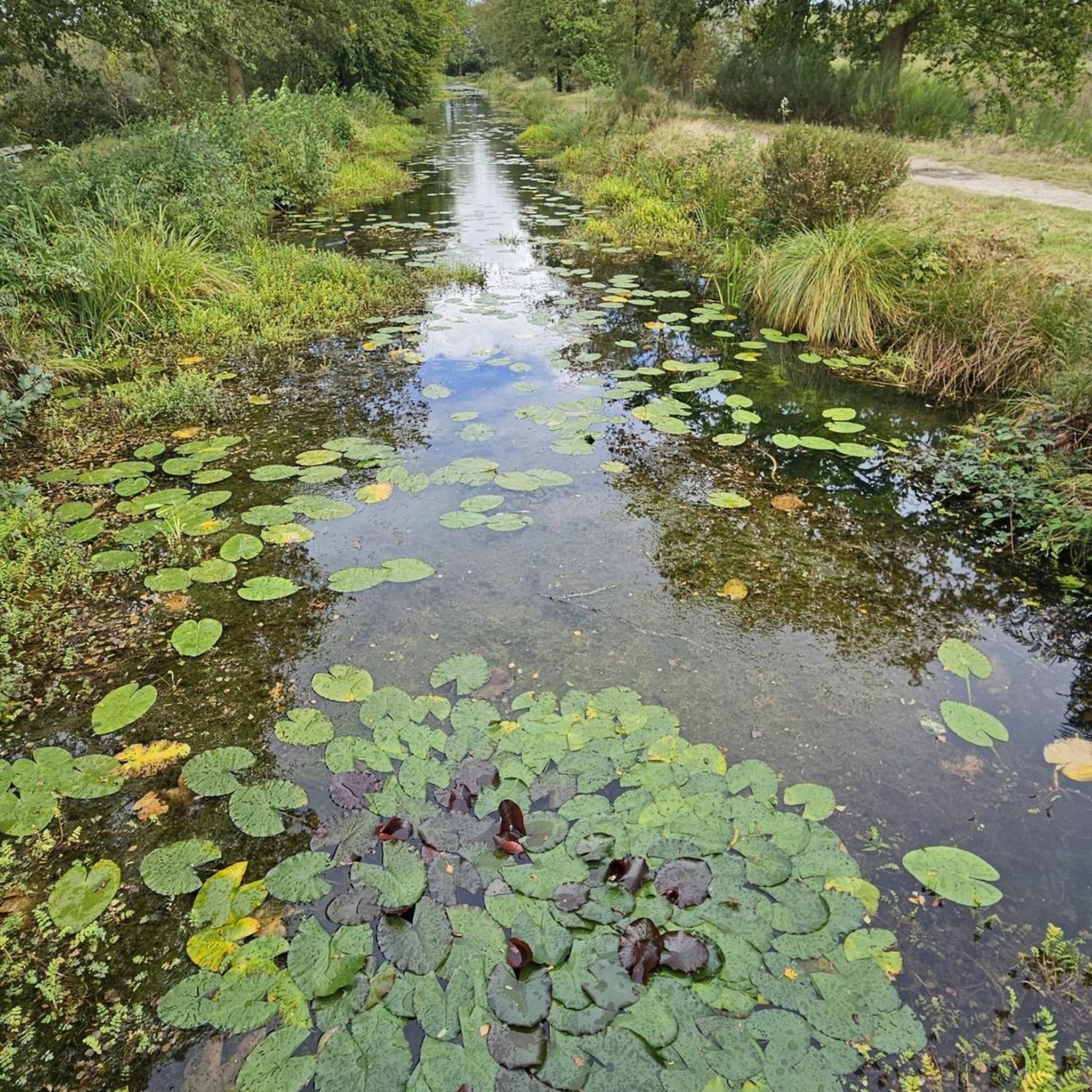
Gravel biking around Alpago
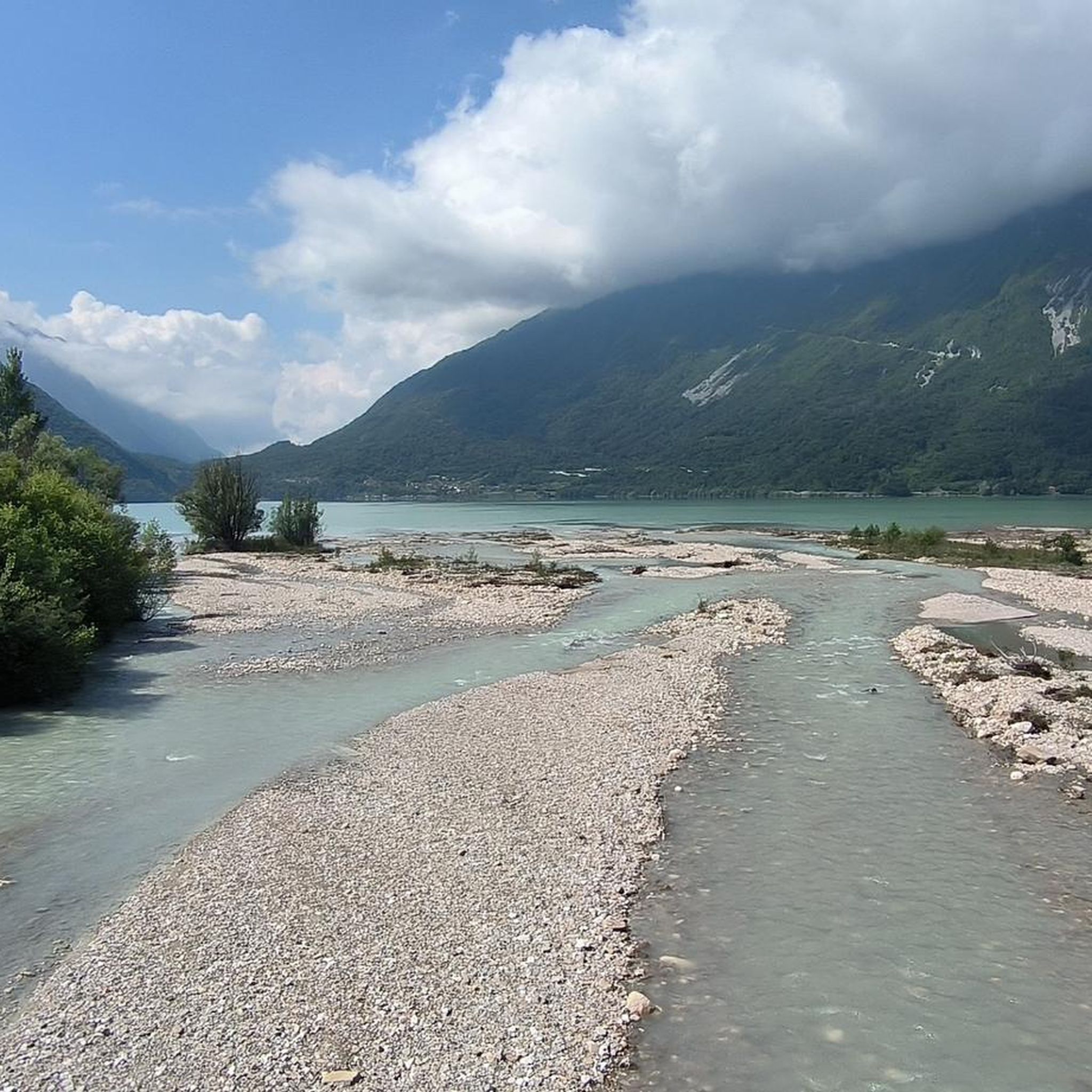
Road Cycling Routes around Alpago
Other adventures around Alpago


Tips from the Community

Il Ristoro Crosetta, located at an altitude of 1,118 meters on the homonymous pass that connects the Treviso plain to the Cansiglio plateau, is a historic and unmissable stop for hikers, cyclists, and motorcyclists. This cozy stone and wood structure embodies the quintessence of mountain hospitality, offering a regenerating refuge in every season. The cuisine offers the authentic flavors of the Veneto-Belluno tradition, featuring game dishes, typical Cansiglio cheeses, warm polenta, and fresh mushrooms, all accompanied by homemade desserts and a good glass of local wine. Nestled in a centuries-old beech and fir forest, the establishment boasts a strategic position that makes it the ideal starting point or refreshment stop for exploring the numerous surrounding nature trails, offering an old-world atmosphere for relaxation and good food.
0
0
The climb from Revine to Pian de le Femene is an ascent that covers about 9 km with an elevation gain of 900 meters. The average gradient is 9.7%, a very high figure that makes it one of the most challenging climbs in the area. The road climbs with gradients that steadily oscillate between 9% and 10%, reaching maximum peaks around 14%. Characterized by a panoramic and quiet route, it winds along the southern slope, offering a constant view of the Revine lakes. Once you reach the pass at 1,125 meters, the landscape opens up to the pastures between the provinces of Treviso and Belluno, where the Museum of the Resistance is located. With a road bike, to descend you have to go back (watch out for the asphalt, which is damaged in places).
0
0

Very beautiful if the sky is clear, very suggestive if it is cloudy
0
0

Pizzoc is a mountain in the Treviso Prealps. It reaches 1,565 meters above sea level, making it one of the highest points in the municipality of Fregona and the province of Treviso, to which it belongs.
0
1

beautiful panoramic summit near the Rigugio
0
0

This viewpoint allows you to enjoy a fantastic 360° panorama, easy to reach, there are benches with tables for any lunch break, very large. beautiful.
0
1

Pass located between the border of Veneto and Friuli Venezia Giulia.
18
0
Osteria located right at Passo Crosetta, ideal for a stop and a breather.
20
0
Frequently Asked Questions
What are some of the most scenic mountain passes in Alpago?
The Alpago region offers numerous passes with breathtaking views. Pian delle Femene Saddle provides incredible views of the Po plain and the Belluno Dolomites, with the possibility of seeing as far as the Mediterranean Sea on clear days. Forcella Val Grande, at 1,926 meters, offers a 360° panorama including the Venetian-Belluno Alps, the Piancavallo group, and even the Julian Alps to the sea on clear days. Col Indes, while not a traditional pass, is a panoramic area with magnificent views of the Alpago basin, Lake Santa Croce, and the Cansiglio forest.
Which mountain passes in Alpago are known for their historical significance?
Pian delle Femene Saddle is a significant historical site, commemorating partisan resistance during the Second World War with a stele, a resistance museum, and a monument to the Partisan Woman. Sella di Fadalto is historically crucial as an alpine pass connecting Val Lapisina to Alpago, and its unique geological formation from ancient landslides played a role in the creation of Lake Santa Croce and Lake Morto.
Are there challenging mountain passes for experienced cyclists in Alpago?
Yes, Passo della Crosetta is a significant Category 1 climb, stretching 18.7 kilometers with an average gradient of 5.2% and a maximum of 11.8%. It ascends from 425 meters to 1,127 meters and has historically been included in the prestigious Giro d'Italia cycling race, making it a popular destination for cyclists seeking a demanding climb. You can find a restaurant at Osteria La Crosetta (Crosetta Pass) for a well-deserved break.
What kind of outdoor activities can I do near the mountain passes in Alpago?
The mountain passes in Alpago serve as excellent starting points for various outdoor activities. You can explore numerous road cycling routes, gravel biking trails, and general cycling tours. For hikers, areas like Col Indes and Val Salàtis offer access to treks, including ascents to Rifugio Semenza. During winter, Col Indes is suitable for sledding, cross-country, and alpine skiing.
Are there any family-friendly mountain passes or areas in Alpago?
While many passes offer challenging routes, areas like Col Indes are suitable for families, offering open pastures and woodlands for hiking and mountain biking. During winter, it's a great spot for sledding and cross-country skiing. Osteria La Crosetta (Crosetta Pass) is also listed as family-friendly, providing a place to rest and eat.
Where can I find panoramic views of the Alpago basin and surrounding areas?
Col Indes offers magnificent views of the Alpago basin, Lake Santa Croce, and the vast Cansiglio forest. Sella di Fadalto also provides splendid views towards Val Lapisina, the Alpago basin, Lake Santa Croce, and the Cansiglio area. For a high-altitude perspective, Forcella Val Grande offers a 360° panorama of the surrounding mountain ranges.
What are some less-trafficked or wilder mountain areas to explore in Alpago?
Val Salàtis is a wild Alpine valley situated between Monte Messer and Sestier to the north and Monte Guslon to the south. It's appealing to those seeking a more secluded and untouched natural environment, serving as a key starting point for treks into the higher mountains. Brut Pass, part of the Alta Via No. 7, offers an adventurous and exhilarating experience for experienced hikers seeking rugged beauty, though it is a challenging and exposed ridge section.
What is the best time of year to visit the mountain passes in Alpago?
The best time to visit the mountain passes in Alpago largely depends on your planned activities. For hiking and cycling, late spring through early autumn (May to October) generally offers the most favorable weather conditions. During winter, some areas like Col Indes become suitable for snow activities such as sledding and skiing, but higher passes may be inaccessible or require specialized equipment due to snow and ice.
Are there places to eat or rest near the mountain passes?
Yes, Osteria La Crosetta (Crosetta Pass) is a mountain pass that includes a restaurant, known for its home-made cuisine favoring local products. It's an ideal spot for a stop and a breather, especially after a challenging climb.
Can I find parking at the mountain passes in Alpago?
Yes, for example, at Zoppei Pass, there is ample parking available before the transit ban, making it a comfortable starting point for those who want to climb the ridge towards Col Visentin or Monte Agnelez.
What makes Sella di Fadalto unique among Alpago's passes?
Sella di Fadalto is unique due to its geological formation, resulting from ancient landslides that played a role in the creation of Lake Santa Croce and Lake Morto. It's also historically significant as a major transportation artery, once traversed solely by the SS51 road and a railway, and now also by the A27 motorway via tunnels. It offers splendid views towards Val Lapisina and the Alpago basin.
Which mountain passes offer access to higher mountain trails?
Zoppei Pass serves as a starting point for climbs towards Col Visentin or along the ridge of Monte Agnelez. Col Indes and Val Salàtis are both access points for the ascent to Rifugio Semenza, providing routes into the higher mountains of the Alpago region.
Most popular routes around Alpago
Most popular attractions around Alpago

Get inspired with the komoot mobile app


Explore more
See even more epic mountain passes by checking out these guides around Alpago:
