Attractions and Places To See around Pieve Di Soligo - Top 20
Best attractions and places to see around Pieve Di Soligo, located in Italy's Veneto region, offer a blend of historical, cultural, and natural sites. The area is situated within the Prosecco Hills, a UNESCO World Heritage-listed landscape. Visitors can explore a variety of landmarks, scenic rivers, and dedicated trails. The region provides diverse opportunities for exploration, from historical architecture to natural beauty.
Best attractions and places to see around Pieve Di Soligo
- The most popular attractions is Molinetto della Croda, a man-made monument that is a 17th-century watermill built on the bare rock of the mountain. This characteristic example of rural architecture now functions as a museum and exhibition space.
- Another must-see spot is La Tradotta Montebelluna–Nervesa della Battaglia Cycle Route, a cycle way. This 16 km cycle and pedestrian path follows the original route of a railway used during the Great War, offering a well-maintained gravel surface.
- Visitors also love San Boldo Pass, a mountain pass known for its unique road construction. This road was built by Austro-Hungarian troops in 100 days and provides panoramic views of the surrounding area.
- Pieve Di Soligo is known for its historical sites, natural features like the Prosecco Hills, and dedicated cycling and walking routes. The area offers a variety of attractions to see and explore, catering to different interests.
- The attractions around Pieve Di Soligo are appreciated by the komoot community, with over 880 upvotes and more than 420 photos shared by visitors.
Last updated: May 25, 2026
Molinetto della Croda
Highlight • Monument
In its almost four centuries of history it has inspired artists and enchanted thousands of visitors.
A characteristic example of rural architecture of the 17th century, the building was built in several stages.
The foundations of the original construction rest on the bare rock, precisely the “croda” of the mountain.
Translated by Google •
Tip by

San Boldo Pass
Highlight • Mountain Pass
Translated by Google •
Tip by

Sign up now to discover places like this
Get recommendations on the best single tracks, peaks, & plenty of other exciting outdoor places.
Sign up for free
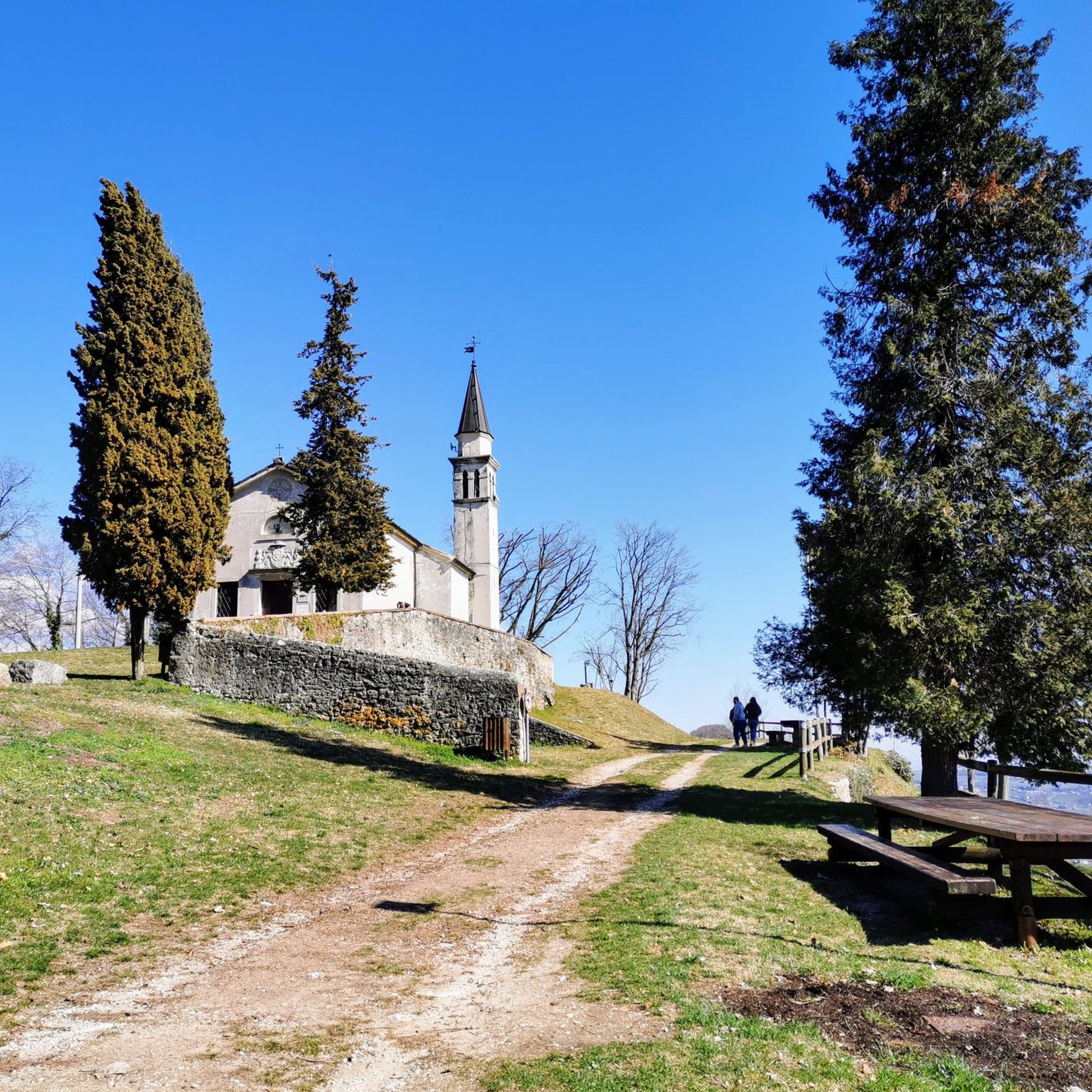
Santa Maria Della Vittoria
Highlight • Religious Site
Translated by Google •
Tip by
La Tradotta Montebelluna–Nervesa della Battaglia Cycle Route
Highlight • Cycleway
Translated by Google •
Tip by

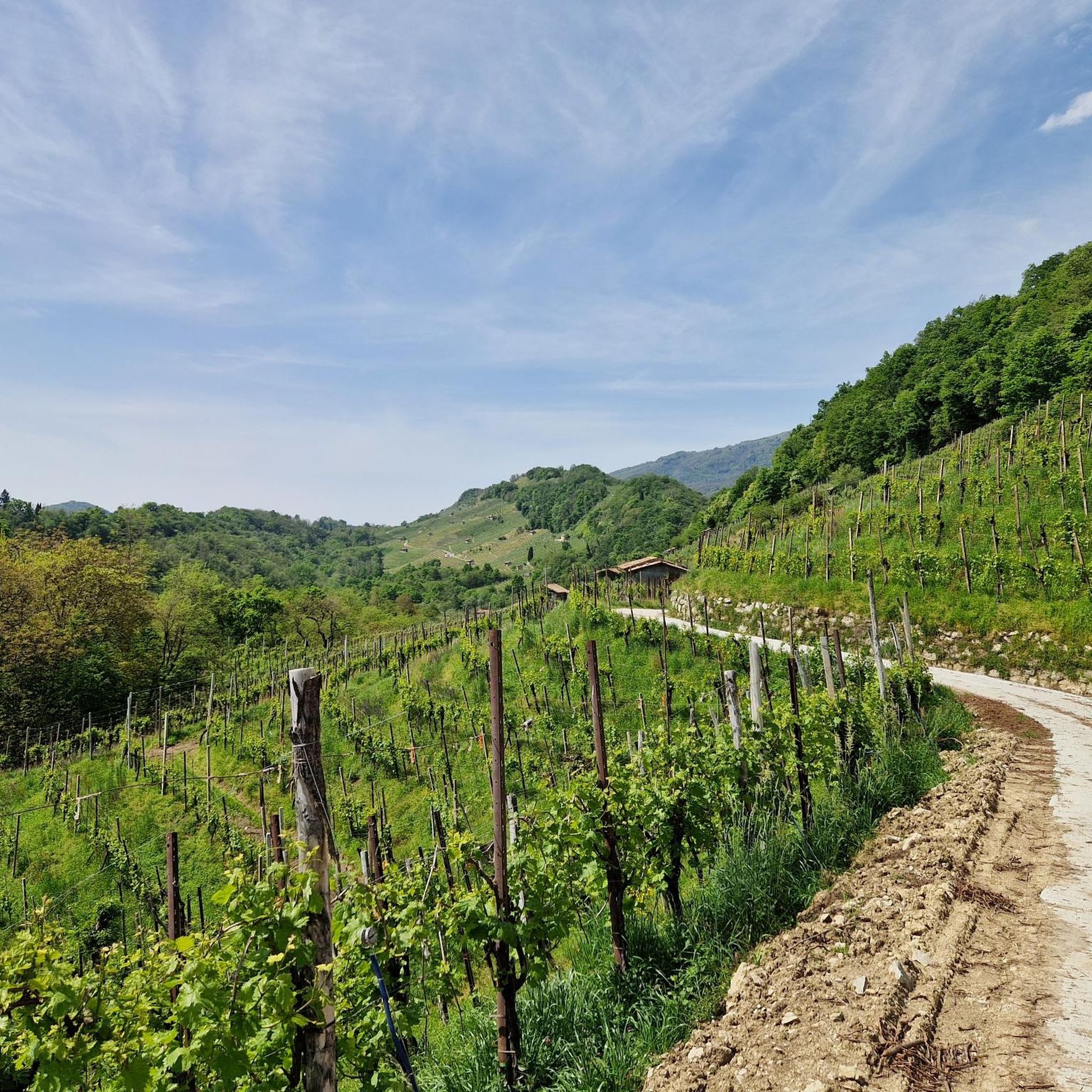
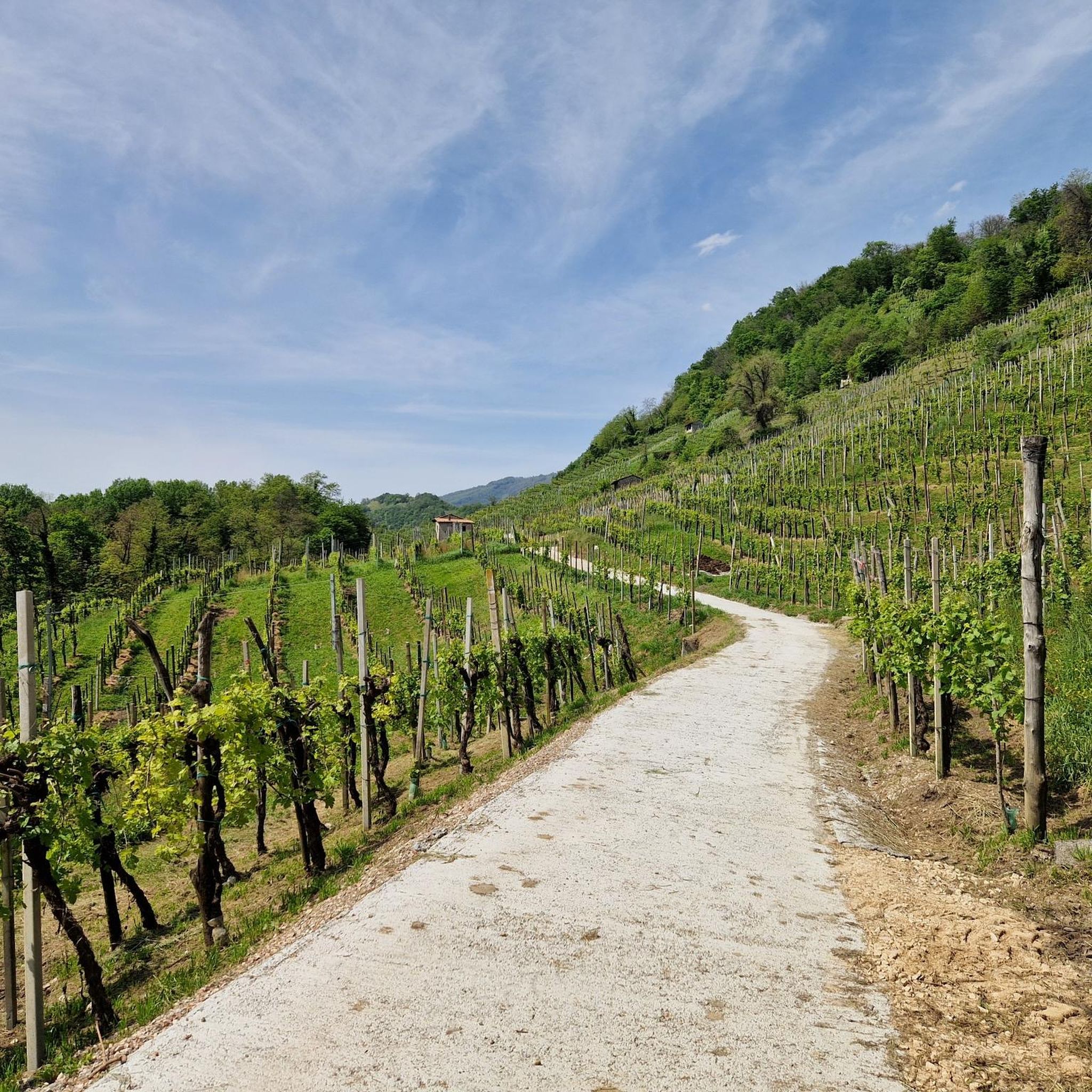
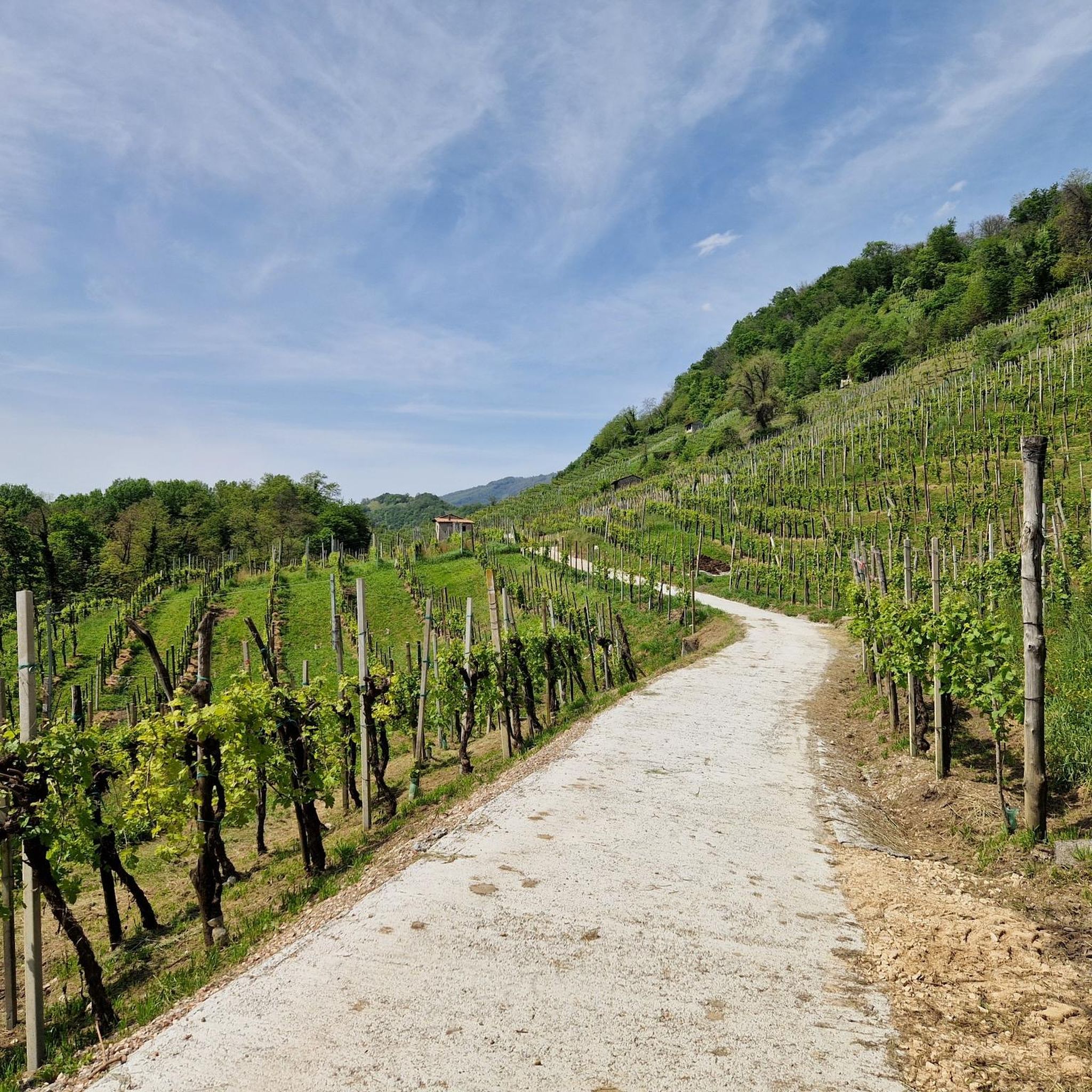
Terraced Vineyards of Rolle
Highlight • Viewpoint
Translated by Google •
Tip by
Sign up for free to discover even more attractions around Pieve Di Soligo.
Sign up for free
Already have an account?
Start today with a free account
Your next adventure awaits.
Login or Signup


Tips from the Community

The Ciclovia "La Tradotta" is a fascinating 18-kilometer cycle and pedestrian path that connects Montebelluna to Nervesa della Battaglia, at the foot of Montello. This flat route follows the path of a historic military railway used during the Great War to supply the Piave front. Today, the trail, immersed in greenery and almost entirely unpaved, is an ideal destination for families and gravel or trekking bike enthusiasts. Along the way, you can breathe in history thanks to old railway houses, railway relics, and underpasses decorated with period murals. Well-equipped with water fountains, the route ends near Nervesa della Battaglia, where you can explore the evocative remains of the Abbey of Sant'Eustachio or the Military Shrine, crowning the excursion with a regenerating stop at the typical agriturismos of the area.
0
0

Very well maintained, no potholes. The only negative note is the many stops when crossing roads
0
0

"...He spoke of the Tradotta as one would speak of something truly familiar. A railway built in wartime, for military needs. A fragile line, rebuilt several times, marked by events. Then, years later, reused to serve a local industry. Finally, abandoned, definitively closed in the early 2000s. As he spoke, the cycle/pedestrian path ceased to be a line on the map. It became a memory..."
0
0

Excellent route, quite challenging in the second section, where there are four really tough holds with gradients of up to 18%. But above all, they are mostly dirt roads, so the route is mostly dirt. It's very beautiful and rewarding, with its 960 meters of elevation gain.
0
0

Climbed from Trichiana, in theory in the morning you don't find any wind against this side, but I found it😅😅 for the whole climb
2
0


The mill was built in 1630 and shortly afterwards accommodation for the caretaker family, a stable and a granary were added. It exploited the waters of the Lierza stream, the main tributary of the Soligo, at the foot of a 12-metre waterfall; it was decommissioned in 1953. At the end of the twentieth century, after experiencing years of degradation, the mill was purchased by the municipality of Refrontolo, which carried out a careful restoration and turned it into a milling museum as well as a venue for exhibitions, including in 2009, an important retrospective by the painter Angelo Lorenzon and, in winter, the annual International Nativity Exhibition. Source Wikipedia
6
0

Frequently Asked Questions
What are some must-see historical attractions in Pieve di Soligo?
Pieve di Soligo offers several significant historical sites. The Molinetto della Croda, a 17th-century watermill built on bare rock, is a characteristic example of rural architecture and now functions as a museum. The Cathedral of Santa Maria Assunta, with its impressive 75-meter-high bell tower, houses precious 17th-century altars. You can also explore Borgo Stolfi, an evocative corner of the historic center with ancient canals and stone markers commemorating past flood levels.
Where can I experience the natural beauty of the Prosecco Hills near Pieve di Soligo?
Pieve di Soligo is nestled within the UNESCO World Heritage-listed Prosecco Hills. You can enjoy breathtaking views and the unique landscape of steep vineyard slopes and woodlands. The Soligo River and Lierza River also contribute to the scenic beauty, with the Lierza powering the historic Molinetto della Croda. For a peaceful walk, explore the Via dei Troi, a nature trail connecting the town center with Solighetto, running alongside the Soligo River.
Are there any unique or lesser-known places to visit in Pieve di Soligo?
Beyond the main attractions, consider visiting Ponte del Contenzioso (Bridge of Dispute), a historic bridge connecting the two banks of the Soligo River, named for past boundary disputes. The Loggia dei Grani, built in the 19th century, once hosted grain and livestock markets and features an ancient renovated tavern. Corte Morona, part of a restored 17th-century villa complex, offers valuable architectural elements and a small Baroque church.
What kind of outdoor activities can I enjoy around Pieve di Soligo?
The region around Pieve di Soligo is excellent for outdoor activities. You can find numerous trails for walking, hiking, and cycling. For specific routes, explore the Running Trails around Pieve Di Soligo, Cycling around Pieve Di Soligo, and MTB Trails around Pieve Di Soligo guides. Popular options include the "Molinetto della Croda — ring tour" and the "San Gallo Hermitage loop from Solighetto" for walking, and the "Prosecco Hills Vineyards loop" for running.
Are there good cycling routes near Pieve di Soligo?
Yes, Pieve di Soligo is a great base for cycling. The La Tradotta Montebelluna–Nervesa della Battaglia Cycle Route is a well-maintained 16 km gravel path following an old railway line. You can find more cycling options, including routes like the "Lago di Lago – Lakes of Revine loop" and the "Vineyard Path to Susegana – Le Case Bianche Vineyard loop," in the Cycling around Pieve Di Soligo guide.
Can I find easy walking trails suitable for families in the Pieve di Soligo area?
Absolutely. The Via dei Troi offers a peaceful walk alongside the Soligo River and through the Donor and Soligo Parks, connecting the center of Pieve di Soligo with Solighetto. Many trails in the Prosecco Hills are suitable for various fitness levels, and the area around the Molinetto della Croda is generally considered family-friendly for a pleasant stroll.
Are there family-friendly attractions in Pieve di Soligo?
Yes, several attractions in Pieve di Soligo are suitable for families. The Molinetto della Croda, a historic watermill and museum, offers an engaging look into rural life. The La Tradotta Montebelluna–Nervesa della Battaglia Cycle Route is a flat, well-maintained path perfect for family bike rides. Additionally, the scenic walks along the Soligo River and through the Prosecco Hills provide enjoyable outdoor experiences for all ages.
What historical landmarks are significant in Pieve di Soligo?
Beyond the Molinetto della Croda, the Cathedral of Santa Maria Assunta is a prominent neo-Romanesque monument. The Palazzo Vaccari, now the town hall, features a metal mesh artwork paying tribute to poet Andrea Zanzotto. Other notable sites include the Church of San Martino, a neoclassical temple built in 1842, and the ancient Church of San Tiziano Patean, which houses an altarpiece by Palma il Giovane.
Can I learn about the local history and culture in Pieve di Soligo?
Yes, Pieve di Soligo offers insights into its rich history and culture. The Museum of Regional History, housed in an ancient palace, provides exhibits on local traditions and the town's evolution. The Molinetto della Croda also functions as a museum showcasing rural life. Additionally, the Fondaco del Gusto serves as a meeting point for food and history, highlighting the area's gastronomic heritage.
What are the best places to enjoy panoramic views of the region?
For stunning panoramic views, head to the San Boldo Pass, known for its unique road construction and expansive vistas. The UNESCO World Heritage-listed Prosecco Hills themselves offer numerous viewpoints from their steep vineyard slopes. The View of Susegana, particularly from the Castle of San Salvatore, provides a magnificent perspective of the surrounding territory and vineyards.
Is Pieve di Soligo known for its wine culture, and where can I experience it?
Pieve di Soligo is indeed at the heart of Italy's renowned Prosecco wine culture. It's a key stop along the Prosecco Road of Conegliano-Valdobbiadene, Italy's first historic wine route. You can enjoy wine tastings and culinary tours amidst the vineyards. The Villa Brandolini in nearby Solighetto, headquarters for the Consortium for the Protection of Prosecco Conegliano Valdobbiadene DOCG, is also a venue for cultural events related to wine.
What is the best time of year to visit Pieve di Soligo for sightseeing?
The best time to visit Pieve di Soligo for sightseeing and outdoor activities is typically during the spring (April to June) and autumn (September to October). During these seasons, the weather is pleasant for exploring the Prosecco Hills and historical sites, and the vineyards are particularly beautiful, either in bloom or during harvest. Summer can also be enjoyable, though it can be warmer.
Most popular routes around Pieve Di Soligo
Most popular attractions around Pieve Di Soligo

Get inspired with the komoot mobile app


Explore more
Still not found the Highlight you’re looking for? See guides of the top attractions in other regions:
