The best cycling routes around Mogliano Veneto
4.0
(445)
2,577
riders
53
rides
Touring cycling around Mogliano Veneto offers a network of routes through the flat Venetian plain, characterized by tranquil rural settings and waterways. The area features the Sile River, with its scenic banks and lush vegetation, and utilizes former railway lines for traffic-free cycling. The terrain is generally flat, with minimal elevation changes, making it suitable for various fitness levels. This region provides a blend of natural beauty and historical elements, enhancing the cycling experience.
Best touring cycling routes around Mogliano…
Last updated: August 25, 2026
4.8
(68)
416
riders
121km
07:16
160m
160m
Hard bike ride. Very good fitness required. Mostly paved surfaces. Suitable for all skill levels.
3.9
(7)
104
riders
61.9km
04:05
80m
80m
Moderate bike ride. Good fitness required. Mostly paved surfaces. Suitable for all skill levels.

Sign up for free
3.1
(15)
84
riders
Moderate bike ride. Good fitness required. Mostly paved surfaces. Suitable for all skill levels.
4.1
(28)
58
riders
Moderate bike ride. Good fitness required. Mostly paved surfaces. Suitable for all skill levels.
4.2
(5)
26
riders
41.9km
02:28
70m
70m
Moderate bike ride. Good fitness required. Mostly paved surfaces. Suitable for all skill levels.
Get access to more routes and recommendations from other explorers.
Sign up for free
Already have an account?
Our route recommendations are based on thousands of hikes, rides, and runs completed by other people on komoot.
Start today with a free account
Your next adventure awaits.
Login or Signup

Tips from the Community

Treviso is definitely worth a visit 🤩
0
0

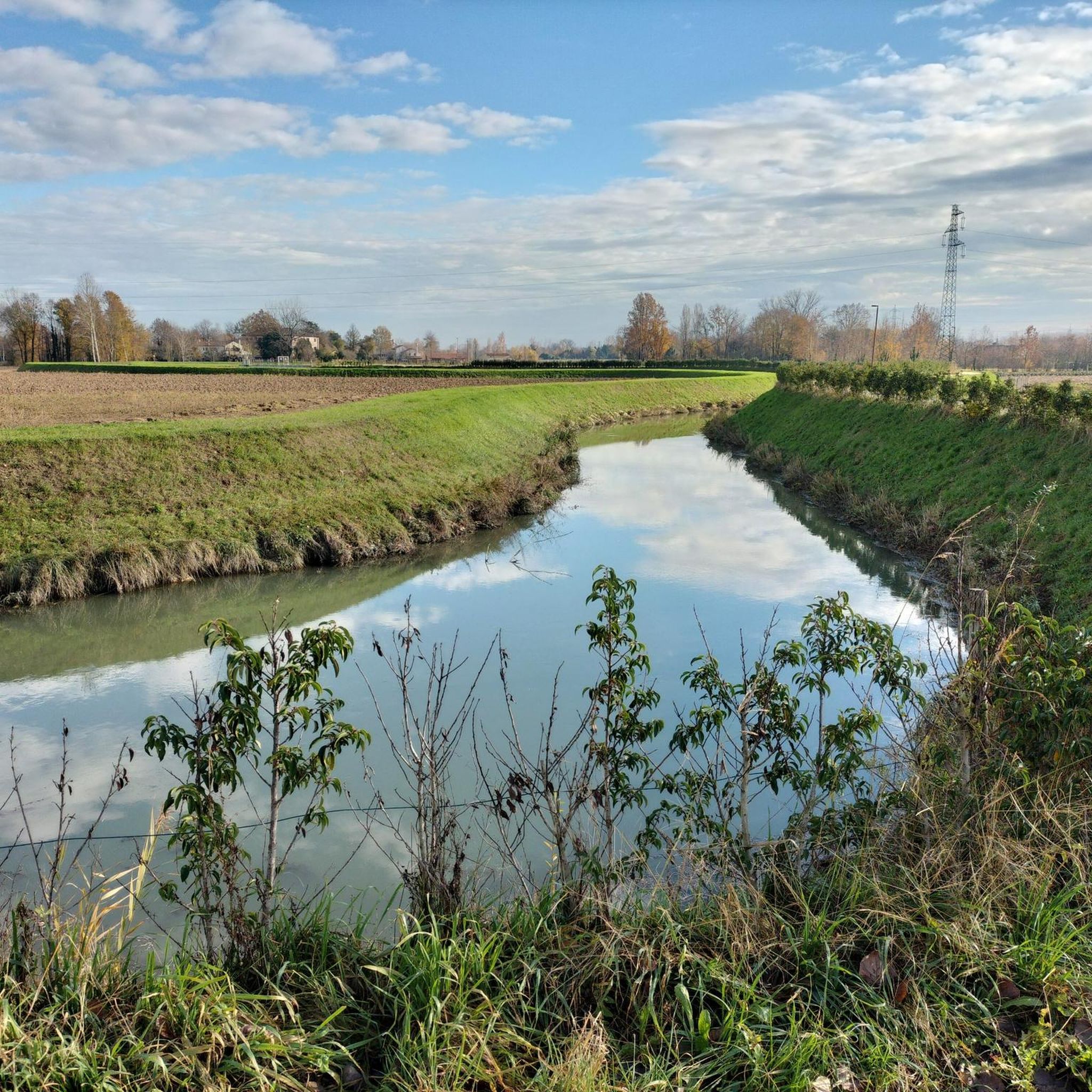
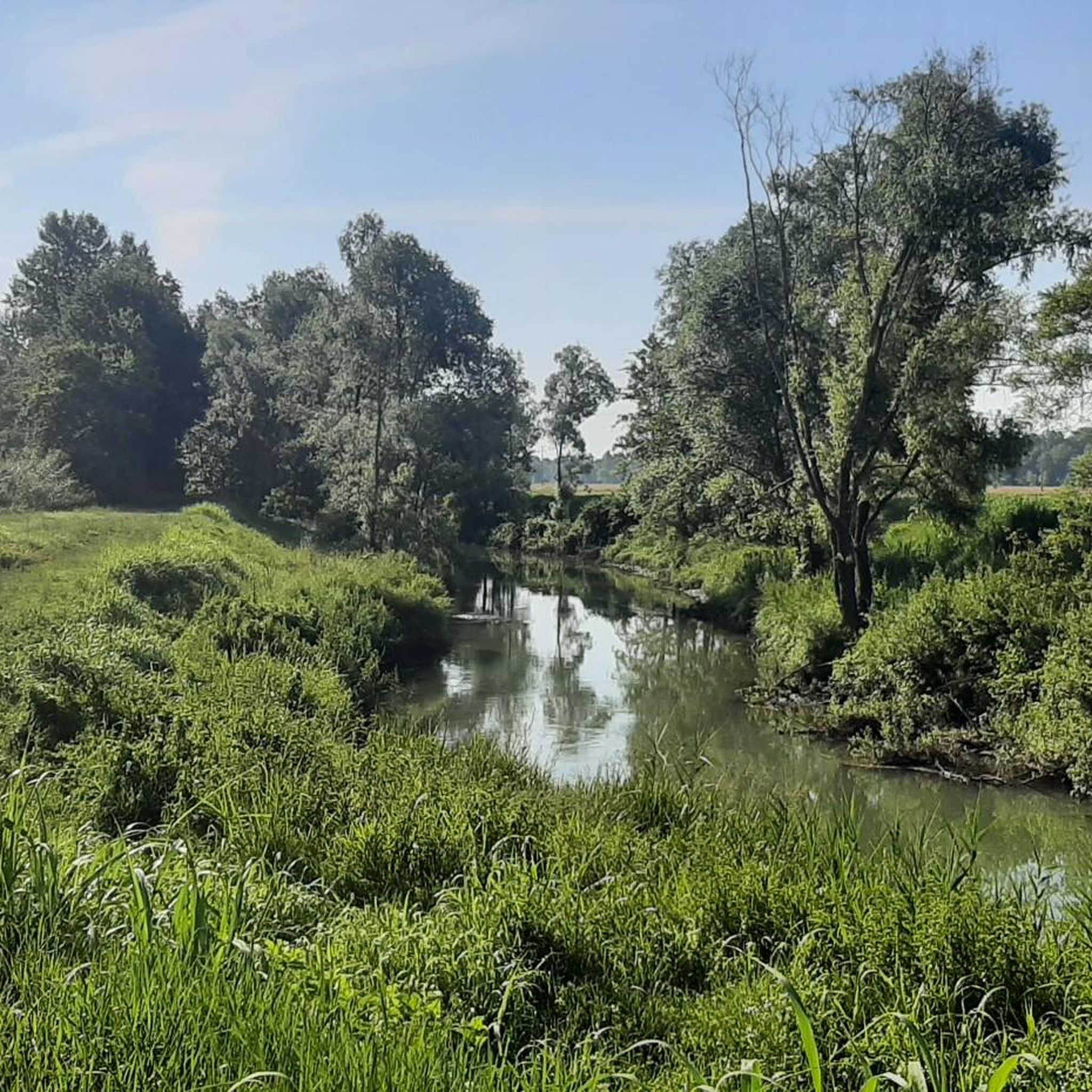
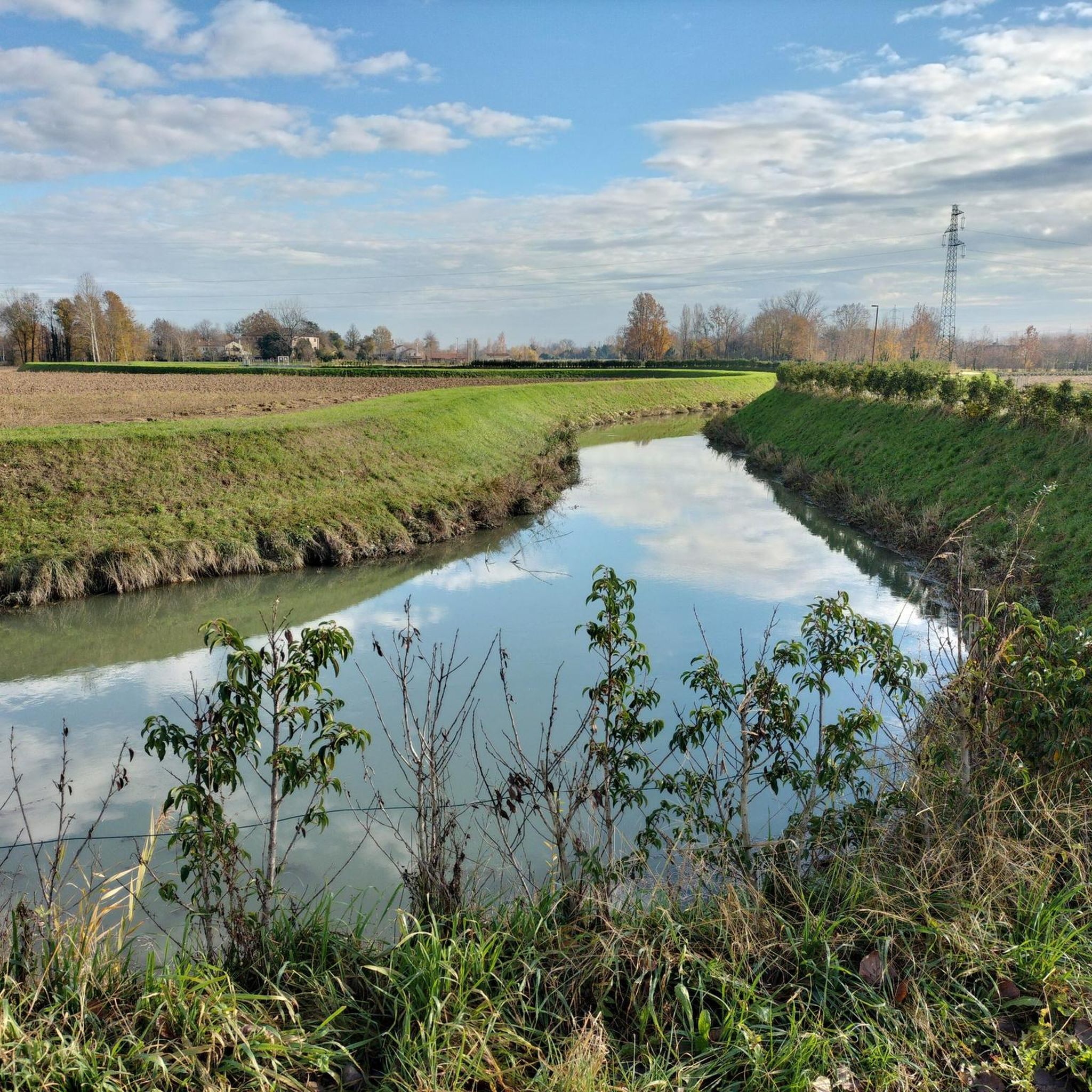
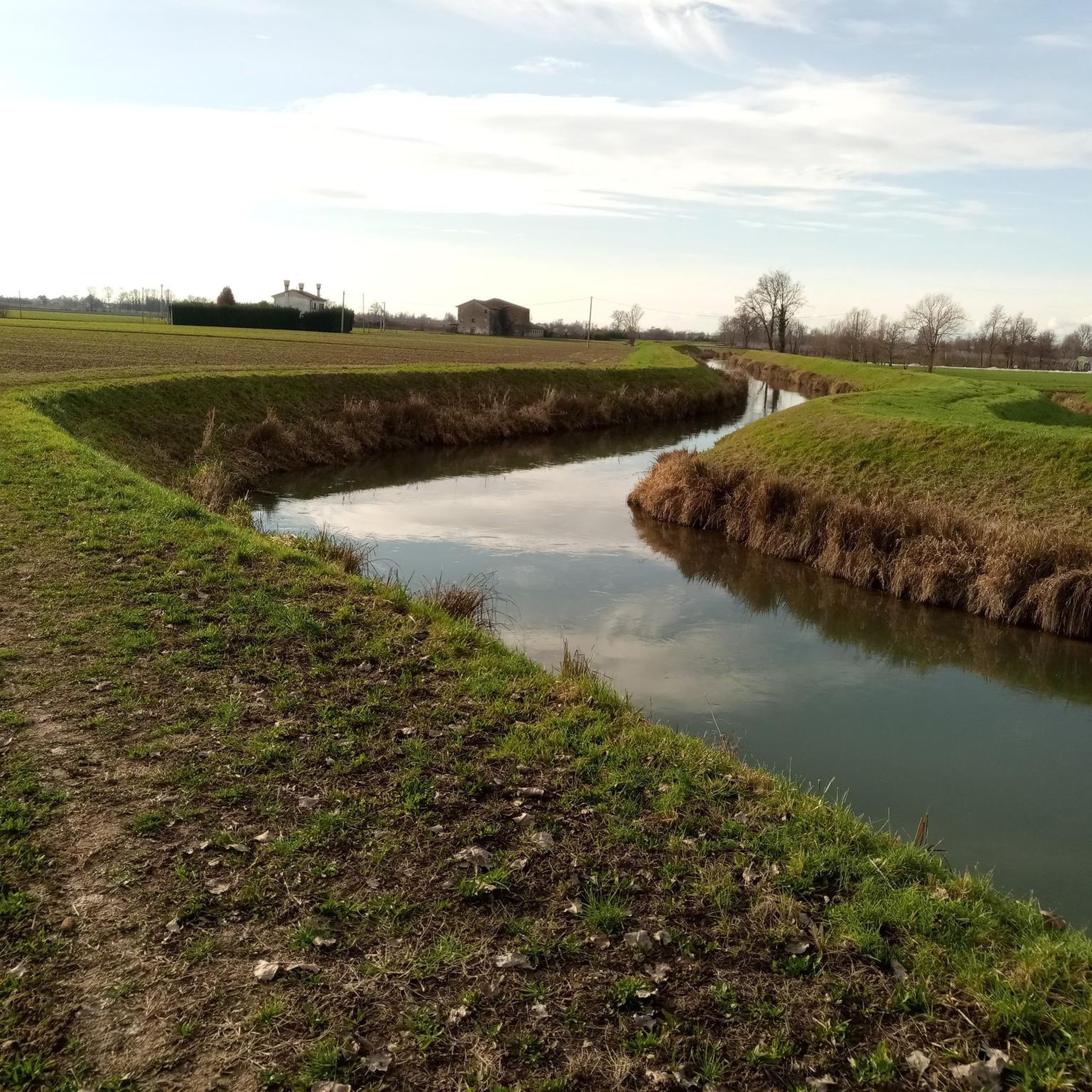
Mulino Michieletto (formerly Pamio), the “middle mill”, the smallest of the Scorzè mills. Of sixteenth-century origin, it passed through various owners and was managed by the millers of the Pamio family who took care of its operation and productive activity. Today it is a private property with horse breeding; in addition to the two barns (haylofts) for sheltering vehicles, the two entry holes for the spindles (pins) have been preserved on the south wall. From here, without a doubt, begins the most interesting area from a landscape point of view of the Quattro Mulini Cycle-Pedestrian Path. Leaving the urban area, you immerse yourself completely in the countryside. The path, bordered by a wooden fence, follows the sinuous course of the river and its many bends up to the Mulino Todori, between the localities of Contea and Canove.
1
0
The Cosma Mill (formerly Pavanetto) is one of the four currently present in the municipal area, silent witnesses of a time when water was a precious resource and marked daily life. Dating back to the 15th century, as per a document that sets its construction date to 1470, and belonging to the noble families Donà, Contarini, and Zen, it remained active until 1995. It marks the initial/final stage of the Four Mills cycle path completed in 2019.
1
0
The Il Mulino Todori (formerly Pamio) stands between the localities of Contea and Canove. The existence of a mill in this area has been known since 1455. Run by as many as three families, all belonging to the Todori branch of the Pamio family, it had three millstones: for maize, for wheat, and for the waste of corn and cobs. The mill was subsequently rebuilt by the noble Soranzo family, who created the adjoining manor house with the architectural characteristics typical of Venetian villas, of which the central trifora can still be identified. The milling activity definitively ceased in the early 1960s. The mill, today privately owned, is located within the Oasi Todori, a municipal green area inaugurated in 201. Characterized by high biodiversity, it currently occupies an area of 2.5 hectares as a refuge and protection area for various species of flora and fauna, including woodpecker, swallow, robin, blackbird, sparrow, finch, water rail. Among the tree species are field maple, hornbeam, poplar, willow, elder, and dogwood.
1
0

Located in Scorzè, along the banks of the Dese river, the Mulino Michieletto represents one of the most fascinating testimonies of Venetian hydraulic civilization. An integral part of the charming Percorso dei Quattro Mulini, this historic structure evokes a past when the local economy revolved around the power of water. Although no longer operational, the building retains its architectural charm intact, with visible signs of the ancient water wheels that once ground the area's cereals. Immersed in a valuable natural setting, a short distance from the Oasi Todori, the mill is today a privileged destination for those who enjoy cycle touring or slow walks, offering an authentic and silent glimpse into the symbiosis between man and the riverine territory.
1
0
Located in the heart of Treviso, the Loggia dei Cavalieri is one of the city's most precious symbols of its communal past. Built in the second half of the 13th century under the podestà Andrea da Perugia, it was the privileged meeting and leisure place for nobles and knights, who dedicated themselves to games and conversations here. The structure is distinguished by its irregular quadrilateral shape and its large round arches resting on elegant Istrian stone columns. The internal and external walls are decorated with fresco cycles from the medieval era, including chivalric scenes and ornamental motifs that, despite the damage suffered during the bombings of 1944, retain a unique charm. Today, this open and monumental space continues to be a vital center for Treviso's culture.
0
0

The first section of the Treviso-Ostiglia cycle path entering the province of Padua.
0
0
Il Bastione San Paolo constitutes a fundamental part of Treviso's 16th-century city walls, located in the north-eastern sector of the city. Designed as part of the defensive enhancement desired by the Serenissima, it presents itself as a massive earth and brick structure, engineered to withstand the modern artillery systems of the time. Currently, the area has lost its military function to become one of the most evocative green areas in the historic center. Its tree-lined avenues offer an elevated panoramic walk overlooking the canals below, once defensive moats. It is a perfect example of urban regeneration, where Renaissance engineering blends with the tranquility of the city's river landscape.
0
0
Frequently Asked Questions
What is the general terrain like for touring cycling around Mogliano Veneto?
The terrain around Mogliano Veneto is predominantly flat, characteristic of the Venetian plain. Routes often follow tranquil rural settings and waterways, with minimal elevation changes. This makes the area suitable for various fitness levels, offering a blend of easy rides and more moderate excursions.
Are there touring cycling routes suitable for beginners in Mogliano Veneto?
Yes, Mogliano Veneto offers many routes ideal for beginners. For example, the Via Scaramuzza Cycle Path – Mulino Scabello loop from Mogliano Veneto is an easy 20.6-mile (33.2 km) trail that takes you through serene countryside without significant climbs.
How many touring cycling routes are available in Mogliano Veneto?
There are over 50 touring cycling routes available around Mogliano Veneto, catering to various preferences and skill levels. These include 30 easy routes, 18 moderate routes, and 6 more challenging options.
Can I find circular touring cycling routes in the area?
Yes, many touring cycling routes in Mogliano Veneto are designed as loops, allowing you to start and finish in the same location. Examples include the popular Martellago Lakes – Todari Mill loop from Mogliano Veneto and the Sile Cycle Path – Bridge over the Sile River loop from Stazione di Mogliano Veneto.
What natural features can I expect to see while cycling around Mogliano Veneto?
Cyclists can enjoy the scenic banks of the Sile River, which features lush vegetation and opportunities to observe local flora and fauna. Routes also wind through unspoiled rural areas, offering peaceful natural experiences. You might also encounter features like the Martellago Lakes.
Are there any historical landmarks or points of interest along the cycling routes?
Yes, the region blends natural beauty with historical elements. You can cycle along former railway lines, such as the Treviso-Ostiglia Railway Cycle Path, which passes by historical points of interest like a decommissioned military fort. Other notable sites include the Forte Carpenedo and the Tower of the Castello dei Carraresi in Casale sul Sile.
Can I cycle to Venice from Mogliano Veneto?
Yes, there are routes that connect Mogliano Veneto to Venice. For instance, the Venice – Entrance to Parco San Giuliano loop from Stazione di Mogliano Veneto offers a unique way to approach the iconic city, leading through the Venetian plain.
Is public transport easily accessible for reaching touring cycling routes in Mogliano Veneto?
Mogliano Veneto is well-connected, and its train station (Stazione di Mogliano Veneto) serves as a convenient starting point for several routes, including those connecting to Venice or along the Sile River. This makes it easy to access routes without needing a car.
What do other touring cyclists enjoy most about cycling in Mogliano Veneto?
The touring cycling routes around Mogliano Veneto are highly rated by the komoot community, with an average score of 4.1 stars from over 50 reviews. Cyclists often praise the tranquil rural settings, the scenic Sile River, and the traffic-free experience offered by routes utilizing former railway lines.
Are there any specific routes that follow the Sile River?
Absolutely. The Sile River is a prominent feature of the region's cycling landscape. A popular option is the Bridge over the Sile River – Carmason Pumping Station loop from Mogliano Veneto, which allows you to follow the river's lush banks and observe local wildlife.
What is the best time of year to go touring cycling in Mogliano Veneto?
The Veneto region generally offers pleasant cycling conditions during spring (April-May) and autumn (September-October) when temperatures are mild and the scenery is vibrant. Summer can be warm, but the flat terrain and shaded sections along rivers can still make for enjoyable rides.
Most popular routes around Mogliano Veneto
Most popular attractions around Mogliano Veneto

Get inspired with the komoot mobile app


Explore more
Browse the best Cycling routes in other regions.
