The best running trails around Cimadolmo
4.3
(141)
5,441
runners
10
runs
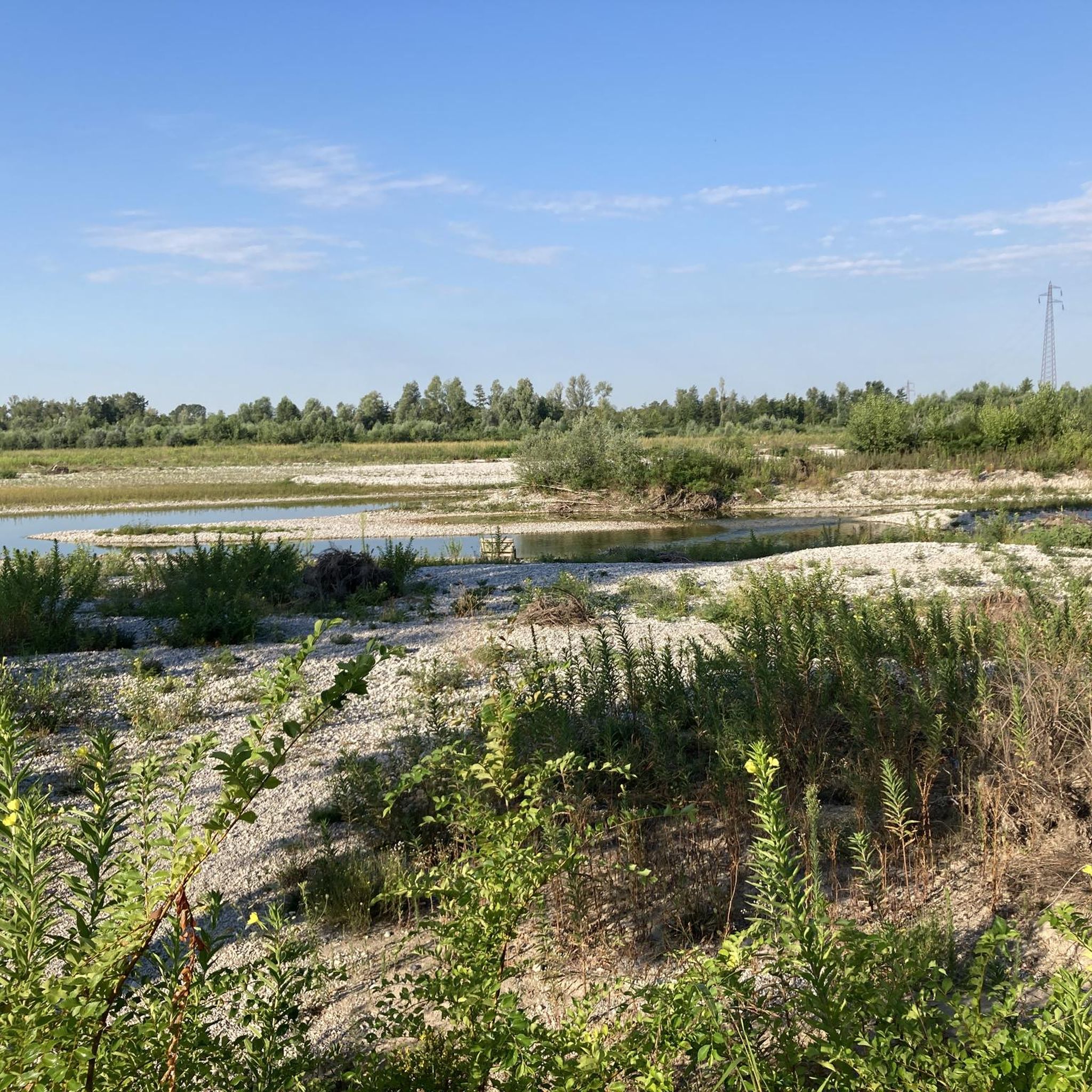
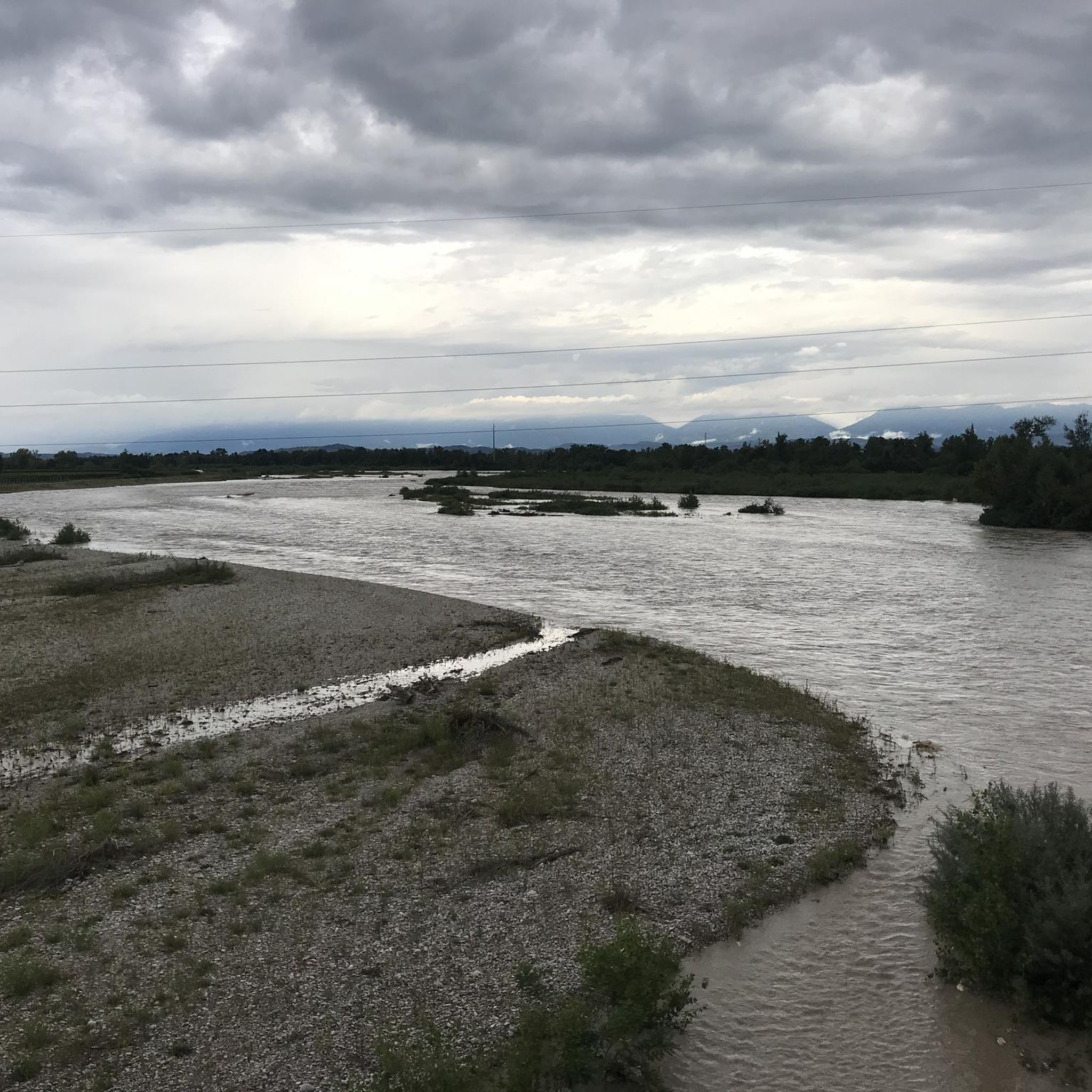
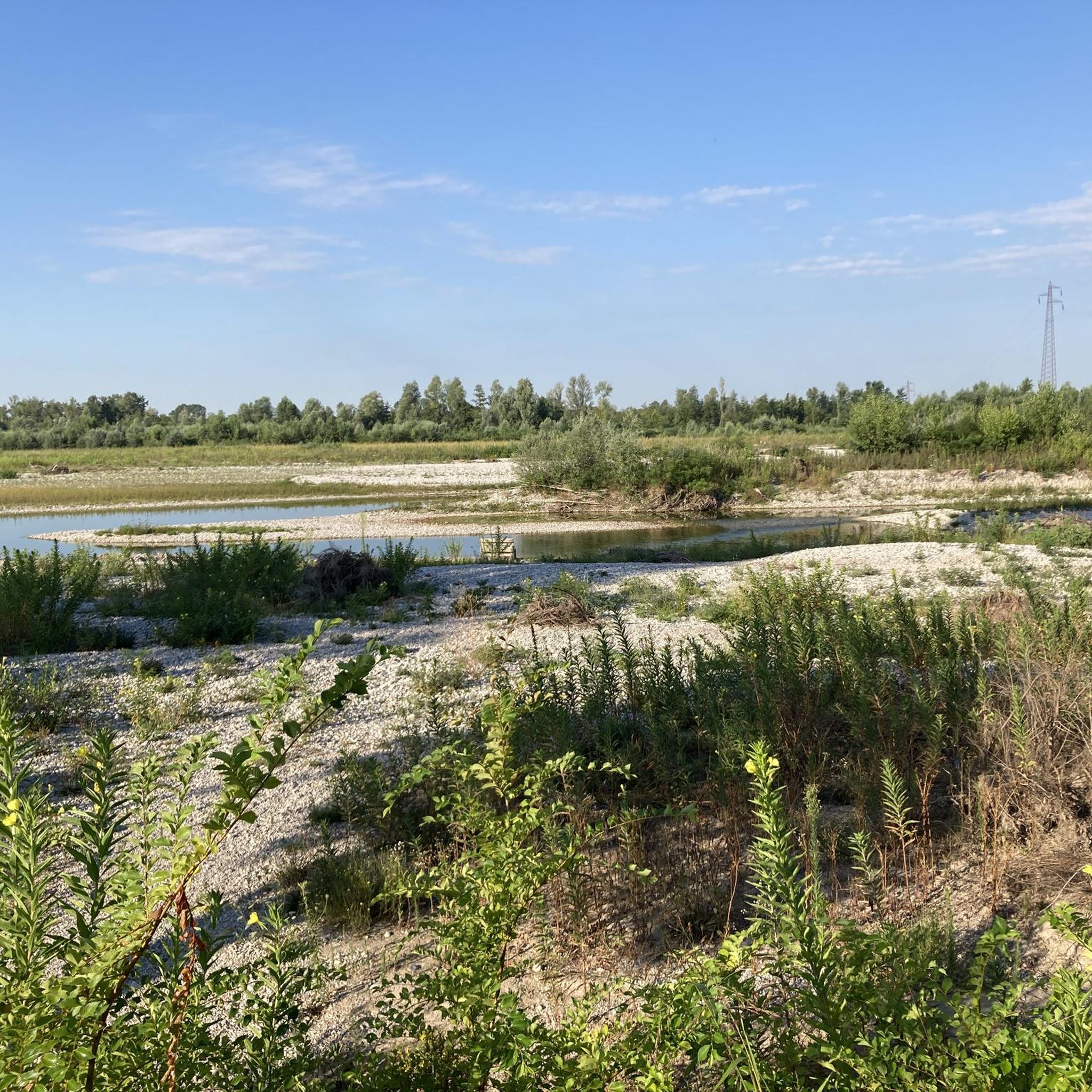
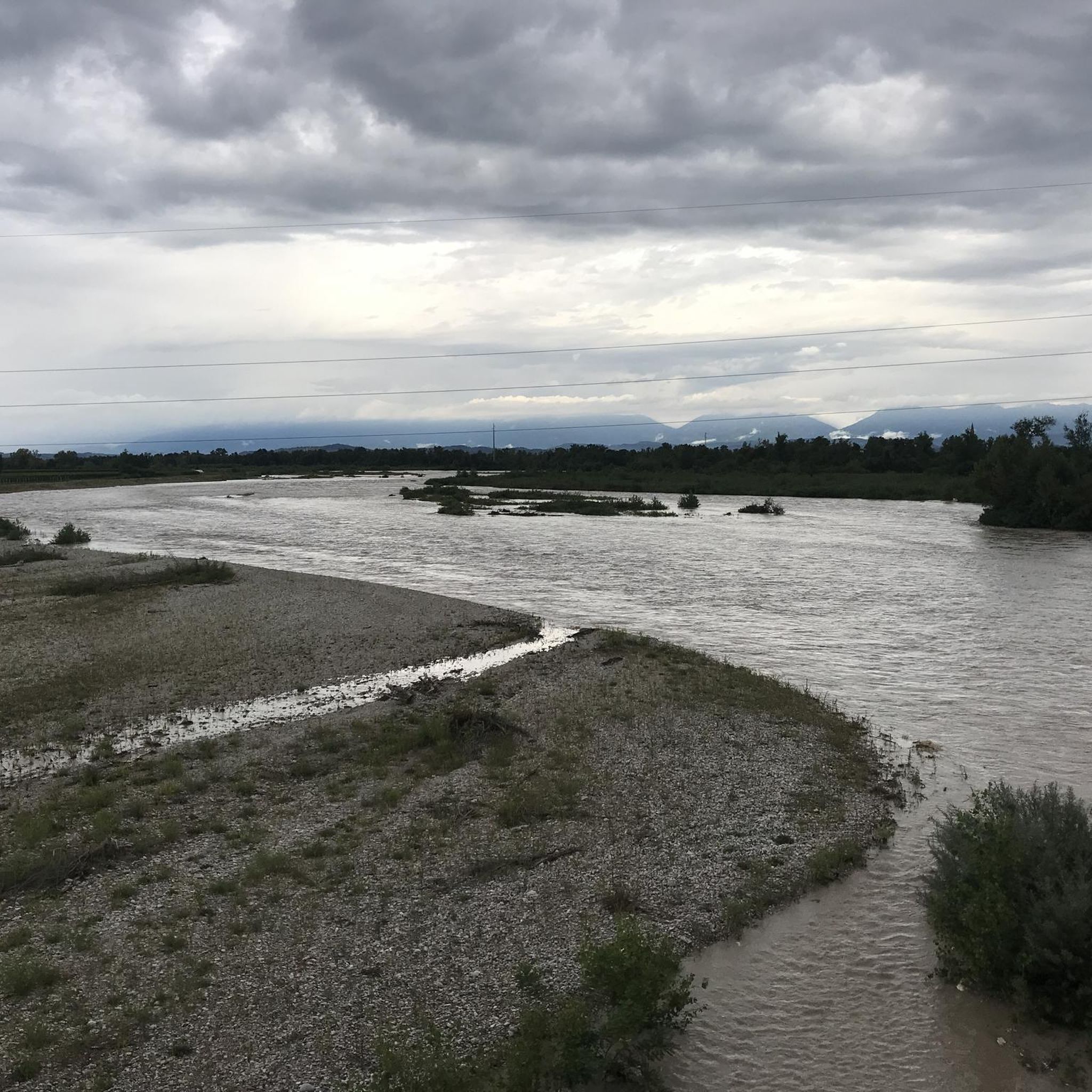
Jogging around Cimadolmo offers a way to explore the flat, agricultural landscape of the Piave River plain. The region is characterized by low elevation gains, making most routes accessible and suitable for consistent running. Paths often follow riverbanks or traverse open fields, providing a tranquil environment for runners. This area is ideal for those seeking gentle, sustained efforts without significant climbs.
Best jogging routes around Cimadolmo
- The most popular jogging route is The Village loop from Tezze di Piave,…
Last updated: October 9, 2026
5.0
(1)
29
runners
Moderate run. Good fitness required. Mostly paved surfaces. Suitable for all skill levels.
5.0
(3)
5
runners
7.10km
00:44
10m
10m
Moderate run. Good fitness required. Mostly paved surfaces. Suitable for all skill levels.

6
runners
7.05km
00:43
10m
10m
Moderate run. Good fitness required. Mostly paved surfaces. Suitable for all skill levels.
2
runners
9.50km
00:59
10m
10m
Moderate run. Good fitness required. Mostly paved surfaces. Suitable for all skill levels.
5
runners
7.11km
00:44
10m
10m
Moderate run. Good fitness required. Mostly paved surfaces. Suitable for all skill levels.
Get access to more routes and recommendations from other explorers.
Already have an account?
Our route recommendations are based on thousands of hikes, rides, and runs completed by other people on komoot.
Start today with a free account
Your next adventure awaits.

Tips from the Community

Parish of San Polo di Piave, San Polo di Piave On May 1, 1818, Pope Pius VII finally included it with the other parishes and their branches in the diocese of Ceneda with the bull "De salute Dominici gregis". When it depended on Aquileia it was called San Polo del Patriarca. The first church that we remember existed in the thirteenth century, was enlarged from 1650 and consecrated on September 19, 1686 by Monsignor Daniel Delfino, Bishop of Philadelphia, coadjutor to Patriarch John Dauphin and elect of Aquileia. It had a single nave, but in 1912 the other two aisles were added. In November 1917, after Caporetto's defeat, the church, like the rest of the country, was looted, vandalized and almost demolished. The damage, also taking into account the loss of works of art and archive material, was incalculable. In 1922 it was practically rebuilt and in 1923 the bell tower was rebuilt according to the architect's design. Vincenzo Rinaldo from Venice, who had built the previous one in 1908. The church was inaugurated together with the bell tower on October 18, 1925. Text / Source: Official website of the Diocese of Vittorio Veneto https://www.diocesivittorioveneto.it/territorio/parrocchie.asp?for=9&parr=116
16
0
Parish of San Polo di Piave, San Polo di Piave Historical Notes The origins of San Polo are confused with those of the ancient "Opitergium". In the Middle Ages, from the tenth century, the German emperors took possession of it and for this reason the place was called "Court of Saint Paul". Later, until the middle of the fifteenth century, it was under the rule of the Patriarchs of Aquileia, represented by a Gastaldo. In 1445 San Polo was contractually ceded to the Republic of Venice, in 1452 it passed to Count Cristoforo da Tolentino, who was succeeded by his son Lancelot. In 1506 Angelo Gabriel, Venetian patrician, was made Count of San Polo and his descendants retained the feudal administration until 1805, when it was abolished. The old castle, built in the twelfth century, was practically demolished in 1680, nothing remains of it but a tower around which a large palace was built as the residence of the feudal lord (today, after radical remodeling, it has the shape of a Gothic castle ). San Polo is a parish church, but not a matrix. The healing of souls dates back to the eighth century, as evidenced by the "Placito di Liutprando", king of the Lombards, of June 6, 743. Then the Patriarch of Aquileia reserved on the territory of the diocese of Ceneda: "... Quatuor plebes in itinere suo positas propter viam vel viaticum...). The four unnamed parishes were: San Cassiano del Meschio, San Fior di Sopra, San Polo and San Remedio (which no longer exists) The Pieve di San Polo and the others remained subject to the Patriarchate of Aquileia until their abolition by Pope Benedict XIV on July 6, 1751, and then to the Archdiocese of Udine, which was abolished on July 19, 1751. January 1743. On May 1, 1818, Pope Pius VII, with the bull "De salute Dominici gregis", definitively included it with the other parishes and their branches in the diocese of Ceneda.When it depended on Aquileia, it was called San Polo del Patriarca The first church that we remember existed in the thirteenth century, was enlarged from 1650 and consecrated on September 19, 1686 by Monsignor Daniel Delfino, Bishop of Philadelphia, coadjutor of Patriarch John Dauphin and elect of Aquileia. It had a single nave, but in 1912 the other two aisles were added. In November 1917, after Caporetto's defeat, the church, like the rest of the country, was looted, vandalized and almost demolished. The damage, also taking into account the loss of works of art and archive material, was incalculable. In 1922 it was practically rebuilt and in 1923 the bell tower was rebuilt according to the architect's design. Vincenzo Rinaldo from Venice, who had built the previous one in 1908. The church was inaugurated together with the bell tower on October 18, 1925. Text / Source: Official website of the Diocese of Vittorio Veneto https://www.diocesivittorioveneto.it/territorio/parrocchie.asp?for=9&parr=116
15
0

The Church of the Conversion of St. Paul is the parish church of the village of San Polo. The building, seriously damaged during the First World War, was rebuilt in the first half of the twentieth century.
19
0
The Church of the Conversion of San Paolo is the parish church of the town (the toponym San Polo is precisely due to the Venetian pronunciation of the name of the patron saint): the building, seriously damaged during the First World War, was rebuilt in the first half of the twentieth century.
15
1

Outside restaurant in a wine region with delicious dishes and prosecco, shaded outdoor seating. Visited as a hiker from Munich to Venice, staff very friendly.
1
0
Frequently Asked Questions
Are there easy running routes suitable for beginners in Cimadolmo?
Yes, Cimadolmo is characterized by its flat, agricultural landscape and low elevation gains, making most routes accessible. There are 23 routes specifically classified as easy, perfect for beginners or those seeking a gentle run.
What are some options for longer running trails around Cimadolmo?
For those looking for a longer run, the region offers several options. The Palazzo Ancilotto loop from Santa Maria del Piave is a notable choice, covering 8.1 miles (13.0 km) through the rural landscape.
Is parking available near the running routes in Cimadolmo?
While specific parking information for each trailhead isn't always detailed, many running routes in Cimadolmo start from villages like Tezze di Piave, Roncadelle, or Santa Maria del Piave. You can typically find public parking in these areas, often near local amenities or village centers.
Are the running paths in Cimadolmo dog-friendly?
Many of the rural paths and riverbanks in Cimadolmo are suitable for running with dogs, especially given the tranquil, open environment. However, it's always recommended to keep dogs on a leash and check for any local regulations or signage, particularly when passing through agricultural areas or near private property.
Are there running routes in Cimadolmo suitable for families?
The generally flat terrain and low elevation gains make many of Cimadolmo's running paths suitable for families, especially those with younger runners or strollers. Routes that follow riverbanks or traverse open fields offer a safe and pleasant environment for a family outing.
What is the best time of year to go running in Cimadolmo?
The spring and autumn months generally offer the most pleasant conditions for running in Cimadolmo, with mild temperatures and beautiful scenery. Summer can be warm, so early morning or late evening runs are advisable. Winter running is also possible, as the flat terrain means less concern about snow and ice compared to mountainous regions.
Are there any circular running routes available in Cimadolmo?
Yes, many of the running routes in Cimadolmo are designed as loops, allowing you to start and finish in the same location. Examples include The Village loop from Tezze di Piave and Running loop from Roncadelle, which provide smooth experiences across the flat countryside.
What kind of scenic views can I expect on running routes in Cimadolmo?
Running in Cimadolmo offers tranquil views of the flat, agricultural landscape of the Piave River plain. You'll often find yourself running along riverbanks, through open fields, and past local villages, providing a peaceful and consistent visual experience without significant climbs.
What do other runners enjoy most about jogging in Cimadolmo?
The running routes in Cimadolmo are highly rated by the komoot community, with an average score of 4.5 stars from over 117 reviews. Runners often praise the tranquil environment, the flat and accessible terrain perfect for sustained efforts, and the pleasant paths along riverbanks and through open fields.
Are there any interesting landmarks or attractions to see along the running routes?
While the focus is on the natural landscape, some routes may pass near points of interest. For example, you might encounter views towards Susegana or even catch glimpses of historical sites like Castello di San Salvatore in the distance. The region also features natural highlights such as the Source of the Meolo River.
How many running routes are available in the Cimadolmo area?
There are over 260 running routes available around Cimadolmo, offering a wide variety of options for different distances and preferences. The majority of these are moderate in difficulty, with a good selection of easy routes also available.
Can I access running routes in Cimadolmo using public transport?
While specific public transport links to every trailhead are not detailed, the running routes often start from villages within the Cimadolmo area. It's advisable to check local bus schedules for connections to these villages, such as Tezze di Piave or Santa Maria del Piave, which serve as common starting points for many routes.
Most popular attractions around Cimadolmo

Get inspired with the komoot mobile app


Explore more
Browse the best Running Trails & Routes in other regions.
