The best cycling routes around Gorgo Al Monticano
4.2
(367)
2,969
riders
328
rides
Touring cycling routes around Gorgo Al Monticano are characterized by a predominantly flat landscape, making the region accessible for various cycling abilities. The area features extensive green fields, vineyards, and is traversed by several rivers, including the Livenza and Piave. Dedicated cycling paths, such as the TV3 GiraMonticano Cycle Path, provide infrastructure for exploration. The terrain generally offers low elevation gain, ideal for relaxed touring.
Best touring cycling routes around Gorgo Al Monticano
- The most popular touring cycling route is…
Last updated: July 10, 2026
3.5
(10)
34
riders
Moderate bike ride. Good fitness required. Mostly paved surfaces. Suitable for all skill levels.
22
riders
87.3km
05:27
120m
120m
Hard bike ride. Very good fitness required. Mostly paved surfaces. Suitable for all skill levels.

Sign up for free
4.4
(10)
22
riders
34.8km
02:14
60m
60m
Moderate bike ride. Good fitness required. Mostly paved surfaces. Suitable for all skill levels.
5.0
(1)
22
riders
Hard bike ride. Very good fitness required. You may need to push your bike for some segments of this route.
4.0
(2)
18
riders
Easy bike ride. Great for any fitness level. Mostly paved surfaces. Suitable for all skill levels.
Get access to more routes and recommendations from other explorers.
Sign up for free
Already have an account?
Our route recommendations are based on thousands of hikes, rides, and runs completed by other people on komoot.
Start today with a free account
Your next adventure awaits.
Login or Signup
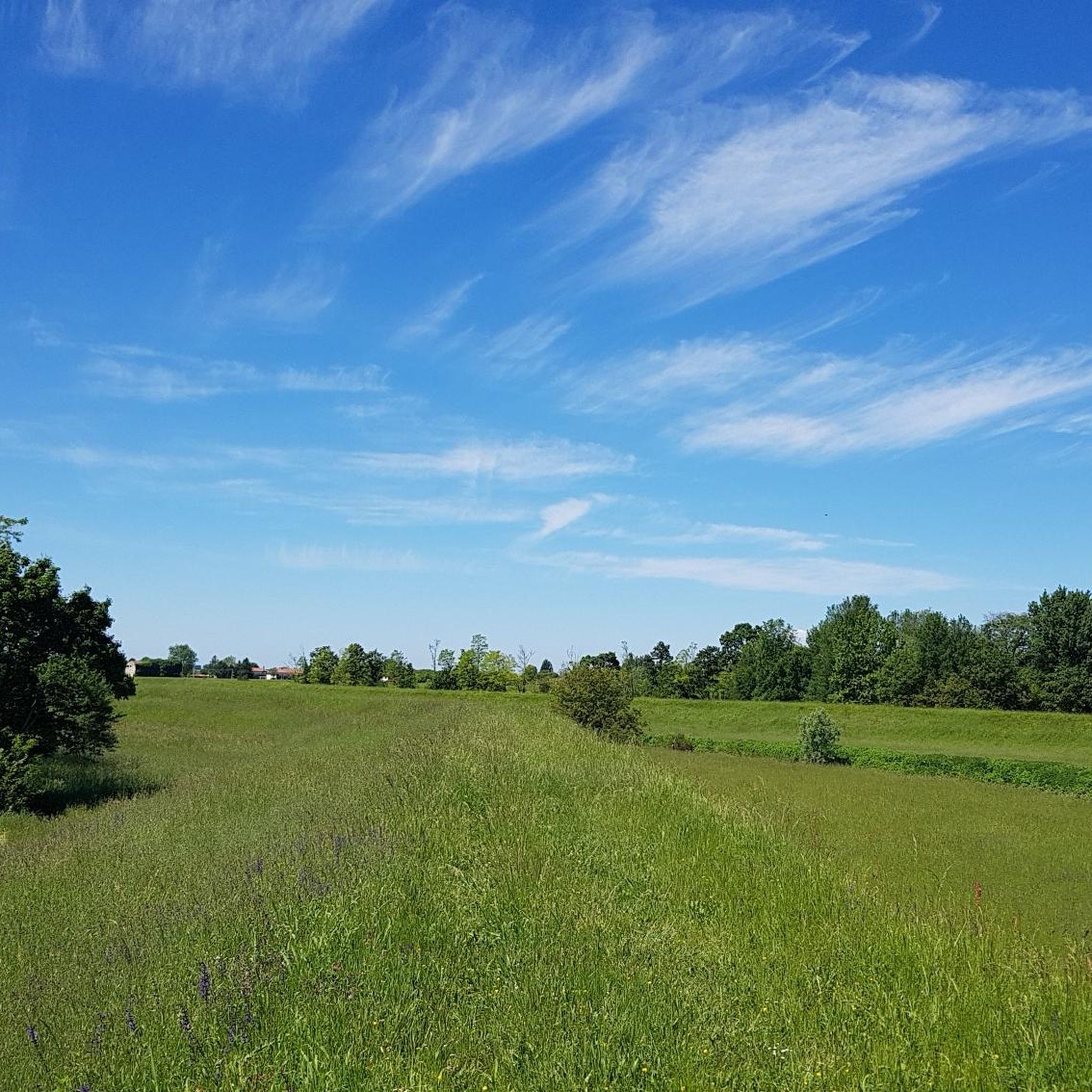
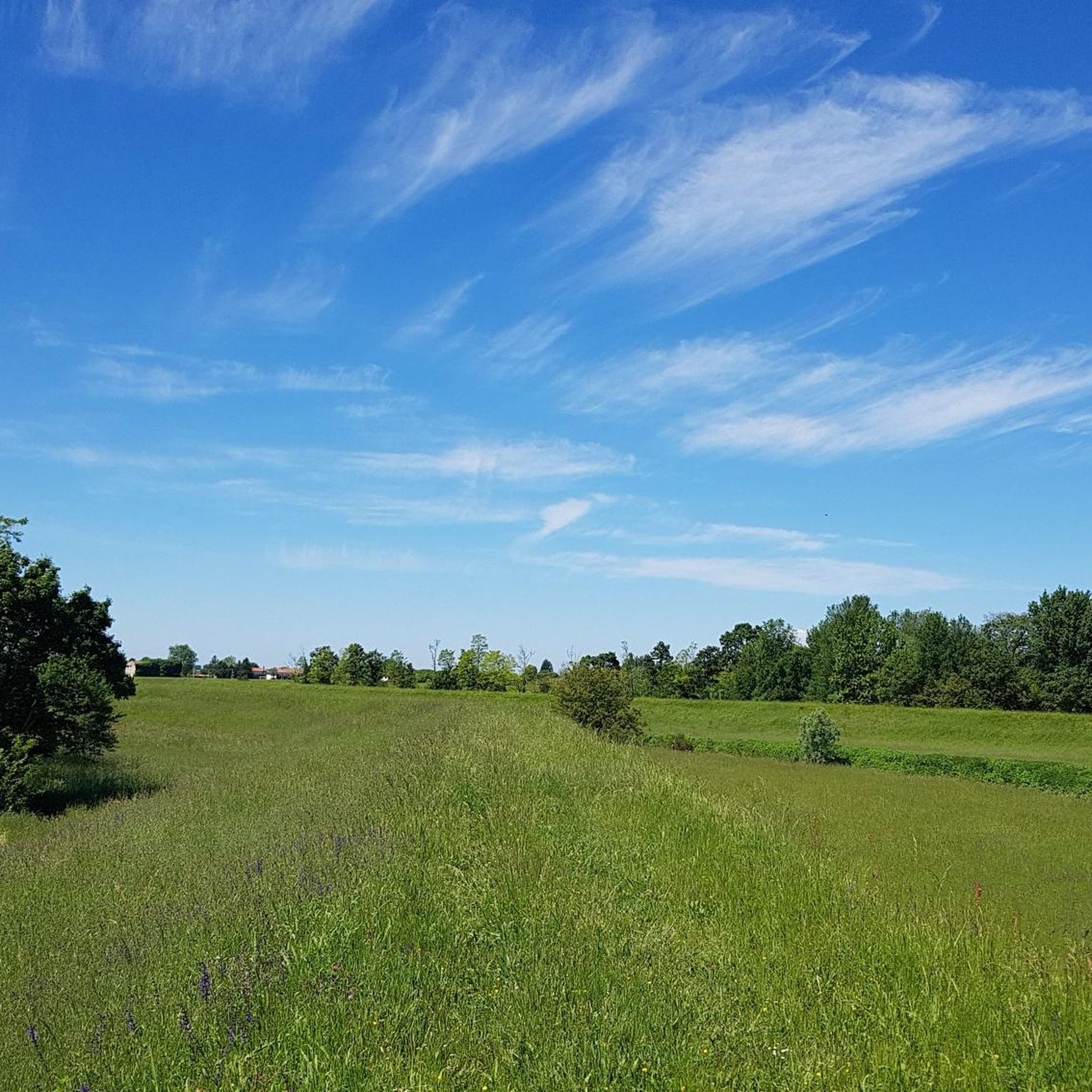

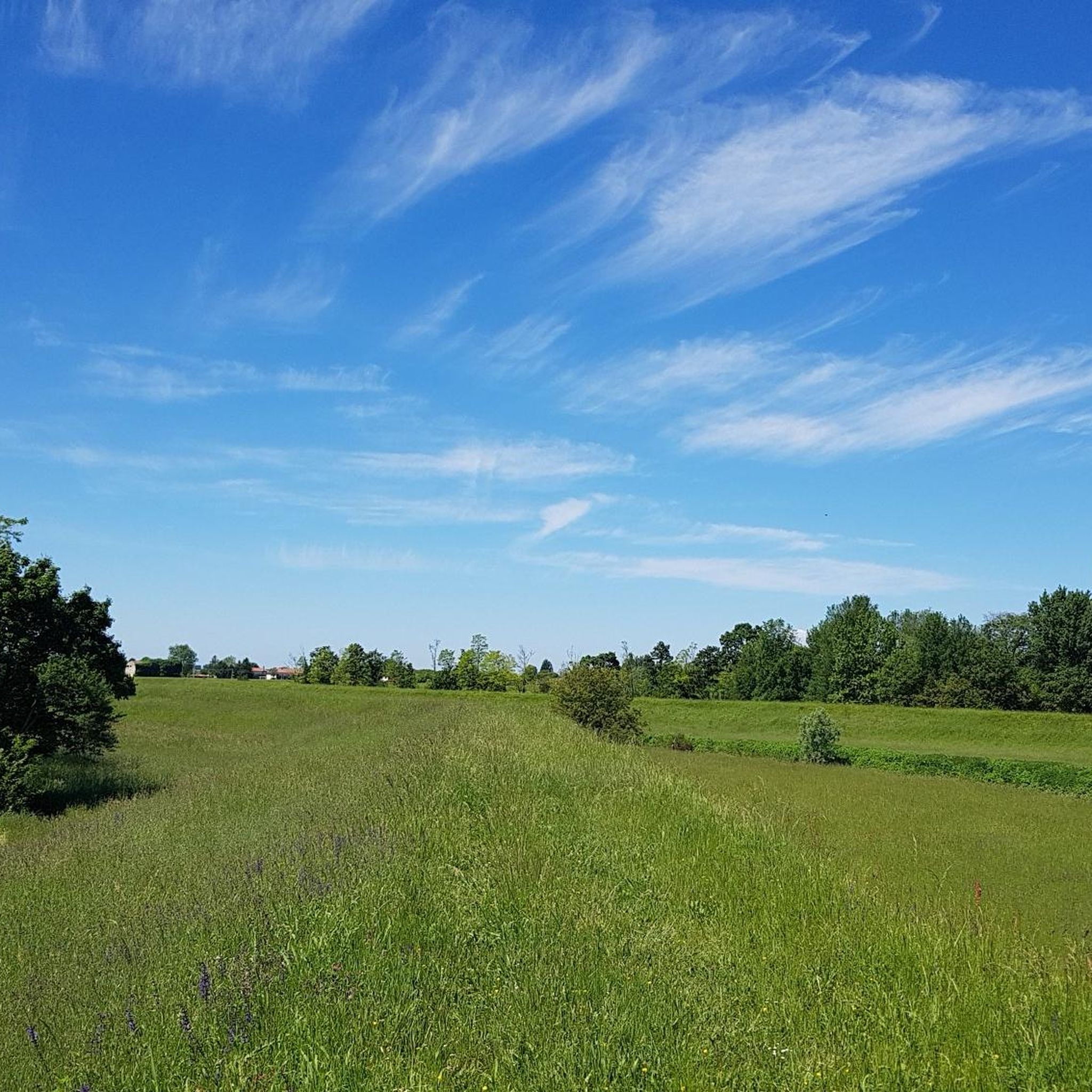
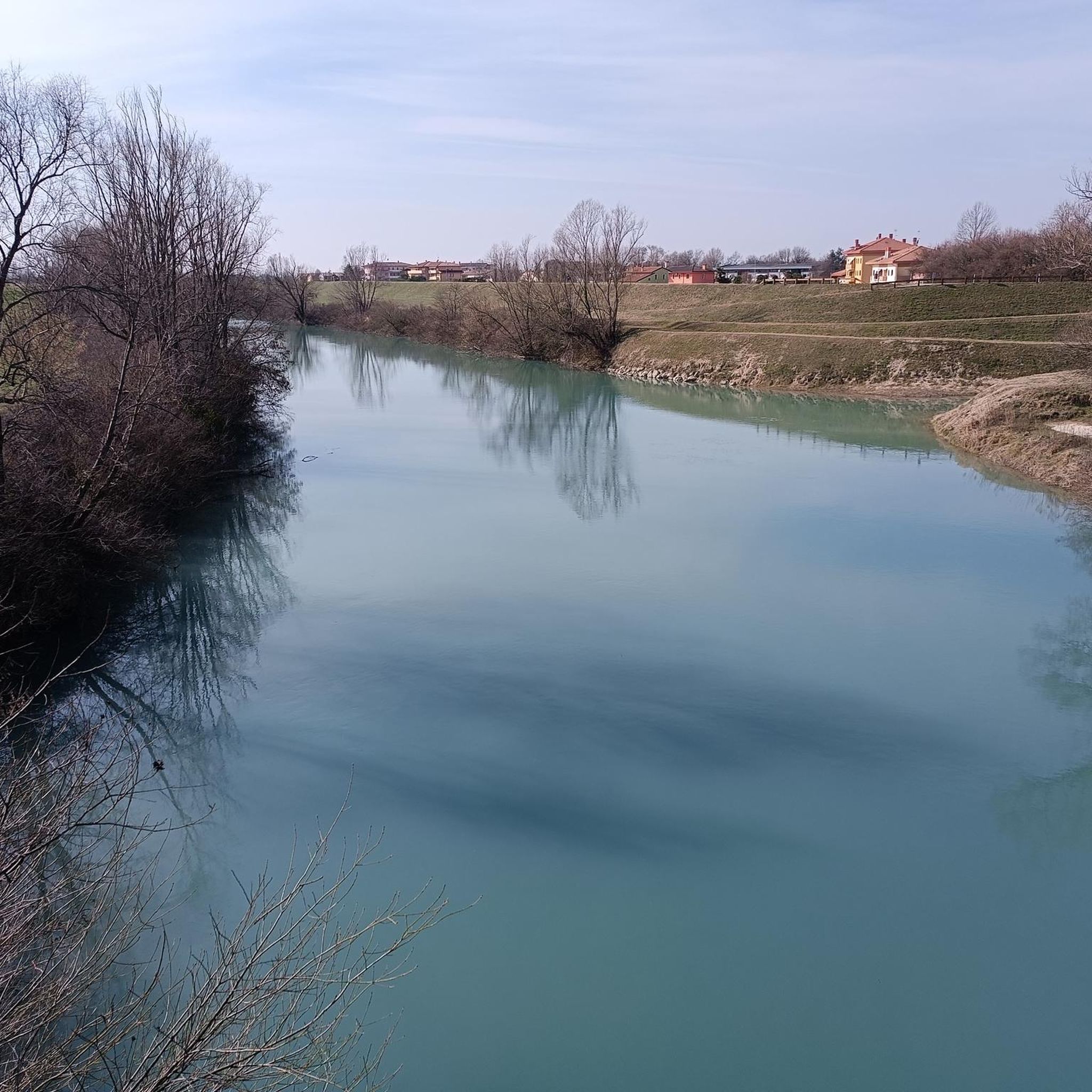
Tips from the Community

At La Salute and from the bridge over the Livenza, there are great views of the Livenza.
0
0

The parish church of San Giovanni Battista, the spiritual heart of Meduna di Livenza, is a sacred building of ancient origins, rebuilt in neoclassical style between the late 18th and early 19th centuries to replace the previous 15th-century temple. The facade is marked by majestic semicolumns with Corinthian capitals supporting a triangular pediment. Inside, the church presents a single nave, airy and rich in decorations. It houses a significant artistic heritage: the most famous work is the altarpiece depicting the Nativity of San Giovanni Battista, attributed to the school of the Venetian master Palma il Giovane. One can also admire refined marble altars and 19th-century frescoes decorating the ceiling. The imposing bell tower, detached from the main body, stands out against the profile of the riverside village.
0
0
The historic center of Portogruaro, defined as the "little Venice of the mainland", develops elegantly along the banks of the Lemene river. The beating heart is Piazza della Repubblica, where the characteristic pillars of the Gothic brick Town Hall and the unusual leaning bell tower of the Cathedral of Sant'Andrea stand out. Strolling under the long medieval and Renaissance arcades, you can admire frescoed palaces in Venetian style that testify to the city's glorious commercial past. One of the most evocative views is offered by the Mulini di Sant'Andrea, located right in the city center, where the water wheels still turn above waters populated by swans. Here, wrought iron bridges and weeping willows create a romantic atmosphere that harmoniously combines monumental architecture with river vitality.
1
0
The center of Motta di Livenza presents itself as a refined blend of Venetian architecture and river vitality. The heart of the town is Piazza Luzzatti, overlooking elegant buildings and arcades that invite strolling. Not far away, the Duomo di San Nicolò stands out with its imposing structure, a guardian of art treasures that testify to the city's glorious past. The connection with the Livenza river is palpable along its banks, where the natural landscape merges with the urban fabric, creating evocative views. Amidst decorated historic buildings and lively commercial activities, the center preserves the typical atmosphere of the mainland cities of the Serenissima, offering a welcoming environment where history, culture, and local traditions meet harmoniously.
0
0
The Ponte di Tezze, which connects the banks of the Livenza river between the provinces of Treviso and Pordenone, represents a fundamental infrastructure for local mobility and history. The current structure, characterized by spans that elegantly reflect on the river's waters, stands at a historically strategic point for trade and movement between the Veneto and Friuli regions. The surrounding area is of considerable landscape value: the banks of the Livenza here offer suggestive natural views, with lush vegetation that changes color with the seasons. The bridge is not just a functional link, but a privileged viewpoint for admiring the slow flow of the river, a symbol of a territory that has managed to integrate modern development with the protection of the river environment.
2
0
The Udine-Motta-Oderzo former railway cycle path is an extraordinary example of territorial recovery that transforms industrial memory into a green corridor dedicated to soft mobility. The route, flat and safe, winds through the heart of the Veneto-Friuli countryside, offering total immersion among vineyards and tree-lined rows. Pedaling along the old railway track, it is possible to glimpse old signal boxes and stations that evoke the charm of journeys of yesteryear. This itinerary is not just a link between historic centers, but a sensory experience that invites you to discover the slow rhythm of the rural landscape, ideal for families and cycle tourists seeking peace and authentic beauty.
0
0
The cycle-pedestrian bridge over the Livenza river is a modern infrastructural work that serves as a vital link for sustainable mobility in Motta di Livenza. Characterized by a functional and lightweight design, the bridge allows pedestrians and cyclists to cross the waterway in complete safety, strategically connecting different areas of the urban center and facilitating access to the surrounding natural paths. In addition to its practical utility, the structure offers an unprecedented panoramic view of the river, allowing for close observation of the riparian flora and fauna. It has become a mandatory passage point for those who wish to explore the territory at a slow pace, integrating harmoniously into the river landscape and promoting an active lifestyle in close contact with the environment.
0
0

“Flumen Liquentia ex montibus Opiterginis…” among the rivers mentioned by Pliny is the Livenza, in the feminine form. Almost always, however, in current language it is used as if it were masculine, due to the appellation “river” that precedes it. Regarding the origin of its name, there are two versions: some derive it from livens, from the verb livere (to be livid in color); others from liquens, from the verb liqui (to be liquid, to melt). By the ancients it was always called Liquentia and this is also because its waters teem, clear, cold and silent at the foot of the mountain above the pebbles, as if these and those were liquefying. Sacile's peculiar river is certainly one of the most beautiful waterways encountered in the plains of northern Italy. A means of communication, the ultimate defense of the nascent Veneto Domain, a source of life for its water flow and fish richness, the Livenza has always been cited by Greek and Latin authors.
1
0
Frequently Asked Questions
What types of touring cycling routes can I find around Gorgo al Monticano?
Gorgo al Monticano offers a diverse range of touring cycling routes, primarily characterized by a flat landscape. You'll find everything from easy, family-friendly rides to more challenging, longer-distance tours. The area is rich with green fields, vineyards, and routes that follow rivers like the Livenza and Piave. There are over 330 touring cycling routes available, catering to various skill levels.
Are there any dedicated cycle paths in the Gorgo al Monticano area?
Yes, a significant highlight is the TV3 GiraMonticano Cycle Path, which spans approximately 25 km and connects Fontanelle to Motta di Livenza. This path also integrates with other regional routes like GiraLivenza and TV2 Dal Sile al Livenza, offering extended cycling opportunities on dedicated infrastructure.
What are some easy touring cycling routes suitable for beginners or families?
For an easier ride, consider the Valentino Rizzo's House – Piazza Grande, Oderzo loop from Piavon. This 21.6 km (13.4 miles) route leads through flat countryside towards Oderzo and is generally completed in about 1 hour 33 minutes, making it ideal for a relaxed outing.
Are there any longer or more challenging touring cycling routes?
Yes, for those seeking a more challenging experience, the Ponte delle Bilance – Casoni of Caorle loop from Gorgo al Monticano is a difficult 88.2 km (54.8 miles) trail. It extends towards the coastal areas, offering a long-distance ride through varied landscapes and typically takes over 5 hours to complete.
What interesting landmarks or attractions can I see along the touring cycling routes?
Many routes pass by notable attractions. You can explore the historic center of Oderzo with its famous Piazza Grande, or visit the charming village of Portobuffolè, recognized as one of Italy's most beautiful villages, featuring the Civic Tower of Portobuffolè. The unique Ponti di Tremeacque also offer a beautiful crossing with distinctive steel cage structures.
Are there any circular touring cycling routes in the area?
Yes, many routes are designed as loops, allowing you to start and end in the same location. For example, the Piazza di Oderzo – Piazza Grande, Oderzo loop from Gorgo al Monticano is a moderate 34.5 km (21.4 miles) path that takes you to the historic town of Oderzo and back.
What is the best season for touring cycling around Gorgo al Monticano?
The flat landscape and generally mild climate make Gorgo al Monticano suitable for touring cycling for much of the year. Spring and autumn typically offer the most pleasant temperatures and vibrant scenery, with fewer crowds than peak summer. However, with proper gear, many routes can be enjoyed in late autumn or early spring as well.
Can I bring my dog on the cycle paths in Gorgo al Monticano?
While specific regulations can vary, generally, dogs are permitted on cycle paths in Veneto, including the GiraMonticano Cycle Path, provided they are kept on a leash. It's always advisable to ensure your dog is comfortable with cycling environments and to carry water for them, especially on longer rides.
Are there places to eat or rest along the touring cycling routes?
The region is dotted with small towns and villages like Oderzo and Portobuffolè, which offer various options for refreshments, cafes, and restaurants. Many routes also pass through cultivated fields and vineyards, where you might find local eateries or agriturismi. Planning your route with komoot can help you identify specific points of interest for food and rest.
How do other touring cyclists rate the routes around Gorgo al Monticano?
The touring cycling routes around Gorgo al Monticano are highly regarded by the komoot community, with an impressive average rating of 4.2 stars from over 330 reviews. Cyclists often praise the serene natural settings, the well-maintained dedicated cycle paths, and the blend of active exploration with cultural immersion offered by the region.
Is it possible to combine touring cycling with public transport in Gorgo al Monticano?
While Gorgo al Monticano is well-suited for cycling, options for combining bikes with public transport can be limited, especially for regional buses. Trains in Italy often allow bikes, but it's crucial to check specific train lines and times for bike carriage availability and any associated fees. Planning your route to start and end at accessible points or using a car with a bike rack is often the most convenient option.
Where can I find parking for my car when starting a touring cycling route?
Many towns and villages along the popular cycle paths, such as Gorgo al Monticano itself, Oderzo, or Motta di Livenza, offer public parking areas. When planning your route, look for designated parking spots near the start of your chosen trail. Larger attractions like the historic centers often have parking available, though it might be paid.
Are there any routes that follow rivers in the Gorgo al Monticano area?
Absolutely. The region is characterized by several rivers, including the Livenza and Piave. You can enjoy enchanting routes along the Livenza river, such as the Tezze Bridge over the Livenza – Livenza River loop from Gorgo al Monticano, which offers scenic views of the riverbanks, cultivated fields, and poplar groves.
Most popular routes around Gorgo Al Monticano
Most popular attractions around Gorgo Al Monticano

Get inspired with the komoot mobile app


Explore more
Browse the best Cycling routes in other regions.
