The best road cycling routes around Loria
4.4
(980)
32,167
riders
310
rides
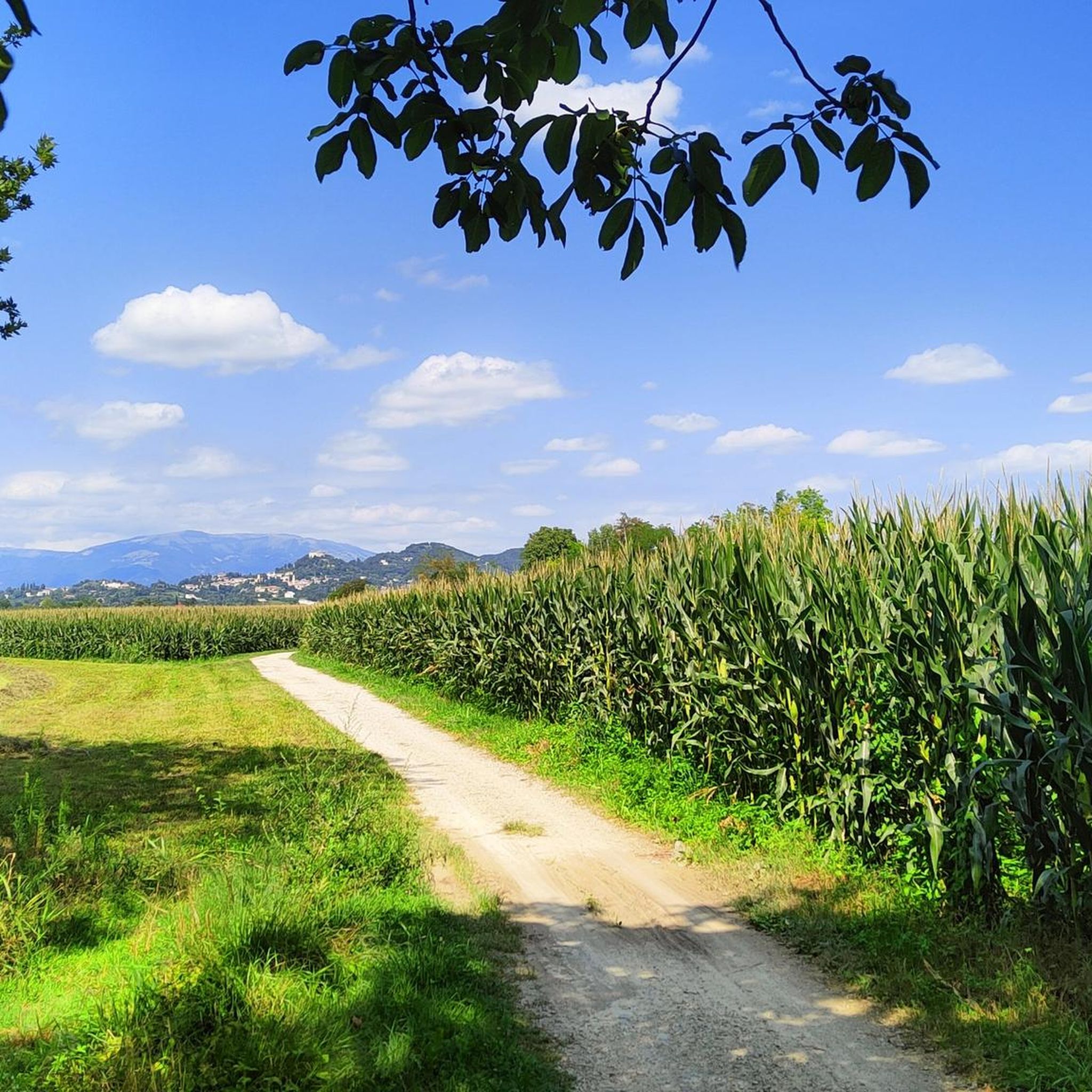
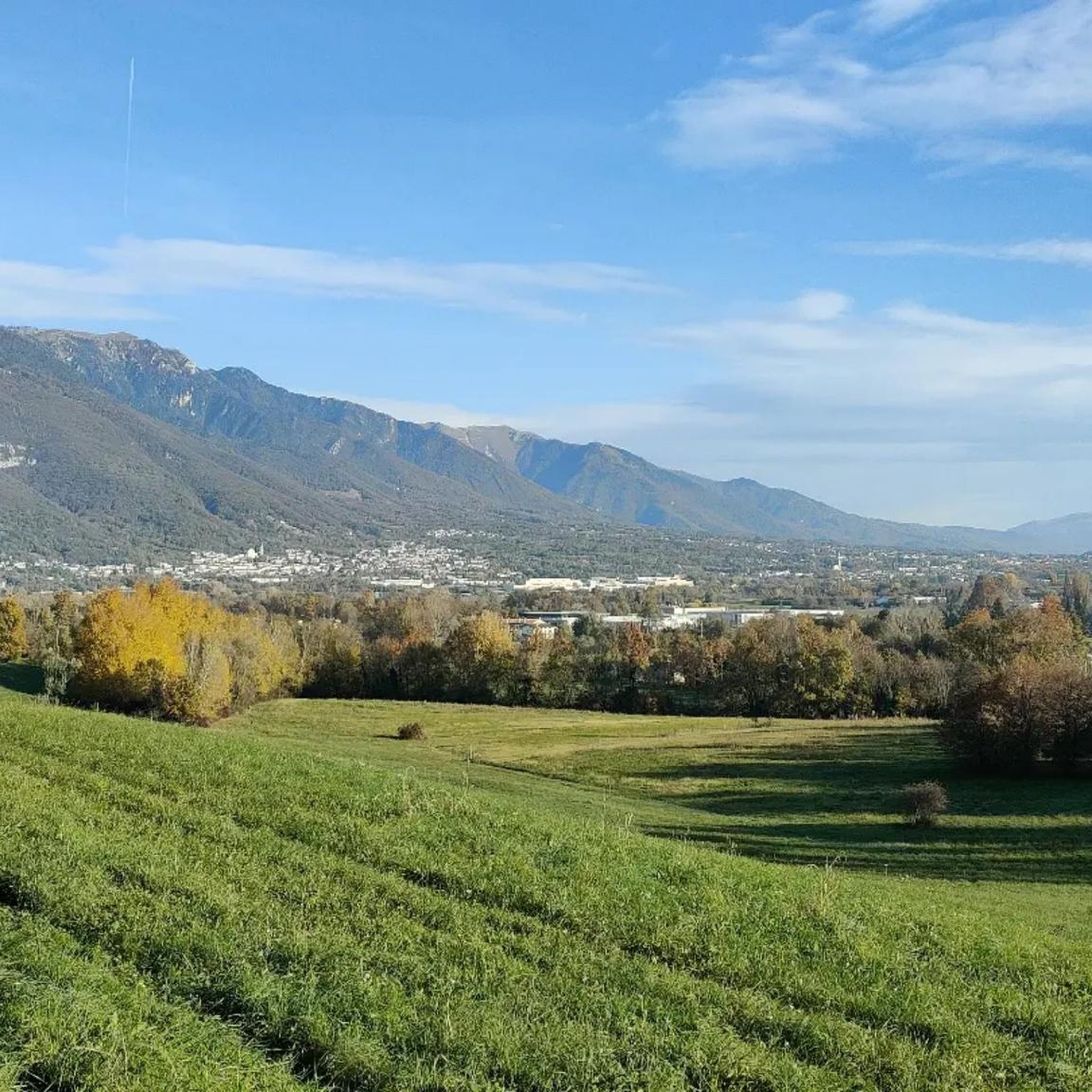
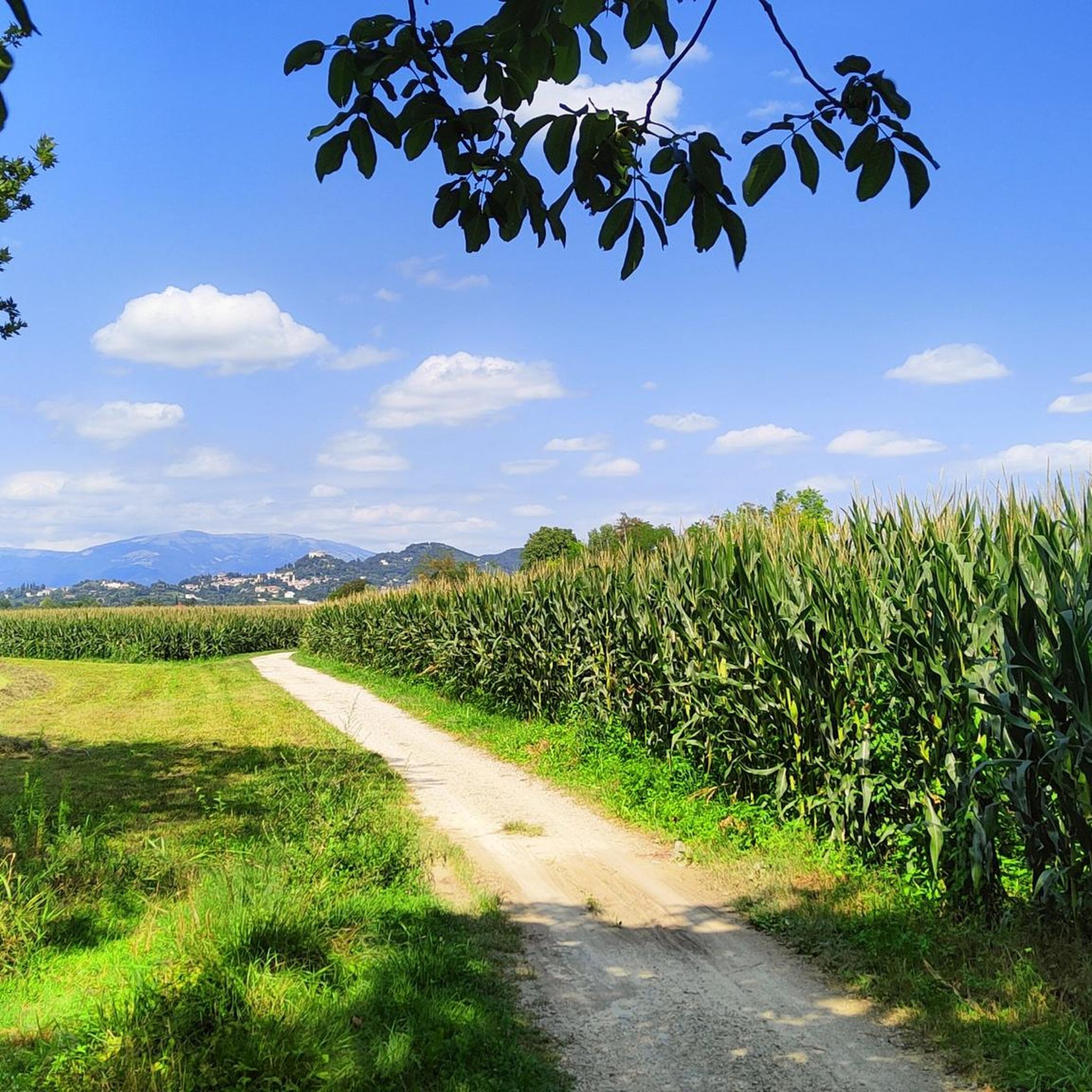
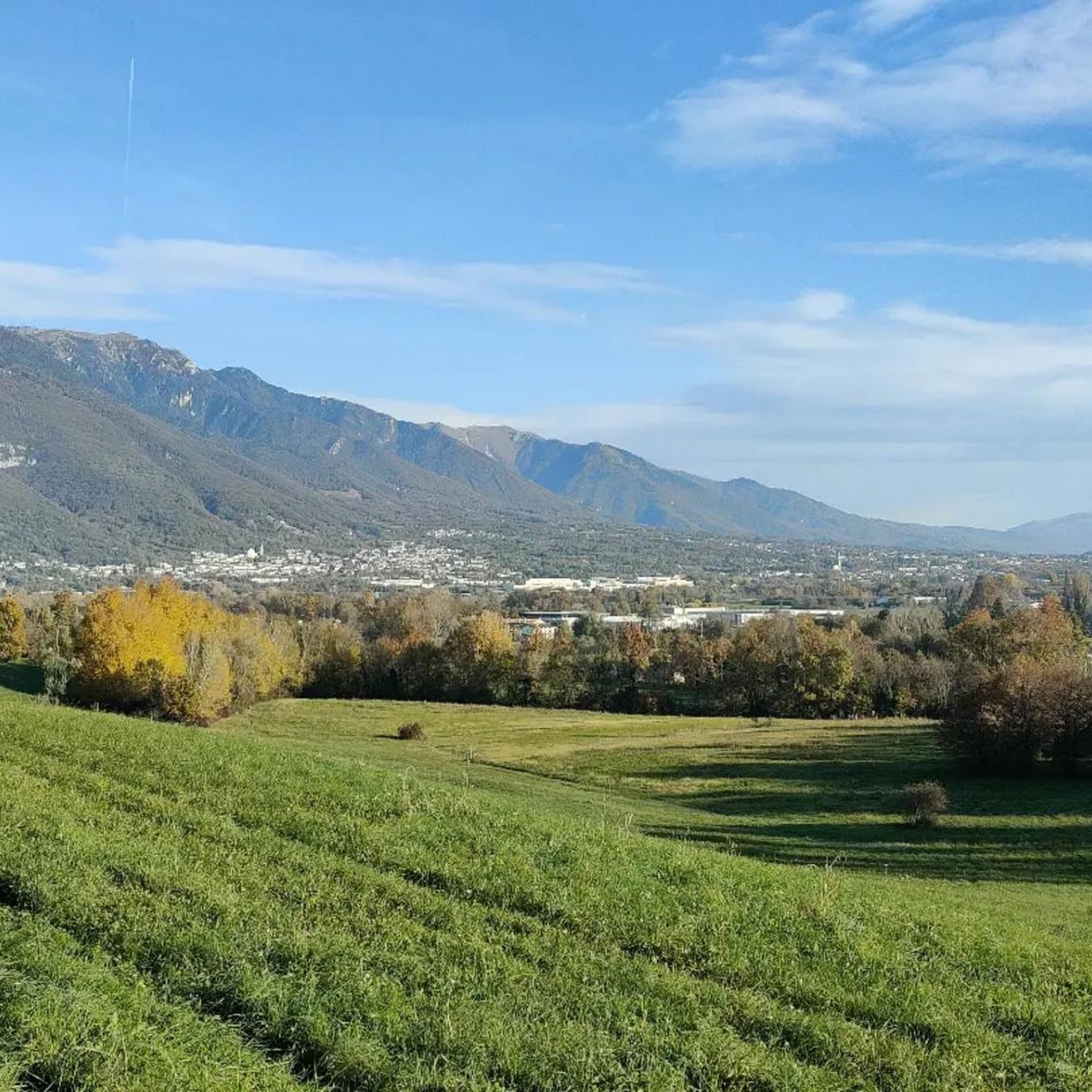
Road cycling routes around Loria are situated in the western part of the Treviso province in Italy, characterized by a relatively low elevation ranging from 44.8 to 90.5 meters above sea level. The region features a network of paths, including the Muson Natural Park and the Muson dei Sassi Cycle and Pedestrian Path, which follow ancient river routes through rural landscapes and Venetian villages. These routes offer mostly well-paved surfaces, with some segments featuring pebble bases. The area provides a variety of road cycling experiences, from relaxed rides through natural beauty to routes with significant elevation gains.
Best road cycling routes around Loria
- The most popular road cycling route is Monte Grappa – Villa Rinaldi, Asolo loop from Cassola, a 59.9 miles (96.4 km) trail that takes 3 hours 59 minutes to complete. This route explores the areas around Monte Grappa and Asolo, known for their well-paved roads and scenic views.
- Another top favourite among local road cyclists is View of Valstagna – Primolano Steps loop from Cassola, a difficult 50.5 miles (81.3 km) path. This route includes challenging climbs and offers panoramic views of the surrounding valleys.
- Local road cyclists also love the Villa Barbaro (Villa di Maser) – Molinetto della Croda loop from Cassola, a 73.8 miles (118.9 km) trail leading through rural landscapes and past historical sites like Molinetto della Croda, often completed in about 5 hours 1 minute.
- Road cycling around Loria is defined by its low-lying terrain, rural landscapes, and paths along ancient riverbeds like the Muson. The network offers options for varying difficulty levels, from moderate rides to more challenging routes with notable elevation gains.
- The routes in Loria are highly rated by the komoot community with an average score of 4.5 stars from over 700 reviews. More than 29,000 road cyclists have used komoot to explore Loria's varied terrain.
Last updated: October 7, 2026
4.7
(6)
287
riders
94.1km
03:50
540m
540m
Moderate road ride. Good fitness required. Mostly well-paved surfaces and easy to ride.
5.0
(2)
202
riders
Hard road ride. Very good fitness required. Mostly well-paved surfaces and easy to ride.

4.6
(94)
1,326
riders
80.9km
04:01
1,080m
1,080m
Hard road ride. Very good fitness required. Some segments of this route may be unpaved and difficult to ride.
4.3
(8)
159
riders
47.4km
02:30
540m
540m
Moderate road ride. Good fitness required. Some segments of this route may be unpaved and difficult to ride.
51
riders
72.2km
03:11
470m
470m
Moderate road ride. Good fitness required. Mostly well-paved surfaces and easy to ride.
Get access to more routes and recommendations from other explorers.
Already have an account?
Our route recommendations are based on thousands of hikes, rides, and runs completed by other people on komoot.
Start today with a free account
Your next adventure awaits.
Tips from the Community

historic mountain road with eight hairpin bends, the Tagliata della Scala and the Tagliata delle Fontanelle. They are located between the Valsugana and the territory of Feltre, in Veneto. The fortifications: Between 1892 and 1895, the Tagliata della Scala in the lower part and the Tagliata delle Fontanelle in the upper part were built to defend the border. The walkway: The two parts are joined by a long covered gallery with loopholes. War: They did not play a major military role during World War I and were later abandoned.
0
0

The beautiful and fresh cycle path along the river
1
0
The cycle path towards Cismon del Grappa, very cool and shaded.
0
0
Fortification built in a natural cave. In the Great War it was a blocking point defending Valsugana. There are references to it as a fortification around the year 1000.
0
0

Whoever wishes to say a short prayer to Christ the Redeemer in this sanctuary may perhaps use the following text by San Francesco (Francis of Assisi), which he often and gladly spoke, and which he even left to posterity in his spiritual testament: + »We adore you, Lord Jesus Christ, [here] and in all your churches throughout the whole world, and we praise you, because by your holy cross you have redeemed the world.« The Franciscan Peter Fobes OFM comments on this in a publication as follows: “He expands the faith in the presence of God in the space where he says the prayer to all the churches in the world. He wishes to adore him who has redeemed the world in all the holy places of the world.”
1
0

Il Molinetto della Croda, in the Lierza valley, represents one of the most evocative corners of the Marca Trevigiana. In its almost four centuries of history, the ancient mill with a stone grinder has managed to maintain its charm and enchant artists and visitors.
12
0

Villa Contarini, also known as Villa degli Armeni or "il Fresco", is a charming historic residence located in Sant'Anna, in a panoramic and isolated position on the Asolan hills. Built at the beginning of the 16th century at the behest of the noble Venetian family Contarini, the structure is distinguished by its elegant southern facade facing the village, embellished with an important cycle of frescoes with biblical themes by the Brescian painter Lattanzio Gambara. The building develops with a double-height central hall and a singular tunnel at the rear connecting it to the hill behind. At the end of the 19th century, the property was donated to the Mechitarist Fathers of the Island of San Lazzaro degli Armeni in Venice, to whom it owes its current name, before returning to private hands.
1
0
The Stradon del Bosco is a historic itinerary that develops along the southern slope of Montello, in the province of Treviso. This fascinating route, predominantly flat and immersed in nature, runs for long stretches along the Canale del Bosco, an artificial hydraulic work built in the 16th century to divert the waters of the Piave for irrigation and production purposes. Ideally connecting the area of Crocetta del Montello and Montebelluna to Nervesa della Battaglia, the road today represents an ideal destination for lovers of trekking, running, and cycle tourism, particularly for gravel and road bike enthusiasts. In addition to offering suggestive views of the pre-Alpine landscape and the typical oak woods of the hill, the trail intersects the historic "prese" (intakes) of Montello, combining naturalistic beauty with the historical memory of the territory.
0
0
Frequently Asked Questions
How many road cycling routes are available around Loria?
There are over 320 road cycling routes available around Loria, offering a wide variety of experiences for cyclists of all levels. These include 45 easy routes, 192 moderate routes, and 83 difficult routes.
What kind of terrain can I expect on road cycling routes in Loria?
Road cycling routes in Loria, situated in the western part of the Treviso province, are characterized by a relatively low elevation, ranging from 44.8 to 90.5 meters above sea level. You'll find mostly well-paved surfaces, though some segments, particularly along paths like the Muson dei Sassi Cycle and Pedestrian Path, may feature a pebble base. The landscape is generally rural, passing through Venetian villages and along ancient riverbeds.
What is the best time of year for road cycling in Loria?
The region around Loria is generally pleasant for cycling. Spring and autumn offer mild temperatures and beautiful scenery. While summer can be warm, routes like the Muson dei Sassi Cycle and Pedestrian Path can be exposed to the sun, so it's best to cycle during cooler parts of the day or choose routes with more shade.
Are there road cycling routes suitable for beginners or families in Loria?
Yes, Loria offers 45 easy road cycling routes, many of which follow established paths like those in the Muson Natural Park. These routes are ideal for relaxed cycling amidst unspoiled nature, providing a gentle experience for beginners and families. The Asolo Fountain – Asolo Historic Center loop from Castello di Godego is a moderate option that could be suitable for families with some cycling experience.
Are there challenging road cycling routes with significant climbs in Loria?
Absolutely. While Loria itself is low-lying, the surrounding area offers routes with significant elevation gains, sometimes exceeding 3,000 feet. There are 83 difficult routes available. For example, the View of Valstagna – Primolano Steps loop from Cassola is a difficult 50.5-mile path that includes challenging climbs and panoramic views.
Can I find circular road cycling routes around Loria?
Yes, many of the road cycling routes around Loria are designed as loops, allowing you to start and end at the same point. Examples include the popular Monte Grappa – Villa Rinaldi, Asolo loop from Cassola and the Asolo Fountain – Marostica Castle loop from Cassola.
What interesting landmarks or attractions can I see along the road cycling routes?
The routes often pass through charming Venetian villages and rural landscapes. You can explore historical sites like Molinetto della Croda on the Villa Barbaro (Villa di Maser) – Molinetto della Croda loop from Cassola. The region is also close to significant peaks like Monte Grappa, which features challenging ascents like Ascent to Monte Grappa from Semonzo and Ascent to Monte Grappa from Romano d'Ezzellino.
Are there cafes or places to stop for refreshments along the road cycling routes?
Yes, the region is well-equipped with amenities for cyclists. Many routes pass through towns and villages where you can find cafes, pubs, and restaurants. Given the area's cycling-friendly nature, you'll often find establishments catering to cyclists, especially in popular spots like Asolo and Marostica.
What do other cyclists enjoy most about road cycling in Loria?
The area is highly rated by the komoot community, with an average score of 4.5 stars from over 700 reviews. Cyclists frequently praise the well-paved roads, scenic views of rural landscapes and Venetian villages, and the variety of routes available, from relaxed rides to challenging climbs.
Is parking available near the starting points of road cycling routes in Loria?
Yes, parking is generally available in the towns and villages that serve as common starting points for these routes, such as Cassola, Castello di Godego, Castelfranco Veneto, Asolo, Bassano del Grappa, Cittadella, and Marostica. Specific parking details may vary by location, but public parking areas are usually accessible.
Are there any specific permits required for road cycling in the Loria area?
Generally, no specific permits are required for road cycling on public roads and designated cycle paths in the Loria area of Veneto, Italy. However, always respect local regulations and private property signs, especially if venturing off marked routes.
Most popular attractions around Loria

Get inspired with the komoot mobile app


Explore more
Browse the best Road cycling routes in other regions.
