The best cycling routes around Cessalto
4.3
(580)
5,332
riders
296
rides
Touring cycling around Cessalto is characterized by flat, riverine landscapes, with routes often following the courses of the Livenza and Piave rivers. The terrain is generally low-lying, offering accessible cycling through agricultural areas and past traditional settlements. Elevation changes are minimal, making the region suitable for extended rides. The area features a network of paths connecting small towns and natural points of interest.
Best touring cycling routes around Cessalto
- The most popular touring cycling route is Tezze Bridge over the…
Last updated: July 5, 2026
4.4
(35)
287
riders
60.2km
03:29
70m
70m
Hard bike ride. Good fitness required. You may need to push your bike for some segments of this route.
5.0
(3)
46
riders
Hard bike ride. Very good fitness required. Mostly paved surfaces. Suitable for all skill levels.

Sign up for free
3.6
(10)
36
riders
Easy bike ride. Great for any fitness level. Mostly paved surfaces. Suitable for all skill levels.
23
riders
78.8km
04:54
100m
100m
Moderate bike ride. Good fitness required. Mostly paved surfaces. Suitable for all skill levels.
3.0
(1)
11
riders
Moderate bike ride. Good fitness required. Mostly paved surfaces. Suitable for all skill levels.
Get access to more routes and recommendations from other explorers.
Sign up for free
Already have an account?
Our route recommendations are based on thousands of hikes, rides, and runs completed by other people on komoot.
Start today with a free account
Your next adventure awaits.
Login or Signup

Tips from the Community

21.04.2012 In the presence of the president of the province of Venice Francesca Zaccariotto, the provincial councilors for roads and cycle paths Emanuele Prataviera and for Civil Protection Giuseppe Canali, and local administrators (the mayor of San Stino di Livenza Luigino Moro and the councilor for Budget of Caorle Sabina Teso) the cycle-pedestrian walkway for the road connection between the localities La Salute di Livenza in the Municipality of San Stino di Livenza and San Giorgio di Livenza in the Municipality of Caorle was inaugurated. The blessing of the work was performed by the parish priest don Vitaliano Gardiman, while the ribbon cutting was carried out by the young Jacopo Valeri born in 1995 and Elena Battiston, who will turn 100 in September, representing all the citizens. An important public work for the local community and for the entire Venetian area, built in just 12 months at a cost of 1,450,000 euros, to connect the two banks of the Livenza.
2
0

Road directions along the SP 42 near San Giorgio di Livenza.
14
0
Pedestrian walkway over the Canale Livenza Morta near San Giorgio di Livenza.
14
0

A very well-rideable, asphalted side road along the Livenza dam with very little car traffic.
0
0
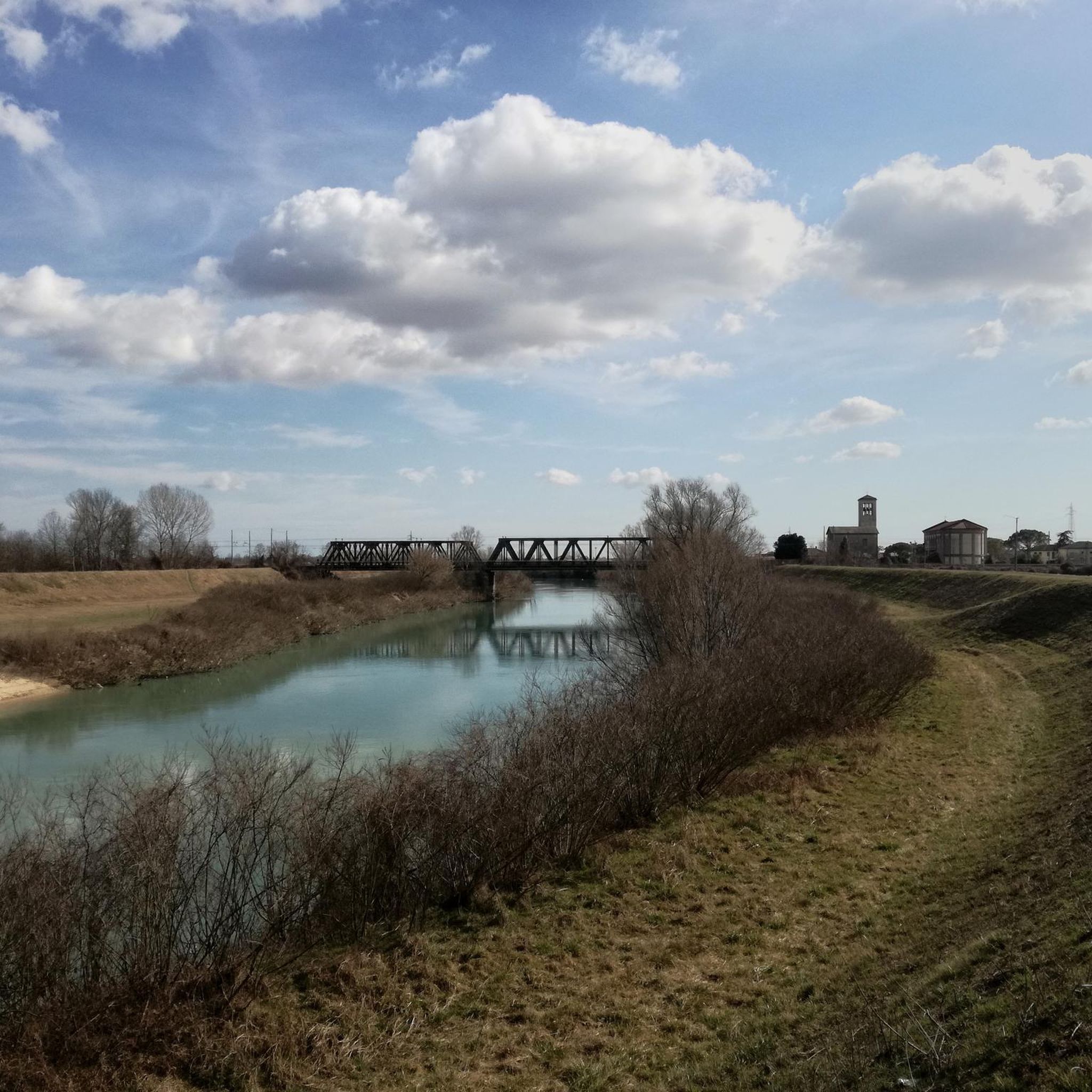
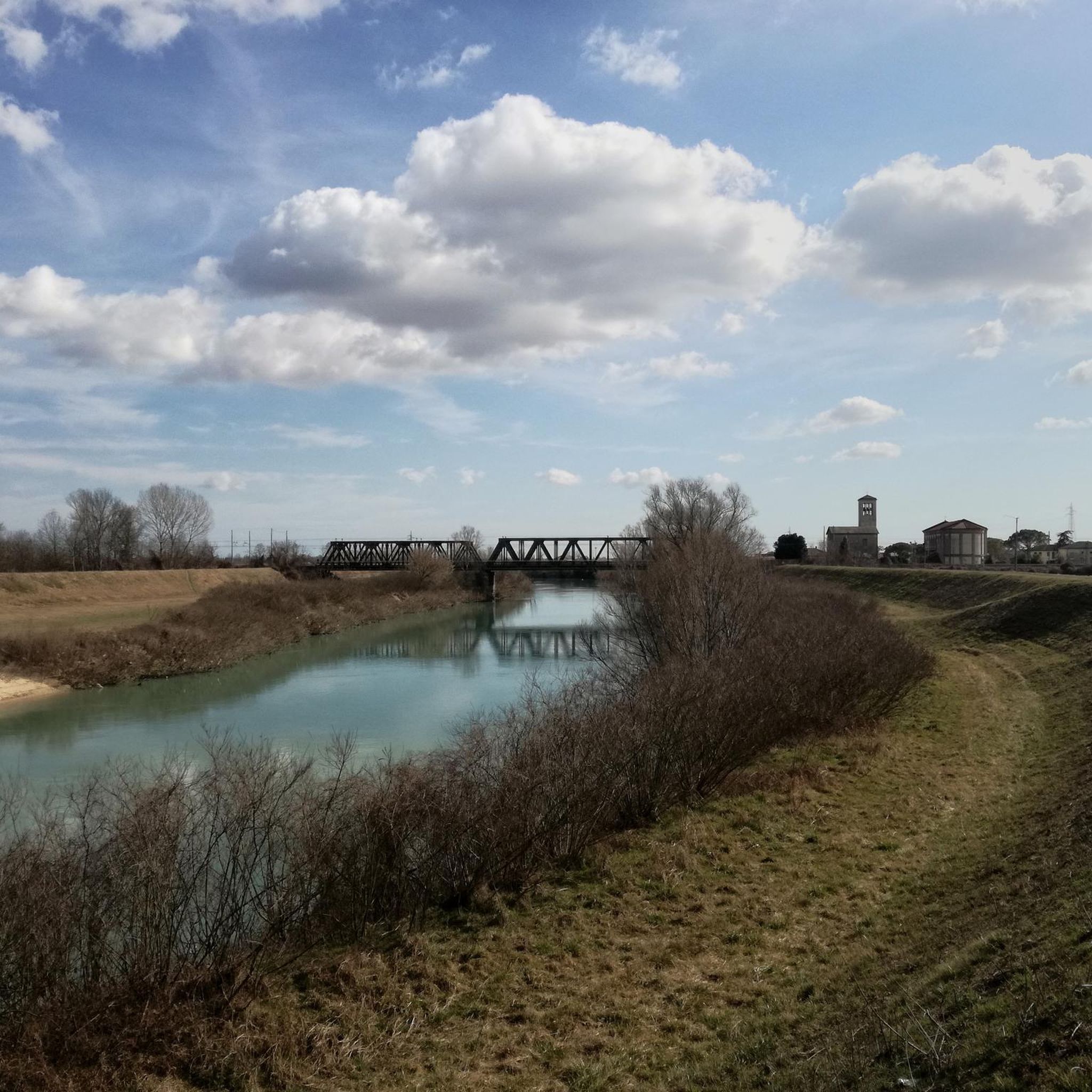
From the bridge over the Livenza, there are great views of the wide Livenza.
0
0
The townscape of La Salute di Livenza is characterized by the typical Venetian, very massive bell tower and the associated church.
0
0
At La Salute and from the bridge over the Livenza, there are great views of the Livenza.
0
0
At this position, there is a worthwhile view and outlook onto the Livenza. With calm water, fascinating mirror images are possible.
0
0
Frequently Asked Questions
How many touring cycling routes are available around Cessalto?
There are over 300 touring cycling routes available around Cessalto, catering to various skill levels. You'll find a wide selection of paths to explore the region's flat, riverine landscapes.
Are there easy touring cycling routes suitable for beginners in Cessalto?
Yes, Cessalto offers a good number of easy routes perfect for beginners. For example, the Tezze Bridge over the Livenza – View of the Livenza River loop from San Stino di Livenza is an easy 31.6 km trail that follows the Livenza River, offering gentle terrain.
What are some longer distance touring cycling options near Cessalto?
For longer rides, consider routes that explore the wider area. The Along the Piave River – Ponte delle Bilance loop from San Stino di Livenza is a challenging 92.2 km route that follows the Piave River, offering an extended journey through the landscape.
Are there family-friendly touring cycling routes in Cessalto?
The generally flat and low-lying terrain around Cessalto makes many routes suitable for families. Look for easy-rated routes that stick to dedicated paths or quiet agricultural roads, providing a safe and enjoyable experience for all ages.
Can I find circular touring cycling routes in the Cessalto area?
Yes, many touring cycling routes around Cessalto are designed as loops, allowing you to start and end at the same point. Examples include the popular Ponte delle Bilance – Caorle Bell Tower loop from Ceggia or the Via dei Casoni – Casoni of Caorle loop from San Stino di Livenza.
What kind of scenery can I expect on touring cycling routes around Cessalto?
Cessalto's touring cycling routes are characterized by flat, riverine landscapes, often following the Livenza and Piave rivers. You'll cycle through agricultural fields, past traditional settlements, and discover points of interest like historic bridges and coastal bell towers.
What do other touring cyclists say about the routes in Cessalto?
The touring cycling routes in Cessalto are highly regarded by the komoot community, with an average rating of 4.4 stars from over 600 reviews. Cyclists often praise the accessible terrain, the peaceful river paths, and the connections to charming small towns.
When is the best time of year to go touring cycling in Cessalto?
The mild climate of the Veneto region generally makes spring and autumn ideal for touring cycling in Cessalto. These seasons offer pleasant temperatures and less chance of extreme heat, perfect for enjoying the open landscapes and river paths.
Are there any specific points of interest or landmarks to see along the routes?
Many routes incorporate local landmarks. For instance, the Ponte delle Bilance – Caorle Bell Tower loop from Ceggia connects a historic bridge with the iconic Caorle Bell Tower. Another route, Via dei Casoni – Casoni of Caorle loop from San Stino di Livenza, explores the unique traditional fishing huts known as 'casoni' near Caorle.
Are there touring cycling routes that are less crowded in Cessalto?
While some popular routes can see more traffic, the extensive network of paths through agricultural areas and along lesser-known river sections often provides quieter cycling experiences. Exploring routes slightly off the main tourist trails can lead to more serene rides.
Are there any routes that pass through towns or offer opportunities for cafe stops?
Yes, several routes connect to small towns, providing opportunities for breaks and refreshments. The Prà dei Gai South Entrance – Motta di Livenza Town Center loop from San Stino di Livenza, for example, leads directly to the town center of Motta di Livenza, where you can find cafes and services.
Most popular attractions around Cessalto

Get inspired with the komoot mobile app


Explore more
Browse the best Cycling routes in other regions.
