The best cycling routes around Scorzè
4.3
(29)
178
riders
39
rides
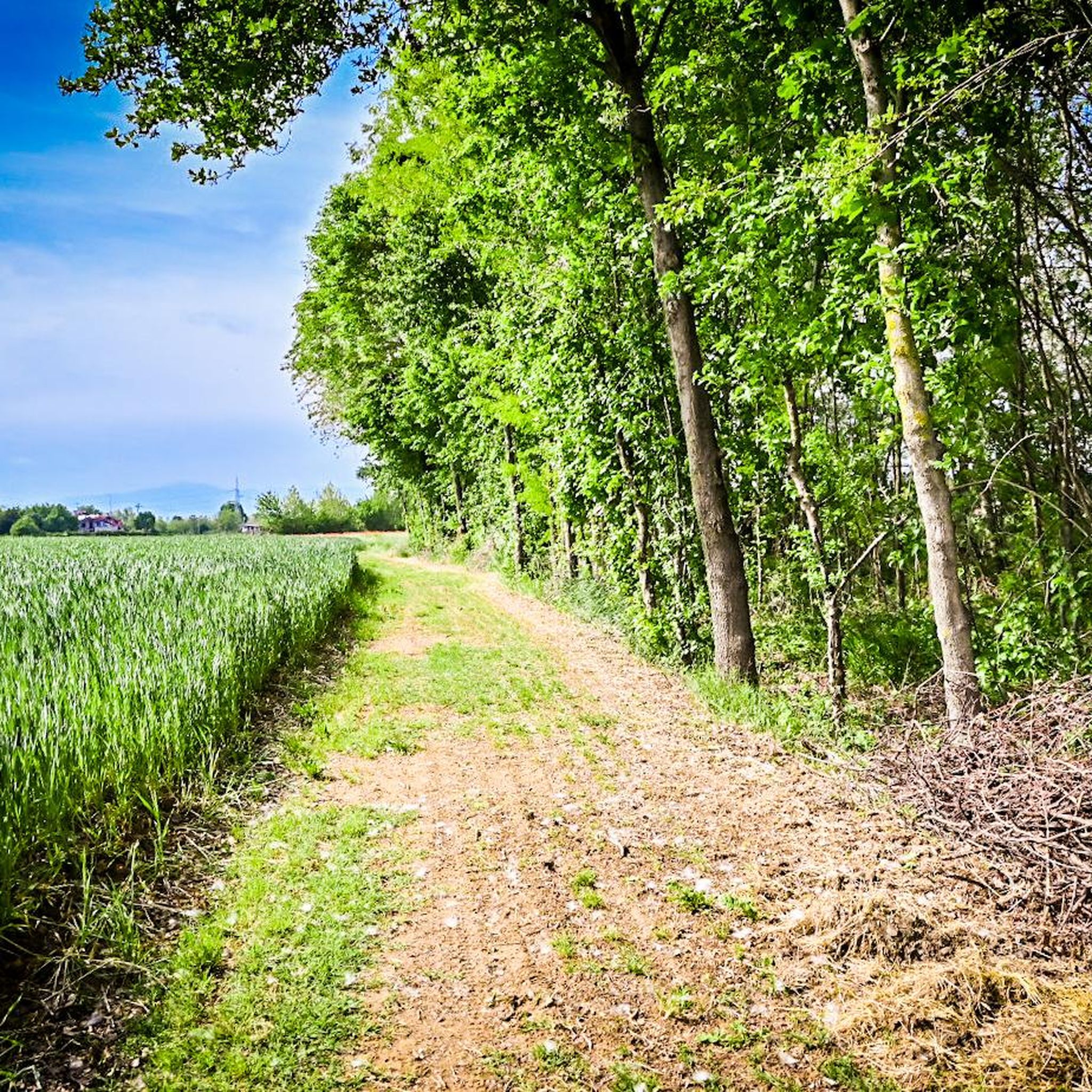
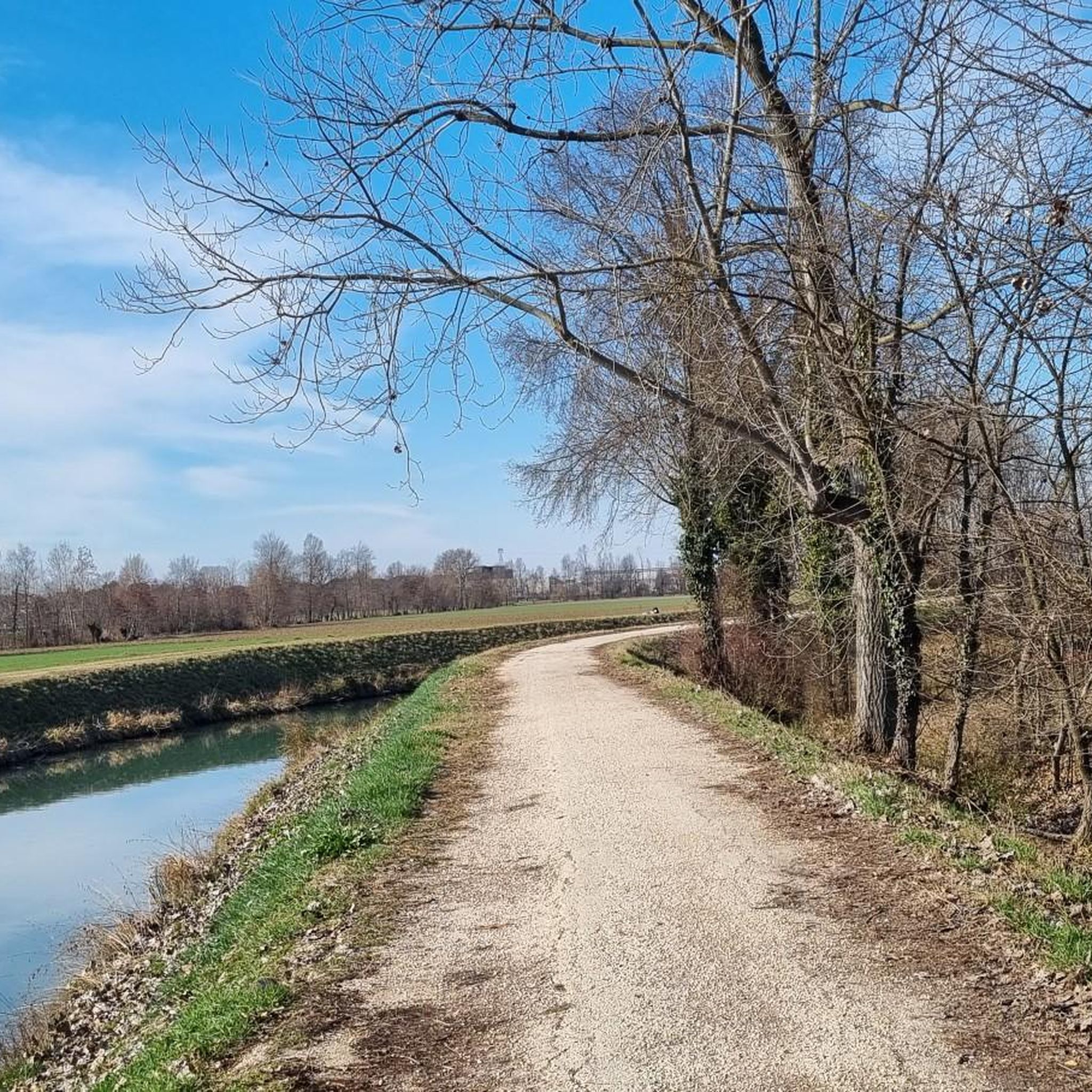
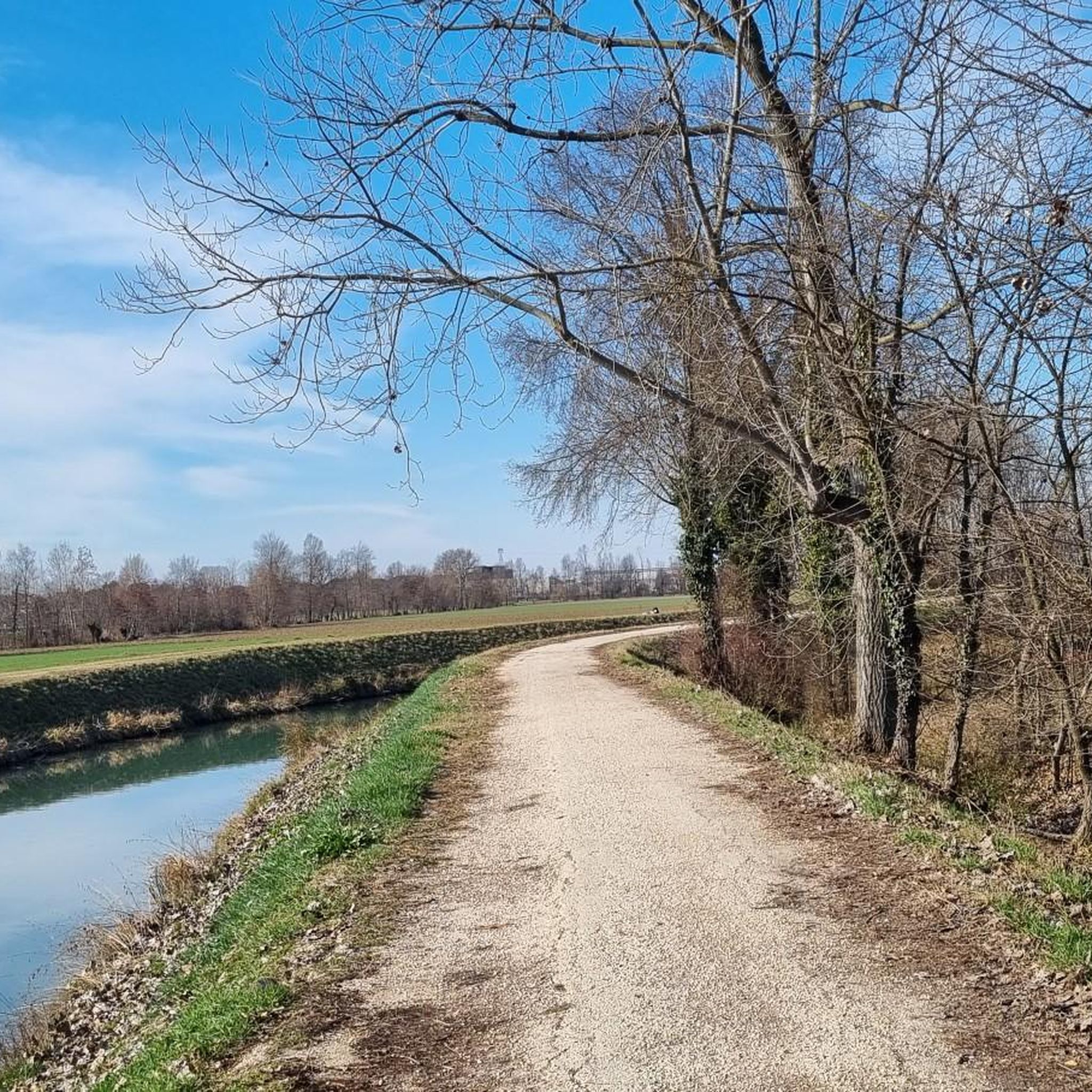
Touring cycling around Scorzè, located in the Veneto region of Italy, offers varied landscapes well-suited for cyclists. The terrain is generally flat with gentle ascents and descents, making it accessible for many. The area features lush countryside, the Sile River, and the Tergola River, providing serene views and a tranquil environment. Scorzè is situated within the Venetian plains, offering a network of routes that highlight both natural features and historical mills.
Best touring cycling routes around Scorzè
- The most popular…
Last updated: August 23, 2026
4.0
(3)
20
riders
Easy bike ride. Great for any fitness level. Mostly paved surfaces. Suitable for all skill levels.
5.0
(1)
8
riders
36.1km
02:08
40m
40m
Moderate bike ride. Good fitness required. Mostly paved surfaces. Suitable for all skill levels.

Sign up for free
4
riders
49.3km
02:50
50m
50m
Moderate bike ride. Good fitness required. Mostly paved surfaces. Suitable for all skill levels.
5.0
(5)
9
riders
20.1km
01:12
40m
40m
Easy bike ride. Great for any fitness level. Mostly paved surfaces. Suitable for all skill levels.
5.0
(1)
8
riders
13.5km
00:50
20m
20m
Easy bike ride. Great for any fitness level. Mostly paved surfaces. Suitable for all skill levels.
Get access to more routes and recommendations from other explorers.
Sign up for free
Already have an account?
Our route recommendations are based on thousands of hikes, rides, and runs completed by other people on komoot.
Start today with a free account
Your next adventure awaits.
Login or Signup

Tips from the Community

Excellent refreshment stop, at the crossroads between the Ostiglia and the Muson dei Sassi path
0
0

Trebaseleghe railway station (in the hamlet of Silvelle), located at kilometer 98+555 of the disused Treviso-Ostiglia line. On the lower floor were the waiting rooms, the traffic office, and the luggage storage. The upper floor was once reserved for the stationmaster's residence. The area in front is now used as a rest stop with a fountain along the cycle path of the same name.
0
0

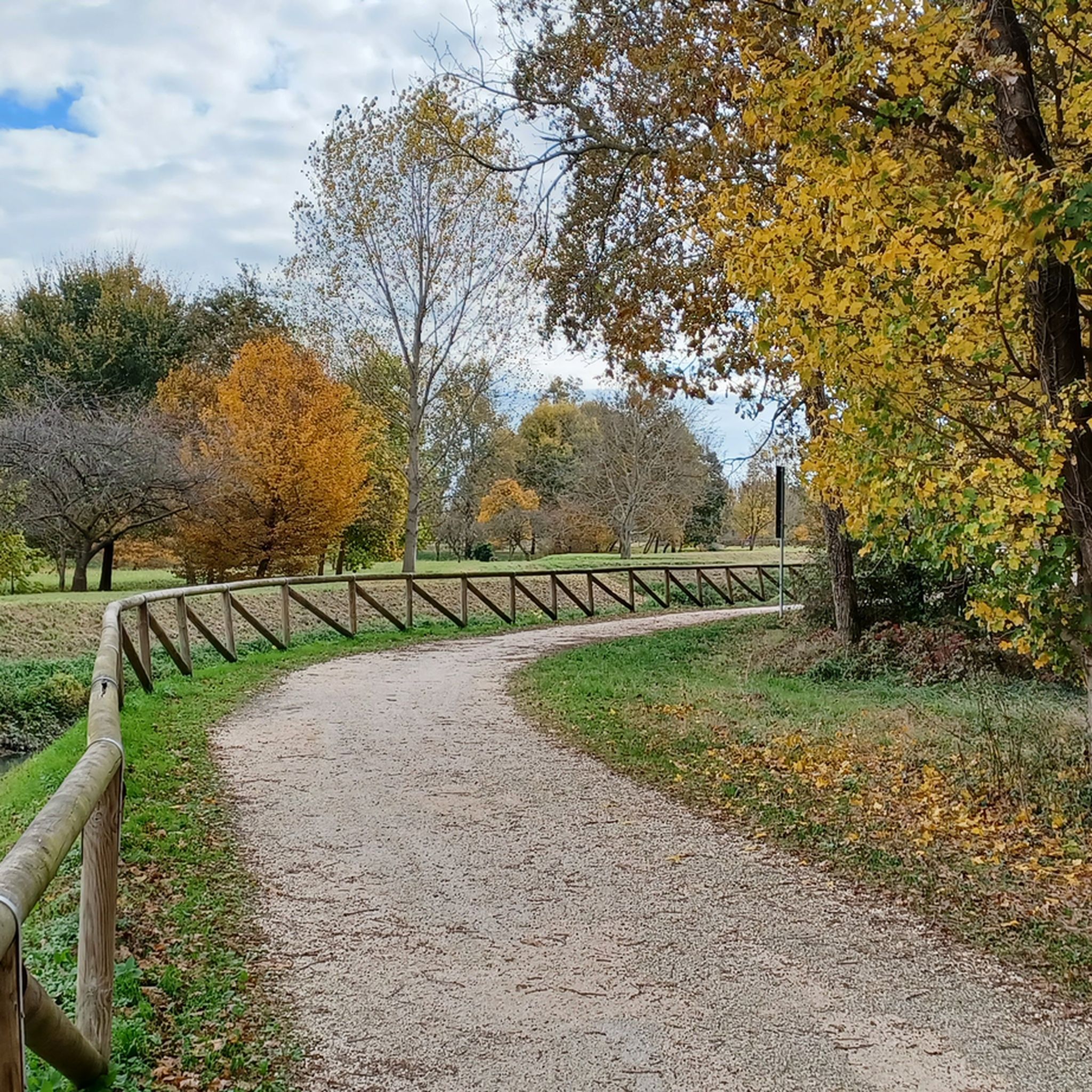
Mulino Michieletto (formerly Pamio), the “middle mill”, the smallest of the Scorzè mills. Of sixteenth-century origin, it passed through various owners and was managed by the millers of the Pamio family who took care of its operation and productive activity. Today it is a private property with horse breeding; in addition to the two barns (haylofts) for sheltering vehicles, the two entry holes for the spindles (pins) have been preserved on the south wall. From here, without a doubt, begins the most interesting area from a landscape point of view of the Quattro Mulini Cycle-Pedestrian Path. Leaving the urban area, you immerse yourself completely in the countryside. The path, bordered by a wooden fence, follows the sinuous course of the river and its many bends up to the Mulino Todori, between the localities of Contea and Canove.
1
0
The Cosma Mill (formerly Pavanetto) is one of the four currently present in the municipal area, silent witnesses of a time when water was a precious resource and marked daily life. Dating back to the 15th century, as per a document that sets its construction date to 1470, and belonging to the noble families Donà, Contarini, and Zen, it remained active until 1995. It marks the initial/final stage of the Four Mills cycle path completed in 2019.
1
0
The Il Mulino Todori (formerly Pamio) stands between the localities of Contea and Canove. The existence of a mill in this area has been known since 1455. Run by as many as three families, all belonging to the Todori branch of the Pamio family, it had three millstones: for maize, for wheat, and for the waste of corn and cobs. The mill was subsequently rebuilt by the noble Soranzo family, who created the adjoining manor house with the architectural characteristics typical of Venetian villas, of which the central trifora can still be identified. The milling activity definitively ceased in the early 1960s. The mill, today privately owned, is located within the Oasi Todori, a municipal green area inaugurated in 201. Characterized by high biodiversity, it currently occupies an area of 2.5 hectares as a refuge and protection area for various species of flora and fauna, including woodpecker, swallow, robin, blackbird, sparrow, finch, water rail. Among the tree species are field maple, hornbeam, poplar, willow, elder, and dogwood.
1
0

There is a resting place and drinking water here.
0
0

Villa Morpurgo (also indicated as Villa Brotto, Bianchini, Morpurgo, Dal Bo) is a historic residence in Preganziol, in the Treviso region. The building represents a classic example of stately country architecture and fits perfectly into the rich heritage of Venetian villas that dot the territory between Treviso and Venice. The villa, whose historical forms date back to past centuries, is characterized by sober and symmetrical lines, typical of the lordly residences created as centers for agricultural management and holiday resorts for the nobility. Immersed in a still recognizable rural context, the property is completed by rustic annexes and a relevant green area that preserves its isolation and period charm, testifying to the historic bond between the Morpurgo family and the local community.
0
0
Located in Scorzè, along the banks of the Dese river, the Mulino Michieletto represents one of the most fascinating testimonies of Venetian hydraulic civilization. An integral part of the charming Percorso dei Quattro Mulini, this historic structure evokes a past when the local economy revolved around the power of water. Although no longer operational, the building retains its architectural charm intact, with visible signs of the ancient water wheels that once ground the area's cereals. Immersed in a valuable natural setting, a short distance from the Oasi Todori, the mill is today a privileged destination for those who enjoy cycle touring or slow walks, offering an authentic and silent glimpse into the symbiosis between man and the riverine territory.
1
0
Frequently Asked Questions
How many touring cycling routes are available around Scorzè?
There are over 45 touring cycling routes available in and around Scorzè, offering extensive options for exploration. The komoot community has recorded 47 tours in the area.
What is the typical terrain like for touring cycling in Scorzè?
The terrain in Scorzè is generally flat with gentle ascents and descents, making it well-suited for touring cyclists of various abilities. The region is part of the Venetian plains, offering smooth and scenic journeys.
Are there touring cycling routes suitable for beginners or families in Scorzè?
Yes, Scorzè offers many routes suitable for beginners and families. Out of the 47 available tours, 35 are rated as easy. An excellent option is the Treviso-Ostiglia Cycle Path – Cervara Bridge on the Sile River loop from Scorzè, which follows a former railway line known for its smooth and scenic journey.
Are there any circular touring cycling routes in the Scorzè area?
Yes, many touring cycling routes in Scorzè are designed as loops, allowing you to start and end in the same location. For example, the Todari Mill – Cosma Mill loop from Scorzè is a popular circular route highlighting historical mills.
What natural features can I expect to see while cycling around Scorzè?
While cycling around Scorzè, you'll encounter lush countryside, the peaceful Sile River, and the Tergola River. The Martellago Quarries Park – Cosma Mill loop from Scorzè leads through the Martellago Quarries Park, hinting at interesting geological formations.
Are there any historical landmarks or cultural attractions along the touring cycling routes?
Yes, Scorzè's routes often integrate cultural and historical elements. The "Percorso dei quattro mulini a Scorze" (Path of the Four Mills) highlights historical mills like Mulino Todari and Mulino Baglioni. You can also find highlights such as Stigliano Castle and Forte Carpenedo nearby.
What do other touring cyclists enjoy most about cycling in Scorzè?
The touring cycling routes in Scorzè are highly rated by the komoot community, with an average score of 4.1 stars from over 30 reviews. Cyclists often praise the serene views, tranquil environment, and the blend of natural beauty with historical sites like the old mills.
What is the best time of year to go touring cycling in Scorzè?
The Veneto region, where Scorzè is located, generally offers pleasant cycling conditions from spring through autumn. The lush countryside is particularly beautiful in spring and early summer, while autumn provides comfortable temperatures and scenic foliage.
Are there any dog-friendly touring cycling routes in Scorzè?
While specific routes aren't designated 'dog-friendly,' many of the flat, scenic paths along rivers and through the countryside are suitable for cycling with a well-behaved dog, especially if they are accustomed to riding in a trailer or basket. Always ensure your dog's safety and comfort, and respect local regulations regarding pets.
Where can I find parking for touring cycling routes near Scorzè?
Scorzè is a town with various public parking options. Many routes, especially those starting directly from Scorzè, will have accessible parking nearby. It's advisable to check specific starting points for dedicated parking facilities or street parking availability.
Can I access touring cycling routes in Scorzè using public transport?
Scorzè is well-connected within the Veneto region by public transport, including bus services. While direct access to every trailhead might vary, you can typically reach Scorzè by public transport and then cycle to your desired route starting point. Check local bus schedules for connections to and from Scorzè.
Are there cafes or places to stop for refreshments along the touring cycling routes?
Yes, the routes around Scorzè often pass through or near small towns and villages where you can find cafes, trattorias, and shops to refuel. The region is known for its culinary delights, so you'll have opportunities to enjoy local refreshments.
What is a moderate touring cycling route I could try in Scorzè?
For a moderate challenge, consider the Tergola Route – Baglioni Mill loop from Scorzè. This route covers a distance of approximately 49.5 km (30.8 miles) with slightly more elevation gain than easy routes, offering a good balance for experienced touring cyclists.
Most popular attractions around Scorzè

Get inspired with the komoot mobile app


Explore more
Browse the best Cycling routes in other regions.
