Attractions and Places To See around Casalserugo - Top 20
Best attractions and places to see around Casalserugo include a blend of local historical charm and access to the wider Veneto region's cultural and natural sites. This municipality in the Province of Padua, Italy, serves as a convenient base for exploration. While Casalserugo itself offers local points of interest, its strategic location provides easy access to the historical and natural treasures of the Padua area. The region features historical sites, natural viewpoints, and cultural landmarks.
Best attractions and places to…
Last updated: August 16, 2026
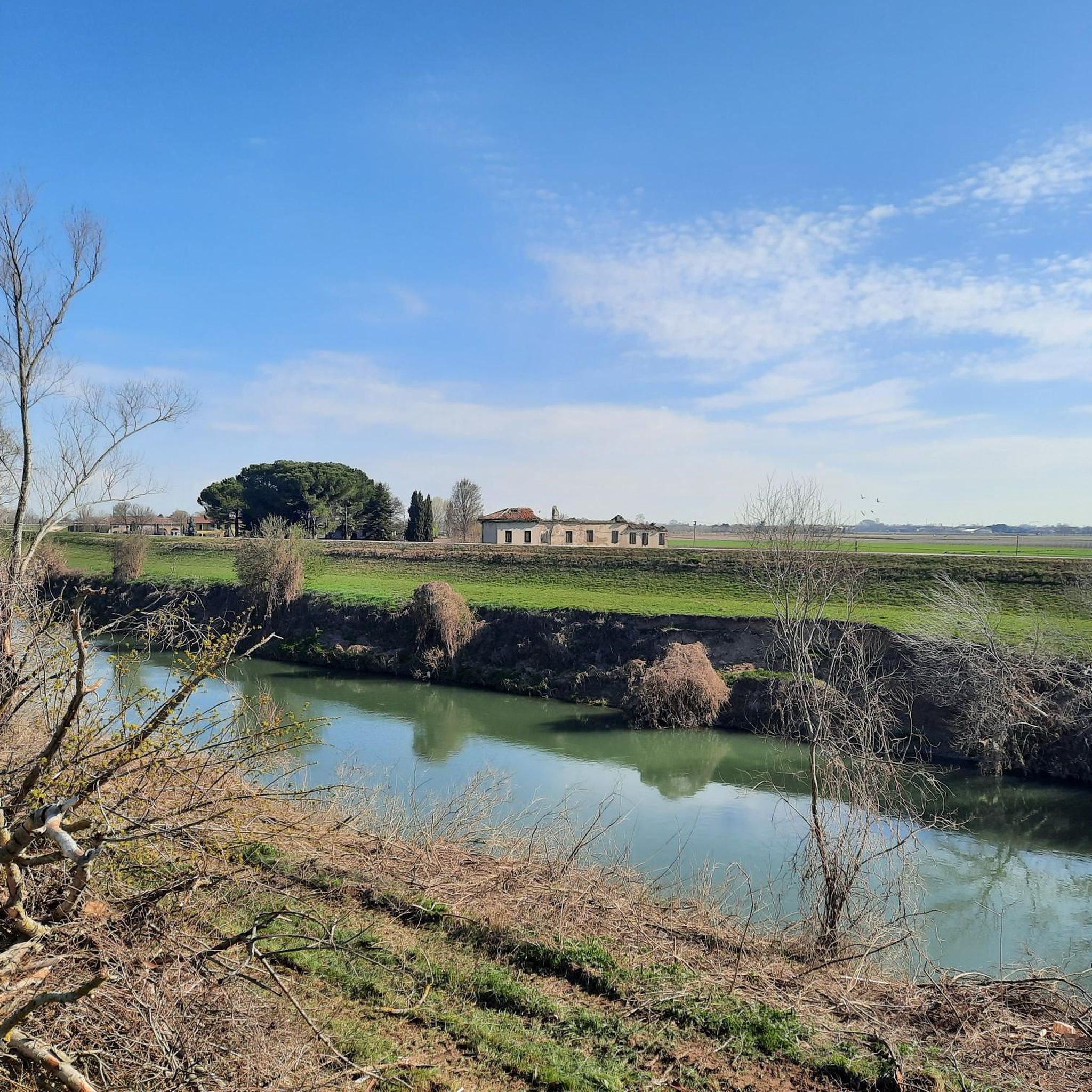
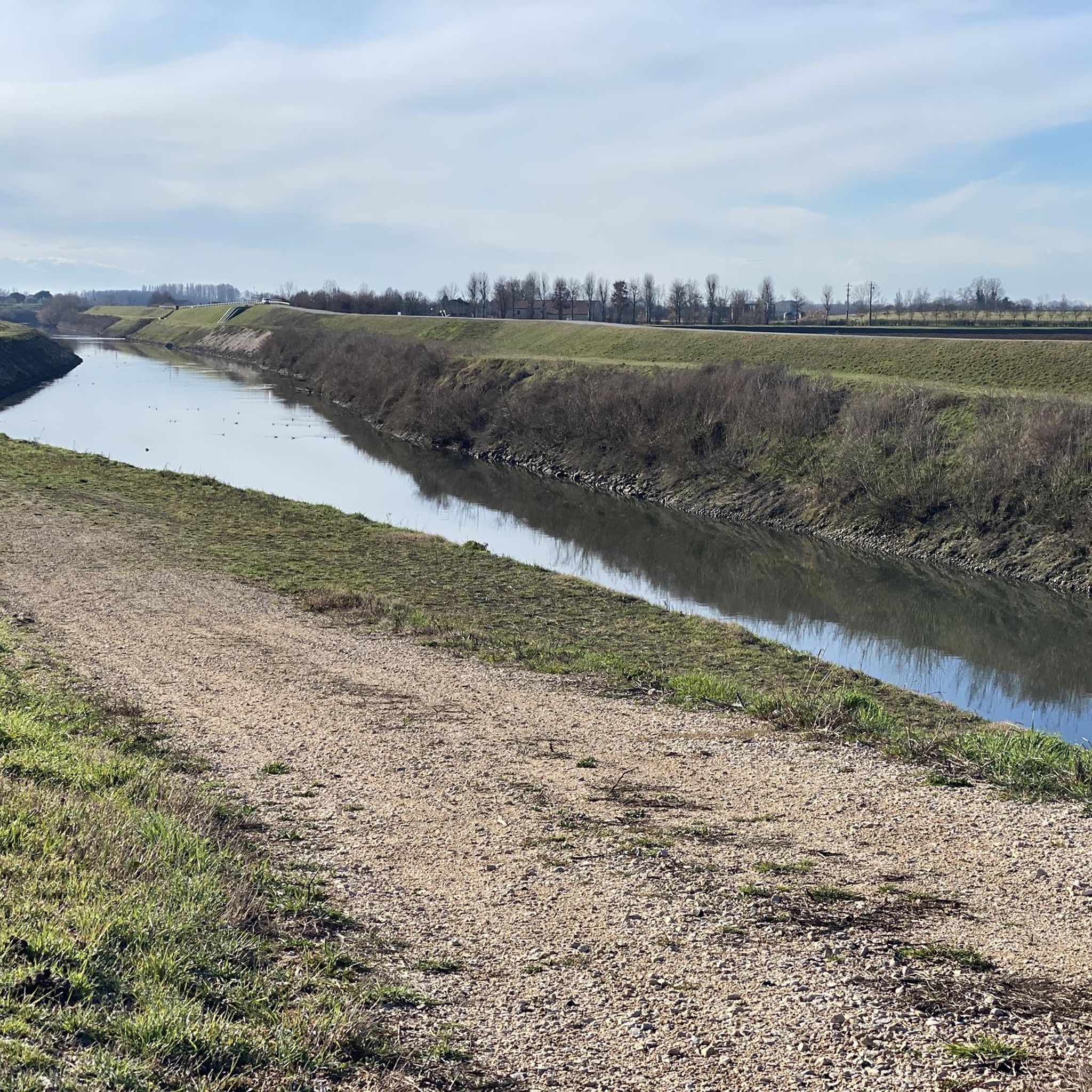
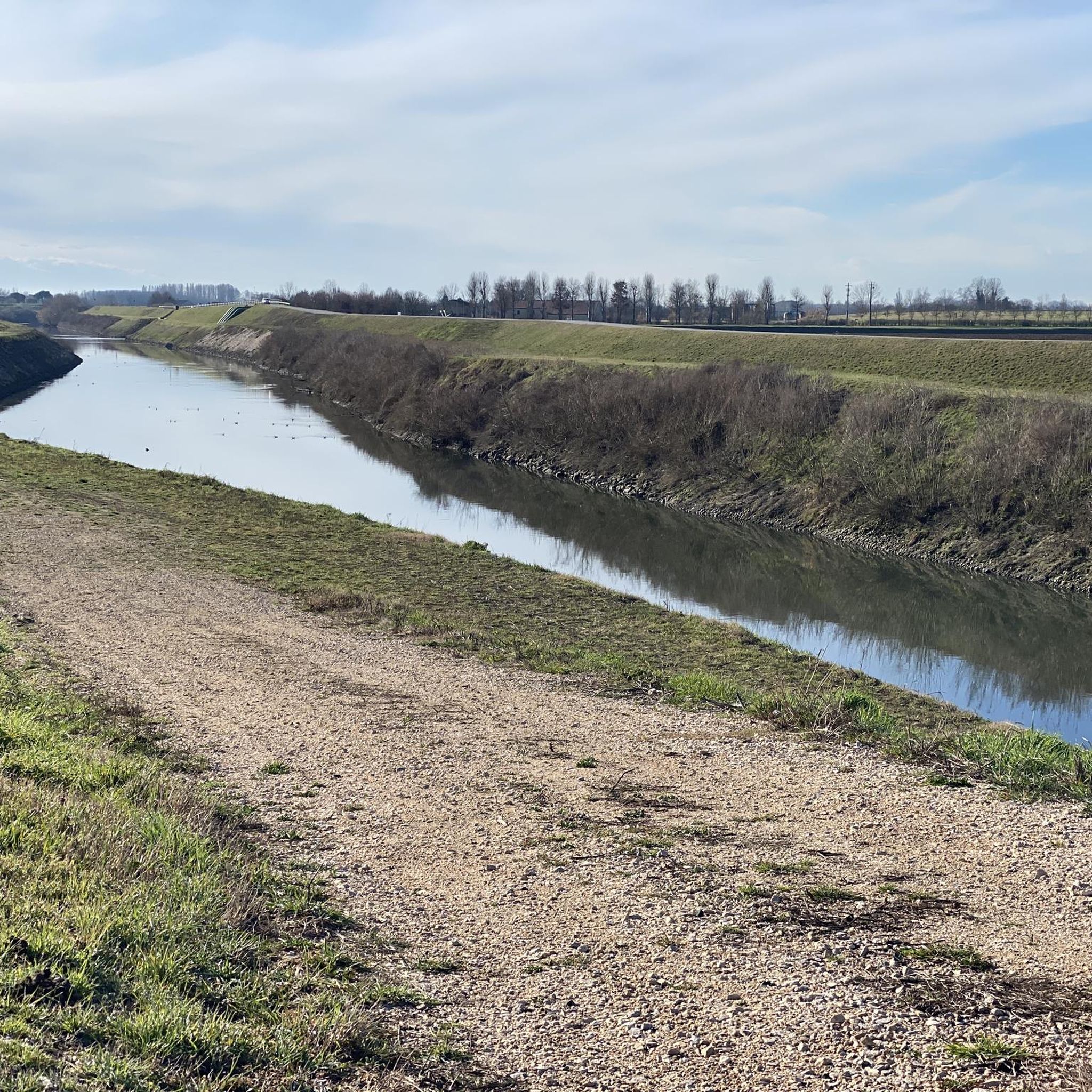
Battaglia Terme Canal
Highlight • River
Translated by Google •
Tip by

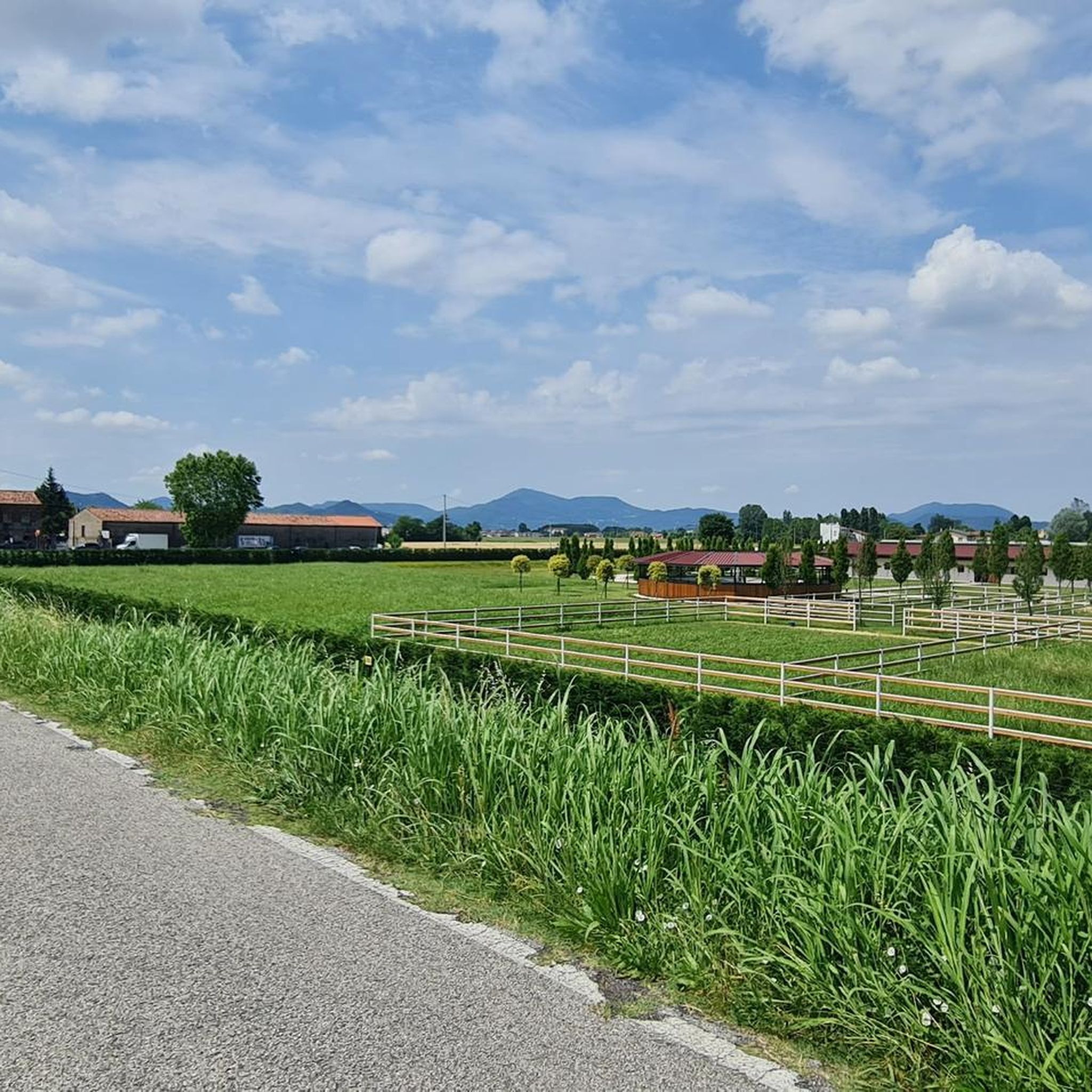
Villa Giovannelli Colonna
Highlight • Historical Site
Translated by Google •
Tip by

Sign up now to discover places like this
Get recommendations on the best single tracks, peaks, & plenty of other exciting outdoor places.
Sign up for free
Monte Ceva Summit Cross
Highlight • Summit
Translated by Google •
Tip by

Piazza dei Signori, Padua
Highlight • Historical Site
Translated by Google •
Tip by

Prato della Valle
Highlight • Monument
The Prato della Valle, one of Padua's landmarks, is a large, monumental space distinguished by a central green island, Isola Memmia, named in honor of the …
Translated by Google •
Tip by

Sign up for free to discover even more attractions around Casalserugo.
Sign up for free
Already have an account?
Start today with a free account
Your next adventure awaits.
Login or Signup
Tips from the Community

Piazza dei Signori, Padua For the people of Padua, a stroll to the squares of the historic center, such as Piazza della Frutta, Piazza delle Erbe, and Piazza dei Signori, means immersing oneself in the markets that traditionally enliven the city every morning. Shopping is simultaneously a pleasure, a social occasion, a kind of daily ritual. But it's also worthwhile to look up and admire the architecture of the houses, balconies, and historic buildings that frame them. Piazza dei Signori is surrounded on its two main sides by two wings with colonnades, elegantly enhanced by terraces with antique wrought-iron balconies. The two shorter sides are bordered by the Church of San Clemente and the Palazzo del Capitanio with its clock tower, whose colonnade leads to the Corte Capitaniato and the nearby square of the same name. Here once stood the Castello dei Carraresi, which today houses the University of Padua with its Faculty of Literature and Philosophy and the rooms painted by Altichiero. On the south side of the square stands the elegant Loggia del Consiglio, or Gran Guardia, the 16th-century building where the city's Maggior Consiglio (Great Council) used to meet. The wide staircase leading to the loggia and the council chamber on the main floor are particularly worth seeing. Text / Source: Turismo Padova https://www.turismopadova.it/de/orte/piazza-dei-signori/
17
0
Prato della Valle, Padua The Prato della Valle, one of Padua's landmarks, is a large, monumental space distinguished by a central green island, Isola Memmia, named in honor of the city's governor who commissioned its creation. This island is surrounded by a canal adorned with a double pedestal featuring numbered statues of famous figures from the past. Since antiquity, this public space has served both economic and recreational functions. In Roman times, a large theater, the Zairo, stood here; remains of the theater's foundations have been found in the canal surrounding Isola Memmia, along with a circular racecourse for chariots. During the Middle Ages, fairs, tournaments, festivals, and competitions were held here; it was the site of large gatherings of "all the free men of Padua," and as early as 1077, it was a marketplace. Until 1767, it belonged to the Abbey of Santa Giustina. Then, the Senate of Veneto declared it municipal land and, together with Andrea Memmo, Provveditore della Serenissima (Governor of the Venetian Republic), implemented a radical redevelopment project. The aim was to create a new urban commercial center, a space suitable for fairs and events. Later, pavilions were erected on Isola Memmia to establish a market. Subsequently, trees were planted, giving the square a distinctly English feel, while the surrounding buildings made it unique, original, and memorable. The design is inspired by the great Venetian tradition of the patrician garden, which here, for the first time, is taken out of private use and proposed according to neoclassical concepts as an urban planning solution and ecological enhancement. Text / Source: Turismo Padova https://www.turismopadova.it/de/orte/prato-della-valle/
16
0

A really beautiful hike, enchanted paths, great view at the top. I wouldn't classify it as easy though. If it has rained a few days before, at least the ascent is muddy and slippery, and further up it is difficult to walk because it is very rocky. The descent is also steep and rocky at the beginning.
3
0

Absolute highlight, breathtaking view and extraordinary flora and fauna. Only for experienced hikers and only ascent!!!!!!
4
1

Piazza dei Signori; a large square with the Palazzo del Capitano (from the 14th-16th centuries), where the Venetian governors resided and the watch tower with arcade and the elegant Loggia del Consiglio in Renaissance style. The clock still works on the almost 600 year old mechanism. Entrance is free, groups of maximum 10 people (guided tours only in the morning on Wednesday, Friday and Saturday).
10
1
Prato della Valle is one of the largest squares in Europe dating from the 17th century. It is the green heart of the city, a welcoming meeting place. The oval-shaped square, planted with plane trees, is surrounded by a tranquil waterway flanked by statues of famous figures.
7
0
After the restoration work, which allowed the reopening of the tower in Piazza dei Signori in June 2010, the Astrarium clock, made in 1344 by Jacopo Dondi da Chioggia, is back in use in Padua. In 1437, the Astrario clock was faithfully reconstructed by the clockmakers Matteo Novello, Giovanni and Giampietro dalle Caldiere. The clock represents the Ptolemaic astronomical theory of a geocentric system that placed the Earth at the centre of the universe. The tower, 30 m high from the street level, has 5 internal floors, the first 3 of which were intended to house the parts of the clock mechanism, the other 2 formed the residence of the master clockmaker, custodian and maintainer. The cage clock is equipped with 2 "trains": the time train and the bell sound train. The dial has a round shape: the numbering of the hours is engraved on the external band with Roman characters, the internal band, made of lead plates, shows the copper stars. The third band, however, contains the zodiac symbols in relief. In the center is planet Earth. The lance that indicates the hours with the sun is at the base, while the moon appears in a round window. All the zodiac signs, except that of Libra which is missing, are finished with pure gold leaf. Source: https://www.padovanet.it/informazione/orologio-astrario-di-piazza-dei-signori
8
0
Since ancient times, this open space has had an economic and recreational function. In Roman times it was the site of a huge theater, the Zairo, the foundations of which were found in the canal around the island of Memmia, and of a horse racing circus. In the era of the persecution of the first Christians, the circus was used for fighting. Two of the city's four patron saints, Santa Giustina and San Daniele, were martyred here. In the Middle Ages it was instead the site of fairs, jousts, public festivals and competitions, such as the "sedoli" races, a kind of typical Paduan chariot or the "castello d'amore", which ended with the capture of beautiful maidens to marry some of the young men who came from all over the Veneto. Source: https://www.padovanet.it/informazione/prato-della-valle
8
0
Frequently Asked Questions
What natural attractions can I explore around Casalserugo?
The region offers several natural highlights. You can visit Monte Ceva Summit Cross, which provides a wonderful 360-degree panorama and is known for its unique flora and fauna. Another interesting spot is the Battaglia Terme Canal, located in the smallest municipality of Padua province, characterized by its waterways and thermal springs.
Are there historical sites to visit near Casalserugo?
Yes, Casalserugo is an excellent base for exploring historical sites. In nearby Padua, you can immerse yourself in history at Piazza dei Signori, a lively square featuring the Palazzo del Capitano and a Renaissance-style Loggia del Consiglio. Another significant historical landmark is Prato della Valle, one of Europe's largest squares, with a central island surrounded by a canal adorned with statues. Locally, the restored Capitello Storico in Piazza Santa Maria degli Angeli reflects the community's cultural roots.
What kind of outdoor activities can I do near Casalserugo?
The area around Casalserugo is great for various outdoor activities. You can find numerous routes for gravel biking, cycling, and hiking. For example, there are several hiking routes like the 'Former Montesi Sugar Factory – View of the River Bend loop' or the 'Pontemanco Water Mill – Former Montesi Sugar Factory loop'. Cyclists can explore routes such as the 'Canale Roncajette – Bacchiglione River loop'. You can find more details and routes on the Hiking around Casalserugo, Cycling around Casalserugo, and Gravel biking around Casalserugo guide pages.
Are there family-friendly attractions around Casalserugo?
Absolutely! Many attractions in the area are suitable for families. Prato della Valle in Padua is a spacious square perfect for a stroll, and the Piazza dei Signori offers a lively atmosphere. The Battaglia Terme Canal area is also considered family-friendly, offering pleasant walks along the waterways. Additionally, the charming Villa Giovannelli Colonna with its park is appreciated by visitors of all ages.
What are some lesser-known or 'hidden gems' in the Casalserugo area?
Beyond the major Padua landmarks, Casalserugo itself offers local charm. The recently restored Capitello Storico in Piazza Santa Maria degli Angeli is a significant local landmark reflecting community heritage. The Villa Giovannelli Colonna, a pretty villa with a park, is also a delightful, less-crowded spot to visit.
What is the terrain and difficulty like for trails near Casalserugo?
Trail terrain and difficulty vary. For instance, the path to Monte Ceva Summit Cross is not to be underestimated, with rocky and potentially slippery sections, making it more suitable for experienced hikers with appropriate footwear. Some hiking routes, like the 'Former Montesi Sugar Factory' loops, are generally rated as moderate. Cycling and gravel biking routes also range from easy to difficult, so it's advisable to check specific route details on komoot.
Are there any wheelchair-accessible attractions in the area?
Yes, some prominent attractions in nearby Padua are wheelchair-accessible. Both Piazza dei Signori and Prato della Valle are noted for their accessibility, allowing visitors to enjoy these historical and cultural spaces.
What should I wear for hiking around Casalserugo, especially for challenging trails?
For challenging trails like the ascent to Monte Ceva Summit Cross, it is highly recommended to wear appropriate trekking shoes. The path can be steep, muddy, and very rocky in sections. Avoid casual footwear like slippers or moccasins to ensure safety and comfort.
What are some notable cultural landmarks in the wider Padua region accessible from Casalserugo?
Casalserugo provides easy access to Padua's rich cultural heritage. Beyond the main squares, you can visit the UNESCO World Heritage site of the Scrovegni Chapel, famous for Giotto's frescoes, or the magnificent Basilica of St. Anthony of Padua, a major pilgrimage site. The University of Padua Botanical Garden, another UNESCO site, is also one of the oldest academic botanical gardens in the world.
What do visitors particularly enjoy about the attractions around Casalserugo?
Visitors appreciate the blend of local charm and the easy access to the wider Veneto region's cultural and natural sites. The panoramic views from Monte Ceva Summit Cross are highly praised, as is the historical richness and lively atmosphere of Padua's squares like Piazza dei Signori and Prato della Valle. The aesthetic appeal of places like Villa Giovannelli Colonna also receives positive feedback.
Are there any waterways or canals to explore near Casalserugo?
Yes, the area is characterized by several canals and waterways. The Battaglia Terme Canal is a prime example, located in Battaglia Terme, which is known for its distinctive riviera shape and historical significance as a center for goods transport. You can also find boat cruises and bike tours along the Brenta Riviera, offering views of Venetian Villas.
Most popular routes around Casalserugo
Most popular attractions around Casalserugo

Get inspired with the komoot mobile app


Explore more
Still not found the Highlight you’re looking for? See guides of the top attractions in other regions:
