The best road cycling routes around Burago Di Molgora
4.3
(711)
16,202
riders
263
rides
Road cycling around Burago Di Molgora offers routes through the flat plains of Lombardy, characterized by agricultural landscapes and a network of quiet country roads. The region features gentle undulations rather than significant climbs, making it suitable for various fitness levels. Cyclists can expect to pass through small towns, alongside canals, and across open fields. The terrain is generally smooth, providing consistent conditions for road biking.
Best road cycling routes around Burago Di Molgora
- The most popular road cycling route…
Last updated: May 22, 2026
4.0
(2)
54
riders
Moderate road ride. Good fitness required. Mostly well-paved surfaces and easy to ride.
23
riders
42.3km
01:43
160m
160m
Moderate road ride. Great for any fitness level. Some segments of this route may be unpaved and difficult to ride.

Sign up for free
5.0
(2)
24
riders
37.0km
01:28
100m
100m
Easy road ride. Great for any fitness level. Mostly well-paved surfaces and easy to ride.
20
riders
42.9km
01:45
200m
200m
Easy road ride. Great for any fitness level. Mostly well-paved surfaces and easy to ride.
25
riders
38.5km
01:54
190m
190m
Easy road ride. Great for any fitness level. Mostly well-paved surfaces and easy to ride.
Get access to more routes and recommendations from other explorers.
Sign up for free
Already have an account?
Our route recommendations are based on thousands of hikes, rides, and runs completed by other people on komoot.
Start today with a free account
Your next adventure awaits.
Login or Signup

Tips from the Community

Monza Park is one of the largest historic parks in Europe and the largest walled enclosure, with over 700 hectares of extension. Established in 1805 by Napoleon, it hosts the famous Royal Villa, the Royal Gardens, and the National Autodrome, offering nature, sport, and culture. It is accessible for free every day. [1, 2, 3, 4, 5, 6]
2
0

The Monza park is always a spectacle in spring
1
0

Naviglio della Martesana is perhaps the least known of the ancient artificial canals connecting Milan to the great Lombard rivers. It originates from the Adda in Concesa, a hamlet of Trezzo d’Adda, crosses the Martesana sub-region, northeast of the provincial capital, and once in the city, it plunges underground beneath Via Melchiorre Gioia, at the height of Cassina de’ Pomm. It measures approximately 38 km in length, with a width varying from 9 to 18 meters. However, once upon a time, the Naviglio della Martesana continued in the open air all the way to the center, where a lock system centered on the Conca dell’Incoronata connected it to the short Naviglio di S. Marco and the urban network of the Navigli. The lock was inaugurated in 1496, utilizing lock gates designed by Leonardo da Vinci. The canal had been opened in 1471, under Francesco Sforza. By connecting it to the other Navigli, Leonardo laid the foundations for realizing a dream of the Sforzas: to travel by water from the Ticino, and therefore from Lake Maggiore, all the way to the Adda.
1
0
The imposing water wheel (about eleven meters in diameter) was built in the early 17th century by Cardinal Federico Borromeo to lift water from the canal and convey it to the nearby Archbishop's Palace. A washhouse can be seen near the wheel.
1
0
It is a complex of buildings enclosed by a wall, the historic block of which extends in a U-shape along the east-west axis. Despite neglect and numerous changes in use, which have led to extensive renovations, the interior still retains highly valuable spaces, with stuccoed and frescoed rooms depicting architectural motifs and mythological episodes, vaulted ceilings, generally pavilion-shaped masonry, or false reed vaults, or wooden coffered ceilings.
0
0
Villa Mirabello, a wonderful example of 17th-century architecture and residence, was built in the mid-17th century by the Durini family, who had purchased the fiefdom of Monza in 1648. The Durinis built a beautiful villa, with large halls for parties and receptions, named "Mirabello." Its U-shaped structure, open to the river landscape and featuring a courtyard, is of great structural significance, as it marks the transition from the typology of the walled country palace, typical of the 15th and 16th centuries, to the new concept of the palace-villa opening onto a scenic garden or park.
1
0
In the center of town, on the right bank of the Martesana Canal, stands an imposing waterwheel (popularly known as a rudun) said to have been designed by Leonardo da Vinci himself. Despite appearances, the wheel is not a mill, but a noria. Its function, in fact, was never to grind grain or power machinery, but rather to lift water from the canal to channel it into an irrigation system.
0
0

We are in Groppello, a hamlet in the municipality of Cassano d'Adda, and we must go back in time to 1618, when Cardinal Federico Borromeo commissioned this large wheel to convey the water needed to irrigate the vegetable gardens and gardens of the Archbishop's Villa. It is said that this majestic work, at the Cardinal's request, was designed by Leonardo da Vinci himself. Which, if anything, adds to its charm.
1
0
Frequently Asked Questions
How many road cycling routes are available around Burago Di Molgora?
There are over 270 road cycling routes available around Burago Di Molgora, catering to various skill levels. This includes 85 easy routes, 160 moderate routes, and 28 more challenging options.
Are there road cycling routes suitable for beginners in Burago Di Molgora?
Yes, Burago Di Molgora offers a good selection of routes for beginners. You'll find 85 easy routes that traverse the flat plains and agricultural landscapes, perfect for those new to road cycling or looking for a relaxed ride. An example is the Bellinzago Lombardo Locks – Park Fountain loop from Ornago, which is 23.0 miles (37.0 km) long.
What kind of scenery can I expect on road cycling routes near Burago Di Molgora?
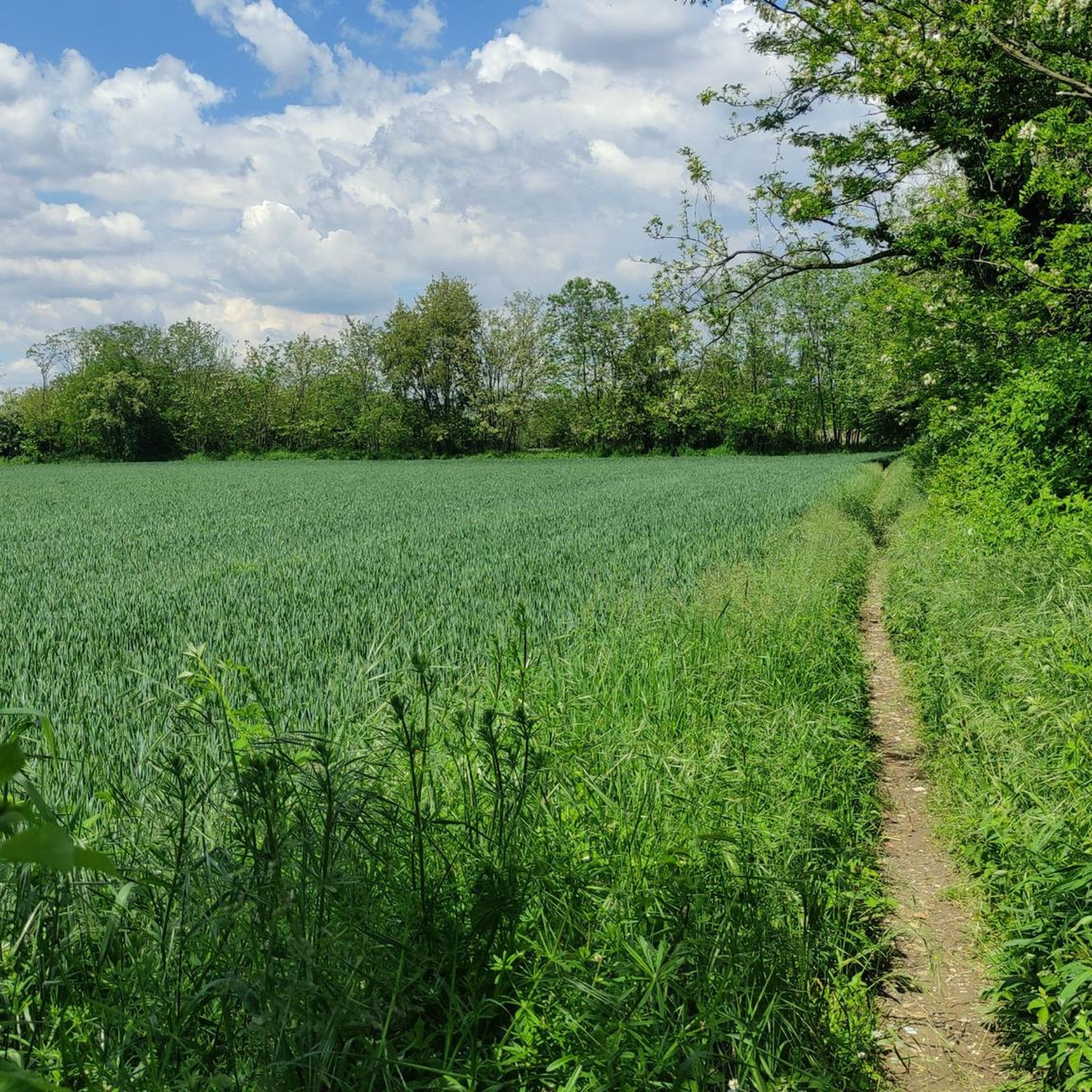
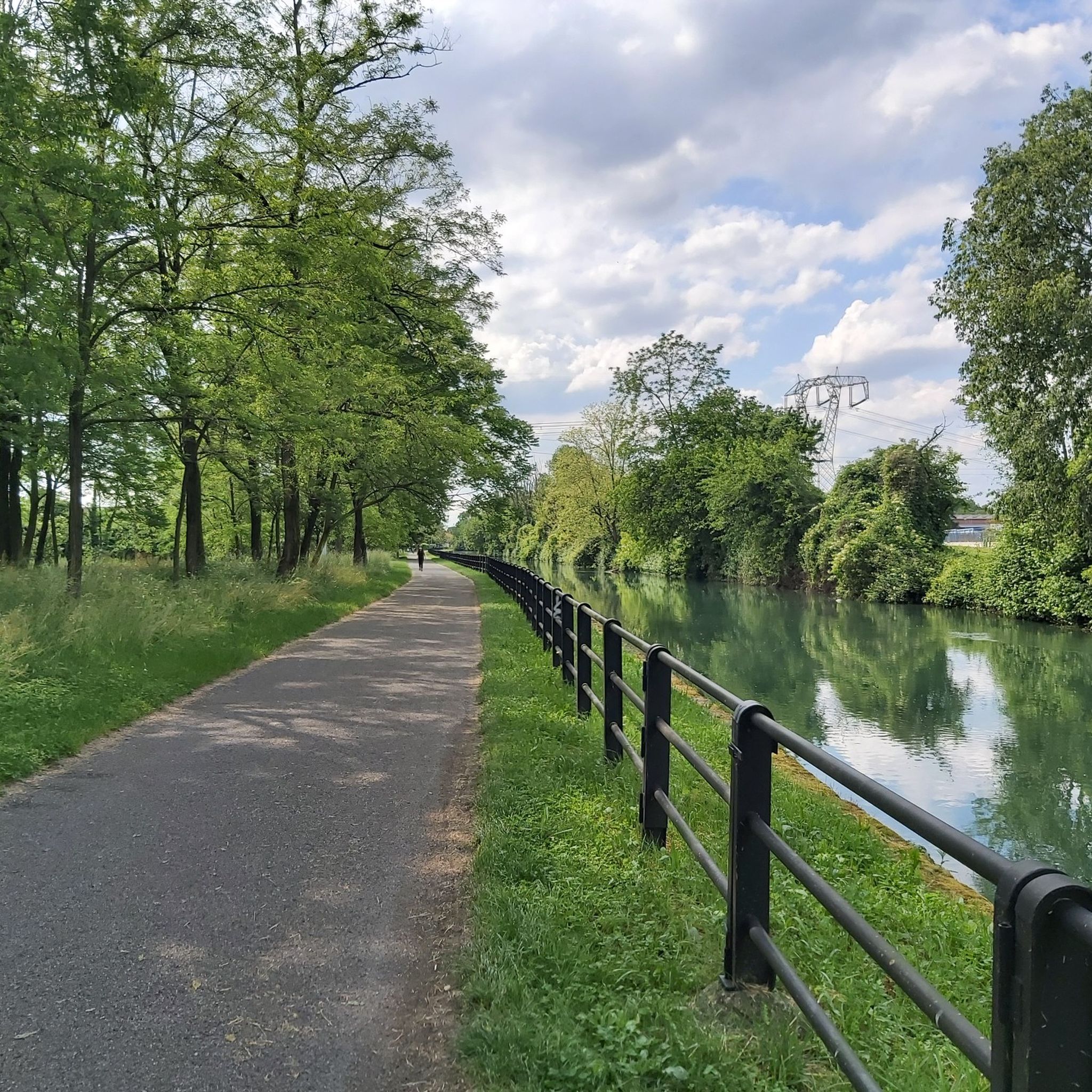
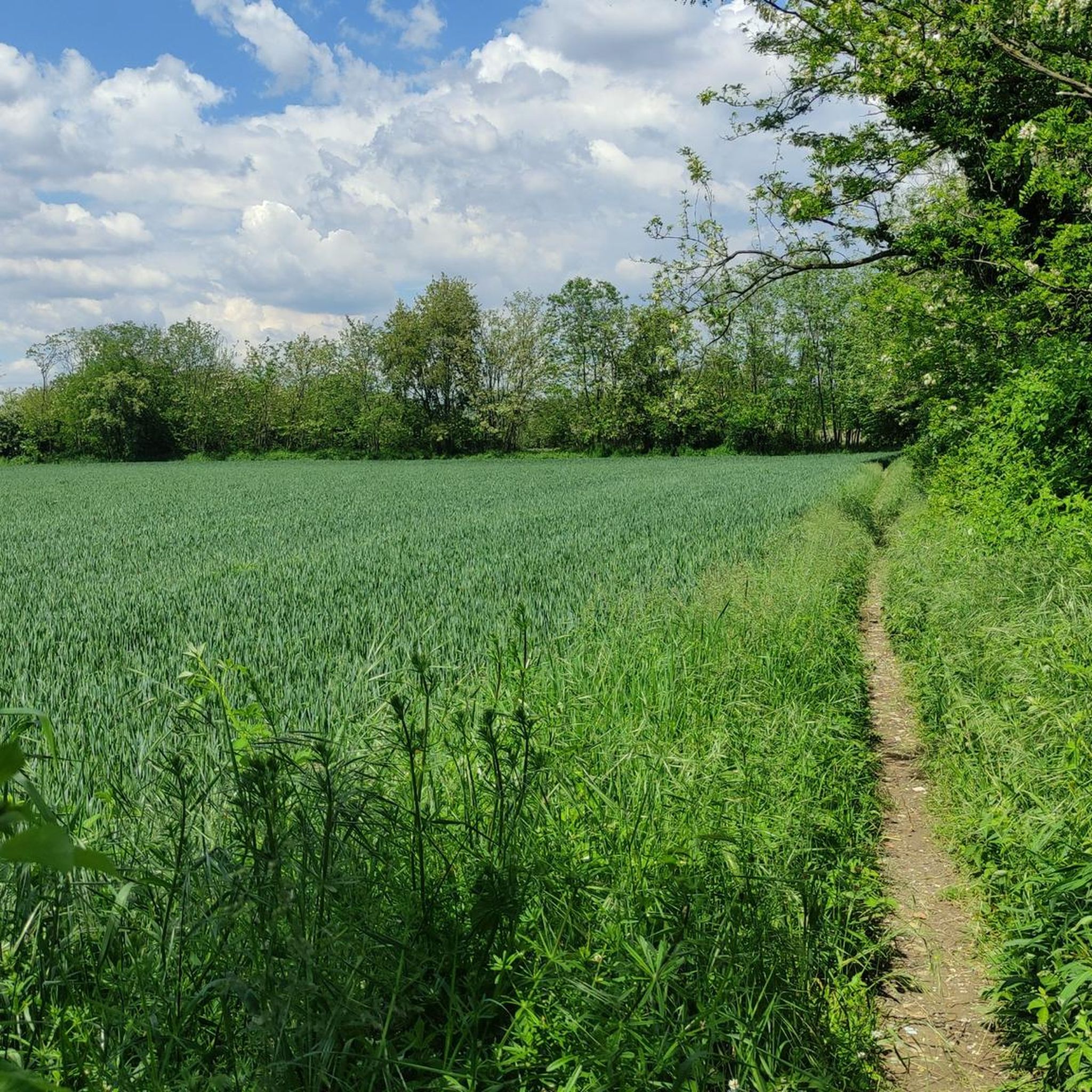
Road cycling around Burago Di Molgora offers scenic routes through the flat plains of Lombardy. You'll pass through agricultural landscapes, alongside canals, and across open fields, often connecting small towns and villages. The terrain is generally smooth with gentle undulations, providing a consistent and pleasant riding experience.
Are there any interesting places to see along the road cycling routes?
Many routes offer opportunities to explore local attractions. You might cycle past historical sites like the Royal Villa of Monza or the Taccani Hydroelectric Power Plant and Trezzo Castle Tower. Natural highlights include Increa Park and various lakes such as the Laghetto of the Royal Villa of Monza.
What do other cyclists say about road cycling in Burago Di Molgora?
The road cycling routes around Burago Di Molgora are highly rated by the komoot community, with an average score of 4.3 stars from over 700 reviews. Cyclists often praise the quiet country roads, the flat and smooth terrain, and the pleasant mix of rural and urban scenery.
Are there options for longer road cycling routes in the area?
Yes, for those seeking longer rides, there are several options. Routes like the Castello di Bellusco – Ronco Briantino Town Hall loop from Cambiago cover about 28.0 miles (45.0 km) and take around 2 hours, leading through agricultural landscapes and small villages.
When is the best time of year for road cycling in Burago Di Molgora?
The most pleasant times for road cycling in Burago Di Molgora are typically spring (April to June) and autumn (September to October). During these seasons, the weather is generally mild, and the landscapes are vibrant, making for comfortable rides. Summer can be warm, while winter might be chilly and occasionally foggy.
Are the road cycling routes around Burago Di Molgora suitable for families?
Given the predominantly flat terrain and numerous easy routes, many road cycling paths around Burago Di Molgora are suitable for families. Routes that follow canals or pass through parks, like the Cascina Cavallera cycle path – Quiet road in Valaperta loop from Agrate Brianza, offer a safe and enjoyable experience for all ages.
Are there circular road cycling routes available?
Many of the road cycling routes in Burago Di Molgora are designed as loops, allowing you to start and end at the same point. For instance, the popular Villasanta Town Center – Villa Mirabello loop from Cambiago is a 26.3 miles (42.3 km) circular route offering a mix of urban and rural scenery.
Is parking available near the road cycling routes?
While specific parking information varies by starting point, most towns and villages around Burago Di Molgora offer public parking options. It's advisable to check local parking regulations and availability for your chosen starting location.
Can I access road cycling routes by public transport?
Burago Di Molgora and surrounding towns are generally well-connected by local public transport, including buses and regional trains. You can often reach starting points of routes by public transport, though it's recommended to check specific schedules and bicycle carriage policies for your planned journey.
Are there cafes or places to stop for refreshments along the routes?
Yes, as many routes pass through or near small towns and villages, you'll find opportunities to stop for refreshments. These areas often have cafes, bars, or small shops where you can take a break and refuel during your ride.
Most popular routes around Burago Di Molgora
Most popular attractions around Burago Di Molgora

Get inspired with the komoot mobile app


Explore more
Browse the best Road cycling routes in other regions.
