Attractions and Places To See around Vimercate - Top 20
Best attractions and places to see around Vimercate include a mix of historical landmarks, cultural sites, and natural features. The town, situated on the Molgora river in the Brianza area, has roots tracing back to Roman times, reflecting its medieval importance as a market town. Visitors can explore ancient structures, neoclassical villas, and extensive parklands. The surrounding lands offer opportunities to engage with the local landscape and waterways.
Best attractions and places to see around Vimercate
- The most popular attractions…
Last updated: July 6, 2026
Martesana Canal Cycle Path
Highlight (Segment) • Cycleway
Translated by Google •
Tip by

Martesana Canal
Highlight • Cycleway
Translated by Google •
Tip by

Sign up now to discover places like this
Get recommendations on the best single tracks, peaks, & plenty of other exciting outdoor places.
Sign up for free
Martesana Canal Cycle Path
Highlight • Cycleway
Translated by Google •
Tip by

Naviglio Martesana Cycle Path Between Bellinzago Lombardo and Inzago
Highlight (Segment) • Cycleway
Translated by Google •
Tip by

Royal Villa of Monza
Highlight • Castle
Translated by Google •
Tip by
Sign up for free to discover even more attractions around Vimercate.
Sign up for free
Already have an account?
Start today with a free account
Your next adventure awaits.
Login or Signup

Tips from the Community

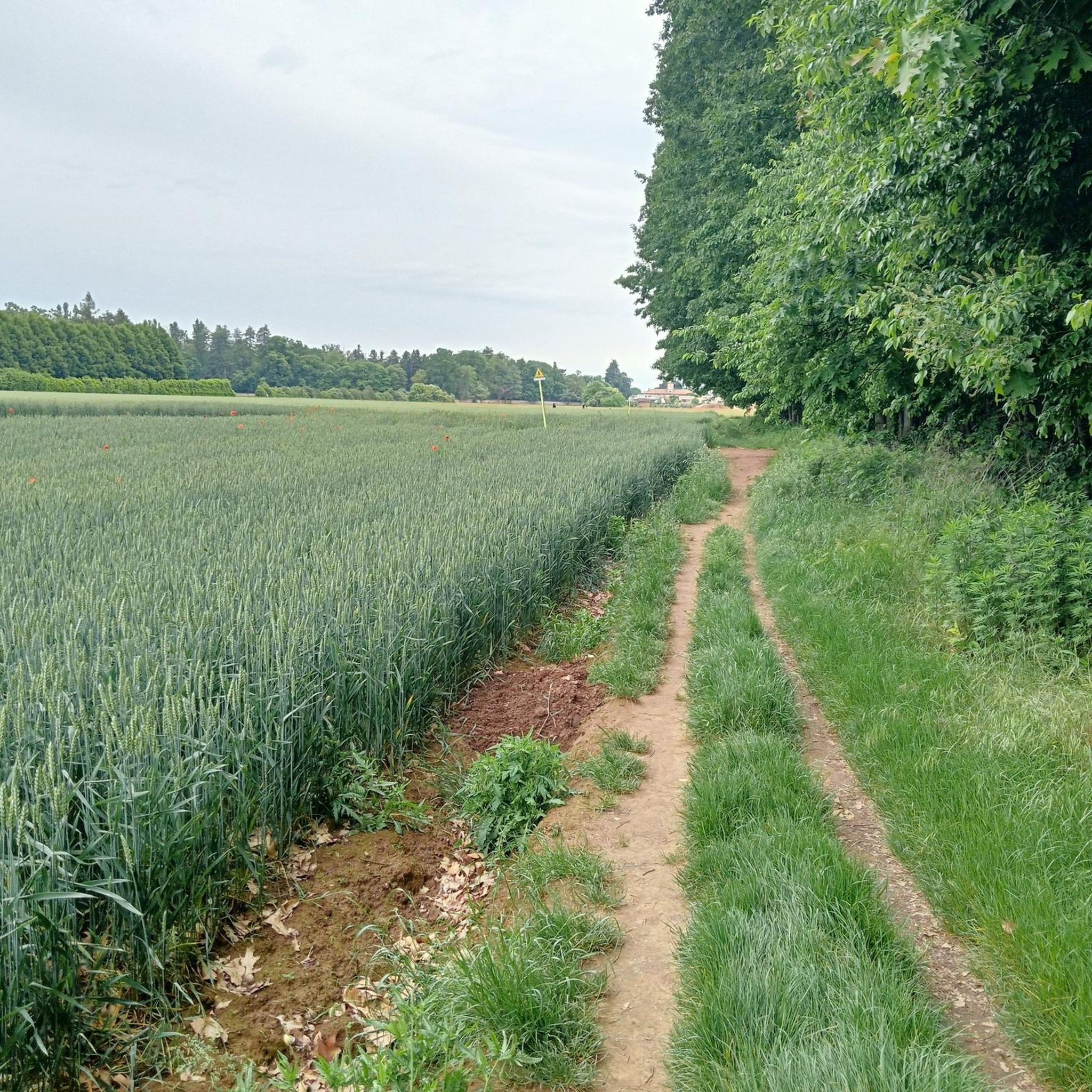
Easy cycle path suitable for everyone!
3
0

The Naviglio della Martesana, definitively completed in 1496 under the leadership of Ludovico il Moro, flows from Trezzo sull’Adda to Milan for a total length of 38 km. The route runs alongside the ancient Roman road (the current SS 11 padana superiore) which crossed the Adda with two branches: at Vaprio and Cassano. The irrigation of the lands located above the spring belt was for a long time the predominant use of the canal, so much so that initially navigation was limited to two days a week; concurrently with the improvement of the agricultural structure thanks to irrigation, a notable flourishing of stately homes occurred in the Baroque era, aimed at enjoying the convenience of travel on water and controlling the owned lands.
0
0
The Naviglio della Martesana, initially known as Naviglio Piccolo, is one of the Milanese canals that connects Milan with the course of the Adda river through the municipalities of Martesana. Commissioned in the 15th century by Francesco Sforza, it was used for irrigating the countryside but also represented the ambitious project of connecting Milan with Lake Como and thus with the Alps and Ticino. The Naviglio della Martesana is a place rich in history and beauty, a heritage for everyone that, however, today is still little known and protected. Along the Naviglio runs a rather busy cycle path, which allows you to admire the landscape and cultural beauties, such as the rich flora, fauna, or the numerous historic villas, including the Renaissance Villa Melzi d’Eril in Vaprio d’Adda.
1
0

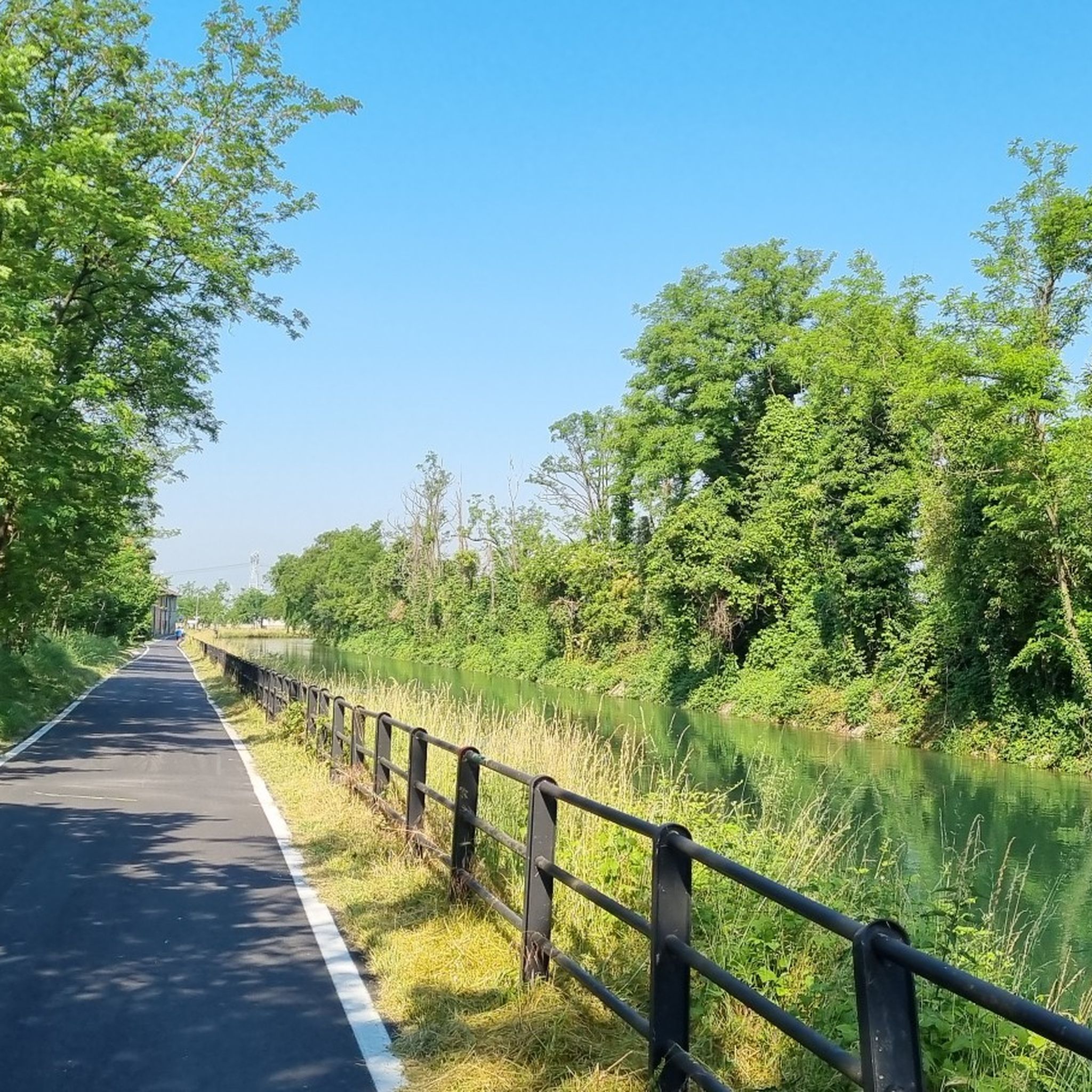
The Naviglio Martesana cycle path is a 30-35 km cycle and pedestrian route that connects Milan (Cassina de' Pomm/via Melchiorre Gioia area) to Trezzo sull'Adda, running alongside the homonymous canal. It is a predominantly asphalted, flat, easy route suitable for everyone, passing through parks, rural areas, and historic noble villas from the 17th-18th centuries.
0
0
The Naviglio Martesana cycle path is a cycle-pedestrian route of about 30-35 km that connects Milan (Cassina de' Pomm/via Melchiorre Gioia area) to Trezzo sull'Adda, running alongside the canal of the same name. It is a predominantly asphalted, flat, easy route suitable for everyone, which crosses parks, rural areas, and historic noble villas from the 17th-18th centuries.
2
0

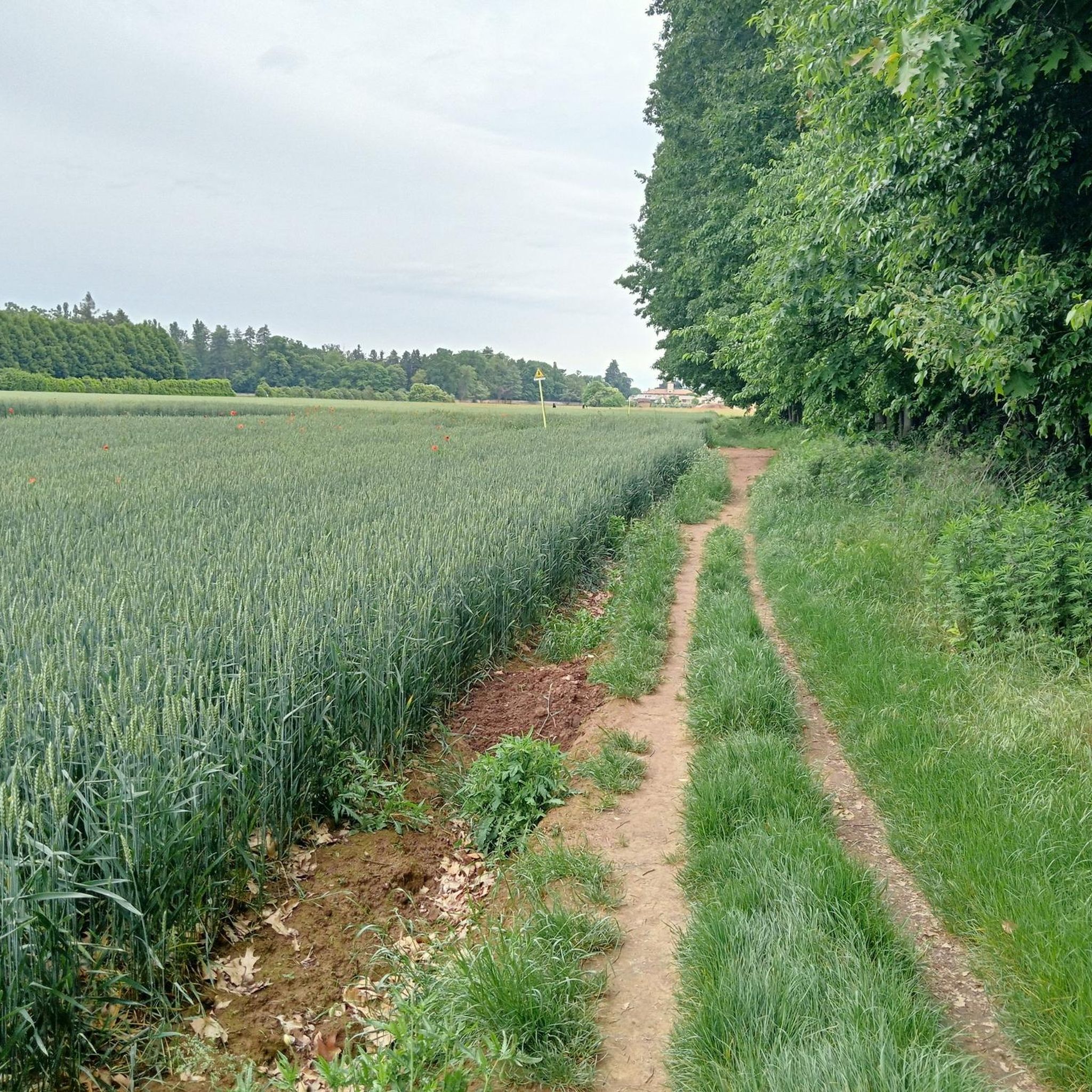
Nice gravel ride, from Gessate to Cremona. 95% on paved cycle paths and dirt road in the woods along the Adda. The first stretch from Cassano to Lodi is very nice, all in the woods, several single tracks with tall grass or "cycle path" but with a dirt surface. The river is almost always nearby. From Lodi to Cremona all on paved cycle path, elevated on cultivated fields and more exposed to the wind. Stops in Lodi, Pizzighettone and Cremona for visits. Return by train.
2
0

Naturalistic and historical, it is worth visiting
1
0
This place is a quiet place surrounded by greenery
3
0
Frequently Asked Questions
What historical landmarks can I explore in Vimercate?
Vimercate is rich in history. You can visit the Taccani Hydroelectric Power Plant and Trezzo Castle Tower, a historical site along the Adda river. Within Vimercate itself, don't miss the Ponte di San Rocco, the only surviving Roman bridge in Lombardy, or the imposing Collegiate Church of Santo Stefano, a significant example of pre-Romanesque architecture.
Where can I learn about the history and culture of Vimercate?
The best place to delve into Vimercate's past is the MUST – Museo del Territorio, housed within the neoclassical Villa Sottocasa. This interactive museum covers over 2,000 years of local history, featuring archaeological finds, artworks, and historical documents. Villa Sottocasa also has a recently restored English-style park.
Are there any grand villas or palaces to visit in the Vimercate area?
Yes, the region boasts several impressive residences. The Royal Villa of Monza is a neoclassical palace with a vast park, once a residence for the Habsburgs and Savoys. In Vimercate, you can also see Palazzo Trotti, now the Town Hall, known for its Rococo frescoes, and the 16th-century Villa Gallarati Scotti. The picturesque hamlet of Oreno features Villa Borromeo, a Baroque-turned-neoclassical 'Villa di Delizia'.
What natural areas are there for outdoor activities near Vimercate?
For nature enthusiasts, the Parco Agricolo Nord Est offers numerous trails to explore the local landscape, including sights like a majestic mulberry tree and the Ponte del Montalino crossing the Molgora river. The town itself is situated on the Molgora River, with surrounding cultivated lands.
Are there cycling paths suitable for families around Vimercate?
Absolutely! The Martesana Canal Cycle Path is a popular choice, offering a journey along a historic canal built in 1460. Another excellent option is the Naviglio Martesana Cycle Path Between Bellinzago Lombardo and Inzago, known for its well-maintained asphalt and scenic views. Both are considered family-friendly and provide a great way to discover the region's history and beauty.
What kind of hiking trails can I find near Vimercate?
You'll find a variety of hiking trails around Vimercate, ranging from easy to moderate. For example, you can explore routes like the 'Cascina Cavallera – View of Resegone loop from Oreno' or the 'Vimercate Bridge – Ponte di San Rocco, Vimercate loop from Vimercate'. These trails offer opportunities to enjoy the local scenery and historical points of interest. You can find more details and routes in the Hiking around Vimercate guide.
Are there opportunities for mountain biking or road cycling near Vimercate?
Yes, the area around Vimercate is well-suited for both mountain biking and road cycling. For mountain bikers, routes like the 'Mulino del Cantone – Villa Mirabellino loop from Vimercate' offer diverse terrain. Road cyclists can tackle more challenging rides such as the 'Lecco Lakeside Promenade – View of Lake Como from Lecco loop from Arcore'. Explore more options in the MTB Trails around Vimercate and Road Cycling Routes around Vimercate guides.
What unique cultural sites can I visit in Vimercate?
Beyond the main historical sites, Vimercate offers several unique cultural experiences. The Sanctuary of the Blessed Virgin of the Rosario features rich Baroque decorations and notable artworks. The Oratory of Sant'Antonio houses a cycle of International Gothic frescoes illustrating the Stories of the Passion of Christ. Don't miss La Morte di Ruginello, a macabre yet ironic 18th-century sculpture in the hamlet of Ruginello.
What do visitors enjoy most about the attractions around Vimercate?
Visitors particularly appreciate the blend of historical significance and natural beauty. The cycle paths along the Martesana Canal are highly praised for their scenic routes and historical context, offering a peaceful escape. The architectural marvels like the Taccani Hydroelectric Power Plant and the grandeur of the Royal Villa of Monza also receive high acclaim for their beauty and historical depth.
Is there parking available at the main attractions?
For attractions like the Royal Villa of Monza, parking facilities are available. For other sites within Vimercate's historical center, it's advisable to check local signage for designated parking areas or public parking lots nearby, as some areas may have restricted access.
Are there any medieval remains in Vimercate?
Yes, Vimercate has significant medieval heritage. The Ponte di San Rocco, while Roman in origin, was fortified in the medieval period with gated towers and defensive mechanisms. You can also find the Borromeo hunting lodge, an important medieval remain, and the Former Convent of San Francesco, originally built in the 13th century with a 16th-century cloister and 14th-century church.
Most popular routes around Vimercate
Most popular attractions around Vimercate

Get inspired with the komoot mobile app


Explore more
Still not found the Highlight you’re looking for? See guides of the top attractions in other regions:
