Attractions and Places To See around Sulbiate - Top 20
Best attractions and places to see around Sulbiate, a municipality in Northern Italy, offer a blend of historical landmarks, cultural sites, and natural beauty. The region is characterized by its connection to the Lombardian landscape, including agricultural parks and historical waterways. Visitors can explore a variety of sites, from ancient oratories to industrial archaeology and scenic natural viewpoints. The area provides opportunities for easy excursions and walks among fields and along canals.
Best attractions and places to see around Sulbiate
…Last updated: July 6, 2026
Martesana Canal
Highlight • Cycleway
Translated by Google •
Tip by

Naviglio Martesana Cycle Path Between Bellinzago Lombardo and Inzago
Highlight (Segment) • Cycleway
Translated by Google •
Tip by

Sign up now to discover places like this
Get recommendations on the best single tracks, peaks, & plenty of other exciting outdoor places.
Sign up for free
Taccani Hydroelectric Power Plant and Trezzo Castle Tower
Highlight • Historical Site
Translated by Google •
Tip by

Cypress Peak
Highlight • Viewpoint
Translated by Google •
Tip by

Locks on the Adda and San Michele Bridge in Paderno
Highlight • Bridge
Translated by Google •
Tip by

Sign up for free to discover even more attractions around Sulbiate.
Sign up for free
Already have an account?
Start today with a free account
Your next adventure awaits.
Login or Signup

Tips from the Community

The Naviglio della Martesana, initially known as Naviglio Piccolo, is one of the Milanese canals that connects Milan with the course of the Adda river through the municipalities of Martesana. Commissioned in the 15th century by Francesco Sforza, it was used for irrigating the countryside but also represented the ambitious project of connecting Milan with Lake Como and thus with the Alps and Ticino. The Naviglio della Martesana is a place rich in history and beauty, a heritage for everyone that, however, today is still little known and protected. Along the Naviglio runs a rather busy cycle path, which allows you to admire the landscape and cultural beauties, such as the rich flora, fauna, or the numerous historic villas, including the Renaissance Villa Melzi d’Eril in Vaprio d’Adda.
1
0

follow the path that continues beyond to cross the three peaks of the pyramids
1
0

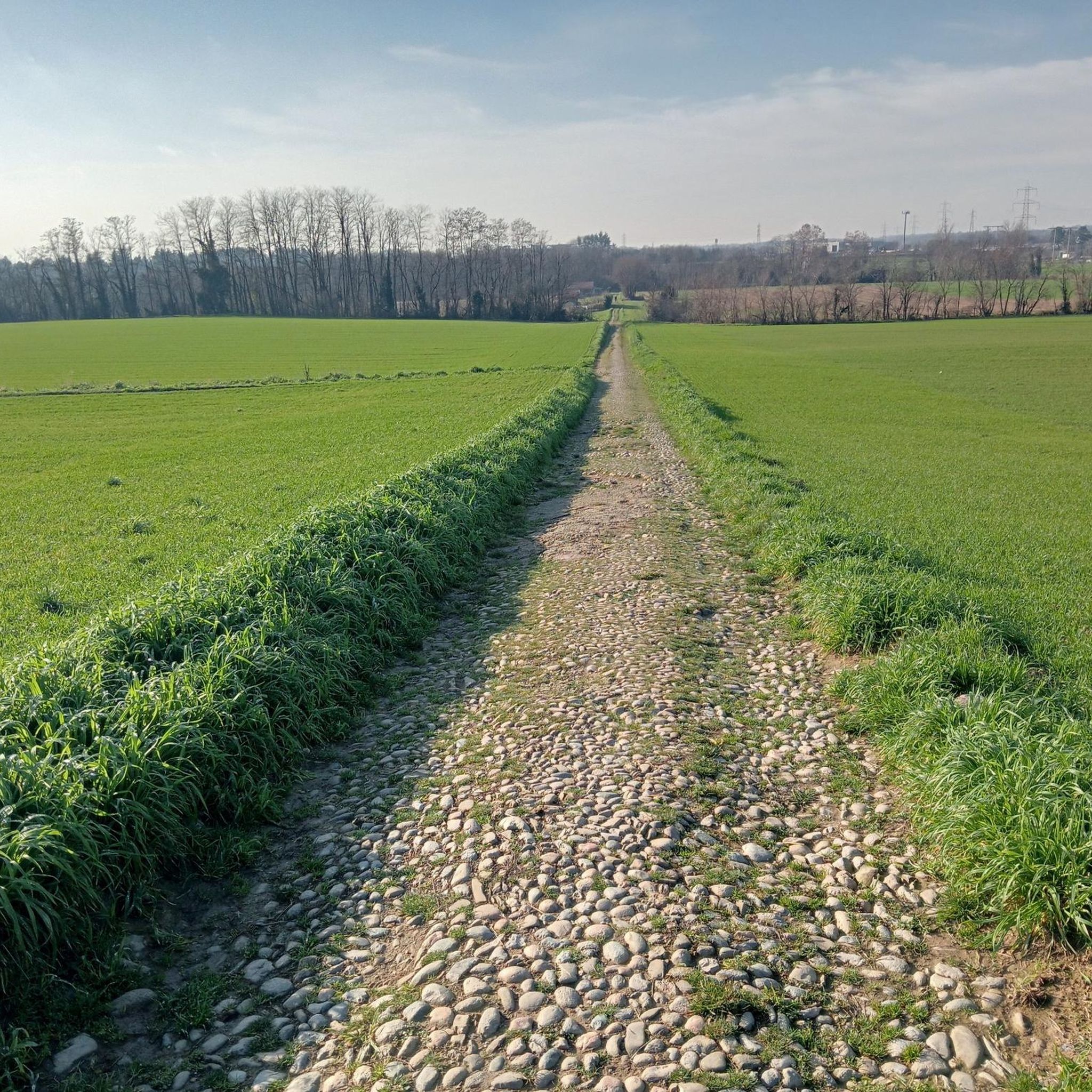
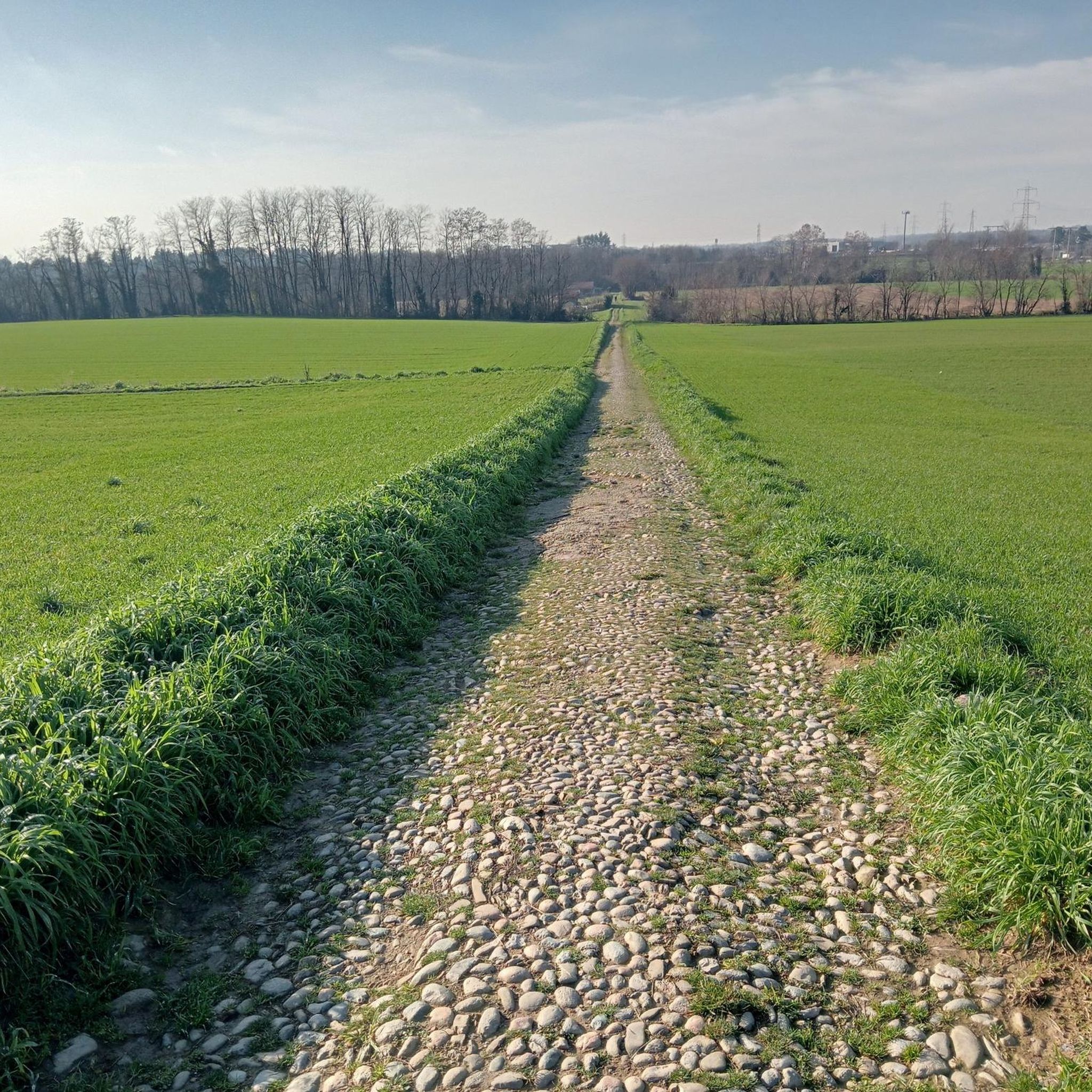
Nice gravel ride, from Gessate to Cremona. 95% on paved cycle paths and dirt road in the woods along the Adda. The first stretch from Cassano to Lodi is very nice, all in the woods, several single tracks with tall grass or "cycle path" but with a dirt surface. The river is almost always nearby. From Lodi to Cremona all on paved cycle path, elevated on cultivated fields and more exposed to the wind. Stops in Lodi, Pizzighettone and Cremona for visits. Return by train.
2
0

Certainly the most beautiful place to stop on a tour of Curone.
0
0

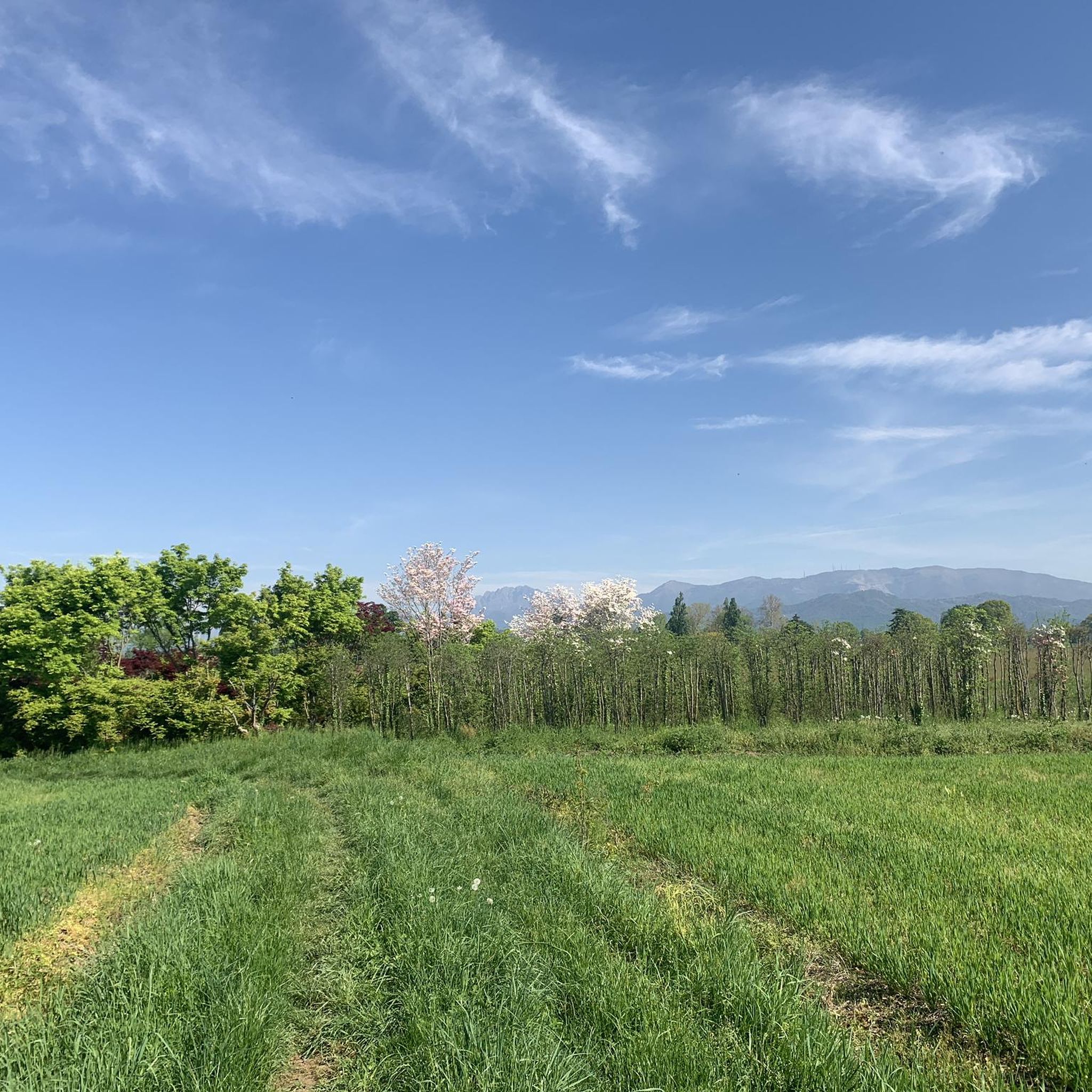
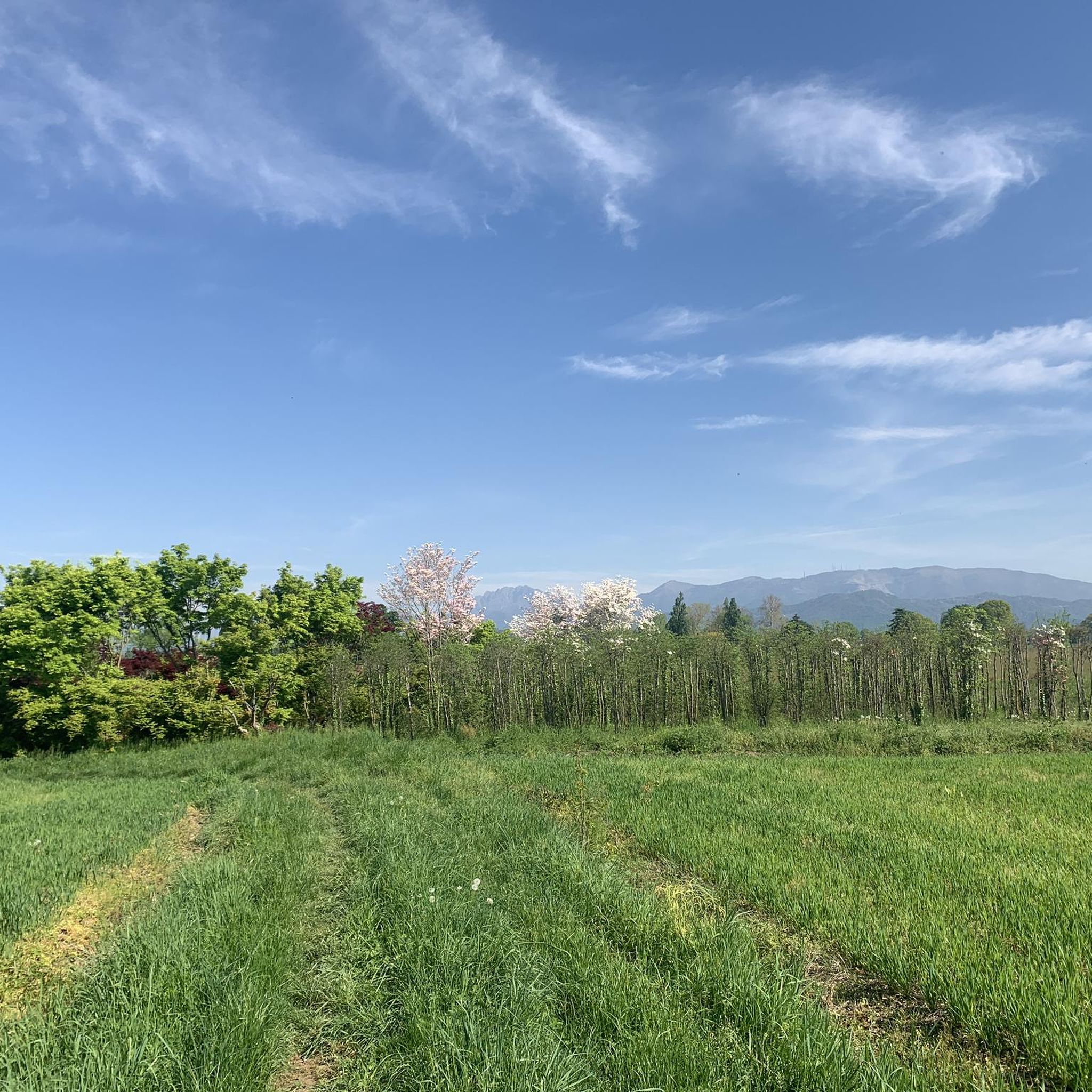
Be careful, it is forbidden to ride a bike from the top of the cypress trees. If the guards (who are looking through binoculars) catch you, you will be fined. In itself, it is worth going up on foot. The place is shrouded in legend. The hill of the cypress trees, a sort of natural sanctuary surrounded by 12 cypress trees. In 2001, through aerial surveys, a very bizarre coincidence was noticed. The area has 3 stepped pyramids, of equal slope, arranged quite close together, as if to simulate an astronomical observatory or a sacred-religious place. The first of the three pyramids is precisely that of the cypresses. Once you reach the top, you can enjoy a beautiful view, there is a sort of small stone altar and it is already a good place to take some photographs. Then you begin to gently descend along path 11 and you can reach the second of the pyramids of Montevecchia, the pyramid of Belvedere Cereda. It is a bare pyramid, very suggestive that allows you to observe the Curone park from the highest point. It is thought that the Celts used the pyramid as an astronomical observatory.
0
0

very special, I recommend it to see
0
0

«[...] A canal was built from the castle of Trezzo to the city, and it was called della Martesana, the county that passes through. [...]» The Naviglio della Martesana, also known as Naviglio Piccolo, is one of the Milanese canals that connects Milan with the Adda river from which it receives its waters in Concesa just downstream of Trezzo sull'Adda.
3
0
«[...] A canal was built from the castle of Trezzo to the city, and it was called della Martesana, the county that passes through. [...]» The Naviglio della Martesana, also known as Naviglio Piccolo, is one of the Milanese canals that connects Milan with the Adda river from which it receives its waters in Concesa just downstream of Trezzo sull'Adda.
1
0
Frequently Asked Questions
What historical sites can I visit in and around Sulbiate?
Sulbiate is rich in history. You can explore the 11th-century Oratorio di Sant'Ambrogio, a significant example of Romanesque architecture with potential medieval frescoes. Don't miss the Castello Lampugnani, a 15th-century plains castle with visible drawbridge remnants and two courtyards. Other notable historical points include the Ex Filanda, a former silk spinning mill showcasing industrial archaeology, the Chiesa di San Pietro Apostolo, and the 16th-century noble villa, Palazzo Baraggia. Nearby, the Taccani Hydroelectric Power Plant and Trezzo Castle Tower also offer a blend of historical and industrial interest.
Are there any natural attractions or scenic viewpoints near Sulbiate?
Yes, Sulbiate's territory is part of the Parco Agricolo Nord Est, offering pleasant walks among fields. For stunning views, visit Cypress Peak, which provides a wonderful panorama with characteristic cypress trees and a stone bench for resting. The area along the Adda river, near the hydroelectric power plants, also offers scenic spots and tranquil waters.
What cycling opportunities are available around Sulbiate?
The region is well-known for its cycle paths. The Martesana Canal and the Naviglio Martesana Cycle Path Between Bellinzago Lombardo and Inzago are highly recommended, offering well-maintained routes along the canal. These paths are considered among the most beautiful in Italy. For more cycling routes, including gravel biking and touring, you can explore guides like Gravel biking around Sulbiate and Cycling around Sulbiate.
Are there family-friendly activities or attractions in the Sulbiate area?
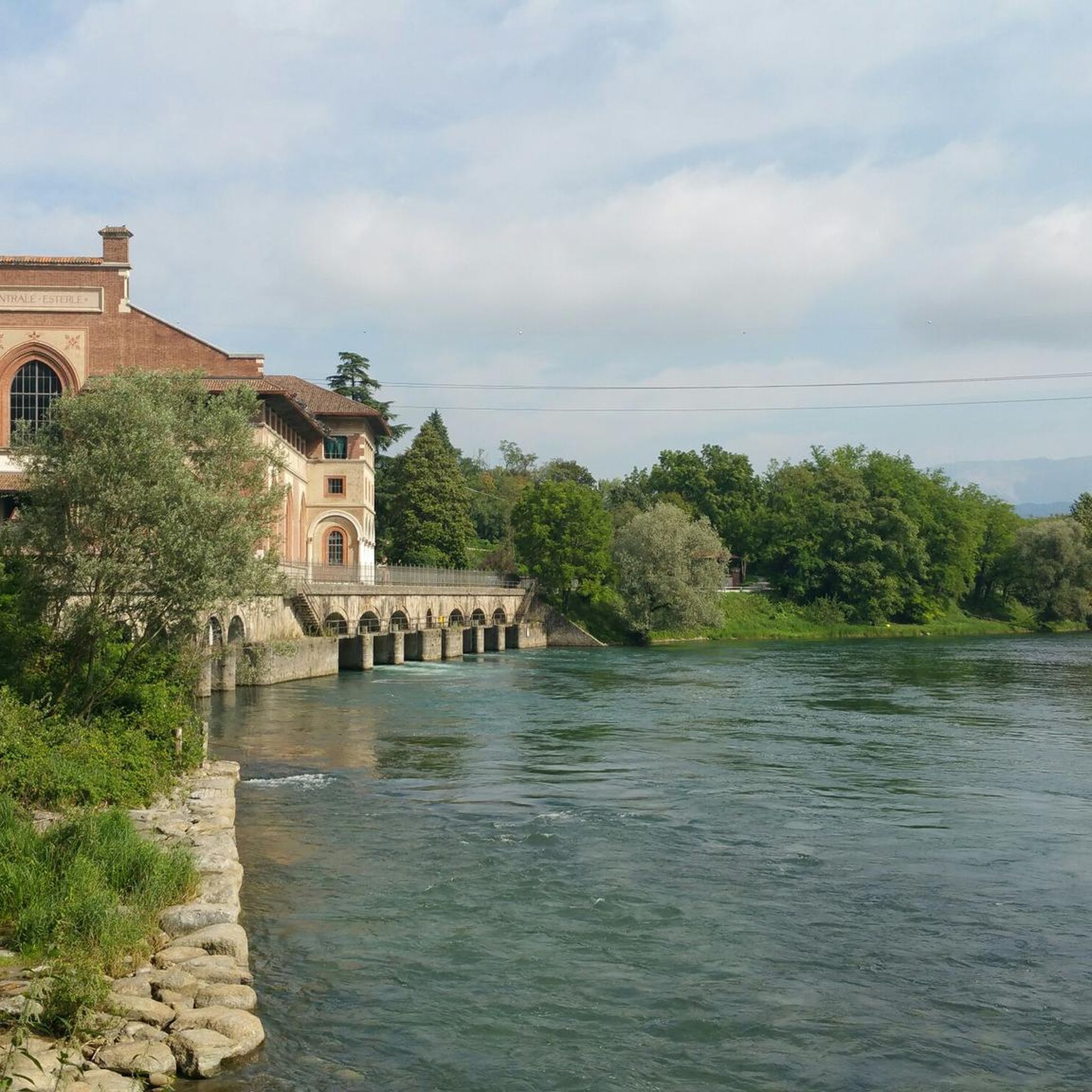
Many attractions around Sulbiate are suitable for families. The cycle paths along the Martesana Canal are generally easy and enjoyable for all ages. Cypress Peak is also very easy to reach and offers a pleasant spot for families to enjoy the view. Historical sites like the Taccani Hydroelectric Power Plant and Trezzo Castle Tower and the Carlo Esterle Hydroelectric Power Plant can also be interesting for families, combining history with scenic river views.
What kind of outdoor activities can I do near Sulbiate?
Beyond cycling, the area offers various outdoor activities. You can enjoy easy excursions and walks through the fields of the Parco Agricolo Nord Est. For running enthusiasts, there are numerous trails, including moderate to difficult options. Check out the Running Trails around Sulbiate guide for specific routes like the 'Ristorante Castel Negrino loop from Sulbiate'.
What do visitors enjoy most about the attractions around Sulbiate?
Visitors particularly appreciate the scenic beauty and tranquility of the area. The Cypress Peak is loved for its wonderful views and peaceful atmosphere. The cycle paths along the Martesana Canal are praised for being well-maintained and offering beautiful rides. The blend of historical sites, like the Trezzo Castle, with natural river landscapes also receives high acclaim for providing a relaxing and historically rich experience.
Are there any unique architectural or industrial heritage sites in Sulbiate?
Yes, Sulbiate features several unique sites. The Ex Filanda, a former silk spinning mill from 1923, is a prime example of industrial archaeology, retaining its evocative appearance. Additionally, the Palazzo Baraggia, a 16th-century noble villa, houses an electric mill within its internal courtyard, blending historical residential architecture with early industrial elements.
Can I find easy walking trails around Sulbiate?
Yes, the Parco Agricolo Nord Est, which encompasses Sulbiate's territory, provides excellent opportunities for easy excursions and pleasant walks among cultivated fields. The cycle paths, such as those along the Martesana Canal, are also suitable for walking and offer a flat, well-maintained surface.
What are the main cultural highlights in Sulbiate?
Beyond its historical architecture, Sulbiate offers cultural depth. The Oratorio di Sant'Ambrogio contains medieval frescoes, and the Sacra Famiglia del Legnanino refers to a significant 17th-century painting. These sites, along with the noble residences and churches, contribute to the rich cultural tapestry of the municipality.
Where can I see examples of hydroelectric power plants near Sulbiate?
The area along the Adda river features impressive hydroelectric power plants that are also considered historical sites. You can visit the Taccani Hydroelectric Power Plant and Trezzo Castle Tower, an architectural marvel that has been generating clean energy for over a century. Another notable site is the Carlo Esterle Hydroelectric Power Plant, which can be admired along the cycle paths following the Adda river.
Are there any specific places to visit in Piazza Beretta in Sulbiate?
Piazza Beretta is a central point of interest in Sulbiate. Here you will find the Chiesa di San Pietro Apostolo, a church with a three-nave interior and an external plaque commemorating plague victims. Also located in this piazza is the Palazzo Baraggia, a splendid 16th-century noble villa with an internal courtyard and garden.
Most popular routes around Sulbiate
Most popular attractions around Sulbiate

Get inspired with the komoot mobile app


Explore more
Still not found the Highlight you’re looking for? See guides of the top attractions in other regions:
