The best road cycling routes around Polverigi
4.3
(189)
6,291
riders
240
rides
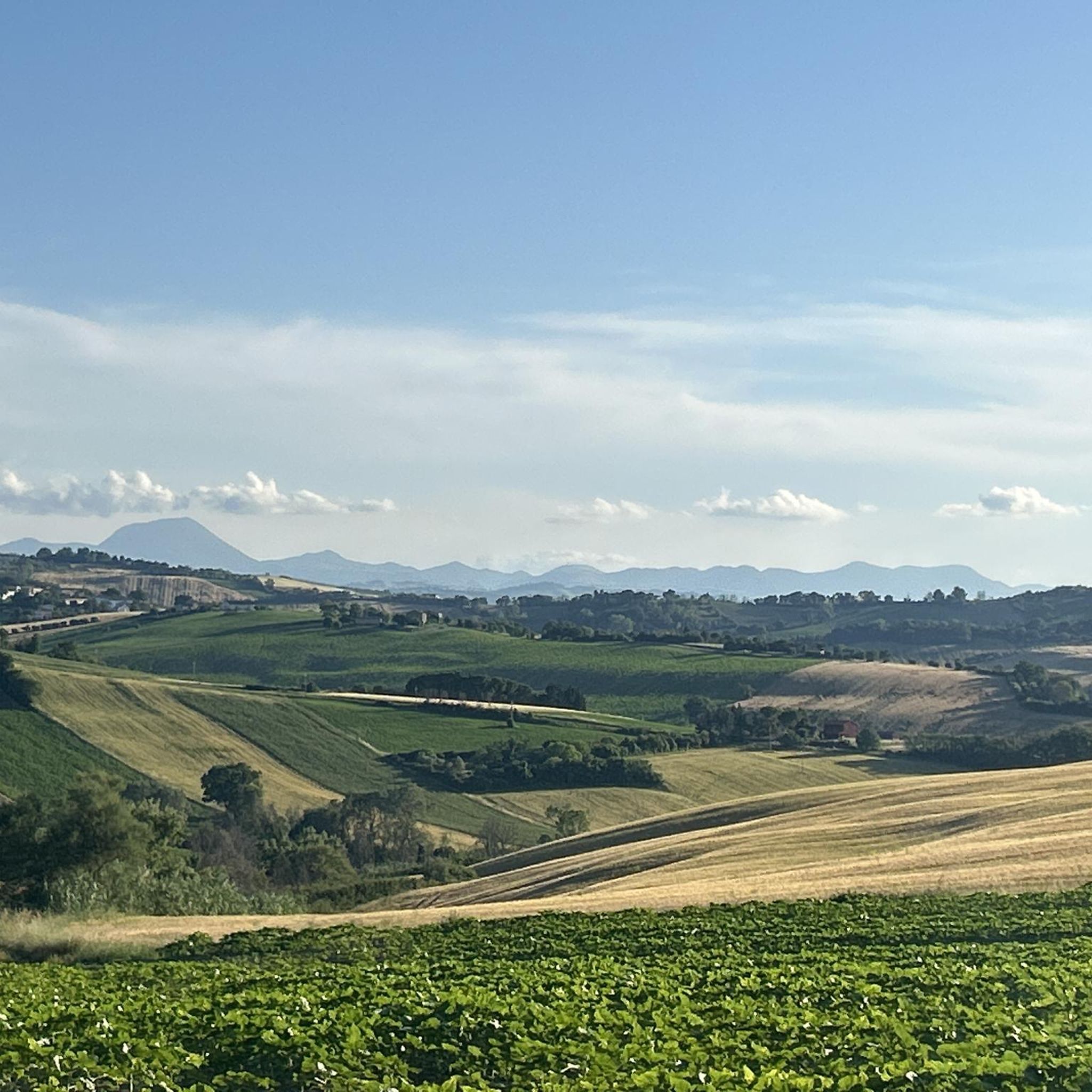
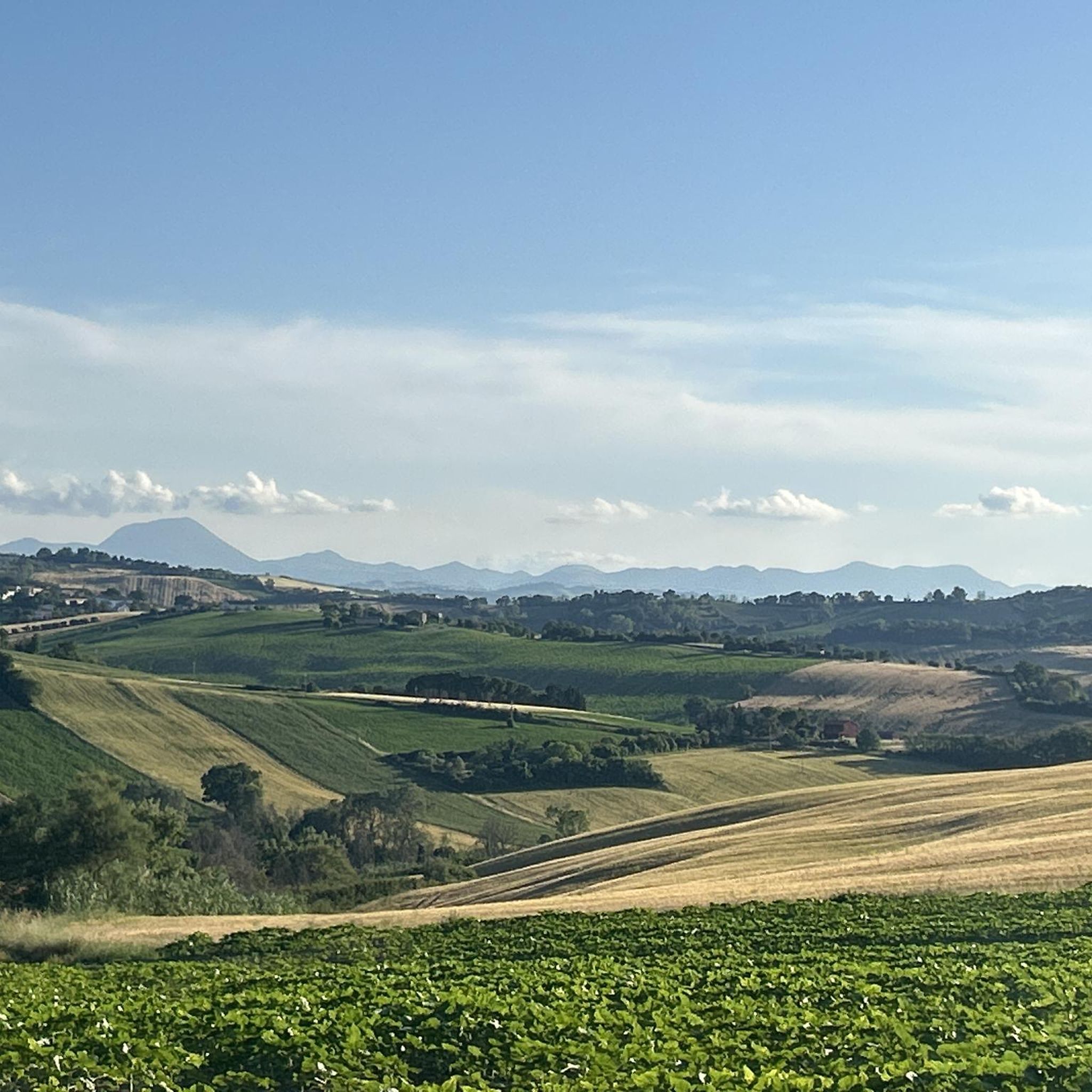
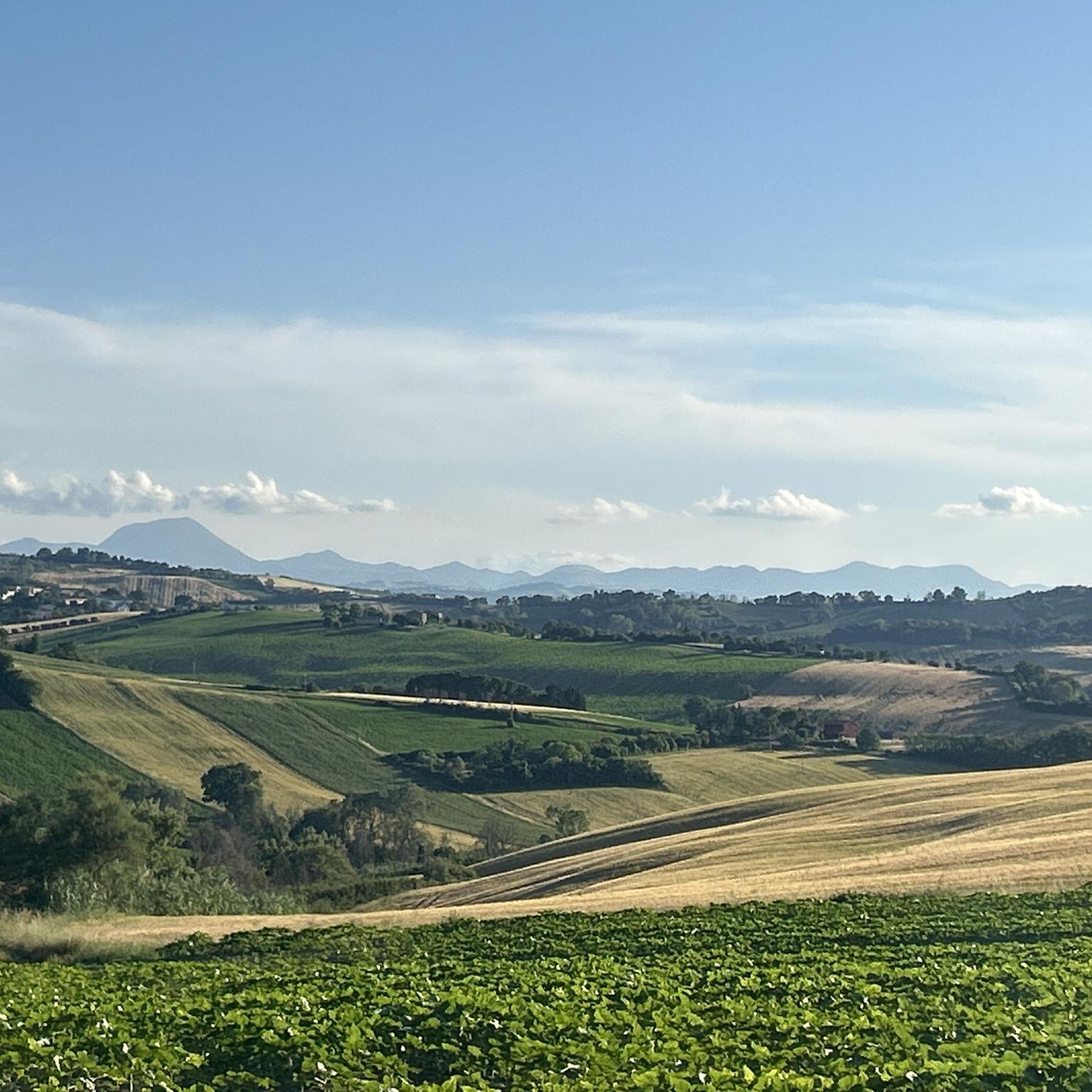
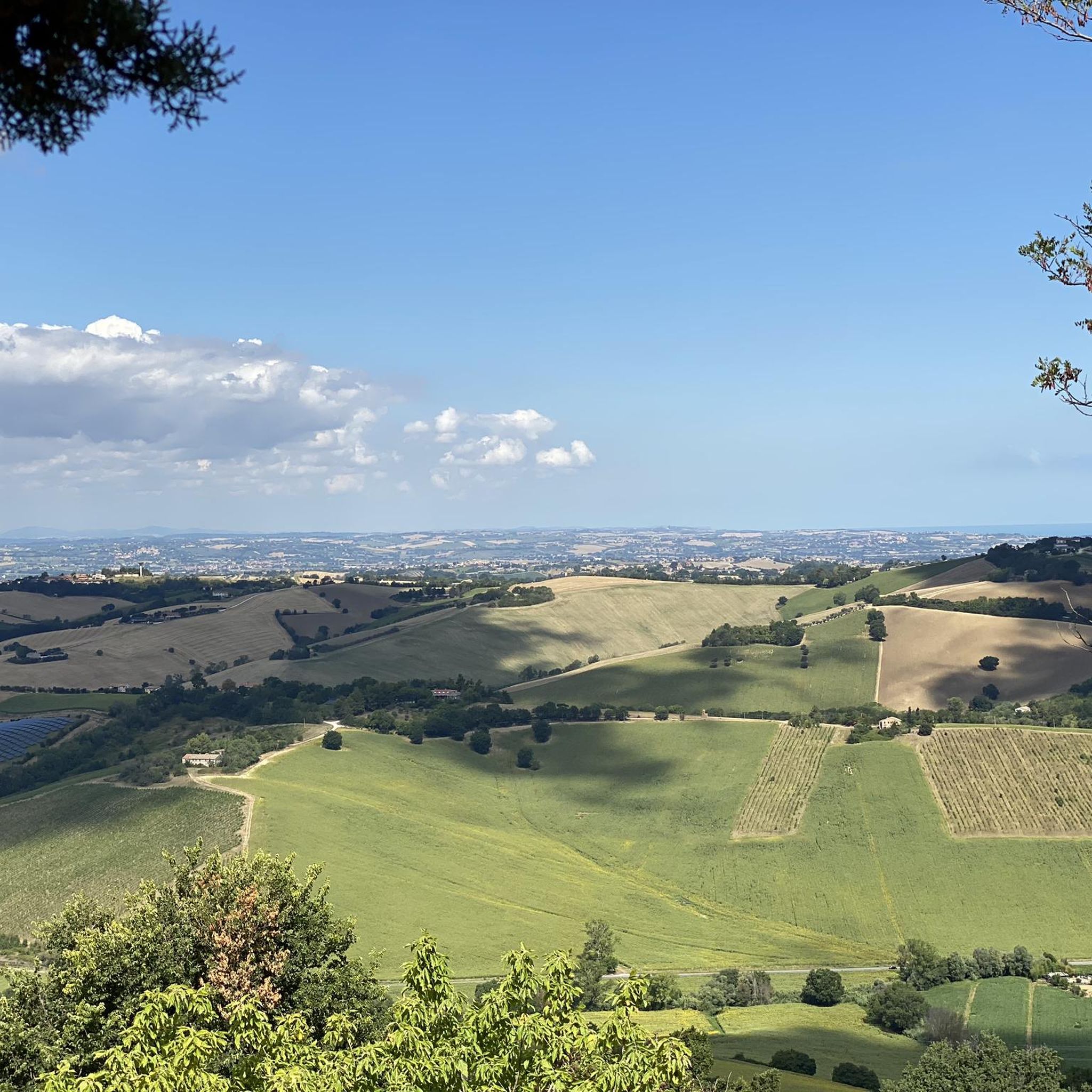
Road cycling routes around Polverigi traverse the gentle Marche hills and the rolling hills and valleys of the Conero Riviera inland. This area provides a diverse landscape for cyclists, characterized by authentic panoramas and a serene environment. The terrain offers a mix of challenging climbs and enjoyable descents, making it suitable for various cycling experiences. Polverigi itself is a small fortified village, providing a historical backdrop to the natural beauty.
Best road cycling routes around Polverigi
- The most popular road…
Last updated: June 25, 2026
3.0
(2)
31
riders
39.7km
01:49
430m
430m
Moderate road ride. Good fitness required. Mostly well-paved surfaces and easy to ride.
10
riders
23.4km
01:09
340m
340m
Moderate road ride. Good fitness required. Mostly well-paved surfaces and easy to ride.

Sign up for free
6
riders
44.4km
02:12
630m
630m
Moderate road ride. Good fitness required. Mostly well-paved surfaces and easy to ride.
5
riders
12.9km
00:37
180m
180m
Easy road ride. Great for any fitness level. Mostly well-paved surfaces and easy to ride.
3
riders
32.0km
01:37
510m
510m
Moderate road ride. Good fitness required. Mostly well-paved surfaces and easy to ride.
Get access to more routes and recommendations from other explorers.
Sign up for free
Already have an account?
Our route recommendations are based on thousands of hikes, rides, and runs completed by other people on komoot.
Start today with a free account
Your next adventure awaits.
Login or Signup

Tips from the Community

The Church of Santa Maria della Piazza is an example of particular significance both for its architectural value and for its testimonial value regarding the origins of Christianity in the city of Ancona. Built at the end of the 12th century on the remains of the church dedicated to Saint Stephen, the first Christian martyr whose relic is preserved in the Diocesan Museum, it represents the historical continuity of the Christian religion expressed through the monuments that have come down to us and is at the same time a document of the evolving history of the city. The Church is a jewel of Romanesque architecture: it has a rectangular plan, a Latin cross layout, and is divided into three naves. The bell tower originally had a strategic function, being a tower attached to the fortification that connected to the hill behind. The richly ornamented portal strikes with the movement and fine interweaving of the small arches and pilasters. After the consolidation work initiated following the earthquake of 1972, it seems possible to connect the history of this church to the most ancient memories of Christian worship in Ancona between the 2nd and 4th centuries, identifying its title with that of the very ancient basilica dedicated to the protomartyr Stephen, built on the ruins of imperial buildings from the Trajanic era.
1
0
The Lazzaretto of Ancona, also known as the Mole Vanvitelliana, is an 18th-century monumental complex designed by architect Luigi Vanvitelli. It stands on a specially constructed artificial island in the southern part of the port basin. Originally completely isolated from the mainland, over the two centuries following its construction, it was connected to the shore by three bridges. Covering a surface area of 20,000 m², it was originally a multipurpose medical and military facility and has been a national monument since 1909. Today, it is a cultural center, home to the Omero Tactile Museum, an auditorium, and events and art exhibitions. The canal separating it from the mainland is called the Mandracchio, and houses the city's fishing fleet. The main building consists of two pentagonal structures, both designed by Vanvitelli; the two structures are adjacent, one inside the other, sharing a perimeter wall. The building occupying the ravelin dates back to the early decades of the 20th century. The main portal is made entirely of Istrian stone and is located on the side facing Porta Pia. A second, simpler, masonry portal still faces the Mandracchio side, and is therefore known as the "Water Gate." The gate remained closed for decades and opens onto a short dock that once housed clam traps. At the center of the courtyard stands the Temple of San Rocco, a small Doric-style sacred building, also built of Istrian stone, with transitional forms between Baroque and Neoclassicism. https://anconatourism.it/arte-e-cultura/monumenti/mole-vanvitelliana/
1
0
The Cathedral of Ancona, dedicated to Saint Cyriacus, is the metropolitan cathedral of the Archdiocese of Ancona-Osimo. It is a medieval church blending Romanesque and Byzantine styles, evident in its Greek cross plan and in the many works of art housed within. It stands in a scenic location atop Colle Guasco, formerly occupied by the acropolis of the Greco-Doric city, overlooking the entire city of Ancona and its gulf. It was designated a basilica in May 1926 by Pope Pius XI, and has been a national monument since 1940. Inside is the painting of Our Lady Queen of All Saints, the subject of an event considered "miraculous" by Catholic tradition, known as the Marian Miracle of Saint Cyriacus. The building has a history of over 2,000 years, during which five major events can be distinguished: - 4th-2nd century BC - Construction of the Temple of Aphrodite, whose perimeter corresponds exactly to the transept and the left wing of the current church; - 6th century AD - Construction of the early Christian Basilica of San Lorenzo, built on the ruins of the ancient temple; - 11th century AD - The Basilica of San Lorenzo became a cathedral and was expanded. With the translation of the body of Saint Cyriacus, it changed its name and took on its current title; - 12th century AD - Transformation of the plan into a Greek cross, giving the church an oriental layout, its main characteristic. - 13th century AD - Construction of the dome and porch, interventions that gave the building its current appearance.
1
0

A station is a station. It's okay. If there's no strike and something's running, it's okay 😉
0
0

Beautiful view of the Ancona hills and the port
0
0
Definitely worth a visit
0
0
Church with a stunning facade and interiors that are worth a visit
0
0
Frequently Asked Questions
How many road cycling routes are available around Polverigi?
There are over 20 road cycling routes around Polverigi. These include 3 easy routes, 20 moderate routes, and 1 difficult route, catering to various fitness levels and preferences.
What kind of terrain can I expect when road cycling near Polverigi?
Road cycling around Polverigi features the gentle Marche hills and the rolling hills and valleys of the Conero Riviera inland. This diverse landscape offers a mix of challenging climbs and enjoyable descents, providing authentic panoramas and a serene environment for cyclists.
Are there road cycling routes suitable for beginners or those looking for an easier ride?
Yes, Polverigi offers several easy road cycling routes, typically involving up to two hours of riding and up to 1,000 feet of elevation gain, mostly on well-paved surfaces. These are ideal for less strenuous options.
What scenic viewpoints or natural features can I discover on road cycling routes around Polverigi?
Many routes offer scenic vistas. For example, the Panoramic View – Nice hilltown loop from Polverigi provides extensive views across the region's undulating landscape. You'll encounter authentic panoramas of the gentle Marche hills and the Conero Riviera inland.
Are there any historical sites or attractions I can visit while road cycling in Polverigi?
Yes, several routes pass by or lead to historical sites. The Viewpoint – Piazza del Duomo, Osimo loop from Polverigi takes you to the historic Piazza del Duomo in Osimo. You can also explore the ancient castle (Roccolo) in Polverigi itself or the nearby Rocca di Offagna.
What do other road cyclists enjoy the most about road cycling in Polverigi?
The area is highly rated by the komoot community, with an average score of 4.6 stars from more than 10 reviews. Cyclists often praise the diverse terrain, which offers both challenging climbs and enjoyable descents, and the authentic panoramas of the Marche hills and Conero Riviera.
Are there any longer or more challenging road cycling routes around Polverigi?
For those seeking a longer and more challenging ride, the Musone River at San Vittore – Porta Pia, Cingoli loop from Polverigi covers 62.7 km with 890m of elevation gain. There is also one route classified as difficult, and 20 moderate routes that require good fitness, often involving up to five hours of riding and around 3,000 feet of elevation gain.
Are there any loop road cycling routes available from Polverigi?
Yes, many road cycling routes around Polverigi are loops. Examples include the Roadbike loop from Polverigi, which leads through the gentle Marche hills, and the Offagna – Rocca di Offagna loop from Polverigi.
What is the best time of year for road cycling in Polverigi?
The region's climate generally allows for pleasant cycling during spring, early summer, and autumn. The gentle Marche hills and serene environment are particularly enjoyable when temperatures are moderate, avoiding the peak heat of summer or the colder, potentially wetter conditions of winter.
Are there places to eat or stay near the road cycling routes in Polverigi?
Polverigi and its surrounding towns offer various options for cafes, restaurants, and accommodation. The historic center of Polverigi itself has characteristic alleys and intimate squares, ideal for finding local eateries. The area is also dotted with splendid period villas and ancient noble residences that may offer lodging.
What are the typical distances and durations for road cycling routes in Polverigi?
Routes vary significantly. Easy routes are typically up to 2 hours. Moderate routes, like the Panoramic View – Nice hilltown loop (51.3 km), can take around 2 hours 15 minutes. Longer routes, such as the Musone River at San Vittore – Porta Pia, Cingoli loop (62.7 km), can take over 3 hours.
Most popular attractions around Polverigi

Get inspired with the komoot mobile app


Explore more
Browse the best Road cycling routes in other regions.
