Attractions and Places To See around Genga - Top 20
Best attractions and places to see around Genga include a rich collection of natural wonders, historical landmarks, and cultural sites within the Ancona province of Italy. The area is characterized by its karst cave systems, regional natural parks, and medieval villages. Visitors can explore unique architectural marvels built into grottoes and ancient religious sites. Genga offers a blend of outdoor exploration and historical discovery.
Best attractions and places to see around Genga
- The most popular attractions is Valadier Temple,…
Last updated: October 23, 2026
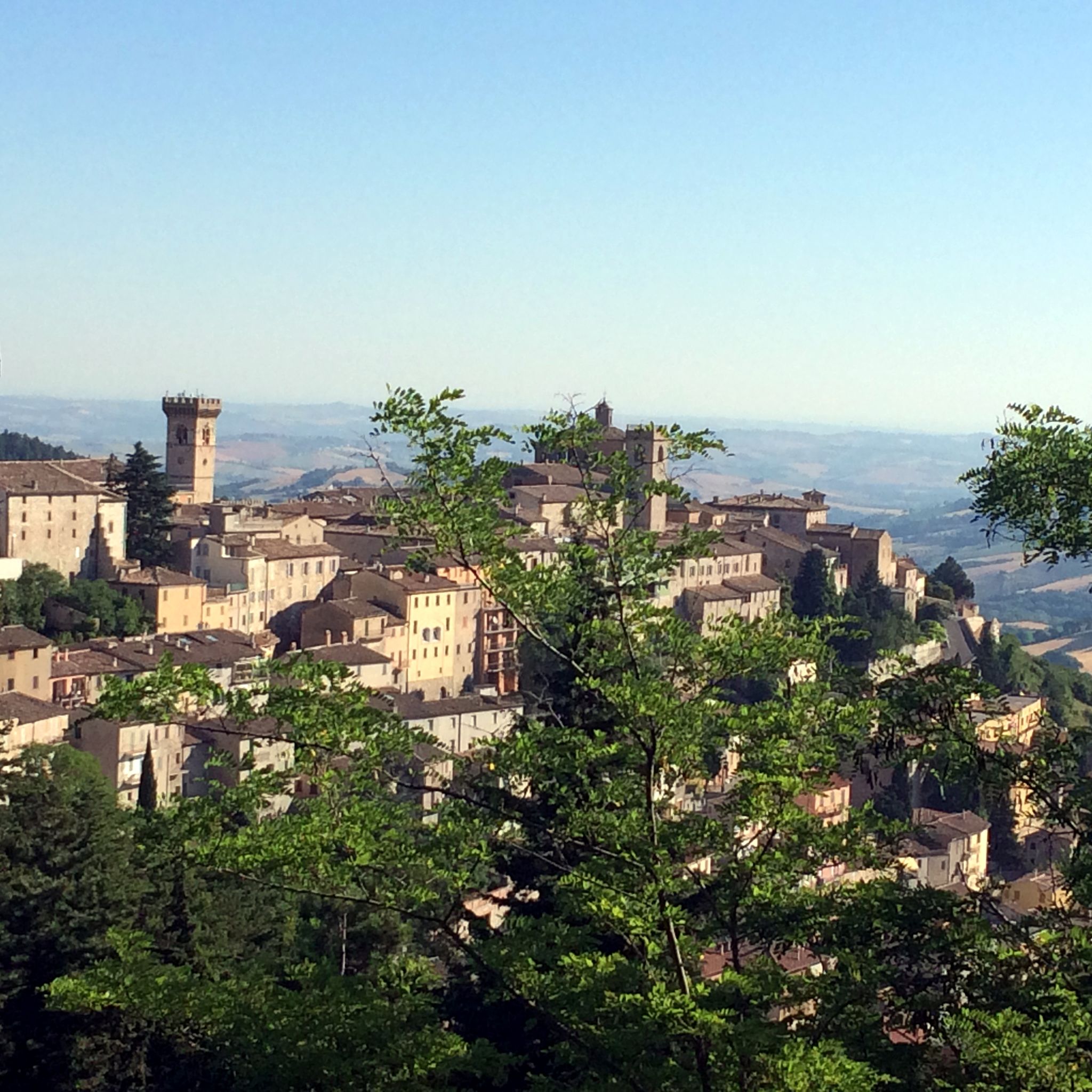
Castelletta Village
Highlight • Settlement
Translated by Google •
Tip by

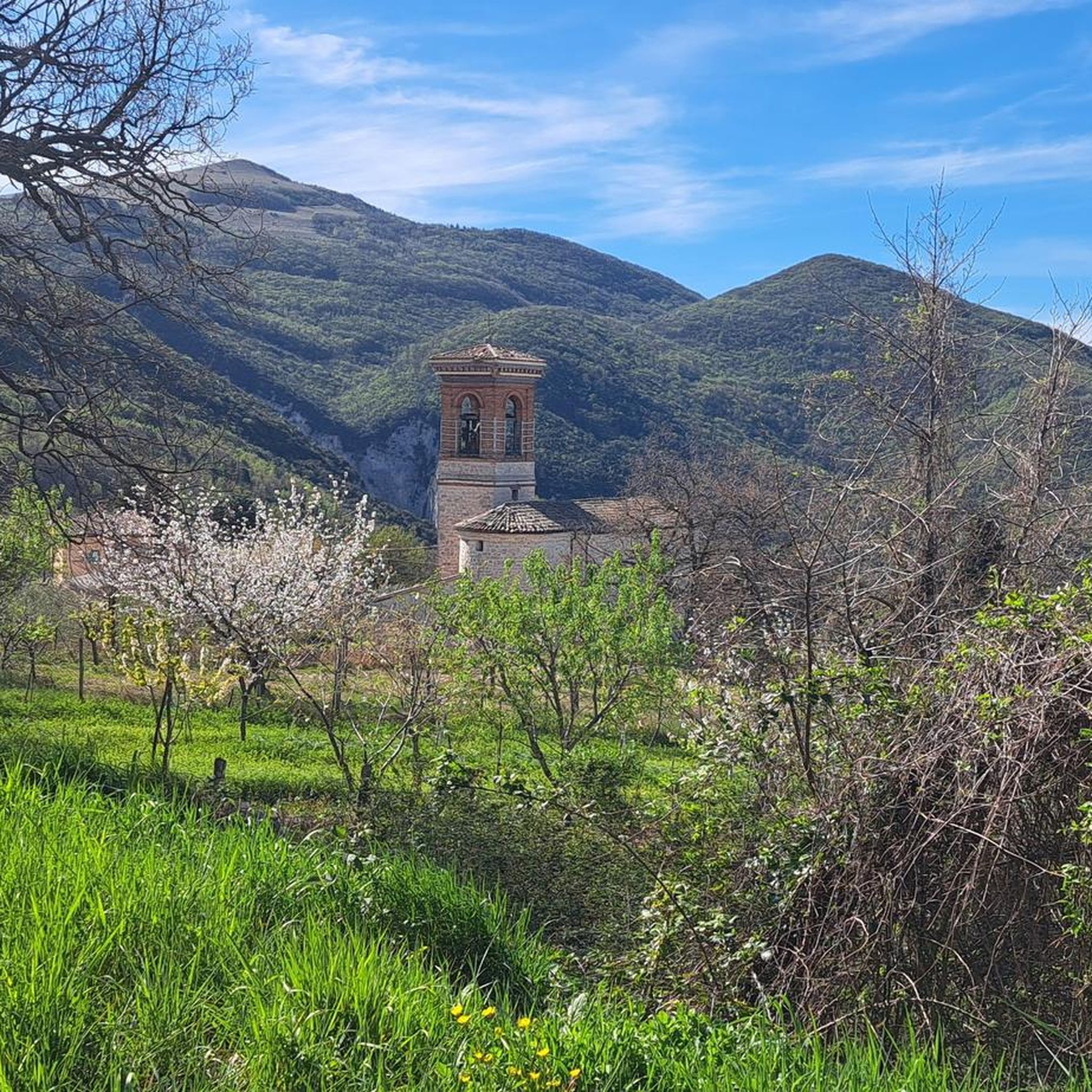
Abbey of San Vittore alle Chiuse
Highlight • Religious Site
Translated by Google •
Tip by

Sign up now to discover places like this
Get recommendations on the best single tracks, peaks, & plenty of other exciting outdoor places.
Valadier Temple
Highlight • Religious Site
The …
Translated by Google •
Tip by

Riparo di Frasassi
Highlight • Religious Site
Translated by Google •
Tip by
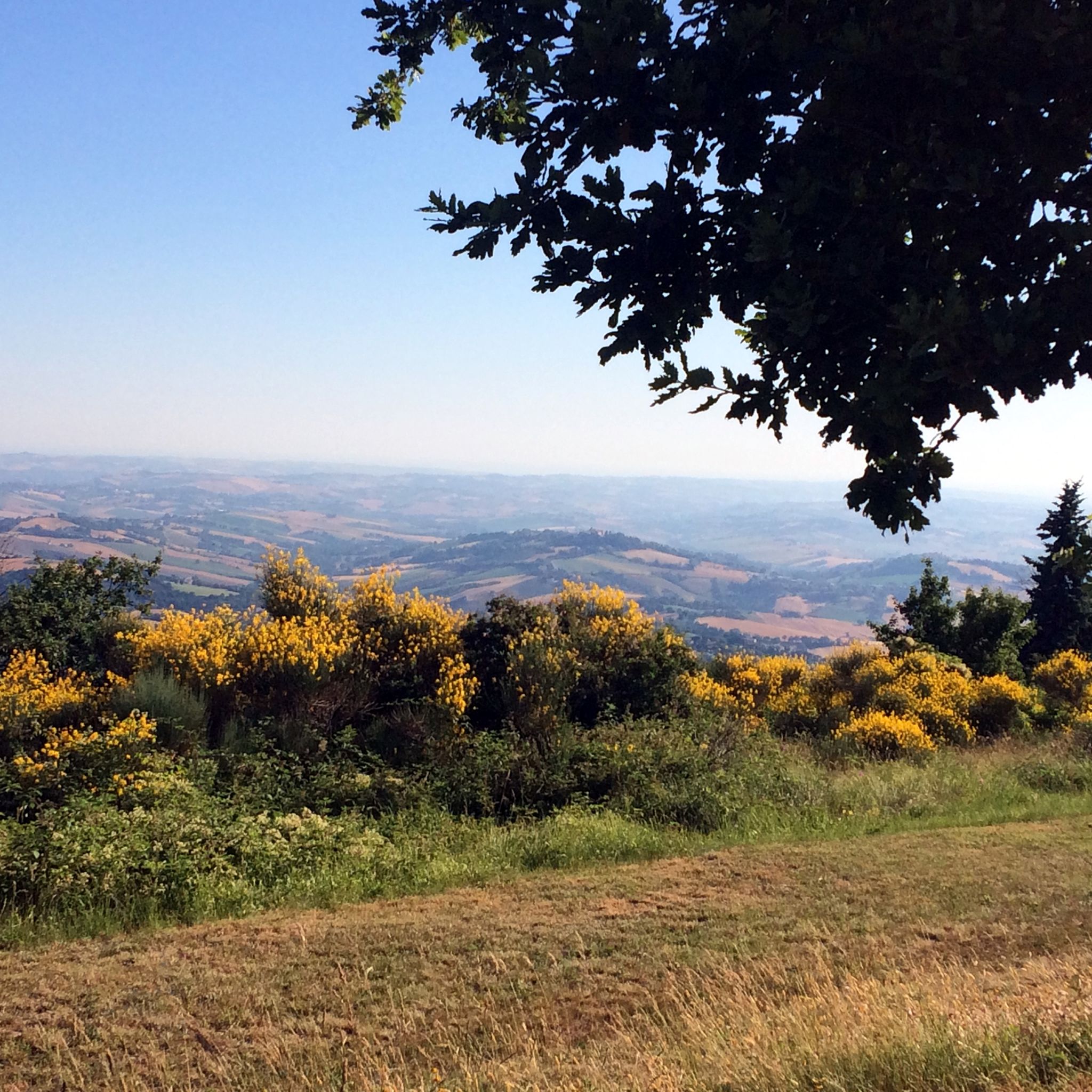
Occhialoni Hole
Highlight • Natural Monument
Translated by Google •
Tip by

Sign up for free to discover even more attractions around Genga.
Already have an account?
Start today with a free account
Your next adventure awaits.
Tips from the Community

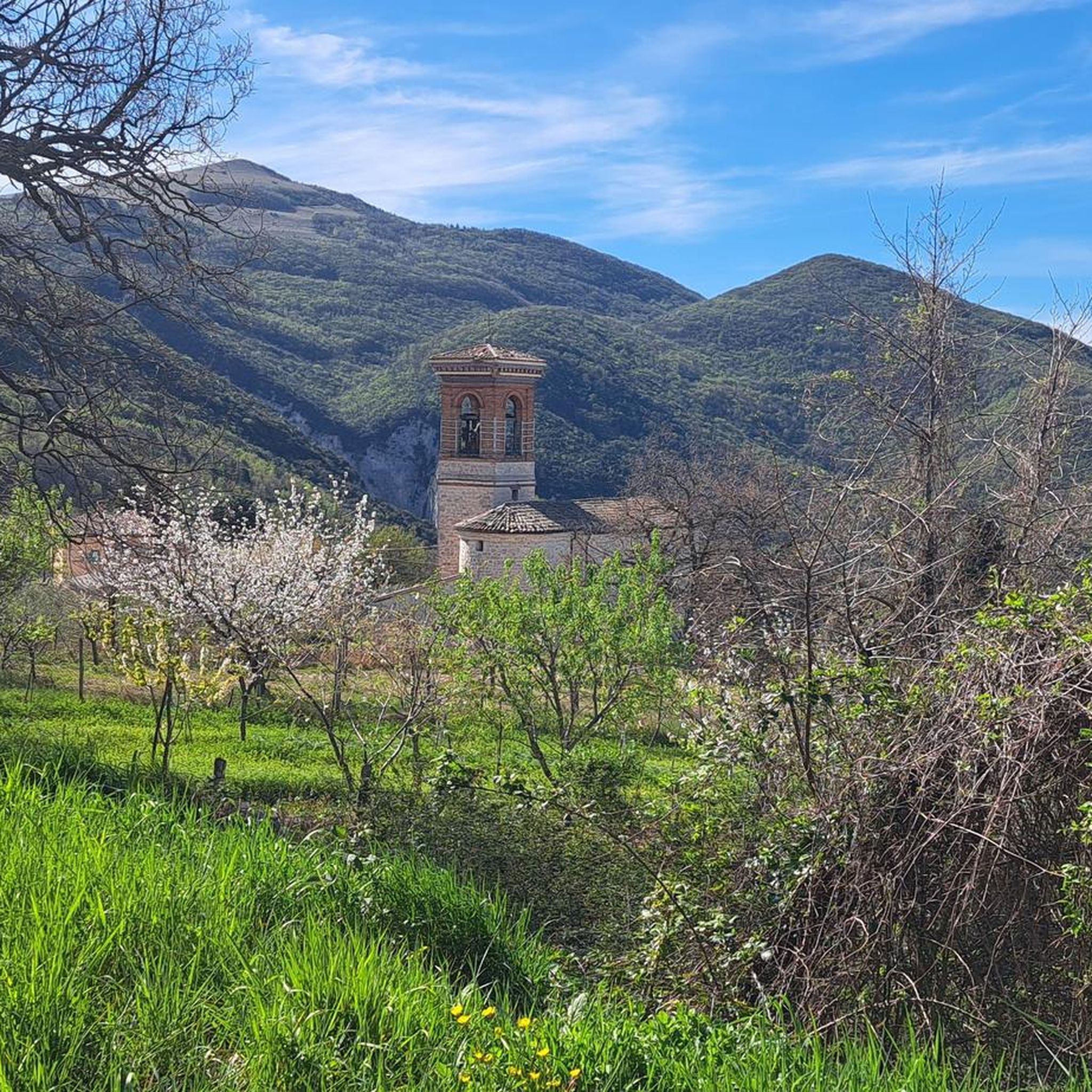
The tiny, medieval village of Castelletta (a district of Fabriano) is a real hidden gem in the Marche region. It sits like an eagle's nest on a rocky outcrop in the middle of the wild and romantic Gola della Rossa e Frasassi Nature Park. Although the village is tiny, it offers a fascinating mix of history, spectacular views, and exciting outdoor activities: Historic village center & architecture - a small map hangs directly opposite the small Bar Elisa, where you can also stock up on the essentials, Castelletta impresses with its narrow, quaint stone alleys (called Rue) and rows of houses built from local limestone. A walk feels like a little journey back in time; Il Rivellino (the defense tower) is a well-preserved, circular watchtower from the late Middle Ages. It once belonged to the defense system of the Counts of Rovellone. The old city gate: The square southeast gate with its round arch still shows historical defensive features such as loopholes today. and of course: the outdoor & nature highlights! Monte Revellone (841 m) is the local mountain and towers over the village, visible from afar (a small picture at Bar Elisa testifies to this). From the village center, a hiking trail leads up to the summit cross, which offers spectacular panoramic views over the valley and the Apennine chain. The Falesia di Castelletta is a real climbing paradise with steep limestone walls right by the village and is one of the most famous climbing crags (falesia) in the region, attracting sport climbers from all over Italy... Worth discovering...
0
0

The abbey was founded in the 11th century by Benedictine monks and was originally dedicated to Saint Benedict. The addition "Victorianum" was initially just a geographical designation for the area and had no connection to the holy martyr Victor. Only much later did the dedication of the church change in common parlance and officially.
0
0


unmissable place for visitors to the Genga-Frasassi area
1
0

For those who arrive at the Foro degli Occhiali and want to further explore the surrounding environment or enter the hole, it is possible to do so with the via ferrata. Obviously, you need mountaineering, climbing or advanced hiking experience. I also recommend the use of a harness, helmet and suitable shoes. Remember that what you go down you have to go back up or vice versa. There is also the possibility of doing a circular tour. Prepare yourself with maps or guides.. departure from Pierosara, Rosenga, Vallemania or Gola di Frasassi
2
0
A natural window overlooking the Frasassi gorge. At the right times you can admire special plays of light. For the bravest, you can enter the hole, making a small descent with the utmost attention. Obviously recommended only to hikers with climbing, mountaineering or via ferrata experience. There are cables and/or ropes. The descent into the hole is slippery, some rocks are crumbly, and remember what you go down you should go back up!
2
0
Frequently Asked Questions
What are the most prominent natural attractions to explore around Genga?
The most famous natural attraction is undoubtedly the Grotte di Frasassi, a colossal karst cave system known for its stunning stalactites and stalagmites. Surrounding the caves is the Parco Naturale Regionale della Gola della Rossa e di Frasassi, offering breathtaking natural scenery. You can also find unique natural monuments like the Occhialoni Hole, a natural window overlooking the Frasassi gorge, and the suggestive Grotta del Vernino.
What historical and religious sites can I visit in Genga?
Genga is rich in historical and religious sites. A must-see is the Valadier Temple, an octagonal church built directly into a grotto. Another significant site is the Eremo dei Frati Bianchi, a large complex partly excavated into tuff, known for its serene atmosphere. You can also visit the historical Sanctuary of Santa Maria infra Saxa and the picturesque Benedictine monastery, Abbazia di San Vittore delle Chiuse, nestled within a gorge.
Are there any cultural attractions slightly further afield from Genga?
Yes, approximately 11 km from Genga, you can visit Fabriano. This city is home to the Paper and Watermark Museum, which documents the exciting history of paper production, as the first paper mill on European soil was founded here in 1276.
What kind of hiking opportunities are available around Genga?
The region around Genga offers diverse hiking opportunities, especially within the Parco Naturale Regionale della Gola della Rossa e di Frasassi. Trails range from moderate to difficult, with options like the 'From Genga to Monte Piano' loop or the 'Giano Loop Trail'. For more detailed routes and information, explore the Hiking around Genga guide.
Can I go cycling or mountain biking near Genga's attractions?
Absolutely. Genga and its surroundings provide excellent terrain for both road cycling and gravel biking. You can find challenging road cycling routes like the 'View of Frontone Castle – Gola del Corno loop' or explore gravel biking trails such as the 'Mergo River – Jesi–Pantiere Cycle Path loop'. For comprehensive route details, refer to the Road Cycling Routes around Genga and Gravel biking around Genga guides.
Are there family-friendly activities or attractions in Genga?
Many attractions in Genga can be enjoyed by families. The Eremo dei Frati Bianchi is noted as family-friendly, offering an interesting place to explore. The medieval village of Genga itself provides a charming environment for a stroll. Additionally, the nearby town of Fabriano, with its Paper and Watermark Museum, can be an engaging cultural experience for all ages.
What is the best time of year to visit Genga and its attractions?
The best time to visit Genga is generally during the spring (April-June) and autumn (September-October) months. During these periods, the weather is pleasant for outdoor activities like hiking and exploring the natural park, and the temperatures are comfortable for visiting the caves and historical sites. Summers can be warm, especially in valleys, while winters are cooler but offer a different, quieter charm.
How long should I plan for a visit to the Frasassi Caves?
A guided tour of the Frasassi Caves typically lasts about 75 minutes. However, you should allocate additional time for arrival, ticket purchase, and potentially exploring the surrounding area or other nearby attractions like the Valadier Temple, which is often combined with a cave visit.
Are there any accessible attractions for visitors with mobility challenges?
The path to the Valadier Temple is noted for its accessibility, with numerous places to sit and sanitary facilities at the top, making it suitable for visitors who may have difficulty walking. For specific accessibility information regarding other sites, it's advisable to check directly with the attraction.
Where can I find the best viewpoints in the Genga area?
For stunning panoramic views, the Occhialoni Hole offers a natural window overlooking the Frasassi gorge, providing unique plays of light. The medieval village of Genga itself, perched above a gorge, features viewing platforms with breathtaking vistas of the surrounding landscape. The path to the Valadier Temple also provides beautiful views of the valley.
Is there anything interesting to see in the medieval village of Genga itself?
Yes, the medieval village of Genga is a point of interest on its own. Perched above a gorge, it features a castle and offers breathtaking views of the surrounding landscape from its viewing platforms. Walking through its charming streets provides a glimpse into the area's rich history.
How can I reach the attractions around Genga by public transport?
While Genga is best explored by car for flexibility, the Frasassi Caves are accessible by train, with a station located nearby. From the station, shuttle services or local buses may connect to the cave entrance and other key attractions. It's recommended to check local bus schedules and train connections in advance for specific routes and timings.
Most popular attractions around Genga

Get inspired with the komoot mobile app


Explore more
Still not found the Highlight you’re looking for? See guides of the top attractions in other regions:
