The best road cycling routes around Fossato Di Vico
4.2
(121)
2,776
riders
11
rides
Road cycling around Fossato di Vico offers diverse terrain within Umbria, characterized by its position on the middle slopes of Mount Mutali and integration into the Monte Cucco Regional Park. The region features a mix of challenging climbs in the Apennine hills and routes winding through green valleys and medieval villages. Cyclists can expect well-paved surfaces on routes that provide elevated views of the surrounding countryside.
Best road cycling routes around Fossato Di Vico
- The most popular road cycling route…
Last updated: May 24, 2026
39
riders
70.3km
03:38
1,230m
1,230m
Embark on a challenging road cycling adventure with The villages of Monte Penna – loop from Fossato di Vico. This difficult route spans 43.7 miles (70.3 km) and features a…
36
riders
60.9km
03:05
1,040m
1,040m
Embark on a challenging road cycling adventure through the Parco Regionale del Monte Cucco, a loop from Fossato di Vico that spans 37.8 miles (60.9 km). This difficult route demands…

Sign up for free
5.0
(1)
85
riders
113km
05:41
1,270m
1,270m
Hard road ride. Very good fitness required. Some segments of this route may be unpaved and difficult to ride.
2.5
(2)
164
riders
89.5km
04:22
1,300m
1,300m
Hard road ride. Very good fitness required. Mostly well-paved surfaces and easy to ride.
24
riders
62.1km
03:00
900m
900m
Hard road ride. Very good fitness required. Mostly well-paved surfaces and easy to ride.
Get access to more routes and recommendations from other explorers.
Sign up for free
Already have an account?
Our route recommendations are based on thousands of hikes, rides, and runs completed by other people on komoot.
Start today with a free account
Your next adventure awaits.
Login or Signup
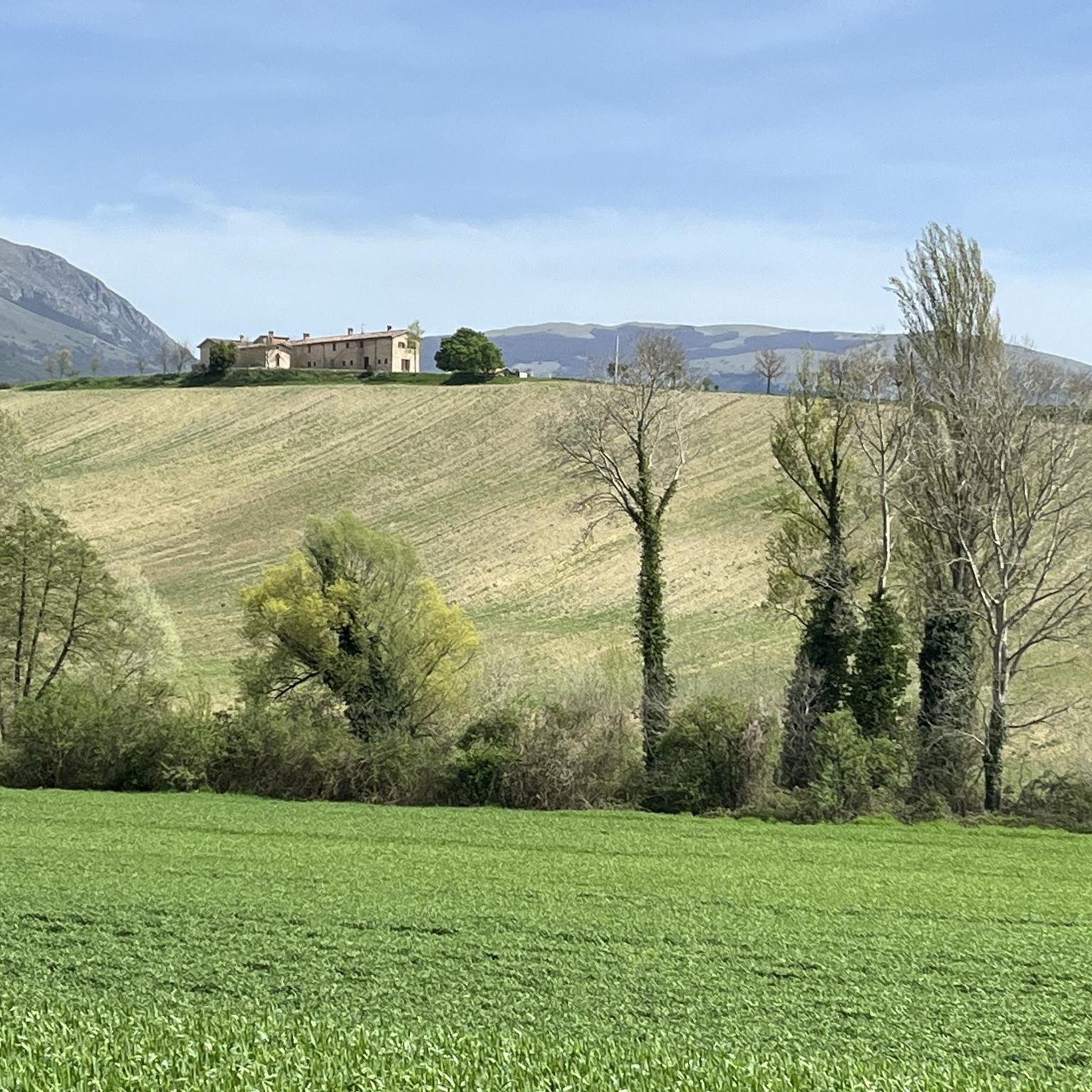
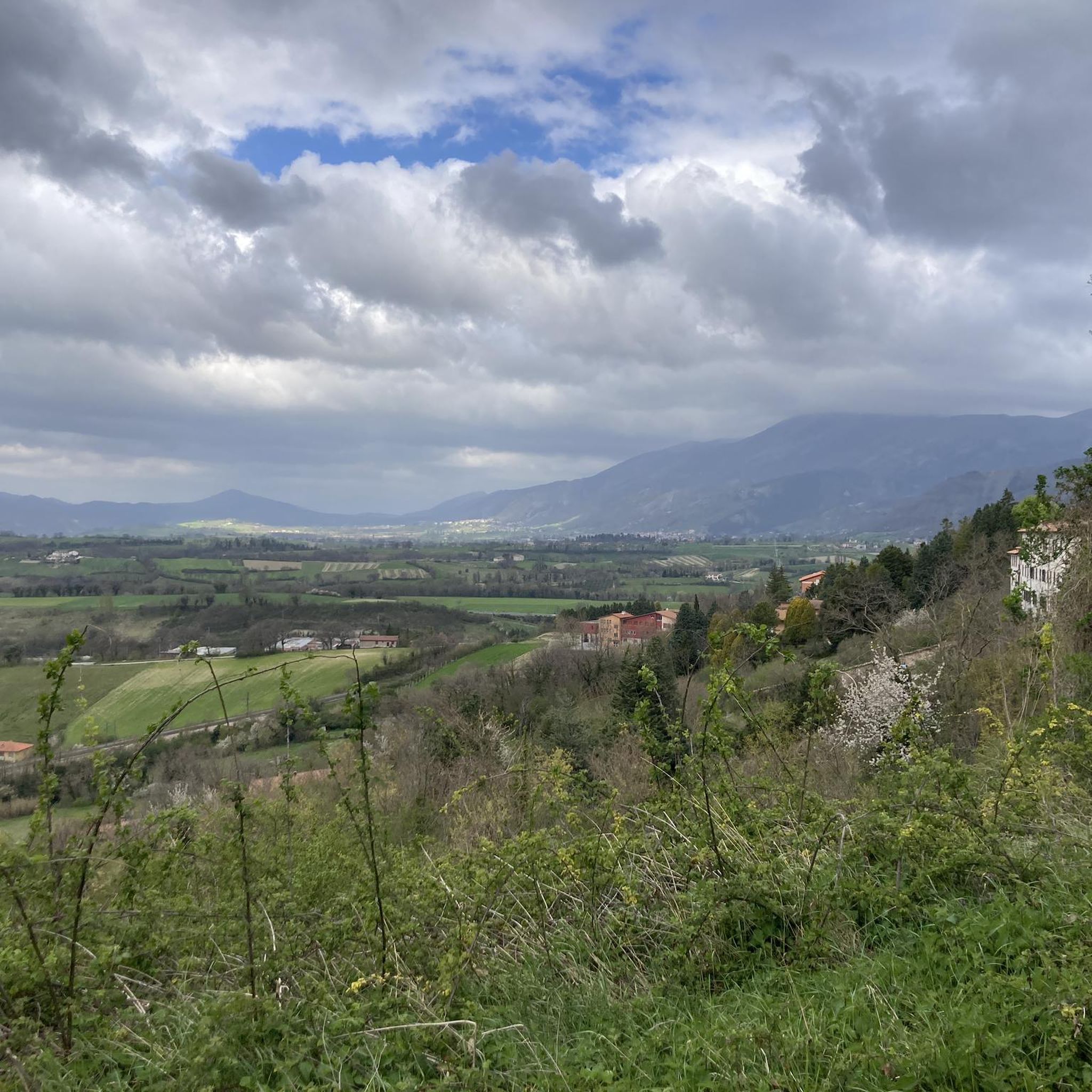
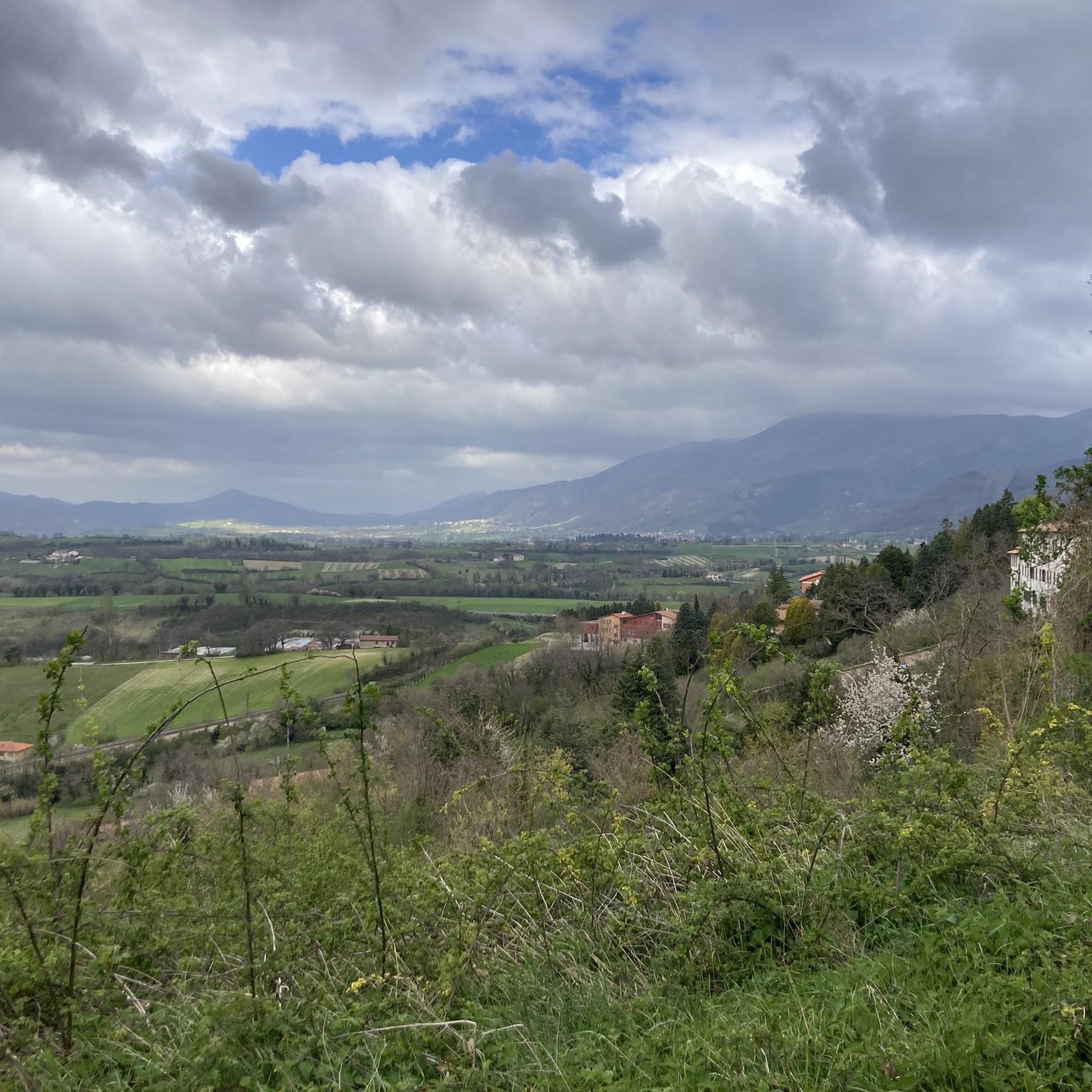
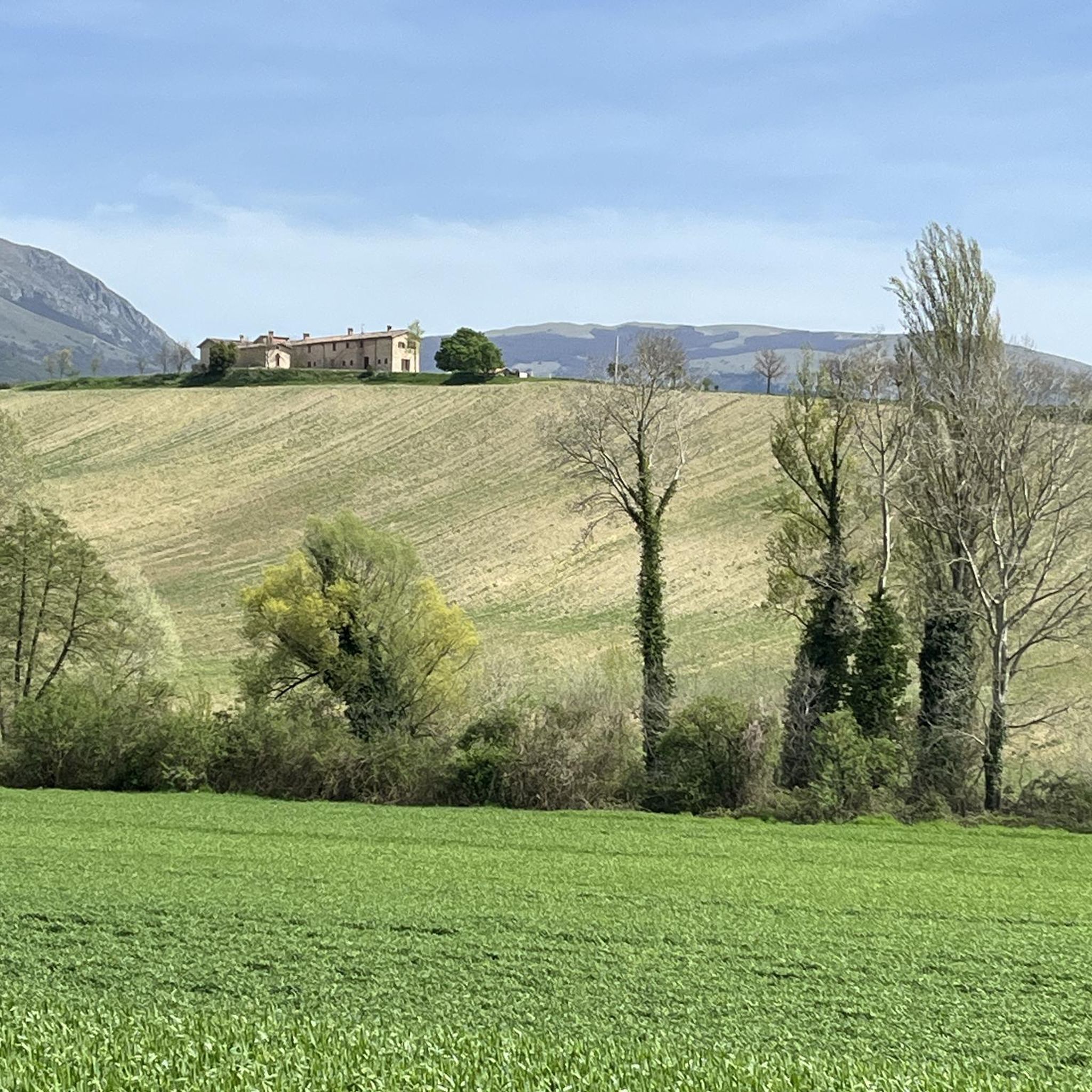

Tips from the Community


Spello's historic center is an elegant and well-preserved medieval village. It's definitely worth a visit.
0
0

Villa Fidelia stands on a sacred complex of the classical era, it seems to have origins dating back to the 4th century AD, a place to celebrate scenic games and gladiators. Decayed after the barbarian invasions, with the 16th century the Urbani occupied the area of the ancient sanctuary and decided to build a "Villa". Villa Fidelia over the centuries has undergone profound modifications, renovations and expansions based also on the various changes of ownership, until it had its current conformation, which should date back to the mid 1800s. In addition to the main building, the baroque garden is also worth admiring.
0
0

Basilica of Santa Maria degli Angeli The small chapel of Santa Maria degli Angeli alla Porziuncola, still completely preserved inside the basilica, was, according to tradition, built by four soldiers returning from the Holy War in the wooded plain below Assisi, known as the Cerretto della Porziuncola. They brought a piece of the Madonna's tombstone with them. There, on certain autumn days, the strong wind that blew every cloud from the sky and through the leaves seemed similar to the song of angels. The chapel was administered by the Benedictine monks of the monastery of Santa Benedetto al Subasio since the 10th century. This place would probably have been completely forgotten if the paths of Francis and Clare had not led there. Thanks to them, we find the Porziuncola intact today, just as it was a good 1,000 years ago. But instead of the noisy thicket, there is now a large basilica, built between the 16th and 17th centuries, which envelops and protects the chapel like a caring mother. This view from within the building makes the chapel seem even smaller, almost impossibly small. The church was given to the poor saint by the aforementioned Benedictine monks to establish the headquarters of the newly founded Franciscan order. When Francis first came here, the church was in disrepair, and according to his saintly legend, he dedicated the third year after his conversion exclusively to the renovation of the small chapel. It was here, while reading the Gospel, that he realized that his mission was not to restore dilapidated religious buildings, but to rebuild and preach the entire Kingdom of God by living in poverty, penance, and simplicity. From here, Francis and his confreres set out to spread his message throughout Italy, and here they returned again and again. One night in 1211, a desperate and frightened Chiara d'Offreduccio, who had fled her home and her aristocratic family, knocked on the doors of Porciuncola. Text / Source: Exploring-Umbria.com https://www.exploring-umbria.com/de/entdecke-assisi/sehenswuerdigkeiten-in-assisi/basilica-santa-maria-degli-angeli-in-porziuncolabasilika-zu-unserer-lieben-frau-von-den-engeln/
13
0

For many visitors to Assisi, the more well-known destinations are probably the Holy Sepulchre Churches + of Saint Francis (see https://www.komoot.com/de-de/highlight/7134144 ) and + of Saint Clara (see https://www.komoot.com/de-de/highlight/2665025 ). However, these two churches are more recent (compared to this one). The ancient, venerable and original main church of the city and thus also of the diocese is of course the cathedral, the seat of the bishop. Francis and Clara also received the sacrament of baptism in this cathedral, dedicated to Saint RUFINO.
4
0

The barrel bridge called the shard bridge was built in 1806, destroyed during the Second World War by the Germans and rebuilt in the same way in 1946. Previously, the Via Flaminia passed lower down, in the group of houses of Fiume, where there was a station for changing horses. From here you can see an enchanting landscape on the cliff below.
0
0
Casacastalda is a small hamlet in the municipality of Valfabbrica located over 500 meters above sea level, a crossroads between the territory of Perugia and that of the Eugubino Gualdese. A nucleus of Umbrian origins, it overlooks the Val di Rasina. The castle dates back to the 8th century AD
1
0
A road that crosses the plain of Assisi, passing through Rivotorto among others, and takes its name from the sacred Hovel of San Francesco. Assisi and Mount Subasio are always visible, and you also pass through the cemetery of the English soldiers who fell during the Second World War. The road is not in very good condition, you have to be careful
1
0
Frequently Asked Questions
How many road cycling routes are available around Fossato di Vico?
There are over 85 road cycling routes around Fossato di Vico, offering a wide range of options for various skill levels. These routes are highly rated by the komoot community, with an average score of 3.98 stars from over 120 reviews.
What kind of terrain can I expect on road cycling routes in Fossato di Vico?
Road cycling in Fossato di Vico features diverse terrain, from challenging climbs in the Apennine hills to more gentle paths winding through medieval villages and lush valleys. The region is situated on the middle slopes of Mount Mutali and integrated into the Monte Cucco Regional Park, providing elevated views and well-paved surfaces, though some routes may include more demanding segments.
Are there road cycling routes suitable for beginners in Fossato di Vico?
Yes, Fossato di Vico offers a few easy road cycling routes. While many routes are moderate to difficult, there are options available for those new to road cycling or looking for a less strenuous ride.
Where can I find challenging road cycling climbs near Fossato di Vico?
For challenging climbs, consider routes that explore the Apennine hills and the Monte Cucco Regional Park. Examples include The villages of Monte Penna – loop from Fossato di Vico, which features significant elevation gain, or the Parco Regionale del Monte Cucco – loop from Fossato di Vico, which offers demanding sections within the park's diverse landscapes.
What are some scenic viewpoints or natural features to look out for while cycling?
Cyclists can enjoy stunning vistas of green hills and valleys, particularly towards Gualdo Tadino and Assisi. The region is home to the Monte Cucco Regional Park, where you might encounter the majestic Summit of Monte Cucco or the dramatic Valle delle Prigioni. The Gola del Bottaccione is another notable natural feature.
Are there any historical landmarks or towns I can visit along the routes?
Absolutely. Many routes pass through or near historical towns and sites. For instance, the Nocera Umbra – Historic Center of Spello loop from Fossato Di Vico-Gubbio leads through medieval villages like Nocera Umbra and Spello. Fossato di Vico itself boasts a well-preserved historic borgo with ancient stone staircases and unique 13th-century 'rughe' (covered walkways).
What is the best time of year for road cycling in Fossato di Vico?
Umbria generally offers pleasant cycling conditions from spring through autumn. The region's diverse landscapes are particularly beautiful during these seasons, with comfortable temperatures for tackling both climbs and valley rides. It's always advisable to check local weather forecasts closer to your travel dates.
Are there any circular road cycling routes starting from Fossato di Vico?
Yes, many road cycling routes in the area are designed as loops, starting and ending in Fossato di Vico. Popular examples include The villages of Monte Penna – loop from Fossato di Vico and Parco Regionale del Monte Cucco – loop from Fossato di Vico, allowing you to explore the region without retracing your path.
Where can I find parking for road cycling trails in Fossato di Vico?
Parking is generally available in and around Fossato di Vico. For specific routes within the Monte Cucco Regional Park, you might find designated areas such as the Monte Cucco Parking Area. It's recommended to check parking options near your chosen route's starting point.
What do other road cyclists enjoy most about cycling in Fossato di Vico?
The area is highly rated by the komoot community, with an average score of 3.98 stars. Reviewers often praise the region's diverse landscapes, the mix of challenging climbs and scenic descents, and the opportunity to cycle through charming medieval villages while enjoying panoramic views of the Umbrian countryside.
Are there any long-distance road cycling routes available?
Yes, for those seeking longer rides, routes like the Nocera Umbra – Historic Center of Spello loop from Fossato Di Vico-Gubbio cover significant distances, often exceeding 100 km. These routes provide extensive exploration of the Umbrian landscape and its historical towns.
Can I find cafes or places to rest along the road cycling routes?
Many routes pass through or near small towns and villages where you can find cafes, restaurants, and other amenities. The historical centers of towns like Fossato di Vico, Nocera Umbra, and Spello offer opportunities for a break and refreshment. Planning your route with komoot can help identify such stops.
Most popular attractions around Fossato Di Vico

Get inspired with the komoot mobile app


Explore more
Browse the best Road cycling routes in other regions.
