Top 20 Castles around Giffoni Valle Piana
Best castles around Giffoni Valle Piana are found amidst the Picentini Mountains, offering a blend of historical significance and natural scenery. The region features ancient fortified structures, such as the Castello di Terravecchia, integrated into medieval villages. Visitors can explore historical paths and enjoy views of olive groves and valleys. This area provides a tangible connection to medieval history through its preserved architectural elements and strategic locations.
Best castles around Giffoni Valle Piana
- The most popular castles is View of…
Last updated: July 1, 2026
Olevano Castle
Highlight • Castle
Translated by Google •
Tip by

Monumental Complex of the Mount (Church, Monastery, and Castle of Montella)
Highlight • Historical Site
Translated by Google •
Tip by
Sign up now to discover places like this
Get recommendations on the best single tracks, peaks, & plenty of other exciting outdoor places.
Sign up for free
The Castle of Mercato San Severino
Highlight (Segment) • Castle
Simple excursion, however trekking shoes are recommended.
Translated by Google •
Tip by

View of Salerno and the Gulf from the Castello di Arechi
Highlight • Viewpoint
Translated by Google •
Tip by

The Bastiglia of Salerno
Highlight • Castle
it.wikipedia.org/wiki/Bastiglia_(Salerno)
Trekking shoes recommended.
Translated by Google •
Tip by
Sign up for free to discover even more castles around Giffoni Valle Piana.
Sign up for free
Already have an account?
Start today with a free account
Your next adventure awaits.
Login or Signup
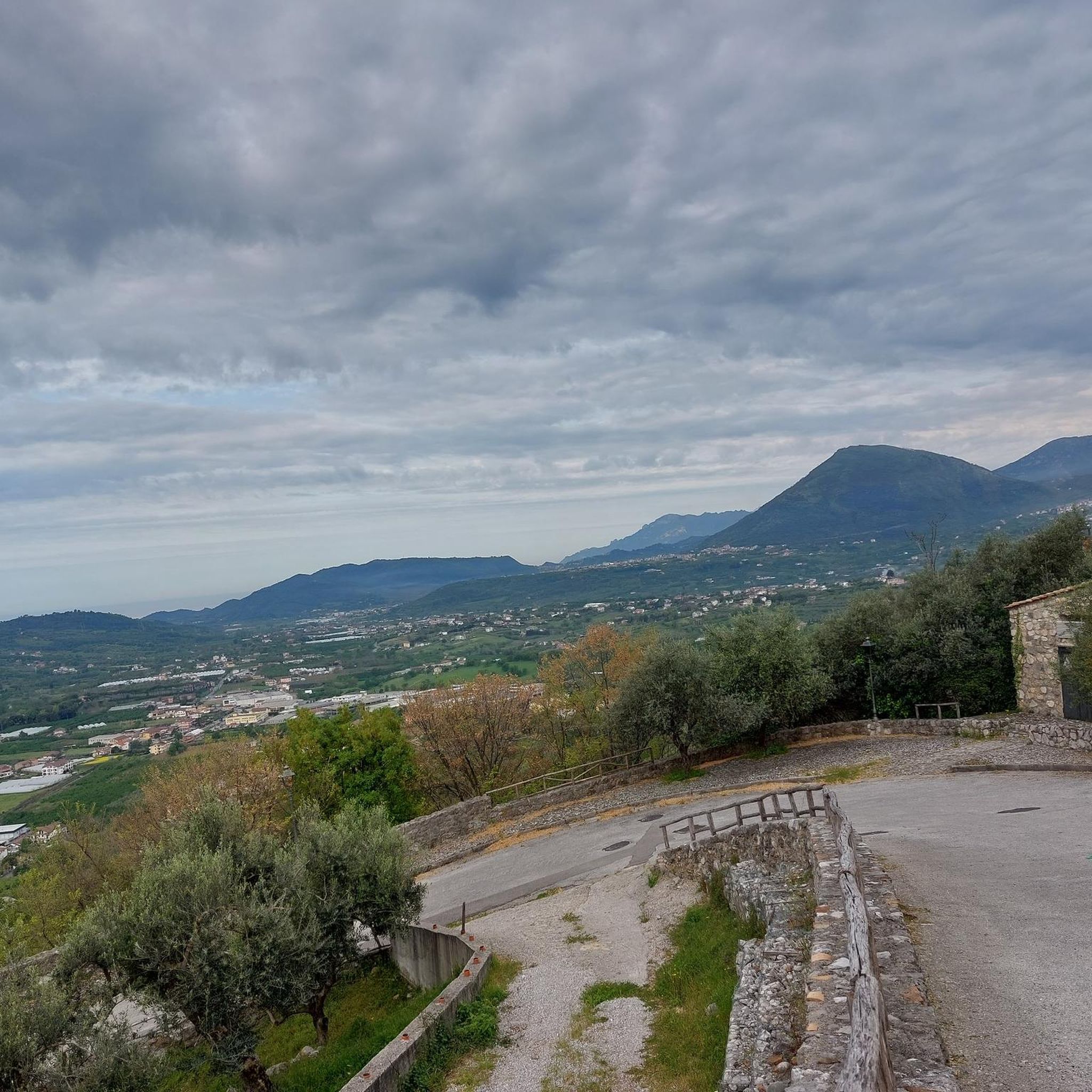
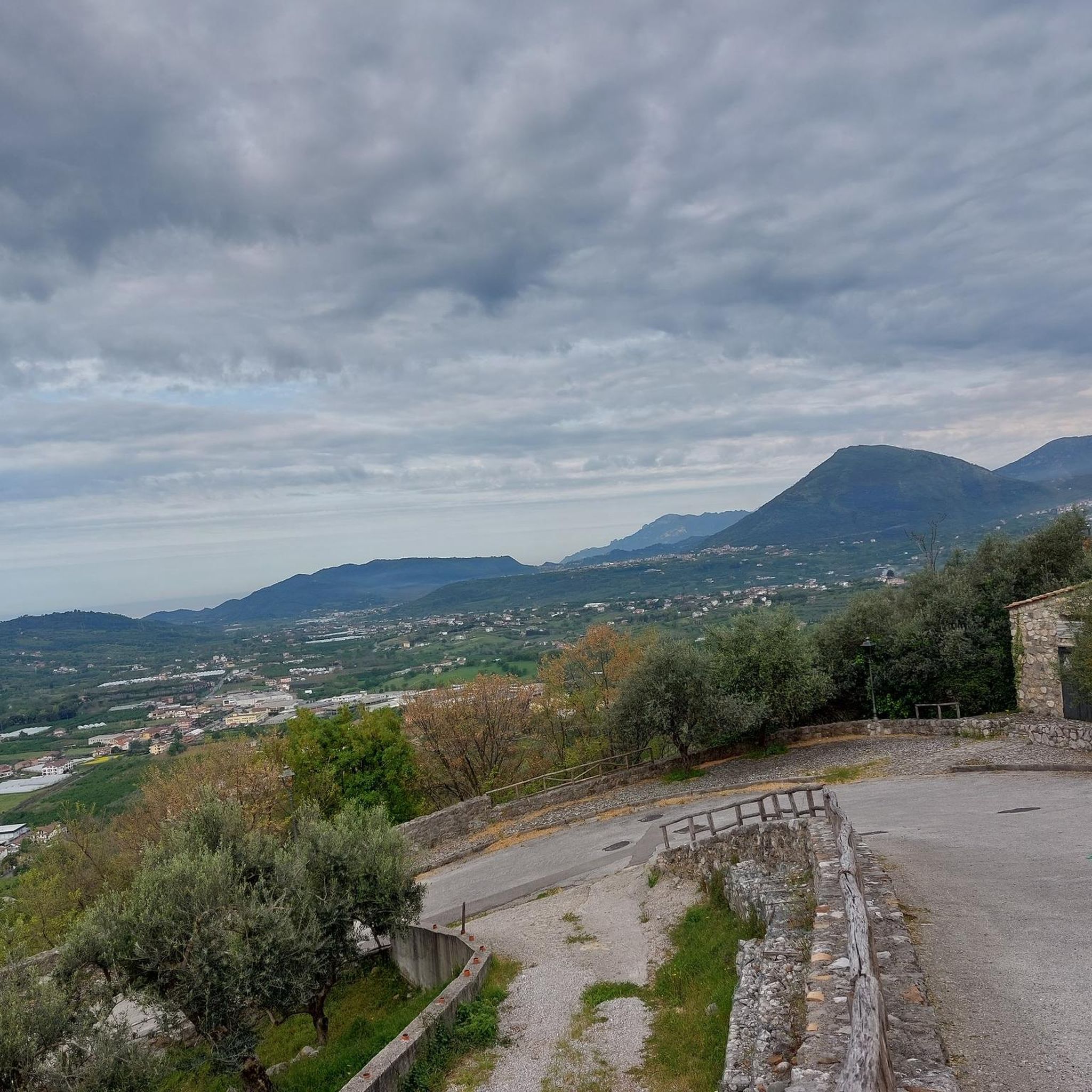
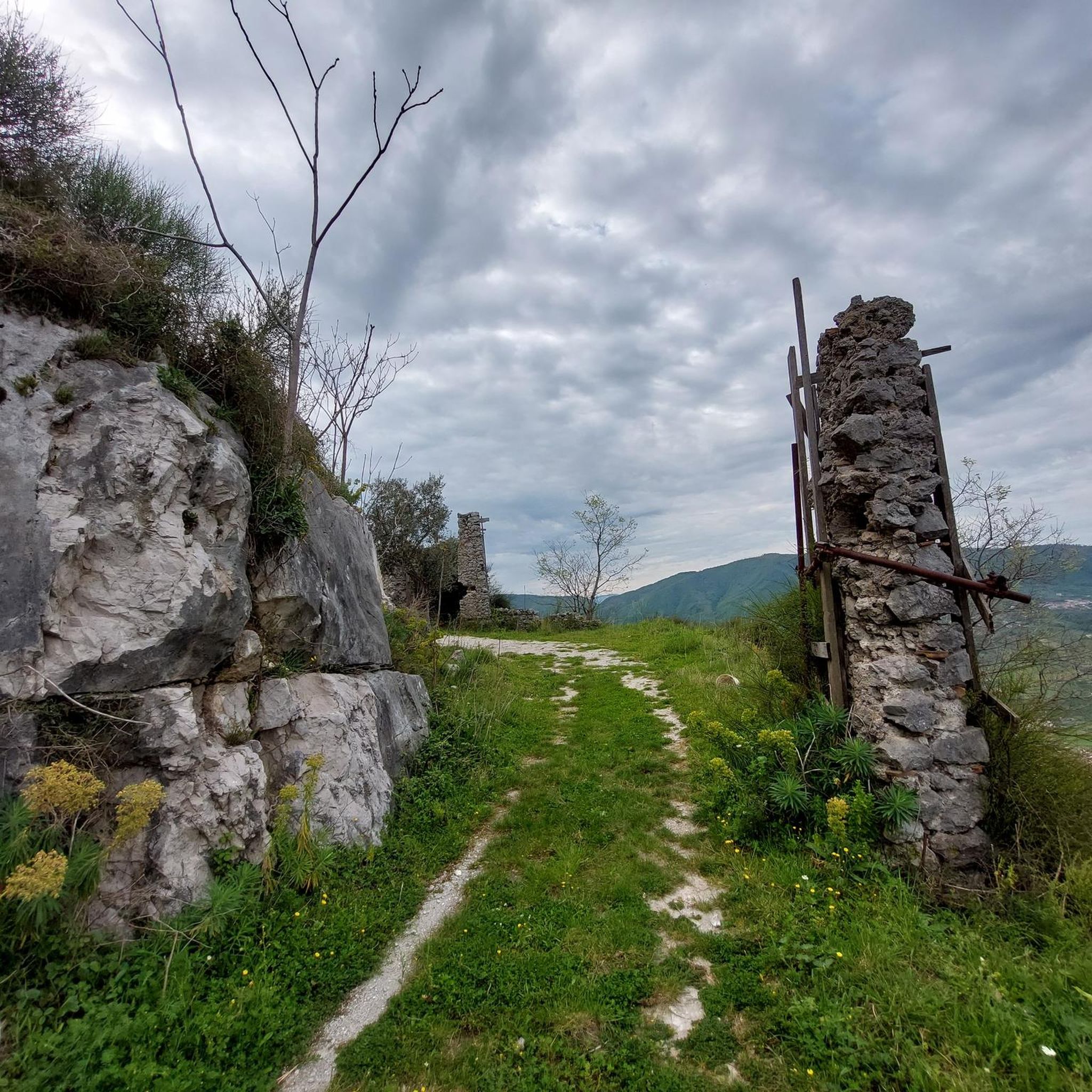
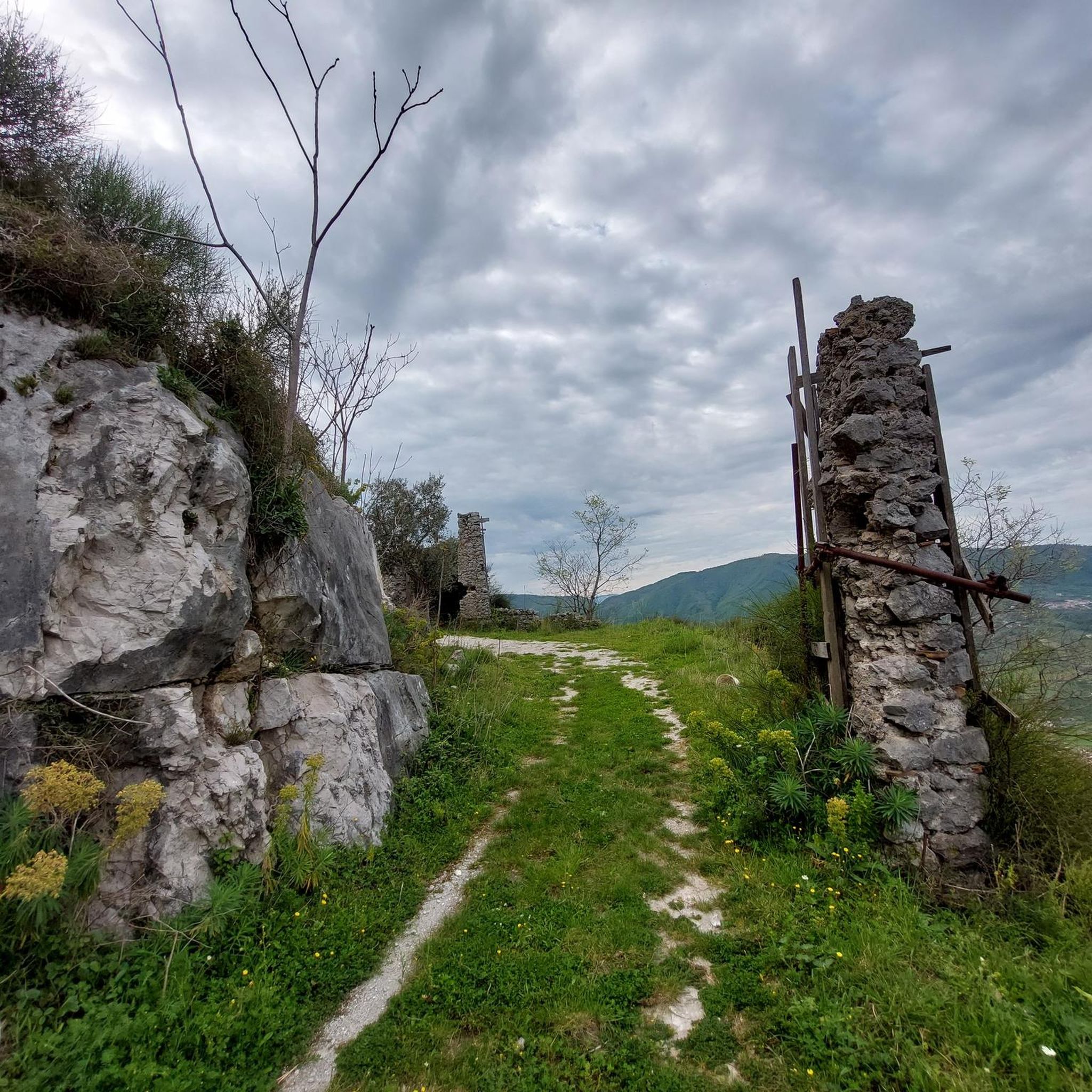
Tips from the Community

The castle of Mercato San Severino, the second largest in Italy, was founded after 1067 by the Norman knight Turgisio Sanseverino, to whom Robert Guiscard granted the ancient city of Rota as a fief. Its current appearance dates primarily to the Angevin period. The settlement was defended by three sets of walls, with a palatium, a parade ground, and other areas. (Source: Wikipedia)
0
0

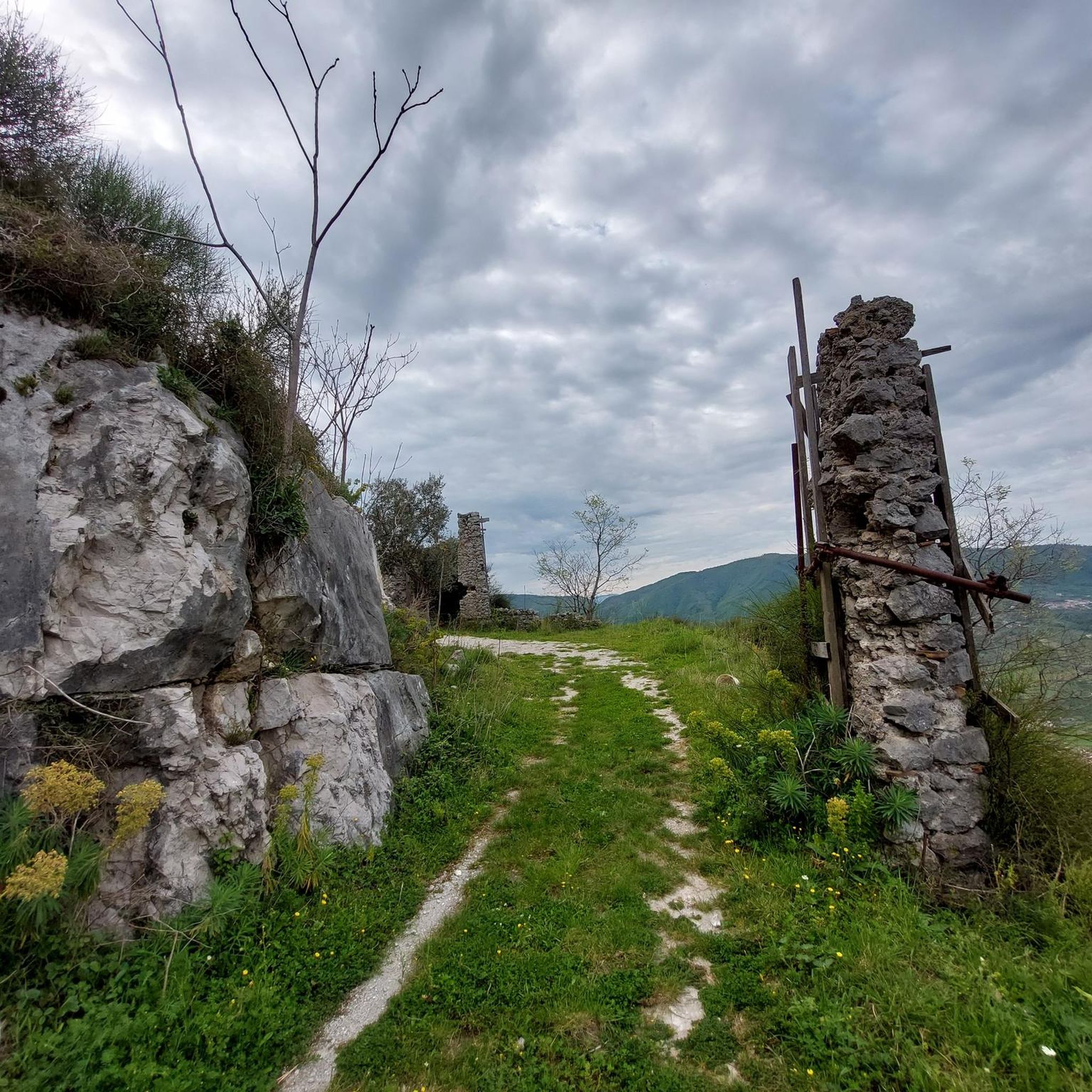
The defensive building is set between two natural rock towers in a locality in the hamlet of Felitto, in an inaccessible place that dominates the entire valley below. The fortress was surrounded by a triple wall, the first of which can still be identified by some fragments incorporated in the current urbanization; the second, halfway up the slope, still has the watchtowers and the entrance to the Castrum intact; the third with two quadrangular towers was placed to guard the central nucleus built at maximum height. In the factories, the re-use of clay fragments and previous constructions is visible. The various rooms in which the inhabitants' daily activities took place are still clearly evident: three cisterns for collecting rainwater, halls, service area, halls, suspended arches and more. Between the second and third walls, the vast residential settlement can still be identified, positioned on a vast, mainly flat surface. In this area the ruins of a Christian church outline the small nave and the apse.
20
0

The bastille of Salerno dates back to medieval times, it was built at the end of the 11th century and from the watchtower it was possible to control the whole gulf of Salerno and report enemy movements. The tower was restored in 2001 and opened to the public.
3
1

A castle that has undergone numerous attacks over the centuries without ever being conquered. They are worth visiting. From its terraces you can enjoy spectacular views of the Gulf of Salerno. The defensive complex to visit also included "Il Torrione" and "La Bastiglia", located near the Castle.
4
0

Magnificent views of the coast. From Salerno, a strenuous climb leads to the castle, which can be visited. In the courtyard there is a café where you can sit comfortably.
3
1

It can be visited by reservation only.
5
0
The monumental complex of the Monte, consisting of a church, monastery, archaeological garden and castle, rises just above Montella, a small town in the heart of the green Irpinia. Of great historical interest is the site of the 10th century Lombard castle with the adjacent settlement dating back to the 6th-7th century. Excavations conducted in the 1980s have brought to light finds from the Lombard and early medieval times, including coins and fragments of frescoes, as well as burials dating back to the same period. Today the central body (tower or donjon), the surrounding walls and the ruins of the rooms of the nobility are visible. In 1293 Charles II of Anjou confiscated the castle to make it a place for recreation. King Charles II was responsible for the construction of the cistern and the water channeling system. In the fourteenth century, at the behest of the d'Aquino, feudal lords of Montella, the twelfth-century tower was renovated and works to improve the building were carried out, with the creation of pictorial decorations. The castle was inhabited by the Cavaniglia counts in the 15th century, and during their lordship it hosted a memorable hunting expedition in 1445 in which King Alfonso the Magnanimous took part. The church has a single nave with side chapels. The wooden altars are of great value. In one of the side chapels there is an important thirteenth-century wooden altarpiece depicting the "Madonna dell'umiltà". The monastery was built between 1554 and 1586 on the pre-existing church at Monte di Pietà, by the Monte di Pietà di Montella, founded and administered by the Congrega del SS. Sacrament of Montella. It was entrusted to the Minimi Reformed Conventuals of S. Francesco replaced in 1603 by the reformed Observants. In 1613 a community of 12 fathers and several lay brothers lived in the convent. The feudal lord Antonio Grimaldi, in 1642, donated the garden adjacent to the convent, former dependence of the castle, to the Monte di Pietà. It has undergone several changes over the centuries: the structure has a square plan and the typical cloister with cross vaults frescoed in the seventeenth century by Michele Ricciardi. Completely recovered and made usable, the upper floors could be used for spiritual retreats, while it is still possible to visit the cells. The lower rooms, where the life of the friars took place, can be visited in full by taking advantage of the routes prepared also by means of illustrative panels present in each area. The convent garden is located in the open space adjacent to the castle; it has been recovered and the same crops from the Middle Ages that gave sustenance to the monks have been planted there. The entire monumental complex of the Monte, restored and open to visitors, is the property of the Santissimo Sacramento di Montella Archconfraternity
17
0

Info on the Bastille (the tower) https://it.wikipedia.org/wiki/Bastiglia_(Salerno) Trekking shoes recommended.
5
1
Frequently Asked Questions
What is the most historically significant castle in the Giffoni Valle Piana area?
The Castello di Terravecchia, located within the medieval borgo of Terravecchia, is considered the most historically significant. Its origins date back to around the year 1000, with perimeter walls from the Longobard period. Emperor Frederick II ordered its restoration in 1240, transforming it into a defensive structure and residence. The borgo itself is a beautifully restored medieval village, offering a deep dive into the region's past.
Are there other notable historical castles to visit near Giffoni Valle Piana?
Yes, beyond Castello di Terravecchia, you can explore several other significant sites. These include Olevano Castle, a defensive building with visible watchtowers and the entrance to the Castrum. The San Pantaleone Sanctuary and the Lombard Castle of Montoro offers ruins of a Lombard Castle. Additionally, the Monumental Complex of the Mount (Church, Monastery, and Castle of Montella) features a 10th-century Lombard castle site with visible walls and ruins.
Which castles offer the best panoramic views?
For breathtaking vistas, the Castello di Terravecchia provides magnificent panoramic views of the surrounding valley and mountains, especially enchanting at sunset. Another excellent spot is the View of Salerno and the Gulf from the Castello di Arechi, which offers extensive views of Salerno and its Gulf from about 300 meters above sea level. The San Pantaleone Sanctuary and the Lombard Castle of Montoro also provides beautiful views of the surrounding hamlets.
Can I combine a castle visit with hiking or walking?
Absolutely. The Borgo di Terravecchia is connected to Giffoni Valle Piana by historical paths, such as the 'Sentiero della Stampella,' a less than one-kilometer long Longobard-era trail, perfect for pleasant walks. For more extensive outdoor activities, you can find various hiking routes in the region. Explore options like the 'Calore River and North Monte Accellica Trail' or 'In the beech forest – Barrizzulo Picnic Area loop' by visiting the Hiking around Giffoni Valle Piana guide.
What kind of historical architecture can I expect to see at these castles?
You'll encounter a range of medieval architectural styles. At Castello di Terravecchia, you can see perimeter walls dating back to the Longobard period and medieval urban planning in the borgo. Olevano Castle showcases a defensive structure with triple walls, watchtowers, and the entrance to the Castrum. The Monumental Complex of the Mount features a 10th-century Lombard castle with visible walls, a tower (donjon), and ruins of noble rooms, alongside a 12th-century tower renovated in the 14th century.
Are there family-friendly activities or sites near the castles?
The medieval Borgo di Terravecchia, with its cobblestone streets and ancient churches, offers an immersive historical experience that can be engaging for families. While specific 'family-friendly' categories aren't always listed for castles, exploring these historical sites and the surrounding natural areas, like the 'Sentiero della Stampella' trail, can be a rewarding family outing. Many of the castles are also viewpoints, which can be enjoyed by all ages.
What is the best time of year to visit the castles around Giffoni Valle Piana?
Spring and autumn are generally the best times to visit. The weather is milder, making it ideal for exploring the outdoor ruins and enjoying the panoramic views without the intense heat of summer. These seasons also offer pleasant conditions for combining castle visits with hiking on nearby trails.
Are there any cafes or restaurants near the castles?
The Borgo di Terravecchia, being a restored village, may offer local eateries or cafes. For other castles, it's advisable to check local listings or plan to visit towns nearby, such as Giffoni Valle Piana itself, where you'll find a wider selection of cafes and restaurants to enjoy before or after your visit.
What are the parking options for visiting these castles?
For Castello di Terravecchia, parking would typically be available in or near the Borgo di Terravecchia. For the Castello di Arechi, there is a highlight marking the Start of the trail to Castello di Arechi which mentions parking for 4-5 cars. For other castles like Olevano or Montella, it's best to check local signage or inquire locally upon arrival, as parking situations can vary.
Are there opportunities for cycling or gravel biking near the castles?
Yes, the region around Giffoni Valle Piana offers various cycling and gravel biking routes. You can find routes like 'Salerno Cathedral – Santa Teresa Beach loop' for touring bicycles or 'Frassineto Chapel – Punta Serrapiana loop' for gravel biking. For detailed routes and guides, refer to the Cycling around Giffoni Valle Piana guide and the Gravel biking around Giffoni Valle Piana guide.
What makes the Borgo di Terravecchia unique for visitors?
The Borgo di Terravecchia is unique because it's not just a castle, but an entire medieval village that has undergone significant restoration, earning it recognition as one of Italy's most beautiful small villages. It offers a tangible connection to medieval life with its narrow, cobblestone streets, ancient houses, and two 11th-century churches (San Leone and Sant'Egidio). The village seamlessly blends tradition with modern amenities, and its panoramic views are a major draw.
Are the castle sites generally accessible for visitors with mobility challenges?
Many of the castles in this region are ancient structures, often located on hills or within medieval villages with uneven terrain, cobblestones, and stairs. For example, the Castello di Terravecchia is within a borgo characterized by narrow, cobblestone streets. The Castello di Arechi is situated at about 300 meters above sea level. Accessibility can be challenging for visitors with wheelchairs or significant mobility issues. It's recommended to check specific site information or contact the venues directly for detailed accessibility details before your visit.
Most popular routes around Giffoni Valle Piana
Most popular attractions around Giffoni Valle Piana

Get inspired with the komoot mobile app


Explore more
Looking for the best castles somewhere else? Discover other guides around Giffoni Valle Piana:
