Top 9 Castles around Torgnon
Best castles around Torgnon are located within the Aosta Valley, a region characterized by its abundance of historic castles and fortified houses. This area served as a strategic corridor between the Piedmont plain and the passes leading to France and Switzerland, prompting the construction of numerous defensive and residential strongholds. Over centuries, these structures evolved from military fortresses to elegant palaces, showcasing diverse architectural styles.
Best castles around Torgnon
- The most popular castles is Fénis Castle, a castle that…
Last updated: July 1, 2026
Fénis Castle
Highlight • Castle
Combining …
Showing Translation
Tip by

Saint-Marcel Castle
Highlight • Castle
Showing Translation
Tip by
Sign up now to discover places like this
Get recommendations on the best single tracks, peaks, & plenty of other exciting outdoor places.
Sign up for free
Bovaye - Castello Gamba
Highlight • Castle
Translated by Google •
Tip by

Bridge over the Dora – Ussel Castle
Highlight • Castle
Translated by Google •
Tip by
View of Nus Castle
Highlight (Segment) • Viewpoint
Translated by Google •
Tip by

Sign up for free to discover even more castles around Torgnon.
Sign up for free
Already have an account?
Start today with a free account
Your next adventure awaits.
Login or Signup
Popular around Torgnon
From the boot’s toe to the heel – the most beautiful cycling Tours in Italy
A breath away from the king — Grand Balcony of the Matterhorn
Mountain biking with a glacier backdrop – rides in Italy’s Aosta Valley
Hiking around Torgnon
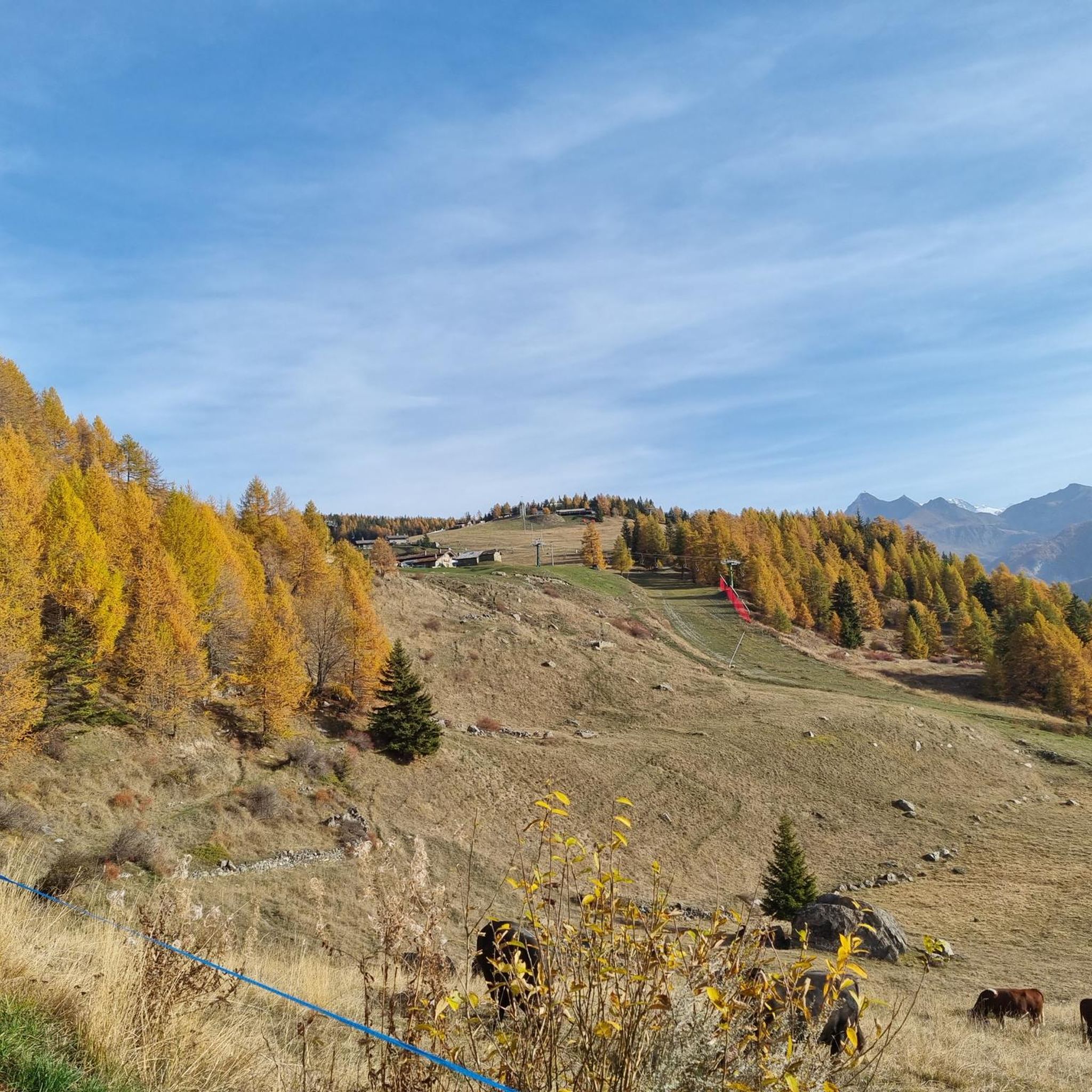
Road Cycling Routes around Torgnon
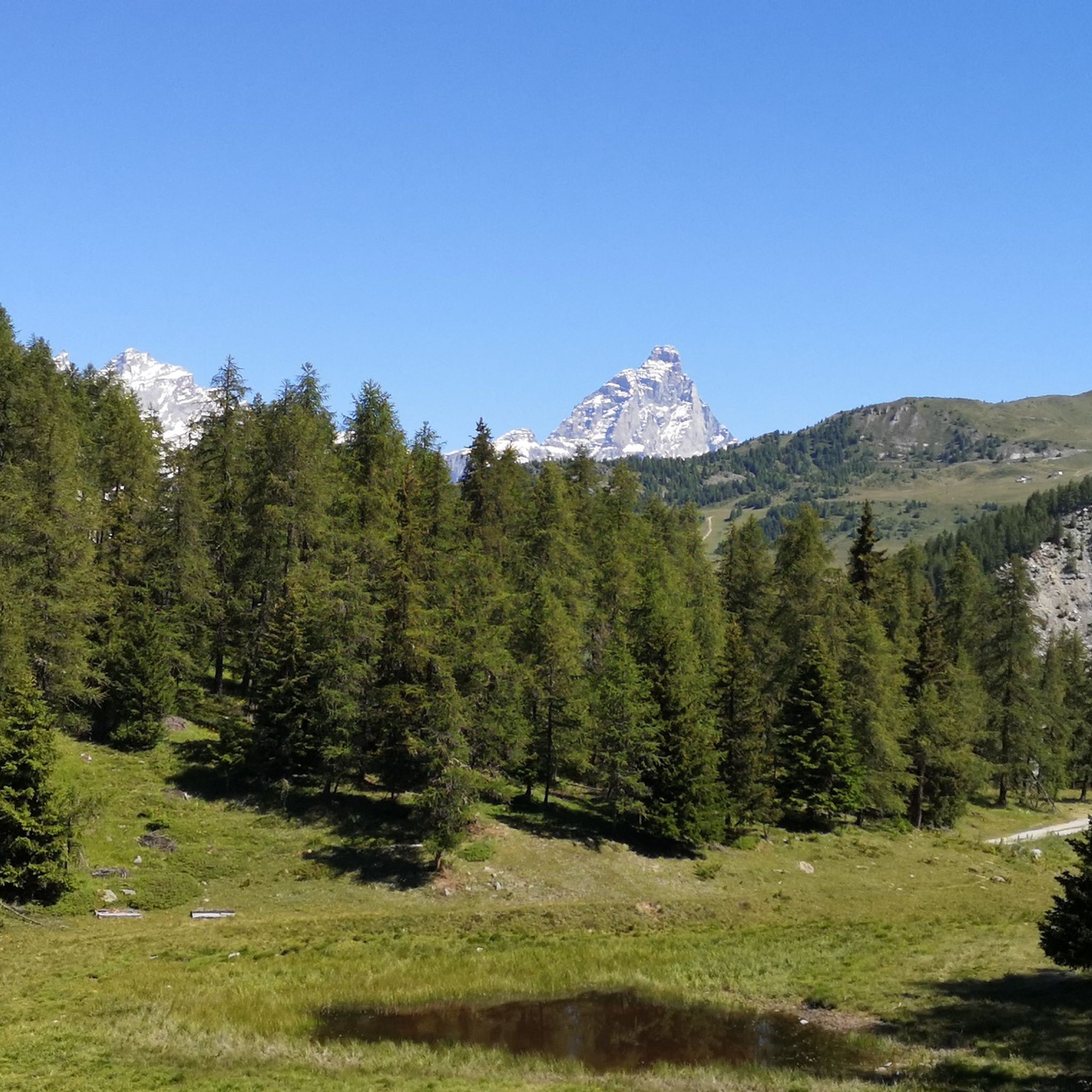
MTB Trails around Torgnon
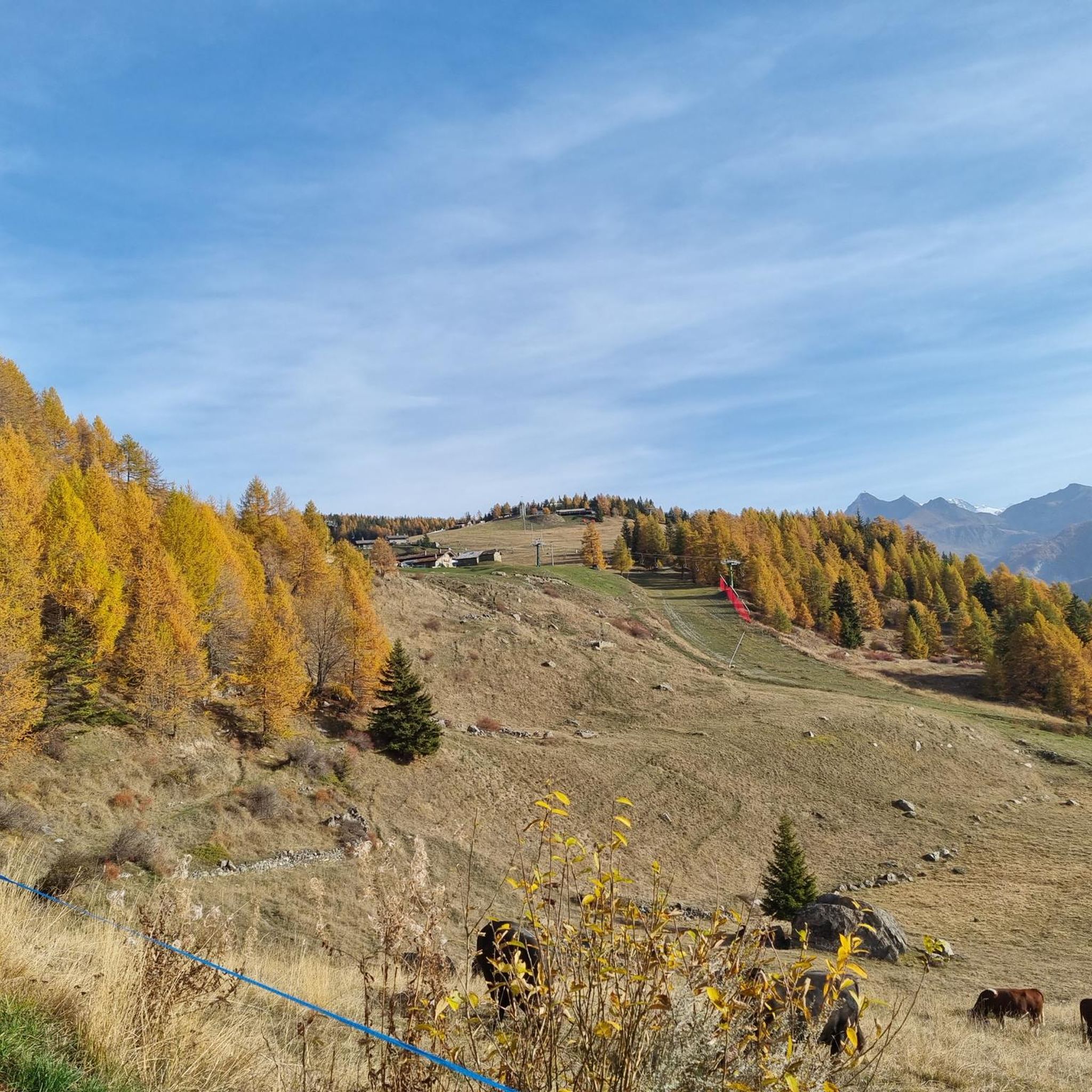
Cycling around Torgnon

Gravel biking around Torgnon
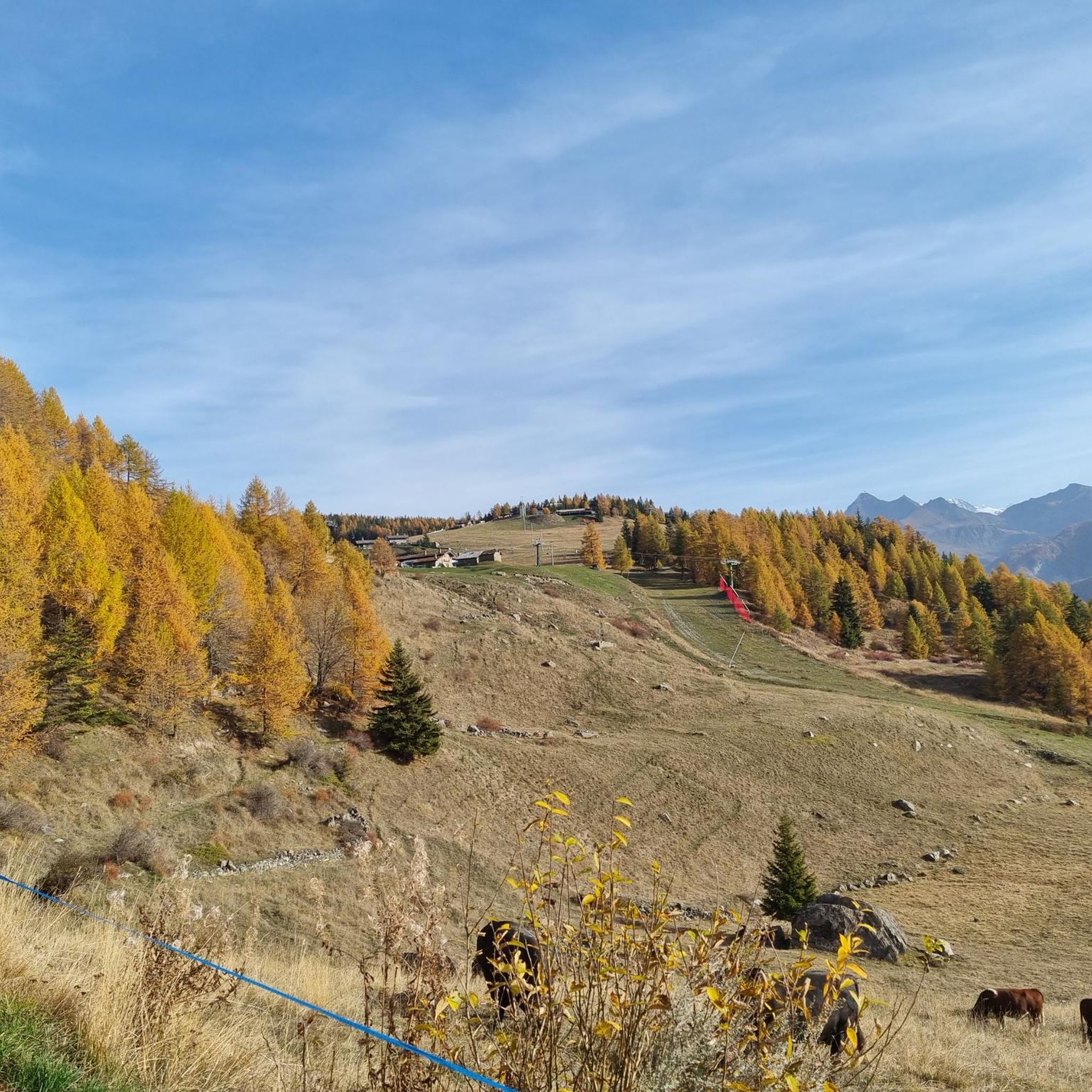
Running Trails around Torgnon

Mountain Hikes around Torgnon
Other adventures around Torgnon


Tips from the Community

Bridge over the Dora - view of Ussel Castle: The Castello di Ussel, also known as Castello Baron Gamba, is an impressive medieval castle in the Valle d’Aosta region, Italy. The castle is located on a steep rocky cliff and overlooks the Dora Baltea valley.
6
0

The Castello Gamba, also known as Castello Baron Gamba, is a palazzo of 20th century origins in the town of Châtillon, located on a hill in the western region of the city, near the regional hotel school. Surrounded by a park open to the public all year round, the castle offers spectacular views over the valley. It was built as a summer residence and is named after its owner, the Turin baron Carlo Maurizio Gamba. The building's architecture, influenced by the medieval revival style of the time, includes two symmetrical wings that protrude slightly from the front of the castle. Located on the rocky cliff of Crêt-de-Breil, the castle overlooks the Dora Baltea and was originally built as a declaration of love by Baron Gamba to his beloved wife, Angélique Passerin d'Entrèves, originally from Châtillon. Inside, the castle houses the Museo di Arte Moderna e Contemporanea della Valle d'Aosta, with a permanent exhibition of more than 150 works, including those of the famous Romantic painter J.M. William Turner and other artists of the 19th and 20th centuries.
6
0
The worked wooden furniture in this imposing fort is typical of the Aosta Valley. In the courtyard and in the chapel, frescoes from the Gothic workshop of Giacomo Jacquerio depict the lives of the most important saints and those of many wise men and philosophers.
6
0
The Castello di Fénis, located in the Valle d’Aosta region of Italy, is one of the most famous medieval castles in the region. It attracts visitors with its abundance of towers and battlements. Although it has an impressive defensive structure, it is situated on a small hill and not in an inaccessible place. In fact, it was originally intended as a prestigious residence for the Challant family. The inner courtyard features a semicircular stone staircase and wooden balconies. At the top of the stairs is a 15th-century fresco of Saint George slaying the dragon. The rooms are decorated with period wooden furniture.
6
0
The current castle was built on the remains of an earlier fortified dwelling. The feudal estate of Saint-Marcel was originally dependent on the nearby castle of Ussel. Both estates were in the hands of the powerful Challant family. The castle was originally built in the 15th century by Giacomo di Challant-Aymavilles. It had a fundamentally square shape as a castle-residence, with an added rectangular western part for extra living space. A square tower dominated the structure, while two turrets with projecting battlements adorned the corners, similar to those of the castle of Ussel. Inside, the halls were covered with wooden ceilings, and some still contain remnants of large fireplaces.
6
0

Unlike other castles, built for war and protection purposes, Fénis Castle is not located on the top of a promontory, but on a slight hill devoid of natural defenses. Combining the characteristics of a fortification with those of a noble residence, Fénis Castle was indeed the prestigious seat of representation for the main exponents of the Challant family.
2
0
Probably founded in the 14th century, an example of the late type of so-called “monobloc castles”, the castle of Saint-Marcel is located on a plateau at the base of the alluvial fan of the Saint-Marcel stream and at a road junction of the routes running along the valley floor and towards the valley to the south, known for the extraction of soapstone and for the presence of iron-copper and manganese mines certainly already known in the medieval period.
3
0
Frequently Asked Questions
What are some of the most historically significant castles in the Aosta Valley near Torgnon?
The Aosta Valley, where Torgnon is located, is rich in historic castles. Notable examples include Fénis Castle, renowned for its medieval architecture and frescoes, and Issogne Castle, an elegant stately home showcasing Renaissance art. Verrès Castle stands out for its imposing military design, while Sarre Royal Castle offers insight into the Savoy royal family's presence in the region. These castles reflect the area's strategic importance and the evolution of architectural styles over centuries.
Which castles near Torgnon are particularly family-friendly?
Several castles in the area are considered family-friendly. Fénis Castle (Fénis Castle) is a popular choice, captivating visitors with its fairytale appearance and numerous towers. Saint-Marcel Castle (Saint-Marcel Castle) is another option, built on the remains of an earlier fortified house. The grounds of Castello Gamba (Bovaye - Castello Gamba) also offer a park setting that families might enjoy.
Are there any castles near Torgnon that offer unique architectural styles?
Yes, the castles in the Aosta Valley display a range of architectural styles. Fénis Castle is famous for its extraordinary medieval architecture, featuring crenellated walls and numerous towers. Issogne Castle, while austere externally, boasts rich Renaissance interiors and a unique frescoed courtyard. Verrès Castle is a striking example of 14th-century military architecture, built as a robust stone cube. These structures showcase the region's architectural evolution from medieval fortresses to elegant residences.
Can I find castles near Torgnon that are less known or considered 'hidden gems'?
While many castles in the Aosta Valley are well-known, some offer a more secluded experience. Castello di Ussel near Châtillon, for instance, is an impressive defensive castle that appears to emerge from the rock, and after restoration, now serves as an exhibition area. Chenal Castle (Chenal Castle), though reduced to a ruin, offers a glimpse into older structures and is located along historical routes like the Via Francigena.
What kind of views can I expect when visiting castles around Torgnon?
Many castles in the Aosta Valley are strategically positioned to offer stunning views. For example, the Bridge over the Dora – Ussel Castle (Bridge over the Dora – Ussel Castle) provides an excellent vantage point of Ussel Castle itself, which overlooks the Dora Baltea valley. Castello Gamba (Bovaye - Castello Gamba), situated on a hill, offers spectacular views over the valley from its surrounding park.
What outdoor activities can I do near these castles?
The region around Torgnon and its castles is excellent for outdoor activities. You can find various routes for cycling, mountain hikes, and running. For instance, there are challenging cycling routes like the 'Alpe Arpeille – Lo Ditor Pond loop' and mountain hikes such as the 'Oriondé Hut loop'. Running enthusiasts can explore trails like the 'View of the Alps loop'. You can find more details on these activities in the Cycling around Torgnon, Mountain Hikes around Torgnon, and Running Trails around Torgnon guides.
What is the best time to visit the castles in the Aosta Valley?
The Aosta Valley castles can be visited throughout the year, but the best time often depends on your preferences. Spring and autumn offer pleasant weather for exploring both the castles and the surrounding landscapes, with fewer crowds. Summer is popular, but can be warmer. Winter visits can be magical, especially with snow, but some castles might have reduced opening hours or specific access conditions. Always check individual castle websites for current opening times.
Are there any castles near Torgnon that are wheelchair accessible?
Accessibility varies greatly among the historic castles in the Aosta Valley. Many older structures, due to their medieval origins and defensive designs, may have limited accessibility for wheelchairs, featuring stairs, uneven terrain, or narrow passages. It is highly recommended to check the official websites or contact individual castles directly for specific accessibility information before planning your visit.
What do visitors enjoy most about the castles around Torgnon?
Visitors frequently appreciate the rich history and diverse architecture of the castles. Many are impressed by the well-preserved interiors, frescoes, and the stories of the powerful Challant family. The strategic locations of these castles also offer breathtaking views of the Alpine landscapes. The blend of military history and aristocratic life, as seen in places like Fénis Castle, is a major draw.
How long should I plan for a visit to a castle near Torgnon?
The duration of a visit can vary depending on the castle and your interest level. For major castles like Fénis Castle or Issogne Castle, a guided tour typically lasts about 1 to 1.5 hours. If you wish to explore the grounds, take photos, or visit any exhibitions, you might want to allocate 2 to 3 hours per castle. For smaller sites or ruins, less time may be needed.
Are there any cafes or restaurants near the castles?
Many of the more popular castles, especially those with visitor centers like Fénis Castle, often have cafes or small shops nearby. In the towns and villages surrounding the castles, such as Châtillon or Verrès, you will find a selection of restaurants and cafes offering local Aostan cuisine. It's a good idea to check local listings for dining options close to your chosen castle.
Can I visit multiple castles in one day from Torgnon?
Yes, given the relatively close proximity of many castles within the Aosta Valley, it is feasible to visit two or even three castles in a single day, especially if you have a car. Planning your route to group castles in the same general direction (e.g., those along the Dora Baltea valley) will optimize your time. For example, Castello di Ussel, Verrès Castle, and Issogne Castle are all located within a reasonable driving distance of each other.
Most popular routes around Torgnon
Most popular attractions around Torgnon

Get inspired with the komoot mobile app


Explore more
Looking for the best castles somewhere else? Discover other guides around Torgnon:
