Top 13 Mountain Passes around Aosta
Best mountain passes around Aosta are found in the heart of the Alps, connecting Italy with France and Switzerland. These passes provide access to high-altitude environments, glaciers, lakes, and forests. The region's terrain and scenic viewpoints make its mountain passes a destination for various enthusiasts. Historically, these routes have served as crucial trade and pilgrimage paths for centuries.
Best mountain passes around Aosta
- The most popular mountain passes is Col de Champillon, a mountain pass that offers a panoramic…
Last updated: September 29, 2026
Col de Champillon
Highlight • Mountain Pass
Translated by Google •
Tip by

Le Pont (1920 m) – Gran Paradiso National Park
Highlight (Segment) • Mountain Pass
Translated by Google •
Tip by

Sign up now to discover places like this
Get recommendations on the best single tracks, peaks, & plenty of other exciting outdoor places.
Colle Tsa Seche
Highlight • Mountain Pass
Translated by Google •
Tip by

Col de Brison
Highlight • Mountain Pass
Translated by Google •
Tip by

Plan Fenêtre Pass
Highlight • Mountain Pass
A stopover is definitely worth it.
Translated by Google •
Tip by

Sign up for free to discover even more mountain passes around Aosta.
Already have an account?
Start today with a free account
Your next adventure awaits.
Popular around Aosta
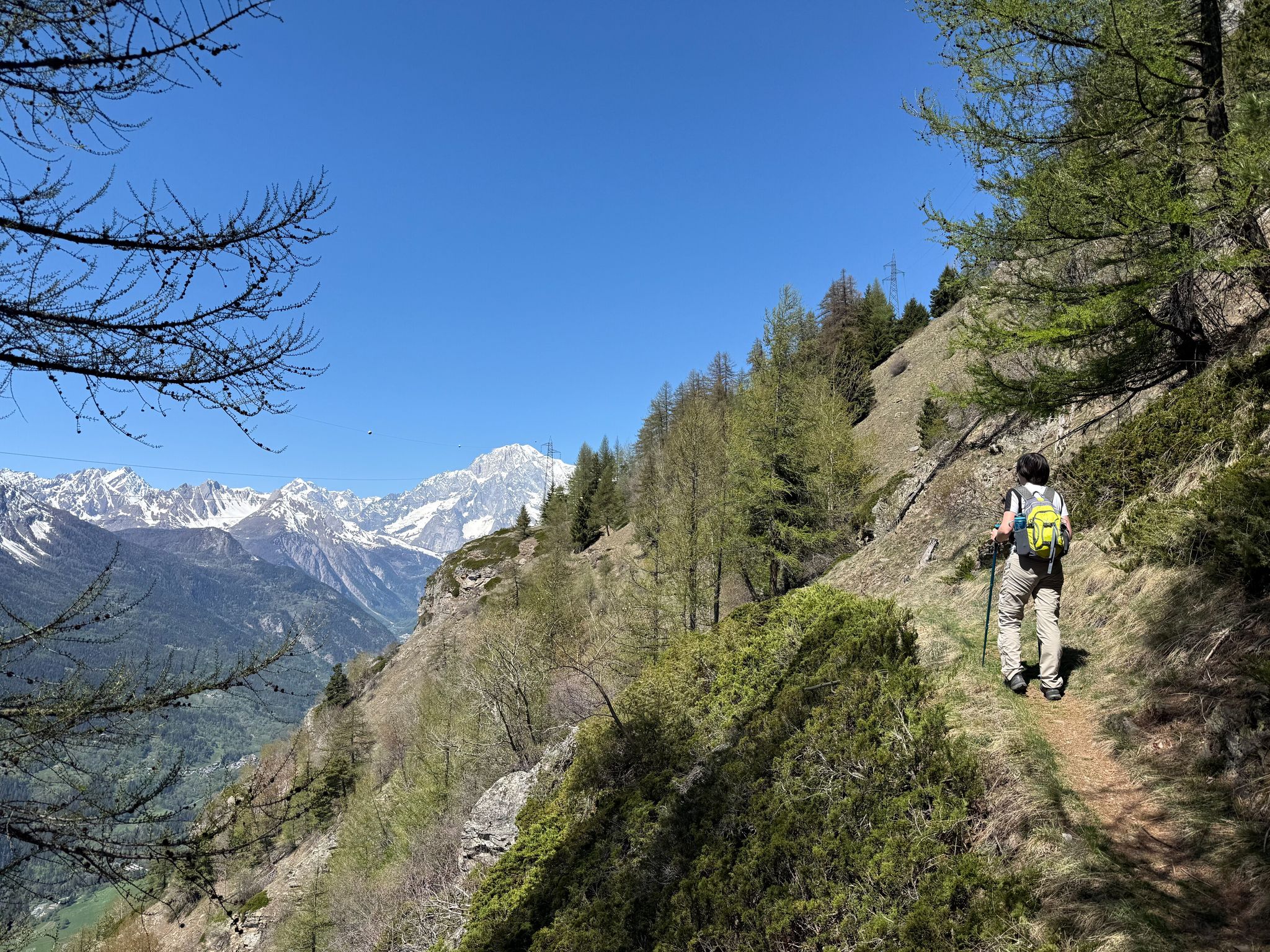
Cammino Balteo – castles, vineyards and trails of the Aosta Valley
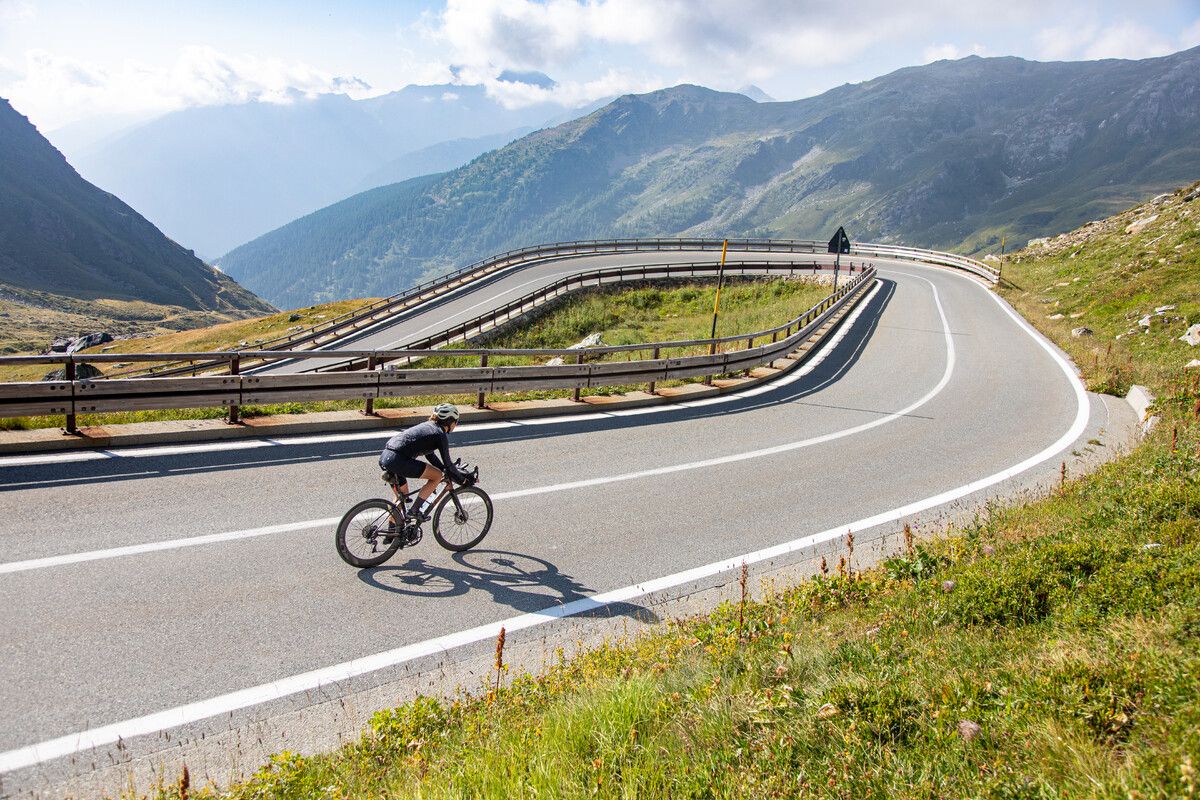
Road cycling in the Aosta Valley – major climbs and alpine routes
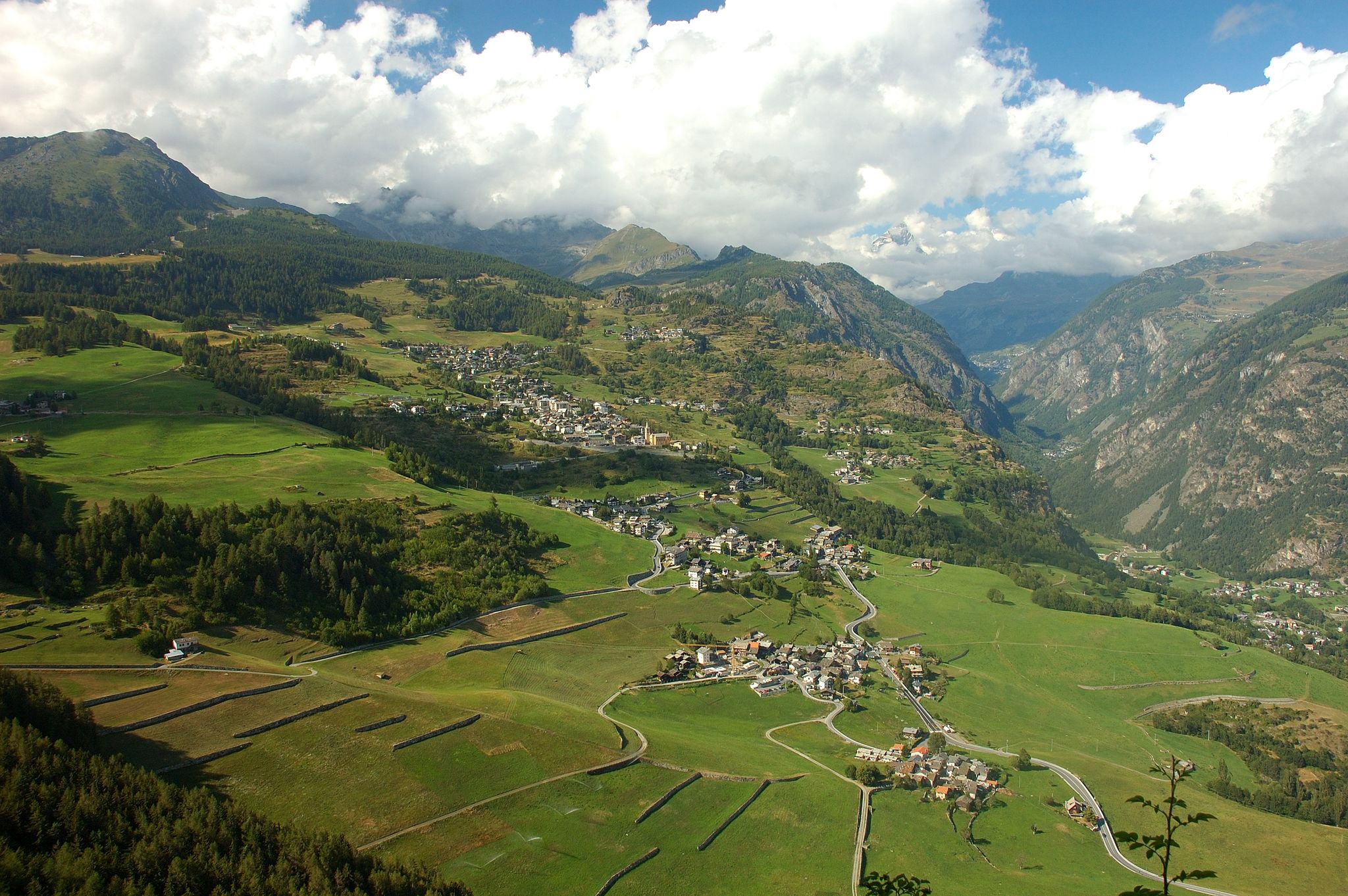
Paths, castles and views of Italy’s Aosta Valley – Cammino Balteo
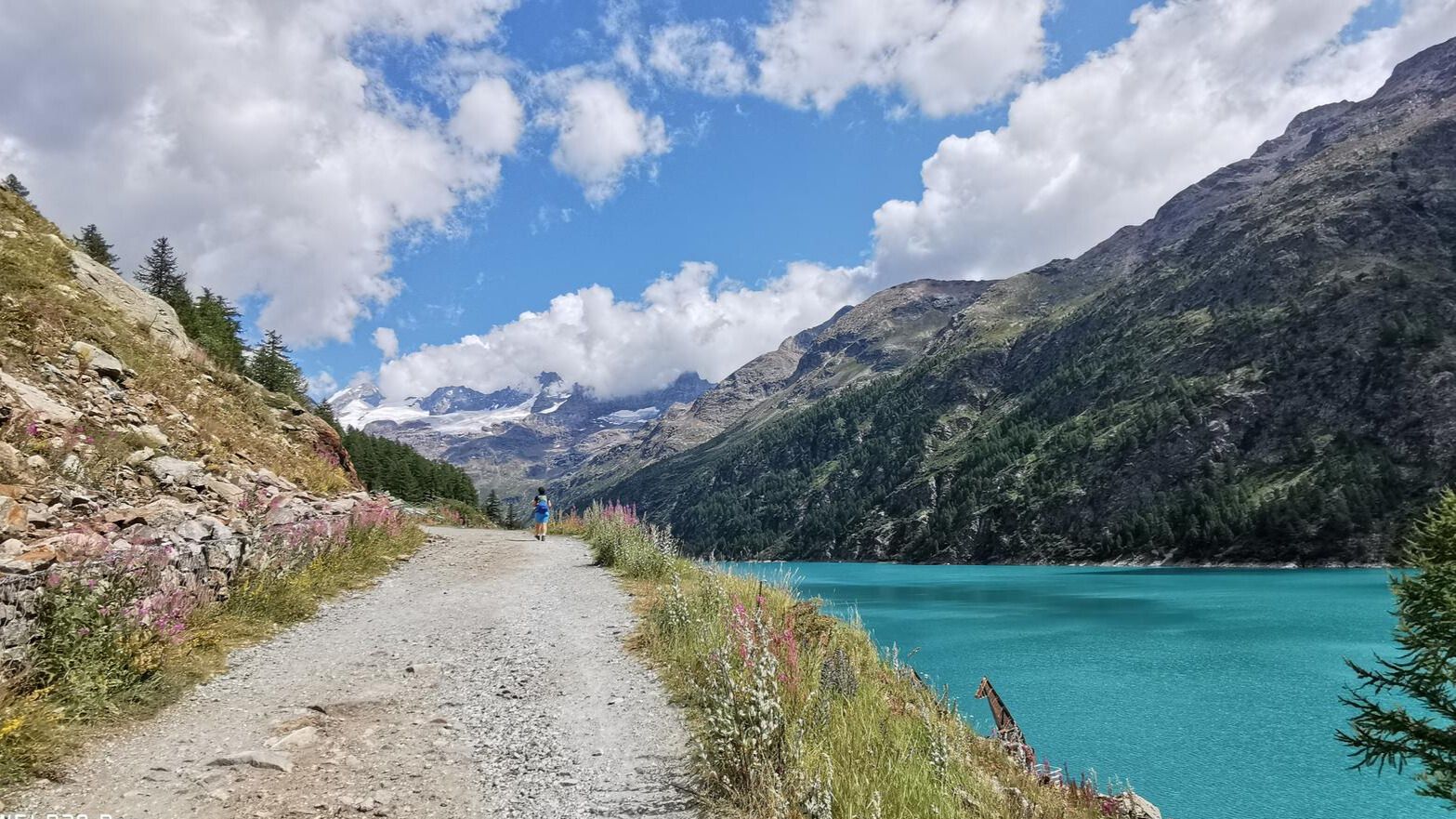
In the footsteps of the first mountaineers – Valpelline Trek
Mountain biking with a glacier backdrop – rides in Italy’s Aosta Valley
A cycling pilgrimage — history and nature on Italy’s Via Francigena
The magical Tour du Mont-Blanc by bike
Road Cycling Routes around Aosta
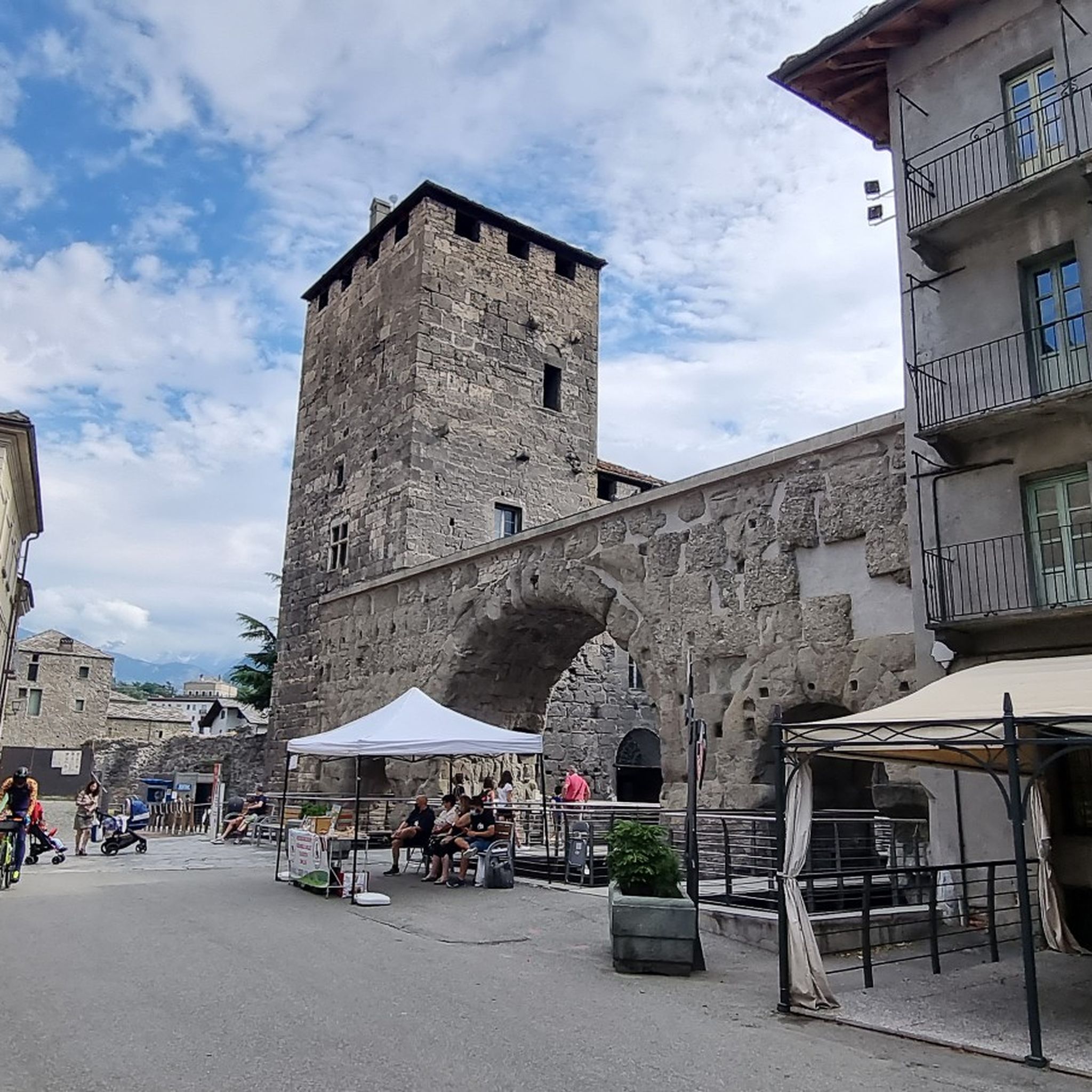
Cycling around Aosta
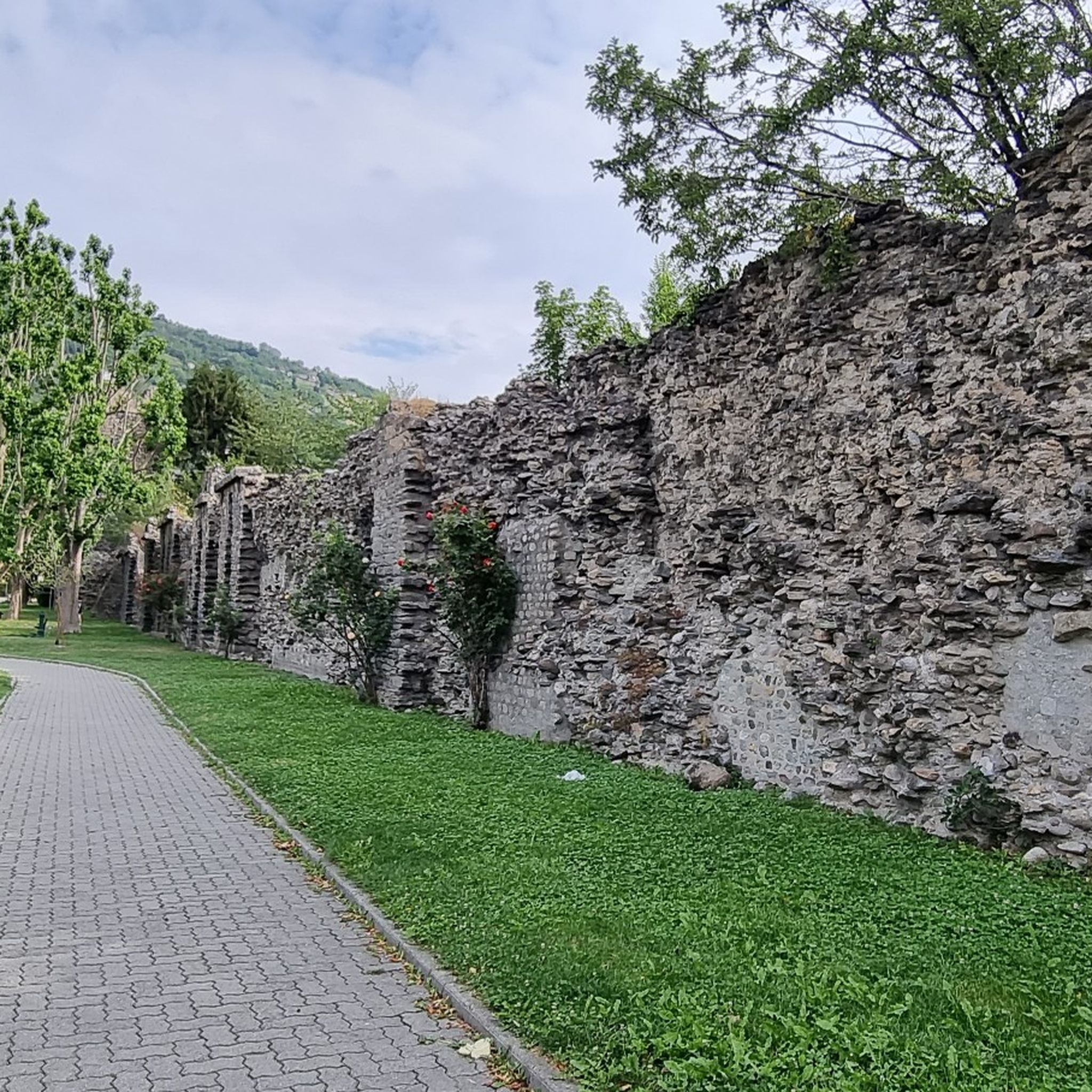
Hiking around Aosta
Other adventures around Aosta


Tips from the Community

The climb is long but remains accessible. The landscape is nice and road traffic is ultimately quite limited (I specify that I did it on August 15th) I recommend it!
0
0

The climb winds through a majestic valley (personally my favorite), never reaching excessive gradients; it's long but pedalable, allowing you to fully enjoy the natural surroundings. Apart from the peak season, there's almost no traffic, although you might encounter a few campers, which can be annoying on the way down. If you tackle the climb during periods of the year when there aren't too many tourists, you might, like me, have pleasant encounters with ibex and chamois that have come down to road level.
1
0

Very panoramic hill, reachable only with bike on your shoulder
0
0

https://youtu.be/Pxndx9TNM5U?si=mH5XT38nxmCVjLSr Push, lift, and drag until you're over it, then you have a beautiful descent to Cogne.
0
0

The Col de Brison, located at an altitude of 2,480 metres, is located between Mount Faceballa and the Punte d'Ollomont. The view from here is stunning. The terrain leading to the summit on both sides is not very technical, but it is quite steep.
2
0

A very beautiful viewpoint, which is followed by an even more beautiful ridge hiking route. A stopover is definitely worth it.
26
0
The Col de Champillon, located at an altitude of 2,709 meters, offers a breathtaking panoramic view. From the top of the pass it is possible to admire many legendary peaks, such as Mont Blanc, the southern face of the Grand Combin and, to the south, the Gran Paradiso massif. The terrain gets steep in some sections on both sides, but the trail is easy and non-technical, so you can definitely sprint on the way down.
4
0

There are many important peaks to see, such as Mont Blanc, the Grand Combin and to the south the Grand Paradiso massif
0
0
Frequently Asked Questions
What are some of the most scenic mountain passes in the Aosta Valley?
The Aosta Valley is home to numerous scenic mountain passes. For breathtaking views, consider Col de Champillon, which offers panoramic vistas of Mont Blanc, the Grand Combin, and the Gran Paradiso massif. The Grand Col Ferret and Col de la Seigne also provide spectacular views over the Val Ferret and the Mont Blanc massif, marking the border with Switzerland and France respectively. For a pristine natural environment, Nivolet Pass within Gran Paradiso National Park is highly recommended.
Which mountain passes offer opportunities to see wildlife?
Nivolet Pass, located within the Gran Paradiso National Park, is an excellent choice for wildlife viewing. This area is known for its diverse natural landscapes, where you might observe alpine ibex, chamois, and marmots in their natural habitat of glaciers, forests, and alpine meadows.
Are there mountain passes with historical significance in the Aosta Valley?
Yes, the Great St Bernard Pass is one of the most historically significant passes in the Alps. It links the Aosta Valley with Switzerland and is famous for its hospice and the St. Bernard dogs. This pass has served as a crucial trade and pilgrimage route for centuries. The Little St Bernard Pass also holds historical importance as a link between Italy and France.
What mountain passes are known for their panoramic views of the Mont Blanc massif?
Several passes offer stunning views of the Mont Blanc massif. The Grand Col Ferret and Col de la Seigne, both part of the Tour du Mont Blanc trail, provide exceptional vistas. Additionally, Col de Champillon is highly regarded for its panoramic view of Mont Blanc, along with the Grand Combin and Gran Paradiso massif.
Which mountain passes are part of long-distance hiking trails like the Tour du Mont Blanc?
The Grand Col Ferret and Col de la Seigne are significant sections of the famous Tour du Mont Blanc (TMB) long-distance hiking trail. The Grand Col Ferret is the highest point of the TMB, offering spectacular alpine views.
Are there hiking routes near the mountain passes around Aosta?
Yes, the Aosta Valley offers numerous hiking routes near its mountain passes. For example, you can find various trails around Aosta, including the Arpuilles Panoramic Trail or the Ru Neuf Canal Trail. For more challenging options, explore mountain hikes like the Punta della Valletta loop or the Pointe de la Pierre loop. You can find detailed routes and guides for hiking around Aosta at Hiking around Aosta and for mountain hikes at Mountain Hikes around Aosta.
What kind of outdoor activities can I do near the mountain passes in Aosta?
Beyond exploring the passes themselves, the Aosta Valley provides diverse outdoor activities. You can enjoy hiking on trails like the Arpuilles Panoramic Trail, running on routes such as the Bridge over the Dora Baltea loop, or embark on challenging mountain hikes like the Punta della Valletta loop. For more options, check out the guides for Hiking around Aosta, Running Trails around Aosta, and Mountain Hikes around Aosta.
Are there any less strenuous or family-friendly mountain passes in the Aosta Valley?
Col de Joux is a great option for those seeking less strenuous walks. Situated at a lower altitude, it connects Saint-Vincent and Brusson and is appreciated for its simple, non-technical trails through forests, making it accessible for a wider range of visitors, including families. While some sections can be steep, parts of the trail around Col de Champillon are also considered easy and non-technical.
What is the best time of year to visit the mountain passes in the Aosta Valley?
The best time to visit the mountain passes in the Aosta Valley is generally during the warmer months, from June to October, when most passes are open and accessible. For example, the Little St Bernard Pass is typically open during this period, and the Great St Bernard Pass is drivable in the summer months. This timeframe offers the most favorable weather for hiking and enjoying the alpine scenery.
What do visitors enjoy most about the mountain passes around Aosta?
Visitors frequently praise the breathtaking panoramic views offered by many passes, such as those from Col de Champillon, which showcases Mont Blanc and other legendary peaks. The non-technical nature of some trails, like those around Col de Joux, makes them enjoyable for various activity levels. The historical significance of passes like the Great St Bernard also adds a unique dimension to the experience, combining natural beauty with rich heritage.
Are there any less crowded mountain passes in the Aosta Valley?
While popular passes attract many visitors, exploring passes like Col des Fontaines can offer a more tranquil experience. This Alpine pass provides spectacular views between Val d'Ayas and Valtournenche, with paths traversing pastures and larch forests, ideal for enjoying unspoiled nature and majestic mountains away from the busiest spots.
Can I find amenities like restaurants or accommodation near the mountain passes?
Yes, some mountain passes, particularly those with historical significance or higher accessibility, offer amenities. The Great St Bernard Pass, for instance, is known for its historic hospice, which provides accommodation and services. For other passes, amenities might be found in nearby towns or villages at the base of the pass, such as Saint-Vincent or Brusson near Col de Joux.
Most popular routes around Aosta
Most popular attractions around Aosta

Get inspired with the komoot mobile app


Explore more
See even more epic mountain passes by checking out these guides around Aosta:
