Attractions and Places To See around Doues - Top 20
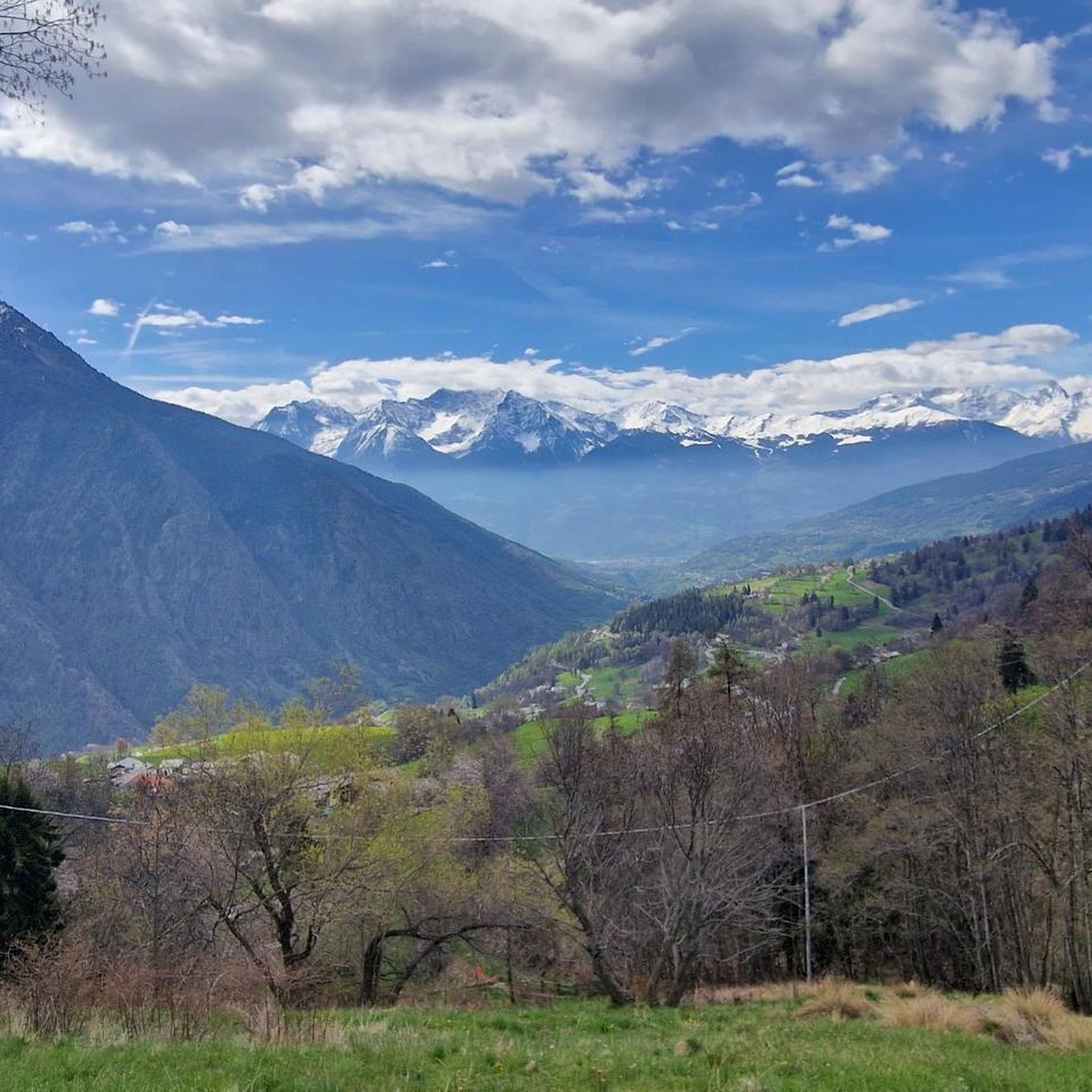
Attractions and places to see around Doues, a village in Italy's Aosta Valley, offer a mix of historical sites and natural landscapes. Situated at an altitude of 1176 meters, it provides views of Mont Emilius and the Aosta plain. The area is historically significant, known as "Dovia" or "Duae viae" in Roman times, indicating its role as a crossroads. Visitors can explore ancient paths, mountain refuges, and panoramic viewpoints.
Best attractions and places to see around Doues
- The most popular…
Last updated: October 9, 2026
Refuge du Vélan
Highlight • Mountain Hut
Translated by Google •
Tip by

Mont Fallère Refuge
Highlight • Mountain Hut
Translated by Google •
Tip by

Sign up now to discover places like this
Get recommendations on the best single tracks, peaks, & plenty of other exciting outdoor places.
Piazza Émile Chanoux
Highlight • Historical Site
Showing Translation
Tip by

Fenêtre de Ferret
Highlight • Mountain Pass
Translated by Google •
Tip by
Porta Pretoria (Aosta)
Highlight • Historical Site
Translated by Google •
Tip by

Sign up for free to discover even more attractions around Doues.
Already have an account?
Start today with a free account
Your next adventure awaits.
Popular around Doues
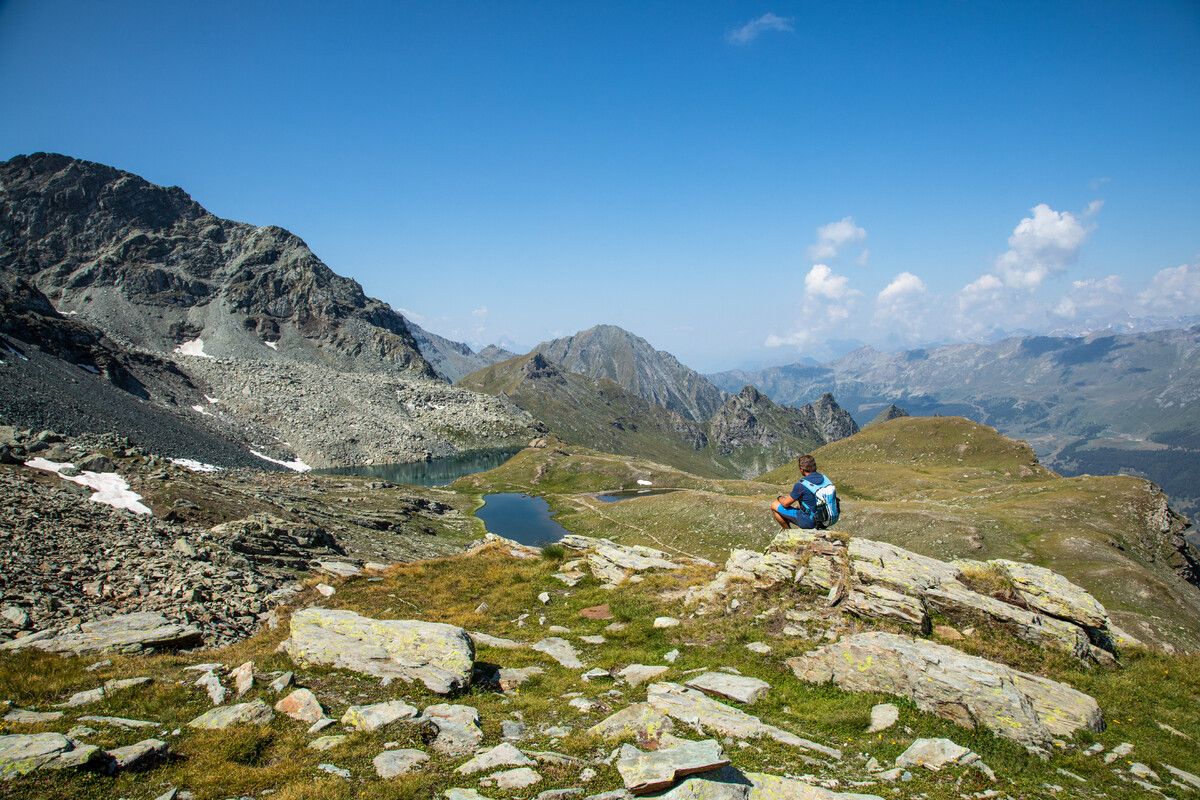
Alta Via n. 1 of the Aosta Valley — a walk among Italian giants
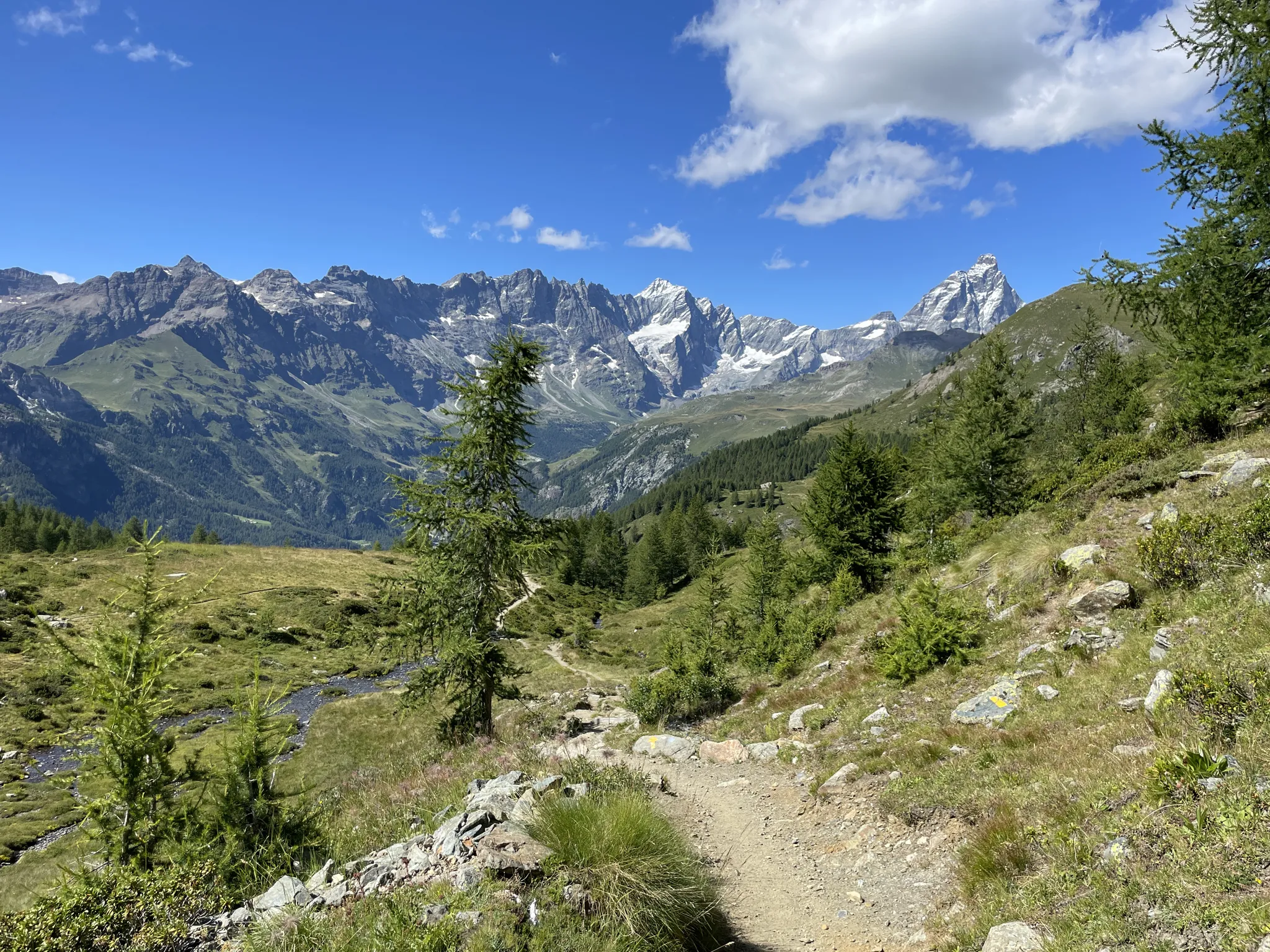
Running with the giants – Alta Via 1 in the Aosta Valley
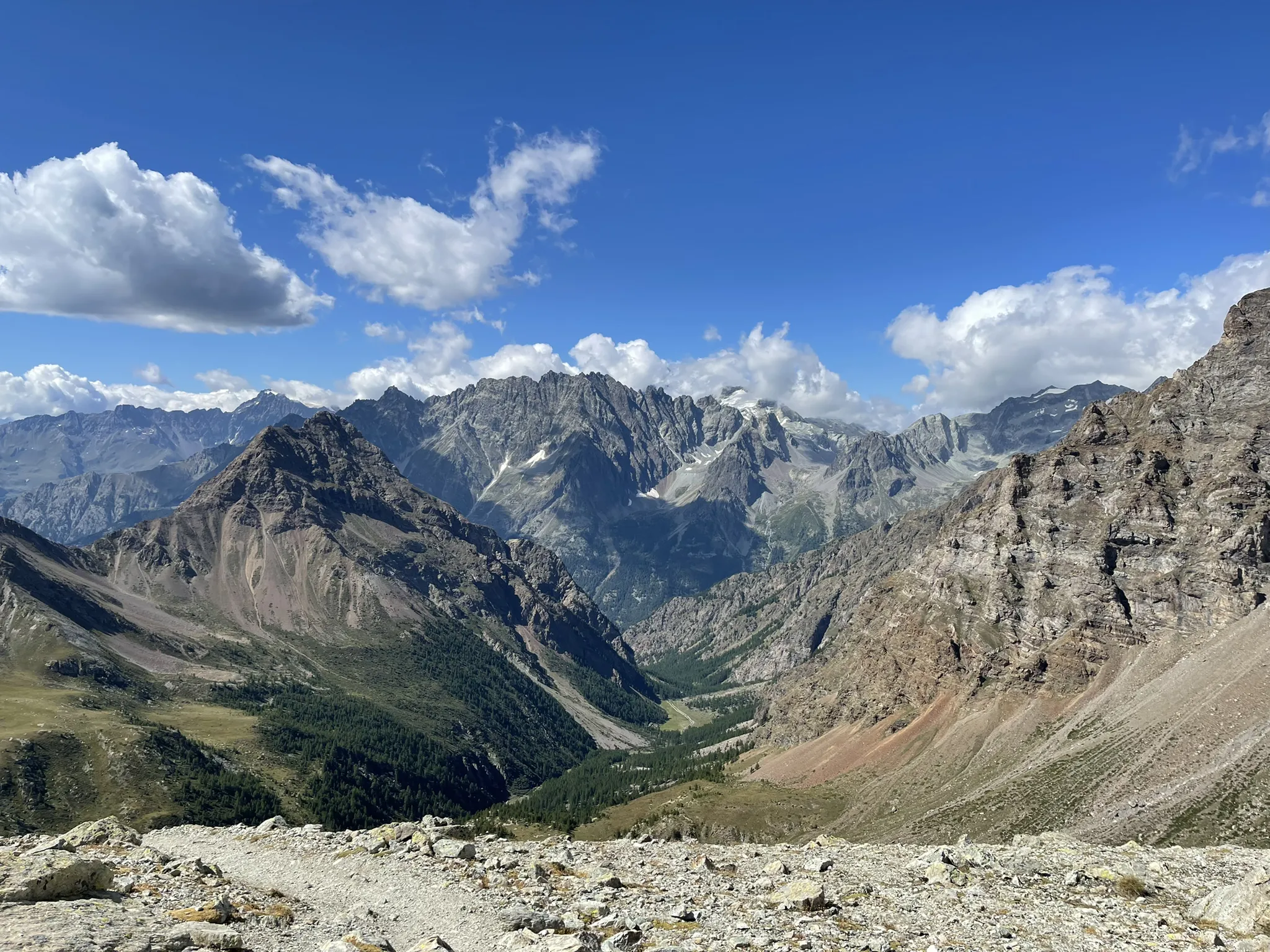
Running between the giants of the Alps – Tor des Géants
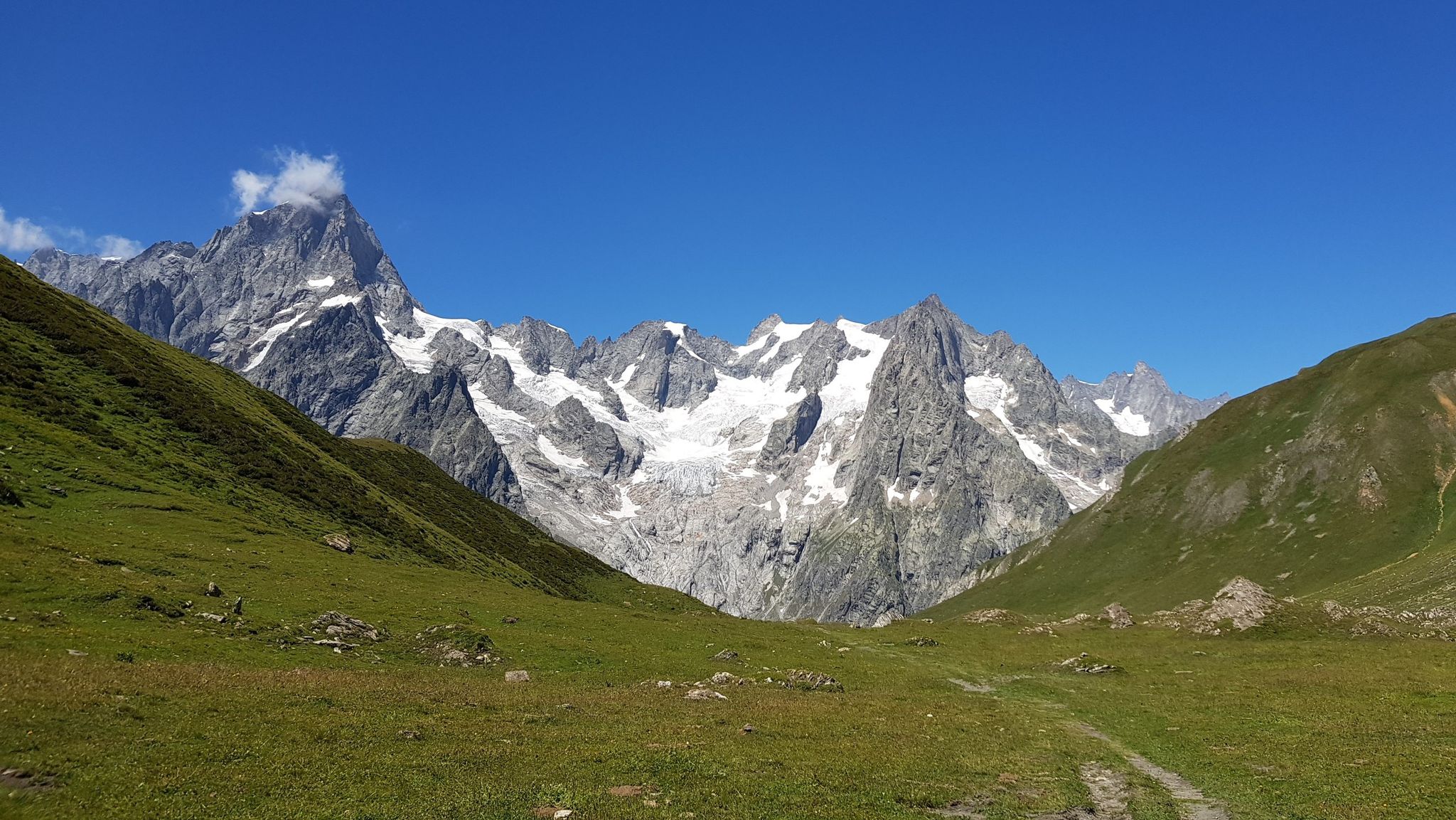
A walk among Italian giants — Aosta Valley High Route 1
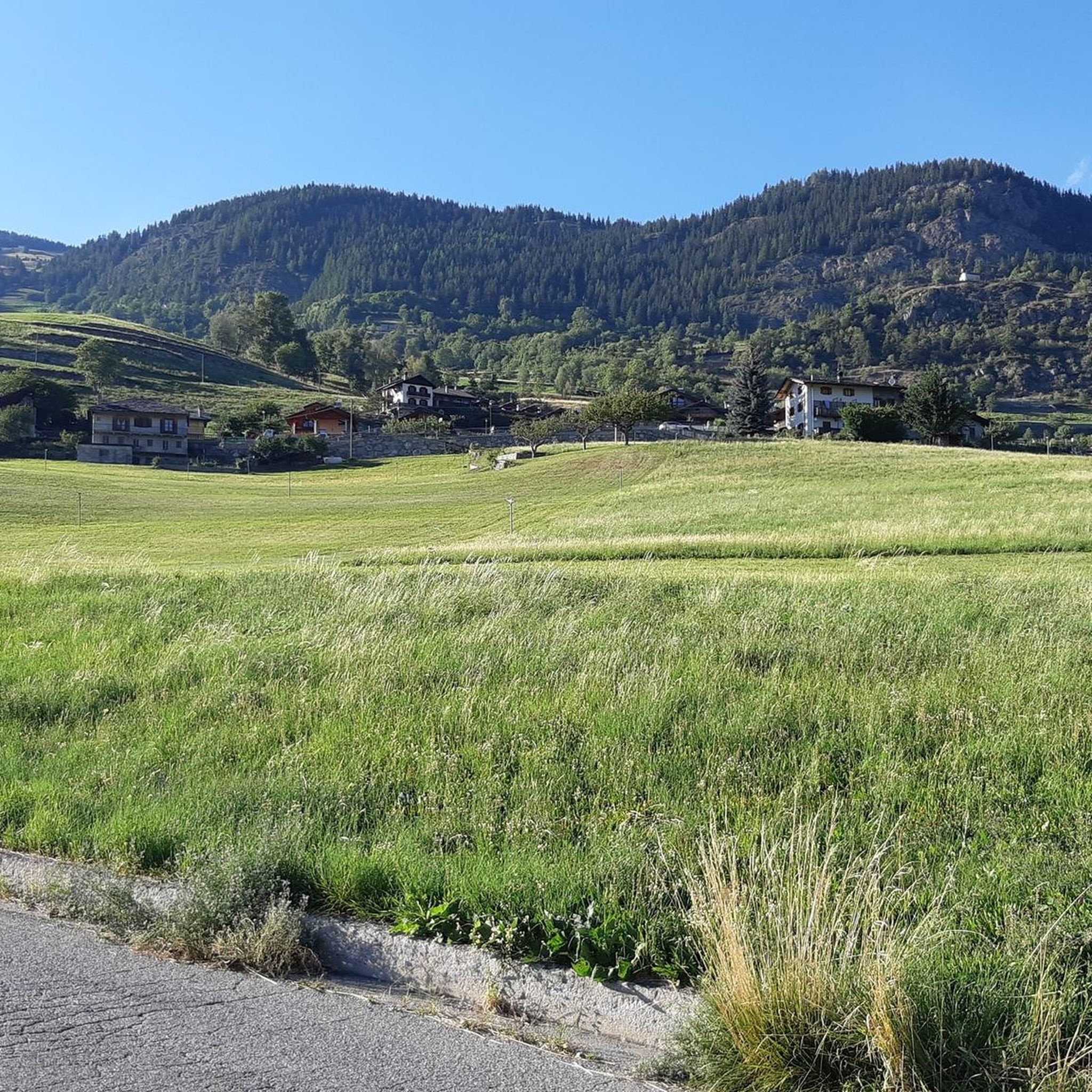
Hiking around Doues
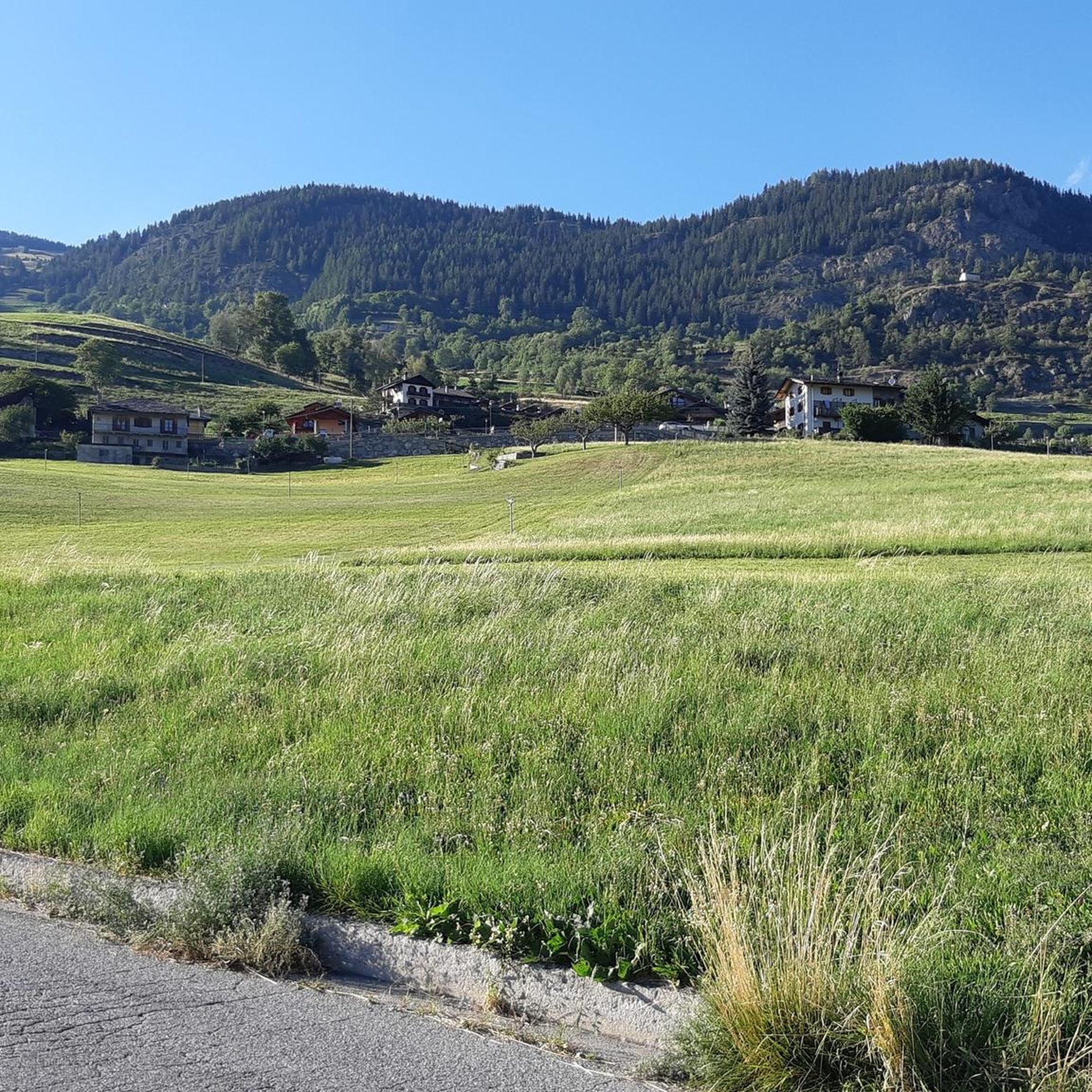
MTB Trails around Doues
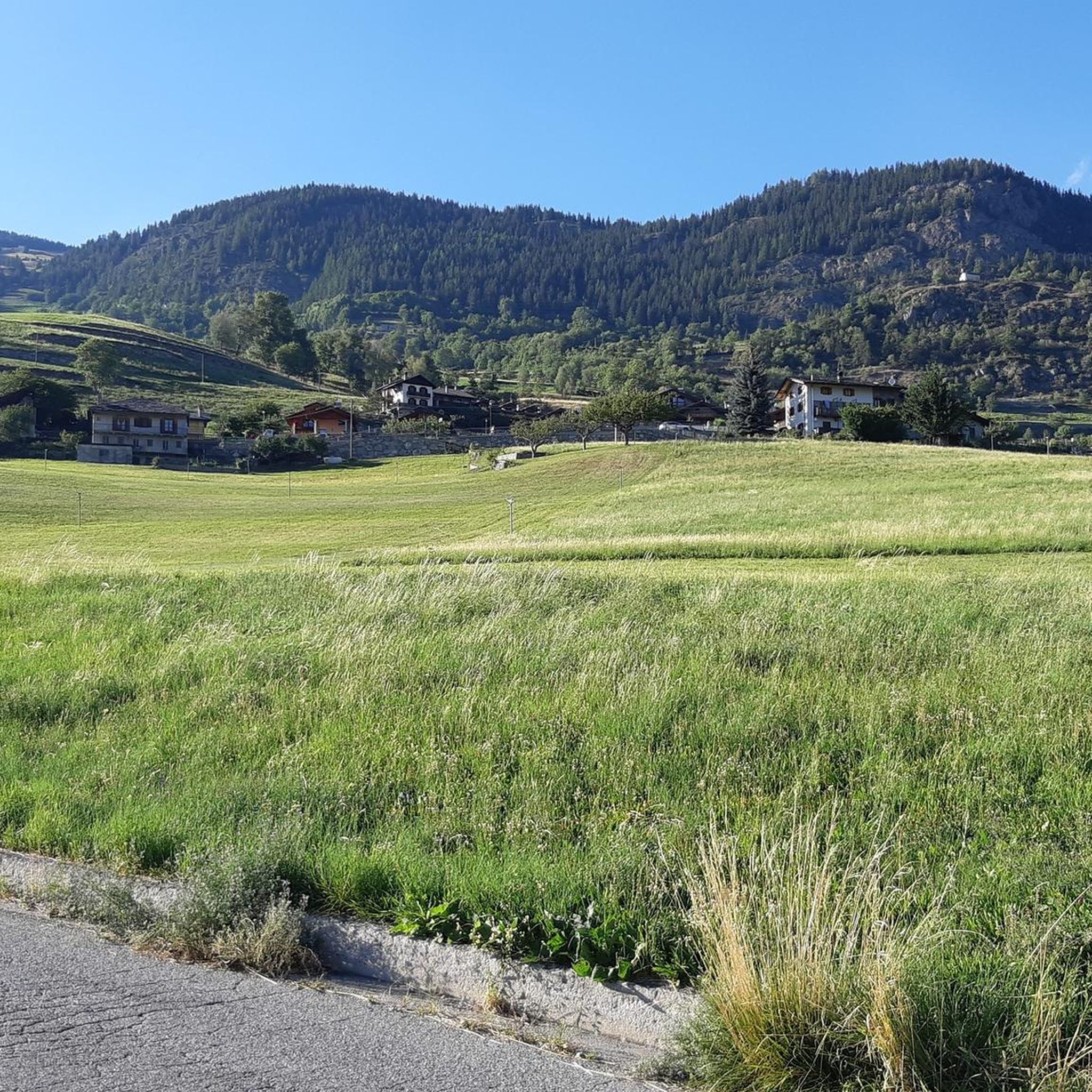
Road Cycling Routes around Doues

Gravel biking around Doues
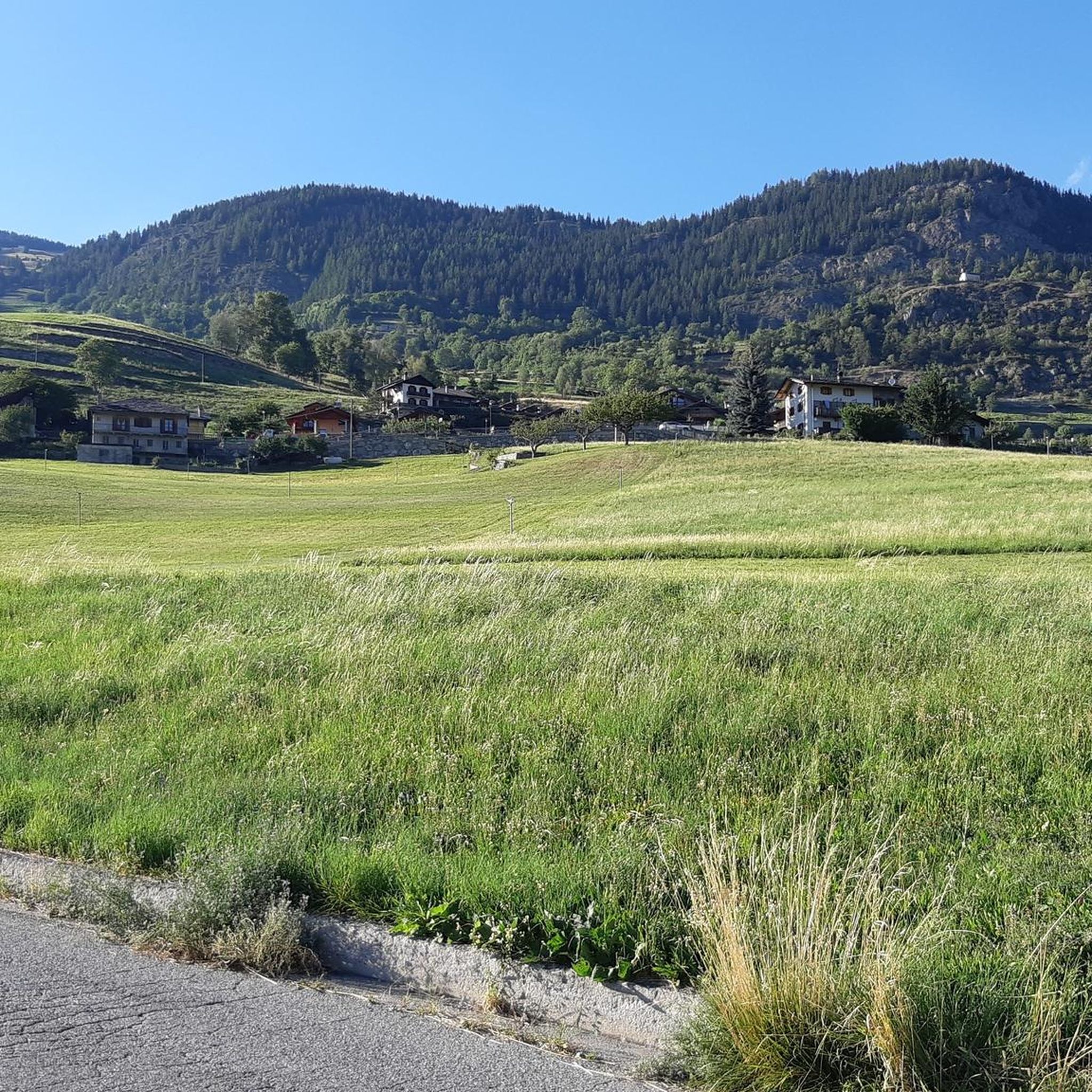
Cycling around Doues
Running Trails around Doues
Other adventures around Doues


Tips from the Community

Mountain tour through woods and spectacular panoramas
0
0

From the Italian side, you mostly have to carry the bike or use rails. Short sections are rideable. The descent into Val Ferret is mostly good, somewhere between S1 and S2. In some places, I had to carry/push the bike because it was too heavy. It took me about 25-30 minutes from the pass to Plan de la Chaux.
1
0

currently the railway line is interrupted but we managed to leave from Chatillon by bus loading the bikes towards Aosta, then take the cycle path along the Dora Baltea mostly downhill. we found some interrupted sections with diversions
0
0

The Mont Fallère Refuge, at 2,385 m, is located in the valley between Mont Fallère and Monte Rosso di Vertosan. It offers 50 beds in rooms with bathrooms, and has a restaurant with typical cuisine. Open in summer, it can be reached on foot or by mountain bike.
1
1

I recommend choosing the classic crossing via Col de Ferret. In contrast to the Fenetre de Ferret, the climb is partly rideable and the view of the Mont Blanc massif is much more spectacular.
1
0

https://youtu.be/Li5AlhVsZvI?feature=shared Push up about 300m from St. Bernhard, then you'll have an incredible panorama of the entire Mont Blanc massif. The trail meanders down through the glacier lakes. One of the most beautiful places in the world.
1
0

This pass presents no alpine difficulties on either side.
0
0

The regional capital is located in the middle of the valley of the same name. The city still has the layout of the old Roman castrum, and in the car-free centre several monuments recall the Roman period. Aosta was a lively religious centre in the Middle Ages. St. Anselm, the later Archbishop of Canterbury who died in 1109, was born here. Today Aosta is a busy tourist hub at the crossroads of the roads to the Great St. Bernard Pass and Switzerland.
7
0
Frequently Asked Questions
What kind of attractions can I expect to find around Doues?
Doues, known as the "sunny terrace of the Valpelline valley," offers a mix of historical sites, stunning natural landscapes, and mountain refuges. You'll find ancient Roman landmarks, picturesque chapels, and numerous trails leading to panoramic viewpoints and alpine huts.
Are there any notable historical sites in or near Doues?
Yes, Doues has a rich history. You can visit the Émile Chanoux Square in Aosta, a central historical site named after a local resistance fighter. Another significant Roman landmark is the Porta Pretoria (Aosta), a well-preserved Roman city gate from the 1st century AD. The village itself is home to the Parish Church of Saint Blaise and several historic chapels, including the Chapel of Châtelair, which offers commanding views.
What are some of the best natural features or viewpoints to visit?
Doues is renowned for its panoramic views of Mont Emilius and the Aosta plain. For breathtaking vistas, consider a climb to the Champillon Pass. The Mont Fallère Refuge also provides an amazing panorama, and the Refuge du Vélan offers magnificent views of the Grand Combin and surrounding glaciers.
What outdoor activities can I do near Doues?
The area around Doues is perfect for outdoor enthusiasts. You can explore numerous summer excursions through unspoiled natural environments, including old irrigation channels and ancient paths. For specific routes, check out the hiking trails around Doues, cycling routes, or mountain biking trails.
Are there family-friendly attractions or activities around Doues?
Yes, several attractions cater to families. The Chaligne Hut is noted as family-friendly and makes for an ideal stopover. The Porta Pretoria (Aosta) is also considered family-friendly. For a leisurely natural experience, the walk around Ice Lake is ideal for families, and many trails are suitable for various skill levels.
What is the best time of year to visit Doues?
Doues offers different experiences depending on the season. Summer is ideal for hiking and exploring the natural environment, with many trails open. In winter, the area transforms into a destination for ski-mountaineering and snowshoeing, offering opportunities to discover local wildlife in the forests.
Are there places to eat or stay overnight near the attractions?
Yes, several mountain huts in the area offer amenities. The Mont Fallère Refuge provides delicious food and even luxury amenities like a sauna and jacuzzi for overnight guests. The Chaligne Hut is another great stopover with a restaurant, open from late June to mid-September. The Refuge du Vélan also offers comfortable accommodation for mountaineers.
What are some unique cultural events held in Doues?
Doues hosts several traditional events. The Coumba Freida Historic Carnival commemorates Napoleon's march through the Great Saint Bernard Pass. In August, the Italian Alpine Troopers' Feast takes place in Champillon, featuring a Holy Mass and communal lunch. The village also celebrates with a Polenta Festival, highlighting a regional culinary staple.
Are there any challenging hikes or routes for experienced adventurers?
Yes, for more experienced hikers, ascending to the Champillon Pass offers breathtaking vistas. The Mont Avic Nature Park, close to Doues, provides additional challenging hiking opportunities. Notable routes include the demanding hike to Col Fenêtre and the scenic route to the Arbolle Refuge. You can find more challenging routes in the hiking guide for Doues, such as the Alta Via 1: Aosta Valley - Stage 13.
What do visitors enjoy most about the attractions around Doues?
Visitors frequently praise the stunning panoramic views from various points, especially from refuges like Mont Fallère Refuge. The historical significance of sites like Émile Chanoux Square and Porta Pretoria is also highly appreciated. The welcoming atmosphere and good food at mountain huts, such as Chaligne Hut, are often highlighted by the community.
Are there any wheelchair-accessible attractions in the area?
The Émile Chanoux Square in Aosta is noted as wheelchair accessible, allowing visitors to experience this historical and aesthetic central square.
Most popular routes around Doues
Most popular attractions around Doues

Get inspired with the komoot mobile app


Explore more
Still not found the Highlight you’re looking for? See guides of the top attractions in other regions:
