Top 10 Castles around Verrayes
Best castles around Verrayes offer a glimpse into the rich history of the Aosta Valley. This region is characterized by its mountainous terrain and strategic locations, which historically led to the construction of numerous fortified structures. Verrayes itself is a charming town, serving as a gateway to exploring the surrounding historical landmarks. The area provides a blend of cultural heritage and natural landscapes, with more than 10 castles to discover.
Best castles around Verrayes
- The most popular castles is Fénis…
Last updated: October 4, 2026
Fénis Castle
Highlight • Castle
Combining …
Showing Translation
Tip by

Quart Castle
Highlight • Castle
Translated by Google •
Tip by

Sign up now to discover places like this
Get recommendations on the best single tracks, peaks, & plenty of other exciting outdoor places.
Bovaye - Castello Gamba
Highlight • Castle
Translated by Google •
Tip by

Ussel Castle
Highlight • Castle
Showing Translation
Tip by

View of Nus Castle
Highlight (Segment) • Viewpoint
Translated by Google •
Tip by

Sign up for free to discover even more castles around Verrayes.
Already have an account?



Tips from the Community

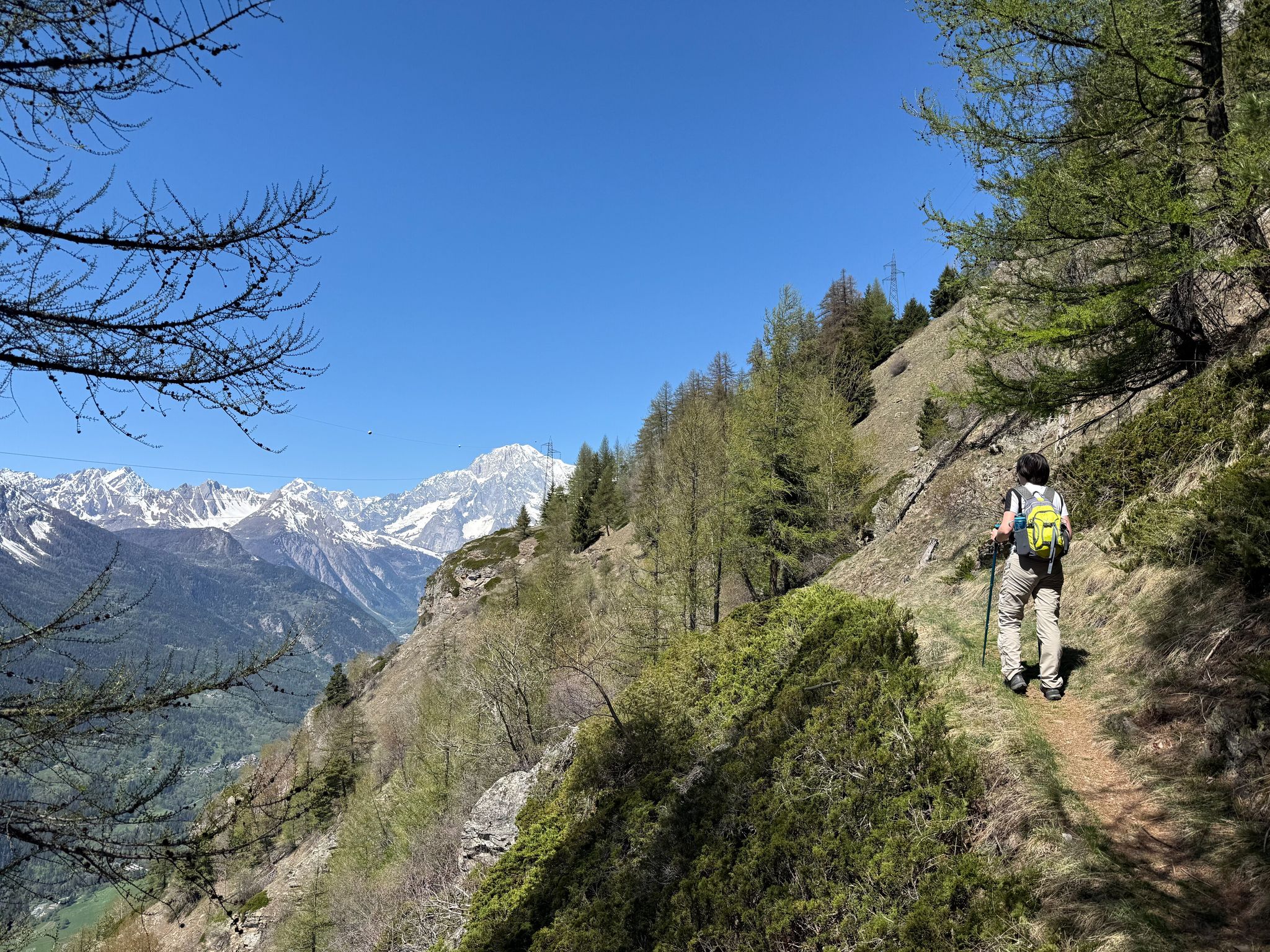
The Ussel Castle, built around 1343 by the Challant family, is one of the first examples of a single-block castle in the Aosta Valley. From its dominant position, it offers a splendid view of the Châtillon plain and can be visited during the summer season for exhibitions and guided tours organized inside.
0
0

Great parking area for the start of the route
0
0

The Ussel Castle is a fortress that dominates the Aosta Valley and marked an era. Built in the mid-14th century by Ebalo II of Challant, it is not the classic castle with many towers, but a single, large, and imposing compact structure. Its position is incredible: it is located at an altitude of 650 meters, on a rocky promontory that seems made specifically to control the entrance to the Valtournenche and the entire plain of the Dora Baltea. From its walls, you have a breathtaking view that spans the entire valley. After centuries of abandonment and ruin, in the late 1980s the castle had a second life thanks to a restoration funded by Baron Marcel Bich (yes, the one from BIC pens). Today it is owned by the Region and, after hosting several exhibitions, it is a magnificent panoramic viewpoint that tells a story of power, architecture, and rebirth, uniting nature and history in a single glance.
0
0
Quart Castle is currently (January 2025) undergoing conservation work. The work should be completed by summer 2025.
0
0

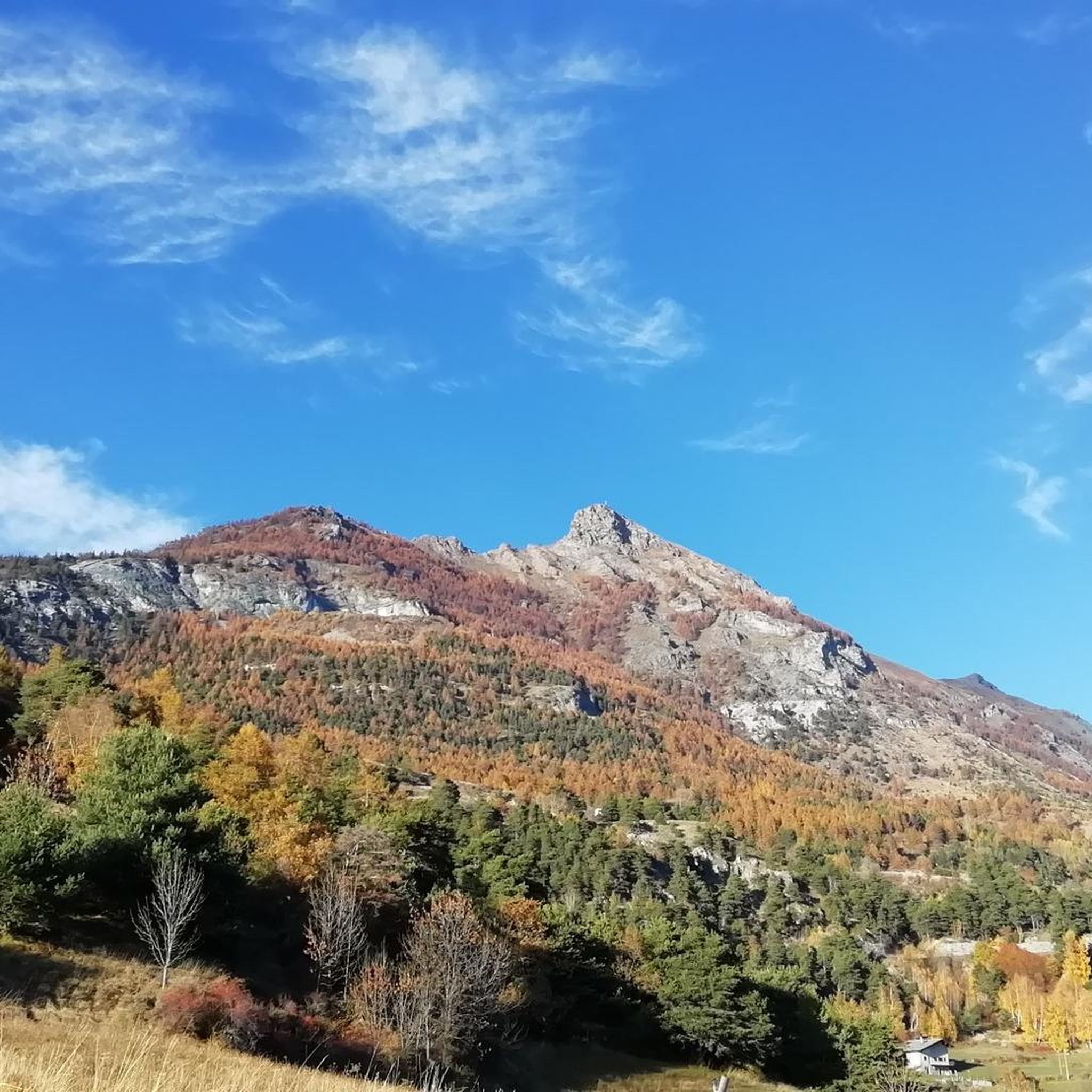
Travelling along the Via Francigena from Aosta to Nus, just before Quart you come across this Castle built on a hill, an enchanting and solitary place.
0
0


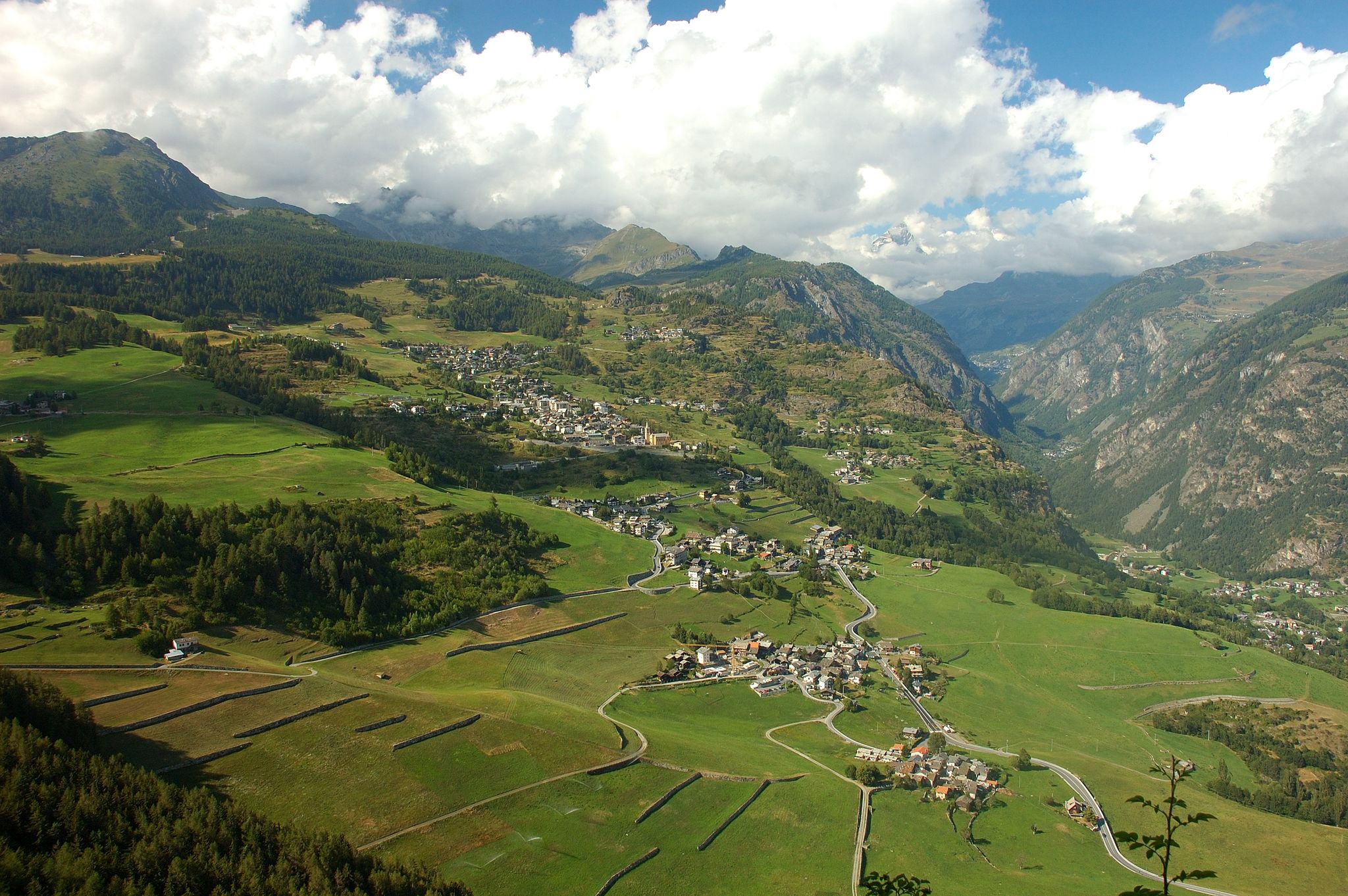
The Castello Gamba, also known as Castello Baron Gamba, is a palazzo of 20th century origins in the town of Châtillon, located on a hill in the western region of the city, near the regional hotel school. Surrounded by a park open to the public all year round, the castle offers spectacular views over the valley. It was built as a summer residence and is named after its owner, the Turin baron Carlo Maurizio Gamba. The building's architecture, influenced by the medieval revival style of the time, includes two symmetrical wings that protrude slightly from the front of the castle. Located on the rocky cliff of Crêt-de-Breil, the castle overlooks the Dora Baltea and was originally built as a declaration of love by Baron Gamba to his beloved wife, Angélique Passerin d'Entrèves, originally from Châtillon. Inside, the castle houses the Museo di Arte Moderna e Contemporanea della Valle d'Aosta, with a permanent exhibition of more than 150 works, including those of the famous Romantic painter J.M. William Turner and other artists of the 19th and 20th centuries.
6
0
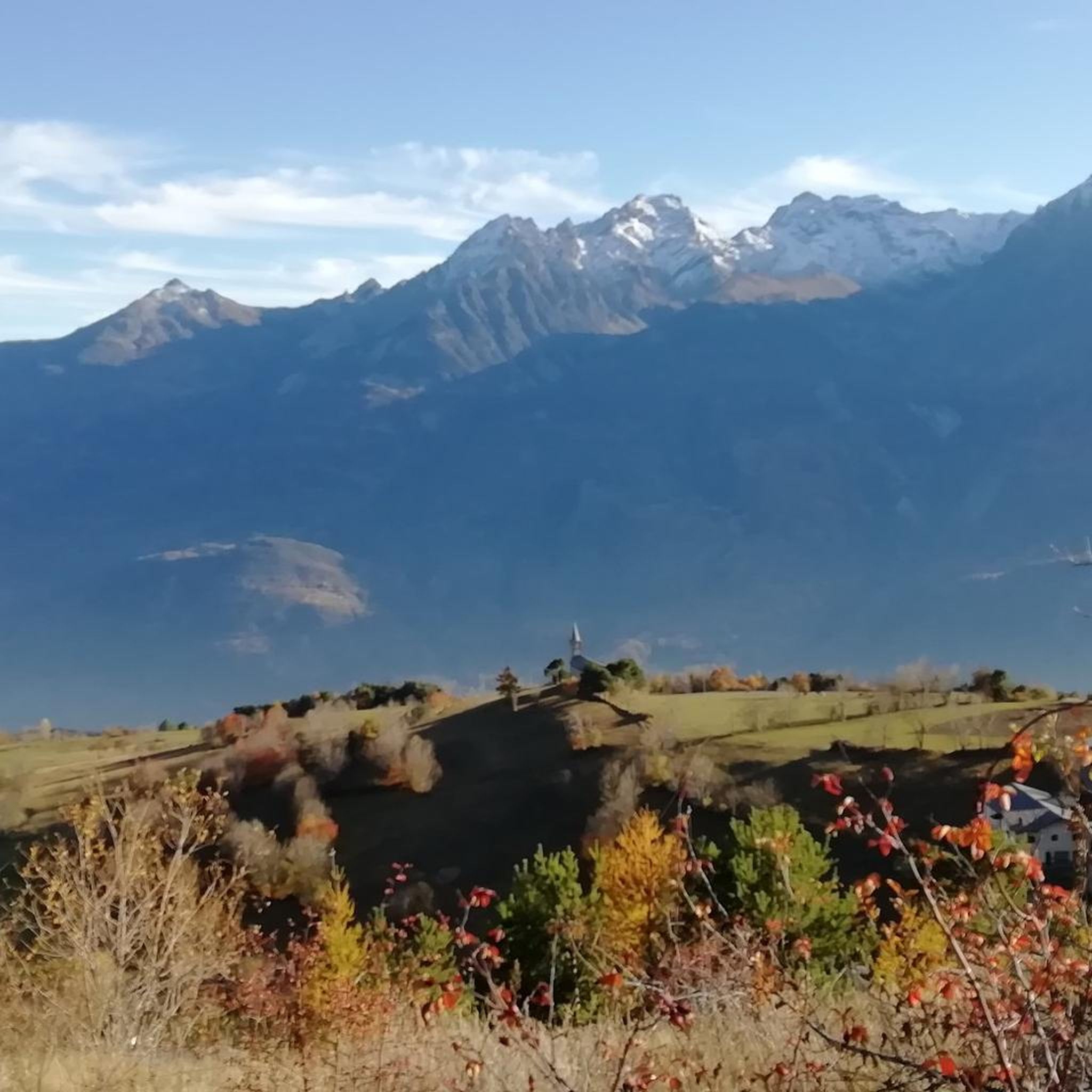
The worked wooden furniture in this imposing fort is typical of the Aosta Valley. In the courtyard and in the chapel, frescoes from the Gothic workshop of Giacomo Jacquerio depict the lives of the most important saints and those of many wise men and philosophers.
6
0
Frequently Asked Questions
What are some of the most historically significant castles near Verrayes?
The region around Verrayes is rich in history. Fénis Castle is a famous medieval castle known for its towers and battlements, originally a prestigious residence for the Challant family. Quart Castle stands majestically on a high rocky cliff, offering remarkable landscape views. Saint-Marcel Castle is an example of a 'monobloc castle' built on earlier fortified remains. Additionally, Cly Castle in nearby Saint-Denis, dating back to the early 11th century, is one of the oldest in the Aosta Valley and offers a strong sense of medieval history.
Are there any castles directly within Verrayes itself?
Verrayes itself does not host a major, publicly accessible traditional castle. The most notable fortified historical structure is the Maison Saluard, a medieval fortified house. However, it is largely in disrepair, privately owned, and generally not open to visitors. For a related historical experience, the nearby Chapel of Saint Michael, also built by Jean Saluard, might be more accessible.
Which castles offer the best panoramic views?
Several castles in the area provide excellent viewpoints. Cly Castle, though partially in ruins, is strategically positioned on a rocky promontory and offers spectacular views of the central valley and surrounding mountains. Quart Castle also provides remarkable landscape views from its high rocky cliff. Bovaye - Castello Gamba is surrounded by a park with spectacular views over the valley, and the Bridge over the Dora offers a beautiful perspective of Ussel Castle perched on its rock spur.
Are there family-friendly castles to visit near Verrayes?
Yes, several castles are suitable for family visits. Fénis Castle, Saint-Marcel Castle, Quart Castle, and Bovaye - Castello Gamba are all categorized as family-friendly. They offer historical insights and often have grounds or views that children can enjoy.
What outdoor activities can I do near these castles?
The region around Verrayes is excellent for outdoor activities. You can find numerous hiking, running, and mountain biking trails. For example, there are challenging running routes like the 'View of the Alps loop from Mongnod' and 'Cuney Oratory Refuge – Rifugio Magià loop'. Mountain bikers can explore trails such as the 'Gravel Balcony Road – Matterhorn view in Gilliarey loop' or the 'Fénis Castle loop'. Hikers can enjoy routes like the 'Cammino Balteo Stage 9 and Via Francigena Loop' or the 'Becca d'Aver Summit Trail'. You can find more details on these activities in the Hiking around Verrayes, Running Trails around Verrayes, and MTB Trails around Verrayes guides.
Are there hiking trails that pass by or connect these castles?
Yes, many trails in the Aosta Valley connect historical sites. For instance, the Via Francigena route passes next to Quart Castle. There are also hiking routes, such as the Ru Marseiller, that pass by Cly Castle, connecting it geographically and historically to Verrayes. The 'Cammino Balteo Stage 9 and Via Francigena Loop' is a difficult hiking route that covers 19.6 km and offers a chance to see multiple landmarks.
What is the best time of year to visit the castles around Verrayes?
The best time to visit the castles and enjoy outdoor activities around Verrayes is generally during the warmer months, from late spring to early autumn (May to October). During this period, the weather is pleasant for exploring castle grounds and hiking. Guided tours for castles like Cly Castle are mainly available in the summer. Winter can offer a different, often snowy, perspective, but some access might be limited, and outdoor activities require appropriate gear.
Are there any castles that are more ruins than preserved structures?
Yes, Cly Castle in Saint-Denis is a prime example of a castle that is largely in ruins. It offers a fascinating opportunity to explore medieval remnants, including its mighty donjon and extensive boundary walls. While partially ruined, its historical significance and panoramic views make it a compelling site to visit.
What kind of art and architecture can I expect to see in these castles?
The castles showcase various architectural styles and artistic elements from different periods. Fénis Castle features a semi-circular stone staircase and wooden balconies, with 15th-century frescoes of Saint George and other saints. Maison Saluard historically contained popular Gothic-style frescoes from the mid-15th century. Cly Castle, a 'primitive' type, features a mighty donjon and once had fragments of frescoes in its Romanesque chapel. Bovaye - Castello Gamba, a 20th-century palazzo, houses the Museo di Arte Moderna e Contemporanea della Valle d'Aosta, with works by artists like J.M. William Turner.
Is public transport available to reach the castles?
While specific public transport routes directly to every castle can vary, the Aosta Valley has a regional bus network. It's advisable to check local bus schedules for connections from Verrayes to the municipalities where the castles are located, such as Saint-Denis for Cly Castle, or the areas around Fénis, Quart, and Saint-Marcel. Some castles, like Quart Castle, are accessible by car or on foot along routes like the Via Francigena.
Are there any castles with museums or exhibitions inside?
Yes, Bovaye - Castello Gamba (also known as Castello Baron Gamba) houses the Museo di Arte Moderna e Contemporanea della Valle d'Aosta. It features a permanent exhibition of over 150 works by 19th and 20th-century artists, including J.M. William Turner, offering a cultural experience alongside the historical architecture.
What makes Fénis Castle unique compared to other castles in the region?
Fénis Castle is unique because, unlike many defensive castles built on inaccessible peaks, it is located on a gentle hill without natural defenses. It was primarily intended as a prestigious residence for the Challant family, combining fortification characteristics with noble living spaces. Its distinctive abundance of towers, battlements, and a courtyard with a semi-circular stone staircase and wooden balconies make it visually striking and different from more purely military structures.
Most popular routes around Verrayes
Most popular attractions around Verrayes

Get inspired with the komoot mobile app


Explore more
Looking for the best castles somewhere else? Discover other guides around Verrayes:
