The best cycling routes around Jovençan
4.5
(431)
9,505
riders
163
rides
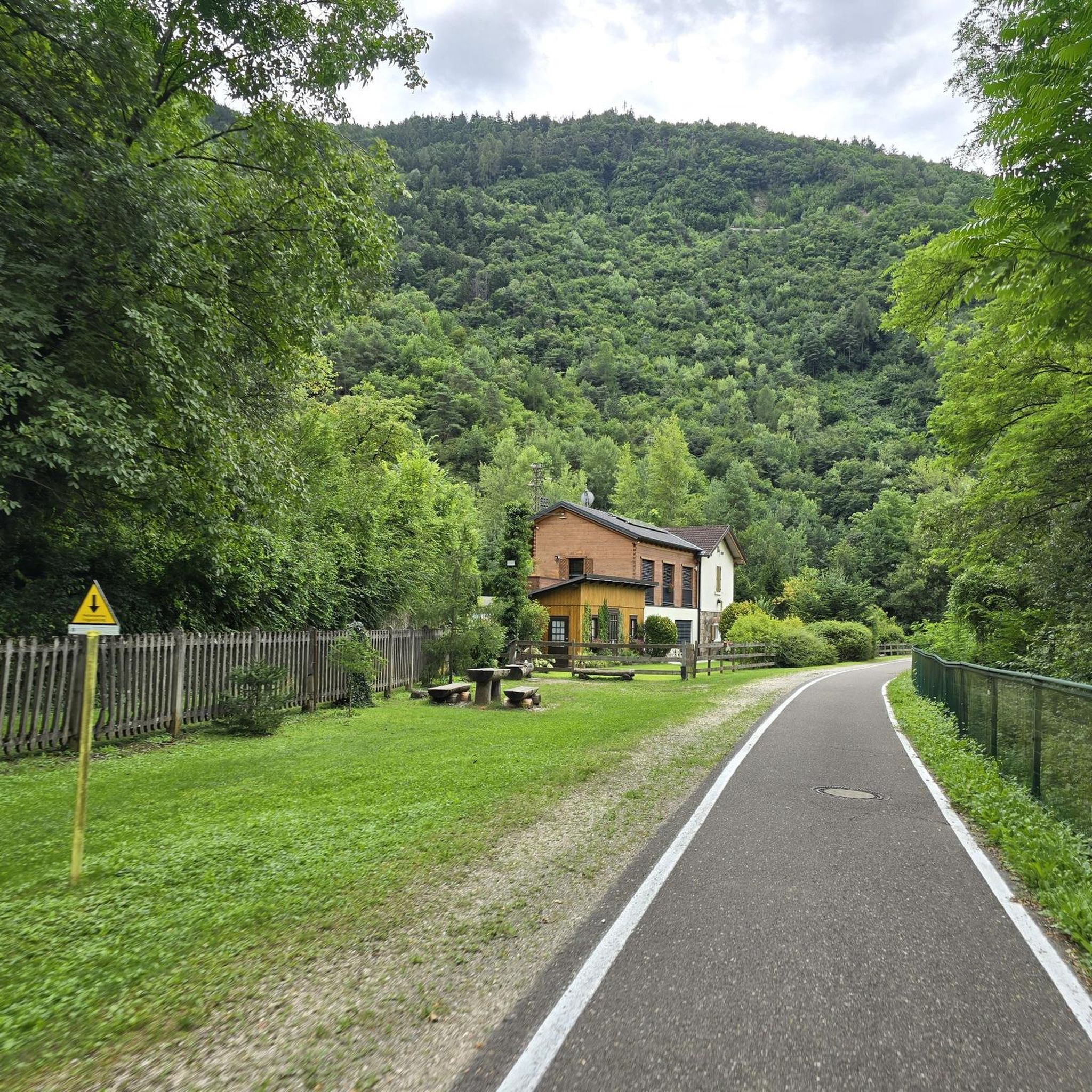
Touring cycling around Jovençan offers routes through the Aosta Valley, characterized by vineyards, orchards, and the Dora Baltea river. The terrain includes gentle valley rides and ascents into the surrounding alpine environment. This region provides a network of routes suitable for various skill levels, with views of imposing alpine peaks.
Best touring cycling routes around Jovençan
- The most popular touring cycling route is Arch of Augustus – Porta Pretoria (Aosta) loop from Sarre, a 9.5 miles (15.2 km) trail…
Last updated: July 5, 2026
4.5
(25)
164
riders
24.5km
01:28
120m
120m
Easy bike ride. Great for any fitness level. Mostly paved surfaces. Suitable for all skill levels.
4.0
(4)
103
riders
14.9km
00:54
80m
80m
Easy bike ride. Great for any fitness level. Mostly paved surfaces. Suitable for all skill levels.

Sign up for free
3.5
(2)
92
riders
19.0km
01:07
80m
80m
Easy bike ride. Great for any fitness level. Mostly paved surfaces. Suitable for all skill levels.
4.5
(2)
75
riders
23.8km
02:01
830m
830m
Hard bike ride. Very good fitness required. Mostly paved surfaces. Suitable for all skill levels.
5.0
(2)
27
riders
33.3km
03:22
1,400m
1,400m
Hard bike ride. Very good fitness required. You may need to push your bike for some segments of this route.
Get access to more routes and recommendations from other explorers.
Sign up for free
Already have an account?
Our route recommendations are based on thousands of hikes, rides, and runs completed by other people on komoot.
Start today with a free account
Your next adventure awaits.
Login or Signup

Tips from the Community

Mountain tour through woods and spectacular panoramas
0
0

A long and beautiful ascent at a steady pace that rewards you with exceptional views upon arrival!
0
0

Pila is a mountain resort located at about 1,800 meters above Aosta, known for both winter sports and summer activities. Its position makes it a privileged panoramic viewpoint: on clear days, the view opens up over a large part of the Aosta Valley Alpine arc, from Mont Blanc to the Matterhorn to Monte Rosa.
0
0
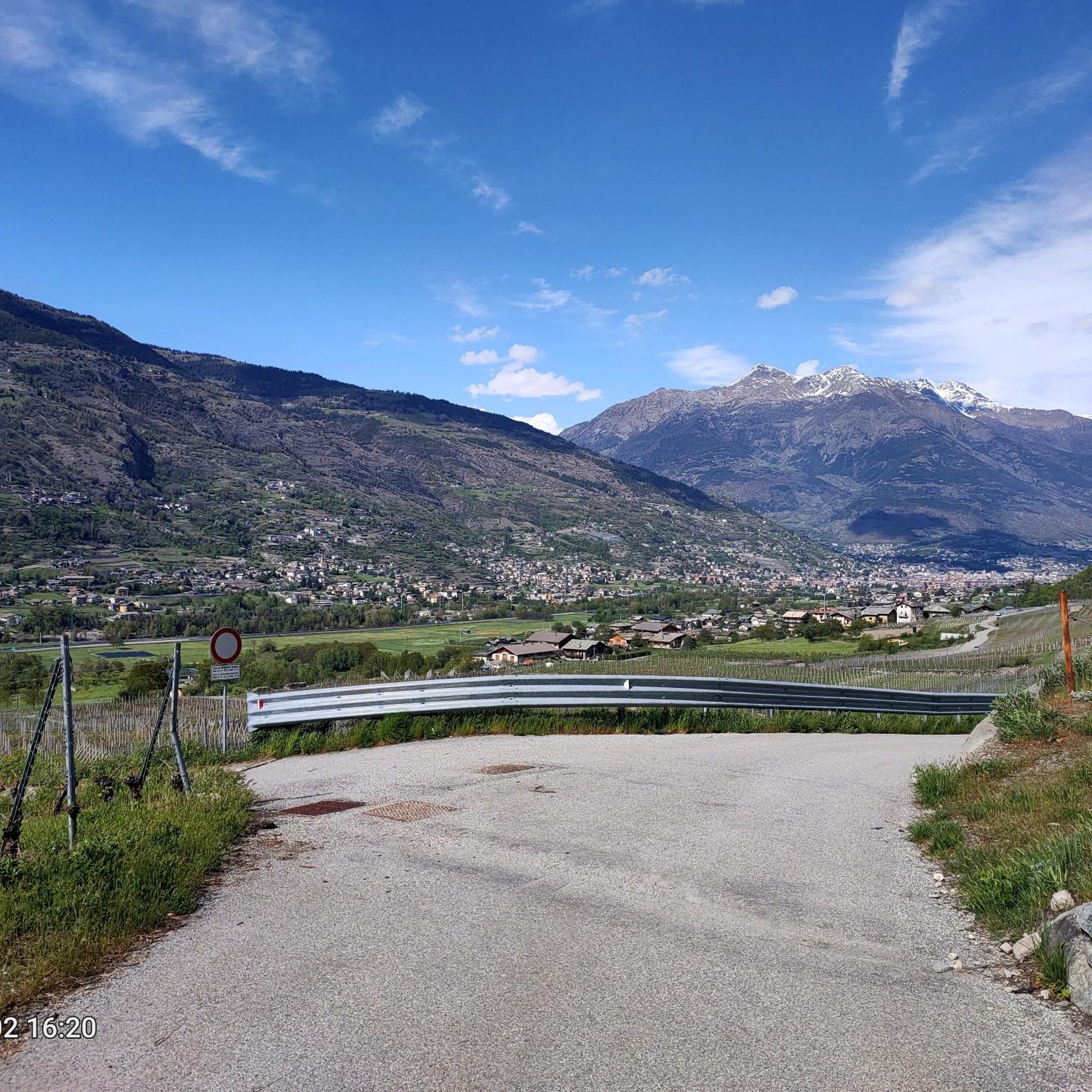
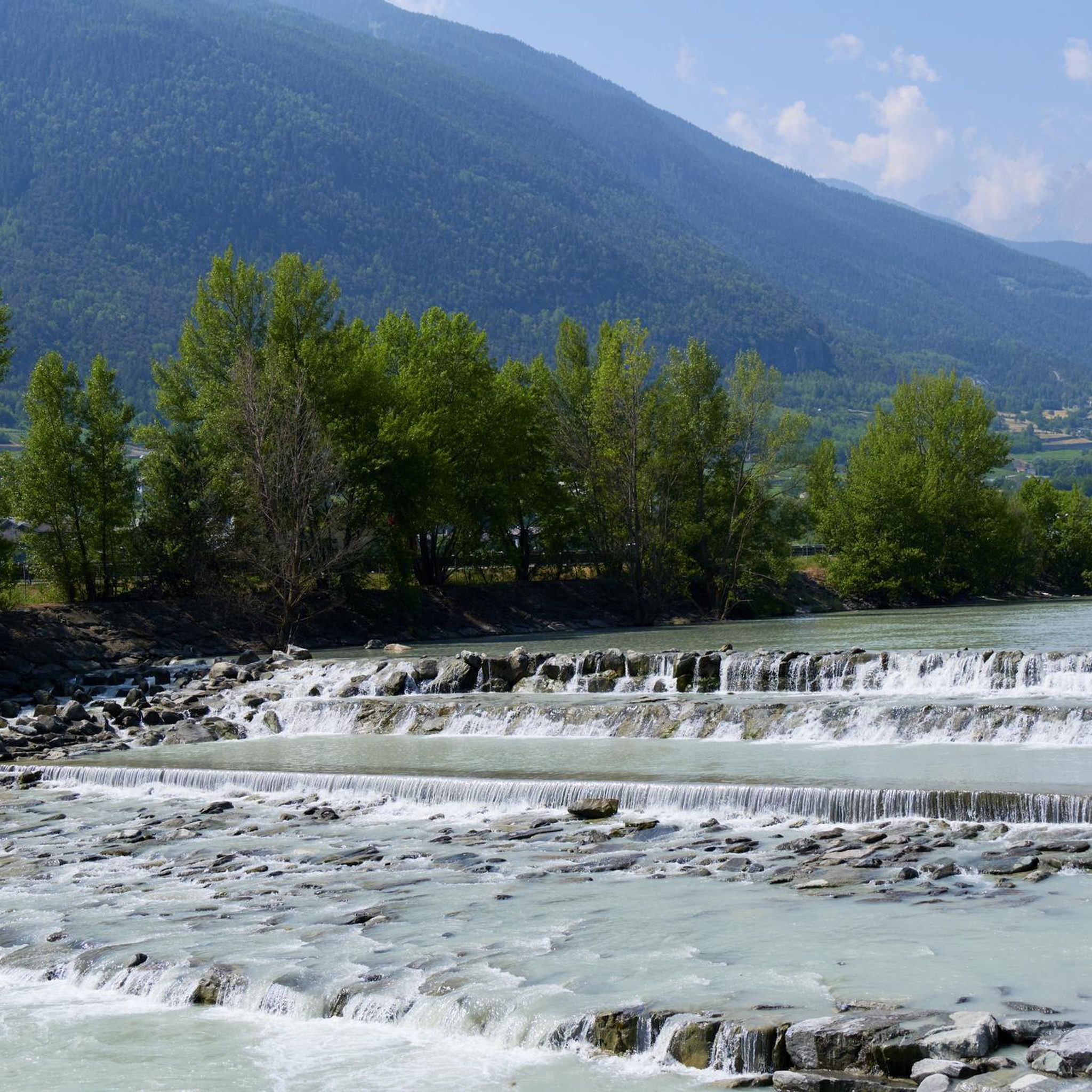
Valley floor access point a few minutes from Aosta, located near the confluence of the Dora Baltea and the Buthier stream. Several ascents to the surrounding slopes start from here.
0
0


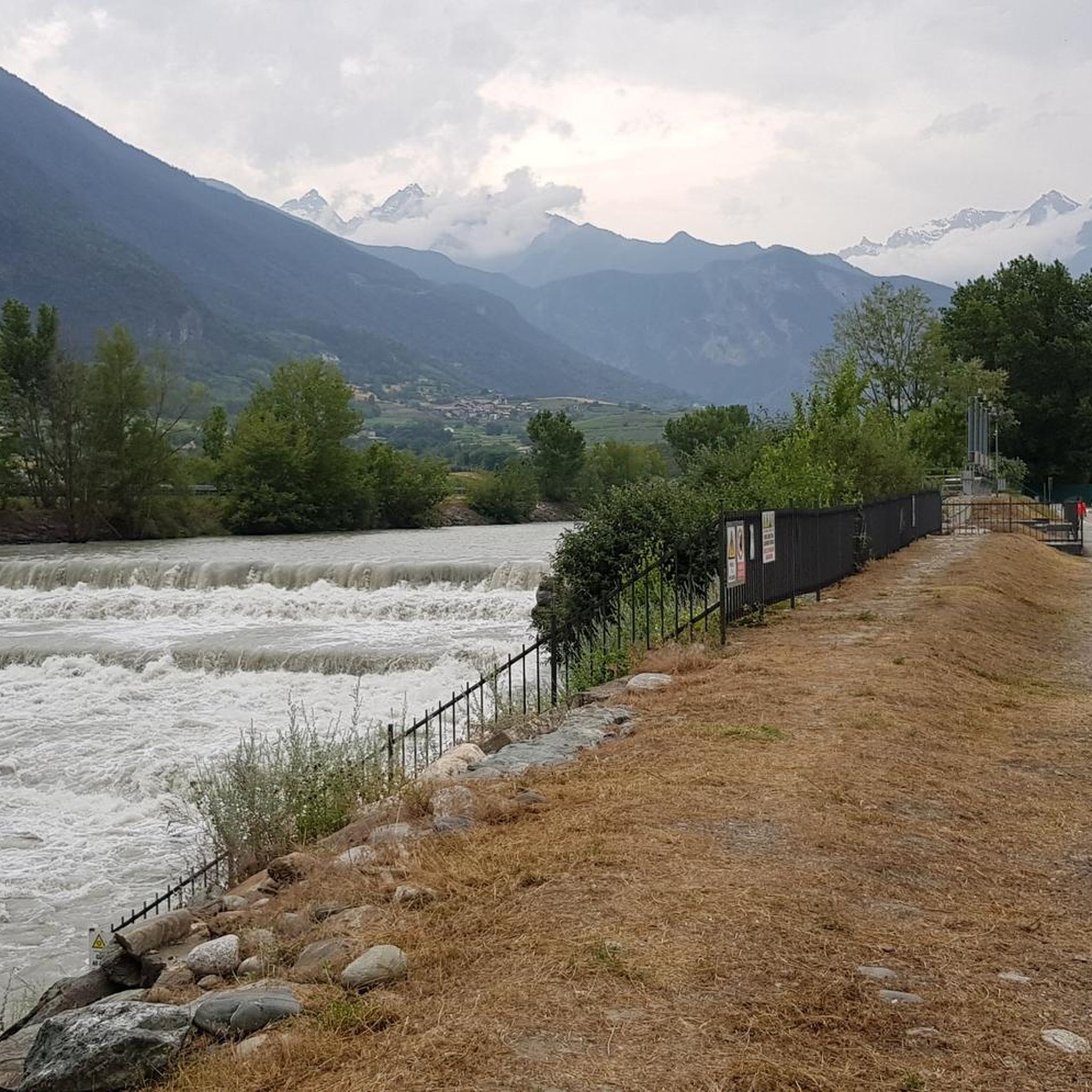
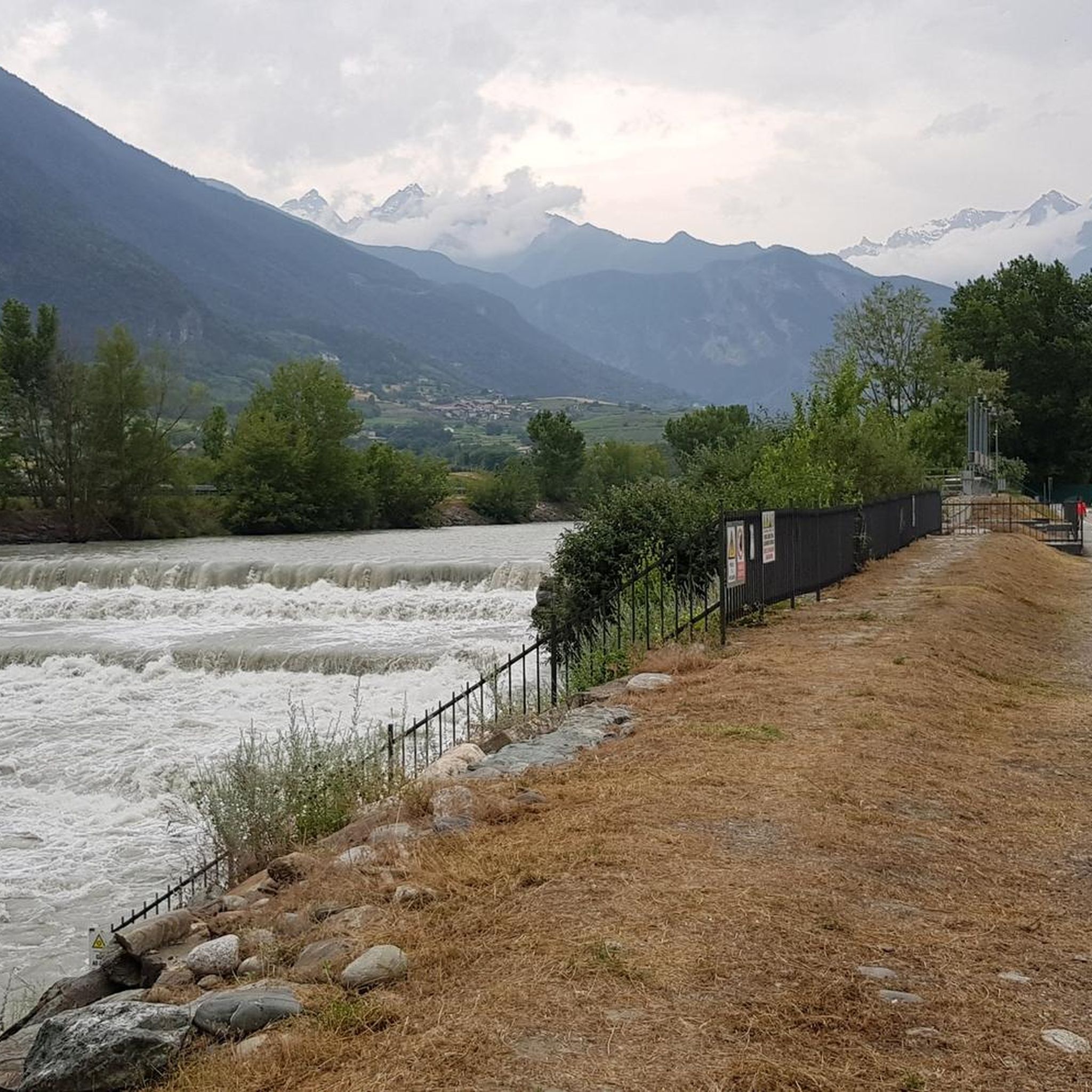
At the gates of Gressan, next to the Dora Baltea and along the cycle path that connects Sarre to Pontey, there is the splendid green area "Les Îles". Extending over a surface area of 38,959 m2, it is dedicated to the practice of traditional games and surrounded by a 1,028-meter cycle ring, which can also be used as a fitness trail, jogging track and roller skating track. The area is equipped with a children's playground, an artificial sports climbing gym, two fountains and numerous benches. Access is free, but in some periods of the year it may be partially limited to allow training and competitions of traditional local games such as rebatta, fiolet and tzan. In particular, from March 1 to May 31 and from September 1 to October 15, a part of the area and the related section of the cycle path are reserved for these activities. In the immediate vicinity there are bars, restaurants and a private sports center with a swimming pool and padel courts, both indoor and outdoor, with catering service. The entire area is connected to the Montfleury sports center in Aosta via a cycle/pedestrian walkway that crosses the Dora Baltea and is served by two convenient parking lots.
0
0

Frequently Asked Questions
How many touring cycling routes are available around Jovençan?
There are over 140 touring cycling routes to explore around Jovençan, catering to various skill levels and preferences. You'll find options ranging from gentle valley rides to more challenging alpine ascents.
Are there any easy touring cycling routes suitable for beginners or families?
Yes, Jovençan offers several easy touring cycling routes. The Arch of Augustus – Porta Pretoria (Aosta) loop from Sarre is an easy 15.2 km trail that takes less than an hour. Another great option is the Les Îles Green Area loop from Gressan, which is just 6.6 km. The Baltea Cycle Route, running alongside the Dora Baltea river, is also an easy, mostly flat trail over 30 km long, ideal for relaxed rides and families.
What kind of terrain can I expect on touring cycling routes near Jovençan?
The terrain around Jovençan is diverse. You can expect routes that wind through lush vineyards and orchards, along ancient irrigation channels like the 'ru d'Arbérioz', and beside the Dora Baltea river. There are also routes with significant ascents into the surrounding alpine environment, offering a mix of paved roads, unpaved tracks, and ground paths.
Are there any circular touring cycling routes in the Jovençan area?
Many touring cycling routes around Jovençan are designed as loops, allowing you to start and finish in the same location. Examples include the Sarriod de La Tour Castle – Pollein Green Area loop from Jovençan and the Oratory at the Border – Leanton hamlet loop from Sarre.
What historical sites or landmarks can I see along the touring cycling routes?
Jovençan and its surroundings are rich in history. The Baltea Cycle Route connects to several iconic castles in the central valley, such as Aymavilles Castle and Saint-Pierre Church and Castle. You can also explore the Sarre Castle – Châtel-Argent Castle loop from Sarre, which passes by historical fortifications. The nearby city of Aosta, accessible via urban cycle paths, is known as the 'little Rome of the Alps' with its Roman ruins.
What natural features or viewpoints can I enjoy while cycling?
The region offers stunning natural beauty. You'll cycle through extensive vineyards and orchards, alongside the Dora Baltea River, and enjoy views of imposing alpine peaks. For panoramic vistas, consider routes that lead to viewpoints like Punta Replan or the Monte Emilius Summit.
What is the best time of year for touring cycling in Jovençan?
The Aosta Valley, including Jovençan, benefits from a favorable climate. Spring and autumn generally offer pleasant temperatures for cycling through vineyards and along valley routes. Summer is also popular, especially for higher alpine routes, though valley floors can be warmer. Winter cycling is possible on some lower routes but requires appropriate gear for colder conditions.
Are there any challenging touring cycling routes for experienced riders?
Yes, for experienced riders seeking a challenge, the broader Aosta Valley provides routes with significant elevation gains. The Oratory at the Border – Leanton hamlet loop from Sarre is a difficult 16.5 km trail with over 800 meters of elevation gain. The region also offers routes leading to major alpine passes for those looking for extensive climbs.
What do other touring cyclists enjoy most about cycling in Jovençan?
The touring cycling routes around Jovençan are highly rated by the komoot community, with an average score of 4.4 stars from over 300 reviews. Cyclists often praise the diverse landscapes, from lush vineyards to alpine vistas, and the variety of routes suitable for different ability levels. The blend of natural beauty and historical sites is also a frequently highlighted aspect.
Are there options for parking or public transport access to the cycling routes?
Jovençan is conveniently located just 7 km from Aosta, which serves as a hub for public transport. Many routes are accessible from various communes, and parking is generally available in the starting villages or near popular trailheads. The Baltea Cycle Route, for instance, connects several municipalities, making it accessible from different points.
Can I find amenities like cafes or accommodation near the cycling routes?
Yes, as Jovençan is part of the Aosta Valley, you'll find various amenities. Routes often pass through or near villages and towns where you can find cafes, restaurants, and accommodation options. The 'Giro delle Cantine' (Winery Tour) specifically connects Jovençan with neighboring communes, offering opportunities to discover local vineyards and eateries.
Most popular routes around Jovençan
Most popular attractions around Jovençan

Get inspired with the komoot mobile app


Explore more
Browse the best Cycling routes in other regions.
