Top 18 Mountain Passes around Arvier
Best mountain passes around Arvier serve as a gateway to significant Alpine passes in the wider Aosta Valley region. Situated at an elevation of 776 meters, Arvier provides access to routes connecting different areas. The region is characterized by its mountainous landscape and historical routes. These passes offer features for visitors exploring the Italian Alps.
Best mountain passes around Arvier
- The most popular mountain passes is Climb to Colle San Carlo from Morgex, a climb that features challenging gradients. The route offers views and passes through woods.
- Another must-see spot is Col Fetita, a mountain pass with an extensive panorama. The descent offers varied terrain.
- Visitors also love Tachuy Pass – France-Italy border, Mont Blanc ahead, a high mountain pass connecting Italy and France. It provides views of Mont Blanc.
- Arvier is known for various mountain passes, climbs, and viewpoints. The area offers a range of routes for different activity levels, from intermediate trails to challenging climbs.
- The mountain passes around Arvier are appreciated by the komoot community, with 9 upvotes and 11 photos shared.
Last updated: June 26, 2026
Tachuy Pass – France-Italy border, Mont Blanc ahead
Highlight • Mountain Pass
- On the Italian side, the path is rather well marked and is not very difficult and steep. It takes about twenty minutes to connect the Tachuy lake to the pass.
- On the French side the path is just as visible but a little more difficult because it is a little steeper. It takes about an hour to access it from the Petit lake.
- Be careful, potential presence of snow, even in summer (but in very reasonable quantity: we can get around...).
Translated by Google •
Tip by

Climb to Colle San Carlo from Morgex
Highlight (Segment) • Climb
The views and woods, however, make up for the effort
Translated by Google •
Tip by

Sign up now to discover places like this
Get recommendations on the best single tracks, peaks, & plenty of other exciting outdoor places.
Sign up for free
Le Pont (1920 m) – Gran Paradiso National Park
Highlight (Segment) • Mountain Pass
Translated by Google •
Tip by

Colle San Carlo
Highlight • Mountain Pass
Challenging and relentless climb, from a good military road it ascends with very regular gradients that allow, once you find your rhythm, to go steadily to the top without too much trouble.
From Pré-Saint-Didier:
Decidedly easy climb to La Thuile (gradients around 4-5%), from there the climb becomes challenging with severe gradients (although not like those of the more famous Morgex side).
Be careful, in summer, of traffic (on the descent, use great caution on both sides) and of the south-facing exposure which makes it very hot in the afternoon.
Showing Translation
Tip by

Ascent to the Col du Petit Saint-Bernard from Pré-Saint-Didier
Highlight (Segment) • Mountain Pass
The landscape is beautiful and evocative: from the legendary eight hairpin bends that allow you to leave Pré-Saint-Didier behind, you enter the cool valley that leads to La Thuile. After passing the ski resort, you quickly gain altitude with long straights, then enter the forest and conclude the climb in a vast alpine meadow.
Translated by Google •
Tip by
Sign up for free to discover even more mountain passes around Arvier.
Sign up for free
Already have an account?
Start today with a free account
Your next adventure awaits.
Login or Signup
Popular around Arvier
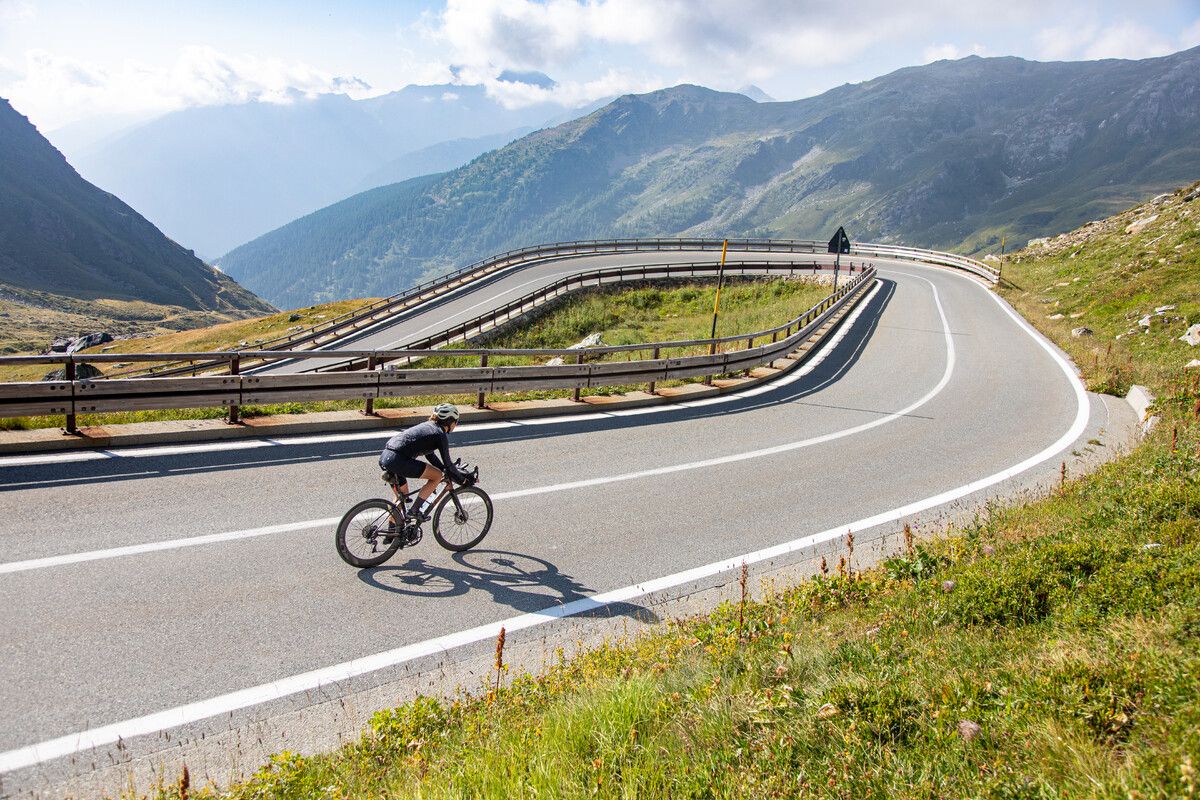
Road cycling in the Aosta Valley – major climbs and alpine routes
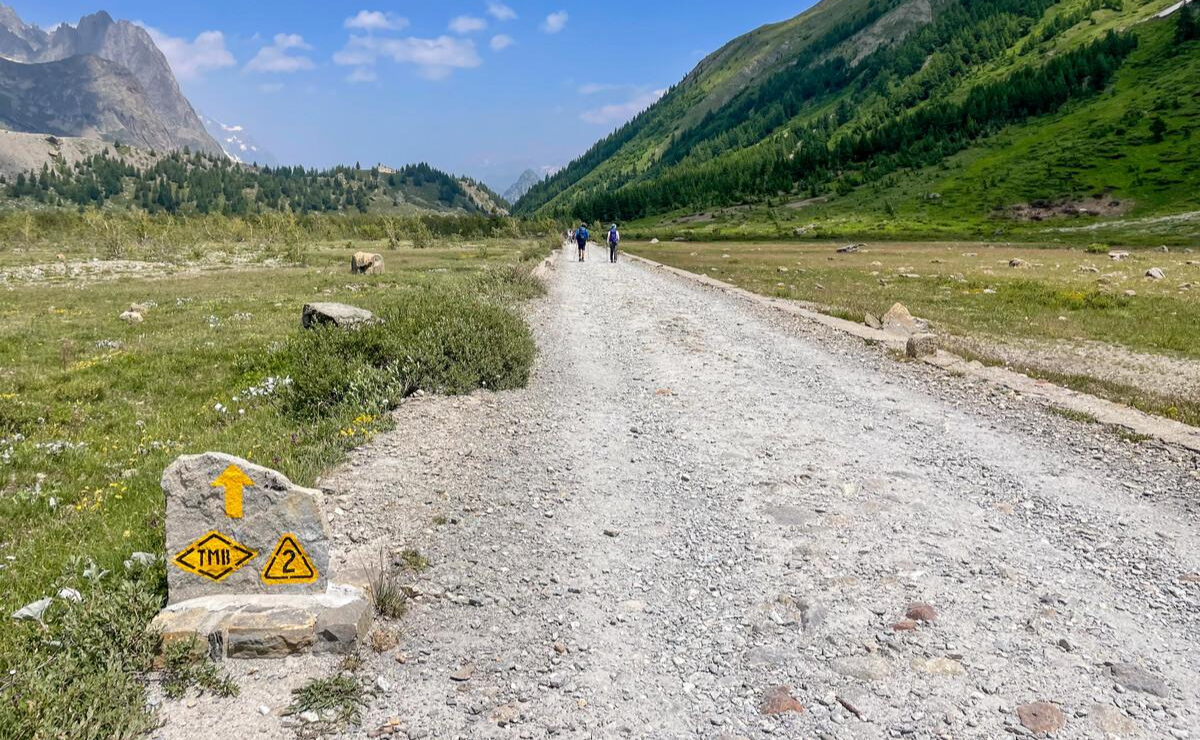
Alta Via n. 2 of the Aosta Valley — high peaks and beautiful valleys in Italy
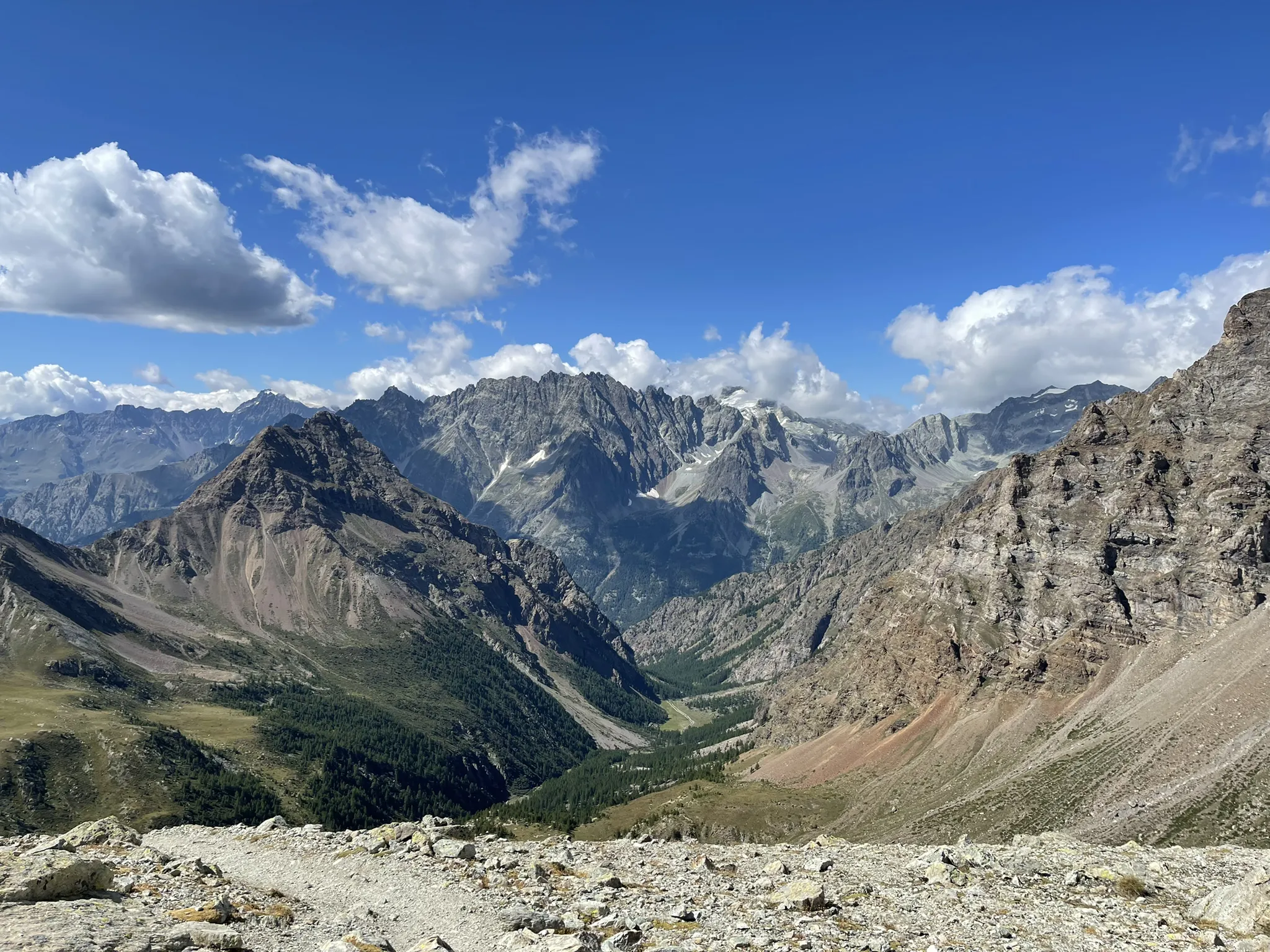
Running between the giants of the Alps – Tor des Géants
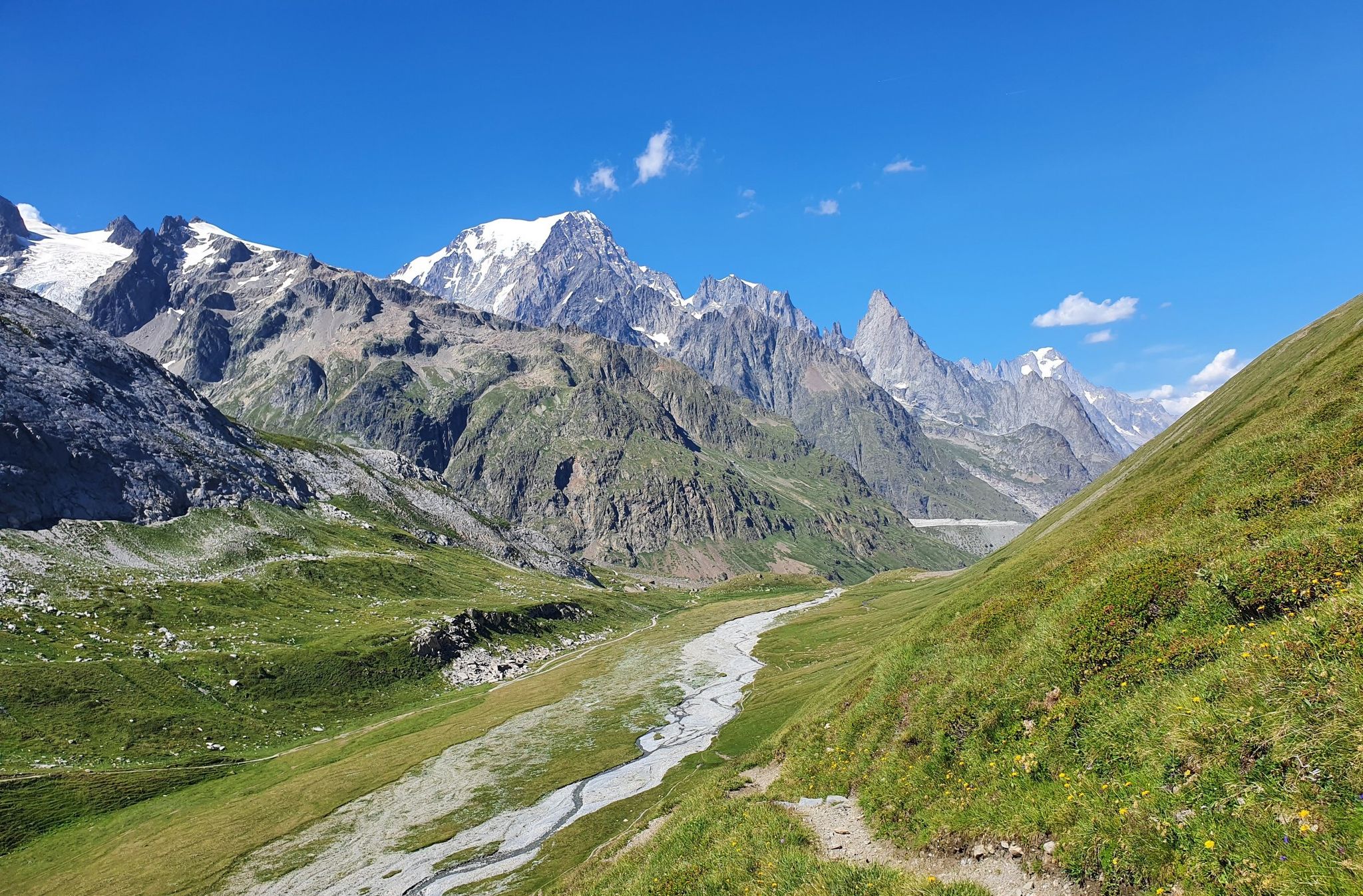
High peaks and beautiful valleys in Italy – Aosta Valley’s Alta Via Trail 2
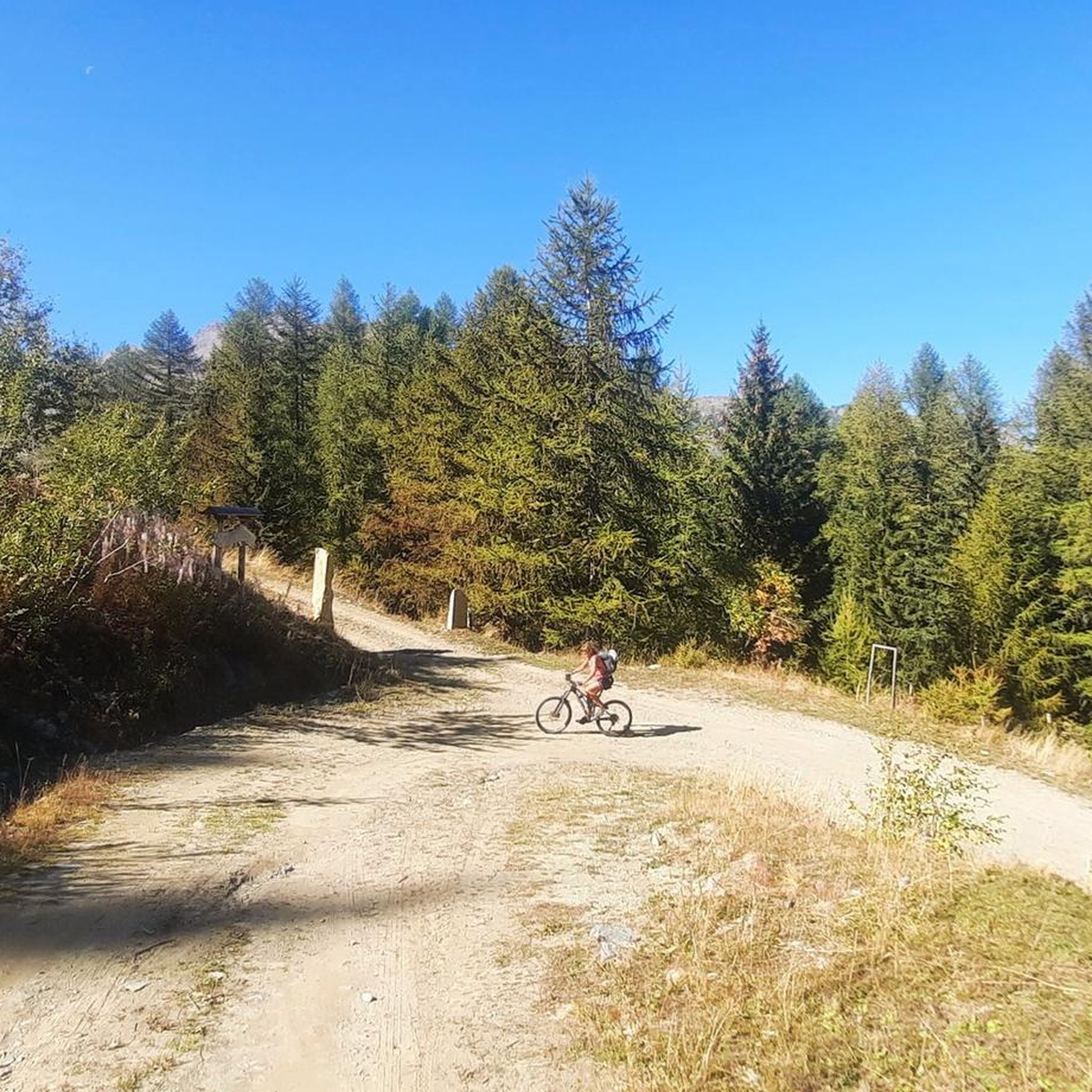
Hiking around Arvier
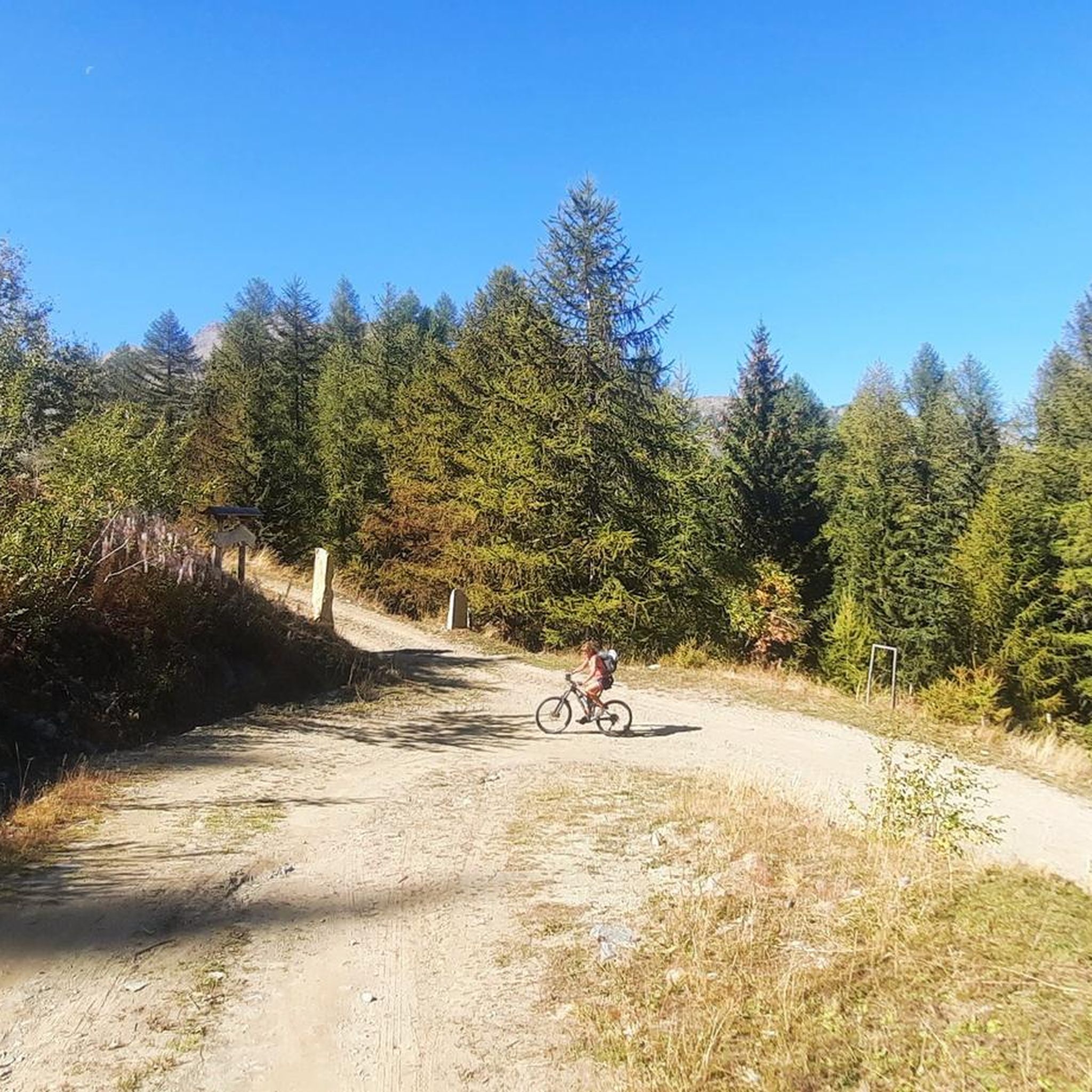
Road Cycling Routes around Arvier
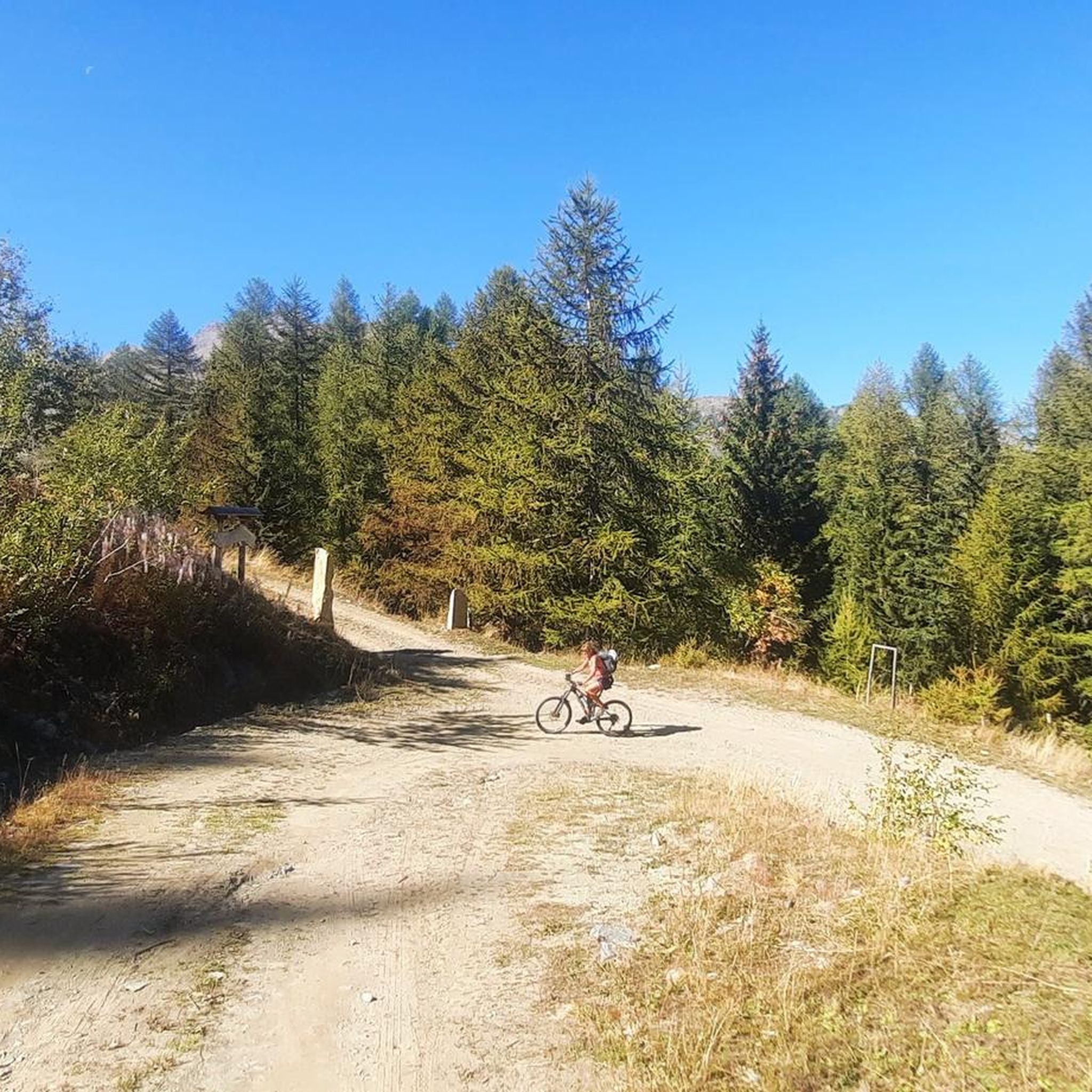
Cycling around Arvier
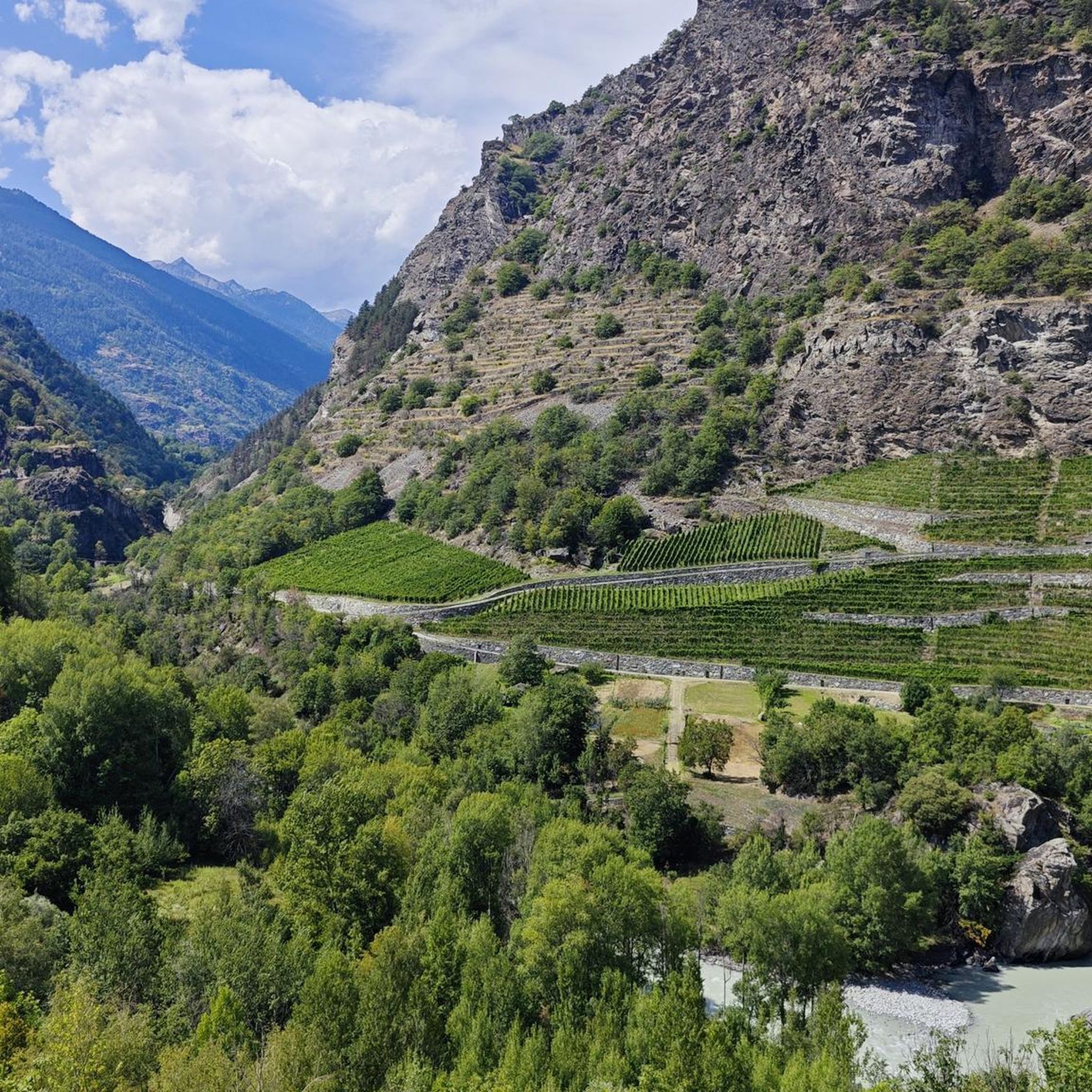
MTB Trails around Arvier
Running Trails around Arvier
Gravel biking around Arvier
Other adventures around Arvier


Tips from the Community

The climb winds through a majestic valley (personally my favorite), never reaching excessive gradients; it's long but pedalable, allowing you to fully enjoy the natural surroundings. Apart from the peak season, there's almost no traffic, although you might encounter a few campers, which can be annoying on the way down. If you tackle the climb during periods of the year when there aren't too many tourists, you might, like me, have pleasant encounters with ibex and chamois that have come down to road level.
1
0
A great Aosta Valley classic; the climb itself isn't too difficult, but be careful not to underestimate the wind that often blows strongly from France, making the 12 km from La Thuile to the pass much more challenging than the gradient suggests. The landscape is beautiful and evocative: from the legendary eight hairpin bends that allow you to leave Pré-Saint-Didier behind, you enter the cool valley that leads to La Thuile. After passing the ski resort, you quickly gain altitude with long straights, then enter the forest and conclude the climb in a vast alpine meadow.
2
0
From Morgex: Challenging and relentless climb, from a good military road it ascends with very regular gradients that allow, once you find your rhythm, to go steadily to the top without too much trouble. From Pré-Saint-Didier: Decidedly easy climb to La Thuile (gradients around 4-5%), from there the climb becomes challenging with severe gradients (although not like those of the more famous Morgex side). Be careful, in summer, of traffic (on the descent, use great caution on both sides) and of the south-facing exposure which makes it very hot in the afternoon.
6
0
A challenging and relentless climb, like a good military road, it climbs with very regular gradients that allow, once you find your rhythm, to easily reach the summit. Be careful, in summer, of traffic (use extreme caution on both sides when descending) and the southern exposure, which makes it very hot in the afternoon.
6
0

superb pass in a grandiose environment
1
0

A demanding climb for trained cyclists. 10 km, 1000 m elevation gain. Also known as Col d'Arpy.
1
0
The municipality of Pré-Saint-Didier with Mont Blanc in the background
0
1

From La Thuile a smooth and pleasant climb
1
0
Frequently Asked Questions
What are some of the most historically significant mountain passes accessible from Arvier?
Arvier serves as a gateway to several historically significant Alpine passes in the wider Aosta Valley region. These include the Great St. Bernard Pass, known for its ancient Roman road and hospice founded by Saint Bernard of Aosta, and the Little St. Bernard Pass, which features Roman ruins and an Iron Age stone circle. The Col du Mont Cenis also boasts a rich history, with connections to figures like Napoleon Bonaparte.
Which mountain passes near Arvier offer breathtaking panoramic views?
Many passes in the region provide stunning vistas. The Tachuy Pass offers a breathtaking view of Mont Blanc and the Grandes Jorasses. Col Fetita is praised for its great all-round panorama. The Great St. Bernard Pass also provides remarkable natural panoramas, including an alpine lake reflecting the surrounding mountains.
What is the best time of year to visit the mountain passes around Arvier?
The best time to visit the mountain passes generally depends on the specific pass and your intended activity. For passes like the Great St. Bernard and Little St. Bernard, the roads are typically accessible from June to October and May to October, respectively. This period is ideal for hiking, cycling, and enjoying the natural scenery before winter snows close many routes.
Are there challenging climbs for cyclists near Arvier?
Yes, the region offers several challenging climbs. The Climb to Colle San Carlo from Morgex is a long and challenging ascent with gradients often around 10%. The ascent to the Col du Petit Saint-Bernard from Pré-Saint-Didier is also a significant climb, covering about 23 km with an altitude difference of 1200 meters, featuring numerous hairpin bends.
Can I find mountain passes with archaeological sites near Arvier?
Absolutely. The Little St. Bernard Pass is particularly rich in archaeological significance, featuring a stone circle (cromlech) believed to be an Iron Age ceremonial site, as well as remains of a Roman mansio and a small Gallo-Roman temple. The Great St. Bernard Pass also has traces of a Roman road, highlighting its ancient use.
What kind of outdoor activities can I do near the mountain passes around Arvier?
Beyond exploring the passes themselves, the area around Arvier offers a variety of outdoor activities. You can find numerous mountain hikes, including routes like the 'View of the Valley and Lake – View of Rifugio and Glacier loop'. There are also MTB trails, such as the 'Valgrisenche – Refuge de L'Epée loop', and running trails like the 'Castello Blonay loop'.
Are there any mountain passes near Arvier associated with famous historical figures?
Yes, several passes have strong historical connections. The Great St. Bernard Pass saw the passage of Roman legions and Napoleon Bonaparte's army. The Little St. Bernard Pass is rumored to have been used by Hannibal, and it was part of the Roman 'Via delle Gallie'. The Col du Mont Cenis was also favored by Napoleon and, according to tradition, Hannibal.
What makes the Great St. Bernard Pass unique?
The Great St. Bernard Pass is unique for its profound historical significance as a fundamental link between northern and southern Europe for millennia. It is home to a millennium-old hospice, founded around 1050 by Saint Bernard of Aosta, which is still operational. The pass is also famously associated with the St. Bernard dogs, originally bred by the monks for rescue operations, and features a beautiful alpine lake.
Can I find mountain passes with lakes near Arvier?
Yes, the region features passes with beautiful lakes. The Great St. Bernard Pass has a small, beautiful alpine lake at its summit. The Col du Mont Cenis is notable for its large, eponymous lake, Lac du Mont-Cenis, which is a major draw for visitors and offers routes for mountain biking enthusiasts.
What do visitors enjoy most about the mountain passes around Arvier?
Visitors frequently highlight the breathtaking panoramas and the sense of accomplishment from challenging climbs. For instance, the Climb to Colle San Carlo from Morgex is appreciated for its views and woods that make up for the effort. The Col Fetita is loved for its 'great all-round panorama' and 'fun descent'.
Are there any mountain passes near Arvier that connect Italy and France?
Yes, several passes in the region serve as border crossings. The Tachuy Pass is a high mountain pass connecting Italy and France, offering views of Mont Blanc. The Little St. Bernard Pass lies directly on the France-Italy border, linking the Aosta Valley with Savoie, France. The Col du Mont Cenis also connects the Maurienne Valley in France with the Susa Valley in Italy.
What kind of wildlife might I encounter near the mountain passes?
While specific wildlife sightings can vary, the mountainous terrain and national parks in the wider Aosta Valley region are home to diverse fauna. For example, on the climb to Le Pont in Gran Paradiso National Park, visitors have reported pleasant encounters with ibex and chamois, especially during less touristy periods.
Most popular routes around Arvier
Most popular attractions around Arvier

Get inspired with the komoot mobile app


Explore more
See even more epic mountain passes by checking out these guides around Arvier:
