Attractions and Places To See around Uddusò/Buddusò - Top 19
Attractions and places to see around Uddusò/Buddusò include a rich historical and archaeological heritage set within a unique natural landscape. This characteristic granite village, located in the Monte Acuto region of Sardinia, offers diverse attractions. The area features ancient Nuragic complexes, rock-cut tombs, and significant historical forests. Visitors can explore a blend of cultural sites and natural features, including the Buddusò Plateau.
Best attractions and places to see around Uddusò/Buddusò
- The most popular attractions is Bitti, a settlement that…
Last updated: May 11, 2026
Bitti
Highlight • Settlement
Translated by Google •
Tip by

Nuraghe Loelle
Highlight • Historical Site
Translated by Google •
Tip by

Sign up now to discover places like this
Get recommendations on the best single tracks, peaks, & plenty of other exciting outdoor places.
Sign up for free
Murals of Alà dei Sardi
Highlight • Monument
Translated by Google •
Tip by

Sacred Village of Romanzesu
Highlight (Segment) • Historical Site
Translated by Google •
Tip by
Sos Nurattolos Nuragic Sanctuary
Highlight (Segment) • Historical Site
It consists of a spring, a rectangular temple (the Megaron), and several remains of round stone huts. …
Translated by Google •
Tip by

Sign up for free to discover even more attractions around Uddusò/Buddusò.
Sign up for free
Already have an account?
Start today with a free account
Your next adventure awaits.
Login or Signup
Tips from the Community

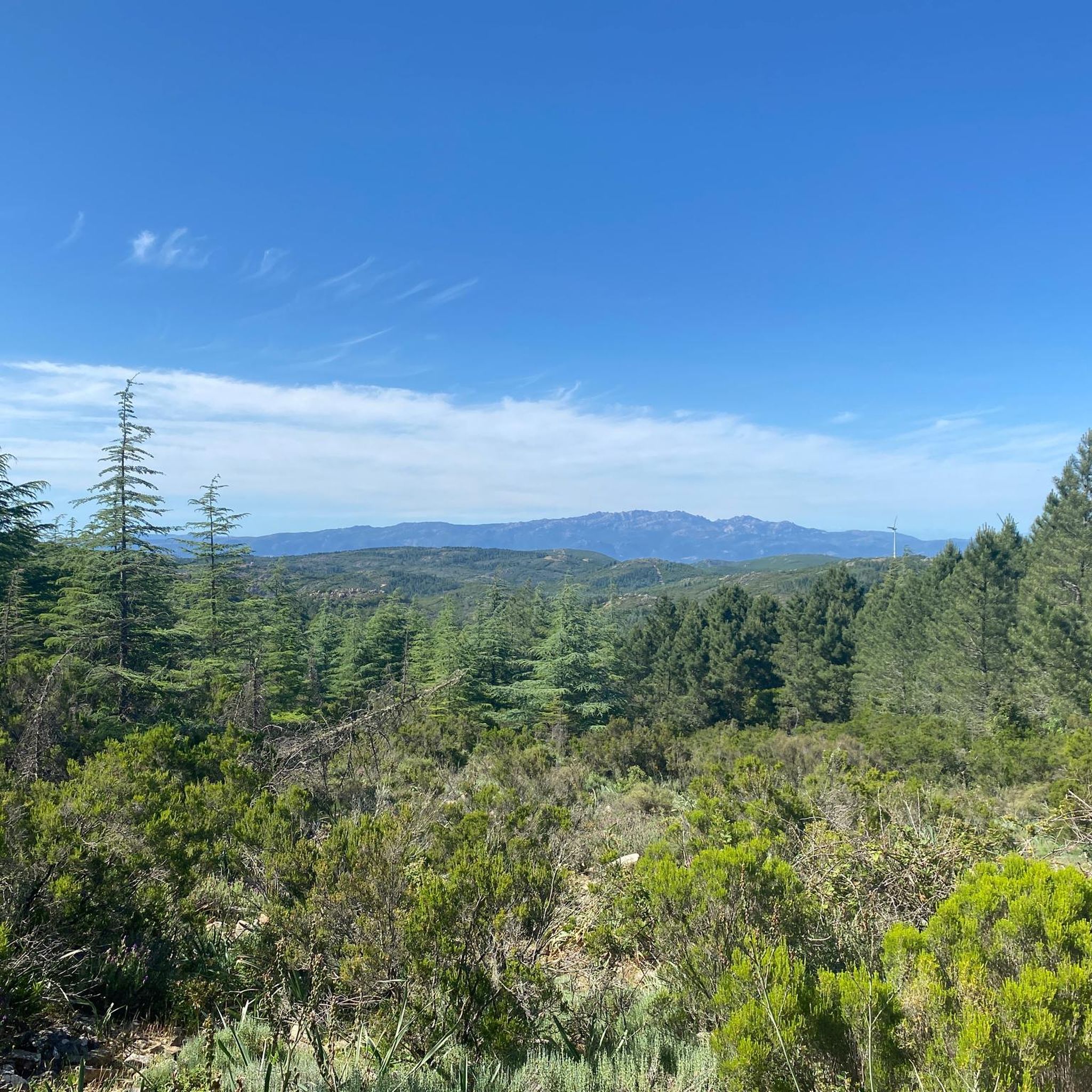
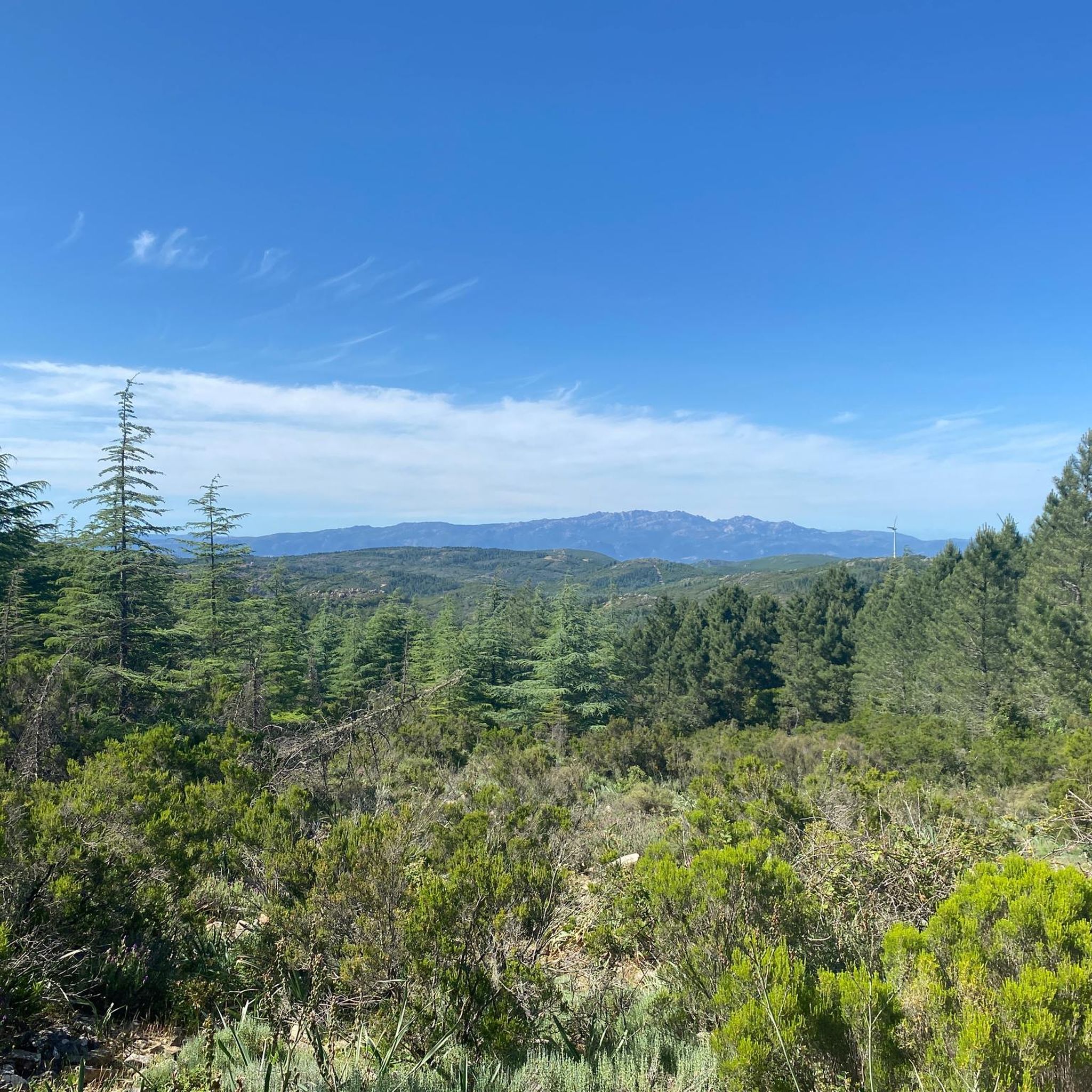
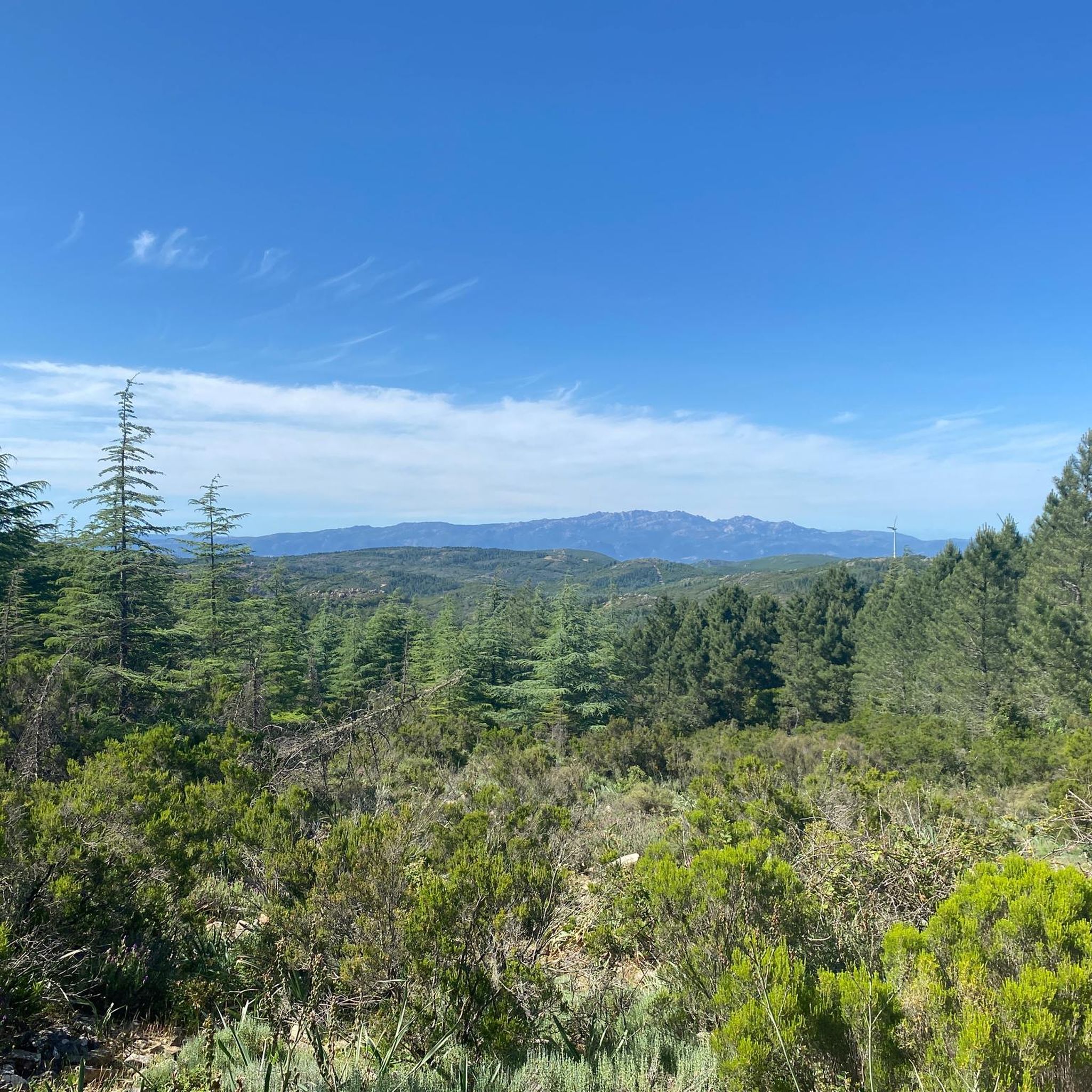
At an altitude of approximately 1,000 meters lies the Nuragic sanctuary "Sos Nurattolos." It consists of a spring, a rectangular temple (the Megaron), and several remains of round stone huts. The complex was built during the Nuragic period, approximately 1600 to 900 BC. The hiking trail leading from the lower mountain hut may even date back to this time. From here, you can also enjoy magnificent views into the distance.
0
0

This beautiful nuraghe is located in a suggestive position: on top of a hill, surrounded by cork trees, holm oaks and Mediterranean scrub. It can be seen from the street and can be accessed for free.
0
0

The Nuraghe Loelle, hidden among cork oaks and holm oaks, gradually reveals its fascinating and mysterious characteristics, perched on a granite outcrop, the main rock of the region, and dominating the plateau and the houses of Buddusò. Its structure consists of a central tower leaning on a trefoil bastion and is considered a “mixed” type as it has features of both a “corridor” and a tholos nuraghe. In fact, it is believed to be a protonuraghe, rebuilt in later phases to meet new architectural and cultural needs. All around you will notice the traces of the hut village with a circular floor plan. Upon entering, you will be surprised that the entrance does not open onto a courtyard or a corridor leading to a central room, as was common in these Bronze Age buildings. In the Loelle, however, a staircase leads clockwise around the tower and directly to the second level. Here begins another corridor, which, if you walk all the way through it, leads to the "ground floor", while about halfway there is another ramp that leads to the third level, where the final and main room opens. Before you enter the room, you will notice an apse-shaped niche on the right. In front of the keep, a bastion crossed by corridors was built with circular walls that have a concave-convex line. Outside the bastion, on the east side, there is another special feature of the Loelle: by exploiting a natural gorge, a separate room was created with a tholos vault that opens about one meter below the surface of the earth. Source: https://www.sardegnaturismo.it/en/explore/nuraghe-loelle
0
0
The Romanzesu village shrine stands on a plateau in a forest. It is part of the Bitti area, 13 kilometers away, and covers an area of seven hectares. Entirely made of granite, it includes about a hundred huts, many of which are hidden by the trees, and various cult buildings: a chess temple with a stepped amphitheater, two with a megaron, a rectangular one, a heron and a mysterious labyrinth. The name of the place goes back to the Roman settlement from the 2nd-3rd centuries. Century AD. The first information about this site dates back to 1919: it was discovered by archaeologist Antonio Taramelli. Seven excavations at the end of the 20th century uncovered fragments of ceramics, bronze and lead. The monumental centerpiece is the Chess Temple (13th-14th century BC), spring water bubbles out of its cracks. It has an entrance staircase, a room with a floor and a counter on the wall. It is connected by a corridor over 40 meters long to a circular paved tank, a ceremonial basin where water was collected. Around it are six wide steps of an amphitheater in which one can imagine the village population crowding together and taking part in the collective rituals of the water cult: ablutions and politico-religious ceremonies, including trials through ordeals (requests for divine intervention in order ). to judge crimes). In addition, three granite baetyluses were found, symbolizing divinity. Near a Megaron temple you will notice an oval enclosure surrounded by a series of concentric spiral walls, leading via a labyrinthine path to a central room: here a pedestal supported a cult object. The labyrinth, perhaps the magic priest's hut, dates from the 13th-14th centuries. century B.C. BC, while the village dates from an earlier period: the pottery found in the huts dates back to the 16th century BC. BC, i.e. from the beginning of spring, was only used to supply water. The huts are round, have a paved floor and seating around the fire pit. Some are very spacious, with niches and internal partitions, and one even has three rooms opening onto a shared courtyard. Source: https://www.sardegnaturismo.it/en/explore/romanzesu Further information can be found here: https://www.romanzesu.sardegna.it/
0
0

Main center of northern Barbagia, Bitti is an ancient stone village famous for the Tenori di Bitti, a Sardinian polyphonic chant included in the intangible heritage of humanity by Unesco. A point of reference for the production of cheeses, it is possible to visit the museum of peasant and pastoral culture.
1
0

Small town located on a plateau in the historic region of Monteacuto, part of the homonymous mountain community.
1
0
Frequently Asked Questions
What historical and archaeological sites can I explore in Buddusò?
Buddusò is rich in history. You can visit the well-preserved Nuraghe Loelle, a trefoil-shaped Nuragic complex with internal floors and an underground chamber. Another significant site is the Necropoli di Ludurru, featuring hypogea (underground tombs) excavated within a granite outcrop, located just 200 meters from the village. The territory also boasts numerous Domus de Janas, ancient rock-cut tombs.
What natural attractions are there around Buddusò?
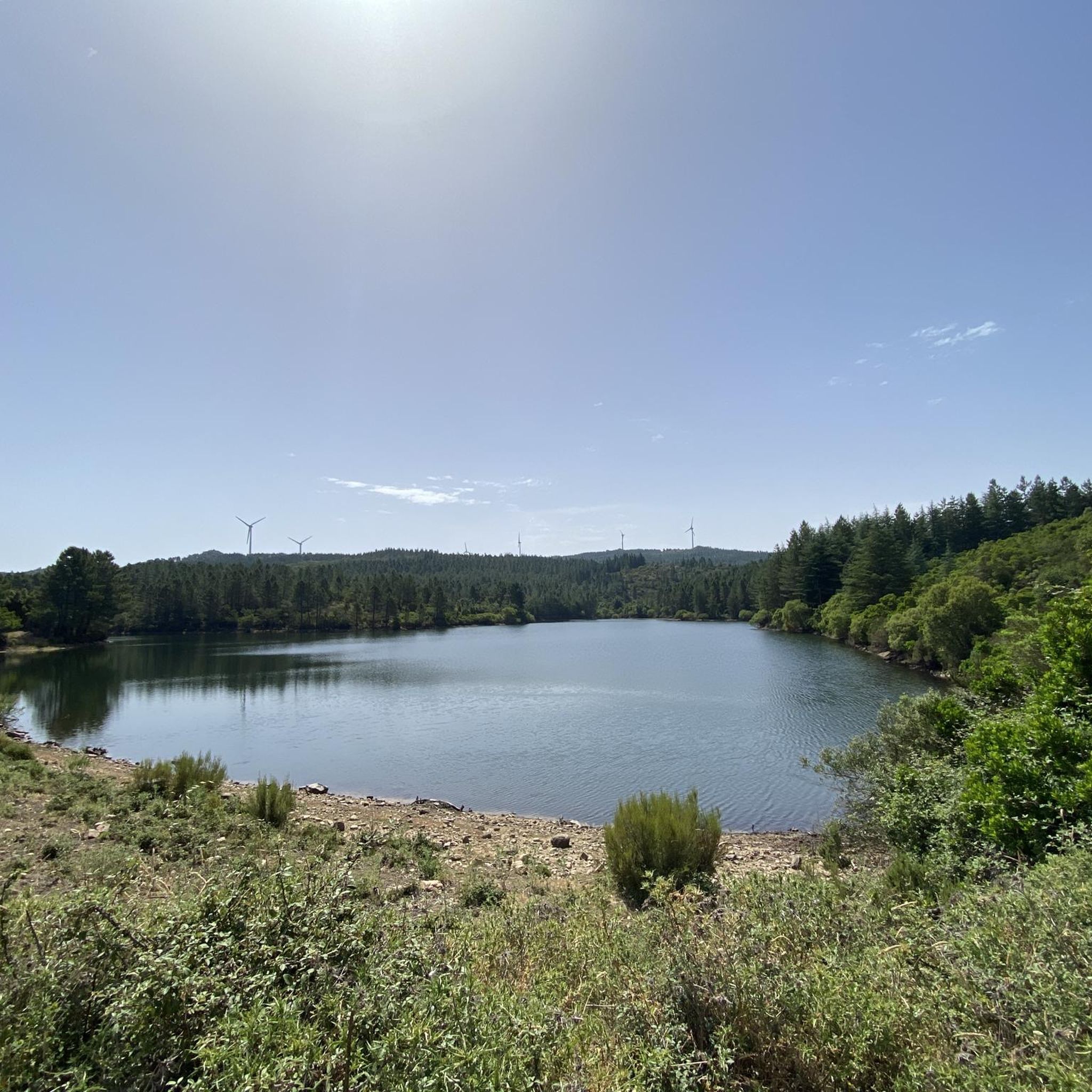
The Buddusò Plateau, rising 750 meters above sea level, is famous for its white granite quarries, pastures, cork oak forests, and dense Mediterranean scrub, offering unique landscapes for outdoor activities. The area is also traversed by the Rio Mannu and Rio Altana rivers, and features historical forests ideal for natural sports. Lake Sos Canales is another natural spot suitable for sports.
Are there opportunities for hiking near Buddusò?
Yes, the region offers several hiking opportunities. You can find easy trails like the 'Tomb of the Giants of Loelle – Stone Picnic Table Rest Area loop' or the 'Domus di San Sebastiano loop'. For more options, explore the Hiking around Uddusò/Buddusò guide, which lists various routes with different difficulty levels.
What cultural experiences does Buddusò offer?
Buddusò offers a blend of historical and contemporary culture. The MAC - Museum of Contemporary Art, also an ethnographic museum, showcases sculptures in wood and granite, often from international symposiums. It provides insights into local history, traditions, and the region's transformation. You can also admire the neo-Gothic architecture of Villa Doneddu and the ancient Bolostris Fountain in the historic center.
Are there family-friendly attractions or activities in Buddusò?
Families can enjoy exploring historical sites like the Nuraghe Loelle, which offers a glimpse into ancient civilization. The Murals of Alà dei Sardi, a nearby town, also provide an interesting visual experience. Many of the natural areas, like the Buddusò Plateau, are suitable for family outings and gentle walks.
What kind of cycling routes are available in the Buddusò area?
The Buddusò area provides diverse cycling routes. You can find challenging tours like the 'Bitti and Northern Barbagia - loop tour' or the 'Bitti – Posada loop'. There are also moderate options such as the 'Lake Coghinas – Diana Bridge on Lake Coghinas loop'. For a comprehensive list, check out the Cycling around Uddusò/Buddusò guide.
Can I find mountain biking trails around Buddusò?
Yes, mountain biking enthusiasts will find trails around Buddusò. Options range from moderate routes like the 'Lago Sos Canales loop' to more difficult ones such as the 'View of Pattada – Pattada loop'. Discover more trails in the MTB Trails around Uddusò/Buddusò guide.
What is the Sacred Village of Romanzesu?
The Sacred Village of Romanzesu, located about 15 kilometers from Buddusò in the Bitti area, is a significant Nuragic village-sanctuary. Built entirely of granite, it features approximately one hundred huts and various cult buildings, including a unique chess temple with a stepped amphitheater and a ceremonial basin for water rituals. It offers a fascinating insight into ancient Sardinian religious practices.
Are there any unique local traditions or art to discover?
Buddusò is known for its connection to traditional Sardinian culture. The nearby settlement of Bitti is famous for the Tenori di Bitti, a Sardinian polyphonic chant recognized by UNESCO. The MAC - Museum of Contemporary Art in Buddusò also highlights local history and traditions through its ethnographic exhibits and sculptures, often created during international art symposiums held in the area.
What are some notable churches in Buddusò?
Buddusò features several historically significant churches. The Parish Church of Santa Anastasia is important for the paintings preserved in its sacristy. The Church of San Quirico showcases Baroque architecture influenced by Iberian domination. Additionally, the rural Church of Santa Reparata is celebrated with a festival in early September, offering a glimpse into local traditions.
What is the Nuragic Sanctuary 'Sos Nurattolos'?
The Sos Nurattolos Nuragic Sanctuary is an ancient complex situated at approximately 1,000 meters altitude. It comprises a spring, a rectangular temple (Megaron), and remnants of round stone huts, dating back to the Nuragic period (1600 to 900 BC). From this site, visitors can also enjoy magnificent panoramic views of the surrounding landscape.

Get inspired with the komoot mobile app


Explore more
Still not found the Highlight you’re looking for? See guides of the top attractions in other regions:
